
Reviewed · PALERMO CITY TOURS
Sicilian Cooking Class in Palermo
Palermo has a delicious shortcut to Sicilian cooking. This class pairs market shopping with real hands-on time in a historic Palermo kitchen, plus wine while you work. You start at Via Volturno 78 and build a meal around classic flavors like caponata’s agrodolce sweet-sour punch and Trapani-style pesto.
I especially like two things about this experience. First, you learn what makes Sicilian food distinct from the rest of Italy by actually cooking it, not just watching. Second, the flow is practical: you pick seasonal ingredients together, then you walk to the kitchen and cook immediately with an instructor who keeps the pace friendly and focused.
One thing to think about is logistics. There’s no hotel pickup, and parking costs an extra fee paid at check-in, so you’ll want to plan how you’ll get there and where you’ll park.
In This Review
- Key things I’d circle before you go
- A historic Palermo kitchen where Sicilian cooking feels normal
- Market shopping in Palermo: where the class starts tasting like Sicily
- Caponata and busiate: the Sicilian meal you’ll actually remember
- Starter: Caponata and the sweet-sour obsession
- Main: Busiate al pesto trapanese and why it’s not the usual pesto
- Dessert and other classic Sicilian dishes you might make
- Cooking with wine pairings: how the class keeps momentum
- Stop at Palazzo Asmundo: a quick cultural anchor before you cook
- How the class really runs: group size, teaching style, and hands-on time
- Price and value: is $229.29 worth it in Palermo?
- Who should book this Sicilian cooking class
- Should you book it? My straight answer
- FAQ
- What dishes are included in the Palermo cooking class?
- Is the class offered in English?
- How long is the cooking class?
- Is wine included?
- Are vegetarian dietary needs available?
- Where do I meet, and where does the tour end?
- Do they provide hotel pickup or drop-off?
- Is there any extra fee I should plan for?
Key things I’d circle before you go
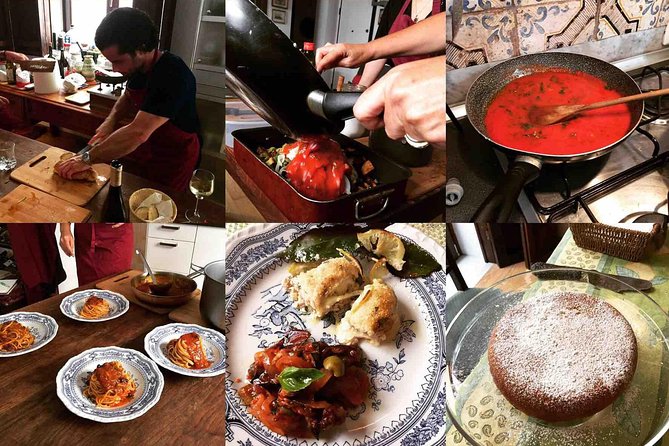
- Market-first shopping for seasonal ingredients, with tips on what to choose
- Historic setting + home-kitchen cooking, not a show-only demo
- Hands-on dishes built around Sicilian staples like caponata and busiate al pesto trapanese
- Wine pairings while you cook and eat, including tastings with the meal
- Small group size (max 20) for better interaction with the host
- Dietary flexibility with vegetarian option if you request it in advance
The rest of what Palermo puts on
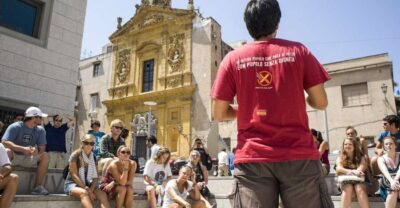
- Palermo: NO Mafia Walking Tour
★ 4.8 · 2,431 reviews - Palermo: Hop-on Hop-off Bus Tour 24-hour Ticket
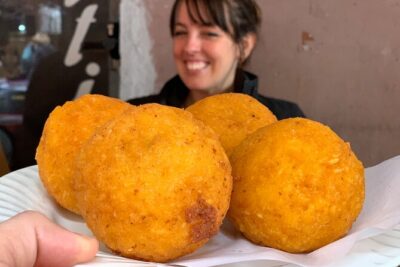
★ 3.9 · 2,410 reviews - Palermo Original Street Food Walking Tour by Streaty
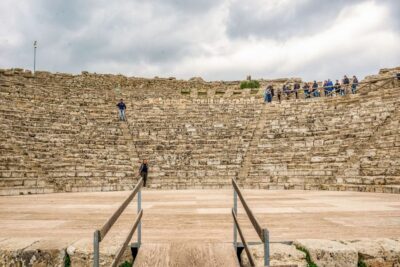
★ 5.0 · 2,105 reviews - Segesta, Erice and Salt Pans Full-Day Excursion from Palermo
★ 4.2 · 1,791 reviews
A historic Palermo kitchen where Sicilian cooking feels normal
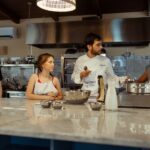
This cooking class is built around the idea that Sicilian food is for everyday life, not formal performance. You meet in central Palermo (Via Volturno, 78, 90138), and the start area is tied to the Palazzo Asmundo neighborhood. From there, you get moving toward the market, then you head to a home-style kitchen in a historic building.
What I like about that format is how quickly it turns into something you can picture doing later. You aren’t stuck behind a counter. You’re at a real table setup with ingredients in front of you, and the teaching centers on how the food should feel and taste—especially the balance Sicily is famous for, like sweet-sour in caponata.
Also, the class runs in English, so you can follow the why behind each step. That matters because Sicilian cooking often depends on small flavor choices—type of olives, capers, herb style, and the way the sauce is treated—not just the recipe name.
Market shopping in Palermo: where the class starts tasting like Sicily
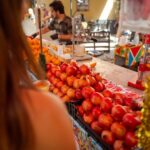
The class begins with a shopping trip for the meal’s ingredients. You go together to the market to buy seasonal produce, herbs, and other key items, then you return home about 10 minutes later and start cooking right away.
This is one of the best ways to understand Sicilian cuisine because you see the ingredients at their freshest. In Palermo, that often means produce that still looks like it just came out of the ground, plus seafood and pantry items sold by people who care about quality.
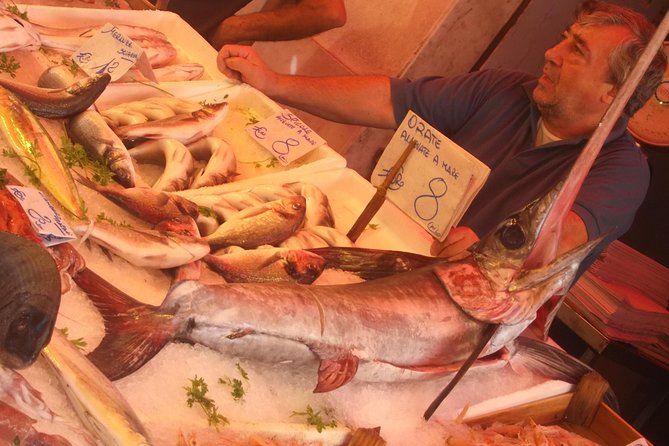
From the experience setup and past class descriptions, the market portion is also about selection skills. You learn what’s worth buying, and how to talk about it with vendors. One highlight from earlier sessions: seeing active fishmonger work up fresh seafood, and watching the host choose produce carefully—so you don’t end up with ingredients that won’t carry the flavor once they hit the pot.
A practical note: markets can be lively, so wear comfortable shoes. You’ll want to be able to browse, stop, and move without feeling rushed.
Caponata and busiate: the Sicilian meal you’ll actually remember
The class includes a starter, main course, and dessert-style sweets depending on the session. The sample menu gives you a clear sense of the typical Sicilian arc.
Starter: Caponata and the sweet-sour obsession
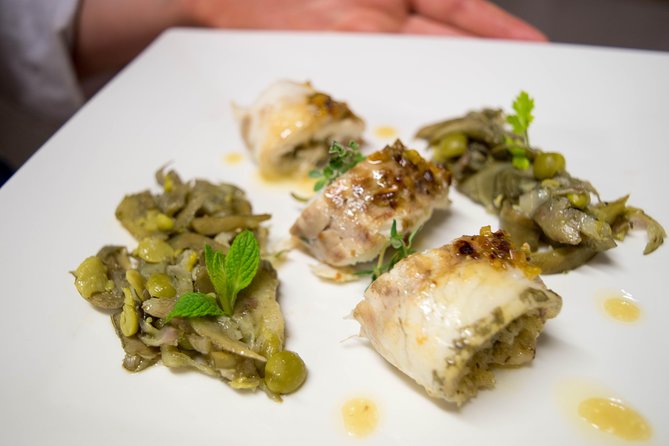
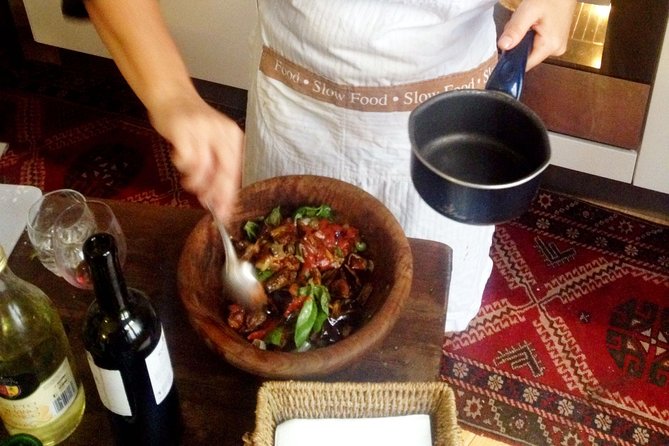
Caponata is a Sicilian vegetable stew known for its agrodolce flavor—sweet and sour together. In this class, you’re working with eggplant, onions, capers, and green olives, which is the classic flavor math that makes caponata taste brighter than a plain vegetable stew.
What you’re really learning here is texture and timing. Eggplant needs to cook until it’s soft but not collapsed. Capers and olives add salt, tang, and bite. The onions bring sweetness and depth. The result is a dish that tastes layered, not heavy.
If you’ve only had caponata from jars or menus, this is the version that makes you understand why Sicilians treat it like a signature.
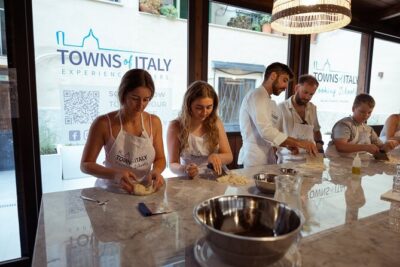
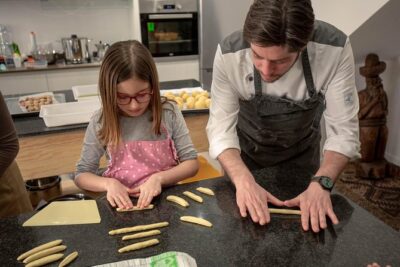
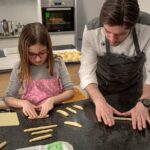
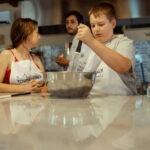
Hands in the flour, Palermo style
Main: Busiate al pesto trapanese and why it’s not the usual pesto
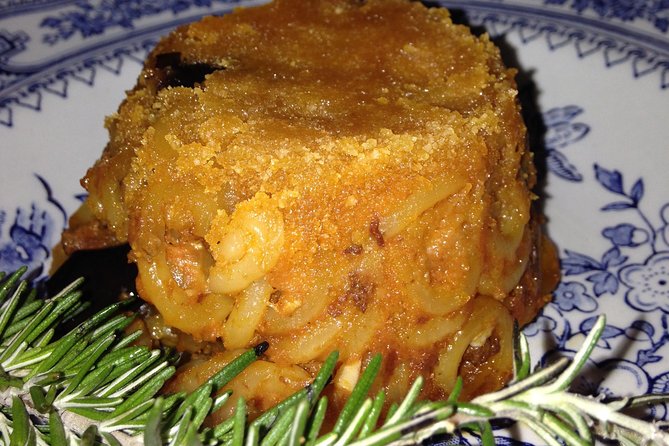
For the main, you’ll cook busiate al pesto trapanese. Busiate is a pasta shape associated with Trapani, and the pesto is the real story.
The class emphasizes that the Trapani pesto tastes different from the more familiar green pesto most people associate with Italy. In some sessions, pesto can include almonds instead of pine nuts, which changes the richness and texture in a noticeable way. If that’s part of your menu, it’s a great reminder that pesto isn’t one recipe—it’s a family of styles.
Also, busiate is good for this kind of sauce because it grips and holds onto the pesto. That’s a small detail, but it changes how every bite feels.
Dessert and other classic Sicilian dishes you might make
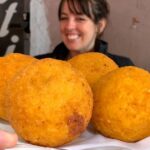
The sample menu calls out traditional desserts, and past versions of this class have included Sicilian favorites like arancini and cannoli. Some sessions also describe dishes such as involtini and other Sicilian baked sweets, depending on the day.
So if you’re coming specifically for one dream dish, your best move is to check what’s listed when you book. The core Sicilian themes—market ingredients, classic pairings, and hands-on steps—stay consistent.
Cooking with wine pairings: how the class keeps momentum
You’re not just tasting at the end. The class is set up so there’s always something happening while you cook, and a glass of wine is part of the rhythm from the start.
This matters for two reasons. First, it helps keep the pace relaxed during chopping and stirring—work that can otherwise feel slower when you’re learning. Second, the wine pairings help you connect flavors. When you taste while you cook, you start noticing how acidity, saltiness, and herbs change what tastes good together.
Some prior sessions mention pairing ideas like cheese and wine snacking along the way, and a few hosts have served homemade liqueurs such as limoncello. Even if your exact tasting lineup differs, the structure should feel the same: you’re fed, you’re guided, and you’re tasting what you’re making.
My practical tip: take sips, not big pours. You want to stay alert for the technique parts, especially when sauces and pasta need attention at the end.
Stop at Palazzo Asmundo: a quick cultural anchor before you cook
The experience lists Palazzo Asmundo – Museo as a stop. Even if you spend most of your time cooking and eating, that starting landmark helps you orient yourself in Palermo.
That’s a small thing, but it’s part of why cooking classes can feel richer than a single restaurant meal. You get a sense of place before you touch the food. And because the class stays in central Palermo, it doesn’t feel like a long detour into the countryside just to have a fun afternoon.
If you like walking and learning the city in small, manageable bits, this format fits well.
How the class really runs: group size, teaching style, and hands-on time
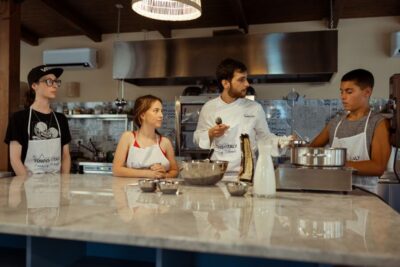
This is a small-group class, with a maximum of 20 travelers. Many past classes describe intimate group sizes and a mix of couples and solo travelers, which usually leads to more interaction with the instructor.
The teaching style tends to be friendly and practical. Hosts like Patrizia are repeatedly described as warm, welcoming, patient, and energetic, with guests appreciating explanations of technique, not just recipe steps. Another instructor name that appears in past sessions is Lidia, also described as patient and great with hands-on instruction.
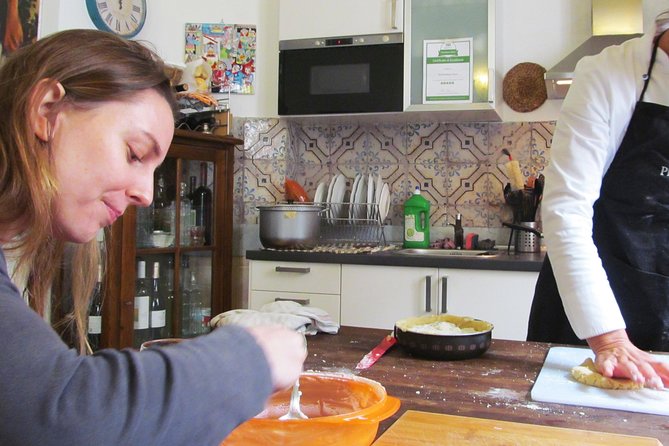
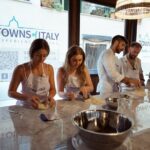
You’ll likely do a mix of prep and cooking steps. Some sessions describe getting a station with your own cutting board at the main kitchen table, which is a big deal when you want more than one small task. The goal is that you leave with a menu you can picture—and ingredients you know how to choose next time.
Also, the class works for different dietary needs. You can request dietary requirements during booking, and there’s a vegetarian option available. That’s important because it means the menu can adjust instead of forcing you to sit out a big portion.
Price and value: is $229.29 worth it in Palermo?
At $229.29 per person for about 4.5 hours, this is not a budget activity. But it’s closer to a premium food experience than a simple cooking workshop.
Here’s what you’re paying for, based on what’s included:
- Cooking lesson
- Lunch or dinner (depending on departure time)
- Wine and food tasting
- Ingredients purchased during the market stop (you build the meal from what you select)
When you think of it that way, the price starts to make sense. You’re not only learning technique. You’re also getting a complete meal experience that includes wine pairing and market shopping, which you’d otherwise do on your own (and spend time figuring out where to buy everything).
Two small cost considerations:
- Parking fee is not included and is paid at check-in.
- No hotel pickup, so you may need to factor in transport.
If you’re the type of traveler who likes one or two high-impact activities during a short stay, this is a strong candidate. If you’re trying to keep costs ultra-low, you might decide this is more than you want to spend.
Who should book this Sicilian cooking class
This class is a great match if you:
- Want real Sicilian flavors like agrodolce caponata and Trapani-style pesto in your own hands
- Like market time, not just restaurant time
- Prefer small-group instruction where you can ask questions
- Travel solo or with a partner and want an experience that feels social without being chaotic
- Care about learning what makes Sicilian cuisine different, not just copying recipes
It’s also a good fit for families when everyone is comfortable with shared cooking time, since past groups described feeling welcomed and able to handle dietary requests with support.
If you dislike any hint of cooking work—chopping, stirring, standing at a station—then you might not love the format. This is hands-on by design.
Should you book it? My straight answer
I’d book this Sicilian cooking class if you want your Palermo day to feel like food you can take home—technique, ingredient choices, and the flavor logic behind dishes like caponata and busiate al pesto trapanese. The market + kitchen flow is practical, and the wine pairings help keep the whole afternoon moving.
Skip it only if you strongly prefer low-cost activities, don’t want to handle transit on your own (no hotel pickup), or you’re sensitive to alcohol-heavy experiences—since wine is part of the rhythm and tastings are included.
If you’re aiming for one memorable culinary activity in Palermo that goes beyond a meal, this is the kind of class that can stick with you long after the plates are cleared.
FAQ
What dishes are included in the Palermo cooking class?
You can expect a menu that includes caponata as a starter and busiate al pesto trapanese as a main. Traditional dessert is also part of the experience, and the exact dessert can vary by session.
Is the class offered in English?
Yes. The experience is offered in English.
How long is the cooking class?
It runs for about 4 hours 30 minutes.
Is wine included?
Yes. Wine and food tasting are included, and you’ll have a glass of wine during the cooking process.
Are vegetarian dietary needs available?
Yes. A vegetarian option is available, and you should advise the team at booking if you need it.
Where do I meet, and where does the tour end?
You start at Via Volturno, 78, 90138 Palermo PA, Italy. The activity ends back at the same meeting point.
Do they provide hotel pickup or drop-off?
No. Hotel pick-up and drop-off are not included.
Is there any extra fee I should plan for?
Parking is not included and is payable at the time of tour check-in.
More Tour Reviews in Palermo
More Cooking Classes to Book
More Palermo, Start to Finish
Just added: the newest Palermo tours in our notebook
- Private Transfer from/to Trapani★ 5.0 · 3 reviews
- Private Tour from Palermo to Monreale, Santa Rosalia and Mondello★ 5.0 · 3 reviews
- Palermo: Cannolo & Cassata MasterClass★ 5.0 · 3 reviews
- Camporeale: Sallier de La Tour Wine Discovery Tour★ 4.6 · 3 reviews
- Sicily … A Love of a Lifetime★ 4.5 · 3 reviews
- Sicilian Cooking Class in Palermo – Private Option★ 5.0 · 3 reviews
Palermo City Tours, compared.
 ★ 4.8Palermo: NO Mafia Walking TourFrom $402,431 reviews
 ★ 5.0Palermo Original Street Food Walking Tour by StreatyFrom $832,105 reviews
 ★ 4.2Segesta, Erice and Salt Pans Full-Day Excursion from PalermoFrom $821,791 reviews
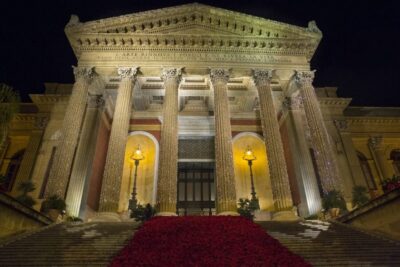 ★ 4.5Palermo: Teatro Massimo Opera House Guided TourFrom $141,573 reviews
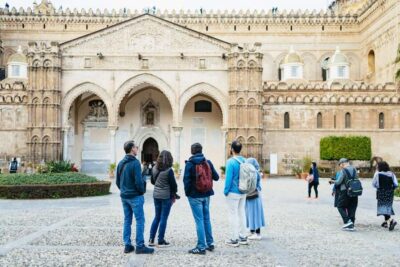 ★ 4.9Palermo: Street Food and History Walking TourFrom $571,486 reviews
 ★ 4.2From Palermo: Monreale and Cefalù Half-Day TripFrom $711,354 reviews
 ★ 4.2Palermo: Agrigento and the Valley of the Temples Day TourFrom $771,240 reviews
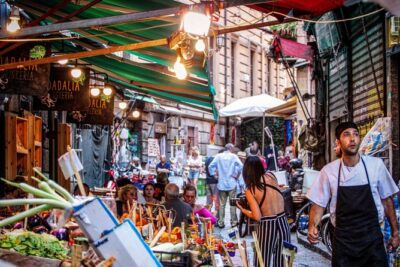 ★ 5.0Palermo No Mafia walking tour: discover the Anti-mafia culture in SicilyFrom $391,011 reviews
Browse the lists this tour appears in