
Reviewed · PALERMO CITY TOURS
Palermo Street Food & Market Tour by Eating Europe
Palermo smells like fried greatness, and this tour keeps you moving through Ballarò market and Palermo’s best street-food tastings in about 3 hours. I like that the food isn’t random. It’s built around iconic local bites like panelle and crocchè, grilled specialties, arancina, and a cannoli moment you watch get filled.
Next, I really value the human side: the tour is led by an English-speaking guide, and the guidance style matters here. One guide mentioned in firsthand feedback is Giusi, praised for connecting ingredients to the city without turning it into a lecture.
The main thing to consider is pacing. You’ll hop between stops on foot, and portions are tasty but food-focused—so if you have severe or life-threatening allergies, this isn’t the right fit. Also, extra drinks aren’t included.
In This Review
- Quick hits
- Price and logistics you’ll actually care about
- Starting near Via Niccolò Palmeri: how you’ll get your bearings fast
- Ballarò Market and the Arch of Cutò: where the route tells a story
- Antica Friggitoria Dal 1947: panelle and crocchè for your fried-food foundation
- Forno Storico Pietro Marino: sfincione in two regional styles
- Piazza Ballarò grills: sausage with fennel and mangia e bevi
- Babbalù and arancina: the pharmacy-bistro connection with Anna
- Historic squares en route: Fontana Pretoria and the UNESCO church views
- I Segreti del Chiostro: cannolo espresso filled fresh in a former monastery
- Casa Stagnitta: roastery coffee and pastries to end the tour
- Dietary needs, allergies, and how to plan around them
- Who this Palermo street food tour is perfect for
- Should you book Palermo Street Food and Market by Eating Europe?
- FAQ
- How long is the Palermo Street Food & Market Tour?
- What does the tour cost?
- What language is the tour offered in?
- Where does the tour start and end?
- What street foods will I taste?
- Are drinks included in the price?
- Can the tour accommodate dietary requirements?
- Is tipping required?
Quick hits
- Ballarò market orientation with historic touchpoints, including the Arch of Cutò and the route toward Quattro Canti
- Classic Palermo street snacks like panelle and crocchè at Antica Friggitoria Dal 1947
- Sfincione with two styles at Forno Storico Pietro Marino (Palermitano vs. Bagherese)
- Slow-grilled grilled bites including sausage with fennel and mangia e bevi
- Arancina at Babbalù, prepared at a small bistrò connected to an old pharmacy, run by Anna
- Cannolo espresso filled fresh inside a former monastery stop, plus coffee to finish at Casa Stagnitta
The rest of what Palermo puts on
- Pub Crawl Palermo
★ 5.0 · 595 reviews - Palermo: Pasta and Tiramisu Small Group Cooking Class with Wine
★ 5.0 · 348 reviews - Classic Boat Tour in Palermo
★ 5.0 · 268 reviews - Sicilian Cuisine Cooking Class in Palermo
★ 5.0 · 208 reviews
Price and logistics you’ll actually care about
This Palermo tour costs $77.23 per person and runs about 3 hours. For that price, you’re not just paying for a walk with a guide. You’re paying for multiple scheduled tastings plus the guided thread that tells you what you’re eating and where it fits in Palermo’s food culture.
A few practical details make it feel manageable. The group size is capped at 12, so you’re not stuck shouting over a crowd. You get a mobile ticket, and the tour is offered in English. It also tends to sell well—on average people book about 59 days ahead—so if you’re traveling in peak season, don’t wait until the last week.
One small but important note: gratuities aren’t included, and extra drinks aren’t included. That’s normal for food tours, but it’s worth budgeting so you don’t end up doing math on a café terrace.
Starting near Via Niccolò Palmeri: how you’ll get your bearings fast
Most food tours start with food. This one starts with navigation. The meeting point is Via Niccolò Palmeri, 4 (near Palermo’s central area), and from there you’ll work your way through neighborhoods tied to Ballarò Market.
Why this matters: if it’s your first time in Palermo, Ballarò can feel like sensory overload—sound, smells, voices, and stalls all at once. Having a guide’s route helps you understand what you’re seeing instead of just following your nose.
You’ll also end on the café side of things, at Casa Stagnitta (Discesa dei Giudici, 46). That means your last stop isn’t another standing-only snack. It’s a roastery setting that’s a nice transition from “street mode” to “sit down and digest” mode.
Ballarò Market and the Arch of Cutò: where the route tells a story
Ballarò isn’t just a place to eat. It’s also a place to understand how Palermo works at street level. Early on, you’ll pass by the Arch of Cutò, an ancient monument that dates back to the 13th century. It’s connected to the Palazzo Cutò and serves as one of the main entrances to Ballarò Market.
That kind of stop sounds optional on paper, but it changes how you experience the market. You start noticing that what you’re walking through isn’t new. It’s woven into the city’s layout, and the food stands you’re about to hit make more sense when you realize they belong to a street system that’s been doing this for centuries.
If you hate long pauses, you’ll be fine. This is a quick moment for context, then you’re back to tasting.
Antica Friggitoria Dal 1947: panelle and crocchè for your fried-food foundation
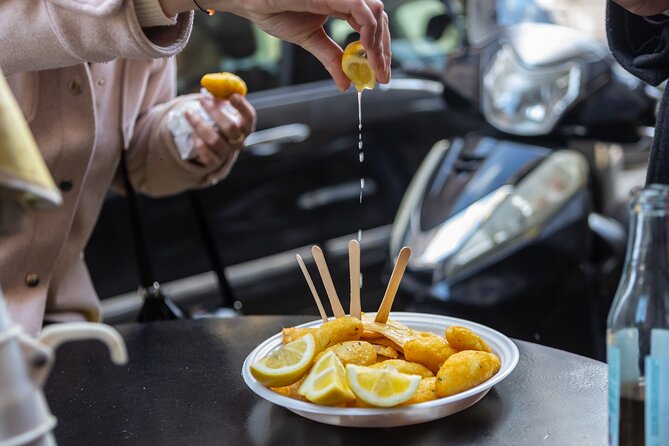
Your first true eating stop is Antica Friggitoria Dal 1947, a long-running Palermo institution known for traditional fried snacks. Since 1947, they’ve been serving the kind of food that locals treat like everyday comfort.
The tastings focus on two Sicilian classics:
- Panelle (chickpea fritters)
- Crocchè (mashed potato croquettes)
This is a great start because it sets the flavor baseline for the rest of the tour. Chickpea fritters give you that savory, slightly peppery bite, while crocchè bring a softer interior with potato richness. You’re also learning what “fried” means in Palermo: not heavy for the sake of heaviness, but built for street eating—handheld, shareable, and meant to be eaten on the move.
One consideration: fried food moves fast. You’ll want to have your water handy and be ready for your appetite to ramp up quickly.
More street-food crawls around Sicily
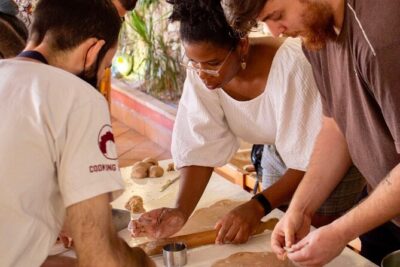
Forno Storico Pietro Marino: sfincione in two regional styles
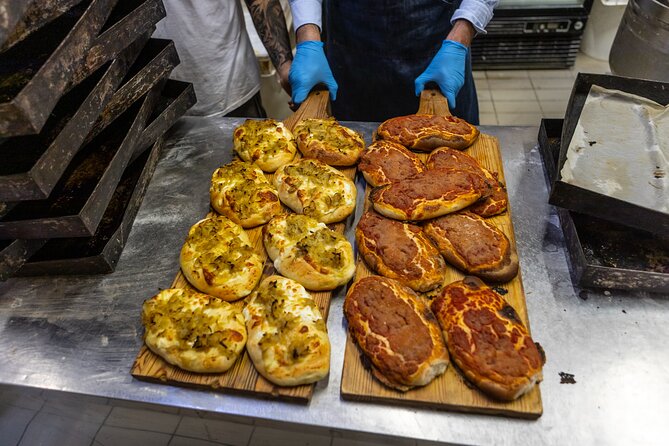
Next comes bread-and-topping comfort at Forno Storico Pietro Marino, beloved in Palermo and noted even by major media outside Italy. You’ll spend time here with a guide and meet the idea that sfincione isn’t one single thing—it changes with local tastes.
You’ll get two sfincione types prepared for you:
- The Palermitano with tomatoes and caciocavallo cheese
- The Bagherese with tuna, cheese, and onions
This stop is valuable because it shows you how Sicilian food can be both traditional and specific. The same category of dish gets different personalities depending on the town it’s tied to. It also helps you spot why Palermo’s street food doesn’t feel like generic fast food. It’s regional cooking, scaled down to snack size.
If you’re not a fan of fish, the Bagherese sfincione might be a test. You can ask your guide about options for your preferences, since dietary needs are handled as best they can, but severe allergies can’t be accommodated on this tour.
Piazza Ballarò grills: sausage with fennel and mangia e bevi
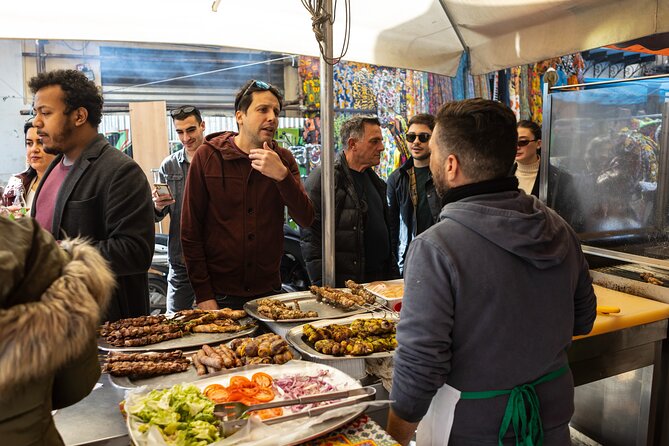
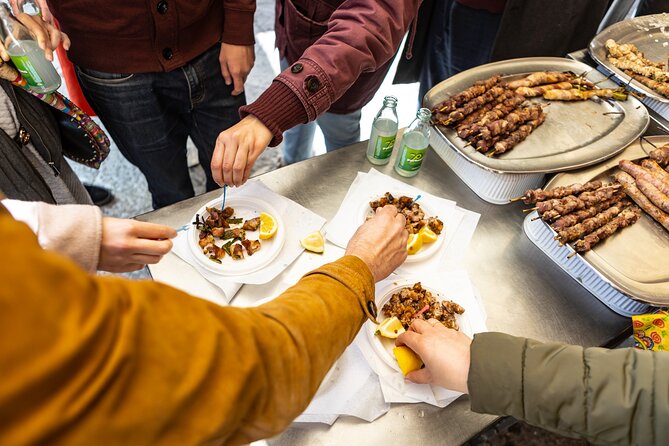
From bakery comfort to grill smoke. In the Piazza Ballarò area, you’ll taste two street-food favorites that rely on slow grilling for flavor.
Expect:
- Sausage with fennel
- Mangia e bevi (a slice of pancetta wrapped around a spring onion)
The key word here is slow grilling. These bites aren’t meant to be crunchy-and-gone; they’re meant to hold heat and release flavor gradually. Fennel brings a sweet-anise note that cuts through rich sausage. The pancetta-wrapped spring onion is salty, smoky, and a little surprising if you only associate spring onion with salads.
Practical tip: eat these while they’re hot. If you let them cool, they won’t taste the same.
Babbalù and arancina: the pharmacy-bistro connection with Anna
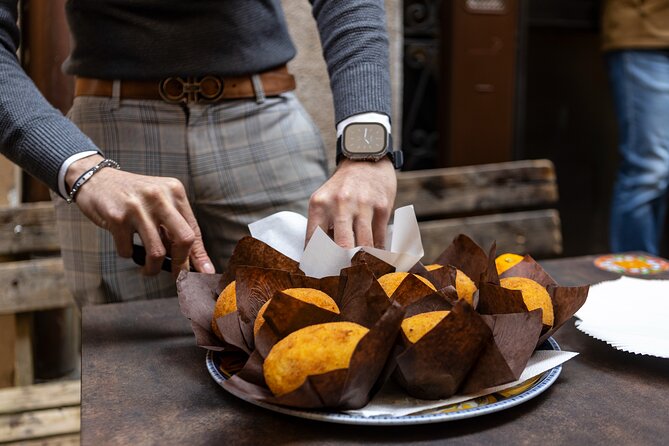
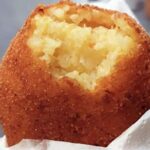
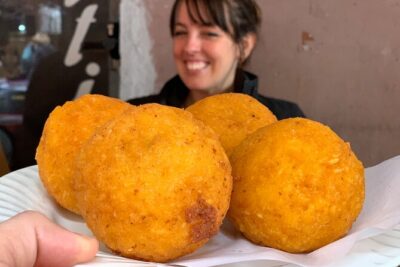
Arancina is Palermo’s famous rice-and-stuffing snack, and you’ll find it at Babbalù, an old pharmacy turned bistrò. One detail I like about this stop is the sense of continuity—same structure, new use, still tied to the neighborhood’s daily rhythm.
Your guide will introduce the person behind the operation: Anna, who prepares arancina fresh each day and makes them in a way that locals appreciate—nice and round, not crushed or overworked.
Why arancina matters on a street food tour: it’s more than a snack. It’s a dish with identity. The crust, the stuffing, and the shape all communicate how Palermo wants you to eat it—handheld, satisfying, and best eaten immediately.
If you’re picky about texture, this is your moment. Arancina can range from creamy and cohesive to dry depending on preparation. Since this stop emphasizes fresh, it’s designed to hit the right balance.
Historic squares en route: Fontana Pretoria and the UNESCO church views
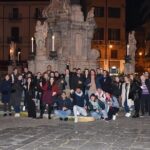
Between food stops, the tour also gives you a real Palermo picture. You’ll pass through a striking historic square near Quattro Canti, where the star is the Fontana Pretoria—a 16th-century Renaissance fountain originally made in Florence and later transported to Palermo in 644 individual pieces.
This isn’t just a “look, a fountain” stop. It adds a sense of how Palermo collects art, objects, and influence. The city’s food story isn’t only local ingredients; it’s also the city’s long history of trade and cultural mixing.
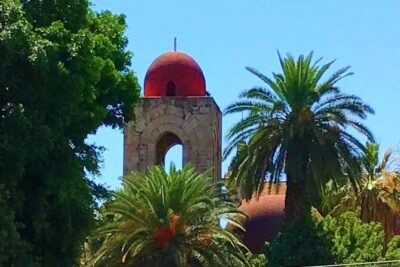
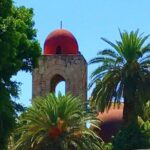
Near Quattro Canti, you’ll also spot two UNESCO World Heritage churches side-by-side that reflect the Arab-Norman heritage. You won’t be doing a long museum visit, but you’ll get enough context to notice the architecture differences if you’re the kind of traveler who likes to connect streets to stories.
I Segreti del Chiostro: cannolo espresso filled fresh in a former monastery
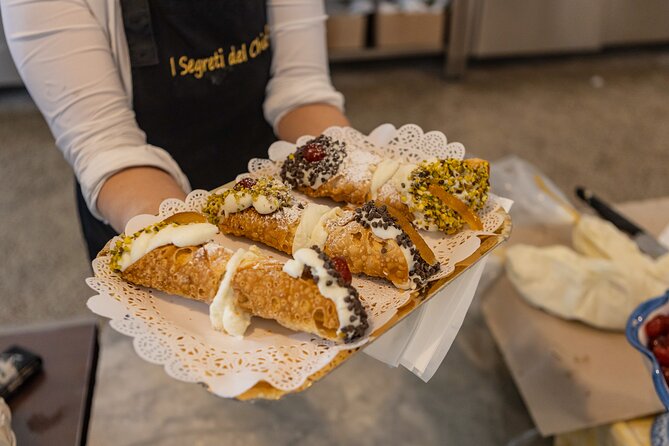
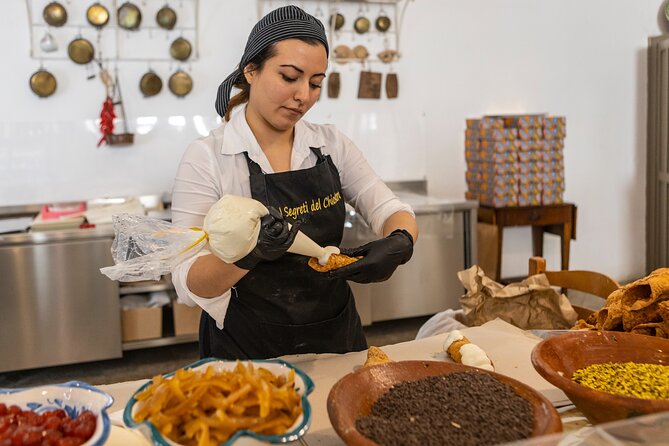
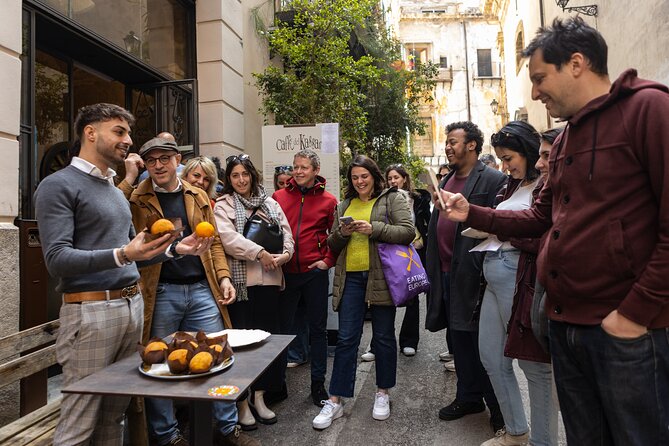
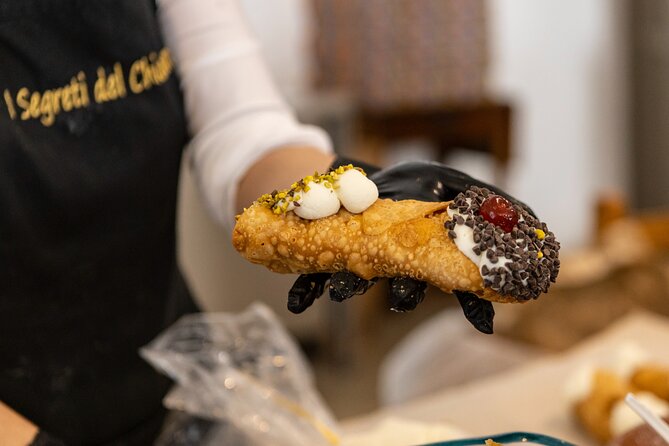
Then you get to the sweetest part. At I Segreti del Chiostro, you’ll enjoy a cannolo espresso at a pastry stop tucked inside a former monastery space. This is one of those moments that changes the mood of the tour.
You’ll watch a cannolo get filled on the spot with creamy ricotta, finished with:
- pistachio
- chocolate chips
- candied fruit
The cannolo espresso pairing matters because it makes the dessert feel like a proper break, not just sugar. Espresso also gives you a bitter edge that balances the sweetness and resets your palate for whatever you do next—whether that’s walking off dinner or hunting for one last pastry.
If you’re worried about dessert overload, don’t be. The tastings earlier set you up for a finish rather than a crash.
Casa Stagnitta: roastery coffee and pastries to end the tour
You’ll wrap up at Casa Stagnitta, a roastery that’s about a century old. This ending stop is practical: it’s where you slow down, sip espresso, and have pastries in a café setting after a full run of street food.
This last hour-long experience vibe is different from the earlier stands. It gives you a chance to ask follow-up questions, check what you want to eat later on your own, and plan your next walk while your stomach is still happy.
Also, coffee culture in Palermo is not just about caffeine. It’s part of daily life. Finishing with a local roastery helps you understand why locals have opinions about beans and pastries, not just about food quantity.
Dietary needs, allergies, and how to plan around them
This tour can work for many people—most travelers can participate, and service animals are allowed. If you’re vegetarian or gluten-free, you can request accommodations by emailing in advance or adding a note at booking, and the company will do their best to adapt.
But there’s a hard stop for severe or life-threatening allergies. The tour isn’t suitable if you have severe reactions to ingredients that appear on the tour. That rule is there for good reason.
So my practical advice is simple: if your dietary issue is mild or you just dislike certain foods, communicate it. If it’s severe allergy territory, consider a different style of tour or an itinerary designed specifically for medical constraints.
Who this Palermo street food tour is perfect for
This is a strong match if you want:
- an easy first-day introduction to Palermo via Ballarò
- a structured way to taste classic foods without planning every stop
- an English-speaking guide who explains ingredients and local meaning (Giusi is one example of a guide praised for that ingredient-focused approach)
- a tour that balances food with historic sightlines like Fontana Pretoria and UNESCO church views
You might skip it if you prefer long sit-down meals, dislike eating while standing, or have severe allergy constraints.
For everyone else, it’s a pretty efficient way to “learn by eating” in a city where street food is the main event.
Should you book Palermo Street Food and Market by Eating Europe?
If you’re spending limited time in Palermo, I’d book this. The value is in the mix: classic fried bites, regional sfincione styles, grilled street specialties, arancina from a pharmacy bistrò run by Anna, and a cannoli moment filled fresh in a former monastery setting—then a coffee finish at Casa Stagnitta.
Also, the group is small (max 12), it runs about 3 hours, and it’s in English. That’s the sweet spot for travelers who want real local flavors without having to map every turn.
If you want a “Palermo hits” tour that doesn’t pad time and keeps the focus on food you can actually taste and remember, this one fits.
FAQ
How long is the Palermo Street Food & Market Tour?
It lasts about 3 hours.
What does the tour cost?
The price is $77.23 per person.
What language is the tour offered in?
The tour is offered in English, with a local English-speaking guide.
Where does the tour start and end?
It starts at Via Niccolò Palmeri, 4, 90123 Palermo, and ends at Casa Stagnitta, Discesa dei Giudici, 46, 90133 Palermo.
What street foods will I taste?
You’ll taste traditional Palermo and Sicilian street foods such as panelle and crocchè, sfincione in two styles, sausage with fennel, mangia e bevi, arancina, and a cannolo espresso, plus coffee and pastries at the end.
Are drinks included in the price?
Extra drinks are not included.
Can the tour accommodate dietary requirements?
The tour can try to accommodate vegetarians, gluten-free guests, or other needs if you request them at booking. It isn’t suitable for severe or life-threatening food allergies.
Is tipping required?
Tips or gratuities for the guide are not included in the tour price.
More Tour Reviews in Sicily




More Sicilian Street-Food Crawls
More Palermo, Start to Finish

Just added: the newest Sicily tours in our notebook
- Etna / Taormina★ 5.0 · 3 reviews
- Bikes★ 5.0 · 3 reviews
- Taormina shore tour – for small group cruise passengers★ 5.0 · 3 reviews
- Vegan Cooking Class in Catania with Lunch and Dinner★ 5.0 · 3 reviews
- Make & Taste Sicilian Desserts in Palermo – Learn Cannoli & More★ 5.0 · 3 reviews
- Sicilian Villages & Ricotta Tasting – including Lunch from Cefalu★ 4.0 · 3 reviews
Palermo City Tours, compared.
 ★ 4.8Palermo: NO Mafia Walking TourFrom $402,431 reviews
 ★ 5.0Palermo Original Street Food Walking Tour by StreatyFrom $832,105 reviews
 ★ 4.2Segesta, Erice and Salt Pans Full-Day Excursion from PalermoFrom $821,791 reviews
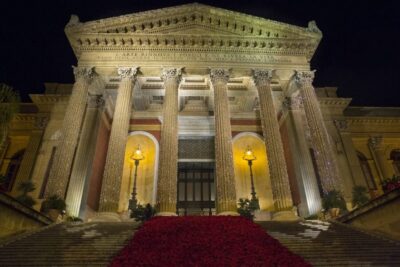 ★ 4.5Palermo: Teatro Massimo Opera House Guided TourFrom $141,573 reviews
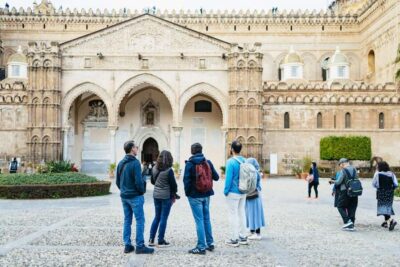 ★ 4.9Palermo: Street Food and History Walking TourFrom $571,486 reviews
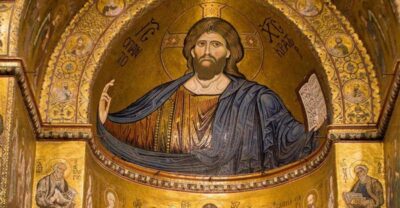 ★ 4.2From Palermo: Monreale and Cefalù Half-Day TripFrom $711,354 reviews
 ★ 4.2Palermo: Agrigento and the Valley of the Temples Day TourFrom $771,240 reviews
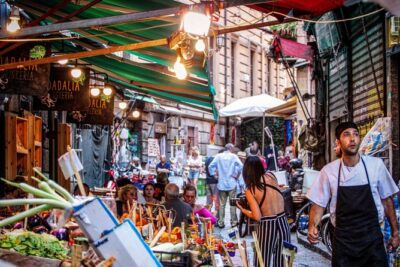 ★ 5.0Palermo No Mafia walking tour: discover the Anti-mafia culture in SicilyFrom $391,011 reviews
Browse the lists this tour appears in