
Reviewed · PALERMO CITY TOURS
Palermo, a tour of unique monuments and colorful markets
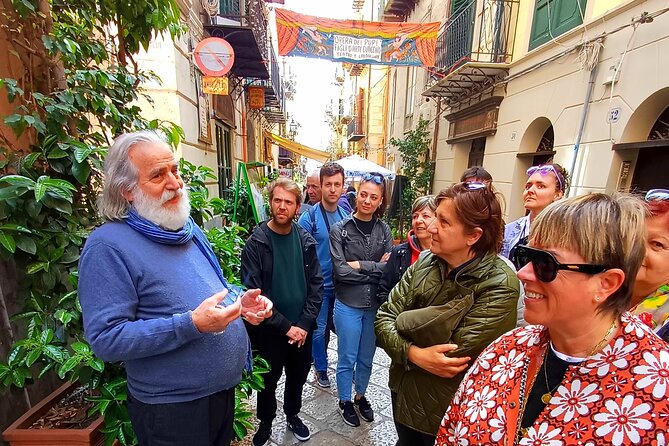
Palermo teaches you to look twice. This short guided walk threads together grand sights and street life, from the Teatro Massimo area to the markets and the central squares. I love how the tour connects monuments to stories you can actually remember, like the Florio-era details and the mysterious ghost legend tied to the opera house.
I also like that you get a real taste of daily Palermo, not just photos of stone. The stop at the Capo market gives you a chance to do a free street-food sampling, while the guide keeps the context coming.
One thing to consider: you’re moving for about three hours, so this is not a sit-and-museum day. And cathedral access depends on whether there are religious services happening when you arrive.
In This Review
- Key points you should care about
- Getting oriented fast: Piazza Giuseppe Verdi and the Teatro Massimo story
- Piazza Olivella and the Puppet Opera theatre: baroque art and UNESCO culture
- Piazza Massimo to the old walls: how the Capo market starts
- Capo Street Market and the free street-food pause
- Grotta dei Beati Paoli: a secret-sect stop that adds personality
- The Cathedral of Palermo: Norman-Arab architecture and royal tombs
- Via Vittorio Emanuele and Quattro Canti: reading the city’s layout
- Piazza Pretoria and Santa Caterina: Renaissance fountain to dessert origin stories
- What the tour is worth: $34.83 for guided context and key entry
- Group size and pacing: why 20 people feels comfortable
- Timing and weather: the simple rule for a smoother day
- Should you book this Palermo center tour?
- FAQ
- How long is the Palermo tour?
- What time does the tour start, and where does it meet?
- Where does the tour end?
- Is the Cathedral of Palermo included, and is there a fee?
- Do we get to taste Palermo street food?
- How big are the groups?
- What kind of ticket do I need?
- Does the tour run in bad weather?
- Can I get a refund if my plans change?
- Are service animals allowed?
Key points you should care about
- Teatro Massimo legends right at the start area, including Florio connections
- UNESCO Cathedral of Palermo with free entry when services are not running
- Capo market street-food pause in an ancient Arab market setting
- Two legend stops: the Beati Paoli story plus Palermo’s secret-sect lore
- Easy center ending at Piazza dei Quattro Canti, plus a final look at Piazza Pretoria
The rest of what Palermo puts on
- Pub Crawl Palermo
★ 5.0 · 595 reviews - Palermo: Pasta and Tiramisu Small Group Cooking Class with Wine
★ 5.0 · 348 reviews - Classic Boat Tour in Palermo
★ 5.0 · 268 reviews - Sicilian Cuisine Cooking Class in Palermo
★ 5.0 · 208 reviews
Getting oriented fast: Piazza Giuseppe Verdi and the Teatro Massimo story
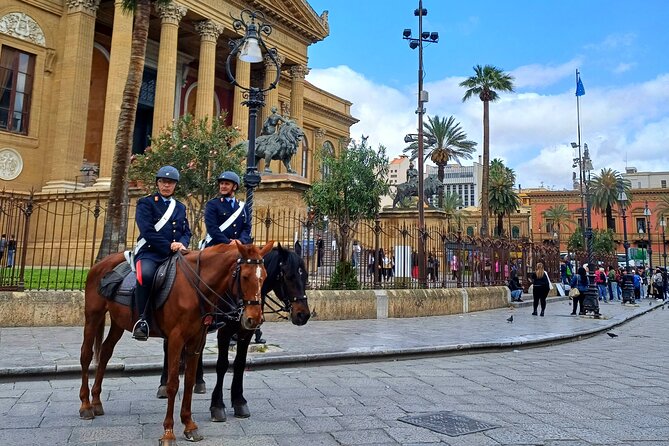
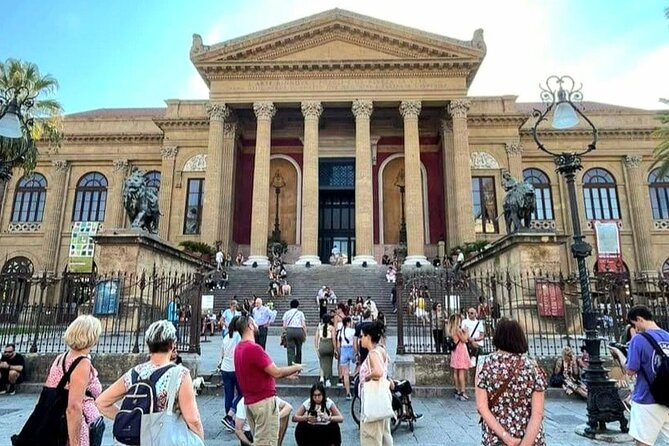
Most guided walks start with a map. This one starts with a landmark that helps the whole city click into place. You meet at Piazza Giuseppe Verdi in central Palermo at 10:30 am, in an area with plenty of services and transport nearby. From here, the guide frames the neighborhood using the big symbol you can’t miss: the Teatro Massimo.
The opera house is described as the largest in Italy, and you hear how it became a symbol of the Palermo of the Florios. That matters because it gives you a lens for the rest of the route. Instead of just passing buildings, you learn what people were trying to show off—wealth, status, and identity—then you see how those same ideas echo in squares and streets you’ll walk through next.
And yes, you’ll also hear the ghost legend people associate with the theater. It’s the kind of story that sounds like local theater talk until the guide links it to how Palermo likes to keep history mixed with myth. You won’t leave with facts only—you’ll leave with a sense of place.
Piazza Olivella and the Puppet Opera theatre: baroque art and UNESCO culture
A little further in, you head toward Piazza Olivella, a scenic baroque square. The guide points out the church of Sant’Ignazio and the National Archaeological Museum nearby, so even if you don’t go inside museums, you start understanding what kind of city Palermo is: layered, ornate, and always referencing older civilizations.
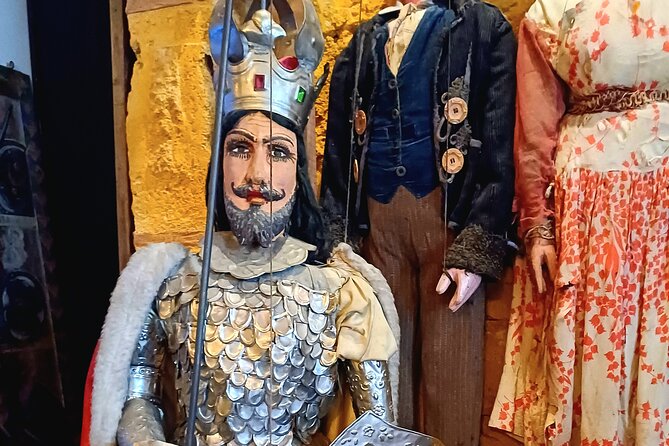
Next comes Teatro dell’Opera dei Pupi, famous for puppet opera and listed as a UNESCO heritage site. The important part here isn’t just that it’s UNESCO. It’s the way the guide uses it as proof that Palermo’s culture isn’t only architecture. Palermo has performance traditions that survived through changes in rulers and neighborhoods, and this stop helps you see that continuity.
Time is short—about ten minutes for this stop—so you won’t get a full show. But the quick explanation makes the exterior feel meaningful instead of random.
Piazza Massimo to the old walls: how the Capo market starts
From the Teatro area you move toward Piazza Giuseppe Verdi (Piazza Massimo) for a bigger overview of the square and what surrounds it. The route keeps pointing you toward themes: Palermo’s more elegant eras, then the older street worlds underneath.
Then you reach the part that feels like a history lesson you can walk through. You stop at Mura, Bastione e Porta Carini, where you can see a glimpse of the ancient walls built in the 1500s and one of the city gates that helps connect to the Capo area. It’s a small physical reminder that Palermo didn’t grow as a single plan. It expanded, protected itself, and adapted its urban shape.
This is also the point where the walk starts transitioning from monumental to market-centered. You’ll feel it in the streets: less grand spacing, more human scale, and more visual noise in the best way.
Capo Street Market and the free street-food pause
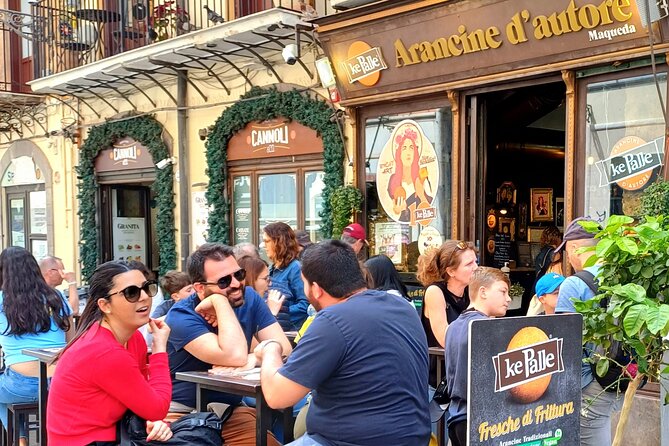
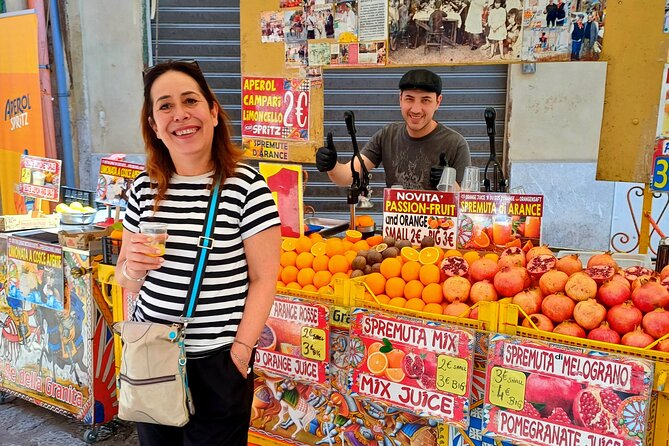
The heart of this tour is Capo Street Market, described as an ancient Arab-origin market. This is one of those places where the guide’s job really matters. Without the context, you’d see stalls and smells and motion. With the context, you start to recognize the market as a historical system—one that has kept its role as a daily gathering place.
You get about 25 minutes here, and there’s a free stop to taste Palermo street food. That’s a smart inclusion for a three-hour tour. You’re not forced into a pricey meal, but you do get to try the kind of snack culture Palermitans live on. The guide also helps you understand what you’re eating so it doesn’t become just another line of food photos.
One consideration: markets have their own pace. If you’re hoping for slow wandering and long tasting time, plan to keep expectations realistic. This stop is timed, which is exactly what helps the rest of the itinerary fit.
Also, you’ll be told about the Fontana della Vergogna in the same neighborhood area, a few steps from the markets of Ballarò and Vucciria. Even if you don’t go deep into those markets, seeing the fountain from this route adds another layer: Palermo isn’t one market; it’s a chain of them with different characters.

Grotta dei Beati Paoli: a secret-sect stop that adds personality
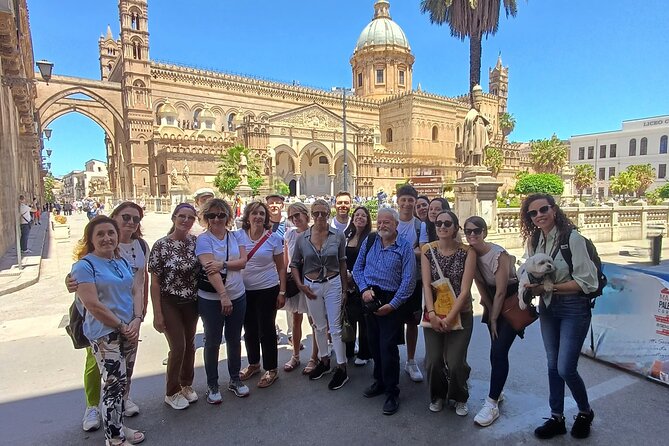
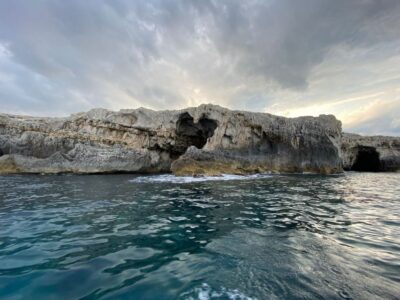
After the noise and flavors of the market, the tour shifts into legend mode at Grotta dei Beati Paoli. This is where you hear about the ancient secret sect of the Beati Paoli and the idea that they avenged wrongs suffered by poor people in past centuries.
This stop is brief—around ten minutes—but it changes how you read Palermo. It’s easy to treat Sicily as old stones and royal timelines. The Beati Paoli story adds the people side: street justice, fear, secrecy, and the tension between power and everyday life.
If you like myths that are tied to a real place (and not just a spooky sales pitch), you’ll appreciate this part. If you dislike legend stops, it may feel like a speed bump. For most people, though, it’s the part that keeps the tour memorable after you’ve left the center.
The Cathedral of Palermo: Norman-Arab architecture and royal tombs
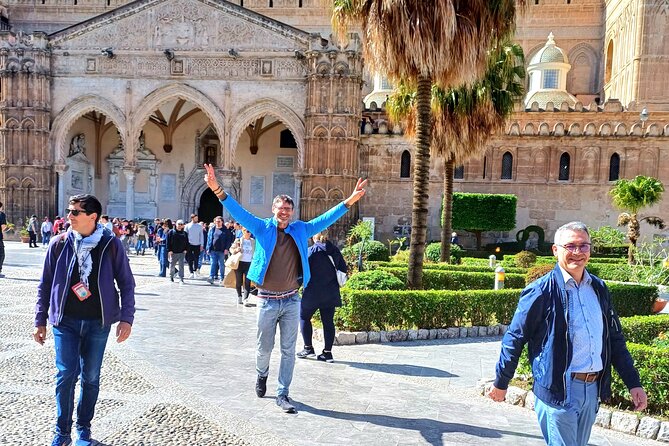
Then the tour goes straight to the big one: Cattedrale di Palermo, a UNESCO World Heritage site built in Norman Arab style in 1185. The guide frames it as the place tied to the foundation of the Kingdom of Sicily, which gives you a reason to care beyond the building’s age.
You also get the practical note that the guide includes free entry to the Cathedral if there are no religious services. So your experience here can vary slightly based on timing on the day. Still, even the possibility of access is valuable on a short tour, because the cathedral is the kind of sight that can otherwise swallow hours.
Inside, the guide points out that it houses the tombs of the first kings of Sicily. This is the sort of detail that makes a cathedral stop worth it: it’s not just architecture. It’s the physical mark of a political turning point.
Time at the cathedral is about twenty minutes, so you won’t be doing a full slow pilgrimage through every chapel. But you’ll get the key orientation and what to look for, which is often what first-timers need most.
Via Vittorio Emanuele and Quattro Canti: reading the city’s layout
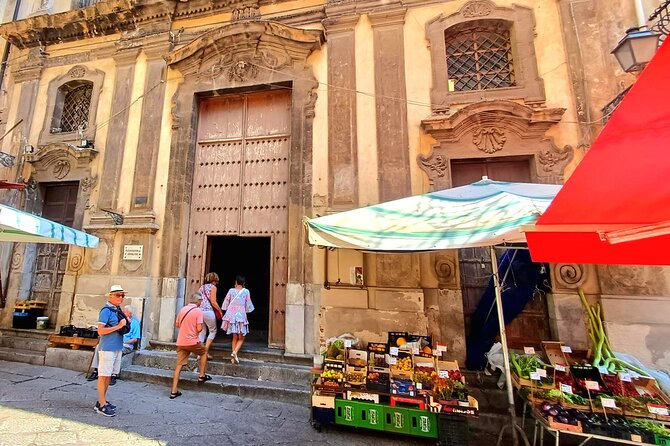
Next you walk along Via Vittorio Emanuele, described as the oldest street in Palermo, with monuments, art, and history along it. This stretch is about fifteen minutes and works well as a “connective tissue” moment. You’re not stopping at a single building; you’re moving through a corridor where the architecture keeps reminding you that Palermo grew by layers, not by replacement.
Then you arrive at the centerpiece: Quattro Canti—the Piazza dei Quattro Canti. This is the bright, scenic square full of symbols that marks the ancient heart of the city. The guide’s explanation here matters because Quattro Canti can look like just an elegant crossroads at first glance. With context, it becomes a key for understanding how the city arranged power, faith, and visual order.
You finish around here, after about three hours total on foot, and the ending is excellent for practical reasons. Piazza dei Quattro Canti is central, easy to navigate from, and it’s surrounded by plenty of services if you want to keep exploring after the tour.
Piazza Pretoria and Santa Caterina: Renaissance fountain to dessert origin stories
To close the loop on Palermo’s “high culture,” you take in Piazza Pretoria. The highlight is the extraordinary Renaissance fountain, and the guide also points out the historic buildings surrounding it, including the convent of Santa Caterina, where many of the most famous Sicilian desserts were born.
This stop gives you a different kind of history—food history tied to institutions. It’s not random trivia. In Palermo, traditions often travel through churches, convents, and kitchens, and the guide helps you see that culinary heritage as part of the same story as architecture and political power.
Time here is about fifteen minutes, so it’s a quick landing pad for your final photos and a good place to decide what to do next—walk further into markets, head toward museums, or just take a breather with a drink.
What the tour is worth: $34.83 for guided context and key entry
At $34.83 per person for about three hours, you’re paying for three things that matter in a city like Palermo: guidance, story, and efficient pacing.
First, you get a professional, authorized, certified guide. That’s not a vague promise here; the tour explicitly includes guidance plus assistance and information for further visits, transport, gastronomy, and similar needs. That kind of “what should I do next?” help is often what turns a day from scattered into focused.
Second, you get access value. The tour includes free entry to the Cathedral of Palermo when there are no religious services. If you’re trying to see major UNESCO-level sights in a limited window, that matters. It’s one of the most expensive kinds of activities in time and planning, and this tour handles the groundwork.
Third, the route is structured for first-timers. The day moves from squares to walls, from markets to legends, from church to city center geometry. That’s exactly what helps you stop feeling lost. You don’t need a textbook. You need a guide who can connect the dots in plain language.
One small drawback baked into the package: since it’s a walking tour, you’ll keep a steady rhythm. If you want long museum interiors or extended sitting, plan other time blocks separately.
Group size and pacing: why 20 people feels comfortable
The tour is capped at a maximum of 20 travelers, which is a sweet spot for a city-center walk. You get enough people for energy, without the feeling that the guide is just managing crowds.
It’s also marked as suitable for most travelers and allows service animals. You’ll be on your feet for the full stretch, so wear shoes that handle uneven sidewalks and market floors.
The pacing is about three hours approx. with multiple short stops (often around ten to twenty minutes each). That makes it ideal if you’re visiting for a few days and want a structured start.
Timing and weather: the simple rule for a smoother day
This experience requires good weather. If poor conditions cancel it, you’ll be offered a different date or a full refund. So, if Palermo is on your itinerary and you’re choosing between days, try to pick the most stable weather windows.
One more scheduling note: most people book about 9 days in advance, so if your trip dates are firm, reserving earlier helps you avoid last-minute stress.
Should you book this Palermo center tour?
I’d book this tour if you want a guided introduction that actually helps you understand Palermo, not just tick off sights. The mix is the selling point: UNESCO cathedral, a market with a street-food pause, and city-center landmarks like Quattro Canti and Piazza Pretoria. It’s a smart way to get the city’s big themes in a compact time frame.
Skip it only if your top priority is spending long hours inside major sites or you prefer unguided wandering. This is efficient, not endless. But for most visitors, that’s a plus.
If you’re curious about how Palermo connects Florio-era flair, ancient gate walls, Arab-origin markets, and local legend culture, this is a strong first-step tour.
FAQ
How long is the Palermo tour?
The tour lasts about 3 hours.
What time does the tour start, and where does it meet?
It starts at 10:30 am. You meet at Piazza Giuseppe Verdi, Palermo, and the tour ends at Piazza dei Quattro Canti.
Where does the tour end?
The tour ends at Piazza dei Quattro Canti.
Is the Cathedral of Palermo included, and is there a fee?
Entry to the Cattedrale di Palermo is included as free entry when there are no religious services.
Do we get to taste Palermo street food?
Yes. At Capo Street Market, the tour includes a free stop to taste Palermo street food.
How big are the groups?
The group size is capped at a maximum of 20 travelers.
What kind of ticket do I need?
You get a mobile ticket.
Does the tour run in bad weather?
This experience requires good weather. If it’s canceled due to poor weather, you’ll be offered another date or a full refund.
Can I get a refund if my plans change?
Yes. You can cancel for a full refund if you cancel at least 24 hours before the start time.
Are service animals allowed?
Yes, service animals are allowed.
More Tours in Sicily




More Tour Reviews in Sicily

More Palermo, Start to Finish


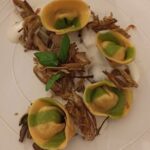
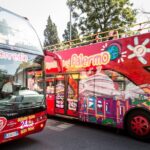
Just added: the newest Sicily tours in our notebook
- Etna / Taormina★ 5.0 · 3 reviews
- Bikes★ 5.0 · 3 reviews
- Taormina shore tour – for small group cruise passengers★ 5.0 · 3 reviews
- Vegan Cooking Class in Catania with Lunch and Dinner★ 5.0 · 3 reviews
- Make & Taste Sicilian Desserts in Palermo – Learn Cannoli & More★ 5.0 · 3 reviews
- Sicilian Villages & Ricotta Tasting – including Lunch from Cefalu★ 4.0 · 3 reviews
Palermo City Tours, compared.
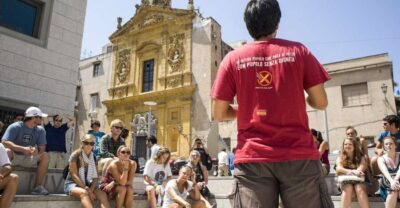 ★ 4.8Palermo: NO Mafia Walking TourFrom $402,431 reviews
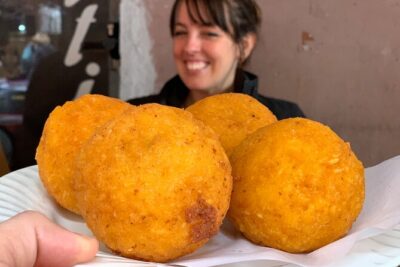 ★ 5.0Palermo Original Street Food Walking Tour by StreatyFrom $832,105 reviews
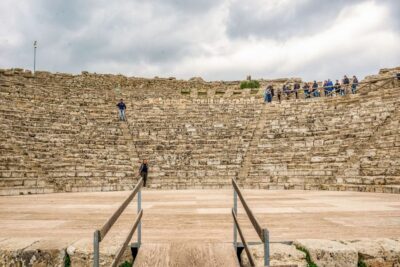 ★ 4.2Segesta, Erice and Salt Pans Full-Day Excursion from PalermoFrom $821,791 reviews
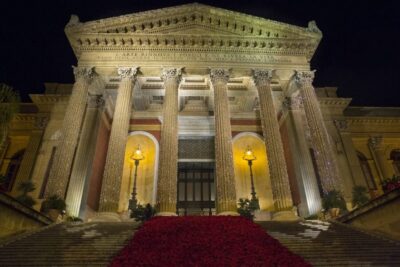 ★ 4.5Palermo: Teatro Massimo Opera House Guided TourFrom $141,573 reviews
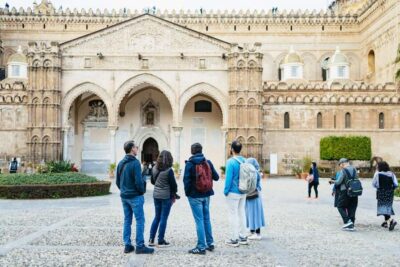 ★ 4.9Palermo: Street Food and History Walking TourFrom $571,486 reviews
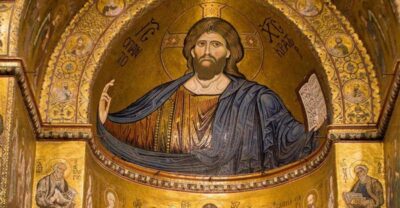 ★ 4.2From Palermo: Monreale and Cefalù Half-Day TripFrom $711,354 reviews
 ★ 4.2Palermo: Agrigento and the Valley of the Temples Day TourFrom $771,240 reviews
 ★ 5.0Palermo No Mafia walking tour: discover the Anti-mafia culture in SicilyFrom $391,011 reviews