
Reviewed · SYRACUSE & ORTIGIA
Ortygia (guided tour)
Ortigia at night feels like a shortcut to the real Syracuse. This private guided walk pairs the evening lights of the historic center with the sea breeze on an islet that’s part neighborhood, part postcard. I like that you get a guided, stop-to-finish route rather than wandering blind.
Two standouts for me are the archaeologist guide, Italo Giordano, and the way the tour focuses on making questions land—his background shows, and he’s prepared to answer. One drawback to consider: it’s weather-dependent, so you’ll want to stay flexible if conditions aren’t great.
In short, it’s a smart, easy way to see Ortigia in the evening, with a guide who keeps the walk moving and the conversation grounded.
In This Review
- Key highlights you’ll feel on the walk
- Ortigia at night: why this evening walk is the point
- Meeting at the Temple of Apollo: how to get oriented fast
- The Ortigia walk itself: historic center, sea breeze, evening lights
- Finishing at Fonte Aretusa: a satisfying end point
- Italo Giordano’s guiding style: why it scores so high
- What the price really means for a group up to 15
- Timing, mobile tickets, and English—how to plan smoothly
- Weather and flexibility: what to expect if conditions change
- Who this Ortigia tour suits best
- Should you book the Ortigia guided tour with Italo Giordano?
- FAQ
- Where does the Ortigia guided tour start?
- Where does the tour end?
- How long is the guided tour?
- Is this tour private?
- Is the tour offered in English?
- Do I get a mobile ticket?
- How soon will I receive confirmation after booking?
- Are service animals allowed?
- Does the tour depend on weather?
- What is the cancellation window for a full refund?
Key highlights you’ll feel on the walk
- Italo Giordano leads the experience (archaeologist and tour guide), with strong answers to questions
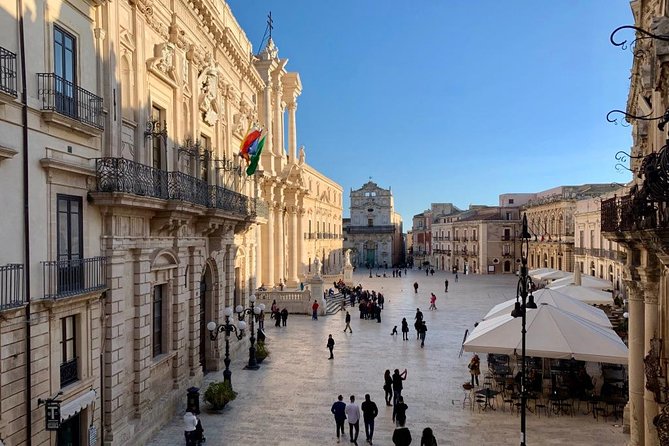
- Evening atmosphere: historic center sights look better with the lights on and the sea breeze working
- Private setup: only your group participates, so it stays conversational and not crowded
- Start/finish flow at Temple of Apollo and Fonte Aretusa helps you plan your evening
- English guided option plus mobile ticket for a smoother day
- Small group cap (up to 15) keeps the experience manageable
Deeper into Ortigia and old Syracuse
- Syracuse: Tour of Ortigia Island & Caves with Local Skipper
★ 4.7 · 1,060 reviews - Tour of the island of Ortigia and exploration of sea caves with baths.
★ 5.0 · 668 reviews - Boat tour of Ortigia Island and sea caves
★ 5.0 · 407 reviews - Siracusa Boat excursion island of ortigia and sea caves
★ 5.0 · 147 reviews
Ortigia at night: why this evening walk is the point
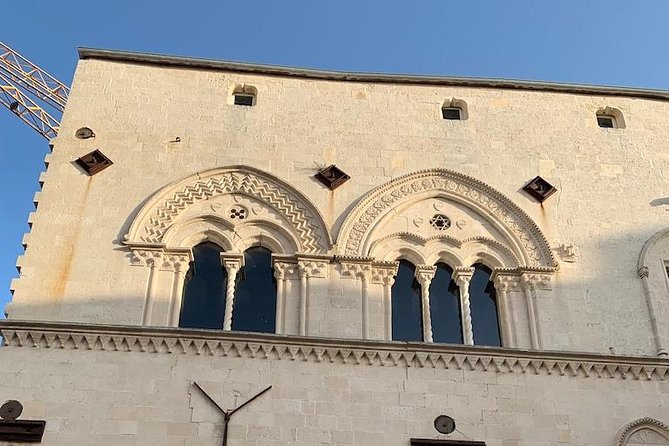
Ortigia is an islet that forms one of the neighborhoods of Syracuse, and the evening setting matters. The experience is built around that moment when the historic center looks its best and the sea breeze takes the edge off. That combination is the whole reason this kind of guided walk works: you’re not just seeing places, you’re seeing how the place feels.
I also like that this isn’t a mega-tour with a dozen stops and a dozen distractions. Instead, you get a focused walk centered on Ortigia, with the guide guiding your pace and attention. In practice, that means you’re more likely to notice the details that make Ortigia distinct, like the way the area changes after dark.
If you prefer rigid schedules with zero flexibility, you may find the timing a bit fluid. The tour duration is listed at about 2 hours, but the real value comes from how your guide responds to questions. So if your group chats a lot, plan on a little extra time in your evening.
Meeting at the Temple of Apollo: how to get oriented fast
Your tour starts at the Temple of Apollo area in Syracuse. The practical win here is simple: you begin at a major, easy-to-navigate landmark, not in a random side street.
You’ll also have an advantage if you’re arriving on public transportation. The tour is noted as being near public transportation, which helps if you don’t want to fight parking or taxis. Add in the mobile ticket, and you can keep things light—no paperwork scramble at the last minute.
One more thing I’d keep in mind: tours that begin at a specific landmark tend to go smoother when your group shows up a few minutes early. The experience info says the tour is offered in English, so if you want to make sure the guide can greet everyone quickly, being on time helps.
The Ortigia walk itself: historic center, sea breeze, evening lights
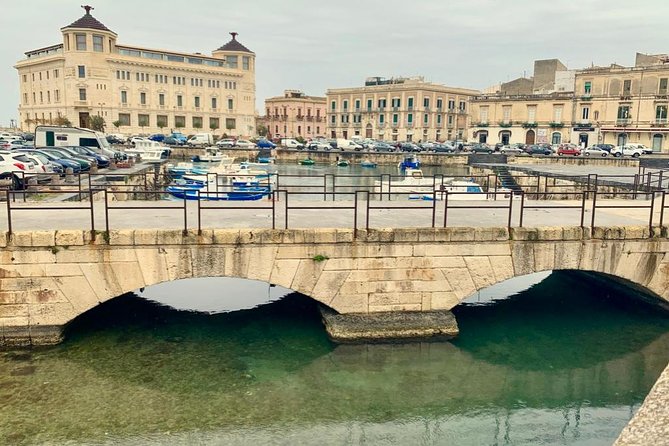
The tour’s main stop is Ortigia, with the guiding theme clearly tied to how the historic center looks in the evening. That’s not just poetic wording—it changes what you pay attention to. In daylight, you can miss the drama. At night, lighting and reflections help you read the space better, and the sea air makes the walk more comfortable, especially in summer.
This is also where the guide’s role really matters. An archaeologist-tour guide brings a different kind of focus than a general city guide. Based on the strong feedback for Italo Giordano, you can expect the conversation to stay anchored in context and to move beyond surface-level talking points.
Here’s what I think you’ll like most as a guest: the guide is actively answering questions during the walk. That matters because Ortigia can feel like you’re looking at the same style of street repeatedly unless someone helps you connect the dots. With Italo, you’re not just receiving facts; you’re able to ask what you’re curious about and get direct answers.
Possible drawback? If your group likes to take long personal photo detours or stop often to browse, a guided walk may feel slightly structured. This doesn’t mean it’s uncomfortable—it just means you’ll get more out of it if you treat the guide as part of your plan, not a distraction from your plan.
Finishing at Fonte Aretusa: a satisfying end point
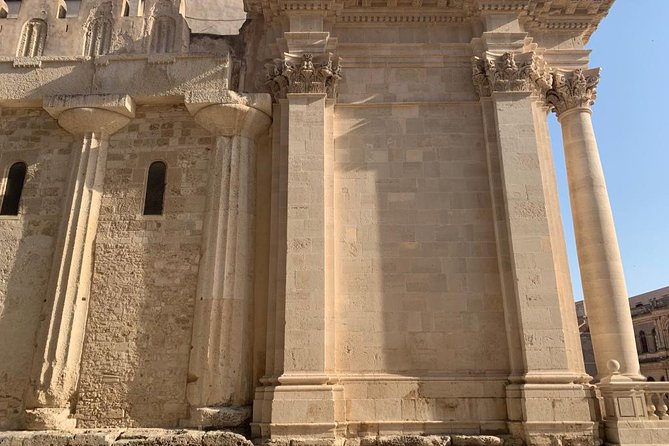
The tour ends at Fonte Aretusa. I like end points that feel like a place with gravity, because it gives your walk closure. Even if you keep exploring after, finishing at a known location helps you reset your bearings.
Fonte Aretusa also makes the timing easier. You’re not stuck with an exit plan like, What now? Instead, you can transition from your guided segment to whatever your next evening move is—dinner, a waterfront stroll, or simply wandering with a clearer sense of where you are.
If you’re thinking about logistics, this matters more than it sounds. A smooth start at the Temple of Apollo plus a known finish at Fonte Aretusa reduces the chance your evening turns into a puzzle. It’s the kind of small planning win that makes a tour feel worth it even if you end up walking around on your own afterward.
A few we would gladly point a friend toward in Sicily


Italo Giordano’s guiding style: why it scores so high
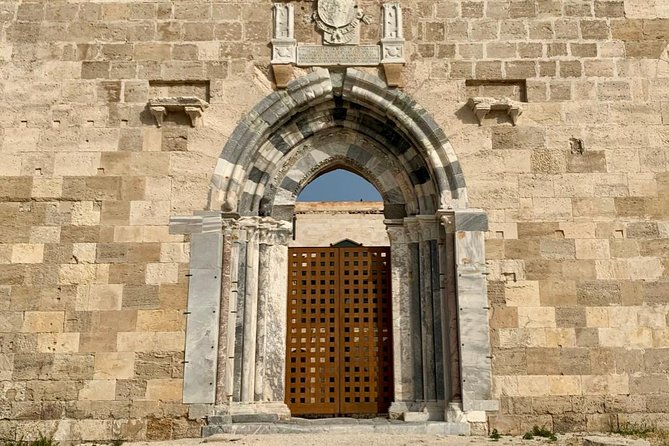
The experience is led by Italo Giordano, described as an archeologist e tour guide. That credential isn’t just a label. It signals a guide who can explain context, connect details, and answer follow-ups without losing the thread.
The standout praise centers on three areas. First, the tour is described as excellent. Second, Italo is described as extremely knowledgeable about the area and its history, and that knowledge shows in the way he answers questions. Third, the tour is noted as on time and easy to find at the meeting point.
For you, that combination means less stress and more payoff. If a guide is punctual and finds you reliably at the meeting point, your brain relaxes. That makes it easier to enjoy the walk instead of watching the clock and scanning faces.
It also means the tour is built for people who like to ask questions. If you enjoy learning, this is a good fit. And if you’re not super talkative, you’ll still benefit because a strong guide helps steer you through the sights in a way that’s easier to follow.
What the price really means for a group up to 15
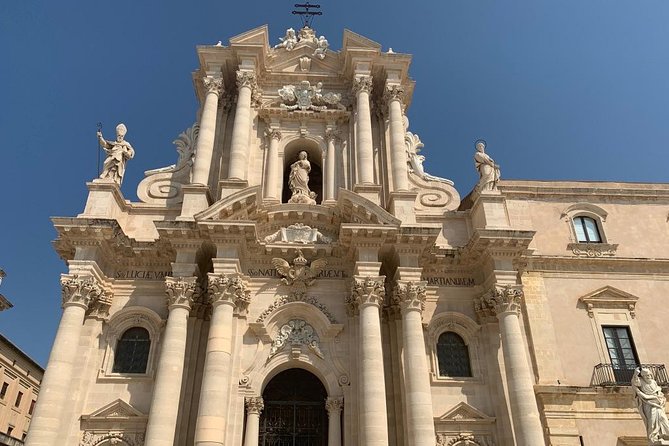
The listed price is $216.74 per group, for up to 15 people. That pricing structure changes the math. If you’re traveling solo or as a couple, you’ll likely pay more per person than a larger group would. But if you’re a small group of friends or a family unit traveling together, this can land at a reasonable per-person rate compared with booking separate private attention.
Think about it this way: the cost isn’t calculated per head; it’s calculated for your group’s participation. So the best value usually comes when you can spread the group cost across enough people to make your per-person share feel comfortable.
One more value angle: private doesn’t automatically mean better—but here, the feedback emphasizes the guide quality and the ability to handle questions. A tour is only worth paying for if it feels like time well spent. With this one, the guide’s performance is a big part of why it gets high marks.
Practical tip for deciding: before you book, check your realistic group size. If you’re the kind of traveler who doesn’t mind splitting costs, it can be a good deal. If you’re traveling solo and there’s no one to share, it may not feel as efficient compared to other public options.
Timing, mobile tickets, and English—how to plan smoothly
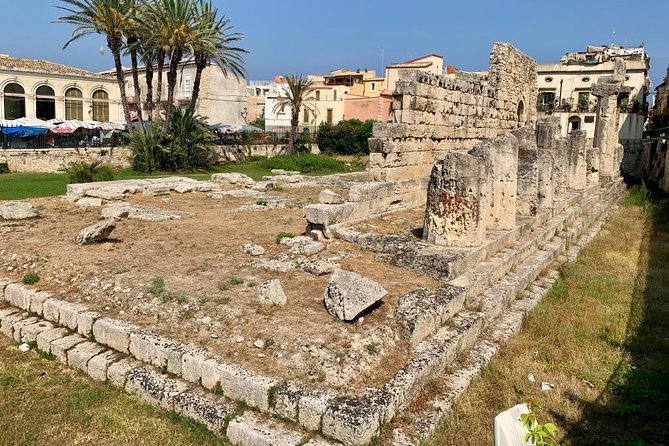
The duration is about 2 hours. The tour is offered in English, and you’ll receive a mobile ticket. I like that setup because it reduces admin work while you’re on vacation. A mobile ticket also tends to make meeting up easier, since you’re not hunting for a printed pass.
Booking is typically done around 47 days in advance on average. That doesn’t mean you must book that far out, but it’s a hint that this experience may fill up closer to prime dates. If you know you’ll be in Syracuse during summer evenings, I’d treat it like a popular plan and book early.
Also note: confirmation is received within 48 hours of booking, subject to availability. That’s helpful because you get clarity quickly, rather than waiting forever.
If you want to maximize enjoyment, plan to show up a few minutes before your start time. With a private tour, the group meeting point matters more than on very large public tours.
Weather and flexibility: what to expect if conditions change
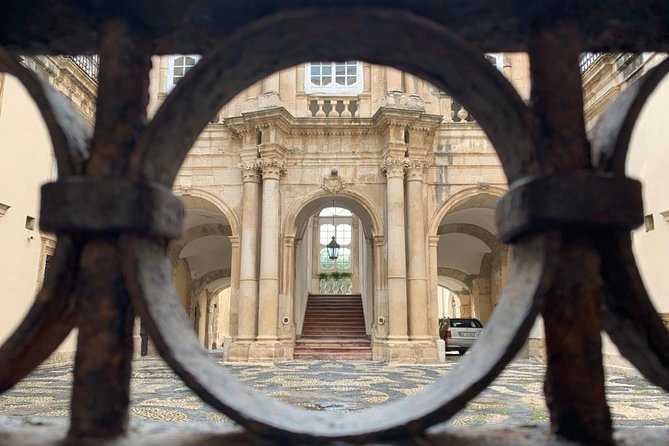
This experience requires good weather. If it’s canceled due to poor weather, you’ll be offered a different date or a full refund. That’s the right balance: you’re not stuck with a dead booking, and the operator recognizes that an outdoor evening walk depends on conditions.
So if you’re the type of traveler who hates uncertainty, the weather requirement is the main downside. But the upside is clear: there’s a safety net built in. You just need to keep your schedule flexible enough to accept a change.
My advice: if you’re planning around dinner reservations, don’t book your most locked-in plans for the exact start time. Leave yourself a bit of room so a reschedule doesn’t wreck your whole evening.
Who this Ortigia tour suits best
This is a strong match if you want:
- A guided walk in Ortigia that focuses on the evening atmosphere
- An English-speaking guide who can handle questions
- A private experience with only your group involved
It may not be the best fit if you want total freedom and zero structure. Even though it’s a walking tour, it’s still guided, and you’ll get the most from going along with the flow.
Should you book the Ortigia guided tour with Italo Giordano?
I’d book it if you’re prioritizing a high-quality guide, a relaxed evening stroll, and a clear start-to-finish route through Ortigia. The strongest reasons are the guide’s performance—especially his background and his ability to answer questions—and the fact that the walk is designed around the historic center after dark.
I’d think twice only if your schedule is too rigid for a weather-dependent plan, or if you’re traveling solo and the per-person cost won’t feel comfortable.
If you’re traveling with others who want to learn while you walk, this is the kind of evening plan that tends to pay off fast.
FAQ
Where does the Ortigia guided tour start?
The tour starts at the Temple of Apollo (96100 Syracuse).
Where does the tour end?
The tour ends at Fonte Aretusa (96100 Siracusa SR, Italy).
How long is the guided tour?
The duration is approximately 2 hours.
Is this tour private?
Yes. It’s a private tour/activity, and only your group participates.
Is the tour offered in English?
Yes, it’s offered in English.
Do I get a mobile ticket?
Yes. The tour includes a mobile ticket.
How soon will I receive confirmation after booking?
Confirmation is received within 48 hours of booking, subject to availability.
Are service animals allowed?
Yes, service animals are allowed.
Does the tour depend on weather?
Yes. The experience requires good weather. If it’s canceled due to poor weather, you’ll be offered a different date or a full refund.
What is the cancellation window for a full refund?
You can cancel up to 24 hours in advance of the experience for a full refund. Cut-off times are based on the local time of the experience.
More Tours in Sicily





More Tour Reviews in Sicily


More of Syracuse and Ortigia

Just added: the newest Sicily tours in our notebook
- Etna / Taormina★ 5.0 · 3 reviews
- Bikes★ 5.0 · 3 reviews
- Taormina shore tour – for small group cruise passengers★ 5.0 · 3 reviews
- Vegan Cooking Class in Catania with Lunch and Dinner★ 5.0 · 3 reviews
- Make & Taste Sicilian Desserts in Palermo – Learn Cannoli & More★ 5.0 · 3 reviews
- Sicilian Villages & Ricotta Tasting – including Lunch from Cefalu★ 4.0 · 3 reviews
Syracuse & Ortigia, compared.
 ★ 4.7Syracuse: Tour of Ortigia Island & Caves with Local SkipperFrom $231,060 reviews
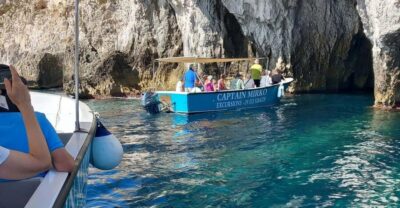 ★ 4.7Syracuse: Boat Tour with Captain Mirko, Snorkeling & CavesFrom $35746 reviews
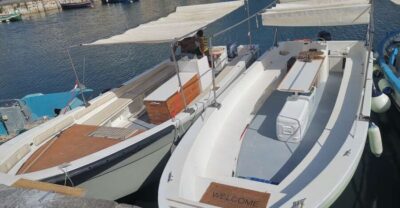 ★ 4.7Siracusa: Ortigia Boat Tour with Marine Grotto & SnorkelingFrom $47726 reviews
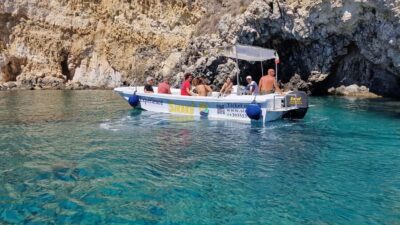 ★ 4.8Siracusa: Ortigia & Sea Caves Boat Tour w/ Prosecco & FruitFrom $35723 reviews
 ★ 5.0Tour of the island of Ortigia and exploration of sea caves with baths.From $24668 reviews
 ★ 4.7Syracuse: Ortigia Island & Sea Cave Boat Tour with ProseccoFrom $23418 reviews
 ★ 5.0Boat tour of Ortigia Island and sea cavesFrom $24407 reviews
 ★ 4.6Catania: Syracuse, Ortigia, and Noto Tour with BrunchFrom $112404 reviews
Browse the lists this tour appears in