
Reviewed · MOUNT ETNA TOURS & SUMMIT
Mt. Etna Trek: Explore the Highest Permitted Peaks – Tickets Inc.
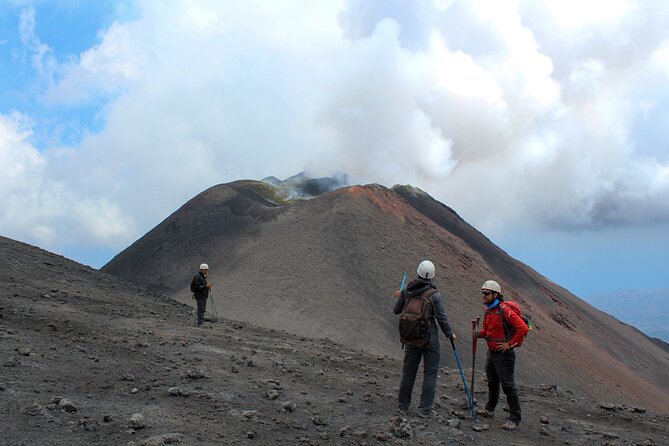
Mt. Etna gets serious fast. This small-group hike pairs a cable car ride with guided steps over volcanic ground, aiming for the highest permitted altitudes before you head back down. I especially like the hands-on feel (max 15 people) and that you don’t have to manage gear or cable logistics thanks to trekking sticks, helmets, and included cable tickets. One thing to consider: the route can change if volcanic conditions tighten, and you might lose part of the 4×4 portion in that case.
Expect a guided ascent led by an Alpine-style expert guide, plus a descent you’ll actually remember: back to about 2,500m where the cableway brings you back to base near Rifugio Sapienza. If you enjoy geology, this is one of the rare outings where Valle del Bove and the Craters Silvestri feel like the main characters, not background scenery. The likely drawback is simple—this is for a regular walker, so plan for uneven terrain and steady climbing at altitude.
In This Review
- Quick Take: What Makes This Mt. Etna Trek Work
- Why This Etna Trek Feels Different From a Typical Day Tour
- Starting at Sapienza: Set Yourself Up for a Smooth 10:00 am
- The Cable Car Ride: Views First, Pressure Second
- Walking Up to the Highest Permitted Altitudes
- Valle del Bove: A Volcanic Valley That Changes How You Feel About Etna
- Craters Silvestri: Up Close, Guided, and Worth the Effort
- The 3300m Option and the 4×4 Question (Reality Check)
- Descending to Around 2,500m: Where the Trail Turns Into a Reward
- Guides and the Small-Group Advantage: Edo’s Impact (and One Caution)
- Gear, Safety, and What’s Included (Helmets and Sticks Aren’t Babysitting)
- Fitness Level: Moderate Means Steady, Not Easy
- Price and Value: $126.16 for a Guided Volcano Day
- Who This Tour Fits Best
- Should You Book Mt. Etna Trek: Highest Permitted Peaks?
- FAQ
- How long is the Mt. Etna trek?
- Where does the tour start and end?
- What time does the tour begin?
- What group size should I expect?
- Is the tour offered in English?
- What’s included in the price?
- Is lunch included?
- What should my fitness level be?
- What happens if weather is bad?
Quick Take: What Makes This Mt. Etna Trek Work
- Small group pace (up to 15), so you get real attention on where to step.
- Safety gear included: trekking sticks and a protective helmet.
- Cable car tickets are handled for you, which saves time and stress.
- Guided focus on the highest permitted points, not just a quick look.
- Option for 4×4 over rugged ground at certain altitudes (when operating conditions allow).
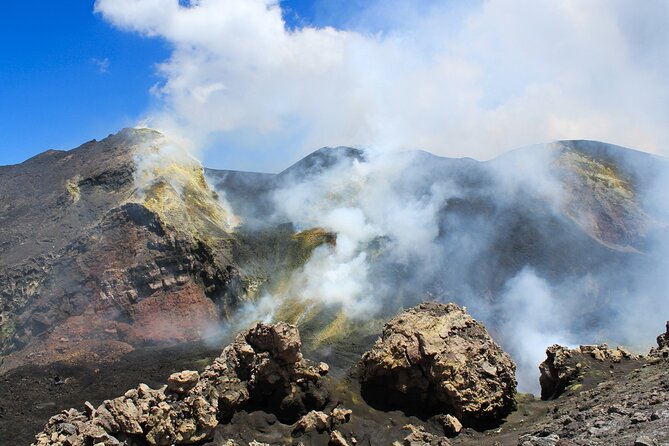
- Valle del Bove and Craters Silvestri are built into the route, so you’re not sightseeing from far away.
More ways up the volcano from Sicily
- Etna Morning Trip
★ 4.5 · 1,241 reviews - Mt. Etna nature and flavors half day Tour from Catania
★ 5.0 · 545 reviews - Etna excursion 3000 meters with 4×4 cable car and Trekking
★ 4.5 · 504 reviews - Mount Etna Adventurous Hiking Tour with Equipment
★ 4.5 · 439 reviews
Why This Etna Trek Feels Different From a Typical Day Tour
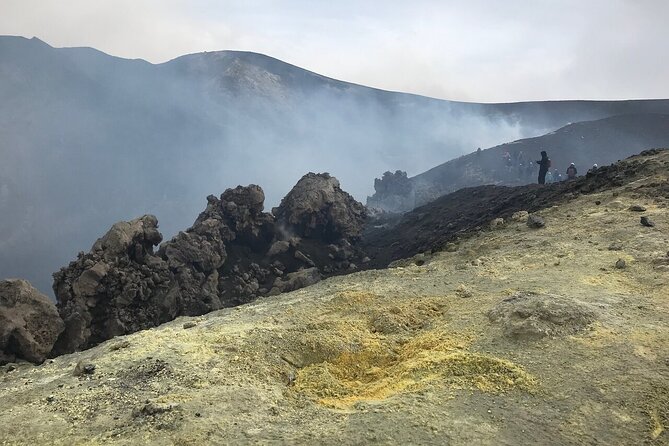
Mt. Etna is famous for being active, and that changes the whole vibe. You’re not doing a “stand here, take a photo” tour. You’re walking through volcanic terrain with a guide who can help you read the ground—lava texture, crater edges, and how the valley shapes the views.
This one is also built for comfort and control. The group stays small (15 max), which matters on a volcano where the real skill is moving confidently over uneven surfaces. The tour includes trekking sticks and helmets, so you’re not showing up hoping to borrow something sturdy or waiting in line for transport add-ons.
The value is also practical: the cable car tickets are included, and that can be a bigger time-saver than it sounds. When you’re dealing with altitude and a fixed start time (10:00 am from Piazzale Rifugio Sapienza), shaving off even one decision step helps your day feel smoother.
Starting at Sapienza: Set Yourself Up for a Smooth 10:00 am
Your day begins at Piazzale Rifugio Sapienza (95030 Nicolosi CT), right at the classic Etna staging area. The meeting point is listed as near public transportation, which is helpful if you’re not driving or if you want an easier arrival.
From the start, expect a straightforward flow: get geared up, meet your guide, then move toward altitude by cable car. The tour timing is built around a roughly 4-hour block, so there’s enough time for walking and crater views without turning into an all-day marathon.
Practical tip: wear closed-toe shoes with grip. You’ll be on volcanic surfaces where footing can feel different than on a normal trail. Also dress in layers. Etna can be cool and windy even when the base area feels mild.
The Cable Car Ride: Views First, Pressure Second
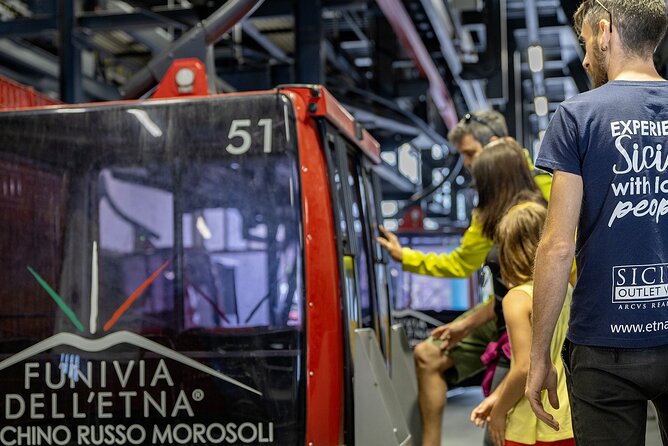
The cable car portion is not just transport. It’s your first real introduction to the scale of the volcano. From higher stations, you get a quick lesson in why Etna is so dramatic: slopes that stretch and curve, the valley patterns, and crater zones that look close enough to reach—until you’re actually walking there.
Because cable car tickets are included, you don’t waste time juggling reservations. You also avoid the common headache of getting the timing wrong. On an active volcano, small delays compound fast, and this tour is designed to keep you moving with the group.
If you’re sensitive to crowds, you’ll still want to plan for the fact that this is a popular site—but with a small guided group, your day should feel more controlled once you start trekking.
Walking Up to the Highest Permitted Altitudes
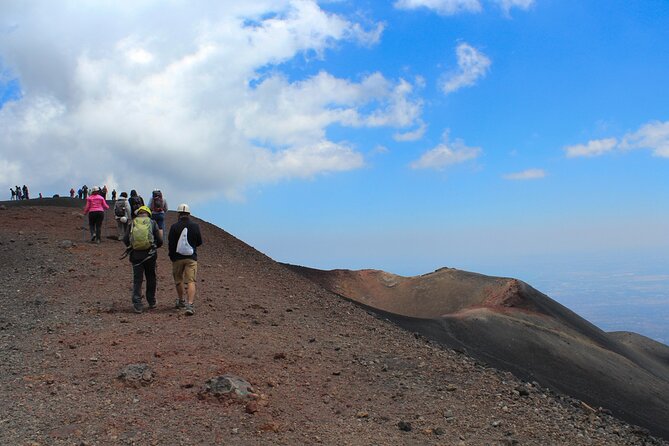
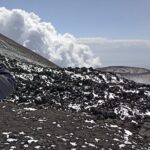
This tour’s core promise is getting to the highest permitted points. That phrasing matters, because Etna’s rules can shift when volcanic activity changes. Your guide will work within what’s allowed that day, and your route is designed to reach those limits while keeping the walking part manageable for people with moderate fitness.
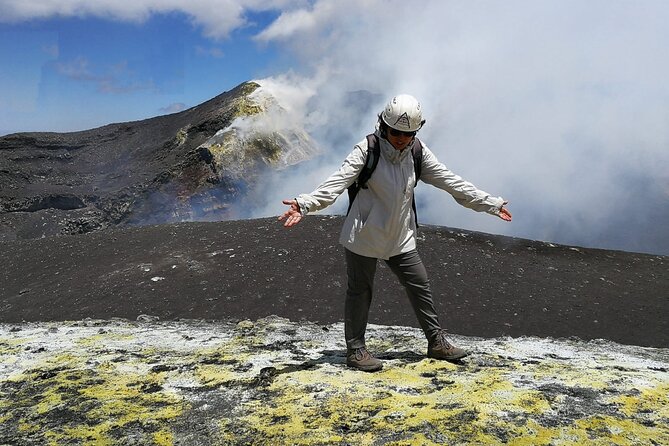
You’ll head toward the crater area—specifically the zone associated with the Craters Silvestri—and you’ll do it with trekking sticks in hand. Those aren’t just a nice-to-have. They help on uneven ground and give you confidence on descents, where knees often complain.
What I like about this setup is that the guide doesn’t just lead. You’re getting direction on how to move and where to focus your attention. That turns the hike from physical effort into something you can actually understand as you go.
A few we would gladly point a friend toward in Sicily

Valle del Bove: A Volcanic Valley That Changes How You Feel About Etna
Valle del Bove is a named stop for a reason. It’s not just “another view.” As you approach that area on the route, you start to see how Etna’s valleys carve the volcano into sections, and how that structure shapes what you can see from different angles.
Even if you’re not a geology nerd, the valley makes your brain do a simple job: it helps you understand scale. You’ll likely feel the difference between crater-edge attention and valley-wide perspective—this is where Etna stops being a mountain and starts being a system.
This also makes the tour more interesting than hikes that only focus on the rim. You get both the dramatic crater experience and the broader volcanic context.
Craters Silvestri: Up Close, Guided, and Worth the Effort
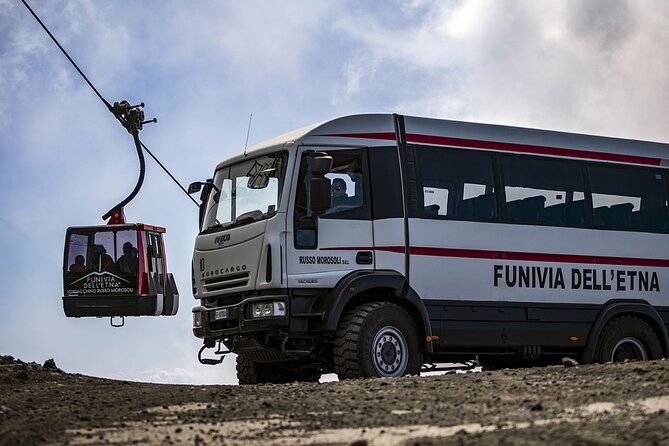
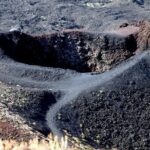
The Craters Silvestri stop is where the day earns its name. This is the crater focus—walking near the volcanic features that give Etna its reputation and why people keep coming back.
Here’s the good part: because you’re guided, you’re not left guessing what you’re looking at. You can connect what you see to how Etna behaves and how lava and activity shape the terrain over time.
This is also where the tour’s “highest permitted” approach pays off. If you just wanted a distant viewpoint, you could do an easier outing. But walking to crater zones means you get texture, depth, and the feeling that you’re right at the edge of something powerful.
The 3300m Option and the 4×4 Question (Reality Check)
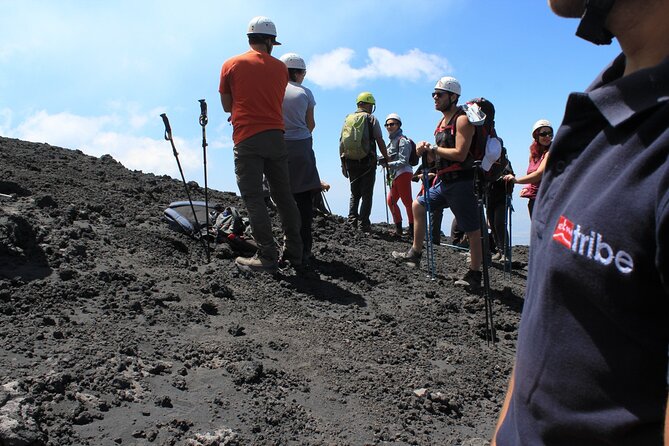
Your tour description includes a combo possibility: a cable car ride, and in some cases a 4×4 bus over rugged terrain for the 3300m option. That can reduce how much you walk on the harshest ground and can make a big altitude difference feel less punishing.
However, there’s an important real-world consideration: route adjustments happen. In one account tied to this experience style, the 4×4 portion was reportedly removed shortly before the tour, with the reason given as safety, and the person described needing to do more on foot. They also reported a communication breakdown with a guide associated with the experience.
So here’s my practical advice: if you care about the 3300m approach, ask questions early at the meeting point. Confirm what’s operating that day and what’s allowed. Etiquette note: altitude days are stressful—keep your questions calm and direct, and listen closely to any safety instructions even if you were told something different earlier.
If everything runs as planned, the 4×4 helps you cover rugged terrain and get closer to the summit area efficiently. If conditions tighten, you’ll still trek, just with a different balance between vehicle and walking.
Descending to Around 2,500m: Where the Trail Turns Into a Reward
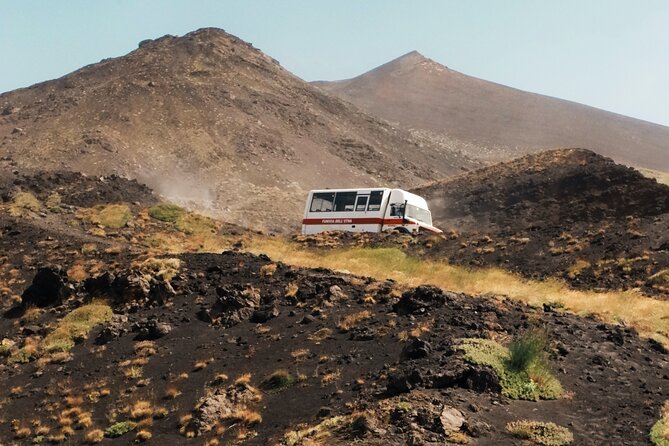
The descent is part of the design. You come down on foot back to about 2,500m a.s.l., where the cableway returns you toward the meeting point area. That means you get a loop feel: climb into the crater zones, then come back down without needing to manage multiple transport changes.
Descents are where trekking sticks become extra valuable. They take load off your knees and give stability on volcanic textures that may not feel “trail-like” in the usual way. Plan for that. Your body will thank you later.
This final cableway ride is also a mental reset. The volcano can feel intense while you’re walking, and then suddenly you’re gliding down with a view of what you just did.
Guides and the Small-Group Advantage: Edo’s Impact (and One Caution)
Small-group tours live or die by the guide, and this one shows up that way. One guide name you’ll hear in positive feedback is Edo, described as top notch—very knowledgeable and passionate about Etna. That matters because Etna is not a “look up and done” kind of mountain. A guide helps you translate what you’re seeing into something meaningful.
That said, balance matters. There is also a negative account mentioning a guide named Pietro La Rosa, describing rude behavior and a breakdown in communication. I’m not going to pretend that’s the norm—but it’s enough that I’d suggest you go in with a clear expectation: be respectful, follow the safety process, and if something feels off, address it calmly with the group lead.
The small group size can cut both ways. You’ll get more attention from the good side of guiding. You’ll also feel problems more strongly if something goes wrong. Choose this tour because you want a guided hike—not just a ride—and it will likely fit you well.
Gear, Safety, and What’s Included (Helmets and Sticks Aren’t Babysitting)
You’re provided trekking sticks and a helmet, plus you get tickets and insurance. That’s a solid baseline because it removes two friction points:
1) You don’t have to find gear at the last minute.
2) The guide can set expectations for how you’ll move through terrain.
Insurance is also included, which gives you more peace of mind for a high-activity environment. On a volcano, a bit of caution is normal. A helmet and sticks signal that this is a safety-first operation, even when the walk looks doable.
What’s not included is lunch, so plan a meal strategy. Either eat before you go or plan to grab something after. Because the trek is about 4 hours, you don’t want to rely on finding food during the tour.
Fitness Level: Moderate Means Steady, Not Easy
This tour is recommended for a regular walker, with a moderate difficulty level. That’s the right wording for what you’ll likely feel: steady uphill effort, uneven ground, and a descent that keeps you moving rather than “just walking on flat.”
If you’re generally comfortable hiking on uneven paths and can handle a few hours of exertion, you should be fine. If you prefer totally smooth, low-steepness trails, you might find Etna’s terrain challenging even with sticks.
Price and Value: $126.16 for a Guided Volcano Day
At $126.16 per person for about 4 hours, the price can look like a lot until you break it down. You’re not only paying for a guide. You’re also paying for provided trekking poles and helmets, included cable car tickets, and insurance coverage—plus a small group format that tends to cost more than big-bus style tours.
The real value is that the tour tries to hit the highest permitted crater zones instead of keeping you at a safer-but-far distance. If that’s what you want—real proximity to the volcano’s features—this price is in the reasonable zone.
Who This Tour Fits Best
I think this tour fits best if you:
- Want a guided Etna experience that gets you into crater areas, not just viewpoints
- Prefer a small group with attention from the guide
- Are okay with moderate walking and uneven surfaces
- Like the idea of a volcano day that mixes transport (cable car) with actual trekking
It may not fit you as well if you:
- Want a very easy, mostly flat hike
- Are expecting a guaranteed 4×4 portion to the top (conditions can change)
- Need a lot of free time for a long meal break (lunch isn’t included)
Should You Book Mt. Etna Trek: Highest Permitted Peaks?
If your top goal is reaching the crater zones at the highest permitted altitudes, I’d say this is a strong booking choice. The combination of included cable car tickets, provided safety gear, and a small group format makes it feel like a “do it right” way to see Etna.
Before you go, do one smart thing: confirm what transport will be operating for your day, especially around the 3300m / 4×4 option. Then show up ready for a moderate hike. With the right mindset and solid footwear, this is exactly the kind of guided volcanic walk that makes Etna feel real instead of just famous.
FAQ
How long is the Mt. Etna trek?
The tour runs for approximately 4 hours.
Where does the tour start and end?
It starts at Piazzale Rifugio Sapienza, 95030 Nicolosi CT, Italy, and it ends back at the same meeting point.
What time does the tour begin?
The start time listed is 10:00 am.
What group size should I expect?
The maximum group size is 15 travelers.
Is the tour offered in English?
Yes, it is offered in English.
What’s included in the price?
Included items are trekking sticks, a helmet, tickets, and insurance.
Is lunch included?
No, lunch is not included.
What should my fitness level be?
It’s recommended for travelers with regular walking ability and a moderate physical fitness level.
What happens if weather is bad?
The experience requires good weather. If it’s canceled due to poor weather, you’ll be offered a different date or a full refund.
More Tickets in Sicily


More Tour Reviews in Sicily


More Etna Summit Treks We Have Walked
Just added: the newest Sicily tours in our notebook
- Etna / Taormina★ 5.0 · 3 reviews
- Bikes★ 5.0 · 3 reviews
- Taormina shore tour – for small group cruise passengers★ 5.0 · 3 reviews
- Vegan Cooking Class in Catania with Lunch and Dinner★ 5.0 · 3 reviews
- Make & Taste Sicilian Desserts in Palermo – Learn Cannoli & More★ 5.0 · 3 reviews
- Sicilian Villages & Ricotta Tasting – including Lunch from Cefalu★ 4.0 · 3 reviews
Mount Etna Tours & Summit, compared.
 ★ 4.8Catania: Mount Etna Morning or Sunset Day Trip with TastingFrom $704,028 reviews
 ★ 4.8Catania: Sunset Jeep Tour of Mount Etna and Lava Flow CavesFrom $712,113 reviews
 ★ 4.8Etna and Alcantara Gorges Full-Day Tour with LunchFrom $1051,766 reviews
 ★ 4.7Etna: summit craters trekking with volcano guide 3350mtFrom $771,712 reviews
 ★ 4.9Catania: Mount Etna Trekking Tour Beyond the Tourist TrailsFrom $811,596 reviews
 ★ 4.8Mount Etna: Guided Trek 3,000 Meters to the SummitFrom $1131,407 reviews
 ★ 4.8Catania: Etna Sunset Tour with Pickup and Drop-offFrom $711,348 reviews
 ★ 4.8Etna Sunset Tour: Volcano trek, Cave & tasting from CataniaFrom $701,290 reviews
Browse the lists this tour appears in