
Reviewed · MOUNT ETNA TOURS & SUMMIT
Etna: Winter excursion to 3.000mt
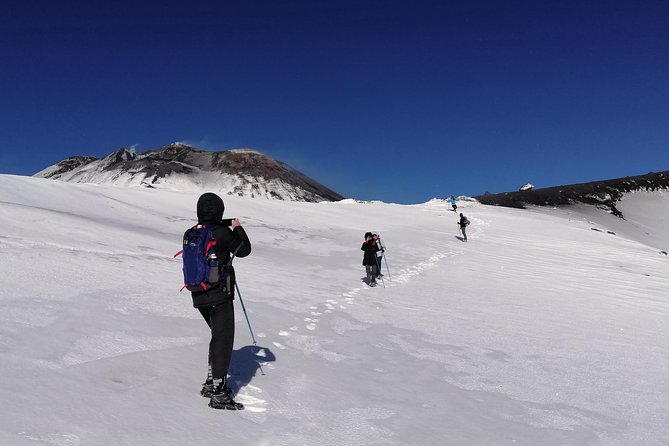
Etna in winter feels like a different volcano. You start with a cable car lift and then hike through icy snow on Etna’s upper terrain with expert alpine/volcanology guides. It’s a practical way to see Etna’s winter mood—without needing a technical climbing background.
I love that the group stays small (up to 15), which means more time for safety checks and real questions. I also like that you’re set up with core trekking gear, including a rock helmet, trekking poles, and high-neck hiking shoes.
The main consideration is that this is not a casual winter walk. Ice, snow, wind, and a demanding ascent to around 3,000 m mean you should show up as an upper-intermediate/expert hiker, not a weekend stroller.
In This Review
- Key things to know before you go
- Why an Etna winter hike works so well
- Meeting at Piazzale Rifugio Sapienza and the 9:00 start
- Cable car to 2,500 m: the smart warm-up (and why it matters)
- The 3,000 m snowy trek: what “expert hikers” really means
- Stop-by-stop: cone of 2001 eruption, Valle del Bove, and Barbagallo craters
- Funivia del Etna and the approach zone
- Cone of the 2001 eruption
- Valle del Bove
- Barbagallo craters
- Summit craters from a safe distance, plus a lava channel if conditions allow
- Guides: the difference between a hike and a real Etna experience
- Gear and supplies: what you get, what you must bring
- Price and value: what $108.84 really buys you
- Who should book this Etna winter excursion (and who should skip it)
- Common gotchas: wind, weather, and adapting on the fly
- Should you book this Etna winter hike?
- FAQ
- How high does the tour go on Etna?
- Is this hike suitable for beginners?
- What’s included in the gear?
- Do I need to pay for the cable car return?
- Should I bring water and food?
- What if bad weather cancels the excursion?
Key things to know before you go
- Cable car to 2,500 m sets you up fast so your main effort is the snowy trek
- Trek starts around 3,000 m with conditions that include ice and snow
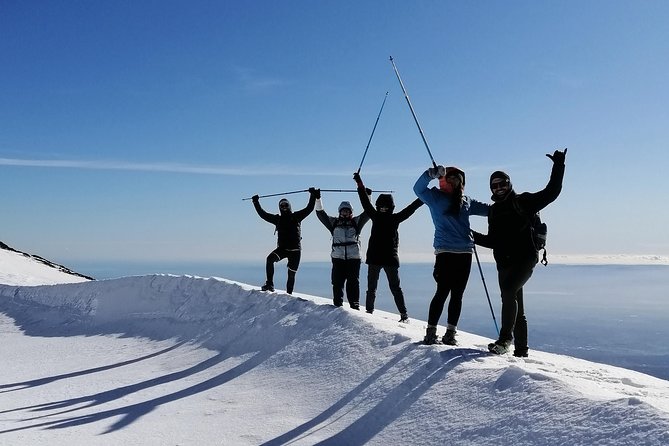
- Small groups (max 15) keep the hike safer and more personal
- Volcanology-focused stops include the cone of the 2001 eruption, Valle del Bove, and Barbagallo craters
- Helmet, poles, and winter-traction shoes included, plus insurance
- Return cable car ticket costs extra at €52 per person
More ways up the volcano from Catania
- Catania: Mount Etna Morning or Sunset Day Trip with Tasting
★ 4.8 · 4,028 reviews - Catania: Sunset Jeep Tour of Mount Etna and Lava Flow Caves
★ 4.8 · 2,113 reviews - Sicily: Etna and Alcantara Gorges Full-Day Tour with Lunch
★ 4.8 · 1,766 reviews - Mount Etna: Guided Trek 3,000 Meters to the Summit
★ 4.8 · 1,407 reviews
Why an Etna winter hike works so well
Winter on Etna gives you contrast: cold air, bright snow, and a volcano that looks both powerful and oddly calm. The route is built for this season, with a cable-car start and an on-foot section that targets classic volcanic features while you’re surrounded by snow-covered terrain.
This trip also leans into the right kind of expertise. You’re led by authorized alpine/volcanological guides, which matters on Etna in winter. Snow and ice don’t just make things prettier; they change footing, pacing, and visibility. A guide who understands both mountain travel and volcanic hazards makes the experience feel controlled, not risky.
One more thing I appreciate: this is designed to be small-group. On a route like this, that reduces chaos and makes it easier to keep everyone moving safely.
Meeting at Piazzale Rifugio Sapienza and the 9:00 start
You meet at the Ashàra Etna & Stromboli Guides point at Piazzale Rifugio Sapienza, Nicolosi (CT), starting at 9:00 am. The meeting area is noted as near public transportation, which is helpful if you’re not driving.
You’ll also use a mobile ticket, and you should get confirmation at booking time. Plan to arrive early enough to get oriented and check the gear before the first step. With snow and wind, that “little time” matters.
The schedule is built around a full winter morning. Expect a steady flow: cable car up, hike at altitude, then the return trek back toward the upper station.
Cable car to 2,500 m: the smart warm-up (and why it matters)
The climb begins by cable car from the Ashàra meeting point area, up to about 2,500 metres. This is a big value point. You’re saving energy for the main work at higher altitude, and you’re also reducing the time you spend grinding upward in deep winter conditions.
Once you’re at altitude, you transition into the hike starting around 3,000 metres. That jump—from “cooler air at 2,500 m” to “serious cold and snow at 3,000 m”—is why you’ll want your layers and traction ready before you move.
The included gear helps here. You’re renting a rock helmet, and you’ll have trekking poles and high-neck shoes. That combo is not just a comfort upgrade; it’s practical for slippery volcanic ground and windy ridgelines.
The 3,000 m snowy trek: what “expert hikers” really means
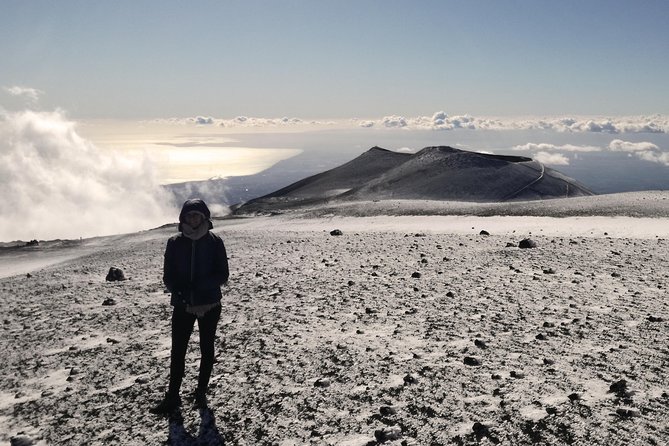
This is the core of the trip, and it’s where expectations should be honest. The presence of ice and snow makes it suitable for expert hikers, not casual walkers.
A couple of real-world details help you calibrate:
- One participant described a challenging climb around 7.5 km and about 2.5 hours, getting hot even in winter once the effort ramped up.
- Several people noted the need for good traction on icy spots, plus wind protection (even when the scenery is breathtaking).
So here’s my practical take: bring a winter hiking mindset. You should be comfortable hiking on uneven, possibly slippery ground, staying steady on inclines, and following a slower group pace when needed.
Also, this hike can feel harder than you expect because volcanic terrain can be uneven and sometimes “squishy” under snow. That sinking feeling you get when the ground isn’t firm is normal on Etna-type terrain, and traction helps a lot.
And yes, you might get warm. The cold is real, but winter hiking also produces heat fast. Good layering (and the willingness to move with it) is the difference between enjoying the climb and feeling miserable.
A few we would gladly point a friend toward in Catania
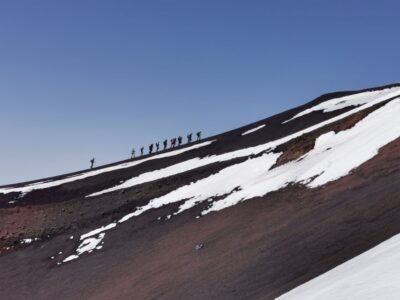
Stop-by-stop: cone of 2001 eruption, Valle del Bove, and Barbagallo craters
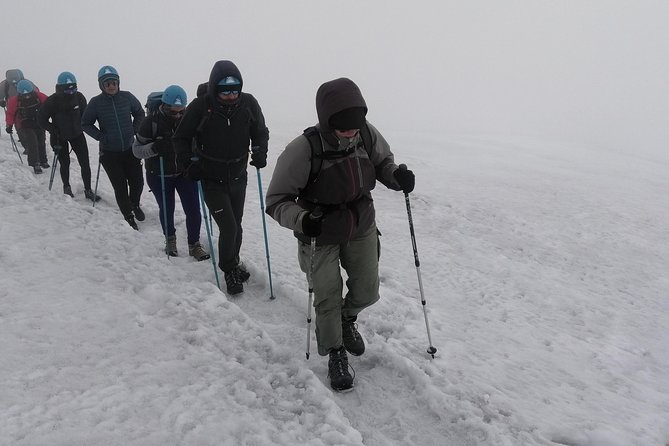
The trek is paced to get you to a sequence of volcanic viewpoints and features. Here’s what you’re there to see—and what to watch for.
Funivia del Etna and the approach zone
The cable-car segment isn’t just transportation. It’s part of the day’s “altitude setup.” By the time you start walking, you’re high enough that wind chill and snow conditions can change how you feel within minutes.
Cone of the 2001 eruption
You’ll visit the cone associated with the 2001 eruption. This kind of stop is valuable because it connects the living terrain to a specific volcanic event. On a winter day, the stark shapes and snow contrast make the volcanic forms easier to read.
What to keep in mind: you may be walking on uneven volcanic surfaces under snow cover. Slow steps, poles planted early, and staying aware of where your footing lands will keep you in the enjoyable zone.
Valle del Bove
Next is Valle del Bove, a major volcanic valley area. Valle del Bove is one of those places where the terrain looks dramatic even if you don’t know the exact geology. In winter, it often reads as a wide open stage—cold, bright, and full of shape.
Again, your guide’s job matters here: it’s not about rushing to the most dramatic view. It’s about seeing it safely and understanding what you’re looking at.
Barbagallo craters
You’ll also visit Barbagallo craters. Craters are where you feel the volcano close up, but on this tour you’re still moving within a controlled setup: safe distances, guide-led positioning, and a pace suited to winter footing.
The win is that you get more than one “volcano moment.” Instead of one long climb and one view, this day strings together multiple features.
Summit craters from a safe distance, plus a lava channel if conditions allow
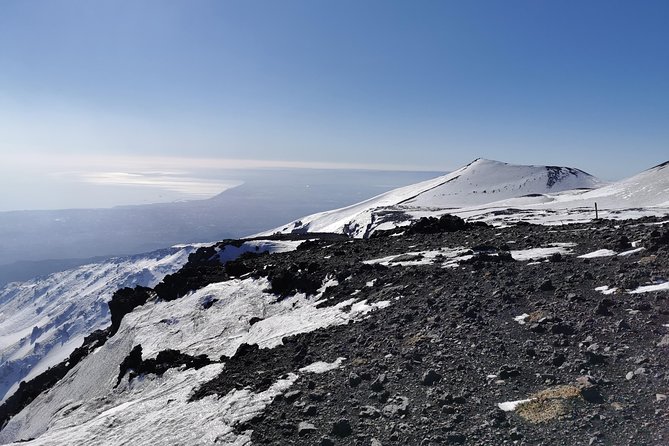
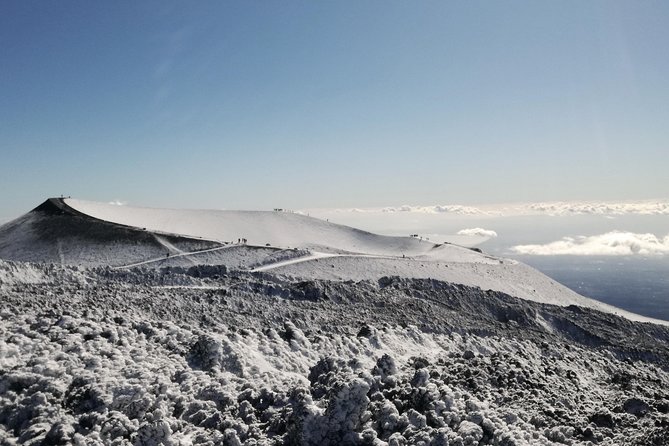
One highlight is admiring Etna’s summit craters from a safe distance before heading back. That’s a big deal in winter. At higher elevations, conditions can make close approach unsafe or uncomfortable, so this approach keeps the emphasis on viewing and understanding rather than getting too near.
There’s also a conditional option: if snow conditions permit, the group will visit a lava flow channel before returning to the cable car area. This is worth paying attention to because it tells you the tour is adaptive. If conditions aren’t right, the plan won’t pretend otherwise.
This flexibility is also why “what kind of day will it be?” can vary. Your guide will steer the hike based on snow and safety—not just a fixed checklist.
Guides: the difference between a hike and a real Etna experience
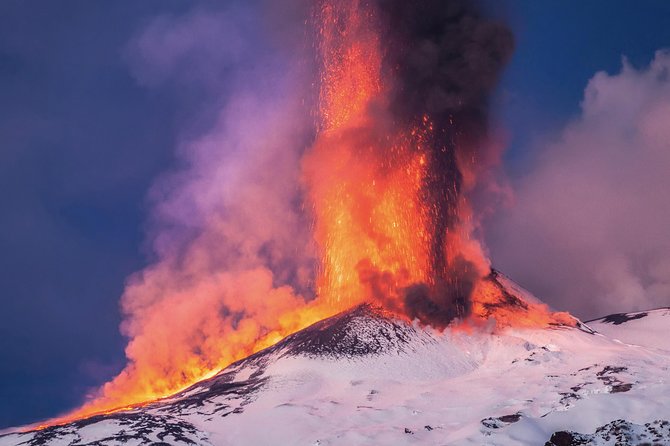
This tour is led by authorized alpine and volcanology guides, and the difference shows in the tone of the day. In multiple cases, guides were described as proactive with communication and clear with explanations.
Names that came up include Simone, Max, and Giuseppe. Each was noted for sharing lots of useful facts and for managing the group at a reasonable pace. And pace matters on Etna in winter—especially when some people are ready to move faster and others need more time.
English is the offered language. Also, one account noted that information may be given in multiple languages as needed (with groups that include different abilities and backgrounds). If you’re used to fast tours, slow down here. The value is in the explanations and safety rhythm.
Gear and supplies: what you get, what you must bring
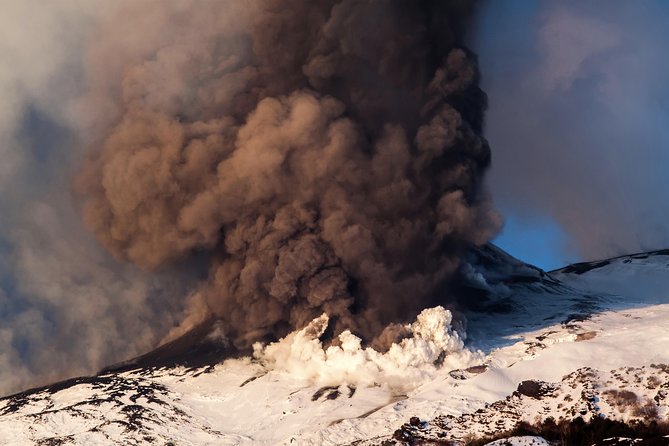
Here’s what’s included:
- Free rental rock helmet
- High-necked hiking shoes
- Trekking pole
- Alpine/volcanological guide
- Insurance
From participants’ experiences, you may also find additional winter clothing options available, such as gloves and jackets, which can be a lifesaver if you traveled light.
What’s not included:
- Bottled water (at least 1.5 L)
- Snacks and packed lunch
- Return cable car ticket: €52 per person
My advice: treat water like an essential supply, not an afterthought. At altitude and in cold air, hydration still matters, and you’ll burn energy hiking.
Also plan food as if you’ll actually be hungry. This is a half-day hike, and you’ll want real fuel during breaks. If you’re choosing what to pack, aim for simple, cold-friendly snacks plus something you can eat without fuss.
Price and value: what $108.84 really buys you
At $108.84 per person, the sticker price can look like a bargain—until you remember the return cable car ticket is €52 per person. So the true total cost in many cases becomes closer to what you’d expect for a guided winter mountain day with access and transport.
Still, the deal can be strong because you’re getting:
- A guide with both alpine and volcanology credentials
- Insurance
- Winter-specific trekking support (helmet, poles, and proper shoes)
- A structured route with multiple volcanic stops and summit viewing
In other words, you’re paying for risk management and direction, not just scenery. On Etna in winter, that’s where your money goes.
If you already own excellent winter gear and shoes, you can still find value here thanks to the guide quality and the helmet/pole support. If you don’t own the gear, the included rentals can cut down the extra expense and hassle.
Who should book this Etna winter excursion (and who should skip it)
This tour is best for you if:
- You’re an upper-intermediate to expert hiker
- You’re comfortable walking on uneven, possibly icy volcanic ground
- You can handle winter conditions with wind and cold
- You want guided volcanic sights like craters, eruption features, and viewpoints
It’s probably not the best match if:
- You mainly do flat, easy walks
- You’re unsure how you’ll do with ice and steep snowy footing
- You need a very family-friendly pace (one experience described the route as too challenging for kids and led to a shorter approach)
If you’re traveling solo or with friends, the small group size also helps. You’ll still get a shared day, but without the feeling of being herded.
Common gotchas: wind, weather, and adapting on the fly
Etna weather can change fast. One operational detail that stands out is that strong gusts of wind—over 80 km/h was cited—can cause a date change for safety. So if you’re traveling on a tight schedule, keep some flexibility.
Also, group composition affects pace. Even in a small group, different fitness levels can mean slower walking and more time for explanations. That’s not a flaw; it’s part of how guides keep everyone safe and informed on a winter mountain.
And yes, you might feel warm during the climb. If you dress like you’re going to stand still in the cold, you’ll likely end up too bundled.
Should you book this Etna winter hike?
I’d book it if you want a real winter Etna experience with a guided focus on volcanic features, and you’re comfortable with an expert snowy trek at altitude. The small group setup, the included helmet/shoes/poles, and the mix of eruption-era stops make it feel like a purposeful day rather than a generic sightseeing outing.
Skip it if your goal is an easy walk or if winter hiking on ice makes you nervous. This is one of those trips where readiness matters more than optimism.
If you do book, go in with a simple plan: wear winter layers, bring at least 1.5 L of water, pack your snacks, and accept that the guide is going to prioritize safety and conditions over rushing to every possible view.
FAQ
How high does the tour go on Etna?
You’ll take the cable car to about 2,500 metres, then start the trek at around 3,000 metres.
Is this hike suitable for beginners?
The tour is described as suitable for expert hikers because of ice and snow. You should have moderate physical fitness and be comfortable with demanding winter hiking.
What’s included in the gear?
The tour includes a rock helmet rental, high-necked hiking shoes, and trekking poles, plus a guide and insurance.
Do I need to pay for the cable car return?
Yes. The return cable car ticket is not included and costs €52 per person.
Should I bring water and food?
Yes. Bottled water (at least 1.5 L) and snacks/packed lunch are not included.
What if bad weather cancels the excursion?
The excursion requires good weather. If it’s canceled due to poor weather, you’ll be offered a different date or a full refund.
More Tours in Catania

More Tour Reviews in Catania
More Etna Summit Treks We Have Walked
Just added: the newest Catania tours in our notebook
- Transfer Catania / Agrigento Airport★ 5.0 · 3 reviews
- Sicily private shore excursion – Etna and Taormina with personal driver★ 3.5 · 3 reviews
- Sunset Trekking on Mount Etna★ 5.0 · 3 reviews
- Private Transfer from Catania to Palermo or vice-versa with stop★ 5.0 · 3 reviews
- From Syracuse: Mount Etna Volcano Morning Trekking Tour★ 5.0 · 3 reviews
- Catania: Guided Street Food Tour with Tastings★ 5.0 · 3 reviews
Mount Etna Tours & Summit, compared.
 ★ 4.8Catania: Mount Etna Morning or Sunset Day Trip with TastingFrom $704,028 reviews
 ★ 4.8Catania: Sunset Jeep Tour of Mount Etna and Lava Flow CavesFrom $712,113 reviews
 ★ 4.8Etna and Alcantara Gorges Full-Day Tour with LunchFrom $1051,766 reviews
 ★ 4.7Etna: summit craters trekking with volcano guide 3350mtFrom $771,712 reviews
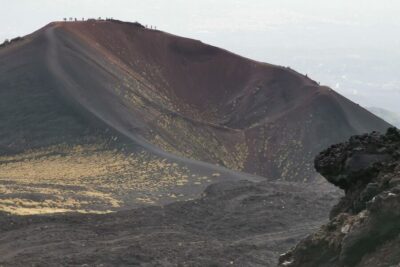 ★ 4.9Catania: Mount Etna Trekking Tour Beyond the Tourist TrailsFrom $811,596 reviews
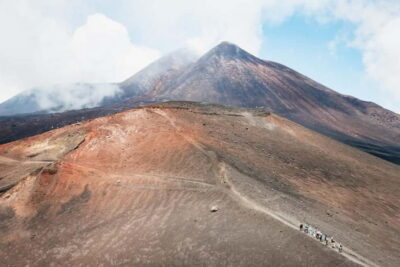 ★ 4.8Mount Etna: Guided Trek 3,000 Meters to the SummitFrom $1131,407 reviews
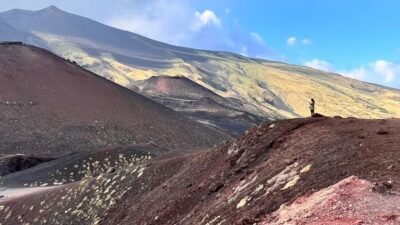 ★ 4.8Catania: Etna Sunset Tour with Pickup and Drop-offFrom $711,348 reviews
 ★ 4.8Etna Sunset Tour: Volcano trek, Cave & tasting from CataniaFrom $701,290 reviews
Browse the lists this tour appears in