
Reviewed · MOUNT ETNA TOURS & SUMMIT
Mt Etna: Winter Trekking Tour with Optional Catania Transfer
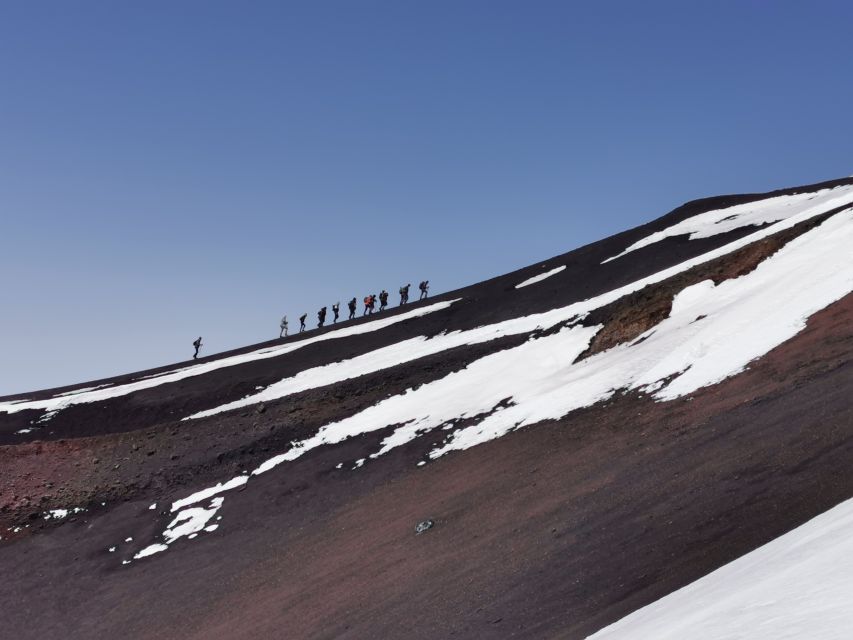
Winter on Etna can feel otherworldly, and this trek is the ticket. I love the panoramic views from the Gulf of Catania to the Ionian Sea, and I also like how the route mixes science and scenery without wasting time. One consideration: winter conditions and the steep, active-volcano setting mean this isn’t for everyone, especially if you have heart or high blood pressure concerns.
The trail starts at about 1,850m near Rifugio Sapienza, then climbs through a black larch pine forest with endemic plants before you reach the bigger volcanic stages. The guide can make the summit craters and the Valle del Bove geology feel clear, and at least in the field I’ve seen how that kind of explanation helps you look with more confidence. You’ll be walking for about 3 hours, so plan to dress warm and accept that this is a brisk taste of Etna, not a long wander.
In This Review
- Key Highlights to Know Before You Go
- Winter Etna at Rifugio Sapienza: Why This Walk Works
- Gear Included: The Stuff That Makes Winter Safer
- The First Stretch: Black Larch Pines and Endemic Etna Plants
- Gulf of Catania to the Ionian Sea: Panorama Without the Long Detour
- Southeast Crater Views: Strombolian Action and Changing Rock Forms
- Valle del Bove: The 10 km Lava Basin You Walk Along
- 2001 Eruption Fracture and Upper Silvestri Craters
- Catania Transfer Option: Saving Time on Sicily
- Pace, Duration, and Who Should Think Twice
- Value Check: Is $58 Worth It?
- Should You Book This Mt. Etna Winter Trek?
- FAQ
- How long is the Mt. Etna winter trekking tour?
- How much does the tour cost?
- Is hotel pickup from Catania included?
- Where does the trek start?
- What’s included in the tour?
- Is food or drinks included?
- What language is the guide?
- What should I bring?
- Is the tour suitable for everyone?
- What is the cancellation policy?
Key Highlights to Know Before You Go
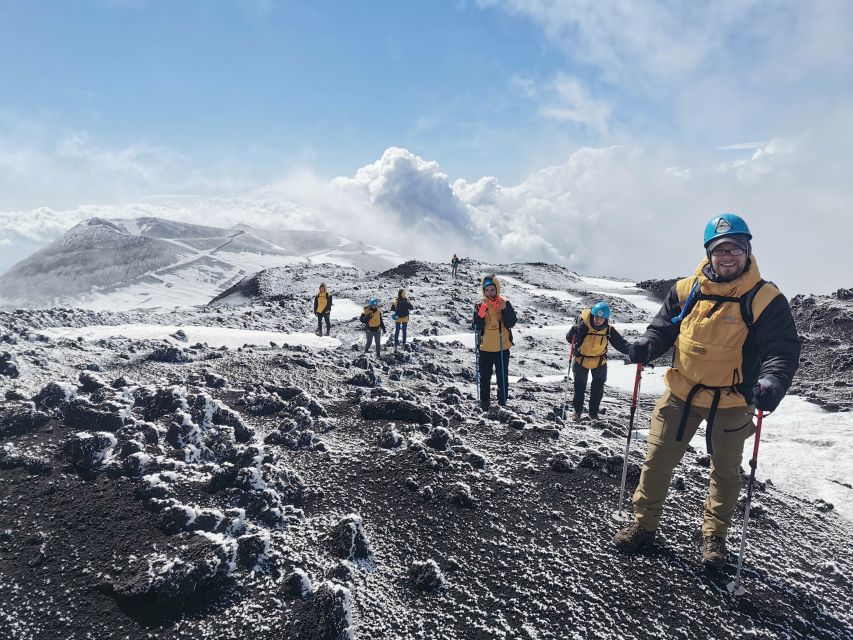
- Black larch pine forest + endemic plants along the first stretch, including Etna violets and soapwort.
- Big panorama from the Gulf of Catania toward the Ionian Sea, even in winter light.
- Active-summit crater focus, with the southeast crater known for Strombolian bursts and changing crater shape in recent years.
- Valle del Bove on foot, walking the south wall of a huge lava basin that channels eruptions away from populated areas.
- A stop at the 2001 eruptive fracture area around 2,100m, then the route continues toward upper Silvestri craters.
- Real winter hiking support: wind jacket, hiking poles, and snowshoes are included.
More ways up the volcano from Catania
- Catania: Mount Etna Morning or Sunset Day Trip with Tasting
★ 4.8 · 4,028 reviews - Catania: Sunset Jeep Tour of Mount Etna and Lava Flow Caves
★ 4.8 · 2,113 reviews - Sicily: Etna and Alcantara Gorges Full-Day Tour with Lunch
★ 4.8 · 1,766 reviews - Mount Etna: Guided Trek 3,000 Meters to the Summit
★ 4.8 · 1,407 reviews
Winter Etna at Rifugio Sapienza: Why This Walk Works
Starting from around Rifugio Sapienza (about 1,850m) changes the whole feel of a Mt. Etna visit. Instead of just standing and looking, you’re walking into the volcano’s winter character—cold air, sharp views, and a trail that climbs through forest and volcanic ground before it opens into dramatic basins.
What I like is the balance: you get natural beauty, but you also get a guided explanation that connects what you see (crater edges, lava forms, wide eruption basins) to what it means. It’s especially helpful in winter when visibility can be better in some directions and trickier in others.
The other win is pacing for a short tour. This is set up as a focused 3-hour trek, so you’re not spending half the day transferring or waiting around in freezing temps.
Gear Included: The Stuff That Makes Winter Safer
This tour gives you key winter-walking gear, which is a practical advantage. You’ll receive a wind jacket, hiking poles, and snowshoes. That means you’re not stuck trying to guess what footwear traction or winter kit you’ll need for Etna in January-type weather.
Still, you’ll want to bring your own basics:
- Warm clothing (layering matters a lot up high)
- Water, even if it’s cold
The included equipment is a strong value add because Etna winter gear isn’t always cheap to source last minute. And poles plus snowshoes help you keep a steady rhythm on uneven ground.
The First Stretch: Black Larch Pines and Endemic Etna Plants
Right after you start, the route moves over slope and sandy ground through a black larch pine forest. In winter, the forest can feel quiet and almost still, and that calm makes the first viewpoints more satisfying when they arrive.
I also appreciate that this isn’t only about rock and ash. The walk passes by endemic vegetation, including soapwort, low shrubs, and Etna violets. It’s a good reminder that even an active volcano supports life, and you’ll get a better appreciation for why locals pay attention to this ecosystem year-round.
What to watch for: the mix of sandy patches and volcanic terrain can make footing feel different than a regular city trail. Trekking poles help you stay planted, and the guide’s route choices matter.
Gulf of Catania to the Ionian Sea: Panorama Without the Long Detour
One of the most memorable parts is the panorama from the Gulf of Catania to the Ionian Sea. On clear winter days, the horizon can feel crisp, and you get that rare combination of coastline and volcano in the same frame.
This is also where a guided group setup helps. The tour is timed so you’re hiking through the right zones and stopping where the views make sense. With a short 3-hour duration, you’re not wasting time chasing the best angles on your own.
If you’re the type who loves photos, you’ll likely feel like the route is giving you the camera opportunities it promised.
What else Catania has going on
Southeast Crater Views: Strombolian Action and Changing Rock Forms
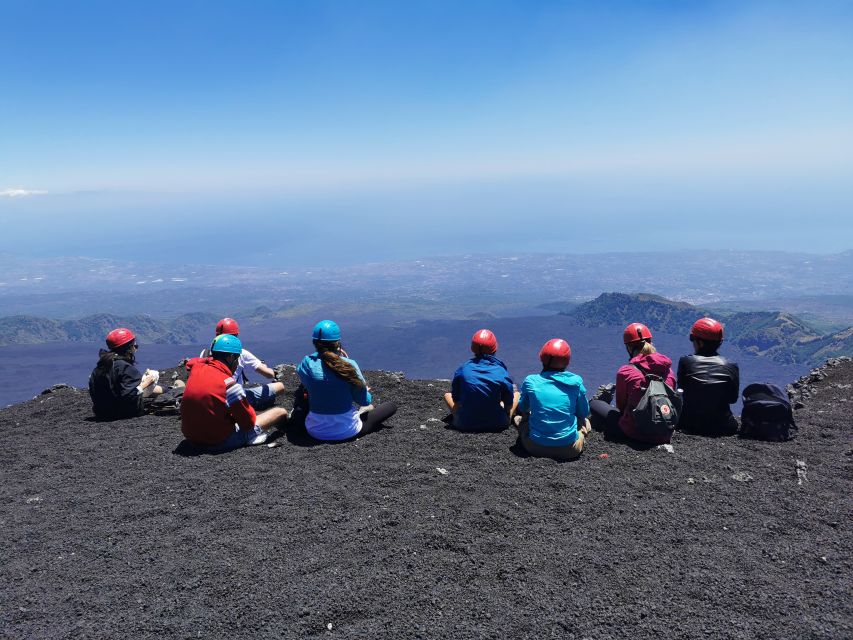
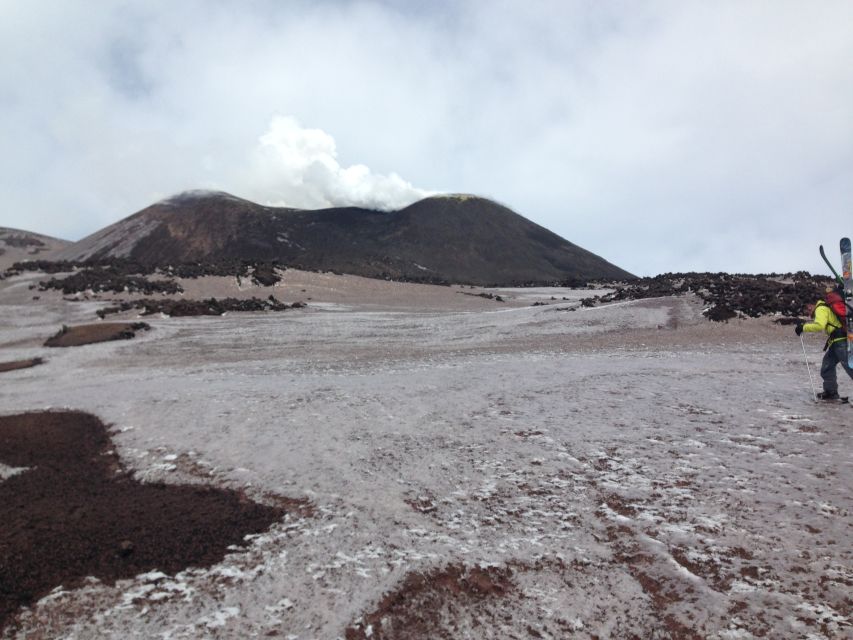
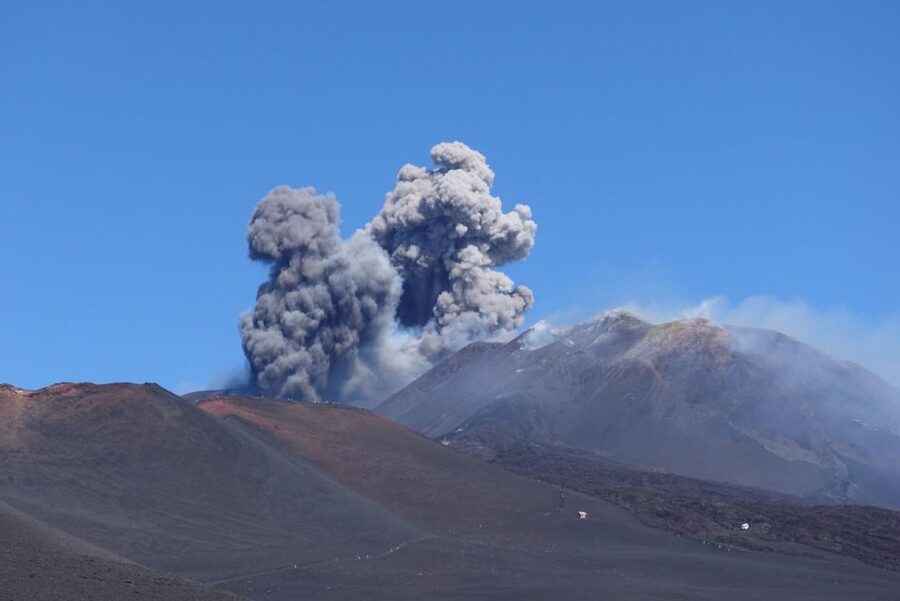
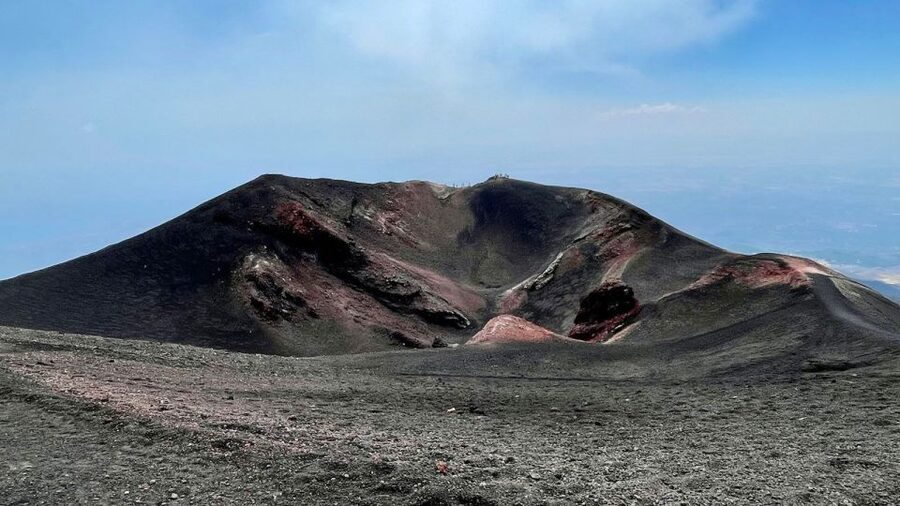
A big feature here is getting to the active-summit crater area, with the southeast crater in view at times during the walk. The tour description notes that in recent periods (2021 into early 2022), this crater produced intense eruptive events, including Strombolian activity and lava flows that changed the crater morphology.
Here’s the key practical point: volcano activity can’t be guaranteed, and conditions vary. What you can count on is the guided approach to the crater viewpoints—learning what to look for from a safe position and understanding why the crater edges and forms matter.
Also, when you have a clear explanation in your head, crater viewing shifts from random drama to something you can actually interpret. That’s where this trek earns extra points: it’s not just staring at smoke or rock; it’s understanding the story of how that ground changes.
Valle del Bove: The 10 km Lava Basin You Walk Along
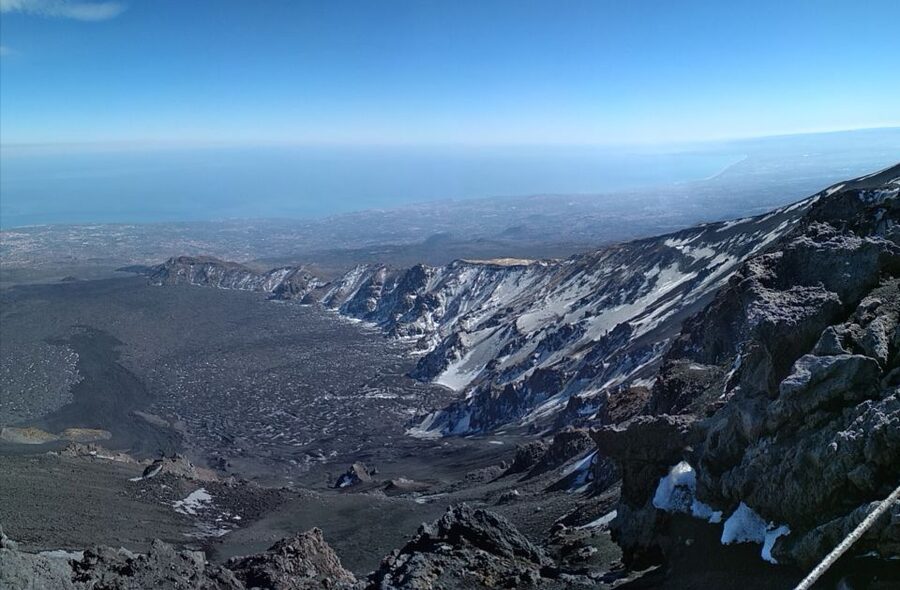
Next you reach Valle del Bove, a huge basin that contains lava from major and more recent eruptions. The tour highlights its scale—about 10 km long and 5 km wide—and explains its role during eruptions: it acts like a barrier, helping channel lava away from populated areas.
Walking the south wall gives you a sense of the basin’s size in a way you can’t get from a distant viewpoint. You feel the scale under your feet, and the guide’s framing makes the “why” click quickly.
The itinerary also gives you a break and photo stop, plus free time (around 1 hour) in this zone. That matters because Valle del Bove isn’t only about moving forward. It’s a place to stand, look, and absorb.
A winter bonus: if you hit a quieter season, this valley can feel surprisingly calm. That quiet is part of the experience—time to watch the light on volcanic walls and just breathe.
2001 Eruption Fracture and Upper Silvestri Craters
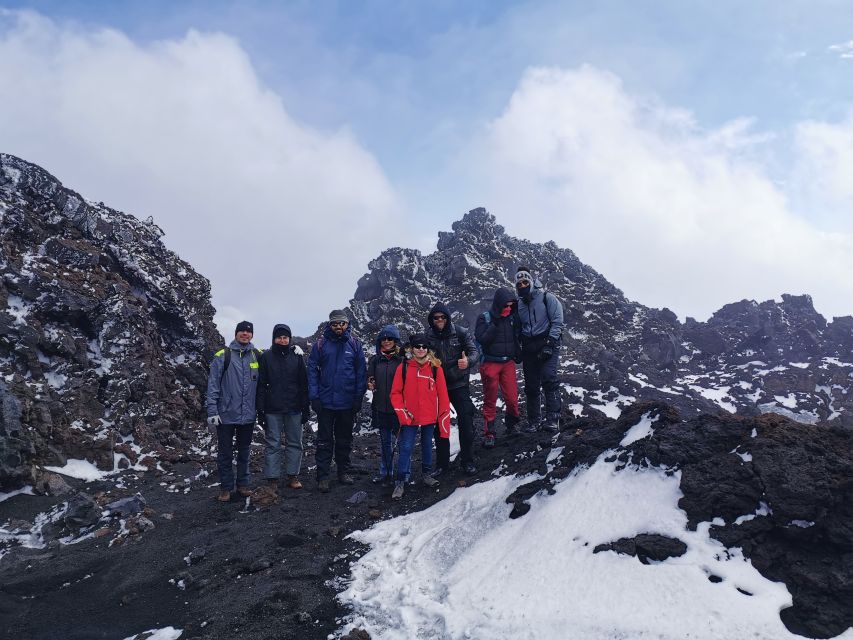
After Valle del Bove, the trek heads toward the 2001 eruptive fracture area at roughly 2,100m, then continues toward the upper Silvestri craters before returning.
This is a smart section for anyone who likes the “then and now” angle. You’re not only looking at present-day forms; you’re seeing where eruptions changed the mountain in a specific timeframe. The result is a more coherent story of cause and effect.
Practical note: higher zones can feel colder and windier. Even in winter, conditions can change fast on Etna, so having that included wind jacket is a real help.
And because this is a shorter tour, you’re getting a sequence of volcanic points in a compact window. It’s ideal if you want a lot of highlights without signing up for a half-day of travel-only effort.
Catania Transfer Option: Saving Time on Sicily
You can choose an option with hotel pickup and drop-off from Catania. If you’re staying in town, this is a convenience win. You don’t need to figure out timing, parking, or climbing logistics on your own.
Drop-offs can include Catania and Monte Gebel, depending on the option. One detail worth respecting: drivers wait no longer than 5 minutes after the scheduled pickup time. That’s common for tours, but on Etna, it’s extra important because winter weather can slow everything down—so be ready early.
If you’re not in Catania, you might still find this tour easy to coordinate without the transfer, but the pickup option is the easiest way to make the day feel smooth.
Pace, Duration, and Who Should Think Twice
This is a 3-hour guided hike, designed for a small group. That small-group setup usually means you spend less time herding and more time learning and walking.
But it’s still a mountain trek in winter. The tour isn’t suitable for:
- Pregnant women
- People with heart problems
- Wheelchair users
- People with high blood pressure
If any of those apply to you, I’d steer clear. Altitude, cold, and the effort level aren’t a great mix for those conditions.
Who it suits best:
- You want active Etna viewpoints, not only a bus stop
- You like guided explanations so the crater story makes sense
- You’re comfortable walking in winter conditions with snowshoes and poles
- You want a shorter tour that still hits the big volcanic themes: craters, Valle del Bove, and the fracture area
Value Check: Is $58 Worth It?
At about $58 per person for a 3-hour guided winter trek, I think the value is strongest when you compare what’s included. You get a multilingual guide (English and Italian) plus winter hiking essentials: wind jacket, hiking poles, and snowshoes. Those items alone can cost real money if you have to buy or rent them separately.
Food and drinks aren’t included, so you’ll still want to plan a simple snack or meal around the tour. But as a single guided Etna experience with active-summit crater focus and Bove Valley walking, the price feels fair.
If you’re tight on time in Sicily, it’s also a good use of half a day. You get multiple Etna zones without turning your trip into a full-day endurance event.
Should You Book This Mt. Etna Winter Trek?
If you want a guided Etna winter walk with real highlights—endemic plants, sea-to-coast panoramas, active crater viewpoints, and the scale of Valle del Bove—then yes, I’d book it. This is the kind of tour where good guiding matters, because it helps you connect what you see to what’s happening on the volcano.
I’d skip it if you’re looking for a gentle stroll, if cold and altitude are hard for you, or if you need a fully accessible route. Also, because pickup includes a strict 5-minute driver wait window, you’ll want to be punctual if you choose the Catania transfer.
If your goal is to understand Etna more than just photograph it, this trek is a strong fit. You’ll come away with clearer answers, better viewpoints, and a winter version of Mt. Etna that feels much more than a stop on a map.
FAQ
How long is the Mt. Etna winter trekking tour?
The tour lasts about 3 hours.
How much does the tour cost?
The price is $58 per person.
Is hotel pickup from Catania included?
Pickup and drop-off at Catania are included if you choose the transfer option.
Where does the trek start?
The trek begins around 1,850m at Rifugio Sapienza.
What’s included in the tour?
You’ll get a multilingual guide, wind jacket, hiking poles, and snowshoes.
Is food or drinks included?
No. Food and drinks are not included.
What language is the guide?
The live guide works in English and Italian.
What should I bring?
Bring warm clothing and water.
Is the tour suitable for everyone?
No. It isn’t suitable for pregnant women, people with heart problems, wheelchair users, or people with high blood pressure.
What is the cancellation policy?
You can cancel up to 24 hours in advance for a full refund.
More Tour Reviews in Catania

Keep Exploring Catania
More Etna Summit Treks We Have Walked
Just added: the newest Catania tours in our notebook
- Transfer Catania / Agrigento Airport★ 5.0 · 3 reviews
- Sicily private shore excursion – Etna and Taormina with personal driver★ 3.5 · 3 reviews
- Sunset Trekking on Mount Etna★ 5.0 · 3 reviews
- Private Transfer from Catania to Palermo or vice-versa with stop★ 5.0 · 3 reviews
- From Syracuse: Mount Etna Volcano Morning Trekking Tour★ 5.0 · 3 reviews
- Catania: Guided Street Food Tour with Tastings★ 5.0 · 3 reviews
Mount Etna Tours & Summit, compared.
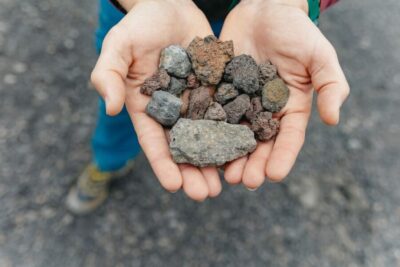 ★ 4.8Catania: Mount Etna Morning or Sunset Day Trip with TastingFrom $704,028 reviews
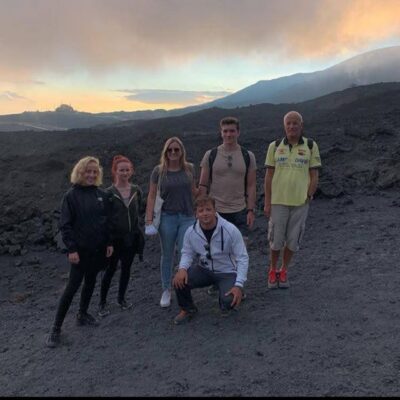 ★ 4.8Catania: Sunset Jeep Tour of Mount Etna and Lava Flow CavesFrom $712,113 reviews
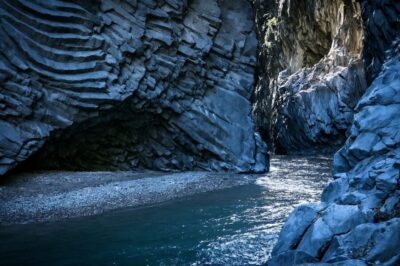 ★ 4.8Etna and Alcantara Gorges Full-Day Tour with LunchFrom $1051,766 reviews
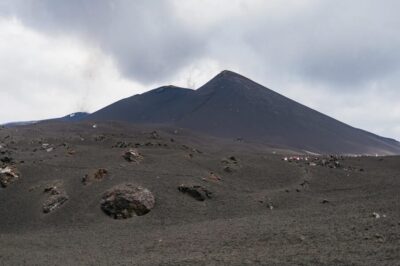 ★ 4.7Etna: summit craters trekking with volcano guide 3350mtFrom $771,712 reviews
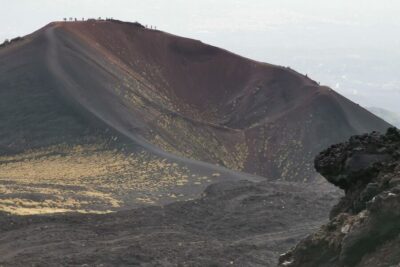 ★ 4.9Catania: Mount Etna Trekking Tour Beyond the Tourist TrailsFrom $811,596 reviews
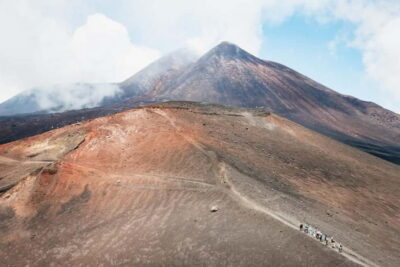 ★ 4.8Mount Etna: Guided Trek 3,000 Meters to the SummitFrom $1131,407 reviews
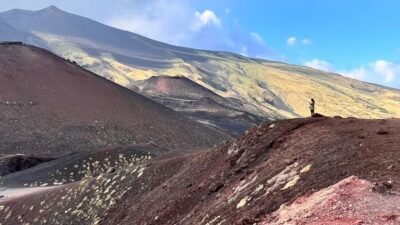 ★ 4.8Catania: Etna Sunset Tour with Pickup and Drop-offFrom $711,348 reviews
 ★ 4.8Etna Sunset Tour: Volcano trek, Cave & tasting from CataniaFrom $701,290 reviews
Browse the lists this tour appears in