
Reviewed · MOUNT ETNA TOURS & SUMMIT
Etna, Summit Craters
Etna doesn’t feel like a normal hike. You’ll go up to Bocca Nuova and the North East Crater on a guided route, and you get serious climbing help with provided boots, jacket, helmet, and more. The main drawback is you’re dealing with altitude, wind, and active-volcano conditions, so this isn’t for everyone—especially if you have asthma or get spooked by heights.
I like that the day is built for a morning rhythm: cable car and jeep get you high fast, then you earn the views on foot. You’ll finish back where you started the climb, leaving your afternoon open for Sicilian food, beaches, or whatever else you planned.
In This Review
- Key things to know before you go
- Why Etna’s summit craters feel like the real deal
- Getting up fast: cable car and jeep to ~2,900m
- A practical cost warning
- The 1.5-hour uphill push to the central crater edge
- Bocca Nuova and the crater rim views at 3,250m
- What to watch for
- From Bocca Nuova to Voragine: the heart of the central crater
- North East Crater at 3,329m: the short climb with big payoff
- The altitude reality check
- The descent through Valle del Bove: ashes, scoria, and rhythm
- What makes the descent tricky
- Guides and pacing: why small-group matters on a live volcano
- Equipment you get (and what you should still bring)
- Price and value: $84.69 plus required summit transport
- Weather, access changes, and how to avoid a frustrating day
- Who should book this Etna summit crater hike?
- Should you book AITNE’s Etna Summit Craters hike?
- FAQ
- How long is the Etna, Summit Craters tour?
- Where does the tour meet and when does it start?
- What is included in the price?
- What should I bring or consider for physical fitness?
- Is the tour language English?
- What is the cancellation policy?
Key things to know before you go
- High-altitude start at Torre del Filosofo (about 2,900m): you reduce the slog and arrive ready to hike.
- Crater time at Bocca Nuova (about 3,250m): a dramatic look at one of Etna’s most striking openings.
- Voragine + a steep pull to the North East Crater: a short, steep segment that feels like a real summit moment.
- 360° views on top, with possible Aeolian Islands: clear weather can turn the day into a bigger-picture panorama.
- Small group size (max 15): easier pacing, better safety control on volcanic terrain.
- Wind and gas can be real: bring a plan for cold and for breathing comfort near emissions.
More ways up the volcano from Sicily
- Etna Morning Trip
★ 4.5 · 1,241 reviews - Mt. Etna nature and flavors half day Tour from Catania
★ 5.0 · 545 reviews - Etna excursion 3000 meters with 4×4 cable car and Trekking
★ 4.5 · 504 reviews - Mount Etna Adventurous Hiking Tour with Equipment
★ 4.5 · 439 reviews
Why Etna’s summit craters feel like the real deal
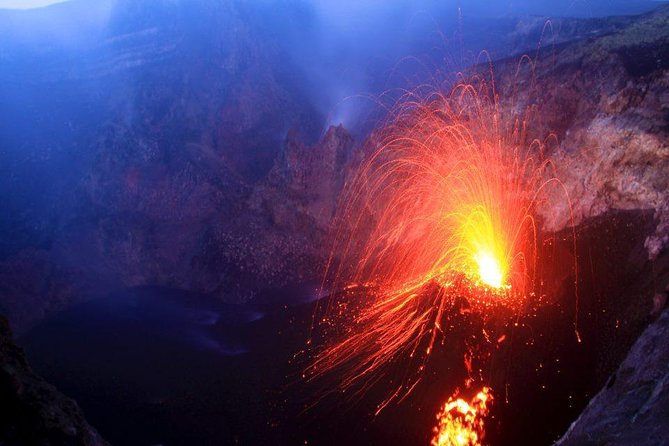
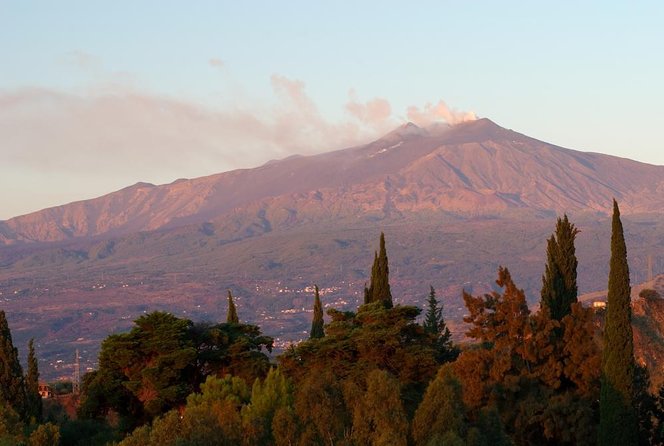
Mt. Etna is Europe’s highest active volcano, and this hike is designed around seeing it from the inside—specifically the central crater zones and key vents. The route is more than sightseeing stops. You’re walking on ashes and scoria, changing footing constantly as the ground shifts under you.
I also like that the experience aims for balance: you start early, move efficiently up by cable car and 4×4, then hike with a guide. That’s the difference between viewing Etna from a road and standing at crater edges where the mountain feels alive.
One more thing: Etna is active, so access rules can change. Some days you may not be allowed to reach the absolute highest point in the way the ideal program describes, and you’ll follow the guide’s adjustments to stay within current regulations.
Getting up fast: cable car and jeep to ~2,900m
The day starts at La Terrazza Dell’Etna Etna Sud, in Nicolosi, with a 9:00am meeting time. From there, you rise by cable car and 4×4 up to around 2,900 meters in the Torre del Filosofo area.
This matters more than it sounds. By removing the lower-elevation grind, you preserve your energy for the walking sections that actually take you to crater viewpoints. Also, the higher you start, the more you need to take pace seriously—altitude can sneak up on you even if you’re fit.
A practical cost warning
This tour includes the guide and the hiking equipment, but it does not include the round-trip cable car and jeep up to 2,900m. Depending on conditions and what’s running that day, you should expect those transport fees to be a significant added cost. Plan for it early so it doesn’t become a last-minute surprise.
Also, some travelers reported that payment for the extra transport may be cash-based on-site. If you do this, bring cash or be ready to withdraw it quickly nearby.
The 1.5-hour uphill push to the central crater edge
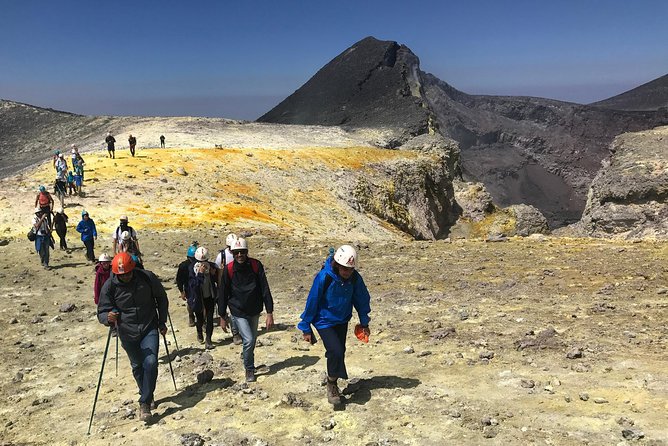
Once you’re dropped near Torre del Filosofo, you hike uphill for about 1.5 hours to the edge of the central crater. This is where the terrain starts to feel “volcanic” in the best way: loose, uneven, and not the tidy path you might expect in a mountain park.
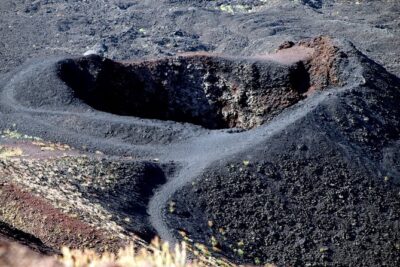
You’re heading toward a viewing position for Bocca Nuova (around 3,250m). The point here isn’t just reaching a number on a map. It’s standing at a crater rim and understanding the scale—how the crater walls drop and how the vents shape the mountain’s behavior.
Wind can also pick up fast at altitude. If you’re wearing the provided jacket and helmet, you’ll be better off, but still plan for gusts and sudden chill. A hike at Etna can feel like the weather can flip between “fine” and “come on then” without warning.
Bocca Nuova and the crater rim views at 3,250m
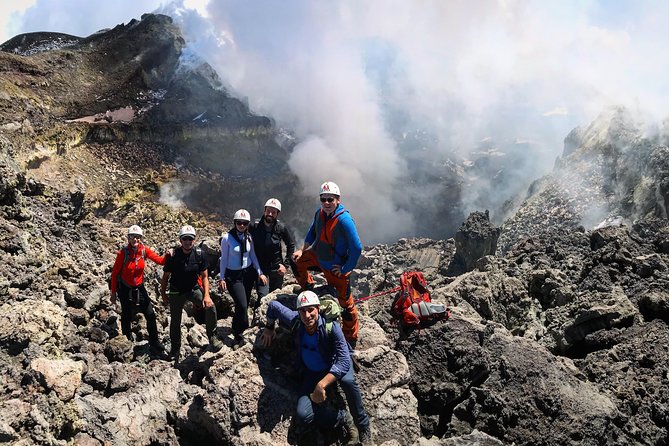
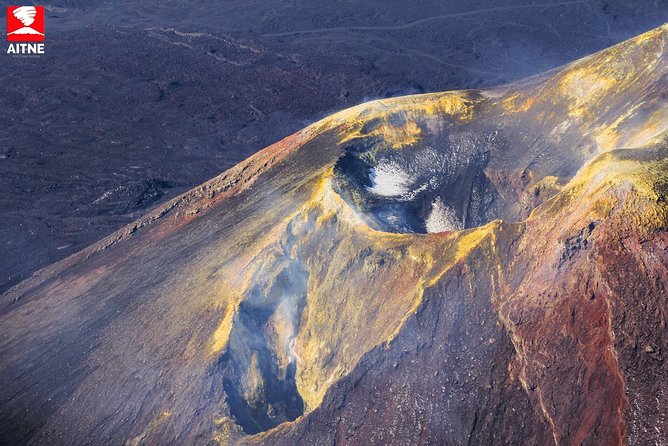
Bocca Nuova is the crater stop that most people remember. It’s often described as the most impressive of Etna’s main vents, and on your route you’ll see it from the crater edge at roughly 3,250m.
Here’s what makes this stop special: it’s not a quick photo moment from a safe distance. You’re walking around the rim area, taking in how the crater opening looks from different angles. That means you naturally get a better sense of what you’re seeing, and your guide can point out features while you’re actually in the right place.
What to watch for
The wind matters at this elevation. If it’s strong, listen to your guide about where to stand and how to move. You want stability more than you want the perfect angle for a photo.
And if gas is present, don’t ignore it. Some hikers found that emissions can get into your throat. A simple practical move is to bring something you can cover your mouth and nose with—many people choose an FFP2-style mask or a similar barrier—just in case conditions are strong that day.
From Bocca Nuova to Voragine: the heart of the central crater
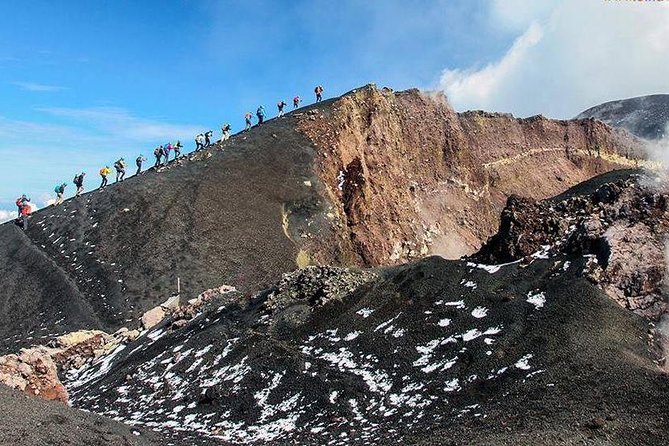
After Bocca Nuova, the route continues along the crater edge toward Voragine, described as the heart of the central crater. From here, you’ll take a steep but short climb to reach the North East Crater.
This transition is a big part of the experience. You’re not just visiting multiple crater points; you’re moving through the structure of the central crater zone. That helps the day make sense, even if volcanology is not your thing.
North East Crater at 3,329m: the short climb with big payoff
The North East Crater (around 3,329m, formed in 1911) is the summit highlight on this hike. The climb is short, but it’s steep—enough that you’ll feel it in your legs and in your breathing.
Once you reach the top area, you get time to wander and look around 360°. If the weather cooperates, you might even see the Aeolian Islands to the north. On a clear day, the view does something rare on a volcano trip: it gives you perspective beyond the crater itself.
The altitude reality check
Even on good fitness days, the altitude can add effort. This hike is usually described as physically demanding, and it can feel harder if you’re not used to breathing at elevation. If you’re the type who gets lightheaded or panicky with heights, take that seriously and be honest with yourself before you commit.
The descent through Valle del Bove: ashes, scoria, and rhythm
After crater time, you start the long descent. The route heads down via a slope described as ashes and scoria, passing through the Valle del Bove volcanic amphitheater.
Valle del Bove is sizable—listed as about 8km long and 4km wide—which makes the descent feel like walking through a larger volcanic bowl, not just going back the way you came. Your guide keeps the pacing manageable and helps everyone move safely across loose ground.
What makes the descent tricky
The slope can be steep, even if it’s described as easier than the uphill parts. Loose volcanic material changes your footing, so good boots help a lot. The provided equipment is meant to support this, but you still want to walk carefully and avoid rushing.
You’ll return to around 2,500m, at the station where the cable car ride began.
Guides and pacing: why small-group matters on a live volcano
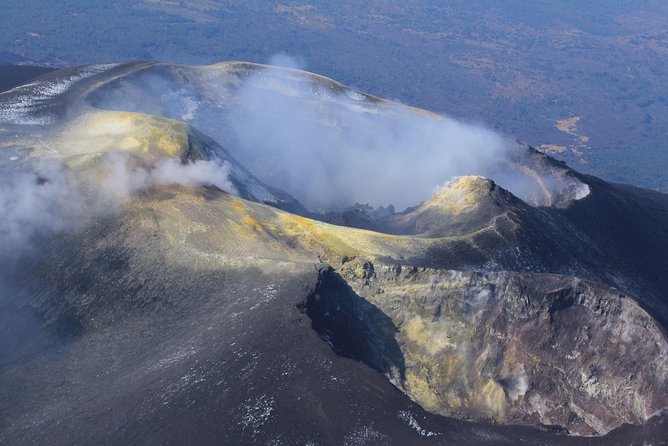
This hike caps at 15 travelers, which is not just a comfort perk. On Etna, it’s a safety tool. A smaller group lets the guide adjust pace, keep closer tabs on how people are handling altitude, and shift routes if the conditions require it.
The guides have strong safety instincts. Names that show up again and again include Marco, Vincenzo, Fabio, Simone, Davide, Giuseppe, Massimo, and Mario. Across the day, the consistent theme is guiding in a way that keeps the group moving steadily while still allowing you to see and understand what’s around you.
That also means you may hear real-time explanations like why certain crater edges are accessible and others aren’t. Because Etna is active, the “best plan” can shift.
Equipment you get (and what you should still bring)
Included gear covers the heavy lifting: trekking boots, jacket, felapt, and a helmet. That’s a big value piece because it removes a lot of hassle, especially if you’re traveling light.
But you should still self-prepare for altitude conditions. Some people reported feeling cold even with provided layers, so I’d plan for chilly wind at the crater zone. Wear warm layers under the provided jacket, and be ready for the temperature swing that can happen at height.
Also, bring food and water. The hike runs about 5 hours, but depending on pace and access rules, it can stretch in practice. Having snacks and enough water helps you stay steady and avoid turning the day into a low-blood-sugar slog.
Price and value: $84.69 plus required summit transport
On the face of it, the listed price is $84.69 per person for a ~5-hour experience with a guide and provided hiking equipment. That’s a fair base value for an active volcano hike, because the costly part isn’t the guide—it’s the specialized crater access and the risk-management required to do it properly.
The catch is the extra transport. The round-trip cable car and jeep up to 2,900m are excluded, and that’s where your total cost rises. Some travelers described the added transport as a substantial per-person amount, and there were also reports that payment could require cash.
So how do you judge value?
- If you want crater access with a guide and you don’t want to source gear yourself, the included equipment helps a lot.
- If you assume everything is covered and you’re not budgeting for the summit transport, the final bill can sting.
My practical advice: when you book, mentally add the transport cost so you can enjoy the day instead of thinking about receipts.
Weather, access changes, and how to avoid a frustrating day
Etna conditions can change quickly, and access rules can tighten if the volcano is active. It’s possible you’ll be rerouted or stop at an alternative altitude instead of reaching the very top point described in ideal conditions.
Some travelers noted cases where the itinerary shifted due to access restrictions or activity levels. That’s not a minor detail—it can affect how far the group can climb. The best way to protect your day is to book with the mindset that this is a volcano first, itinerary second.
If the mountain is very windy or emissions are strong, the guide may adjust route and stop points for safety. That’s exactly when you want a guide leading instead of following an unmarked path on your own.
Who should book this Etna summit crater hike?
This is a strong fit if you want:
- A guided crater walk on an active volcano (not just a viewpoint).
- Provided gear so you can travel easier.
- A morning outing that leaves you free for the rest of your Sicily day.
You should think twice if:
- You have asthma or breathing issues (it’s not recommended).
- You’re hoping for an easy nature stroll. This is physically demanding, and the steep segments are part of the deal.
- You hate altitude or wind discomfort. You might still do fine with the right pace, but you should plan honestly.
It can also be a poor choice for very young kids. People did report that the hike was tough for children under 12, and that left some families managing a long wait at the meeting area.
Should you book AITNE’s Etna Summit Craters hike?
If you like real hiking, want crater access, and are comfortable with altitude and uneven volcanic ground, I’d say yes—this is a top-tier Mt. Etna experience. The small group size, the guided pacing, and the provided climbing gear make it feel structured enough for a demanding day.
If you’re budget-sensitive, budget the extra cable car and jeep before you go. And if you’re sensitive to breathing conditions, take that seriously: bring a protective barrier for emissions and skip the trip if your asthma is not well controlled.
Bottom line: book it for the craters—Bocca Nuova and the North East Crater—and for the fact that you’re seeing Etna up close in the only way that makes sense on an active volcano: with a guide.
FAQ
How long is the Etna, Summit Craters tour?
The tour lasts about 5 hours (approx.).
Where does the tour meet and when does it start?
The meeting point is La Terrazza Dell’Etna Etna Sud, Piazza Vittorio Emanuele, 95030 Nicolosi CT, Italy, and the start time is 9:00am.
What is included in the price?
The price includes the guide and hiking equipment, including trekking boots, a jacket, felapt, and a helmet. The round-trip cable car and jeep up to 2,900m are excluded.
What should I bring or consider for physical fitness?
This tour is listed as requiring moderate physical fitness. It involves hiking and includes steep uphill and downhill sections. It is not recommended for travelers with asthma problems.
Is the tour language English?
Yes, the tour is offered in English.
What is the cancellation policy?
You can cancel for free up to 24 hours before the experience’s start time for a full refund. If it’s canceled due to poor weather, you’ll be offered a different date or a full refund.
More Tour Reviews in Sicily
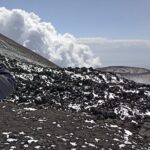
More Etna Summit Treks We Have Walked
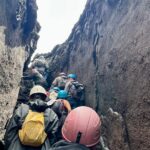
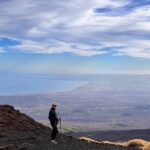
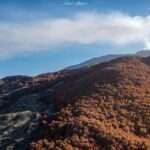
Just added: the newest Sicily tours in our notebook
- Etna / Taormina★ 5.0 · 3 reviews
- Bikes★ 5.0 · 3 reviews
- Taormina shore tour – for small group cruise passengers★ 5.0 · 3 reviews
- Vegan Cooking Class in Catania with Lunch and Dinner★ 5.0 · 3 reviews
- Make & Taste Sicilian Desserts in Palermo – Learn Cannoli & More★ 5.0 · 3 reviews
- Sicilian Villages & Ricotta Tasting – including Lunch from Cefalu★ 4.0 · 3 reviews
Mount Etna Tours & Summit, compared.
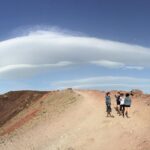
 ★ 4.8Catania: Mount Etna Morning or Sunset Day Trip with TastingFrom $704,028 reviews
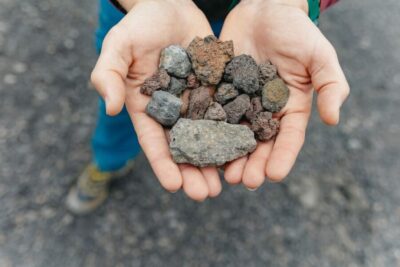
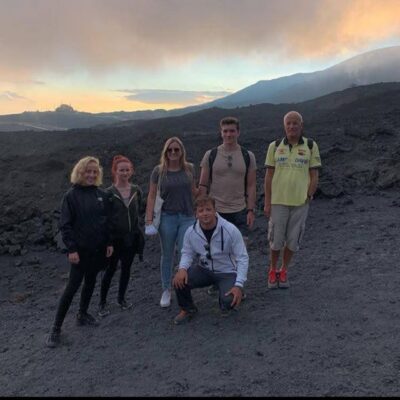 ★ 4.8Catania: Sunset Jeep Tour of Mount Etna and Lava Flow CavesFrom $712,113 reviews
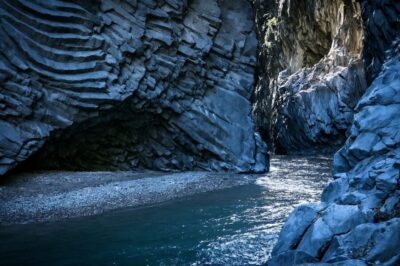 ★ 4.8Etna and Alcantara Gorges Full-Day Tour with LunchFrom $1051,766 reviews
 ★ 4.7Etna: summit craters trekking with volcano guide 3350mtFrom $771,712 reviews
 ★ 4.9Catania: Mount Etna Trekking Tour Beyond the Tourist TrailsFrom $811,596 reviews
 ★ 4.8Mount Etna: Guided Trek 3,000 Meters to the SummitFrom $1131,407 reviews
 ★ 4.8Catania: Etna Sunset Tour with Pickup and Drop-offFrom $711,348 reviews
 ★ 4.8Etna Sunset Tour: Volcano trek, Cave & tasting from CataniaFrom $701,290 reviews