
Reviewed · MOUNT ETNA TOURS & SUMMIT
Etna Special Dawn Excursion
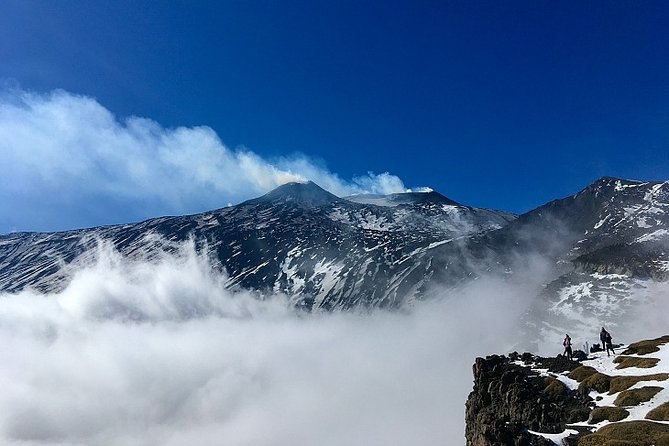
Dawn on Etna feels unreal. You start in the dark, hike a rugged volcanic route, and aim for big altitude—often up to Pizzi Deneri—with a guide who adjusts everything based on weather and Etna’s current mood. You’re walking in an active volcano area where conditions can change fast, so the experience is built around safety and real-world flexibility.
I especially love two things: the small group size (up to 8) and the fact that the guide truly picks your challenge level in real time. I also like the focus on the north side strategy, which is often described as the best way to reach as high as possible under the day’s altitude limits.
One possible drawback: this is a strong fitness outing. Expect steep, sandy volcanic descents, uneven ground, and a long, early start. If you hate cold mornings or steep hikes, plan carefully.
In This Review
- Key highlights I’d plan around
- Why Etna’s north-side dawn hike feels different
- The core hike: distance, vertical drop, and volcanic sand reality
- What your guide does (and why it’s better than a fixed route)
- Meeting at Rifugio Citelli and the meaning of a 4:00 am start
- Gear you get (and how it changes the value of the tour)
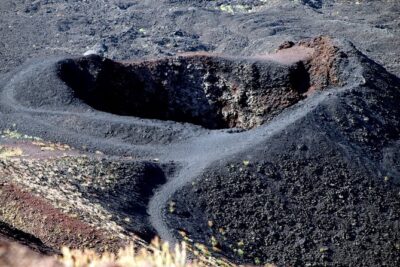
- The sunrise payoff: views, light shifts, and “wow” geology
- Pace, safety, and the one thing you must not ignore
- Price and value: what $157.57 buys you on Etna
- Who this Etna Special Dawn hike is best for
- Should you book this Etna Special Dawn Excursion?
- FAQ
- What time does the Etna Special Dawn Excursion start?
- Where do we meet, and where does the tour end?
- What is the typical hiking duration and distance?
- Is the route the same for everyone?
- What gear is included, and what should I bring for food?
- What happens if the tour is canceled?
Key highlights I’d plan around
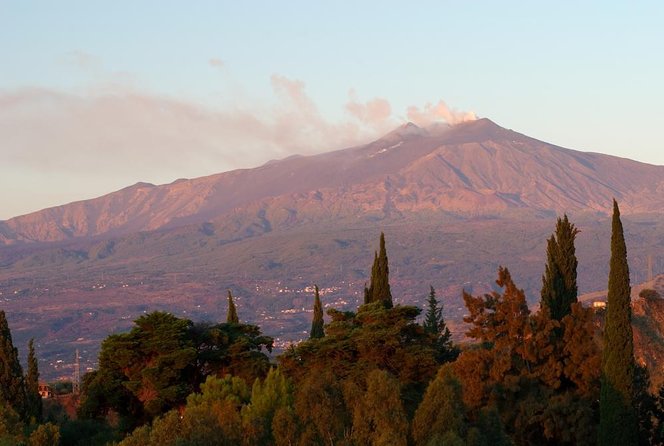
- Dawn start at 4:00 am from Rifugio Citelli, so you catch sunrise in motion
- Flexible route design: your guide sets difficulty and maximum altitude based on conditions
- Big numbers, real terrain: about 6–12 km with a 300–1100 m vertical drop
- Gear included: sticks, helmet, backpack, and k-ways
- North-side best bet for reaching high points like Pizzi Deneri (up to 2,847 m)
More ways up the volcano from Sicily
- Etna Morning Trip
★ 4.5 · 1,241 reviews - Mt. Etna nature and flavors half day Tour from Catania
★ 5.0 · 545 reviews - Etna excursion 3000 meters with 4×4 cable car and Trekking
★ 4.5 · 504 reviews - Mount Etna Adventurous Hiking Tour with Equipment
★ 4.5 · 439 reviews
Why Etna’s north-side dawn hike feels different
Etna at sunrise is not a sleepy viewpoint stop. It’s movement—up, across, and down—while the light changes over a lunar-style terrain. The tour is built for that dramatic timing: you leave early enough that you’re still climbing as the day wakes up, not just arriving for photos.
What makes this special is the way the hike is structured around uncertainty. Etna is active, and the route can change if the mountain’s conditions tighten. Your guide also adjusts based on the slowest participant. That matters, because on a hike like this, the “plan” is only helpful if it survives contact with wind, temperature, and footing.
You’ll hear clear, practical volcanology explanations too. Guides such as Antonio and Sofia are mentioned as passionate and pedagogical, and that style shows in how the hike feels: you’re not just trekking—you’re learning what you’re seeing while you sweat up the slope.
The core hike: distance, vertical drop, and volcanic sand reality
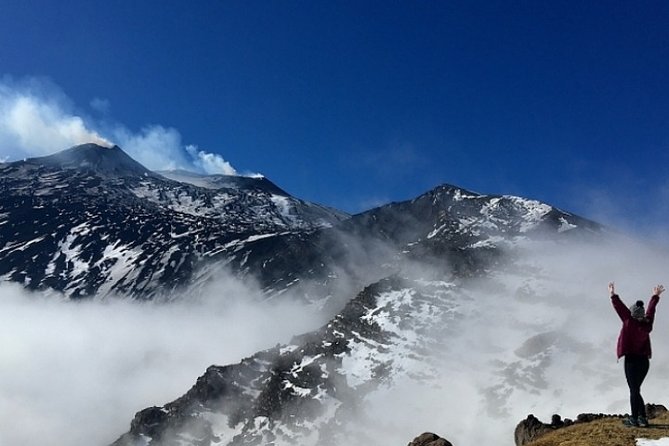
This is not a flat walk. The day is designed around a sustained effort of roughly 5–6 hours of hiking on rugged ground.
Here’s what you should anchor your expectations to:
- Walking time: about 5–6 hours on the trail
- Distance: typically 6 to 12 km
- Vertical drop: often 300 to 1,100 meters
- Altitude range: from about 1,800 m up to as high as 2,847 m (depending on conditions and your group)
The important part is the descent. The info you’re given calls out volcanic sand, and that’s exactly what you should picture: loose, gritty footing that can slow you down and burn your quads. Going uphill is hard, yes—but the downhills can be the real test because you’re trying to keep balance while your feet keep shifting slightly.
Also, don’t assume you’ll always hit the top. The guide may shorten the route or reduce the maximum altitude attainable if allowed altitude limits change or if conditions make it unsafe. That’s not a bait-and-switch; it’s how volcano days work.
What your guide does (and why it’s better than a fixed route)
Most hikes give you a schedule and hope the weather cooperates. This one does the opposite: your guide makes the plan on the day, based on weather and geodynamic conditions.
That means:
- Your guide chooses the route and difficulty
- They adapt pace so the slowest hiker is aligned with the group
- They may adjust kilometers covered and maximum altitude if needed
- They match the day’s challenge to the group’s sporting level
This is a big deal for real travelers. It can prevent the classic experience where the “standard itinerary” punishes anyone who’s fit but not trained for high-altitude, sandy descents. You’re still going to work hard, but you’re less likely to feel dragged—or stranded—on difficult terrain.
It also helps explain why two people can report different versions of the day. Same basic hike idea, but different top heights, different distances, and different momentum depending on conditions.
Meeting at Rifugio Citelli and the meaning of a 4:00 am start
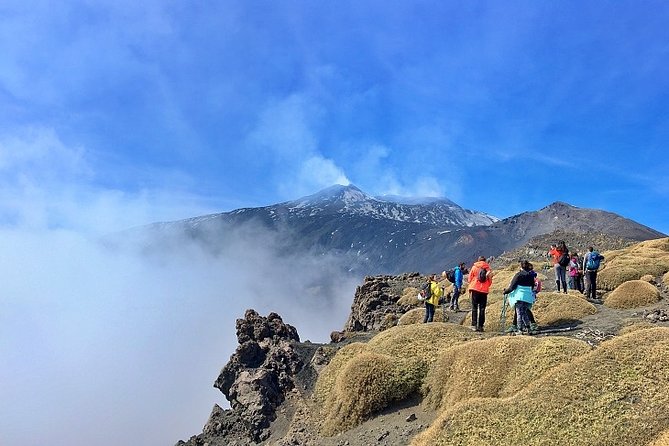
You’ll start from Rifugio Citelli, Via Mareneve, 95010 Sant’Alfio (CT), Italy. Pickup is not the point here—getting there and being ready to move is.
Start time: 4:00 am. That’s early enough that you’ll likely feel the morning cold immediately, even in warmer months. One review-style detail you can take seriously: early on, it can be windy and chilly, then warm up once the sun rises. That swing is common on Etna’s slopes.
Practical takeaway: dress in layers you can adjust quickly. Don’t overdress for the first 30 minutes, but don’t show up in just a T-shirt either. Sunrise on a volcano is gorgeous, but it can also be bracing.
The good news: the cold morning timing is also part of why people rave about the experience. You’re hiking during the best light window—before the crowds, before the heat, and with that quiet feeling you get high up.
Gear you get (and how it changes the value of the tour)
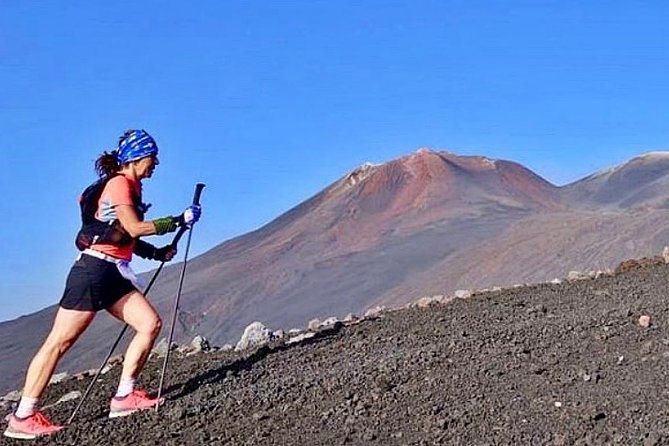
This tour includes walking essentials, which reduces the headache of packing:
- Sticks
- Helmet
- Backpack
- K-ways (rain protection)
Including sticks and a helmet is a practical move for rugged volcanic terrain. Sticks help on steep sections and especially on the loose sand, where stability matters more than speed.
One more comfort point: since the hike can involve dark hours before sunrise, you should plan to have lighting handled appropriately. The provided info doesn’t explicitly list a headlamp, but you should be ready for night portions given the 4:00 am start time. Bring your own light if you don’t want to gamble.
What’s not included is also important:
- Lunch is not included
- Breakfast is not included
So factor in food and water. Even if the hike is well paced, 5–6 hours on uneven ground burns calories, and waiting until the end is not ideal. If you tend to get shaky when you haven’t eaten, pack snacks in a way you can access without stopping for a long time.
The sunrise payoff: views, light shifts, and “wow” geology
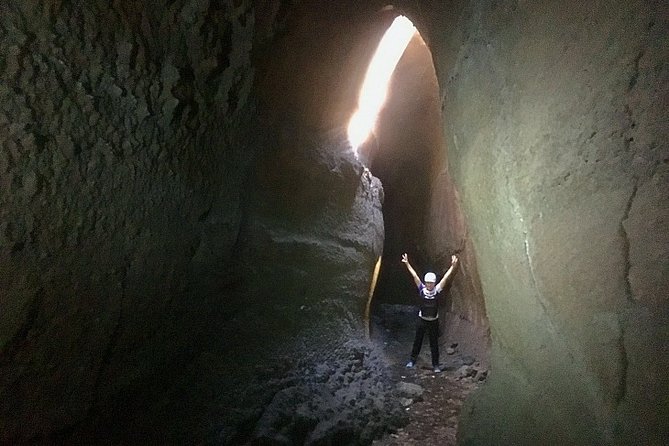
The star moment here is the dawn itself. People describe it as magical for a reason: when you’re moving through a high, quiet volcanic area, sunrise doesn’t feel like a picture—it feels like the landscape waking up around you.
Common “what you see” themes tied to the north-side approach:
- High viewpoints near the foot of Etna’s imposing summit area
- Panoramic stretches over places like Valle del Bove (mentioned in guide-led reports)
- The changing light on dark volcanic ground, which makes the terrain look sharper and more dramatic
You may also get a bonus geologic moment depending on how the day unfolds. Some accounts reference a lava tunnel stop during a night/dawn Etna experience with this operator, which suggests that at least some versions of the adventure can include extra volcanic features beyond hiking alone. Don’t bank on it, but it’s a nice possibility if your guide chooses to add it.
Pace, safety, and the one thing you must not ignore
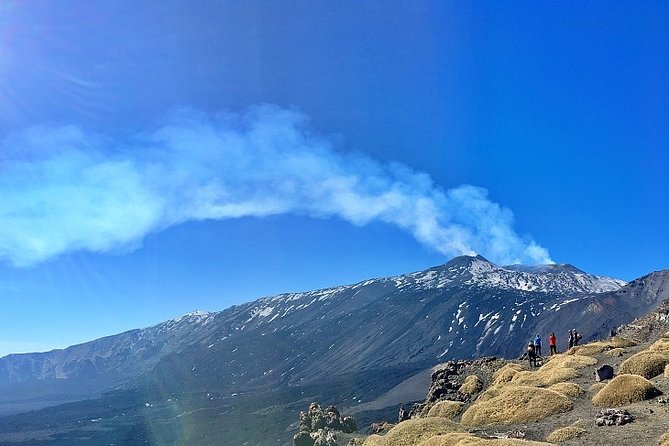
A lot of these reviews praise guides for being kind, attentive, and committed to safety. That shows up in how the route is chosen and how altitude limits are handled.
But here’s the reality check: even when the guide adapts the hike, the physical demand is still real. This isn’t a stroll. The route can include steep slopes and rugged footing, and the volcanic sand descent can be tough on knees.
So if you’re deciding whether to book, ask yourself:
- Can you handle 5–6 hours on uneven ground?
- Can you manage a steep descent without needing to stop constantly?
- Do you have experience with early morning starts and cold-to-warm shifts?
The tour is described as suitable for people with strong fitness. Minimum age is 12, and there are reports of families participating—so kids can do it. Still, I’d treat this as “sporty and serious,” not casual hiking with a view.
Price and value: what $157.57 buys you on Etna
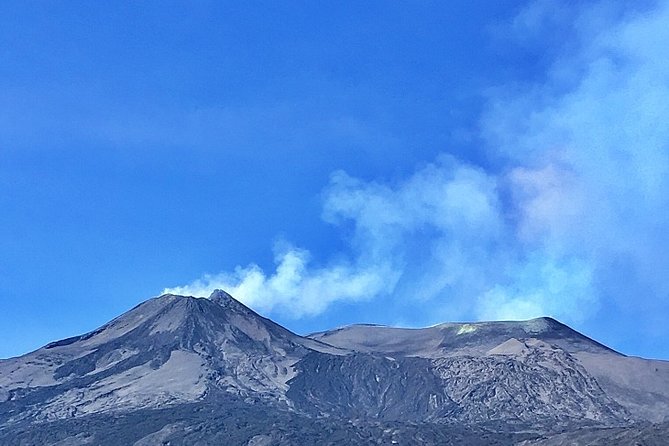
At $157.57 per person, the value is mostly in three places:
1) Guide-led risk management
Etna conditions change. A good guide plan means you’re not making decisions about route risk or altitude limits on your own.
2) Small group experience
Up to 8 travelers helps keep the hike flexible and the safety posture more controlled.
3) Gear included
Sticks, helmet, backpack, and rain protection reduce what you’d otherwise need to rent or pack.
What you still pay separately for:
- Your breakfast
- Your lunch
When I add that up, this tour still makes sense if you want dawn timing, high-effort terrain, and a guide who adapts in real time. If your goal is strictly sightseeing without exertion, you’d likely feel this is more work than you want.
Who this Etna Special Dawn hike is best for
This is a strong match if you:
- Like hikes that feel like an actual training session
- Want sunrise views without just sitting in one place
- Are okay with changing plans on an active volcano
- Prefer small groups over large tour buses and marching crowds
It’s also a good fit if you travel with someone who needs pacing. The route is aligned with the slowest participant, which can turn a potentially stressful hike into a shared challenge.
I would skip it if:
- You’re sensitive to steep, uneven terrain
- You dislike cold mornings
- You want a guaranteed, exact route to a fixed summit height (because the guide adapts)
Should you book this Etna Special Dawn Excursion?
I’d book it if your ideal Sicily day includes sunrise, effort, and geology you can feel under your boots. This is the kind of tour where the “special” part isn’t just the view—it’s the controlled way the day adapts to Etna’s reality.
Do it with the right expectations: you’re hiking volcanic sand and steep slopes, and you might not hit the highest point if conditions don’t allow it. But when the weather cooperates, the payoff is the kind of sunrise memory people keep talking about.
If you’re deciding between comfort and challenge, choose the version that fits your body today. Etna rewards the prepared.
FAQ
What time does the Etna Special Dawn Excursion start?
The start time is 4:00 am. The hike ends back at the meeting point.
Where do we meet, and where does the tour end?
You meet at Rifugio Citelli, Via Mareneve, 95010 Sant’Alfio CT, Italy. The activity ends back at the same meeting point.
What is the typical hiking duration and distance?
The hike is about 5–6 hours. The walking distance is typically between 6 and 12 km, depending on conditions and your group.
Is the route the same for everyone?
No. The guide chooses the route, difficulty, walking speed, altitude limits, and how many kilometers to cover based on weather and geodynamic conditions of Etna, plus the group’s sporting level.
What gear is included, and what should I bring for food?
Included gear: sticks, helmet, backpack, and k-ways. Lunch and breakfast are not included, so plan to bring or buy food and bring appropriate water for the hike.
What happens if the tour is canceled?
You can cancel for a full refund up to 24 hours in advance. The experience requires good weather; if it’s canceled due to poor weather, you’ll be offered a different date or a full refund.
More Tours in Sicily


More Tour Reviews in Sicily
More Etna Summit Treks We Have Walked
Just added: the newest Sicily tours in our notebook
- Etna / Taormina★ 5.0 · 3 reviews
- Bikes★ 5.0 · 3 reviews
- Taormina shore tour – for small group cruise passengers★ 5.0 · 3 reviews
- Vegan Cooking Class in Catania with Lunch and Dinner★ 5.0 · 3 reviews
- Make & Taste Sicilian Desserts in Palermo – Learn Cannoli & More★ 5.0 · 3 reviews
- Sicilian Villages & Ricotta Tasting – including Lunch from Cefalu★ 4.0 · 3 reviews
Mount Etna Tours & Summit, compared.
 ★ 4.8Catania: Mount Etna Morning or Sunset Day Trip with TastingFrom $704,028 reviews
 ★ 4.8Catania: Sunset Jeep Tour of Mount Etna and Lava Flow CavesFrom $712,113 reviews
 ★ 4.8Etna and Alcantara Gorges Full-Day Tour with LunchFrom $1051,766 reviews
 ★ 4.7Etna: summit craters trekking with volcano guide 3350mtFrom $771,712 reviews
 ★ 4.9Catania: Mount Etna Trekking Tour Beyond the Tourist TrailsFrom $811,596 reviews
 ★ 4.8Mount Etna: Guided Trek 3,000 Meters to the SummitFrom $1131,407 reviews
 ★ 4.8Catania: Etna Sunset Tour with Pickup and Drop-offFrom $711,348 reviews
 ★ 4.8Etna Sunset Tour: Volcano trek, Cave & tasting from CataniaFrom $701,290 reviews