
Reviewed · MOUNT ETNA TOURS & SUMMIT
Etna North excursions departing from Piano Provenzana
Etna’s 2002 buttonhole is science on your feet. This Etna North excursion from Piano Provenzana centers on the eruptive fracture called the Bottoniera del 2002, the event that damaged the local accommodation and tourist facilities. I like that you go with a real volcanological guide who explains what you’re looking at, not just random facts. The only real catch is that Etna weather can change fast, and safety comes first, so the experience may be postponed or refunded.
What also makes this feel good value is the practical setup. You’ll get help with walking basics like hiking shoes, a windproof jacket, and walking poles (at least on the routes described in feedback), which matters when the wind is strong up high. The group stays small, with a maximum of 15 people, so you can actually ask questions instead of yelling over everyone’s camera chatter.
In This Review
- Key things to know before you go
- Why the 2002 Bottoniera on Etna’s North Side matters
- Getting to Piano Provenzana: meeting point and timing
- Stop 1 on Mount Etna: what you’ll actually see
- The trek route: distance, effort, and what to expect underfoot
- Guides who make volcanology feel real
- Gear and costs: what’s included, what’s extra, and how to prep
- What you should plan to bring or use
- What may cost extra
- Weather and safety: how Etna changes plans
- Price and value: is $54.01 worth it
- Who this is best for on your Sicily itinerary
- Should you book the Etna North Bottoniera del 2002 trek?
- FAQ
- Where does the Etna North excursion depart?
- How long is the Bottoniera del 2002 tour?
- Is the tour offered in English?
- What’s included in the price?
- Is the admission ticket free?
- What costs are not included?
- How big is the group?
- What happens if the weather is bad?
Key things to know before you go
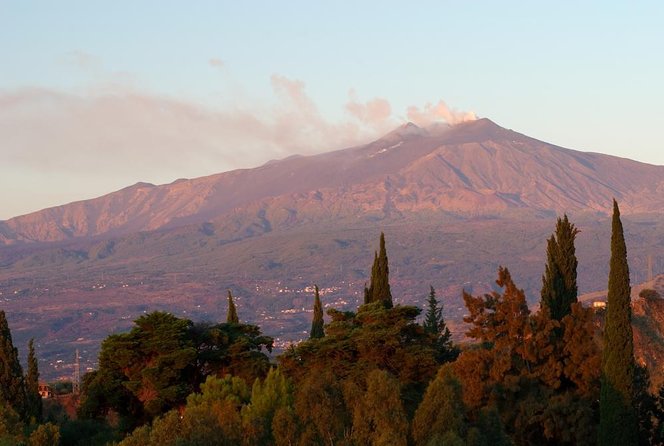
- Bottoniera del 2002 focus: an eruptive fracture site linked to the most important eruptions of recent decades
- Small-group pace: capped at 15 travelers, with multiple stops for explanations
- Volcanology guide at your elbow: explanations of formations and what created the features you see
- 3-hour Etna highlight: a stop at Mount Etna with free admission ticket noted for that part
- Gear support for wind and footing: hiking shoes, windproof jacket, and poles are provided in the experience setup described
- Extra transport may cost more: cable car or Jeep are not included
More ways up the volcano from Sicily
- Etna Morning Trip
★ 4.5 · 1,241 reviews - Mt. Etna nature and flavors half day Tour from Catania
★ 5.0 · 545 reviews - Etna excursion 3000 meters with 4×4 cable car and Trekking
★ 4.5 · 504 reviews - Mount Etna Adventurous Hiking Tour with Equipment
★ 4.5 · 439 reviews
Why the 2002 Bottoniera on Etna’s North Side matters
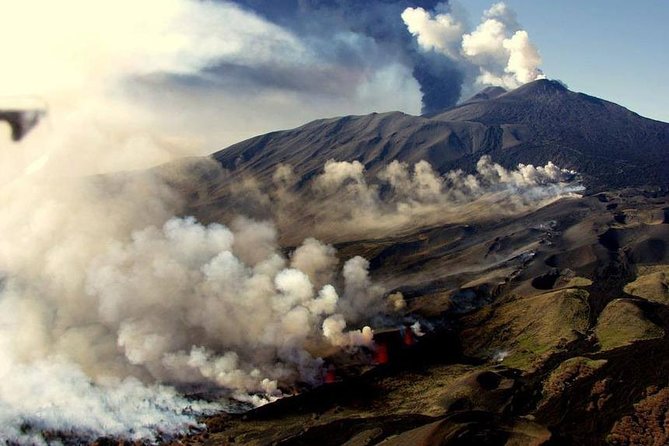
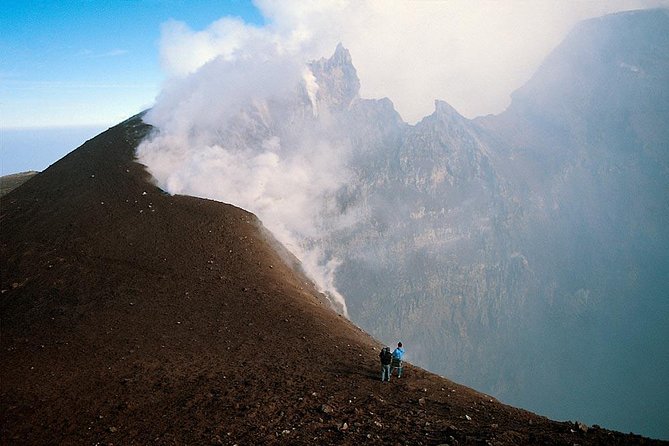
This trek is built around a specific Etna scar: the Bottoniera del 2002. It’s not just a viewpoint. It’s a place where an eruptive fracture formed and reshaped the area, including destruction of the accommodation and tourist facilities at Piano Provenzana after the 2002 eruption. That direct connection between what you see on the ground and what happened in the recent past is exactly why this kind of guided walk feels more meaningful than a generic “look at the mountain” outing.
On Etna, the setting is always in motion. Even when the volcano is quiet, the terrain still tells a story: craters, canyons, and hornitos show how lava and gas behaved as the eruption evolved. Having a guide who can connect those features to the eruption’s process is what turns a walk into real understanding.
Getting to Piano Provenzana: meeting point and timing
Your day starts at Via Provenzana, 35, 95015 Linguaglossa CT, Italy. The activity ends back at the same meeting point, so you’re not dealing with complicated transfers or figuring out where to meet your group after you’re done.
The overall duration is listed as about 2 to 5 hours, with the Mount Etna stop described as around 3 hours. In practical terms, that’s long enough to feel like you did something real, but not so long that you’ll be wiped out for the rest of your Sicilian day.
Also note the communication rhythm: you should receive confirmation within 48 hours of booking, if space is available. If your schedule is tight, try to lock it in early so you have options if the weather forces a change.
Stop 1 on Mount Etna: what you’ll actually see
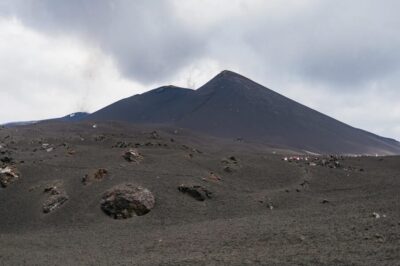
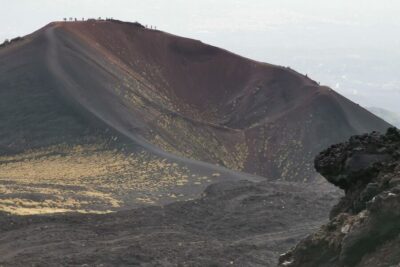
The core stop is the Bottoniera del 2002 area on Etna’s northern side. The walk is framed around the eruptive fracture itself, sometimes described like a “buttonhole,” and the features that formed because of it. You’re looking for the marks of how the eruption traveled and where it concentrated its action.
Expect to encounter volcanic shapes such as:
- Craters created during the eruption’s activity
- Canyons and channels connected to how material moved
- Hornitos, those smaller structures that form when gas escaping from lava builds up shapes at the surface
One of the best parts of having a volcanological guide is that they can point out why these features look the way they do. In the experience described with guides like Gianluca and Flavio, the explanations connect what you see to formation processes and eruption history, so your eyes don’t just skim over the rocks.
The trek route: distance, effort, and what to expect underfoot
This isn’t a long-distance hiking saga. It’s a guided trek with frequent pauses to take in the view and absorb the explanation. One commonly described version of the experience involves a route around 4 km, with a total time around 3 hours, on slopes with a medium-low difficulty feel.
That said, I’d treat Etna like the mountain it is. You should plan for uneven ground, wind, and occasional more challenging spots. Feedback also emphasizes that trekking shoes are important, and while some people may go with lighter clothing in warmer months, you’ll still want protection from wind and cold at elevation.
If you’re bringing kids, the format is generally flexible enough for families on the kinds of routes described (with guides keeping a respectful pace). If you’re older or slower, you’ll probably do best choosing the option that matches your comfort level rather than trying to “tough it out” against the wind.
Guides who make volcanology feel real
This excursion stands or falls on the guide, and the guide quality here shows up consistently. Guides such as Gianluca and Flavio are described as prepared, competent, and able to explain formation processes clearly while still keeping the tone friendly and engaging.
What you gain from that isn’t just facts. It’s a way to read the mountain. When the guide explains how a fracture forms and why craters and hornitos show up where they do, you start noticing patterns you wouldn’t catch on your own. Even better, multiple stops mean you can ask questions without the group feeling rushed.
A practical bonus: guides also help you manage your comfort. In the setups described, staff recommend footwear, suggest lightening your backpack, and keep the pace respectful so the group stays together.
Gear and costs: what’s included, what’s extra, and how to prep
Here’s the simple truth: the experience includes accompaniment with a volcanological guide, and the Mount Etna stop notes an admission ticket as free for that part. Beyond that, you should expect some costs and bring the right mindset.
What you should plan to bring or use
Even when shoes and a jacket are provided in the experience setup, you should show up ready for cold wind. Plan layers. The north side can feel sharp up high, and the wind can make a big difference in how comfortable you are.
Windproof outerwear matters because gusts can hit suddenly. If you’re prone to cold hands, consider bringing gloves even if your Sicilian base day feels warm.
What may cost extra
Cable car or Jeep costs are specifically not included. So if you’re counting on those for reaching certain points, budget extra, or ask in advance what portion of the day depends on it.
Weather and safety: how Etna changes plans
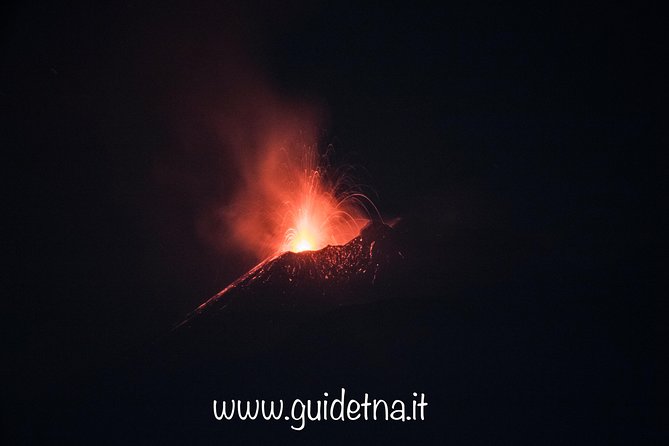
This is the part of Etna travel that you have to take seriously. The experience requires good weather, and when conditions aren’t safe, the excursion can be canceled. If that happens, you’ll be offered a different date or a full refund.
One detail I really appreciate is the emphasis on safety and the idea that they check conditions rather than pretending visibility will be fine. If you’re planning a trip where you can be flexible for a day, your odds of getting the experience improve a lot.
A good rule: don’t schedule anything you absolutely can’t miss right after your Etna trek. Etna weather can shift quickly, and the operator needs to respond fast.
Price and value: is $54.01 worth it
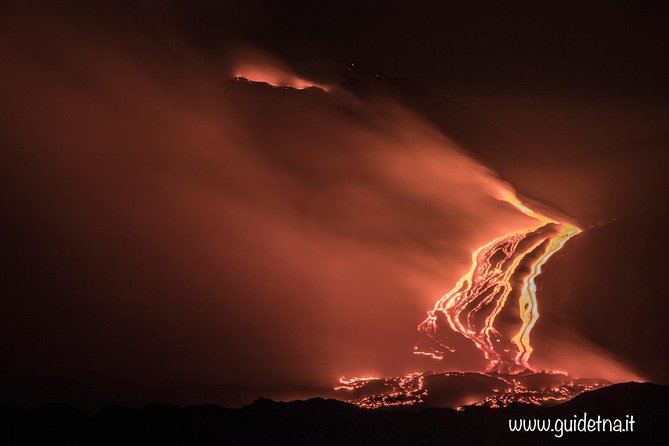
At $54.01 per person, this is priced like a guided adventure, not just a self-guided outing. You’re paying for three things that matter:
- A volcanological guide who helps you understand what you see
- A structured route (with stops for information, not just “walk and hope”)
- Time on a specific eruption site tied to the 2002 Bottoniera event
You also get value in the “included” basics: the guide accompaniment and the noted free admission ticket for the Etna stop. And if the gear support in the described setup is available for your date, that reduces what you need to spend on clothing and equipment on arrival.
Could it feel expensive if the weather cancels? Yes, but that’s exactly why the cancellation approach is important. If the trek is canceled due to poor weather, you should expect options like a different date or your money back, which protects your plan.
Who this is best for on your Sicily itinerary
This tour makes sense if you want more than scenic photos. You’ll enjoy it most if you like understanding how the world works, especially the “why” behind volcanic features like craters, canyons, and hornitos.
It’s also a good fit for:
- Families who want an educational walk with an engaging guide and a pace that can work for children
- People who prefer the north side of Etna as less touristic and more grounded
- Travelers who appreciate clear explanations and frequent pauses to absorb the route
If you hate wind, struggle with cold, or have very limited mobility, you might find Etna conditions challenging. You can still go to Etna, but you might want a less exposed plan or a route designed for easier comfort.
Should you book the Etna North Bottoniera del 2002 trek?
Book it if you want a focused, guided look at a real eruption site. The combination of the Bottoniera del 2002 topic, knowledgeable volcanology explanations from guides like Gianluca and Flavio, and the structured trek format makes it feel like you’re spending time learning, not just traveling.
Skip (or plan alternatives) if you can’t deal with weather variability. Etna is the kind of place where cloud cover and wind can shut down the summit experience. If your schedule is rigid, ask yourself whether you can shift things around to protect your chances.
If you do have flexibility, this is one of those experiences that turns Etna from a name you’ve heard into a place you can actually “read” with your eyes and questions.
FAQ
Where does the Etna North excursion depart?
It departs from Via Provenzana, 35, 95015 Linguaglossa CT, Italy, and it ends back at the meeting point.
How long is the Bottoniera del 2002 tour?
The tour duration is listed as about 2 to 5 hours overall, with the Mount Etna stop described as about 3 hours.
Is the tour offered in English?
Yes, it’s offered in English.
What’s included in the price?
The included item is accompaniment with a volcanological guide.
Is the admission ticket free?
The admission ticket for the Mount Etna stop is noted as free.
What costs are not included?
Cable car or Jeep costs are not included.
How big is the group?
The maximum group size is 15 travelers.
What happens if the weather is bad?
This experience requires good weather. If it’s canceled due to poor weather, you’ll be offered a different date or a full refund. Confirmation is also subject to availability.
More Tours in Sicily

More Tour Reviews in Sicily
More Etna Summit Treks We Have Walked
Just added: the newest Sicily tours in our notebook
- Etna / Taormina★ 5.0 · 3 reviews
- Bikes★ 5.0 · 3 reviews
- Taormina shore tour – for small group cruise passengers★ 5.0 · 3 reviews
- Vegan Cooking Class in Catania with Lunch and Dinner★ 5.0 · 3 reviews
- Make & Taste Sicilian Desserts in Palermo – Learn Cannoli & More★ 5.0 · 3 reviews
- Sicilian Villages & Ricotta Tasting – including Lunch from Cefalu★ 4.0 · 3 reviews
Mount Etna Tours & Summit, compared.
 ★ 4.8Catania: Mount Etna Morning or Sunset Day Trip with TastingFrom $704,028 reviews
 ★ 4.8Catania: Sunset Jeep Tour of Mount Etna and Lava Flow CavesFrom $712,113 reviews
 ★ 4.8Etna and Alcantara Gorges Full-Day Tour with LunchFrom $1051,766 reviews
 ★ 4.7Etna: summit craters trekking with volcano guide 3350mtFrom $771,712 reviews
 ★ 4.9Catania: Mount Etna Trekking Tour Beyond the Tourist TrailsFrom $811,596 reviews
 ★ 4.8Mount Etna: Guided Trek 3,000 Meters to the SummitFrom $1131,407 reviews
 ★ 4.8Catania: Etna Sunset Tour with Pickup and Drop-offFrom $711,348 reviews
 ★ 4.8Etna Sunset Tour: Volcano trek, Cave & tasting from CataniaFrom $701,290 reviews