
Reviewed · MOUNT ETNA TOURS & SUMMIT
Etna Excursions Summit Craters (2900) with Volcanological Guides – guidetna.it
Mount Etna talks back at the summit.
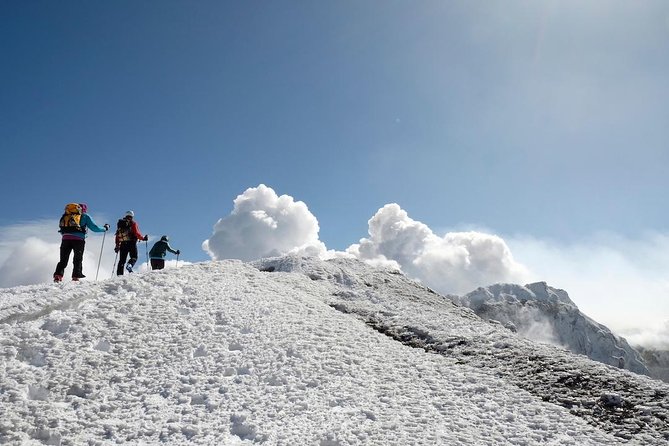
This excursion takes you up to the Etna summit craters with trained volcanological guidance, so you see the big features up close—North-East Crater, Bocca Nuova, South-East Crater, and more—while learning how the volcano works.
I especially like two things here: the tour runs with a registered Volcanological Guide from the Italian Alpine Guides College, and you get safety support that feels real, not rushed. The group size is capped at 20, so you’re not lost in a crowd when the terrain gets tricky.
One consideration: the experience is weather-dependent. If conditions are poor, your day may shift or be refunded, so build in flexibility.
In This Review
- Key highlights you should care about
- Why Etna’s summit craters are the main event
- Price and value: what you pay for and what costs extra
- Starting at 9:00 am: how the day is paced
- Meeting points: Rifugio Sapienza or Piano Provenzana
- Your guide’s job: information plus control
- The crater walk: North-East, Bocca Nuova, South-East, Central
- What the 3 to 6 hours really means for your comfort
- English-speaking guidance that stays useful
- Getting there and getting back: transfers, transport, and timing
- Weather and the good-weather requirement
- Who this Etna summit crater tour suits best
- Should you book this Summit Craters (2900) excursion?
- FAQ
- How long is the Etna summit craters excursion?
- What time does the tour start?
- Is the tour in English?
- What’s included in the price?
- What costs extra?
- Do I need good walking fitness?
Key highlights you should care about
- Volcanology guide included: Accompaniment by a volcanological guide registered with the Italian Alpine Guides College
- Helmet + insurance: Protective helmet and insurance are part of the package
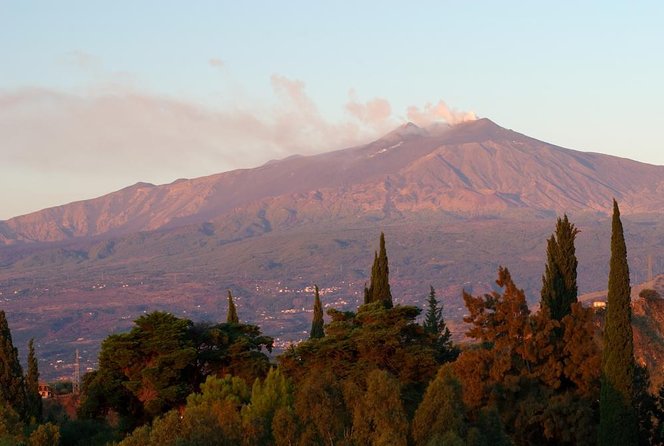
- Crater-to-crater route: You’ll visit the North-East Crater, Bocca Nuova Crater, South-East Crater, and Central Crater
- Two starting points: Etna Sud (Rifugio Sapienza) or Etna Nord (Piano Provenzana), depending on conditions
- Limited group size: Maximum 20 travelers for easier pacing and attention
More ways up the volcano from Sicily
- Etna Morning Trip
★ 4.5 · 1,241 reviews - Mt. Etna nature and flavors half day Tour from Catania
★ 5.0 · 545 reviews - Etna excursion 3000 meters with 4×4 cable car and Trekking
★ 4.5 · 504 reviews - Mount Etna Adventurous Hiking Tour with Equipment
★ 4.5 · 439 reviews
Why Etna’s summit craters are the main event
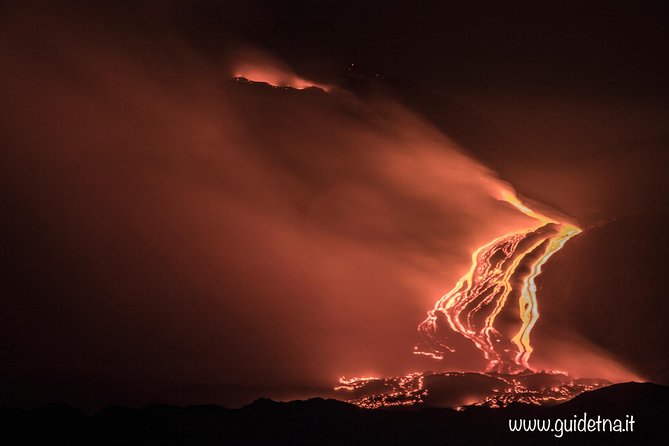
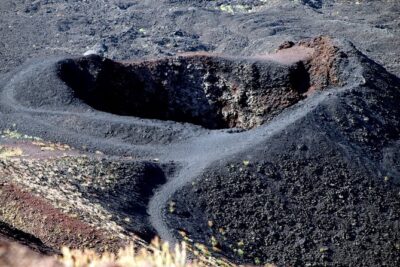
Etna is not just a mountain. It’s an active system, and the summit craters are where you see that in the most direct way possible. On this excursion, you’re not skimming the edges—you’re going to the craters that shape how the volcano has been acting.
What makes this outing especially good value is that the guides focus on what you’re looking at as you go. You’re not just collecting views; you’re also learning how the craters connect and why each one looks the way it does. And because this is led by a volcanological guide (registered with the Italian Alpine Guides College), the explanations tend to stay grounded and practical.
There’s also a real safety angle. You’re issued a protective helmet, and the day is structured so you can move at a pace that keeps you steady on uneven ground. That matters on Etna, where footing can change fast and wind can make you feel it.
Price and value: what you pay for and what costs extra
At $114.13 per person, this tour is priced like an informed guided outing rather than a bare-bones walk. You’re paying for a volcanological guide, plus the gear and coverage that make a big difference on an active volcano.
Here’s what you get included:
- Volcanological guide accompaniment (registered with the Italian Alpine Guides College)
- Protective helmet
- Insurance
Here’s what’s not included:
- Transfer cost
- Cableway or 4×4 bus cost
One smart way to think about the cost: the tour price covers the human expertise and the core safety components. Your extra spend is mainly about how you access the upper areas via cableway or a 4×4 bus. If you already know you’ll be using those transport options, factor that in before you book so the total feels predictable.
Starting at 9:00 am: how the day is paced
This experience starts at 9:00 am and runs about 3 to 6 hours total. The main Etna portion is listed at around 4 hours, which usually means you’re balancing time for getting you up, crater walking, and time to learn what you’re seeing.
That timeframe is a good match for people who want a serious Etna moment without turning the whole day into a marathon. It’s also short enough that you can still do other Sicilian plans the same day, as long as you don’t schedule something too tight right after the tour ends.
The tour also ends back at the meeting point. That matters because it reduces hassle—you’re not left guessing how to retrace your steps or where to meet up again.
Meeting points: Rifugio Sapienza or Piano Provenzana
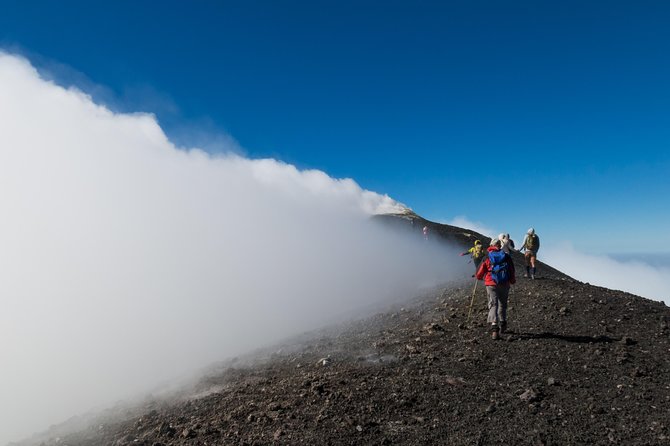
You’ll start from either Etna Sud at Rifugio Sapienza or Etna Nord at Piano Provenzana. Which one you use can depend on conditions and the day’s approach.
Why this matters for you:
- It changes the feel of the morning. One start can mean different access routes and different timing.
- It gives the operator flexibility to route you safely depending on volcanic activity and weather.
If you’re planning your own travel in Sicily, treat this like a “show up near your start point by morning” style tour. Since pickup is offered, it may help you avoid the hassle of getting to the base area on your own. Still, confirm what “pickup offered” means for your specific location so you don’t end up paying for a transfer you didn’t plan on.
Your guide’s job: information plus control
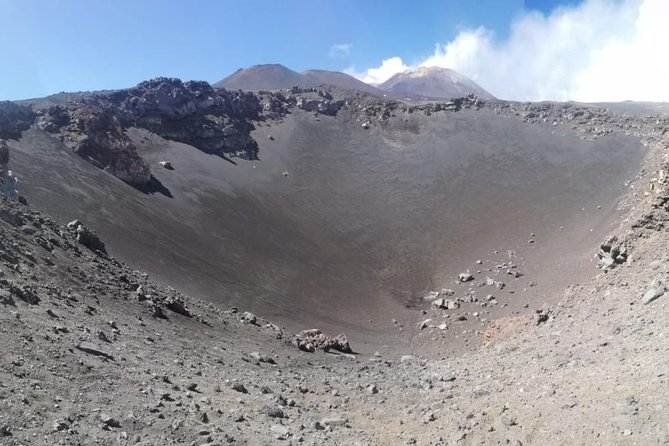
The guide isn’t just there for talking. On a volcanic summit, guidance means spacing, pacing, and decision-making. The best part of this experience is how the guide handles a mixed group.
In one real example, the guide Francesco was noted for keeping things organized and adjusting the pace so different participants were comfortable. That’s exactly what you want on Etna: you want to feel safe and supported, not pressured to keep sprinting while others struggle.
Because the guide is a registered volcanological professional, you’re also more likely to get clear explanations about what you’re seeing—why certain craters form, how they relate, and what features you can identify as you move between them.
And yes, you get a helmet. It can feel a little comical at first, but it’s also a reminder that this is a real, working environment, not a theme-park viewpoint.
The crater walk: North-East, Bocca Nuova, South-East, Central
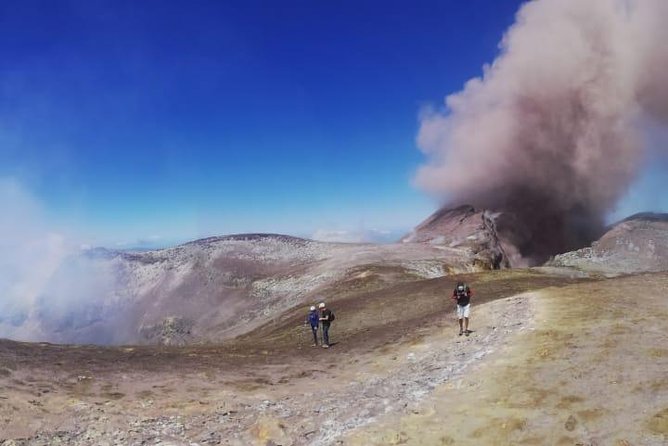
This is the heart of the tour, and the stops are all about letting you see the volcano’s different parts in one circuit.
You’ll spend time at:
- North-East Crater
- Bocca Nuova Crater
- South-East Crater
- Central Crater
- And of course the summit craters as the main focus
Here’s how to think about each segment while you’re there:
North-East Crater is often the first big “wow” you notice because it sets the tone for the day’s scale. You’re close enough to feel the reality of the terrain and to understand why the route is done with care.
Bocca Nuova Crater is a key crater name on Etna for a reason: it’s a landmark feature that helps anchor the explanation. The guide can point out how the crater area works and why it’s not all the same across Etna’s summit zones.
South-East Crater helps you compare crater behavior and form. Even when two areas are close together, the textures and the structure around them can feel different, and that contrast makes the science easier to grasp.
Central Crater rounds out the circuit. It’s a strong closing point because it ties the other crater locations into a bigger pattern—how these parts fit into the summit system as a whole.
A practical note: you’ll be moving on volcanic ground, and conditions can change quickly with wind and temperature. Dress for that. If you’re the kind of traveler who likes nice photos, you’ll be tempted to stop constantly. The guide’s job is to balance photo breaks with keeping you moving safely, so go with the flow and you’ll get better views without turning it into a fatigue contest.
What the 3 to 6 hours really means for your comfort
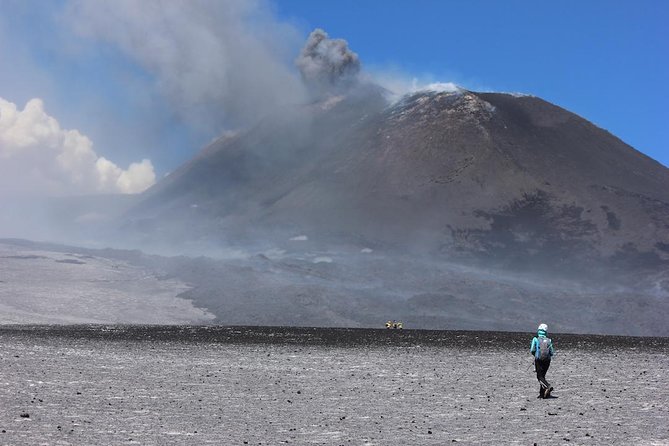
The total time window is wide: 3 to 6 hours. That usually reflects conditions on the day—especially weather and how access is handled.
For you, the important takeaway is this: plan your day around a morning start and expect a bit of variability. Bring snacks and water if you can, and treat the trip as an outdoor outing with some walking on uneven surfaces.
The tour also asks for moderate physical fitness. That’s the right wording for most travelers who are comfortable hiking at altitude for a few hours, but who still understand they need steady steps and breaks when offered.
If you’re used to city walking only, this might feel harder than you expect—Etna’s terrain and altitude can make a “short hike” feel like a full workout. If that’s you, consider whether you want the summit moment badly enough to prepare.
English-speaking guidance that stays useful
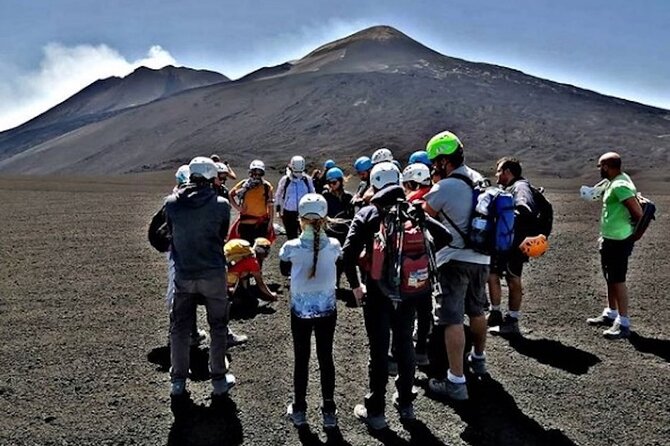
The tour is offered in English, and the guide’s role is to keep things understandable while you’re standing in an environment that’s not exactly forgiving.
You don’t need to be a volcanology student to get value here. The best guided days are the ones where the science becomes something you can point to. With this format, you’re constantly aligning what the guide says with what you’re seeing at each crater.
Also, with a maximum of 20 travelers, you tend to get clearer attention. In bigger groups, questions get lost. Here, the group size makes it easier to ask a direct thing and get a direct answer.
Getting there and getting back: transfers, transport, and timing
Transfers are not included, which is typical for tours based on a mountain access point. If you’re staying in the area, you’ll likely just need to figure out how you reach the start. If you’re coming from farther away, you might find pickup helpful.
Also not included: cableway or 4×4 bus cost. That affects the total budget and the timing on the day. It’s worth planning for because those transport segments often determine how quickly you reach the walking zone.
The day ends back at the meeting point, so after the tour you’re not stuck searching for your own route home from the crater area. Still, make sure you know the meeting point location before you go so you can get everyone aligned if your pickup details vary.
Weather and the good-weather requirement
This experience requires good weather. That’s not just a fine print detail—it’s the difference between a pleasant crater walk and a miserable one.
If bad weather cancels it, you’ll be offered a different date or a full refund. That’s the right safety-minded approach. You can’t control the sky, but you can control your schedule flexibility. If you’re planning around a tight itinerary, consider leaving this as one of your more movable days.
Pack for changes. Even when the forecast looks okay, Etna can feel cooler or windier at the summit. Bring layers you can handle, plus something to protect you from wind.
Who this Etna summit crater tour suits best
This is a strong match if:
- You want to see multiple summit craters in one morning-focused outing
- You like guided science you can actually point to while standing in the environment
- You prefer smaller groups (max 20) where the guide can keep an eye on footing and questions
- You’re okay with a moderate fitness level and outdoor walking
It might be less ideal if:
- You’re looking for a relaxed, low-effort sightseeing bus ride
- You have serious mobility limitations or you strongly dislike uneven outdoor ground
- You’re traveling when weather is unreliable and you can’t shift your plans
One bonus for many travelers: service animals are allowed, and the area is near public transportation, which can help if you’re not using pickup.
Should you book this Summit Craters (2900) excursion?
I’d book it if your goal is a real Etna summit crater experience with volcanological expertise included. The combination of a registered volcanological guide, helmet and insurance, and a crater-focused route makes the tour feel like more than just a viewpoint stop.
Before you commit, do two quick checks:
- Confirm how you’ll handle transfer and the cableway or 4×4 bus cost, since those are the main add-ons.
- Choose a day when you can live with weather-driven changes, since good weather is required.
If you want Etna in a way that’s guided, structured, and safety-minded, this is the kind of excursion that earns its high rating.
FAQ
How long is the Etna summit craters excursion?
It runs about 3 to 6 hours total, with the Mount Etna portion listed at around 4 hours.
What time does the tour start?
The start time is 9:00 am.
Is the tour in English?
Yes, the tour is offered in English.
What’s included in the price?
Included are the volcanological guide accompaniment (registered with the Italian Alpine Guides College), a protective helmet, and insurance.
What costs extra?
Transfer costs are not included, and cableway or 4×4 bus costs are also not included.
Do I need good walking fitness?
You should have a moderate physical fitness level, since the tour involves walking on the volcano terrain.
More Tours in Sicily


More Tour Reviews in Sicily
More Etna Summit Treks We Have Walked
Just added: the newest Sicily tours in our notebook
- Etna / Taormina★ 5.0 · 3 reviews
- Bikes★ 5.0 · 3 reviews
- Taormina shore tour – for small group cruise passengers★ 5.0 · 3 reviews
- Vegan Cooking Class in Catania with Lunch and Dinner★ 5.0 · 3 reviews
- Make & Taste Sicilian Desserts in Palermo – Learn Cannoli & More★ 5.0 · 3 reviews
- Sicilian Villages & Ricotta Tasting – including Lunch from Cefalu★ 4.0 · 3 reviews
Mount Etna Tours & Summit, compared.
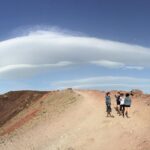
 ★ 4.8Catania: Mount Etna Morning or Sunset Day Trip with TastingFrom $704,028 reviews
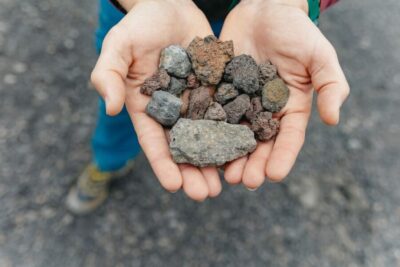
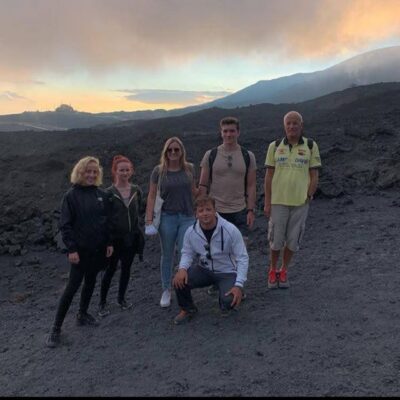 ★ 4.8Catania: Sunset Jeep Tour of Mount Etna and Lava Flow CavesFrom $712,113 reviews
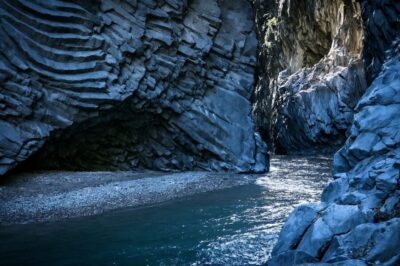 ★ 4.8Etna and Alcantara Gorges Full-Day Tour with LunchFrom $1051,766 reviews
 ★ 4.7Etna: summit craters trekking with volcano guide 3350mtFrom $771,712 reviews
 ★ 4.9Catania: Mount Etna Trekking Tour Beyond the Tourist TrailsFrom $811,596 reviews
 ★ 4.8Mount Etna: Guided Trek 3,000 Meters to the SummitFrom $1131,407 reviews
 ★ 4.8Catania: Etna Sunset Tour with Pickup and Drop-offFrom $711,348 reviews
 ★ 4.8Etna Sunset Tour: Volcano trek, Cave & tasting from CataniaFrom $701,290 reviews