
Reviewed · MOUNT ETNA TOURS & SUMMIT
Etna Bike Tour – Cycling in Sicily
Etna by bike beats any bus tour. You pedal up Europe’s highest active volcano with a guide, staying on a real route from Giardini Naxos toward Rifugio Citelli, then you enjoy the downhill back. With a max group of eight, the pace feels steady instead of chaotic.
I really like two things here. First, the guide-led route means you’re not wrestling with maps while your legs are doing the hard work. Second, you ride a full carbon road bike with a choice of pedal types, so it feels like a proper road ride, not a casual rental.
One consideration: the climb is steep enough that bike gearing matters. A previous rider flagged that the setup (a semi-compact chainring with a tougher cassette) can feel less friendly if you’re not used to long volcano climbs, so come prepared to ride at a sustainable effort.
In This Review
- Key Highlights Worth Knowing Before You Ride
- Why Cycling Up Mt. Etna From Giardini Naxos Feels Different
- Your Route Plan: Warm-Up Lowlands, Piedimonte Etneo, and the Wine Road
- Rifugio Citelli to the Finish: What the Downhill Really Does
- Small Group of 8: How Pace, Regrouping, and Guides Shape the Ride
- Price and Logistics: What You Get for $162.03 and What You Don’t
- What Bike Setup Means on a Volcano Climb
- Heat, Fitness, and Getting Through the 4-Hour Etna Grind
- Should You Book This Etna Bike Tour?
- FAQ
- How long is the Etna Bike Tour?
- Where does the tour start?
- What is included with the tour price?
- What fitness level do I need?
- What language is the tour offered in?
- What happens if weather is bad?
Key Highlights Worth Knowing Before You Ride
- Small group of up to 8 keeps regrouping controlled and the pace manageable.
- Full carbon road bike + helmet + pedals are included, so you travel light.
- Volcanic water stops help you refill during the grind.
- Two-part climb structure: warm-up lowlands, then sustained hills into the big final ascent.
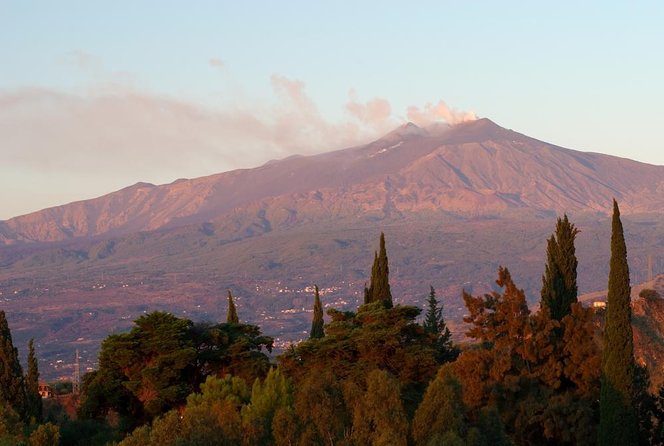
- Slope of Bartali & Coppi is the signature steep section that takes you from 827 m to 1750 m.
- Rifugio Citelli caps the ride before the downhill back toward Naxos.
More ways up the volcano from Sicily
- Etna Morning Trip
★ 4.5 · 1,241 reviews - Mt. Etna nature and flavors half day Tour from Catania
★ 5.0 · 545 reviews - Etna excursion 3000 meters with 4×4 cable car and Trekking
★ 4.5 · 504 reviews - Mount Etna Adventurous Hiking Tour with Equipment
★ 4.5 · 439 reviews
Why Cycling Up Mt. Etna From Giardini Naxos Feels Different
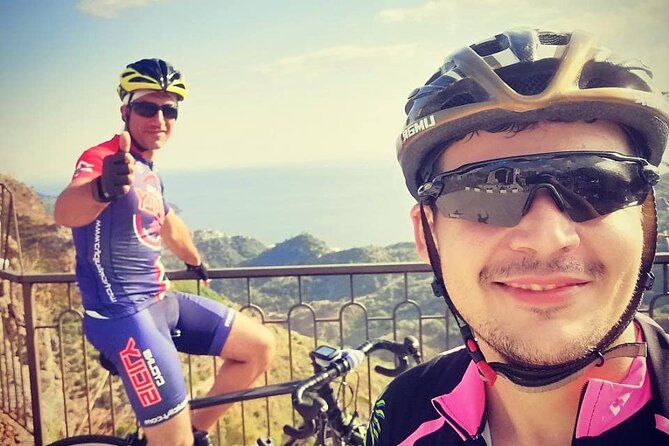
Starting in Giardini Naxos puts you in the right mood fast. This tour begins at Via Recanati, 26, and you’re ready to ride in the morning session, with operation listed from 9:00 AM to 1:00 PM. You’ll warm up first, then the volcano gradually takes over the whole plan.
What makes it special is how the ride is built for real climbing: you don’t just jump into the steep stuff. You head toward Catania for about 5 km in lowlands to get your legs spinning, then you roll into a hill segment (about 5–10% for another 5 km) that starts turning the ride into a test of stamina.
The route also follows Etna’s Wine Road logic: you’re riding the northern slope side, and the scenery changes with elevation in a way you can actually feel through your effort. It’s one thing to look at Etna from the coast. It’s another to pedal up the face where the land remembers old lava flows.
Your Route Plan: Warm-Up Lowlands, Piedimonte Etneo, and the Wine Road
The itinerary has a clear rhythm, and that matters because it helps you judge your effort.
After you set up bikes at the headquarters, you start by heading toward Catania for about 5 km in a lowland area. This is the warm-up stretch, designed to help you get acquainted with the road bike and find your cadence before the hills start to bite.
Next comes the first climb phase: a soft hill at roughly 5% to 10% for about 5 km. You then pass above Fiumefreddo di Sicilia, and the route continues upward toward Piedimonte Etneo. Piedimonte Etneo sits on an ancient lava flow from the northeastern volcano face, and you’ll feel that “volcanic geology” story in the way the terrain lifts and changes as you climb.
By the end of this first tough climb, you’re around 18 km into the ride and about 800 meters of elevation gain (D+). That’s a lot to do before you even reach the real signature ascent. At this point you’re also on the Etna Wine Road along the northern volcano slope (east side), so the tour is mixing climbing with a sense of place.
Before you tackle the final big ascent, you fill your bottles with fresh volcanic mineral water. This is practical, and it’s also smart pacing. If you’ve ever cranked uphill while running on empty, you know how quickly things go from challenging to miserable.
From there you face the last major push, called the slope of Bartali & Coppi. The tour description lists a climb from 827 m up to 1750 m, ending at Rifugio Citelli. That’s the point where the day turns from “cycling” into “earned views,” and where showing up with moderate fitness really pays off.
Rifugio Citelli to the Finish: What the Downhill Really Does
Once you reach Rifugio Citelli (1750 m), the experience shifts from grinding upward to enjoying the payoff. The itinerary simply notes Down Hill, but the effect is clear: you’ve spent the morning building effort, and now you get to let gravity do work for you.
One detail that stood out from the ride stories is that there can be a treat at the top. A previous rider described excellent coffee and cake at the refuge before the long descent back to Naxos. Since meals aren’t listed as included, treat that as a bonus you might find rather than a guaranteed part of the package.
If you’re newer to road cycling, the downhill can be both fun and a little intimidating. Keep your focus on staying smooth and not over-braking. Your legs will be tired, but your job now is control.
Small Group of 8: How Pace, Regrouping, and Guides Shape the Ride
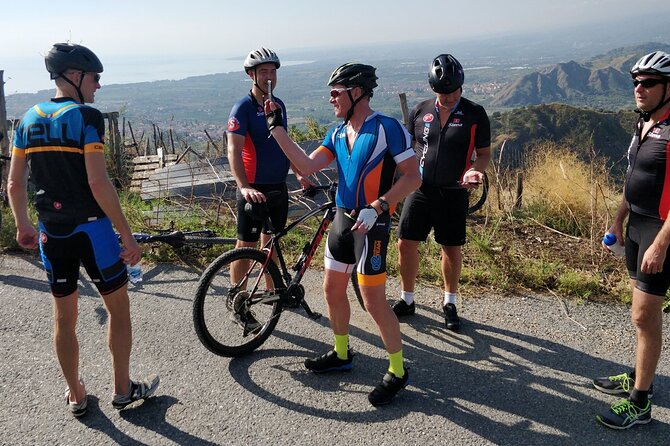
This tour caps at eight travelers, and that’s a big deal on Etna. Long climbs punish anyone who has to wait around or hunt down the group. With a smaller number of riders, the guide can manage regrouping points and adjust the experience to the conditions of the day.
The guide quality also comes through in the ride notes you can learn from here. People describe guides like Greta, Marco, Luigi, and Enrico as patient and friendly—especially with slower riders. One story specifically calls out a guide being very patient with an older, slower rider, which is exactly what you want on a volcano climb where the “right pace” varies by person.
Another detail tied to the guide approach: you’re not just told when to ride. You’re supported during the climb with things like fluids. One rider credited their guide with keeping them topped off with water from local fountains during a hot ride (the example given was around 91°F). Even without copying their exact pace, that tells you the ride isn’t “good luck out there.”
Still, there’s a reality check worth saying plainly: you should average enough speed to enjoy the full plan within the ride duration. There’s a note from a previous rider about timing and how slower pacing led to a longer-than-expected day and cramps near the end. The takeaway for you is simple: plan to ride steadily and bring your energy game.
A few we would gladly point a friend toward in Sicily
Price and Logistics: What You Get for $162.03 and What You Don’t
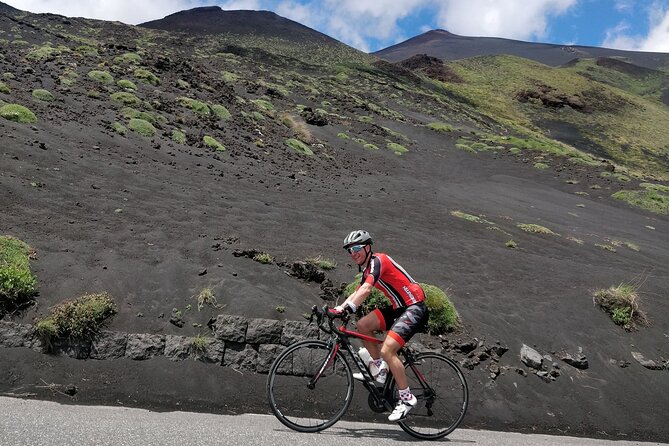
At $162.03 per person for about 4 hours, you’re paying for four main things:
- A private guide who handles the route and pacing on a very specific mountain ride
- A full carbon road bike (plus helmet and pedals)
- A structured climb with water refills planned into the day
- A small group that makes it feel like a guided ride, not a mass event
What you don’t get is transportation to and from the start point. The tour ends back at the meeting point at Via Recanati, 26, so you’ll want your own plan for getting there and back.
From a value standpoint, this price makes sense because road bikes plus a true guide experience aren’t cheap, and Etna is not a “just ride anywhere” place. You’re getting a ride designed around the climbs that matter—especially the Bartali & Coppi section to 1750 m.
What Bike Setup Means on a Volcano Climb
This tour includes pedals with a choice of pedal types (listed options include flat, Shimano, and Look). That’s practical if you ride clipless, but it also affects comfort. If you’re used to a specific system, you’ll want to show up ready to use what you select.
Helmet is included, which I’m glad about. Road cycling without one is a gamble, and you’ll be riding on real roads where attention matters.
One caution that can matter for your comfort: steep climbs reward gearing that lets you keep a steady cadence. One previous rider pointed out that the gearing felt too tough for regular people on that climb, specifically mentioning a semi-compact chainring and cassette. The lesson for you is to prepare as if the climb will demand patience. If you’re between fitness levels, bringing a mindset of consistent, lower-power effort is better than going out like it’s a race.
Heat, Fitness, and Getting Through the 4-Hour Etna Grind
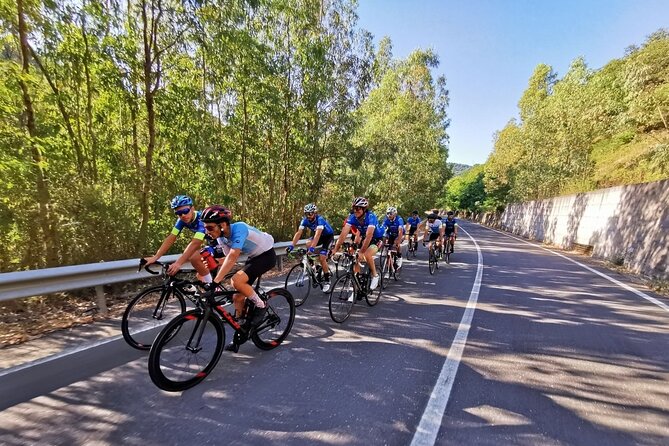
This ride is listed for travelers with moderate physical fitness. That doesn’t mean you need to be a racer. It does mean you should be comfortable riding uphill for sustained stretches and handling road-bike effort.
The itinerary itself gives you a clue. You climb to Piedimonte Etneo, you’ve got about 800 m D+ around 18 km, and then you take on the big ascent from 827 m to 1750 m. That last section is why cramps and fatigue stories exist in the first place: it’s a long day even if it’s only “about 4 hours.”
Weather matters too. The experience requires good weather, and if conditions are poor, you’ll be offered a different date or a full refund. For you, that’s a green flag to plan ahead but not over-stress. Just don’t assume you’ll get perfect conditions every time Etna is involved.
What should you do to prepare? Bring water and plan your fueling. The tour includes bottle refills with volcanic mineral water, but your body still needs calories and electrolytes to avoid the last-third-of-the-climb panic. Also dress for heat if it’s sunny, because the climb can get intense fast in warm weather.
Should You Book This Etna Bike Tour?
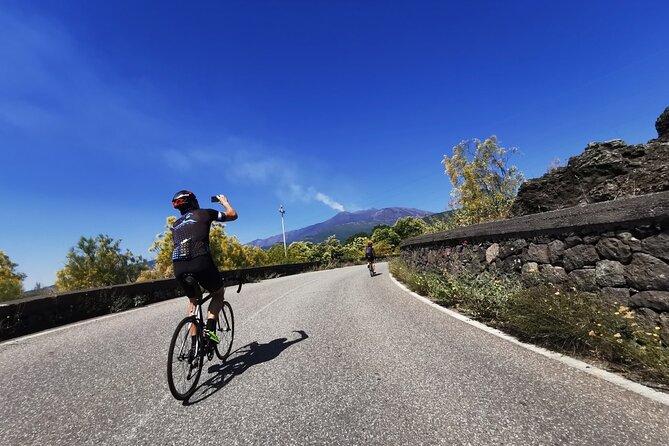
I’d book it if you want a real road-bike climb with a guide who keeps the ride structured and the group together. The small size, the included carbon bike, and the route design (warm-up lowlands, then Piedimonte Etneo, then Wine Road, then Bartali & Coppi to Rifugio Citelli) make it a strong value for people who want more than a postcard look at Etna.
I’d think twice if you’re brand new to cycling or you’re worried about steep sustained effort. This tour isn’t trying to be easy. It’s trying to be memorable, and it earns that by being a proper climb with real elevation.
If you like having your day organized—meeting point, bike setup, guide-led pacing, water refills—and you want to ride with a small group, this one fits nicely.
FAQ
How long is the Etna Bike Tour?
The ride is listed at about 4 hours.
Where does the tour start?
The meeting point is Via Recanati, 26, 98035 Giardini Naxos ME, Italy, and the tour ends back at the same meeting point.
What is included with the tour price?
You get a private guide, a full carbon road bike, a helmet, and pedals (with listed options for flat, Shimano, and Look).
What fitness level do I need?
The tour is described as suitable for travelers with moderate physical fitness.
What language is the tour offered in?
The tour is offered in English.
What happens if weather is bad?
The experience requires good weather. If it’s canceled due to poor weather, you’ll be offered a different date or a full refund.
More Tours in Sicily

More Tour Reviews in Sicily
More Etna Summit Treks We Have Walked
Just added: the newest Sicily tours in our notebook
- Etna / Taormina★ 5.0 · 3 reviews
- Bikes★ 5.0 · 3 reviews
- Taormina shore tour – for small group cruise passengers★ 5.0 · 3 reviews
- Vegan Cooking Class in Catania with Lunch and Dinner★ 5.0 · 3 reviews
- Make & Taste Sicilian Desserts in Palermo – Learn Cannoli & More★ 5.0 · 3 reviews
- Sicilian Villages & Ricotta Tasting – including Lunch from Cefalu★ 4.0 · 3 reviews
Mount Etna Tours & Summit, compared.
 ★ 4.8Catania: Mount Etna Morning or Sunset Day Trip with TastingFrom $704,028 reviews
 ★ 4.8Catania: Sunset Jeep Tour of Mount Etna and Lava Flow CavesFrom $712,113 reviews
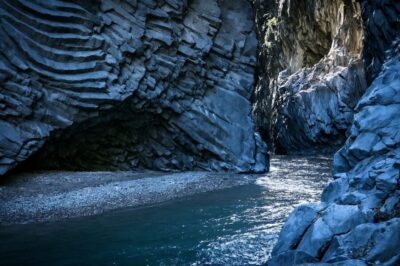 ★ 4.8Etna and Alcantara Gorges Full-Day Tour with LunchFrom $1051,766 reviews
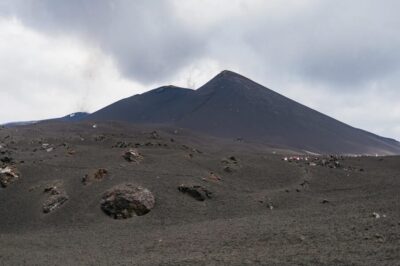 ★ 4.7Etna: summit craters trekking with volcano guide 3350mtFrom $771,712 reviews
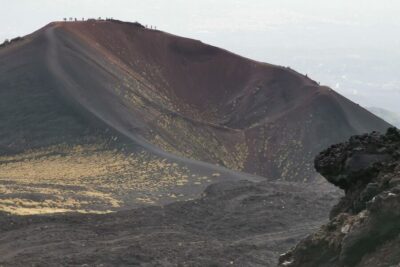 ★ 4.9Catania: Mount Etna Trekking Tour Beyond the Tourist TrailsFrom $811,596 reviews
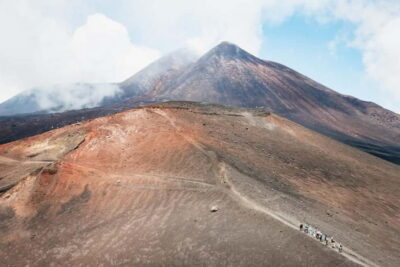 ★ 4.8Mount Etna: Guided Trek 3,000 Meters to the SummitFrom $1131,407 reviews
 ★ 4.8Catania: Etna Sunset Tour with Pickup and Drop-offFrom $711,348 reviews
 ★ 4.8Etna Sunset Tour: Volcano trek, Cave & tasting from CataniaFrom $701,290 reviews
Browse the lists this tour appears in