
Reviewed · SYRACUSE & ORTIGIA
Discover the wonders of Ortigia: a Tuk-Tuk tour through history and the sea.
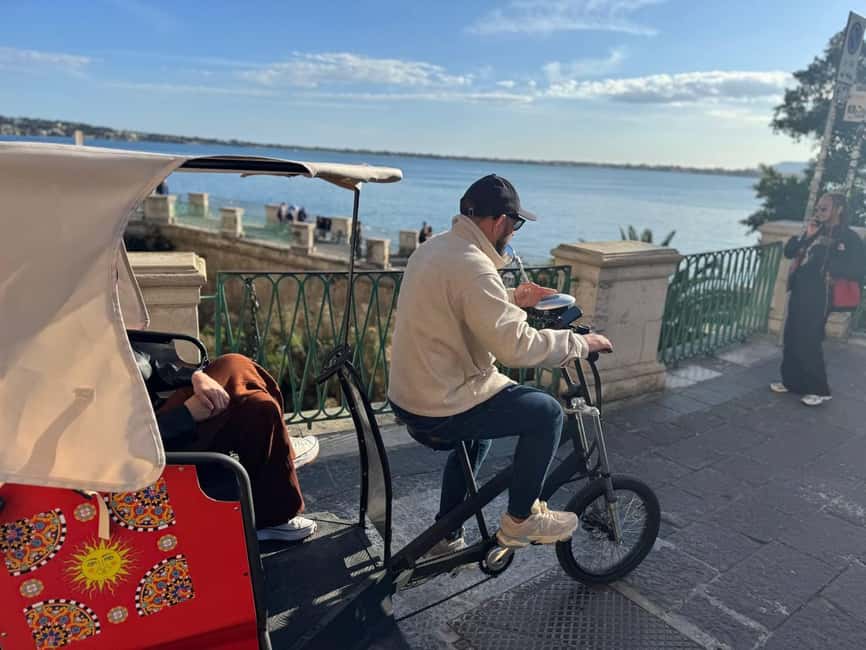
Ortigia feels easy on a tuk-tuk. I love the max-2 small-group pace and the way Francesco (when he’s your guide) turns landmarks into stories, not just stops. One thing to watch: the meeting point is very specific, right across from Drogheria Drago, so double-check before you’re standing in the wrong spot.
This tour works well because it keeps you moving through tight streets without the hassle of a full day plan. It’s set up for sea views, temples, and baroque corners, with time to stop for photos and a route that fits into just one hour. You can also get it customized a bit, and the setup is wheelchair accessible.
In This Review
- Key highlights to look for before you book
- Why a Velotuktuk style tour is smart for Ortigia
- The 1-hour route: what you’ll actually see and why it matters
- Stop 1: Arethusa Spring (Fonte Aretusa) and a photo pause
- Stop 2: Castello Maniace and the sea-defense mindset
- Stop 3: Mitoraj Sculpture and public art in the streets
- Stop 4: Chiesa di Santa Lucia alla Badia
- Stop 5: Cathedral of Syracuse (Duomo area)
- Stop 6: Chiesa dell’Immacolata, Siracusa
- Stop 7: Belvedere della Turba and another viewpoint break
- Stop 8: Ortea Palace Hotel (scenic views along the way)
- Stop 9: The carved Occhio on the doorframe
- Stop 10: Temple of Apollo (one of Sicily’s oldest Greek temples)
- Stop 11: Fountain of Diana and the baroque palaces around it
- What “customizable” means in practice (and how to use it)
- Price and value: is $59 for an hour worth it?
- Logistics that matter: meeting point, timing, and pace
- Who this Ortigia tour is best for
- Should you book this Ortigia tour?
- FAQ
- How long is the Ortigia Tuk-Tuk tour?
- How many people are in the group?
- Where is the meeting point?
- What’s included in the price?
- What languages are available?
- Are tickets included, and do I skip lines?
Key highlights to look for before you book
- Two-person max means fewer delays and more time for questions
- Live multilingual guide plus a multilingual audio guide (so you stay oriented)
- Photo stops built in at the major sights, not just quick passing looks
- Greek-to-Baroque mix: Temple of Apollo, Cathedral area, and the Fountain of Diana
- Sea-meets-city viewpoints around Castello Maniace and the Fonte Aretusa area
Deeper into Ortigia and old Syracuse
- Syracuse: Boat Tour with Captain Mirko, Snorkeling & Caves
★ 4.7 · 746 reviews - Siracusa: Ortigia Boat Tour with Marine Grotto & Snorkeling
★ 4.7 · 726 reviews - Siracusa: Ortigia & Sea Caves Boat Tour w/ Prosecco & Fruit
★ 4.8 · 723 reviews - Syracuse: Ortigia Island & Sea Cave Boat Tour with Prosecco
★ 4.7 · 418 reviews
Why a Velotuktuk style tour is smart for Ortigia
Ortigia is the historic heart of Syracuse, and that means narrow lanes, busy corners, and lots of “wait, where are we?” moments if you try to do it all on foot. The big appeal here is that you get a compact, comfortable ride that still feels like you’re experiencing the island—without speed-run energy.
At 1 hour, this is a tour built for getting your bearings fast. You’ll hit major landmarks on foot-and-photo rhythm: stop, look, listen, take a picture, move on. For most people, that’s the right pace because Ortigia rewards slow attention—but it also punishes trying to see everything at once.
And with a small group limited to 2 participants, it tends to feel personal. That matters when you want clarification about what you’re looking at—especially when the route jumps between ancient Greek ruins, baroque churches, and palaces.
The 1-hour route: what you’ll actually see and why it matters
The stops are chosen to give you a balanced Ortigia overview: myth and monuments, sea walls and viewpoints, and the religious-art backbone of the city. You start at Via Emmanuele de Benedictis, 20, and from there the tour layers in the big story beats of Syracuse.
A practical note: tickets are not included, even though the tour includes skip the ticket line. So think of this as a “see the sights, decide what you want to enter” experience. If you want to go inside churches or archaeological areas, you’ll pay admission separately.
Stop 1: Arethusa Spring (Fonte Aretusa) and a photo pause
You’ll begin near the area tied to Fonte Aretusa (also referenced as Arethusa Spring), with time for a photo stop. This is one of those places where the modern city setting sits right on top of the ancient myth.
Why it’s worth it: Ortigia’s identity is myth + real geography. A guide helps you connect what you see—water, the setting, the symbolism—with the bigger Syracuse story so it doesn’t feel like random trivia.
What to watch for: you may be outdoors in bright conditions depending on the time of day. Bring sunglasses if you tend to squint in strong southern light.
Stop 2: Castello Maniace and the sea-defense mindset
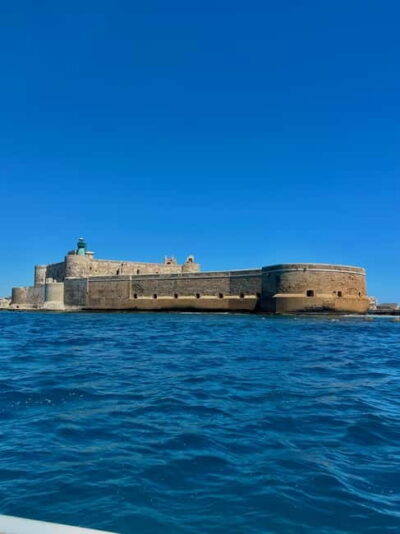
Next up is Castello Maniace, with another planned photo stop. This medieval fortress is one of the clearest “why Syracuse mattered” points in the itinerary: coastal control, defense, and the long tug-of-war between powers that wanted this strategic port.
Why it matters for you: the sea views here reframe the whole island. You start thinking less in terms of isolated buildings and more in terms of a city designed around maritime routes.
Quick expectation: you’ll get the viewpoint moment, not a long museum-style visit. That’s exactly the point in a one-hour tour—fast payoff, clear highlights.
A few we would gladly point a friend toward in Syracuse
Stop 3: Mitoraj Sculpture and public art in the streets
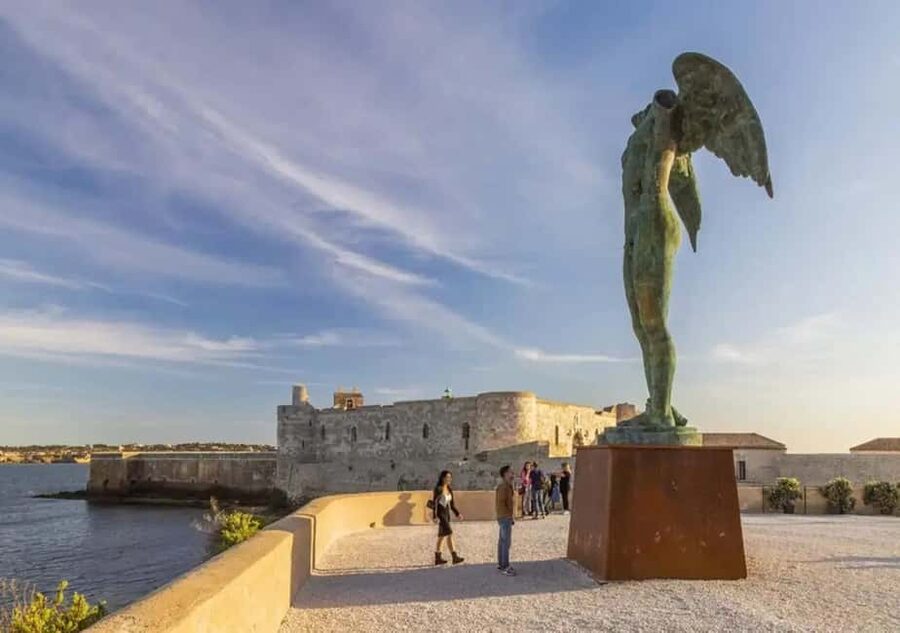
You’ll pass Mitoraj Sculpture for a photo stop. Public art like this helps break up the architecture rhythm. It’s also a reminder that Ortigia isn’t only about old stone—it’s a living place with contemporary layers.
Why this stop works: it gives your eyes a different kind of reference point. After temples and fortifications, the sculpture helps you reset your attention without dragging the tour into something off-route.
Stop 4: Chiesa di Santa Lucia alla Badia
Then comes Chiesa di Santa Lucia alla Badia, another photo stop. Churches here aren’t just religious spaces; they’re architecture at street level, with details you’ll likely miss if you’re only looking for the biggest landmark.
What you’ll get: guidance on what to notice from outside, plus enough context to make the façade and setting feel purposeful.
Stop 5: Cathedral of Syracuse (Duomo area)
You’ll stop for photos at the Cathedral of Syracuse area. If you’ve never seen how Syracuse’s layers stack up, this is where it starts to click. The cathedral zone is a hub of cultural continuity—religious life, power, and changing styles over time.
Drawback to consider: if your main goal is going inside sites and reading exhibits, a one-hour overview tour may feel brief. You’ll get exterior moments and key viewpoints more than deep interior time.
Stop 6: Chiesa dell’Immacolata, Siracusa
Next is Chiesa dell’Immacolata, Siracusa, again with a photo stop. This is the “Baroque lane” stretch—smaller stops that add up to a full-picture feel for how Ortigia looks and feels.
Why you should care: these churches help you understand the city’s aesthetic logic. They also let you compare styles as you go, instead of getting lost in one monumental stop.
Stop 7: Belvedere della Turba and another viewpoint break
You’ll pause at Belvedere della Turba, which is basically a designated “look out” stop. Think of it as an intentional breath between dense streets and landmark clusters.
What you’ll likely notice: sea and rooftops in one frame. Even if you’re not a “photographer,” this kind of stop makes the rest of the tour feel more coherent.
Stop 8: Ortea Palace Hotel (scenic views along the way)
There’s a photo stop at Ortea Palace Hotel, Sicily, Autograph Collection, plus scenic views on the way. This kind of stop is useful even if you don’t plan to enter: it’s a vantage point for the streets and the sense of place.
Value angle: it’s a quick way to experience the contrast between grand settings and the everyday street scene around them.
Stop 9: The carved Occhio on the doorframe
Then you’ll see the Occhio scolpito sullo stipite (the carved eye on the doorframe), with scenic views on the way. This is the sort of detail that you’d miss on a self-guided wander unless you already knew what you were looking for.
Why it’s a highlight: Ortigia isn’t only about major squares. It’s the small symbolic details—carved motifs, threshold sculptures, doorframe ornaments—that make the streets feel specific rather than generic.
Stop 10: Temple of Apollo (one of Sicily’s oldest Greek temples)
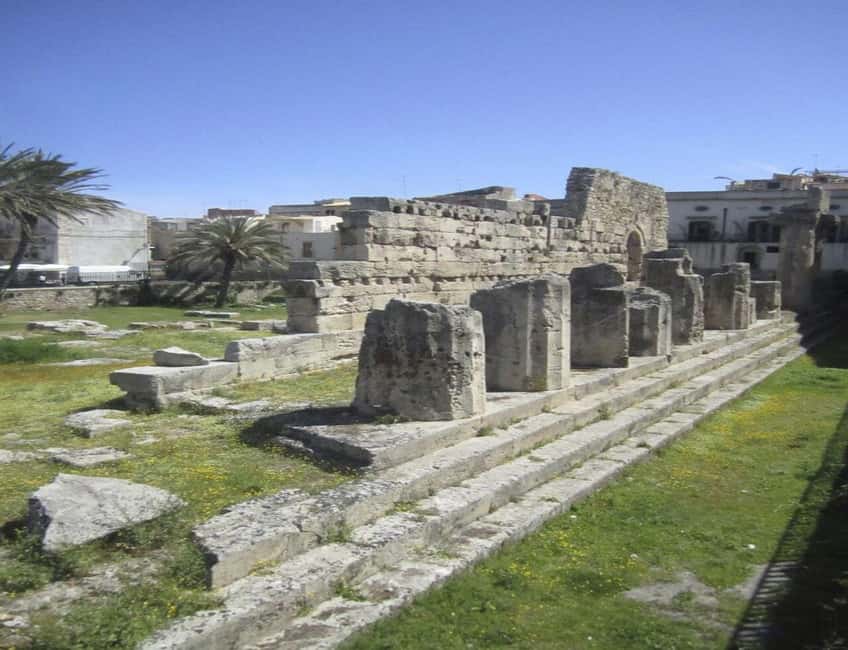
The itinerary brings you to Temple of Apollo with a photo stop. This is one of Ortigia’s headline sights and a central reason people come: you’re looking at Greek temple presence inside a living urban context.
Why this stop is big value: it gives you a clear visual anchor. After you see Apollo, a lot of the rest of Syracuse’s story starts to make more sense—city planning, power, and how the ancient world set the template.
A practical note: because tickets are not included, you’ll need to decide on your own whether to enter or keep it to exterior viewing with your guide.
Stop 11: Fountain of Diana and the baroque palaces around it
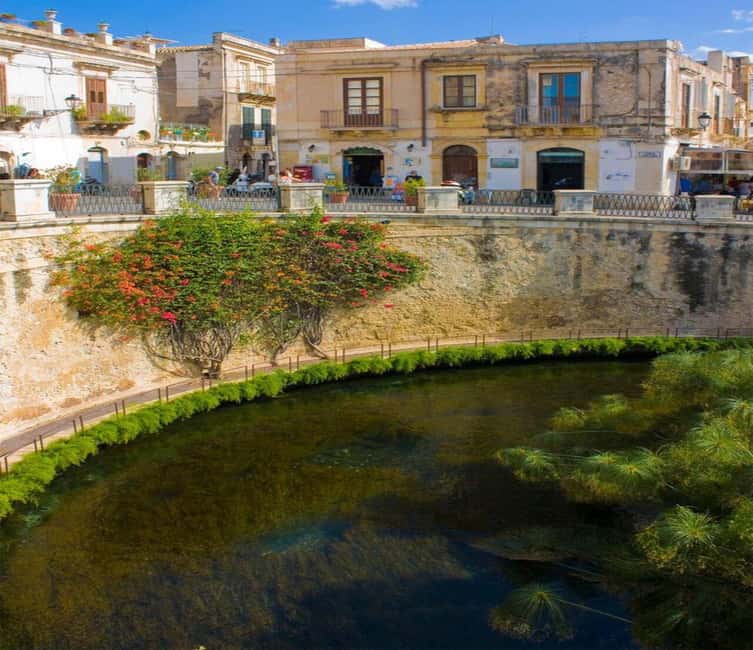
Finally, you reach the Fountain of Diana, another photo stop. This is one of the best “Greek myth meets baroque style” moments on the island.
Why it’s a strong closing stop: it ties back to the myth theme from the Arethusa/Fonte Aretusa start. You see how Syracuse keeps recycling its stories into art, architecture, and street symbolism.
You end back at Via Emmanuele de Benedictis, 20, after the last look and photo moment.
What “customizable” means in practice (and how to use it)
The tour is marked as customizable, which is a big deal for people who don’t want a one-size-fits-all script. In a two-person max format, you can usually steer the guide toward what you care about more—Greek sites, church façades, or sea views.
Here’s how to use that without overthinking it:
- If you’re temple-focused, spend a bit more time at Apollo and ask for the key things to notice before photos.
- If you care about baroque streets, ask the guide which church or palace details are easiest to miss.
- If you’re photo-heavy, tell your guide early, because the route already includes planned picture stops.
Price and value: is $59 for an hour worth it?
At $59 per person for 1 hour, the question isn’t just the cost—it’s what you’re buying.
You’re buying:
- a live guide (not just audio)
- stops at major monuments (so you don’t waste time searching)
- photo pauses built into the schedule
- a comfortable vehicle for tight streets
- multilingual support (English, Italian, French, Spanish, German, Russian, Traditional Chinese)
- skip-the-ticket-line where applicable, even though tickets themselves aren’t included
For short time in Syracuse, this price tends to make sense because it compresses key highlights into one block. If you’re staying only a day, you’ll usually get more out of this kind of overview than trying to design your own route from scratch.
Where value may not fit: if you’re the type who wants to spend a long time inside multiple sites, you may feel the tour is too short. Think of it as a high-quality orientation and highlight pass, not a full ticket-based museum day.
Logistics that matter: meeting point, timing, and pace
This is where small details can make or break a tour.
You meet at Via Emmanuele de Benedictis, 20, right across from Drogheria Drago Restaurant. One practical tip: the meeting point is in a dense area, so don’t assume it’s obvious—align your location before you arrive. If you’re walking in from a nearby street, take a minute to confirm the restaurant reference.
Pace-wise, you should expect relaxed movement with frequent stops. That’s supported by the way guides run it: people mention fast, efficient landmark coverage and a calm tone. In the best case, you’ll get help with photos and a friendly, resident feel, which is exactly what you want for a compact tour.
Who this Ortigia tour is best for
This tour fits best if you:
- have limited time in Ortigia and want a clean overview
- like learning while you look, not just collecting photos
- prefer a small-group experience
- want an easier way to cover a lot of ground through tight streets
- travel with someone who enjoys architecture and sea views but doesn’t want to sprint from stop to stop
If you’re traveling solo and love planning everything yourself, you might be tempted to DIY. Still, if you want the shortcut to the main landmarks plus myth-and-meaning context, this format is hard to beat for the time.
Should you book this Ortigia tour?
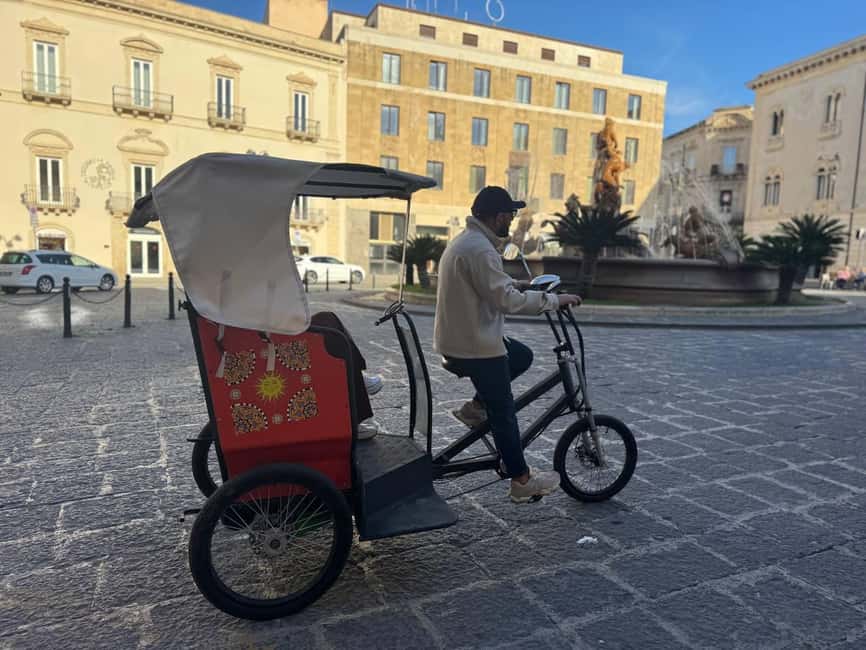
I’d book it if you want a structured one-hour highlight run through Ortigia with a guide who can explain what you’re seeing and help you slow down at the right moments. The two-person max format is a real quality upgrade, and the mix of Apollo, Diana, fort views at Castello Maniace, and the church stops gives you a “Greek to Baroque” story in one ride.
Skip booking (or pair it with more time) if your priority is long interior visits and museum time. This tour is built for photos, viewpoints, and landmark context—not for deep ticketed exploration.
If you’re deciding between doing nothing or doing an organized loop, do this. It’s the kind of short tour that helps you plan the rest of your day with more confidence once you know where the big sights sit on the island.
FAQ
How long is the Ortigia Tuk-Tuk tour?
The tour lasts 1 hour. Starting times depend on availability.
How many people are in the group?
It’s a small group limited to 2 participants.
Where is the meeting point?
Meet at Via Emmanuele de Benedictis, 20, right across from Drogheria Drago Restaurant.
What’s included in the price?
You get a live tour guide and a multilingual audio guide, plus time for photo stops and views along the way. Tickets to sites or museums are not included.
What languages are available?
The live guide is available in English, Italian, French, Spanish, German, Russian, and Traditional Chinese.
Are tickets included, and do I skip lines?
Tickets to sites/museums are not included, but the tour includes skip-the-ticket-line where applicable.
More Tours in Syracuse
More Tour Reviews in Syracuse
More of Syracuse and Ortigia
Just added: the newest Syracuse tours in our notebook
- Tour of Syracuse by Ape Calessino★ 3.0 · 3 reviews
- Syracuse Showdown Scavenger Hunt★ 5.0 · 3 reviews
- Sicily Boats Avola: Plemmirio boat tour 4 people 4 hours★ 5.0 · 3 reviews
- Groovy Geneva Scavenger Hunt★ 5.0 · 3 reviews
- Syracuse: Ortigia & Sea Caves Boat Tour with Local Skipper★ 5.0 · 3 reviews
- Siracusa: Neapolis’s Archaeological Park small group tour★ 5.0 · 3 reviews
Syracuse & Ortigia, compared.
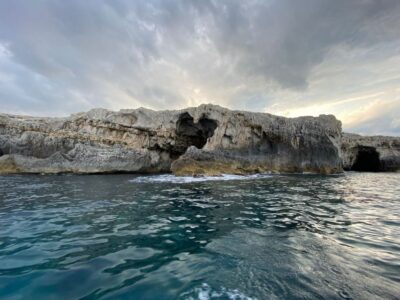 ★ 4.7Syracuse: Tour of Ortigia Island & Caves with Local SkipperFrom $231,060 reviews
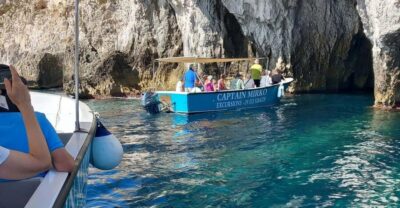 ★ 4.7Syracuse: Boat Tour with Captain Mirko, Snorkeling & CavesFrom $35746 reviews
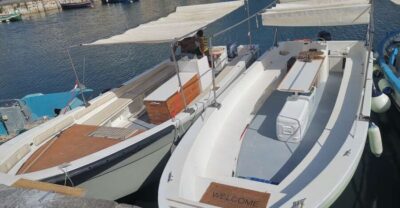 ★ 4.7Siracusa: Ortigia Boat Tour with Marine Grotto & SnorkelingFrom $47726 reviews
 ★ 4.8Siracusa: Ortigia & Sea Caves Boat Tour w/ Prosecco & FruitFrom $35723 reviews
 ★ 5.0Tour of the island of Ortigia and exploration of sea caves with baths.From $24668 reviews
 ★ 4.7Syracuse: Ortigia Island & Sea Cave Boat Tour with ProseccoFrom $23418 reviews
 ★ 5.0Boat tour of Ortigia Island and sea cavesFrom $24407 reviews
 ★ 4.6Catania: Syracuse, Ortigia, and Noto Tour with BrunchFrom $112404 reviews
Browse the lists this tour appears in