
Reviewed · SICILIAN COOKING CLASSES
Cooking Class in a historic sicilian farmhouse
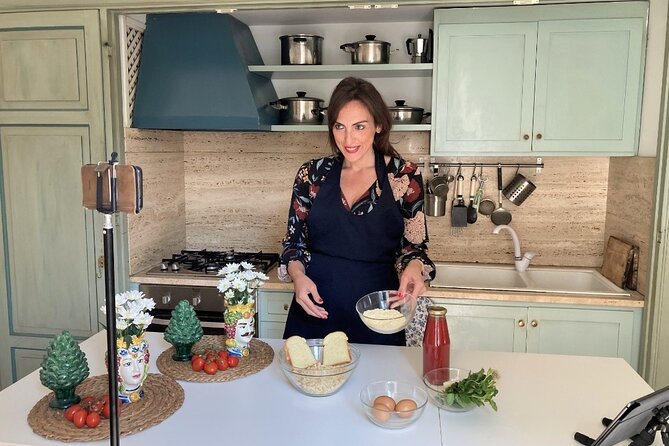
A historic farmhouse kitchen is a rare treat. I love that this day starts with a train ride and ends with you eating what you cooked, not just watching. You’ll learn classic Sicilian dishes using farm products, with Paola leading the class in English, plus help from her assistant Mariella.
What I like most is the hands-on pace and clarity. You make multiple pasta shapes from scratch (tagliatelle, ravioli, and gnocchetto), and you also learn the big finish: cannoli with ricotta.
One thing to consider: the day is long (about 8 hours) and train tickets are not included in the price, so you’ll want to plan your morning train and budget a little time for the trip out and back.
In This Review
- Key highlights
- Palermo-to-the-Farm Train Ride and Why It Matters
- Fontana Murata Farmhouse: Breakfast, Farm Fields, and Family-Run Hospitality
- Learning the Sicilian Basics: Tagliatelle, Ravioli, and Gnocchetto
- From Eggplant to Pesto: The Sauces and Extra Dishes That Make the Menu
- Cannoli Workshop and the Sweet Take-Home Moment
- Where the Day Actually Feels Special: Pool Break, Stories, and Eating What You Make
- Price, Inclusions, and Value for 8 Hours in Sicily
- Practical Tips for Comfort, Food Allergies, and Photos
- Who This Cooking Class Fits Best
- Should You Book This Sicilian Farm Cooking Class?
- FAQ
- Where do we meet for the cooking class?
- How long is the experience?
- Do I need train tickets, or are they included?
- What’s included in the price?
- What will we cook and eat?
- Is the class offered in English?
- Is this a private experience?
- What happens at the end of the day?
- Are service animals allowed?
- Can they accommodate a gluten allergy?
- Is there free cancellation?
Key highlights
- Palermo Centrale to Roccapalumba-Alia by train, then a farm pickup
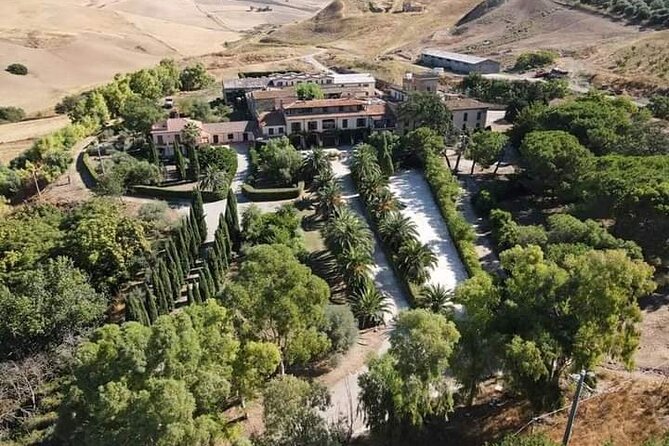
- A family-run historic kitchen at Fontana Murata farmhouse
- Three pasta shapes from scratch plus Sicilian sides
- Cannoli made with ricotta, the real Sicilian dessert
- Farm-to-table ingredients from a 300-hectare estate
- A relaxed, patient teaching style (and room to accommodate a gluten allergy)
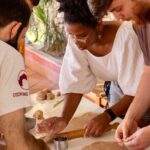
Hands in the flour, Sicily style
- Palermo: Pasta and Tiramisu Small Group Cooking Class with Wine
★ 5.0 · 348 reviews - Sicilian Cuisine Cooking Class in Palermo
★ 5.0 · 208 reviews - In the province of Palermo Sicilian Cooking Class near Cefalu
★ 5.0 · 203 reviews - Sicilian Cooking Class in Taormina
★ 5.0 · 186 reviews
Palermo-to-the-Farm Train Ride and Why It Matters
The day kicks off at Palermo Centrale at 8:30am, near P.za Giulio Cesare. Then you head by train to Roccapalumba-Alia, where the farm is located. It’s not just transportation. The ride is part of the experience, and it helps you shift gears from city speed to countryside time.
When you get to Roccapalumba-Alia, Paola is typically there to meet you and bring you in. That matters because it keeps the morning from feeling chaotic. Instead of trying to figure out rural connections on your own, you arrive with everything already lined up.
Since train tickets aren’t included, you should treat them like a separate booking step. If you’re the type who likes to travel lightly, you’ll be fine. Just make sure you don’t show up at the station late; this starts early and it runs on a schedule.
Fontana Murata Farmhouse: Breakfast, Farm Fields, and Family-Run Hospitality
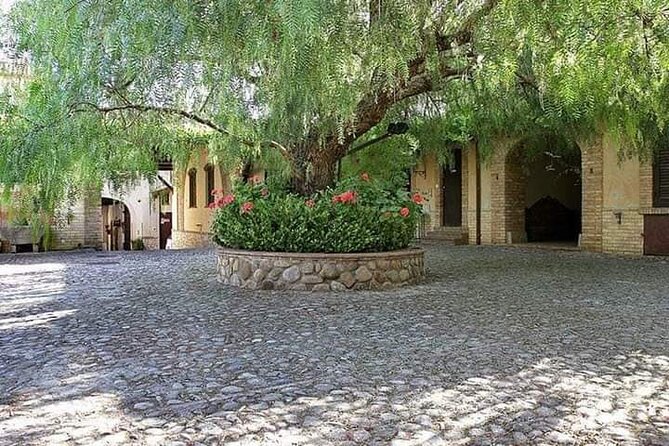
Once you arrive at the Fontana Murata farmhouse, the welcome is warm and straightforward. You start with a breakfast that’s included, and at least one review specifically calls out a great Italian coffee. You’re not eating a snack to hold you over. Breakfast is the beginning of a full work-and-eat day.
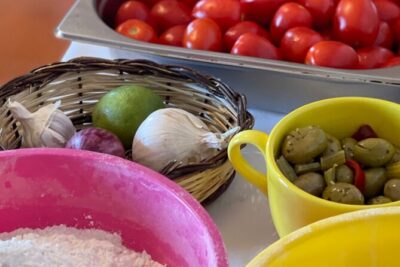
Here’s what makes the setting feel real: the property is described as a large working farm—300 hectares—with grains, vegetables, tomatoes, grapes, and olives. That matters for two reasons. First, it explains why the cooking uses local, seasonal ingredients. Second, it gives you a sense that this is daily life for the family, not a staged show.
You’ll also hear stories as the day goes on—about the place, tradition, and even family history. In one review, the group met Paola’s family and shared time by the pool, which made the day feel less like a class and more like a long lunch visit with people who truly care.
Learning the Sicilian Basics: Tagliatelle, Ravioli, and Gnocchetto
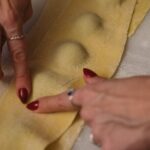
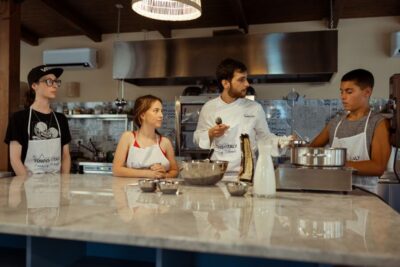
This is a cooking class, not a tasting walk-through. You’ll roll up your sleeves and make pasta shapes that are central to Sicilian home cooking.
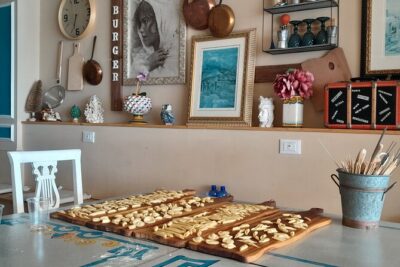
The sample menu highlights three pasta preparations:
- Tagliatelle with tomato sauce plus eggplant and a baked ricotta element
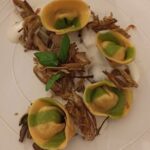
- Ravioli with ricotta and spinach, served with cherry tomato and garlic
- Gnocchetto with trapanese pesto
What I’d watch for as you cook: the structure of the teaching. Reviews describe Paola as having clear explanations, patience, and a kitchen approach that’s both hygienic and organized. That’s a big deal when you’re learning pasta techniques. If the instructor is calm and precise, you actually learn instead of just getting flour on your shirt.
Also, the class is offered in English, and you’re told what’s going on as you go. That helps you focus on the technique—dough, filling, shaping—rather than trying to translate in your head.
If you have dietary needs, it’s worth asking. One review specifically notes that they accommodated a gluten allergy. I can’t guarantee your situation will be handled the same way, but it’s a strong sign that the team takes requests seriously when they can.
From Eggplant to Pesto: The Sauces and Extra Dishes That Make the Menu
Pasta is the headline here, but the rest of the plate is what makes Sicilian food feel complete. The sample menu includes:
- Eggplants deep fried, with basil and baked ricotta
- A sauce mix tied to the ravioli dish: cherry tomato and garlic
- Trapanese pesto used with gnocchetto
There’s also a nod to classic Sicilian bread-and-tomato flavor in the day’s flow. One review mentions bruschetta with fresh tomato salsa during lunch, plus a glass of vino locale. That fits the bigger pattern: you’re not just making one thing. You’re building a meal with textures—crispy, creamy, herby, and bright from tomatoes.
A practical note: fried and baked dishes can be warm work. Plan to wear comfortable clothes you don’t mind getting a bit messy. This is Sicily, and flour has a way of finding you even when you do everything right.
And yes, you’ll likely eat more than you expect. More than one review hints at large portions, with people laughing about not finishing everything. That’s usually a good sign. It means you’re getting a real meal, not a token lunch.
A few we would gladly point a friend toward in Sicily

Cannoli Workshop and the Sweet Take-Home Moment
If you came to Sicily for cannoli, this part is the payoff. The class includes the most important Sicilian dessert: cannoli with ricotta.
What makes this worth doing in a farmhouse kitchen instead of eating one after the fact is the method. You’re not relying on a store-bought shell and hoping. You learn how the filling comes together and how the day’s flavors lead into the sweet finish.
One review also mentions that you could take things home. That’s a nice perk if you want a souvenir that isn’t just a fridge magnet. If you care about that, ask during the class what you can box up before you leave.
Finally, don’t rush this course. Cannoli is a dessert where tiny details matter, and the team has a laid-back teaching style. Let yourself enjoy the sweet part of the day instead of sprinting to the next plate.
Where the Day Actually Feels Special: Pool Break, Stories, and Eating What You Make
Here’s the difference between this and many cooking classes: the pacing feels human. You start early, you cook seriously, then you take breaks in a real working environment.
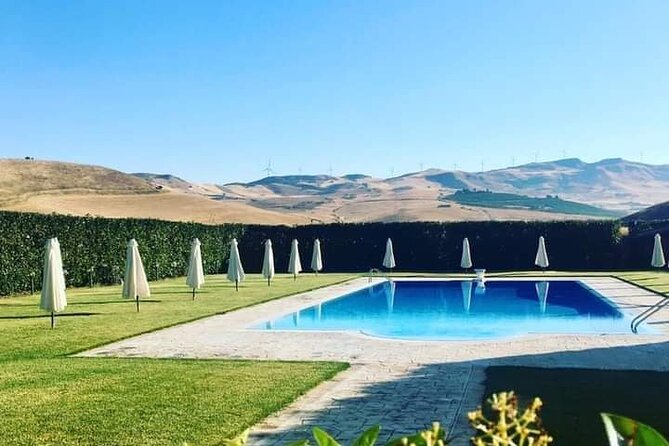
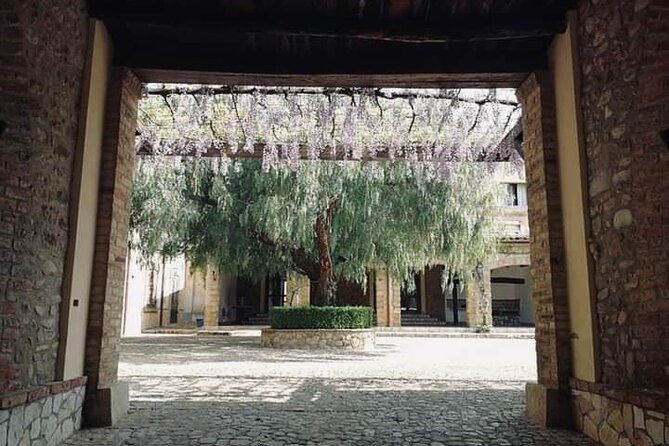
In one description, there’s time to relax by the pool at the historic farmhouse between pasta prep and the later cannoli work. That break changes the feel of the day. You’re not stuck at a counter for eight hours straight. You get a breather before the final stretch.
And the stories help, too. Paola shares anecdotes connected to food tradition, the wines, and family history. Even if you’re not the type who usually listens to lectures, it makes the cooking make sense. You’re learning dishes that come from a place where the farm grows what the kitchen uses.
By the end, you eat what you make together in the farmhouse setting. One review notes a multi-course meal that the group prepared with guidance. That adds value because you’re not only learning techniques. You’re practicing timing, portioning, and finishing—skills you can bring home.
Price, Inclusions, and Value for 8 Hours in Sicily
At $119.14 per person, you’re paying for a full day: breakfast, lunch, coffee and/or tea, and vino locale. The class also includes the pasta-making and cannoli lesson itself.
What makes the price feel reasonable is that it’s not just ingredients. You’re getting:
- Transportation coordination from the Palermo side to the farm area (train is on you, but the trip is part of the day)
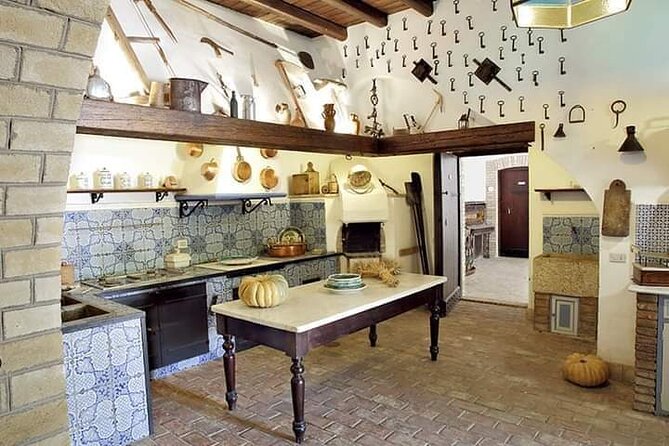
- Use of a well-equipped historic kitchen
- Guided instruction in English
- A meal where you sit down and eat what you cooked
- A family-run setting with lots of attention to the process
The main cost you should expect beyond this price is train tickets, since those are not included. Budget for that and you’ll avoid any surprise.
If you compare this to a typical Palermo cooking class inside a city kitchen, the location and time cost are part of the value. Getting out to Roccapalumba-Alia puts you closer to the ingredients, the atmosphere, and the slower rhythm that makes Sicilian food feel different.
Practical Tips for Comfort, Food Allergies, and Photos
This is an 8-hour day starting at 8:30am, so plan your morning around it. You’ll want a simple breakfast routine before you arrive (or just rely on the included breakfast). Either way, don’t schedule a second activity right after the tour ends because the day runs long.
Wear shoes you can move in. You’re in a farmhouse environment with work surfaces, and you may move between kitchen and outdoor areas like the courtyard and pool area mentioned in reviews. Also, bring a light layer if you tend to get cold indoors; cooking rooms can vary in temperature.
If you care about dietary restrictions, communicate clearly at booking. The information you have from prior participants includes gluten allergy accommodation, which is a promising sign. Still, ask how they handle your exact need.
For photos, you’ll have plenty of opportunities: the farmhouse setting, the kitchen action, and the countryside ride. One review mentions taking lovely photos, which suggests the day has good visual moments. Just be respectful in the kitchen. Quick shots during breaks are usually fine; long filming sessions while someone is teaching can slow the group down.
Who This Cooking Class Fits Best
This class is a great match if you want more than a food show. You like learning techniques—rolling, shaping, filling—and you want to understand why Sicilian dishes taste the way they do.
It’s also strong for couples or small groups, because it’s listed as a private tour/activity where only your group participates. Even when it’s not just you and one friend, the teaching style described in reviews suggests you won’t get lost in the background.
Families with kids can work well too. One description mentions booking with friends and children and finding the experience fun for them. Still, it’s an early start and a long day, so keep that in mind.
If you dislike hands-on cooking, or you want a quick experience that’s mostly tasting, this might feel like too much work. This is a day where you cook, eat, and learn together.
Should You Book This Sicilian Farm Cooking Class?
I’d book this if you want a real Sicily day outside Palermo’s center, built around fresh pasta and cannoli in a historic farmhouse kitchen. The combination of Paola’s teaching style, a working farm setting, and a full meal makes the value feel solid for the price.
Book it especially if you like structured learning. Reviews repeatedly point to clear explanations and organization, plus patience and hygiene in the kitchen. That’s what turns a cooking class into a skill-building day.
If you’re budget-tight, remember the train tickets are on you, and the day is long. Plan your schedule around it, not after it. And if you have dietary needs, ask directly early so the kitchen can plan.
FAQ
Where do we meet for the cooking class?
You meet at Palermo Centrale, P.za Giulio Cesare, 90123 Palermo PA, Italy. The activity starts at 8:30am.
How long is the experience?
The duration is about 8 hours.
Do I need train tickets, or are they included?
Train tickets are not included. The plan is to take the train from Palermo to Roccapalumba-Alia.
What’s included in the price?
Breakfast, lunch, coffee and/or tea, and alcoholic beverages (vino locale) are included.
What will we cook and eat?
You’ll prepare typical Sicilian dishes, including 3 pasta shapes (tagliatelle with tomato sauce, ravioli with ricotta and spinach, and gnocchetto with trapanese pesto) and cannoli with ricotta.
Is the class offered in English?
Yes, the experience is offered in English.
Is this a private experience?
Yes. It’s listed as a private tour/activity, and only your group will participate.
What happens at the end of the day?
The experience ends back at the meeting point in Palermo Centrale.
Are service animals allowed?
Yes, service animals are allowed.
Can they accommodate a gluten allergy?
One review notes they accommodated a gluten allergy. You should still confirm your specific needs at booking.
Is there free cancellation?
Free cancellation is available up to 24 hours in advance for a full refund.
More Historical Tours in Sicily
More Tour Reviews in Sicily




More Cooking Classes to Book
Just added: the newest Sicily tours in our notebook
- Etna / Taormina★ 5.0 · 3 reviews
- Bikes★ 5.0 · 3 reviews
- Taormina shore tour – for small group cruise passengers★ 5.0 · 3 reviews
- Vegan Cooking Class in Catania with Lunch and Dinner★ 5.0 · 3 reviews
- Make & Taste Sicilian Desserts in Palermo – Learn Cannoli & More★ 5.0 · 3 reviews
- Sicilian Villages & Ricotta Tasting – including Lunch from Cefalu★ 4.0 · 3 reviews
Sicilian Cooking Classes, compared.
 ★ 4.9Palermo: Pizza and Gelato Cooking Class with Dinner and WineFrom $71951 reviews
 ★ 5.0Seaview Cooking Class & Taormina local flavors with Chef MimmoFrom $157665 reviews
 ★ 5.0COOKING CLASS in Taormina at Chef Massimo HOUSE!!From $185543 reviews
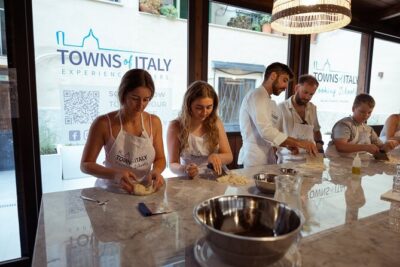 ★ 5.0Palermo’s Delight: Unleash the Secrets of Pizza and Gelato MakingFrom $60497 reviews
Palermo: Pasta & Tiramisu Cooking Class with Flowing WineFrom $56405 reviews
★ 5.0Palermo’s Delight: Unleash the Secrets of Pizza and Gelato MakingFrom $60497 reviews
Palermo: Pasta & Tiramisu Cooking Class with Flowing WineFrom $56405 reviews
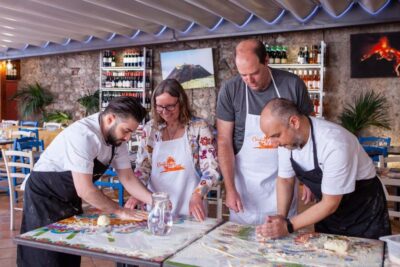 ★ 4.8Taormina: Half-Day Pizza Making ClassFrom $88353 reviews
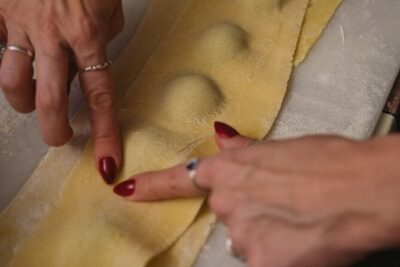 ★ 5.0Palermo: Pasta and Tiramisu Small Group Cooking Class with WineFrom $83348 reviews
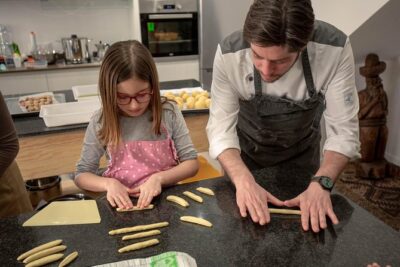 ★ 5.0Sicilian Cooking ClassFrom $118289 reviews
Browse the lists this tour appears in