
Reviewed · CATANIA TOURS
Cesarine: Small Group Market Tour & Cooking Class in Catania
A morning in Catania turns into dinner you can cook at home. This small-group class blends market shopping with a hands-on pasta workshop in a real home setting, not a demo room. You also leave with a practical game plan for making the recipes again.
What I like most is the ingredient-first approach: you shop for what you’ll actually cook, including items gathered at the open market with your guide. I also love that the pace stays personal, with a group capped at 12 and instruction that talks you through the steps.
One thing to consider: this is hosted in a home environment, so you’ll want to be comfortable with a slightly informal, at-your-table style of cooking (and with the fact that dietary specifics aren’t spelled out in the tour details you’re given).
In This Review
- Key highlights you’ll care about
- Catania’s open market: picking ingredients you’ll actually use
- Pasta dough at the table: learning the feel, not just the steps
- The at-home format: what it adds (and what to expect)
- Appetizers and pairing logic: olives, salami, cheese, and oil
- Making the pasta for supper: from dough to the plate
- Tiramisu: the sweet finish that’s built for real kitchens
- What “two authentic Italian recipes” feels like in practice
- Small group size: why max 12 changes the quality
- English-led instruction: clarity you’ll be able to use later
- Price and value: is $180.19 really fair?
- Timing: how to plan around a 10:00 am start
- Who should book this class in Catania
- Quick decision guide: should you book Cesarine’s Catania cooking class?
- FAQ
- FAQ
- How long is the Catania market tour and cooking class?
- What time does the experience start?
- How many people are in the group?
- Is the experience available in English?
- What recipes will we learn?
- Where does the tour start and end?
- Do I need a printed ticket?
- Is it near public transportation?
- Can I cancel for a refund?
Key highlights you’ll care about
- Open-market ingredient shopping so you can see what makes the dishes taste right
- Two recipe focus built around pasta and tiramisu
- Small group limit (max 12) for more hands-on time
- English-led guidance with a live, step-by-step approach
- Home-cooked format that feels more like an afternoon visit than a factory tour
What else Catania has going on
- Mt. Etna nature and flavors half day Tour from Catania
★ 5.0 · 545 reviews - From Catania: Mt. Etna, Wine and Alcantara Tour
★ 4.8 · 370 reviews - Etna Morning Tour (starting from Catania)
★ 5.0 · 362 reviews - Underground Catania
★ 5.0 · 302 reviews
Catania’s open market: picking ingredients you’ll actually use
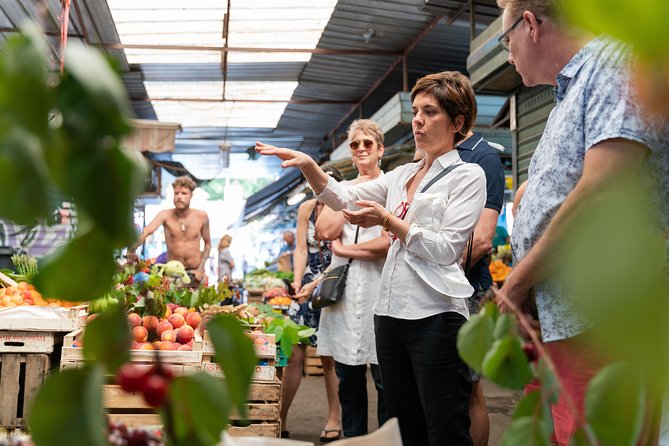
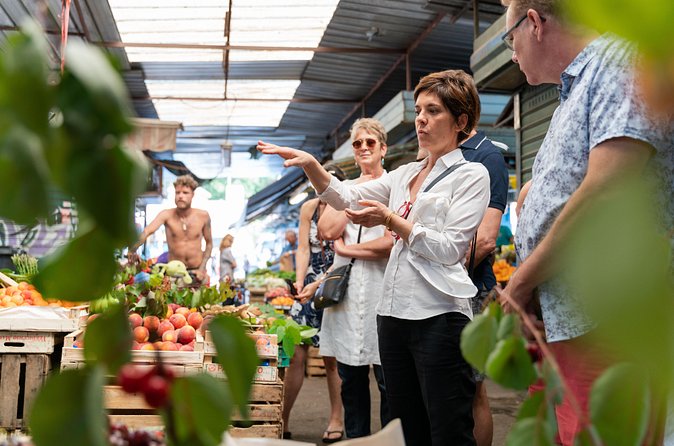
The day starts in Catania at 10:00 am, and you kick things off near public transportation so you’re not wrestling with your whole day to get there. From the start, the emphasis is simple: you’re not shopping for show. You’re shopping for flavor.
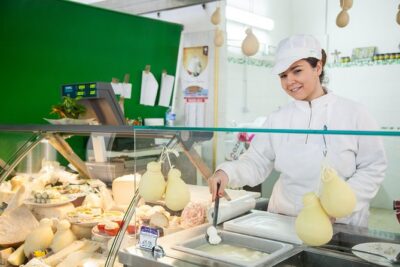
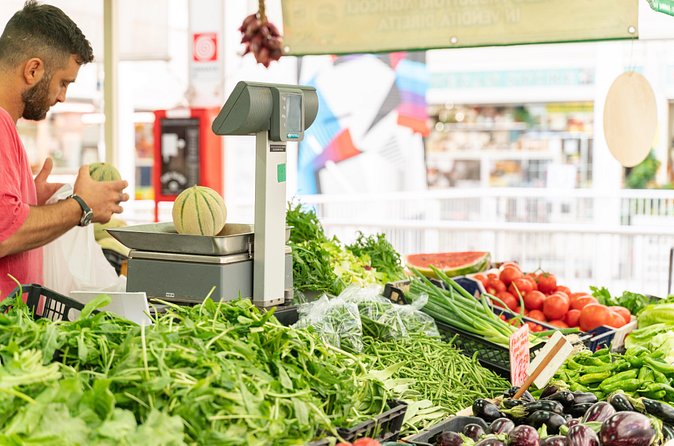
You’ll walk with your guide to the open market area and choose a few of the essentials you’ll use shortly afterward. In the experience I’m describing, the guide also selected items for appetizers while shopping—things like cured meats and cheeses show up as part of the flow. That matters because it teaches you something you can reuse later: good cooking starts with ingredients at the right moment, not just the right recipe card.
A practical tip: don’t overthink what you’re buying. Your job is to pay attention—how produce is chosen, how ingredients get paired, and what the guide tells you about taste and texture. Even if you’re not trying to recreate the exact same brands, this is how you build judgment for your own kitchen back home.
Pasta dough at the table: learning the feel, not just the steps
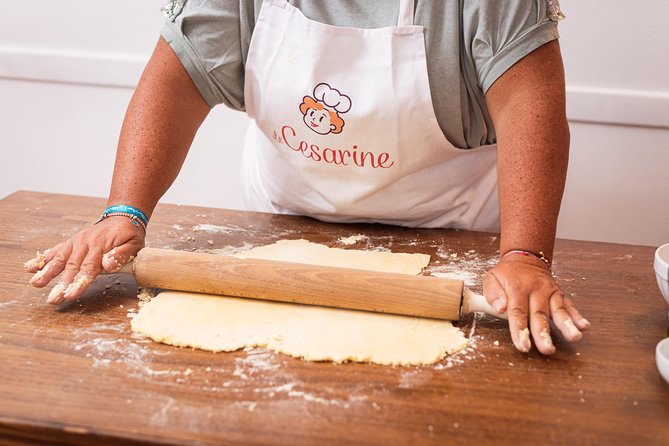
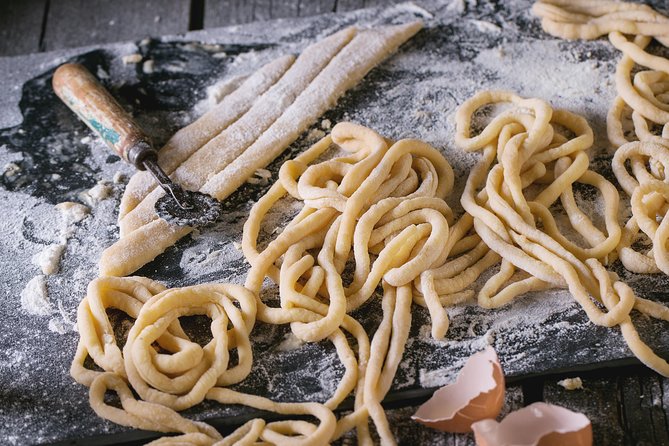
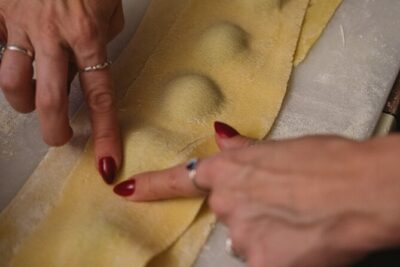
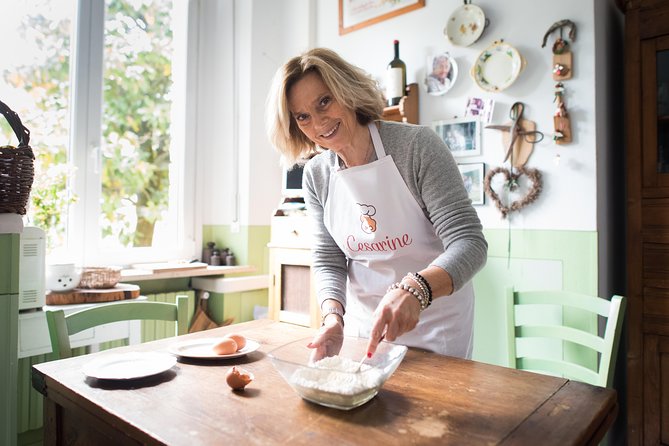
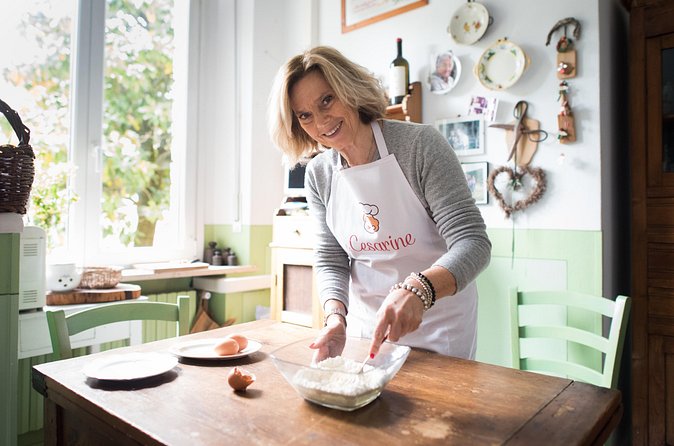
The signature part of the experience is a 4-hour small-group pasta-making workshop. The most valuable thing here is that you’re shown how to make pasta dough through hands-on coaching, step by step. You’re not just watching someone roll and cut.
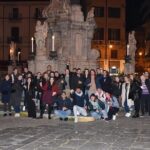
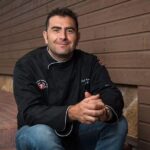
In one standout example, the guide—Antonella—met the group in a piazza just a minute walk from the open market area. From there, she brought the group to her home, and the pasta process began right at the dining table. That setup changes how you learn: it slows everything down and makes the process feel conversational, not like a class where you race to keep up.
Here’s what that means for you. Pasta dough isn’t just a list of actions. You’re learning the feel: when dough needs more work, when it’s ready to rest, and how dough behaves once it sits. And when a dough rests, it’s not wasted time—you’re typically moving into other food tasks while waiting, which keeps the day flowing.
A small detail from the experience: before the full meal, there may be sampling and small bites like homemade almond milk, and then appetizer prep in the kitchen. That kind of pacing helps you stay present. You’re not stuck waiting for one long cooking block.
The at-home format: what it adds (and what to expect)
This class doesn’t happen in a huge commercial kitchen. It’s set up like a host welcoming you into their rhythm. That’s why it can feel like visiting someone who truly cooks—not performing cooking.
The benefit is more than atmosphere. When you’re in a home space, you get to see real sequencing—how ingredients come out, where tools are kept, what gets made first, and what gets moved later. It also encourages questions. If you’re the kind of person who likes to understand why, this format can make it easier.
The drawback is also real: the vibe is personal and relaxed. If you want a strict, museum-style timeline, this may feel less controlled than a studio workshop. Also, since the experience takes place in a home, you should expect that comfort and movement will be more informal than at a restaurant kitchen. Plan for a normal travel level of flexibility.
Appetizers and pairing logic: olives, salami, cheese, and oil
A strong part of the day is that you’re not only making pasta. You’re building a meal around it. In the example described, appetizers included items like olives, salami, and a cheese-forward mix featuring pepato cheese, scallions, and olive oil.
Why that matters for you: it shows how Italian cooking often works—one core skill (like pasta dough) plus a few high-impact, simple components that make the table feel complete. These aren’t random side steps. They teach pairing logic: salty and creamy notes with bright, sharp aromatics, balanced by olive oil.
So instead of leaving with a single dish, you’re leaving with a way to assemble a meal. Next time you cook at home, you won’t just ask, What pasta recipe should I use? You’ll ask, What does this pasta need around it?
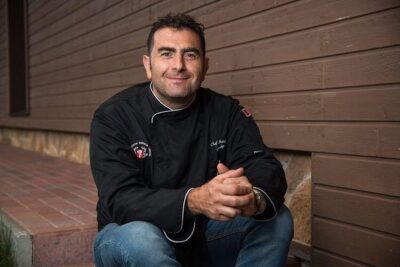
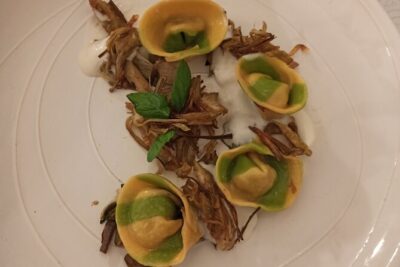
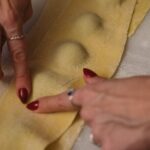
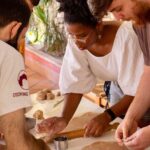
Hands in the flour, Sicily style
Making the pasta for supper: from dough to the plate
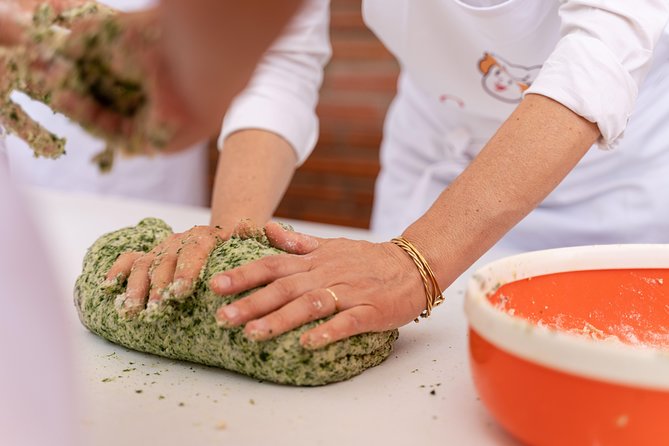
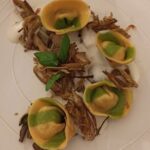
Once the dough has had time to rest, you move toward shaping and making the pasta you’ll eat. In the experience described, the group returned to the dining room table after some kitchen prep and continued the process there. That’s a good learning environment because everyone can see what’s happening and you can hear instructions clearly.
The lesson you should take seriously is the “workflow” part: mixing, resting, then shaping and cooking. Pasta dough behaves differently at each stage, and you’ll notice that the guide’s coaching focuses on transitions. In other words, it’s not only about what you do with your hands—it’s about what you watch for as the process changes.
Also, you’ll typically eat what you made. That’s a big quality check. You learn how the results should taste, and you can connect that outcome to decisions you made during the dough stage.
Tiramisu: the sweet finish that’s built for real kitchens
For dessert, the sample menu includes tiramisu. Even if you already think you know tiramisu, what you’re really gaining from a class format is consistency: how to build the layers, how to keep texture from going mushy too quickly, and how to time the final step.
Tiramisu is one of those desserts where small mistakes can be dramatic. A workshop helps because it forces you to practice the process in a controlled setting—then you can simplify it for home later. You also learn which steps are the “make-or-break” ones, so you don’t waste time fussing over the parts that don’t matter as much.
What “two authentic Italian recipes” feels like in practice
The tour details say you’ll learn two authentic Italian recipes. In the way this experience is structured, the focus is clearly on pasta (your main) and tiramisu (your dessert). That combination is a strong match for most home cooks: savory technique plus a classic dessert you can serve to friends.
And because it’s a hands-on class, you’re not just memorizing instructions. You’re building muscle memory for dough handling, plus dessert assembly habits. That’s the biggest reason this kind of class can be worth it even if cooking isn’t your hobby every day.
Small group size: why max 12 changes the quality
With a maximum of 12 participants, the experience can keep a steady rhythm. You’re less likely to be stuck waiting for your turn, and you can get help when something feels off. This is the practical side of small groups: more feedback, fewer bottlenecks, and a calmer kitchen flow.
This matters most if you’re new to pasta. Learning pasta is easiest when you can ask a question and get an immediate correction. In a larger group, that’s harder. Here, it’s more realistic to get guidance tailored to what your dough is doing.
It also helps socially in a normal way. You’ll likely have conversations with other people while food is resting or while you’re waiting your turn with the next step—like you’re sharing a table moment, not just standing in a queue.
English-led instruction: clarity you’ll be able to use later
The class is offered in English, which is a major value point in Sicily where local food instruction can quickly become a language puzzle. In a market-and-cooking format, small words matter: how to describe texture, rest timing, and ingredient roles.
If you’re the kind of person who learns best by doing, you’ll appreciate that the instruction is designed to match the action. You won’t just hear a recipe read aloud—you’ll work through it as the guide explains.
Price and value: is $180.19 really fair?
At about $180.19 per person for roughly 5 hours (with a 4-hour workshop), this is not a budget activity. But it’s also not just a meal or a quick cooking demo.
Here’s the value case that makes sense:
- You’re getting market shopping guidance tied to what you cook. That turns it into a learning experience, not only a food event.
- You’re learning two recipes and practicing the steps, including pasta dough handling.
- You’re doing it in a small group (max 12), which raises the odds you’ll get useful feedback.
- You’re likely eating the meal you make, and the format includes additional food moments like appetizers and sampling.
If you’ve ever taken a class that taught you nothing you could repeat, this one is structured to reduce that risk. The goal isn’t to feed you; it’s to teach you how to reproduce the results.
One more practical value note: the experience is offered with a mobile ticket, and it’s close to public transportation. That cuts friction, especially if you’re packing your day with other Catania sights.
Timing: how to plan around a 10:00 am start
A 10:00 am start is great if you like mornings but less great if you’re still dragging after breakfast. Since the experience runs around 5 hours, plan your other activities with breathing room on both ends.
What to do the day before: if you can, avoid scheduling something that requires long waits right before this. Cooking classes work best when you show up focused, not hungry-stressed. And bring a water plan. The day involves hands-on work, walking in the market area, and eating.
Also, since the experience returns back to the meeting point, it’s easier to keep the rest of your day intact. You’re not stranded across town after lunch.
Who should book this class in Catania
This tour is a great fit if you want:
- A hands-on pasta experience rather than a watch-and-hope class
- Market context—how to select ingredients so the final dish tastes right
- A small group where the guide can actually help during the tricky parts
- English-led instruction that keeps the learning clear
It’s also a strong choice if you like food that feels grounded and personal—like the way Antonella’s home-centered setup can feel more like an afternoon at someone’s dining table than a staged workshop.
If you’re only looking for a quick culinary souvenir, you might find this too long or too technique-focused. But if you want skills you can use again, this is exactly the type of day that can stick.
Quick decision guide: should you book Cesarine’s Catania cooking class?
Book it if you:
- Want to learn pasta dough hands-on and actually eat what you make
- Prefer a max 12 group for more real guidance
- Care about ingredient choice and not just the final meal
- Enjoy classic Sicilian/Italian flavors like cured meats, cheese, and olive oil pairings
Consider passing if you:
- Don’t want a home-based, informal setting
- Have very specific dietary needs (the provided details don’t spell out customization)
- Only have a tight schedule and need something shorter than a 5-hour experience
FAQ
FAQ
How long is the Catania market tour and cooking class?
It lasts about 5 hours.
What time does the experience start?
The start time is 10:00 am.
How many people are in the group?
The group size is limited to a maximum of 12 travelers.
Is the experience available in English?
Yes, it’s offered in English.
What recipes will we learn?
You’ll learn two authentic Italian recipes, with the sample menu featuring pasta as the main and tiramisu as dessert.
Where does the tour start and end?
It starts in Catania, Metropolitan city of Catania, Italy, and ends back at the meeting point.
Do I need a printed ticket?
You’ll receive a mobile ticket.
Is it near public transportation?
Yes, it’s noted as being near public transportation.
Can I cancel for a refund?
Yes. You can cancel up to 24 hours in advance for a full refund.
More Tour Reviews in Sicily





More Cooking Classes to Book
Keep Exploring Catania





Just added: the newest Sicily tours in our notebook
- Etna / Taormina★ 5.0 · 3 reviews
- Bikes★ 5.0 · 3 reviews
- Taormina shore tour – for small group cruise passengers★ 5.0 · 3 reviews
- Vegan Cooking Class in Catania with Lunch and Dinner★ 5.0 · 3 reviews
- Make & Taste Sicilian Desserts in Palermo – Learn Cannoli & More★ 5.0 · 3 reviews
- Sicilian Villages & Ricotta Tasting – including Lunch from Cefalu★ 4.0 · 3 reviews
Catania Tours, compared.
 ★ 4.8Catania: Mount Etna Morning or Sunset Day Trip with TastingFrom $704,028 reviews
 ★ 4.8Catania: Sunset Jeep Tour of Mount Etna and Lava Flow CavesFrom $712,113 reviews
 ★ 4.9Catania: Mount Etna Trekking Tour Beyond the Tourist TrailsFrom $811,596 reviews
 ★ 4.8Catania: Etna Sunset Tour with Pickup and Drop-offFrom $711,348 reviews
 ★ 4.8Etna Sunset Tour: Volcano trek, Cave & tasting from CataniaFrom $701,290 reviews
 ★ 4.8Catania: Etna Morning Excursion with Tasting and PickupFrom $711,224 reviews
 ★ 5.0Mt. Etna and Taormina village full day tour from CataniaFrom $1181,155 reviews
 ★ 4.9Catania: Amazing Etna Morning Tour with Pickup and Drop-OffFrom $81799 reviews
Browse the lists this tour appears in