
Reviewed · PALERMO CITY TOURS
Cesarine: Home Cooking Class & Meal with a Local in Palermo
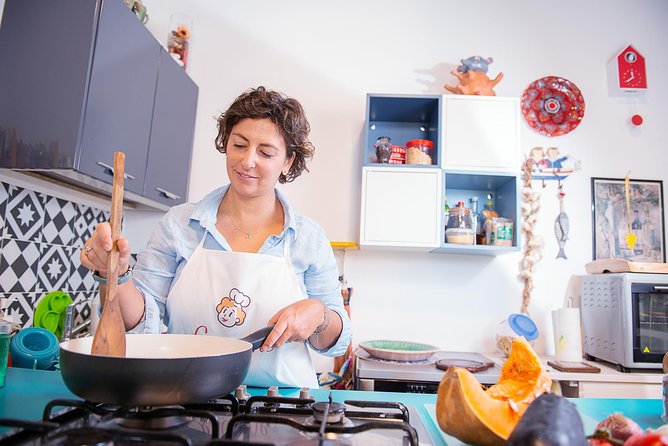
Cooking in someone’s home changes how you taste Palermo. This Cesarine Palermo class is a private 3-hour session with a local cook, where you learn three Sicilian dishes and sit down to eat them with wine.
I love the hands-on pace—your meal is the lesson, not a side effect. I also like the included red or white wine and the practical souvenirs (an apron and shopping bag) that make it feel like a real keepsake, not just a ticket.
One possible drawback: because you’re in a family kitchen, the schedule and kitchen setup can feel more relaxed than a restaurant class—so it helps to communicate dietary needs early and expect a friendly flow.
In This Review
- Key things to know before you cook in Palermo
- Why this Palermo class feels different from a restaurant dinner
- The “stop” you’re really taking: your host’s Palermo kitchen
- What you’ll cook: the 3 Sicilian dishes (and the skill behind each)
- Main course focus: pasta techniques you can repeat later
- When arancine show up: why Palermo finger-food matters
- Dessert in Palermo: cannoli, lemon sweets, and the art of finishing
- Wine and the meal part: turning cooking into a real dinner
- Market time: when your host adds a mini food safari
- Vegetarian and tailored meals: how flexible the class can be
- Price and value: what $174.22 really buys you
- Who this class is best for (and when it might not fit)
- Should you book Cesarine in Palermo?
- FAQ
- How long is the Palermo home cooking class?
- How many dishes will I learn?
- Is wine included?
- Is it private or shared?
- What language is the class offered in?
- Can the menu work for vegetarian diets?
- What is the cancellation window?
Key things to know before you cook in Palermo
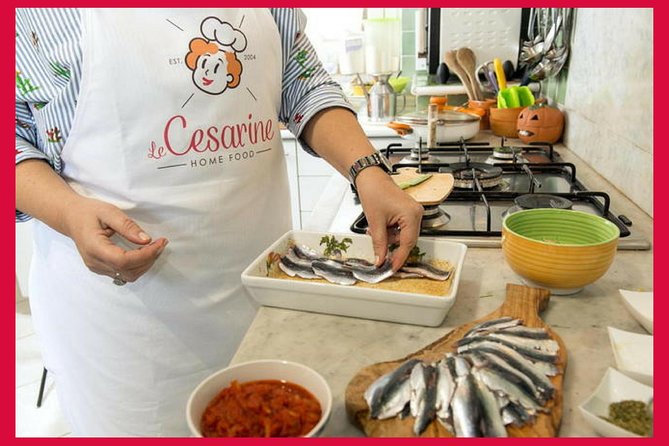
- Private home setting for your group only, so you get more attention than in big classes
- 3 dishes in about 3 hours, including a fresh pasta option and a classic Sicilian dessert
- Wine with the meal (red or white), which makes the sit-down part feel like a proper dinner
- Hosts often add extra touches like market time, small snacks while you cook, or house liqueurs
- You get an apron and a shopping bag, useful at home and fun to bring back
- English is available, and service animals are allowed
The rest of what Palermo puts on
- Pub Crawl Palermo
★ 5.0 · 595 reviews - Palermo: Pasta and Tiramisu Small Group Cooking Class with Wine
★ 5.0 · 348 reviews - Classic Boat Tour in Palermo
★ 5.0 · 268 reviews - Sicilian Cuisine Cooking Class in Palermo
★ 5.0 · 208 reviews
Why this Palermo class feels different from a restaurant dinner
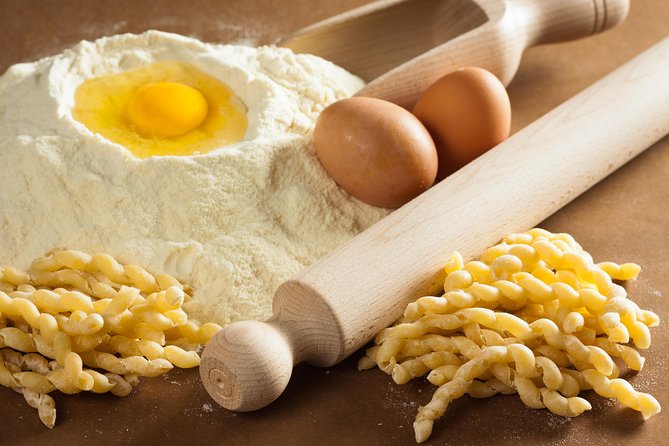
In Palermo, food is a social thing. This class leans into that. Instead of eating Sicilian dishes someone else made, you’re learning the logic behind them: how pasta dough behaves, how sauces simmer, how frying tells you when it’s ready.
I also appreciate the intimacy. The experience is private, so you’re not trying to hear over a crowd. You can ask questions as you go, and your host can adjust the pace if your group is slower or faster in the kitchen.
The menu samples point you toward the classics too. You’re not picking random dishes; you’re cooking the kind of food you’ll actually recognize in Palermo: pasta shapes and sauces, plus desserts like cannoli or lemon-based sweets.
The “stop” you’re really taking: your host’s Palermo kitchen
The activity is listed with a start and end in the Metropolitan City of Palermo, and it returns you there. In practice, that usually means you meet near public transport, then head to the host’s home, cook, eat, and return to the meeting area afterward.
Plan for a normal home rhythm. You’re not in a demo studio. You’re in a real apartment kitchen, with real tools, real seating, and a real dinner table. One past class was described as having a beautiful apartment, and another included balcony time with plants and views—so the setting can vary, but the vibe is consistently personal.
Because it’s a mobile ticket and you’re close to public transport, it’s fairly easy to fit into a day exploring Palermo. Just be aware: you’ll want comfortable shoes and a mindset that you’re going to get a little flour on your day.
What you’ll cook: the 3 Sicilian dishes (and the skill behind each)
The class centers on learning three Sicilian dishes, typically structured as:
- Starter: a seasonal seasonal dish (the exact choice can vary)
- Main: fresh pasta, with examples like Pasta con le sarde, spaghetti with tuna-roe, or Pasta alla Norma
- Dessert: a classic Palermitan-style sweet (cannolo siciliano, gelo di limone, cassata, tiramisu, or similar)
That format matters. It covers the full arc of a Sicilian meal:
1) something light to set the table,
2) the main event that shows off technique,
3) dessert that teaches you why Palermo loves dairy, citrus, and pastry.
In the menu examples, Pasta alla Norma is a standout. More than one host taught it, and it shows how Sicilian cooking ties together eggplant, tomatoes, and salty notes in a way that makes a simple sauce feel like a signature.
Main course focus: pasta techniques you can repeat later
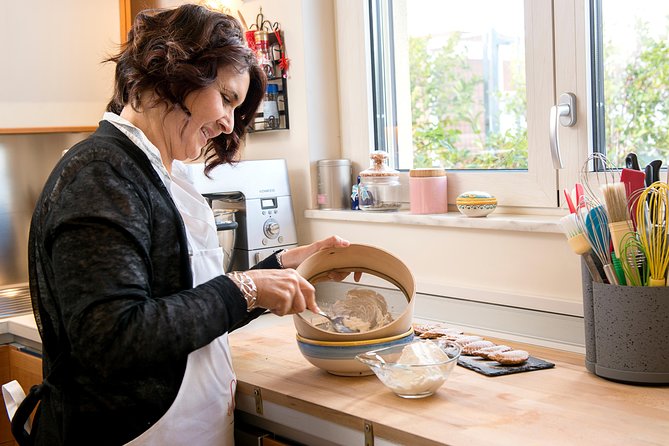
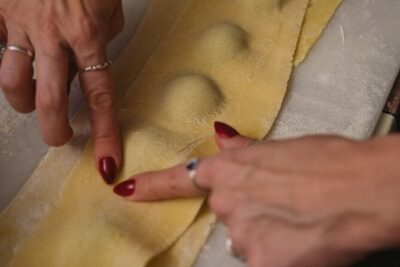
The pasta portion is where you usually pick up the most “I can do this at home” skills. Classes described in the past emphasized the pasta-making process itself, not just the sauce.
For example, one host (Rosa Maria) taught pasta including Pasta alla Norma, and others worked on fresh tomato sauce and aubergines. You’ll likely learn steps that cover:
- making or assembling fresh pasta correctly,
- building a sauce that tastes balanced (acid, salt, sweetness),
- timing components so they finish together.
You’ll also benefit from how locals talk through the small fixes. When the dough is too dry, you learn what to adjust. When the sauce needs more time, you learn what simmering is supposed to look like. Those details are hard to get from a recipe video, but easy to absorb when you’re standing in the kitchen.
And yes—some classes go beyond “just pasta.” One experience highlighted frying a dish and prepping red prawns, which adds another skill layer. If your group loves seafood, it’s worth requesting preferences early.
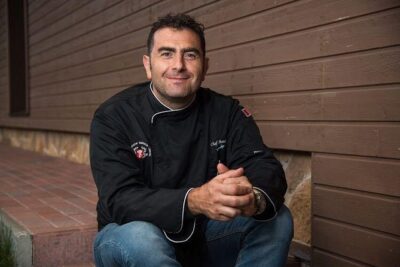
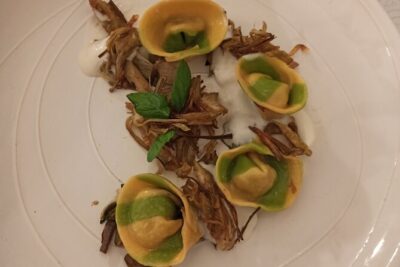
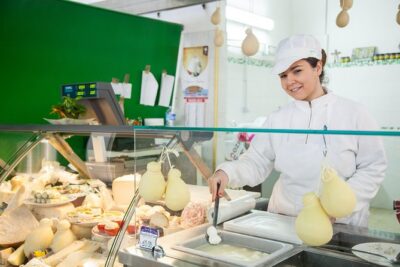
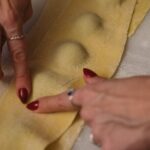
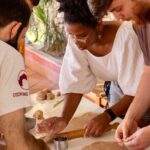
Hands in the flour, Sicily style
When arancine show up: why Palermo finger-food matters
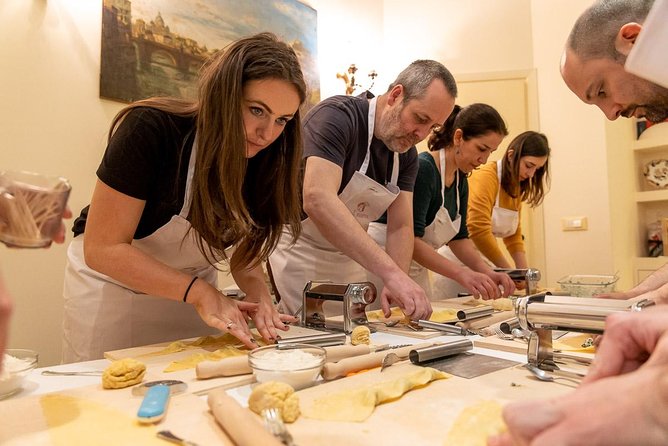
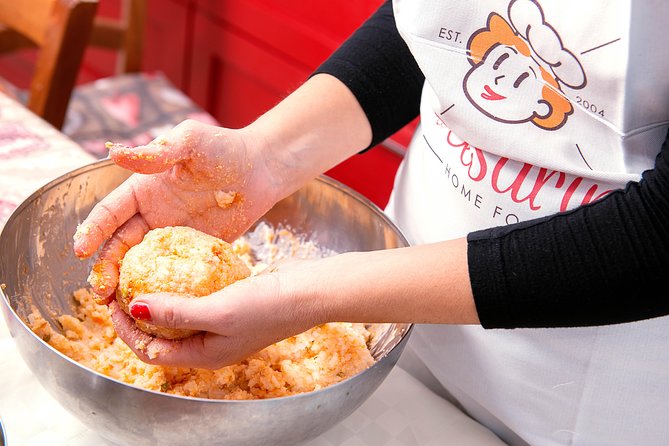
Even though the sample menu calls out pasta and dessert, some sessions add Sicilian street-food energy. One class focused on making arancine, with a host named Rosa Maria. That matters because arancine teach you a different kind of technique:
- shaping,
- coating/frying (or at least finishing),
- and portion control—so you get the right bite and texture.
If you’re visiting Palermo and planning to try arancine from shops anyway, making them in a home kitchen gives you a real comparison point. You start noticing what’s crunchy, what’s soft, and how the filling is built.
If arancine or another fried element shows up in your specific class, treat it as extra value: frying has a learning curve, and having a local coach is the difference between okay and excellent.
Dessert in Palermo: cannoli, lemon sweets, and the art of finishing
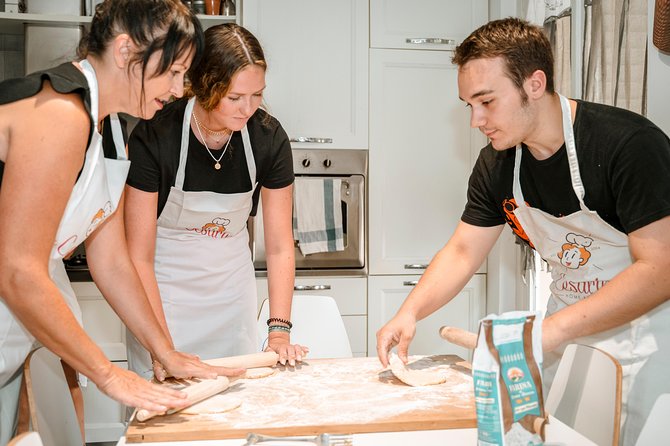
Dessert is often what people remember. The menu includes several possibilities: cannolo siciliano, gelo di limone, cassata, and tiramisu-style sweets.
What makes dessert instruction useful here is that you’re not just eating it—you’re learning the final structure:
- how fillings are layered,
- how pastry is handled,
- and how sweetness is balanced with citrus or coffee notes.
One host experience mentioned tiramisu made during a morning class, and another described lemoncello tasting afterward (homemade, in that case). Even if your dessert choice isn’t tiramisu, the technique idea is similar: you want clean layers and a finish that holds up when served.
If your group is deciding what to eat in Palermo later, dessert here gives you a shortcut. You’ll know what to look for at pastry shops—like crust texture in cannoli or the lemony bite in lemon-based sweets.
Wine and the meal part: turning cooking into a real dinner
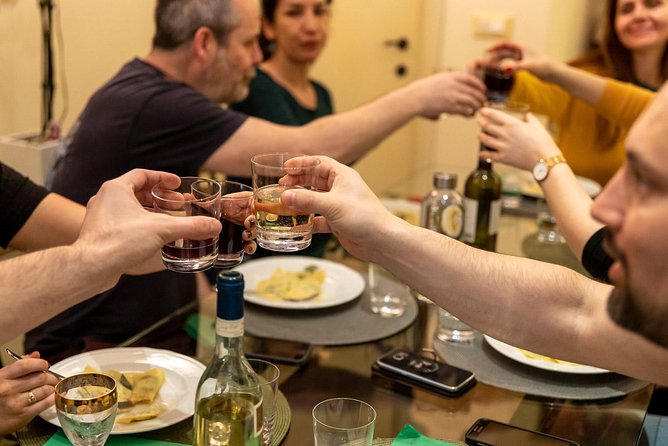
You’ll taste what you make with a glass of local wine—red or white. That turns the class into something closer to an evening at a friend’s table than a workshop where you stand around watching plates go by.
This is where the private home setting pays off. One class description mentioned small extras while cooking, like a snack and a glass of sparkling. Another mentioned sharing homemade cherry liquor and another included homemade limoncello. You may or may not get the exact same add-ons, but the theme is clear: hospitality often includes a little something extra beyond the standard menu.
Also, conversation matters. Multiple experiences described hosts as warm and chatty, so you’re learning food alongside daily life—how Palermitan cooking is influenced by seasonality and family traditions.
Practical tip: if you drink wine, pace it. You’ll be standing and working in the kitchen, and the meal is part of the same 3-hour block.
Market time: when your host adds a mini food safari
Some sessions include market time. One experience specifically described popping over to a local market to look at produce, with an emphasis on seeing what goes into the meal.
If market time is offered for your class, it’s more valuable than it sounds. Market produce helps you understand why certain dishes are seasonal, and it gives context to ingredients like eggplant, seafood choices, and herb combinations that show up in sauces.
One practical point: if you have dietary preferences or ingredient requests, a market stop can be a chance to address them—especially for groups that want vegetarian adaptations.
Vegetarian and tailored meals: how flexible the class can be
Not every Sicilian menu works for every diet. The good news is that at least one session was described as having tasty vegetarian dishes for all, and another noted the class could be tailored to your taste.
That means you shouldn’t assume a one-size-fits-all menu. Message ahead with your preferences and any dietary restrictions. If you want a vegetarian main, or you’re avoiding certain ingredients, plan to ask early so the host can adjust.
This also helps if you have spice preferences, seafood preferences, or allergies. Because it’s private, you’re more likely to get a customized result than in a set group class.
Price and value: what $174.22 really buys you
At $174.22 per person for about 3 hours, this isn’t a budget activity. But it can be strong value if you look at what’s included and what you take home mentally.
You’re getting:
- a private class (not a shared kitchen with dozens of people),
- three Sicilian dishes that you actually eat,
- wine with the meal,
- and souvenirs like an apron and shopping bag.
The hidden value is technique. If you come back from Sicily and want to make one Sicilian dish for friends, you’ll have the process steps fresh in your head: pasta timing, sauce building, dessert finishing.
If you’re the type who buys cooking gadgets but forgets recipes, this class is the opposite. You learn how the food should behave in real life, in real kitchen conditions, which makes repeating it at home feel possible.
Who this class is best for (and when it might not fit)
This works especially well if you:
- want a hands-on experience in Palermo,
- like authentic food that ties to everyday life,
- enjoy conversation with locals,
- and want a meal you can trace back to skills, not just flavors.
It’s also great for families and multi-generational groups, since hosts have handled larger family groups and even cared for children during cooking time in past sessions.
It might not fit as well if you:
- hate getting your hands messy,
- prefer strictly structured, clockwork schedules,
- or want a passive sightseeing style experience (this is a cook-and-eat format).
Should you book Cesarine in Palermo?
If your idea of a great Palermo day includes learning real recipes, then yes, this is worth booking.
It’s a smart choice when you want more than tasting: you want technique, hospitality, and an actual meal created in a home kitchen. The private setup makes it feel personal, and the wine plus souvenir perks make the class feel like a full experience, not just a lesson.
Only book if you’re comfortable with a relaxed home-kitchen pace and you’re willing to communicate dietary needs early. If that sounds like you, you’ll come away with both belly-full happiness and recipes you can actually try again.
FAQ
How long is the Palermo home cooking class?
The class lasts about 3 hours.
How many dishes will I learn?
The experience is designed around making 3 Sicilian dishes, including a starter, a fresh pasta main, and a Sicilian-style dessert.
Is wine included?
Yes. Your meal is served with red or white wine.
Is it private or shared?
It’s private. Only your group participates.
What language is the class offered in?
The class is offered in English.
Can the menu work for vegetarian diets?
One class experience was described as having tasty vegetarian dishes for all and being tailored to participants’ tastes, so it can be possible—just message your needs in advance.
What is the cancellation window?
You can cancel for a full refund up to 24 hours before the experience starts.
More Tour Reviews in Sicily





More Cooking Classes to Book
More Palermo, Start to Finish


Just added: the newest Sicily tours in our notebook
- Etna / Taormina★ 5.0 · 3 reviews
- Bikes★ 5.0 · 3 reviews
- Taormina shore tour – for small group cruise passengers★ 5.0 · 3 reviews
- Vegan Cooking Class in Catania with Lunch and Dinner★ 5.0 · 3 reviews
- Make & Taste Sicilian Desserts in Palermo – Learn Cannoli & More★ 5.0 · 3 reviews
- Sicilian Villages & Ricotta Tasting – including Lunch from Cefalu★ 4.0 · 3 reviews
Palermo City Tours, compared.
 ★ 4.8Palermo: NO Mafia Walking TourFrom $402,431 reviews
 ★ 5.0Palermo Original Street Food Walking Tour by StreatyFrom $832,105 reviews
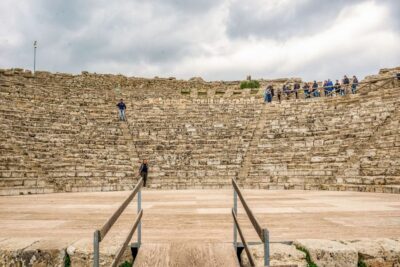 ★ 4.2Segesta, Erice and Salt Pans Full-Day Excursion from PalermoFrom $821,791 reviews
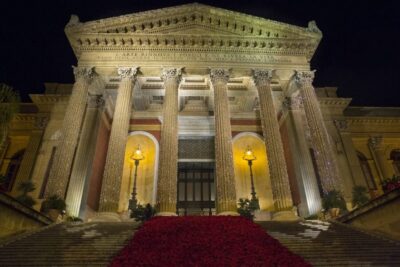 ★ 4.5Palermo: Teatro Massimo Opera House Guided TourFrom $141,573 reviews
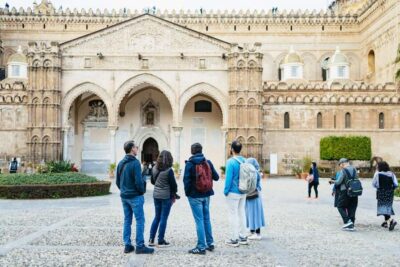 ★ 4.9Palermo: Street Food and History Walking TourFrom $571,486 reviews
 ★ 4.2From Palermo: Monreale and Cefalù Half-Day TripFrom $711,354 reviews
 ★ 4.2Palermo: Agrigento and the Valley of the Temples Day TourFrom $771,240 reviews
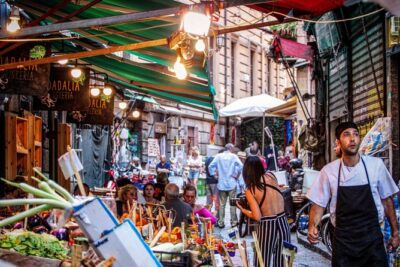 ★ 5.0Palermo No Mafia walking tour: discover the Anti-mafia culture in SicilyFrom $391,011 reviews
Browse the lists this tour appears in