

Reviewed · CATANIA TOURS
Ceramic workshop in Catania with a local expert
A pottery wheel might sound intimidating, but this Catania workshop makes it practical, step-by-step. I love that you get hands-on lathe (wheel) time instead of watching. I also love the mix of making + decorating, so you leave with both a sculpted piece and a painted tile. One thing to plan for: the studio can be a bit tricky to find and sits outside the most central streets, so you’ll want to give yourself time and check bus routes.
Small groups help a lot here (up to 10), and the teaching feels personal. In the 3-hour format, you’ll get a quick pottery craft intro, then move straight into production skills—throwing, refining, and painting—under a local expert’s guidance (Giovanni is mentioned by name in a couple of experiences). If you’re thinking about shipping your finished ceramics overseas, budget extra time and shipping costs, since the firing process takes place after your session.
In This Review
- Key highlights you’ll actually feel
- Catania’s ceramic workshop: where the craftwork begins
- The 3-hour flow: intro, throwing, painting, and what happens after
- Wheel time in clay: what you’re learning on the lathe
- Decorating your own tile: color plus Sicilian style
- The firing wait: why your piece isn’t just made, it’s finished
- Price and value: is $74 worth it?
- Logistics that matter: meeting point and getting there
- Who this workshop suits best (and who might skip it)
- What you’ll leave with: real keepsakes, not just a souvenir vibe
- Should you book this Catania ceramic workshop?
- FAQ
- How long is the ceramic workshop in Catania?
- What is included in the $74 per person price?
- Where do I meet for the workshop?
- What languages are the instructors speaking?
- Is the studio wheelchair accessible?
- Can my ceramics be shipped overseas?
Key highlights you’ll actually feel
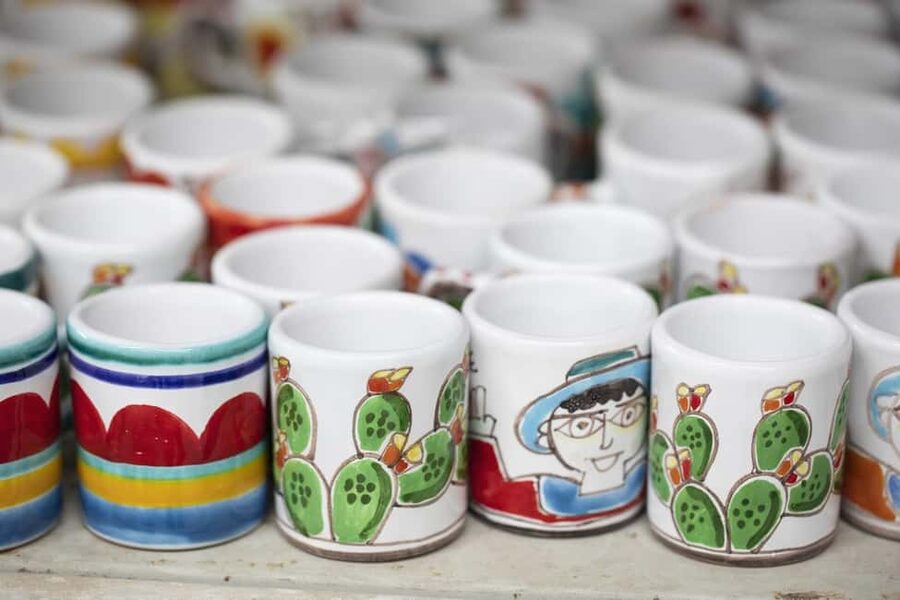
- Wheel instruction with real hands-on guidance so you’re not left figuring it out alone
- Tile decoration included, meaning you’ll paint something that clearly looks like art (not just a practice blob)
- Small-group size (10 max) which makes it easier to get corrections when the clay starts acting up
- Studio tour + process explanation so the craft makes more sense while you work
- Firing happens after the workshop (48 hours in the oven), with optional shipping at extra cost
What else Catania has going on
- Catania: Mount Etna Morning or Sunset Day Trip with Tasting
★ 4.8 · 4,028 reviews - Catania: Sunset Jeep Tour of Mount Etna and Lava Flow Caves
★ 4.8 · 2,113 reviews - Catania: Etna Sunset Tour with Pickup and Drop-off
★ 4.8 · 1,348 reviews - Etna Sunset Tour: Volcano trek, Cave & tasting from Catania
★ 4.8 · 1,290 reviews
Catania’s ceramic workshop: where the craftwork begins
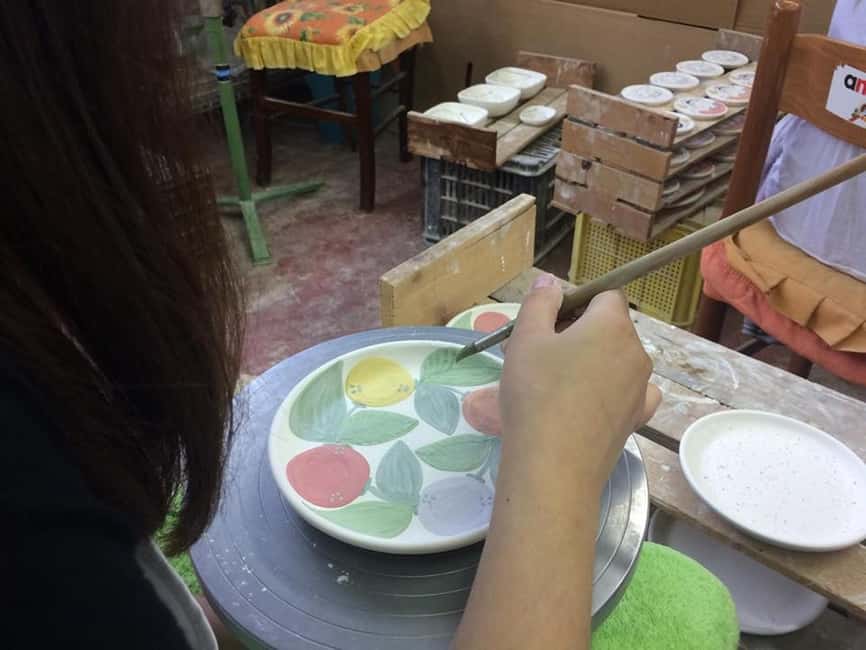
This isn’t a tourist stop where you paint a souvenir and call it pottery. You walk into a working studio in Catania—Ceramiche de Simone is the meeting point—and you’re treated to the craft in a way that respects the process. The vibe is practical: you’re there to make objects, not just collect photos.
The session typically starts with a short introduction to pottery manufacturing—where the lab comes from and how ceramic traditions in Sicily connect to ceramics made around the world. It helps because when you understand what the clay needs (drying time, thickness, how shapes behave on the wheel), you stop fighting the material and start working with it.
You’ll also get a studio walkthrough focused on the steps of production. That matters because it changes how you view your own piece. Even if your final object looks more like a wonky vase than a museum sculpture, you’ll understand why it looks that way and what would come next if you returned.
The 3-hour flow: intro, throwing, painting, and what happens after
Over about 3 hours, the experience follows a clear rhythm. First, you get the context—where the ceramic work comes from and what the production steps look like. Then you get your turn at the wheel. After that, you shift to surface work: decorating a tile.
A key detail is what happens after you finish. Your work gets cooked (fired) in a special oven for 48 hours. That’s not just background trivia—it’s part of why this workshop can produce real ceramic results instead of a quick craft-table project. It also means you might not get everything in your hands instantly unless timing lines up with how the studio manages take-home.
By the end, you can also spend a moment in the ceramic shop area. This is where you might pick up extra items, though anything beyond your workshop items is separate—souvenirs aren’t included.
Wheel time in clay: what you’re learning on the lathe
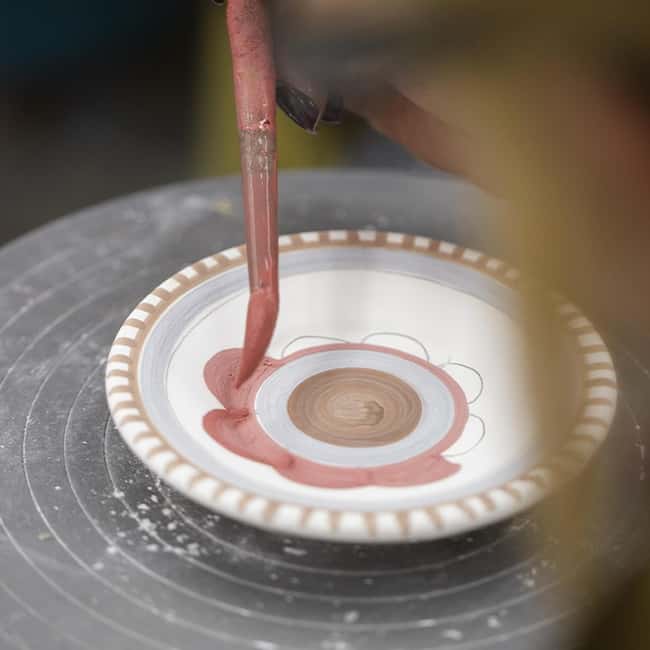
The wheel section is the heart of the workshop. You’ll work on the turntable (lathe) under a local artisan’s guidance, then shape your own piece. If you’ve never used a wheel before, that’s normal. Several experiences describe beginners doing their first real throw, and the teaching is paced so you’re not thrown into chaos.
Here’s what you’re really learning during wheel time:
- How to center the clay so it doesn’t wobble itself into defeat
- How to open the form and keep the thickness even enough to survive the process
- How to use your hands for control, not just force
You should expect patient corrections. Giovanni is specifically mentioned as an excellent instructor who talked through the process first, then guided people while they worked. That combination—short theory, then immediate hands-on—keeps you from copying movements blindly.
Also, the environment is a studio, not a classroom. Clay work is tactile and messy in a satisfying way. If you hate getting your sleeves dirty, come prepared with practical expectations.
Decorating your own tile: color plus Sicilian style
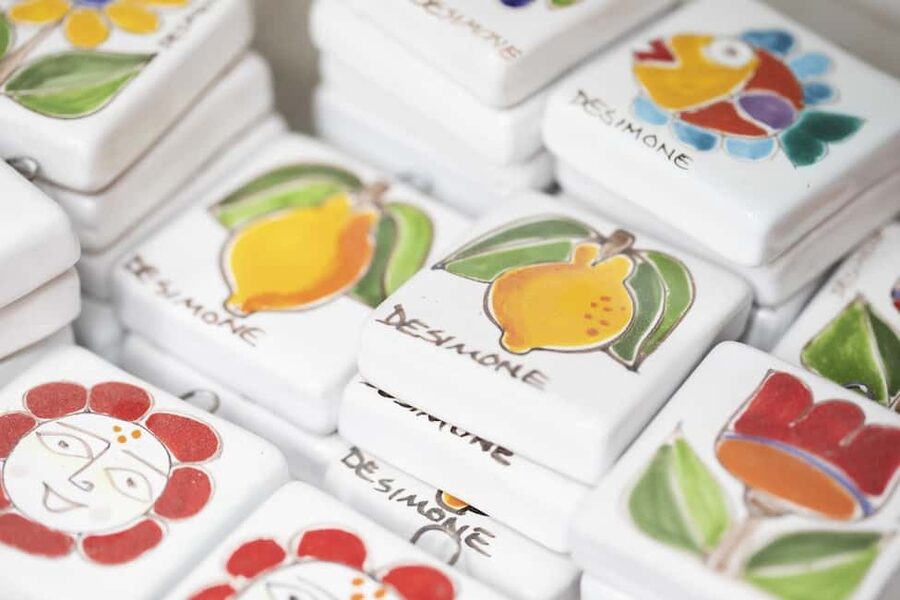
After wheel work, you switch to painting and decorating a tile. This part is often the quickest way to feel progress because the results are visible right away. You’re not waiting for shape to set—you’re adding color and design while you’re still in the studio.
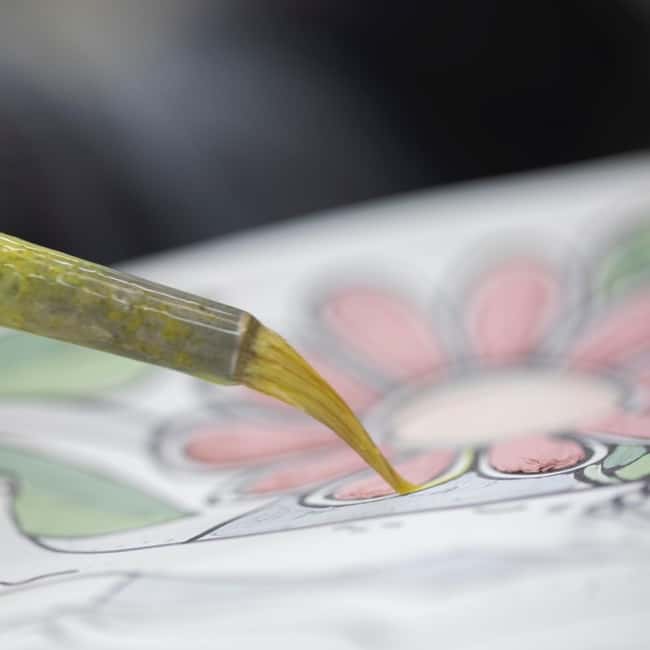
The workshop is designed to teach you how to paint your tile, guided by an expert designer. That means you’re not just told what colors to use and left alone. You learn what works on ceramic surfaces and how to place your decorative elements so they read well as a finished piece.
This pairing—wheel + tile—is one reason the workshop gets strong marks. One project teaches form and patience. The other teaches color and finishing. Together, you leave with a small set of work that feels like your own design language, not just one random object.
A few we would gladly point a friend toward in Catania


The firing wait: why your piece isn’t just made, it’s finished
One of the most important details is that the ceramics are fired after your workshop session. The oven cooking takes 48 hours, and that’s part of how ceramic turns from fragile material into something you can actually keep.
What this means for you practically:
- If you want to take everything immediately, you’ll need to plan around the studio’s timing practices (the workshop itself runs about 3 hours, but firing is scheduled after).
- If you’re shipping, the studio can arrange overseas delivery, but shipping is extra and handled separately from the workshop cost.
Some experiences note that you can end up finalizing coasters/tiles and, depending on timing, have items available to take home after firing. Since the firing window is fixed in the description, treat immediate take-home as a maybe, not a guarantee.
Price and value: is $74 worth it?
At $74 per person for a 3-hour small-group class, this workshop is priced like a true instruction experience, not a quick craft. Here’s what you’re paying for, based on what’s included:
- Pottery studio visit
- Hands-on ceramic work on the wheel (lathe)
- Tile decoration class
Your pieces also go through professional firing in a special oven for 48 hours. Shipping (if you choose it) is additional, and store souvenirs are extra, but the main creative work isn’t an add-on.
The value gets stronger if you care about learning, not just making a keepsake. The small-group limit (10 participants) helps because you’re more likely to get direct guidance when you’re forming the clay. For many people, that personal attention is the difference between leaving with a pretty blob and leaving with something you’d proudly use on your own shelf.
If you’re the type who enjoys structured hands-on activities—cooking classes, glass-blowing demos, anything where you learn a craft—this is a solid use of time. If you only want a fast activity to fill an afternoon, you might find the effort level more engaging than expected.
Logistics that matter: meeting point and getting there
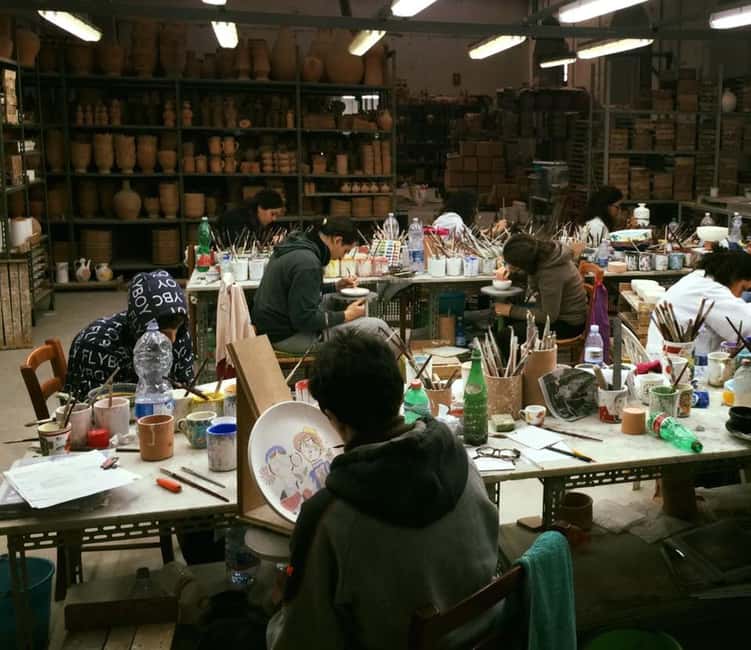
You’ll meet at Ceramiche de Simone lab. That’s straightforward on paper, but one practical note shows up in experiences: the studio can be a bit hard to find and sits outside the most central part of Catania.
So I’d handle arrival like this:
- Give yourself a little buffer time so you’re not stressed while locating the workshop
- If you don’t have a car, plan on using bus service and keep enough time for local navigation
Because the workshop is time-based (3 hours), being even mildly late can shrink your instruction time—especially for beginners learning wheel technique.
Who this workshop suits best (and who might skip it)
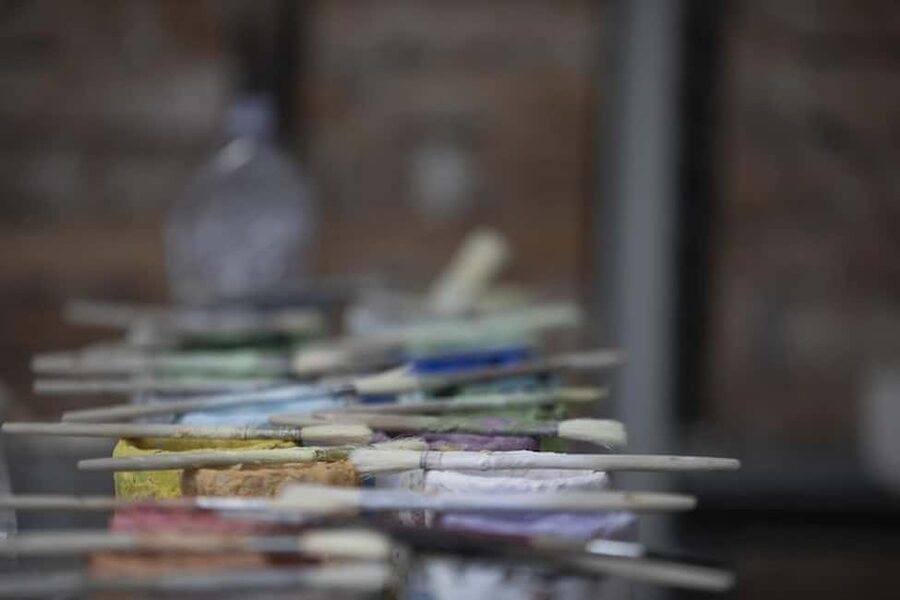
This is a strong fit for:
- First-timers who want real teaching, not a demo
- People who like process-based activities and don’t mind getting hands dirty
- Anyone who wants a memorable, personal souvenir from Sicily that isn’t generic
It’s also a good match if you want both form and decoration in the same session. Many craft experiences are one-note. Here, you get the wheel experience plus tile painting.
You might consider skipping if:
- You only care about taking something home instantly and hate any waiting for firing
- You don’t want to deal with getting to a studio that’s outside the central core
- You’re looking for a large sightseeing program alongside the workshop (this is focused on making)
What you’ll leave with: real keepsakes, not just a souvenir vibe
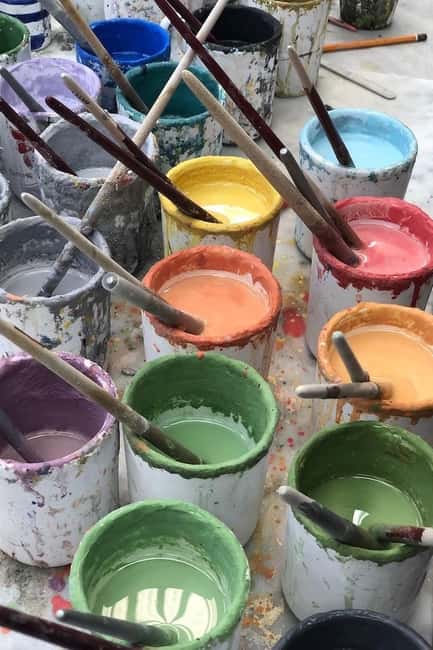
Your finished outcome is a combination of what you make and what you decorate. The workshop is designed so your work becomes a true ceramic item through firing in a special oven. That’s why it can turn into an especially meaningful memento: it’s not just something you bought. It’s something shaped and painted with your hands.
If you choose to ship, the studio can arrange overseas shipping at additional charge. That’s useful if you’re traveling light or coming home with a suitcase full of other memories.
Should you book this Catania ceramic workshop?
If you want a hands-on craft experience in Sicily that actually teaches technique, I’d book it. The small-group size, the wheel instruction, and the added tile decoration make it feel complete. The firing detail is the only real catch: you should expect a finish process that happens after your session, especially if you need items in hand immediately.
Book it if you’re curious about how Sicilian ceramic traditions connect to world ceramic practices and you like structured learning where an expert guides your first attempts. Skip it only if logistics stress you out or you’re unwilling to plan around firing time.
FAQ
How long is the ceramic workshop in Catania?
The workshop lasts 3 hours.
What is included in the $74 per person price?
The included items are a pottery studio visit, hands-on ceramic work on the lathe (wheel), and a tile decoration class.
Where do I meet for the workshop?
You meet at the Ceramiche de Simone lab.
What languages are the instructors speaking?
The instructor provides guidance in English and Italian.
Is the studio wheelchair accessible?
Yes, the activity is listed as wheelchair accessible.
Can my ceramics be shipped overseas?
Yes. Overseas shipping can be arranged for an additional charge, and shipping expenses are paid separately.
More Workshops in Catania





More Tour Reviews in Catania






Keep Exploring Catania


Just added: the newest Catania tours in our notebook
- Transfer Catania / Agrigento Airport★ 5.0 · 3 reviews
- Sicily private shore excursion – Etna and Taormina with personal driver★ 3.5 · 3 reviews
- Sunset Trekking on Mount Etna★ 5.0 · 3 reviews
- Private Transfer from Catania to Palermo or vice-versa with stop★ 5.0 · 3 reviews
- From Syracuse: Mount Etna Volcano Morning Trekking Tour★ 5.0 · 3 reviews
- Catania: Guided Street Food Tour with Tastings★ 5.0 · 3 reviews
Catania Tours, compared.
 ★ 4.8Catania: Mount Etna Morning or Sunset Day Trip with TastingFrom $704,028 reviews
 ★ 4.8Catania: Sunset Jeep Tour of Mount Etna and Lava Flow CavesFrom $712,113 reviews
 ★ 4.9Catania: Mount Etna Trekking Tour Beyond the Tourist TrailsFrom $811,596 reviews
 ★ 4.8Catania: Etna Sunset Tour with Pickup and Drop-offFrom $711,348 reviews
 ★ 4.8Etna Sunset Tour: Volcano trek, Cave & tasting from CataniaFrom $701,290 reviews
 ★ 4.8Catania: Etna Morning Excursion with Tasting and PickupFrom $711,224 reviews
 ★ 5.0Mt. Etna and Taormina village full day tour from CataniaFrom $1181,155 reviews
 ★ 4.9Catania: Amazing Etna Morning Tour with Pickup and Drop-OffFrom $81799 reviews
Browse the lists this tour appears in