
Reviewed · CATANIA TOURS
Catania: Private Cooking Class at a Local’s Home
A family table in Catania beats another group tour. This private cooking class puts you in a real home kitchen with a certified cook (a Cesarina) and teaches you 3 regional recipes you’ll eat right there. The whole setup is built around hands-on practice, not just watching.
I like two things a lot here. First, you get a true private format—English or Italian instruction from an expert home cook—and you can ask questions as you work. Second, the lesson ends at the table with the food you made, plus local red and white wines, water, and coffee. One possible drawback: since the class happens in a local home, the exact address isn’t shared until after you book, and dietary needs require confirming directly after reservation.
Key highlights at a glance
- Private, home-based lesson with a certified Cesarina cook in Catania
- 3 authentic local recipes, taught step-by-step
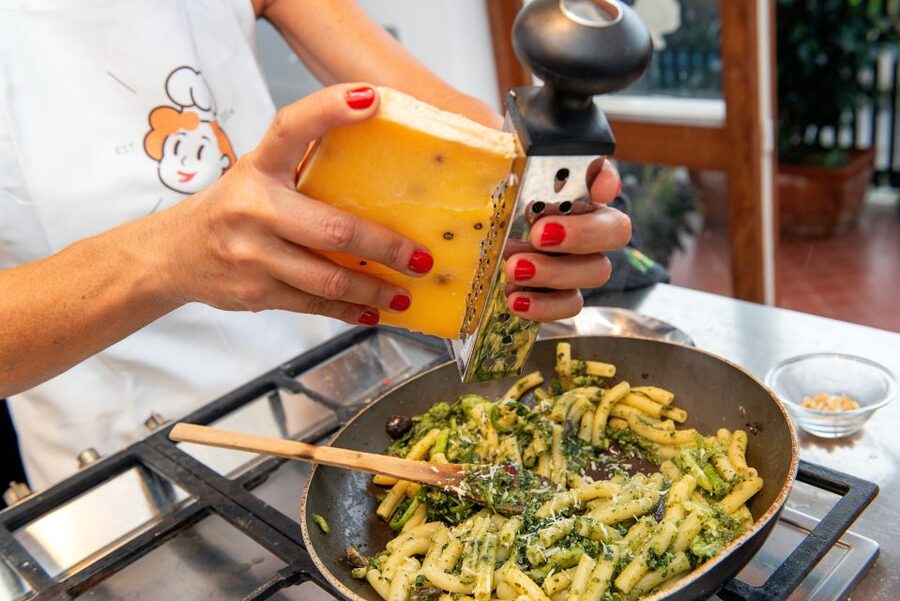
- Eat what you cook right at the table with tastings of everything
- Local wines included during the meal (plus water and coffee)
- You work from a prep station supplied with utensils and ingredients
In This Review
- Cooking With a Cesarina: Why Catania’s Private Home Class Feels Different
- Your 3-Hour Session: How the Time Flows in a Local Kitchen
- Meeting in a Local Home: Address Privacy and How to Plan Your Arrival
- The Workstation Setup: Utensils, Ingredients, and Step-by-Step Coaching
- The 3 Sicilian Recipes: What You’ll Learn (and Why It Matters)
- Eating What You Made: The Real Point of the Class
- Price and Value: Is $164.26 Worth It?
- Who This Catania Cooking Class Is Best For
- Practical Tips for Getting the Most Out of the Class
- Should You Book This Catania Private Cooking Class?
- FAQ
- How long is the Catania private cooking class?
- Where does the class meet?
- What will I cook during the lesson?
- Are tastings and drinks included?
- Can the class accommodate dietary requirements?
- What languages are the instructors?
Cooking With a Cesarina: Why Catania’s Private Home Class Feels Different
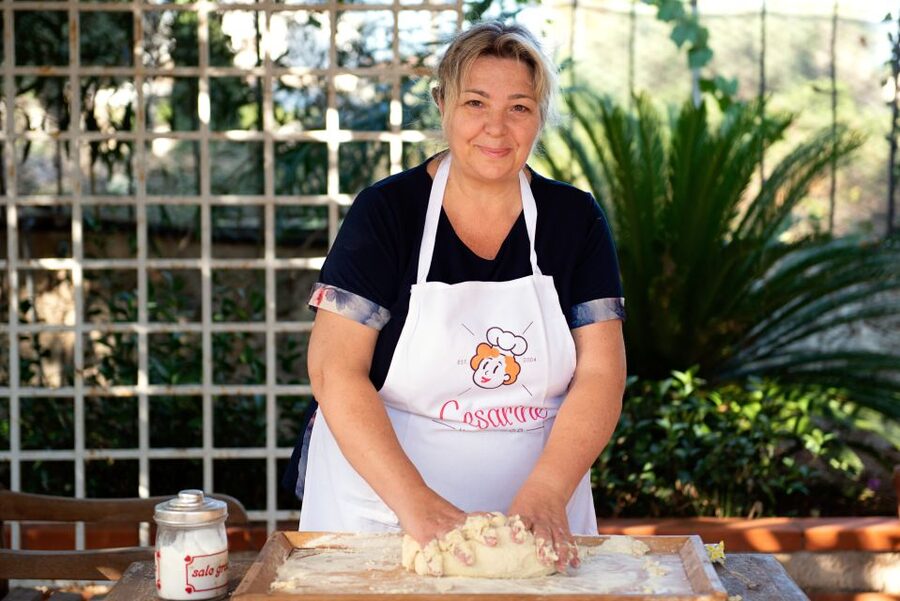
Catania’s food scene can be loud, fast, and full of tourists. This experience goes the other direction. You’re invited into a local home kitchen, taught by a Cesarina (a certified home cook who shares family recipes), and focused on technique you can actually repeat later.
The “private at home” part isn’t a small detail. It changes everything about how you learn. In a classroom setting, you race through steps and you don’t get much time for questions. Here, the pace is more humane. If you’re slow with pasta shaping, you can slow down without feeling rushed. One host example you may hear about—Maurizio—was described as charming and extremely patient when a guest struggled with shaping. That’s the vibe you want if you’re the type who cares about doing things correctly, not just getting a photo.
You also get family-cookbook knowledge, not restaurant shortcuts. The recipes are framed as passed down through generations, with the “tricks of the trade” style explanations you usually only hear from people who cook every day.
What else Catania has going on
- Catania: Mount Etna Morning or Sunset Day Trip with Tasting
★ 4.8 · 4,028 reviews - Catania: Sunset Jeep Tour of Mount Etna and Lava Flow Caves
★ 4.8 · 2,113 reviews - Catania: Etna Sunset Tour with Pickup and Drop-off
★ 4.8 · 1,348 reviews - Etna Sunset Tour: Volcano trek, Cave & tasting from Catania
★ 4.8 · 1,290 reviews
Your 3-Hour Session: How the Time Flows in a Local Kitchen
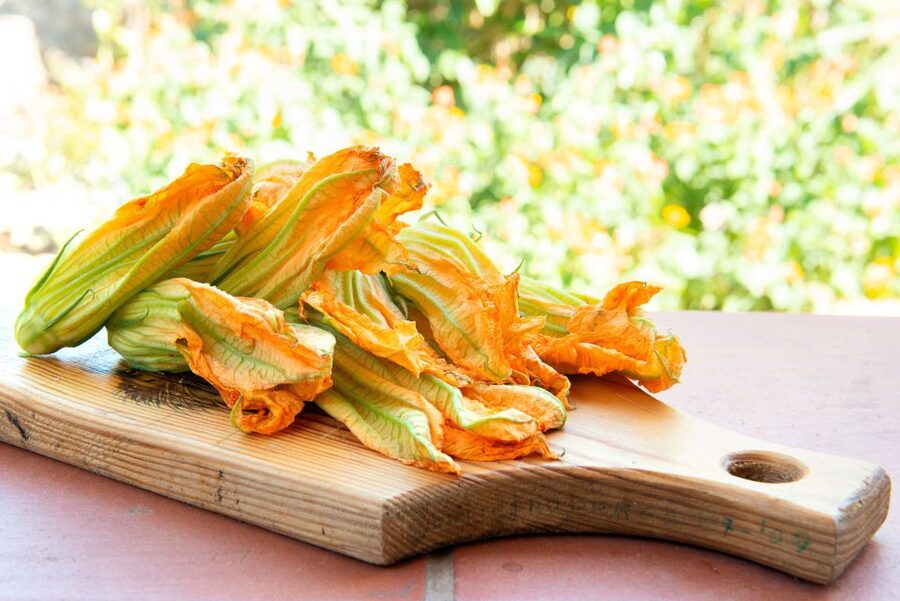
This is a 3-hour class. Starting times usually fall around 10 AM and 5 PM, but you can check availability and—if you notify the organizer in advance—your schedule may be flexible.
Here’s the typical rhythm you should expect once you arrive:
- A welcome and pre-meal nibbling (some hosts set out things like cheese, bread, and spreads before the cooking begins)
- A guided walkthrough of the day’s recipes
- Cooking in your own workstation, with utensils and ingredients supplied
- Sitting down together to taste everything you made
- Wine service during the meal, plus coffee at the end
Because it’s private, you’re not stacked in a room with multiple pairs of hands. That means the instructor can coach you in real time. The other benefit: it’s a more relaxed way to meet Catania locals. You’re not just buying “an experience.” You’re joining an actual dinner flow, just with cooking steps in the middle.
Meeting in a Local Home: Address Privacy and How to Plan Your Arrival
You won’t get the full address until after booking. For privacy, the organizer sends it after you reserve, then your host contacts you with instructions for meeting.
That means you should plan like a local:
- Give yourself time to find the right entrance or street segment.
- Bring a fully charged phone and data (you’ll likely rely on maps to the exact address you receive).
- If you’re arriving by foot, think about whether you’ll need to carry nothing heavier than a small day bag. You’ll be cooking.
This isn’t hard, but it’s different from tours that meet at a big, fixed landmark. The payoff is that you really are in someone’s home kitchen—warm, lived-in, and practical.
The Workstation Setup: Utensils, Ingredients, and Step-by-Step Coaching
The class is structured so you’re not scrambling for tools or guessing quantities. You have a workstation equipped with utensils and all ingredients needed for the recipes.
That’s a big value point. If you’ve ever taken cooking demos that feel like you’re watching a show, you know what I mean. Here, you’re actively participating in the “how,” not just learning the “what.”
Also pay attention to the instruction style. The instructor is listed as English and Italian. In practice, that matters because it helps you follow technique even if some culinary terms are unfamiliar. If you want to learn, not just eat, language clarity is a real advantage.
And if you have dietary requirements, you can request accommodations—just confirm directly with the organizer after booking. Since the recipes are specific, it’s smart to do this early rather than hoping for last-minute substitutions.
The 3 Sicilian Recipes: What You’ll Learn (and Why It Matters)
You cook three authentic local recipes during the lesson. The Cesarina shares the “tricks of the trade” as you go—details that explain why the dish works, not just how to assemble it.
The most important part for you: you’ll take away method, not only memorized ingredients. That’s what lets you reproduce the dishes later at home.
Here are a few practical takeaways these classes typically highlight (and you can watch for during your own lesson):
- How to build flavor in stages (instead of dumping everything in at once)
- When texture should change (especially for sauces, pasta dough work, or cooking until the right consistency)
- How to balance seasoning so the dish tastes “complete,” not flat
One recipe example from a strongly positive past experience: tiramisu was mentioned as a lovely result after the class. Since the exact three dishes can vary by what the host is teaching, you shouldn’t expect the same menu every time. But you can expect Italian classics that make sense for a Sicilian table.
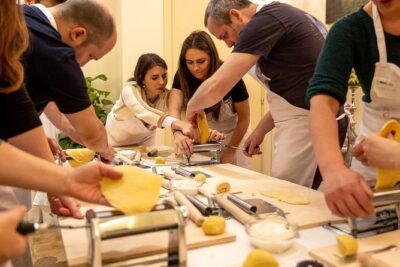
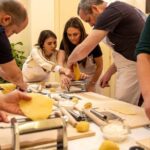
Hands in the flour, Catania style
Eating What You Made: The Real Point of the Class
Cooking is the fun part. Eating is the point.
At the end, you taste everything you prepared, seated together around the table. This is where the private-home format pays off again. In big classes, meals can feel rushed. Here, the meal becomes a continuation of the lesson—your chance to judge seasoning, texture, and balance while it’s fresh.
You’ll also get beverages with the meal:
- Local wines (a selection of red and white)
- Water
- Coffee
If you’re a food person, this is where the learning clicks. You can connect what the instructor taught you to what you actually taste. It’s the fastest route to cooking confidence because your brain links technique with flavor.
It also turns the class into a social moment. One description of a great session noted that the table was nicely set and that the host took pictures so you could keep the memory. Not every class may do photos, but it’s the kind of thoughtful hospitality that often comes with a home-cooked meal atmosphere.
Price and Value: Is $164.26 Worth It?
At $164.26 per person, this is not a cheap “drop-in” activity. But it’s also not trying to be. The value comes from three things you’re actually paying for:
1) Private coaching in a home kitchen
You’re not sharing attention with a crowd. That support matters if you want to learn real technique, especially for things like pasta handling or dessert assembly.
2) Ingredients, tools, and tastings are included
The class covers the experience end-to-end: cooking lesson, tastings of the three recipes, and included drinks (wines, water, coffee). When you factor that in, you’re paying for a full meal experience with instruction, not just a cooking “chance.”
3) A local-family connection
You’re spending time with a certified home cook who shares family-passed methods. It’s a different kind of “authentic” than eating the same menu item at another restaurant.
So who gets the best deal? You do if you’re the type who wants skills you can reuse. If your goal is only to eat one Sicilian meal, you might find cheaper options. But if you want a memorable evening where you leave with the ability to cook at home, this price starts to make more sense.
Who This Catania Cooking Class Is Best For
This class fits best when you match the style.
You’ll probably love it if:
- You like hands-on learning and want coaching, not just watching
- You’re interested in Sicilian home cooking and the family-recipe approach
- You want a more personal experience in Catania, away from big-group chaos
- You’re traveling with a small group or just want a private format
You might consider another option if:
- You prefer very structured, clockwork itineraries with fixed public meeting points
- You want a purely sightseeing-based evening (this is about cooking and eating, not roaming)
- You have very complex dietary needs and need a menu guarantee (they can cater to different dietary requirements, but you must confirm directly)
One more practical note: at least 2 people are required for the activity to take place. If you’re solo, check availability for your dates.
Practical Tips for Getting the Most Out of the Class
A few small moves make a big difference:
- Ask questions while you cook. The best learning happens mid-action, not at the end.
- Pace yourself. With pasta or delicate steps, rushing can turn fun into frustration.
- Pay attention to texture and timing cues. Those are usually the “tricks of the trade” people remember later.
- If you drink wine, plan to stay nearby afterward. You’re leaving a home kitchen, not heading straight onto a long hike.
And because the address is shared after booking, keep your arrival plan flexible. Arriving late can throw off a dinner flow at a private home—so build in a buffer.
Should You Book This Catania Private Cooking Class?
Yes—if you want a hands-on, skill-building meal with a real local cook, this is a strong pick. The biggest reason is simple: you don’t just taste Sicilian cooking here. You learn how it’s made, then you sit down and enjoy the results with local wines and coffee.
Book it especially if you value patience and personalized instruction. That patient, welcoming teaching style showed up in past experiences tied to hosts like Maurizio—exactly what you want when you’re learning something new, like shaping pasta or nailing a dessert texture.
If you’re on a tight schedule or only want a casual bite, you might find a simpler meal option cheaper. But for most food-focused travelers, $164.26 buys you more than dinner—it buys you a night of learning you can repeat at home.
FAQ
How long is the Catania private cooking class?
It lasts about 3 hours. Starting times vary, so you’ll want to check availability for your date.
Where does the class meet?
The class is held in a local family’s home. For privacy reasons, you receive the full address after you book, and your host contacts you with meeting instructions.
What will I cook during the lesson?
You’ll cook 3 local recipes with your Cesarina (certified home cook). The exact dishes can vary by the class.
Are tastings and drinks included?
Yes. You’ll taste everything you prepare, and beverages included are water, local wines, and coffee.
Can the class accommodate dietary requirements?
Different dietary requirements can be catered for, but you need to confirm directly with the organizer after booking.
What languages are the instructors?
The instructor speaks English and Italian.
More Tour Reviews in Catania






More Cooking Classes to Book

Keep Exploring Catania

Just added: the newest Catania tours in our notebook
- Transfer Catania / Agrigento Airport★ 5.0 · 3 reviews
- Sicily private shore excursion – Etna and Taormina with personal driver★ 3.5 · 3 reviews
- Sunset Trekking on Mount Etna★ 5.0 · 3 reviews
- Private Transfer from Catania to Palermo or vice-versa with stop★ 5.0 · 3 reviews
- From Syracuse: Mount Etna Volcano Morning Trekking Tour★ 5.0 · 3 reviews
- Catania: Guided Street Food Tour with Tastings★ 5.0 · 3 reviews
Catania Tours, compared.
 ★ 4.8Catania: Mount Etna Morning or Sunset Day Trip with TastingFrom $704,028 reviews
 ★ 4.8Catania: Sunset Jeep Tour of Mount Etna and Lava Flow CavesFrom $712,113 reviews
 ★ 4.9Catania: Mount Etna Trekking Tour Beyond the Tourist TrailsFrom $811,596 reviews
 ★ 4.8Catania: Etna Sunset Tour with Pickup and Drop-offFrom $711,348 reviews
 ★ 4.8Etna Sunset Tour: Volcano trek, Cave & tasting from CataniaFrom $701,290 reviews
 ★ 4.8Catania: Etna Morning Excursion with Tasting and PickupFrom $711,224 reviews
 ★ 5.0Mt. Etna and Taormina village full day tour from CataniaFrom $1181,155 reviews
 ★ 4.9Catania: Amazing Etna Morning Tour with Pickup and Drop-OffFrom $81799 reviews
Browse the lists this tour appears in