
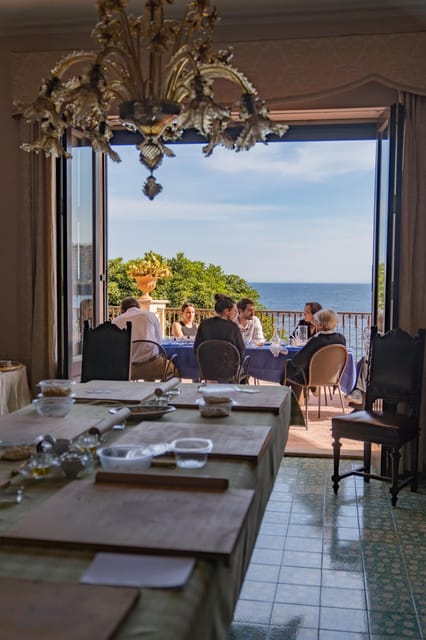
Reviewed · CATANIA TOURS
Catania: Cooking class set in a sea front historic villa
Pasta tastes better when you make it here. This Catania class blends a Gulf of Ognina terrace welcome with a hands-on lesson that turns you into a pasta maker for the afternoon, and I especially like the focus on Cavateddi alla Norma and cannolo-style ricotta cream. One small consideration: the exact villa address is shared after you book, so you’ll want to keep an eye on your booking message before you head out.
I like that the group stays small (up to 10), and you’re not just watching from the sidelines. You cook, you eat, you get a recipe booklet to take home, and the whole thing is framed by warm villa hospitality in a place that feels made for lingering.
In This Review
- Key highlights you’ll remember
- A Seaside Historic Villa at Piccolo Porto di Ognina
- Your Welcome: Wine, Soft Drinks, and Sea Views
- The 3-Hour Plan: Learn, Cook, and Eat What You Make
- Fresh Pasta with Real Teachers (Chef + Sicilian Grandmother)
- Cavateddi alla Norma and Ricotta Cream for Cannolo
- The Villa Dinner: Appetizer, Your Pasta, and a Sweet Finish
- What You Take Home: A Recipe Booklet You’ll Actually Use
- Price and Value: Why $130.28 Can Make Sense Here
- Who This Cooking Class Fits Best
- Small Group Size: The Difference It Makes in Real Cooking
- Getting the Most Out of Your Visit (Without Overthinking It)
- Should You Book This Seaside Pasta Class?
- FAQ
- Where is the experience located?
- How long does the cooking class last?
- What dishes will I make and eat?
- Is this a small group experience?
- What languages are offered?
- What is included in the price?
- Can I cancel for a refund, and can I pay later?
Key highlights you’ll remember
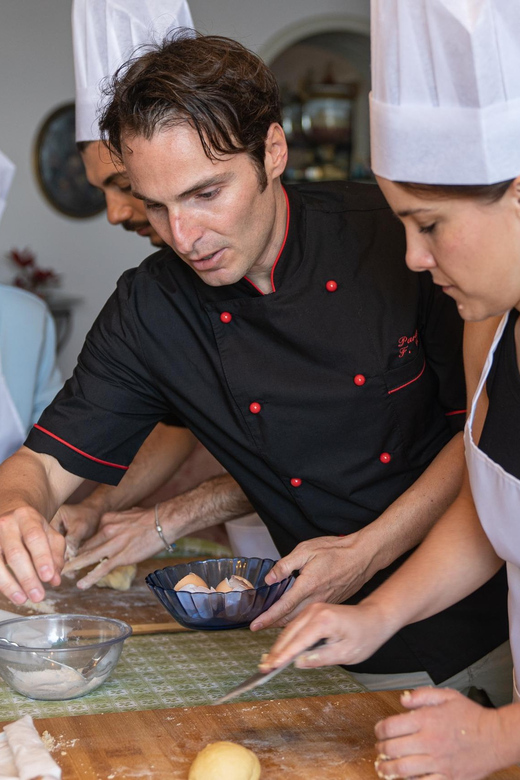
- Seaside terrace welcome with a view of the Gulf of Ognina, plus local wine and soft drinks
- Hands-on fresh pasta class taught by a professional chef and a genuine Sicilian grandmother
- Sicilian traditional dishes including cavateddi alla Norma and ricotta cream for cannolo
- Appetizer and dinner served back in the historic villa using what you helped make
- Take-home recipe booklet with instructions and tips from the instructors
- Small group format limited to 10 participants, taught in English and Italian
What else Catania has going on
- Catania: Mount Etna Morning or Sunset Day Trip with Tasting
★ 4.8 · 4,028 reviews - Catania: Sunset Jeep Tour of Mount Etna and Lava Flow Caves
★ 4.8 · 2,113 reviews - Catania: Etna Sunset Tour with Pickup and Drop-off
★ 4.8 · 1,348 reviews - Etna Sunset Tour: Volcano trek, Cave & tasting from Catania
★ 4.8 · 1,290 reviews
A Seaside Historic Villa at Piccolo Porto di Ognina
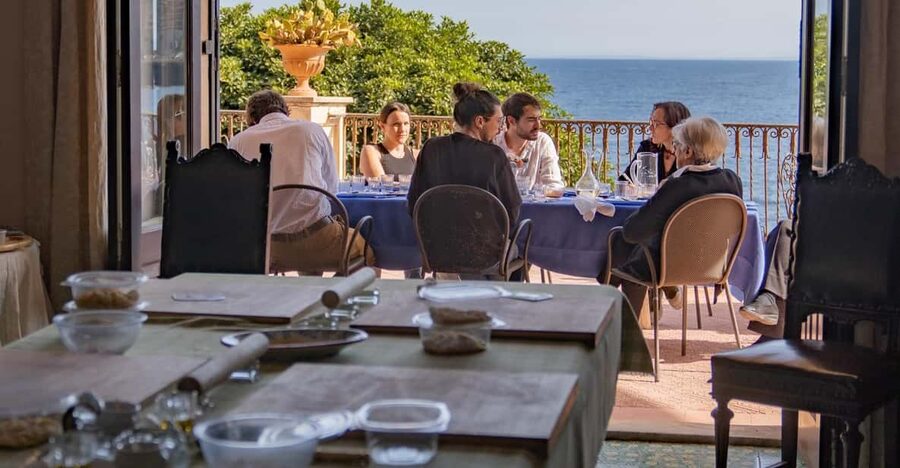
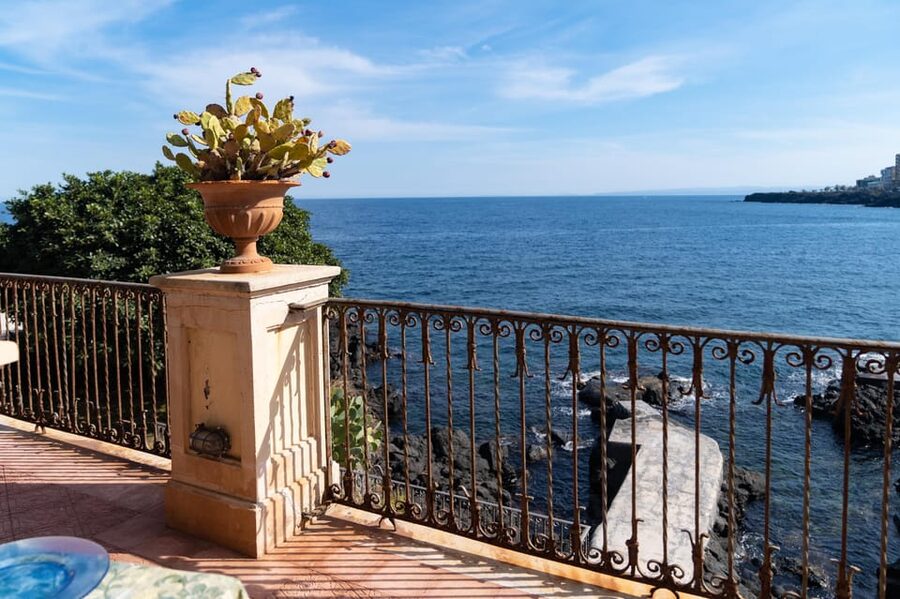
This experience is set at Piccolo Porto di Ognina, and that location matters more than you might think. You start on a terrace overlooking the sea, so the “start line” already feels like a mini getaway, not a classroom drop-off.
The setting is a historic villa by the water, which gives the evening a relaxed rhythm. Instead of hopping between spots, you settle in, learn, and then eat in the same atmosphere—fresh air in the background, plates in front of you.
Also, the vibe tends to be intimate. With a small group size, it’s easier to ask questions, get help with your technique, and actually pay attention to what you’re doing rather than just trying to keep up.
Your Welcome: Wine, Soft Drinks, and Sea Views
Before hands get flour-dusted, you’ll get a welcome refreshment while you’re looking out over the Gulf of Ognina. It’s a simple start, but it sets the tone: you’re there to enjoy the food and the moment, not just rush through a checklist.
Local wine and soft drinks are part of the experience, and I like that you’re not wondering whether the meal has “real food energy” behind it. You’re already in a Sicilian mindset when the class begins, which makes the cooking feel more connected to the dinner that follows.
If you’re the type who enjoys food more when you understand the context, this opening helps. You’re not just learning a recipe—you’re being pulled into the idea of ingredients, seasons, and hospitality.
The 3-Hour Plan: Learn, Cook, and Eat What You Make
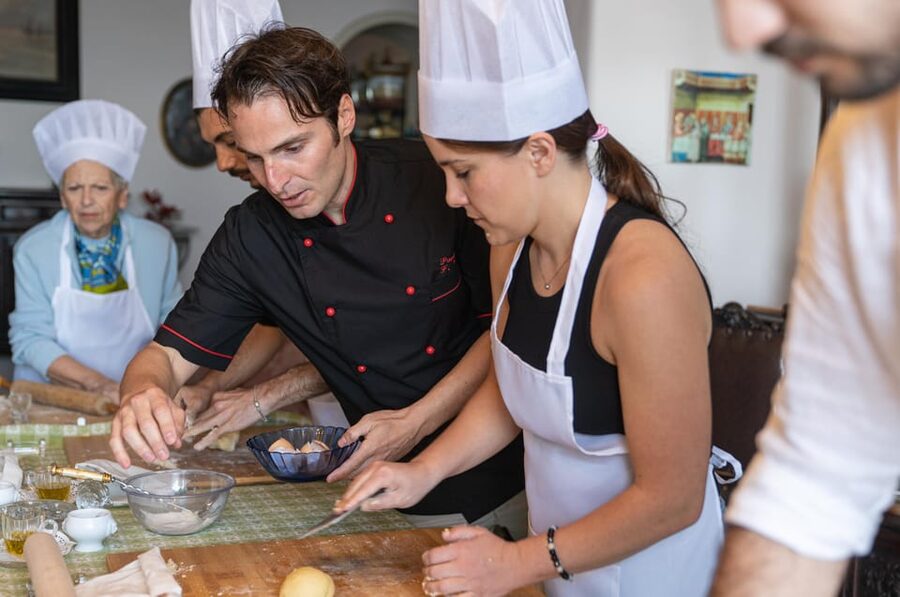
The total time is about 3 hours, with the exact start time depending on availability. You’ll meet at the provided address (shared after booking) and you’ll end back where you started.
That timing is a sweet spot. Long enough to learn real steps and finish dishes, but not so long that you feel tired before dinner. It also means you’ll spend your energy on cooking rather than being stuck in transit.
Here’s what that time usually feels like in practice: you begin with a welcome, shift into a hands-on pasta lesson, then sit down to enjoy the dishes you prepared in the historic villa. The lesson isn’t separate from the meal—it leads right into it.
Fresh Pasta with Real Teachers (Chef + Sicilian Grandmother)
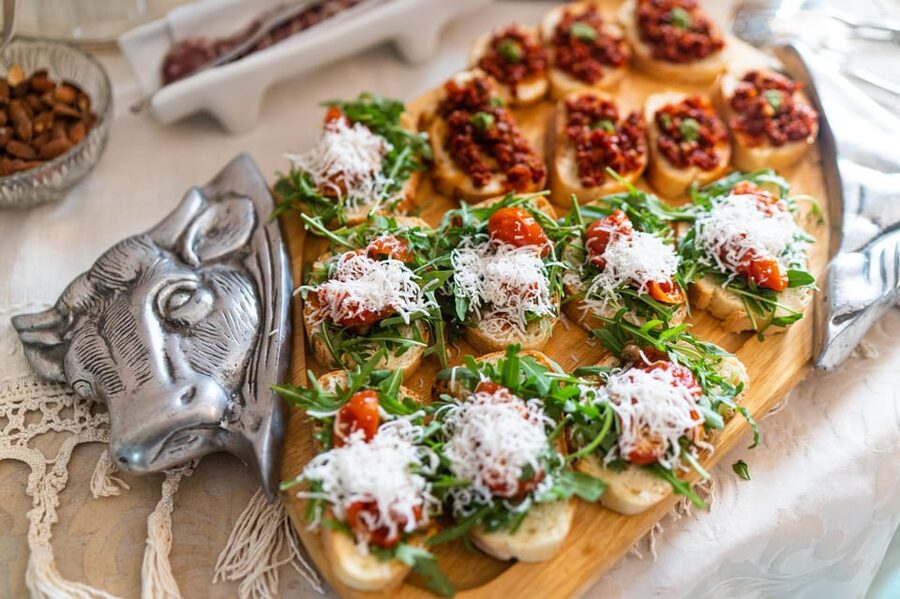
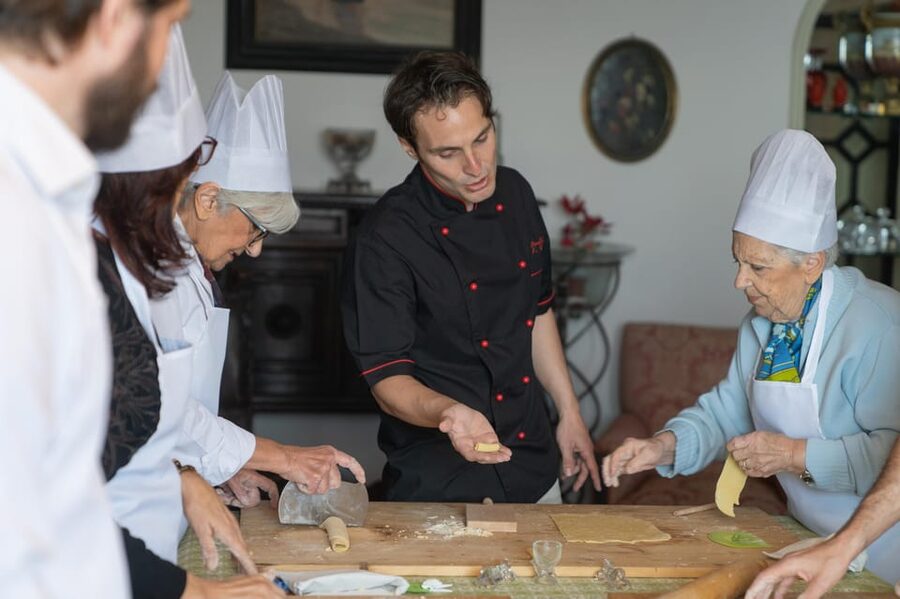
One of the best parts is who’s teaching. You learn from a professional chef and a genuine Sicilian grandmother, so you get both technique and tradition in the same room.
That combo matters because pasta skills aren’t just math. Texture, handling, timing, and even the way you shape and work the dough are things you learn by doing and correcting in real time. A chef brings structure; a family-food teacher brings the “why” and the practical instincts that keep things from going sideways.
The class is offered in English and Italian, and the small group size (up to 10) helps you get support if you have questions. Even if you’re not a confident cook, you’ll likely find it easier to follow instructions and adjust as you go.
A nice bonus is that you’re working with ancient Sicilian grains. The menu is not generic pasta trivia; it’s tied to local ingredients and traditional methods.
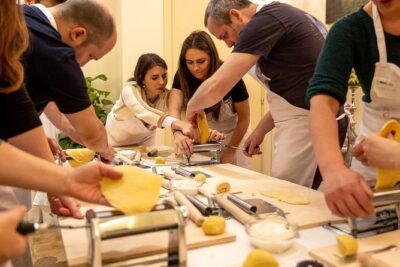
Hands in the flour, Catania style
Cavateddi alla Norma and Ricotta Cream for Cannolo
This is where the day turns into something you can’t replicate from memory alone.
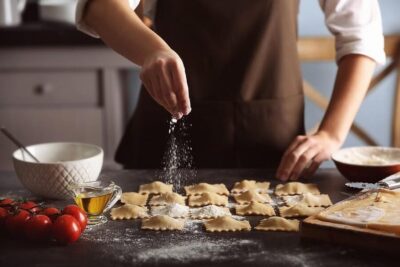
You’ll learn traditional methods for Cavateddi alla Norma, plus you’ll practice perfecting the ricotta cream used for Cannolo. Both are Sicilian classics, but they’re classic for a reason: they’re built on texture. Pasta shape matters. Ricotta cream consistency matters.
Cavateddi pasta is all about shaping and working the dough into something that catches sauce. When you make it yourself, you start to understand why Sicilians are particular about their pasta. It’s not just “homemade” in a romantic way—it’s homemade because the form affects the bite.
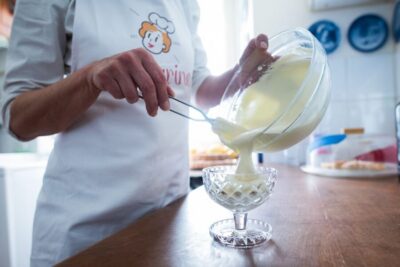
Then comes the ricotta cream portion. Cannolo-style filling depends on getting the ricotta to the right smoothness and richness. You’re learning the steps behind that cream, which is exactly the kind of detail that makes a dish taste like the real thing instead of something vaguely similar.
At the end, you’ll also finish your meal with a Sicilian cannolo filled with creamy ricotta and crunchy pistachios. That last bite is a great “closure” moment because you can connect what you learned to what you taste.
The Villa Dinner: Appetizer, Your Pasta, and a Sweet Finish
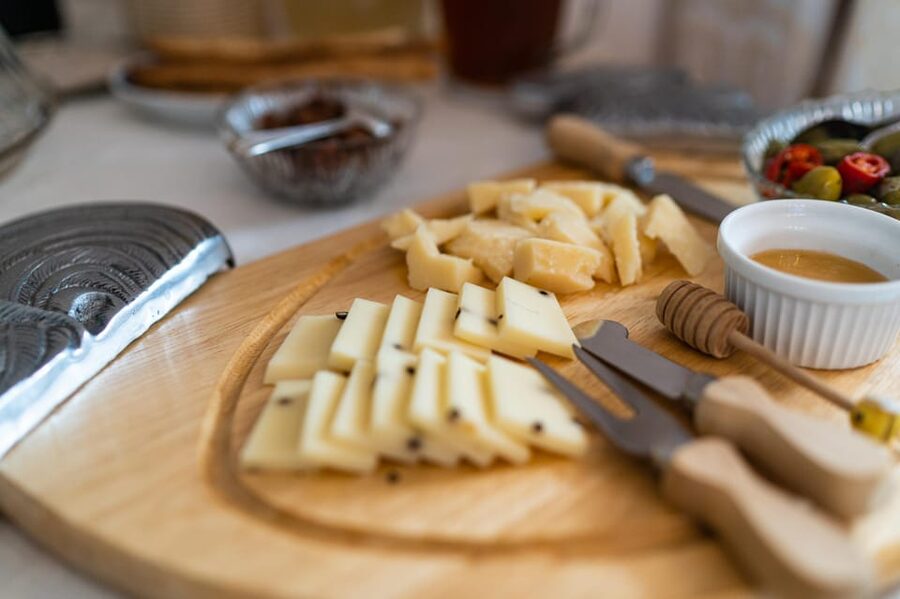
After the lesson, dinner is served in the historic villa. You’ll start with an appetizer, then enjoy the dishes you prepared during class, and you’ll close with cannolo.
This flow is smart. It turns your work into proof, and you don’t have to wait for a different day or a different place to eat. You also avoid the common disappointment of cooking something and then seeing it get simplified later—here, the meal is part of the same experience.
Local wine and soft drinks are part of the overall setup on the terrace, and the villa dinner keeps the atmosphere comfortable. You’re not eating in a hurry; you’re eating in a place that feels like it was built for sitting, talking, and letting the food land.
I especially like that the cannolo uses creamy ricotta plus crunchy pistachios. It gives you contrast in one bite, which is one reason the dessert feels satisfying rather than heavy.
What You Take Home: A Recipe Booklet You’ll Actually Use
You get a recipe booklet at the end, with detailed instructions and tips from the instructors. This is one of those add-ons that can either be fluff or genuinely useful, and here it’s set up to help you recreate what you made.
Since you’re learning specific traditional dishes—not just a basic “fresh pasta” overview—the booklet is what makes the lesson stick. You’ll likely refer to it when you try again at home, especially for shaping and for getting the ricotta cream texture right.
If you want souvenirs, this is the kind that pays off months later. It’s not just paper; it’s step-by-step guidance from the same food mindset you just experienced.
Price and Value: Why $130.28 Can Make Sense Here
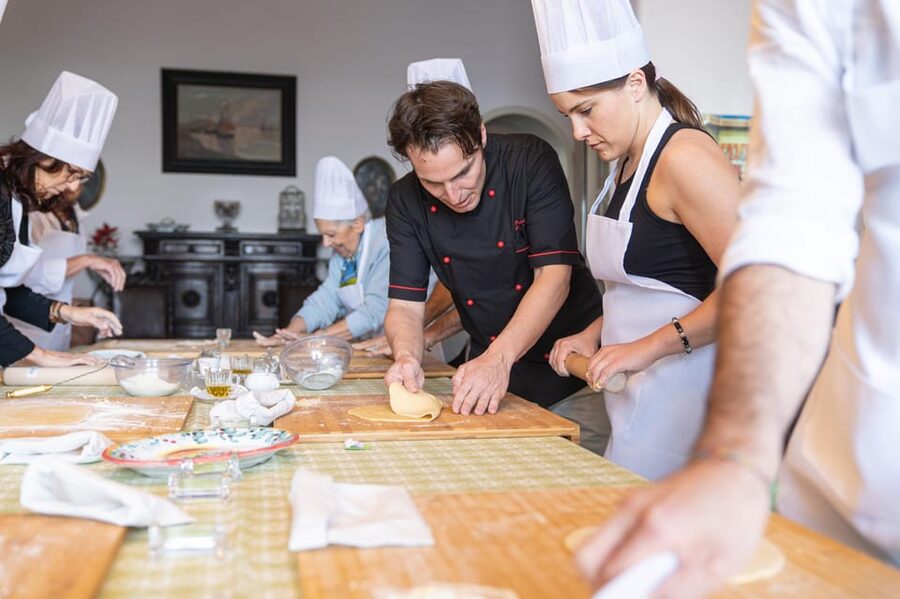
At $130.28 per person, this isn’t the cheapest activity in Catania. But the value comes from what’s bundled into that price.
You’re not only paying for a class. You’re also getting:
- equipment and ingredients
- an appetizer
- dinner in the historic villa
- a recipe booklet to take home
That combination makes the cost feel more reasonable because you’re covering multiple pieces of a full culinary evening. A “cooking class only” option often leaves you hungry afterward or forces you to budget extra for meals. Here, your meal is part of the teaching.
It also helps that the group is capped at 10. Smaller groups usually mean more attention, more realistic hands-on time, and less standing around watching. If you care about learning technique, that attention is worth real money.
In short: if you’re someone who wants a dinner experience that you also learn from, this price is easier to justify than if you just want a quick bite and a photo.
Who This Cooking Class Fits Best
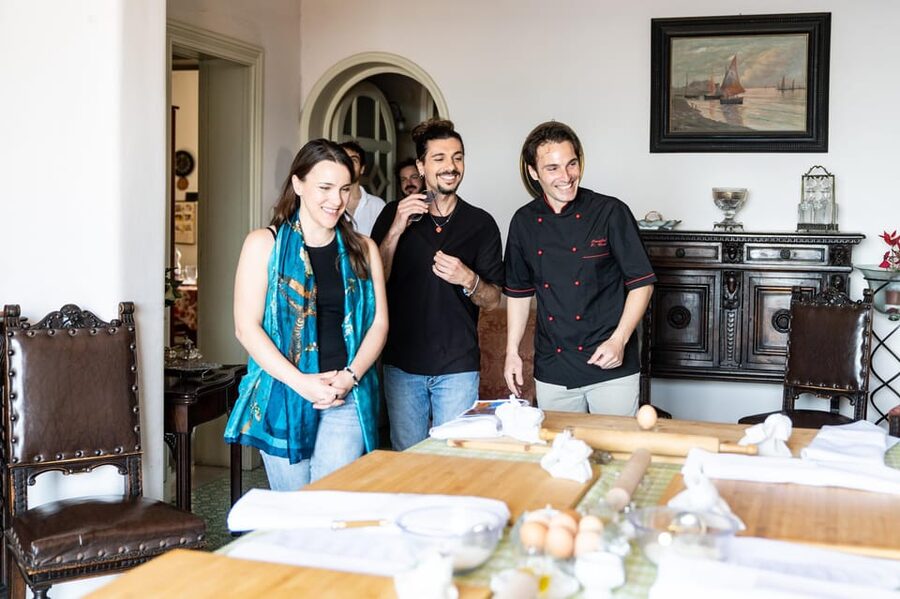
This suits you if you want food that’s hands-on and specific. If you like the idea of making Cavateddi alla Norma and then eating the result in the same historic villa setting, you’ll feel like the day has a satisfying rhythm.
It also works well if you enjoy Sicily through the food lens rather than only through sightseeing. The sea view, the terrace welcome, and the traditional dishes all connect to what makes the region distinct.
I’d think twice if you’re in town for very short hours and you mainly want a strict sightseeing sprint. This is a slow-build experience: you’re there to cook, eat, and linger a bit.
Small Group Size: The Difference It Makes in Real Cooking
With a maximum of 10 participants, the class is more “work with us” than “watch us.” That means the instructors can help with technique, and you can ask questions without feeling rushed.
It also tends to create a warmer atmosphere—less like a production and more like a shared kitchen moment. The historic villa setting adds to that because it doesn’t feel staged for crowds.
And when you’re working dough, small-group attention is the difference between getting a passable result and learning the real mechanics. Pasta is forgiving up to a point, but the details are what make it good.
Getting the Most Out of Your Visit (Without Overthinking It)
Because the exact address is sent after booking, I recommend you plan on checking your confirmation message before you leave. Have it ready on your phone, and give yourself a few extra minutes so you’re not late-worrying.
Comfort helps. You’ll likely be standing, working at a counter, and handling ingredients. Wear something you can move in, and keep your mindset practical: this is a cooking class, not a formal dinner dress rehearsal.
Come hungry, too. Even with the welcome and appetizer, you’ll want room for the pasta, the villa meal, and the cannolo finish.
Should You Book This Seaside Pasta Class?
Yes—if you want a Catania experience built around hands-on food, not just a meal. The combination of a sea-view terrace welcome, a fresh pasta lesson taught by both a chef and a Sicilian grandmother, and a dinner that follows directly from your cooking is exactly the kind of value-for-time setup that tends to stick with you.
If you’re looking for something ultra-fast or mostly sightseeing, it may feel like too much “kitchen time.” But for most people who love food, this feels like a full, satisfying evening in one of the area’s most atmospheric settings.
FAQ
Where is the experience located?
It’s located in Piccolo Porto di Ognina, Italy. The exact address is provided after you book.
How long does the cooking class last?
The duration is 3 hours. Starting times depend on availability.
What dishes will I make and eat?
You’ll focus on making fresh pasta, including cavateddi alla Norma, and you’ll learn how to prepare ricotta cream for cannolo. You’ll also eat an appetizer and dinner in the historic villa, ending with Sicilian cannolo with creamy ricotta and crunchy pistachios.
Is this a small group experience?
Yes. The group is limited to 10 participants.
What languages are offered?
The instructor speaks English and Italian.
What is included in the price?
Included are the cooking class with a chef, an appetizer and dinner in a historic villa, equipment and ingredients, and a recipe booklet.
Can I cancel for a refund, and can I pay later?
You can cancel up to 24 hours in advance for a full refund. You can also reserve now and pay later, meaning you book your spot and pay nothing today.
More Tour Reviews in Catania





More Cooking Classes to Book

Keep Exploring Catania

Just added: the newest Catania tours in our notebook
- Transfer Catania / Agrigento Airport★ 5.0 · 3 reviews
- Sicily private shore excursion – Etna and Taormina with personal driver★ 3.5 · 3 reviews
- Sunset Trekking on Mount Etna★ 5.0 · 3 reviews
- Private Transfer from Catania to Palermo or vice-versa with stop★ 5.0 · 3 reviews
- From Syracuse: Mount Etna Volcano Morning Trekking Tour★ 5.0 · 3 reviews
- Catania: Guided Street Food Tour with Tastings★ 5.0 · 3 reviews
Catania Tours, compared.
 ★ 4.8Catania: Mount Etna Morning or Sunset Day Trip with TastingFrom $704,028 reviews
 ★ 4.8Catania: Sunset Jeep Tour of Mount Etna and Lava Flow CavesFrom $712,113 reviews
 ★ 4.9Catania: Mount Etna Trekking Tour Beyond the Tourist TrailsFrom $811,596 reviews
 ★ 4.8Catania: Etna Sunset Tour with Pickup and Drop-offFrom $711,348 reviews
 ★ 4.8Etna Sunset Tour: Volcano trek, Cave & tasting from CataniaFrom $701,290 reviews
 ★ 4.8Catania: Etna Morning Excursion with Tasting and PickupFrom $711,224 reviews
 ★ 5.0Mt. Etna and Taormina village full day tour from CataniaFrom $1181,155 reviews
 ★ 4.9Catania: Amazing Etna Morning Tour with Pickup and Drop-OffFrom $81799 reviews
Browse the lists this tour appears in