
Reviewed · AGRIGENTO & VALLEY OF THE TEMPLES
Agrigento: Valley of the Temples Private Tour
Agrigento’s temples make time feel oddly bendable. This private tour walks you through the Valley of the Temples’ best-known Doric giants, with a licensed guide translating stones, myths, and later changes into something you can actually picture. You’ll cover multiple highlights in a short, well-paced outing—ideal if you want the core experience without turning it into a half-day project.
Two things I really like: you get close to the Temple of Concordia, which is famous for how well it survived, and you also stop at the Temple of Jupiter (Zeus), where earthquake damage and later reuse shaped what you see today. I also like that the guide doesn’t just point at columns; you’ll hear what those sculptures and details are supposed to mean on the ground.
One possible drawback: the price is set per group (up to 25), and entry tickets aren’t included, so you need to plan a little for on-site ticket purchase and for how much value the tour gives you based on how many people you’re traveling with.
In This Review
- Key reasons this private Valley of the Temples tour works
- Why Agrigento’s Valley of the Temples hits harder than you expect
- Hera Lacinia (Juno): Doric columns, height, and the myth behind the wedding
- Temple of Concordia: why it survived so well and how Icarus fits in
- Hercules on site, plus prickly pear paths and panoramic views
- Jupiter (Zeus): earthquakes, a quarry past, and Telamons over 7 meters
- How the 2-hour private format actually plays out
- Tickets and on-site museum rules: avoid the common confusion
- Value check: what you’re paying for at $326.26 per group (up to 25)
- Guide quality is the difference: Rossana Valenti and Daniel as examples
- Who this private tour suits best
- Should you book this Agrigento Valley of the Temples private tour?
- FAQ
- What temples are included on this private Valley of the Temples tour?
- How long is the tour?
- Are entry tickets included in the price?
- Is a museum visit included?
- Where do I meet the guide?
- What languages are the guided tours offered in?
- Is this tour truly private?
- How much does it cost?
- What’s the cancellation policy?
Key reasons this private Valley of the Temples tour works
- Four major temples in about two hours: Juno (Hera Lacinia), Concordia, Hercules, and Zeus (Jupiter)
- Real preservation stories, especially Concordia’s transformation into a church and what that did for the ruins
- Sculpture moments you can’t really appreciate as well without context (like Icarus and the Telamons)
- Panoramic valley strolling with prickly pear trees along the way
- Licensed guide in multiple languages (Italian, English, Spanish, German, French)
Among the temples at Agrigento
- Agrigento: Valley of the Temples Skip-the-Line Sunset Tour
★ 4.5 · 1,512 reviews - Agrigento: Valley of the Temples Ticket & App Audioguide
★ 4.3 · 1,160 reviews - Agrigento: Valley of the Temples E-Scooter Tour
★ 4.6 · 557 reviews - Palermo: Valley of the Temples and Scala dei Turchi Day Trip
★ 4.1 · 463 reviews
Why Agrigento’s Valley of the Temples hits harder than you expect
The Valley of the Temples isn’t just a set of pretty ruins. It’s an outdoor lesson in how civilizations build, worship, break, repair, and repurpose. On this tour, the guide stitches those themes together quickly, so you’re not just looking at four temples—you’re understanding why each one ended up the way it did.
What also helps is that the tour is private, so the pacing stays comfortable and questions stay easy. I’d especially recommend it if you want someone to translate symbolism and architecture into plain language, instead of trying to wrestle it out on your own with a map and tired feet.
And yes, there are big views. The valley paths give you those sweeping lines over the site, and the guide brings you through them at moments when the temples feel most dramatic.
Hera Lacinia (Juno): Doric columns, height, and the myth behind the wedding
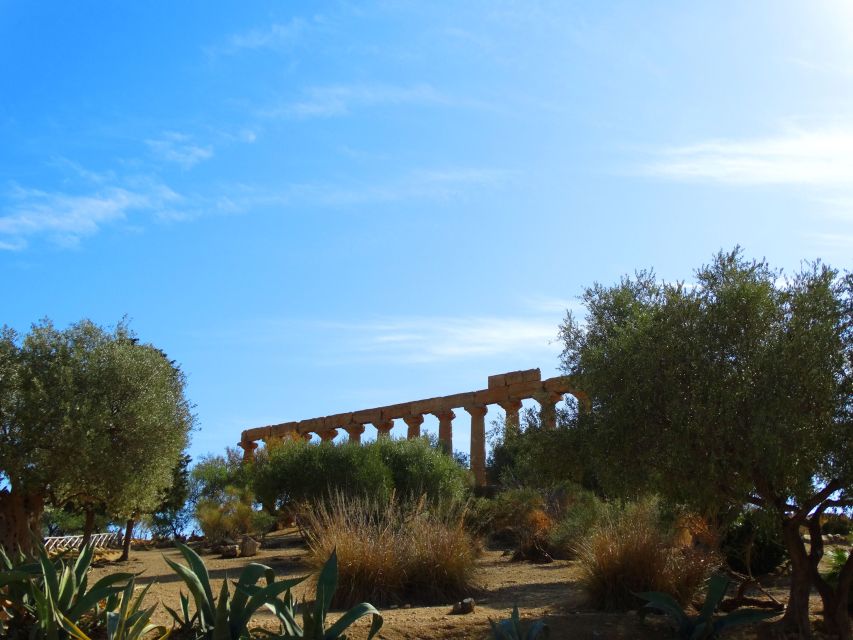
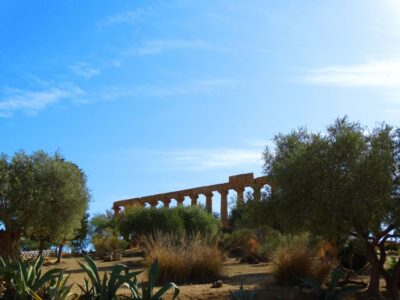
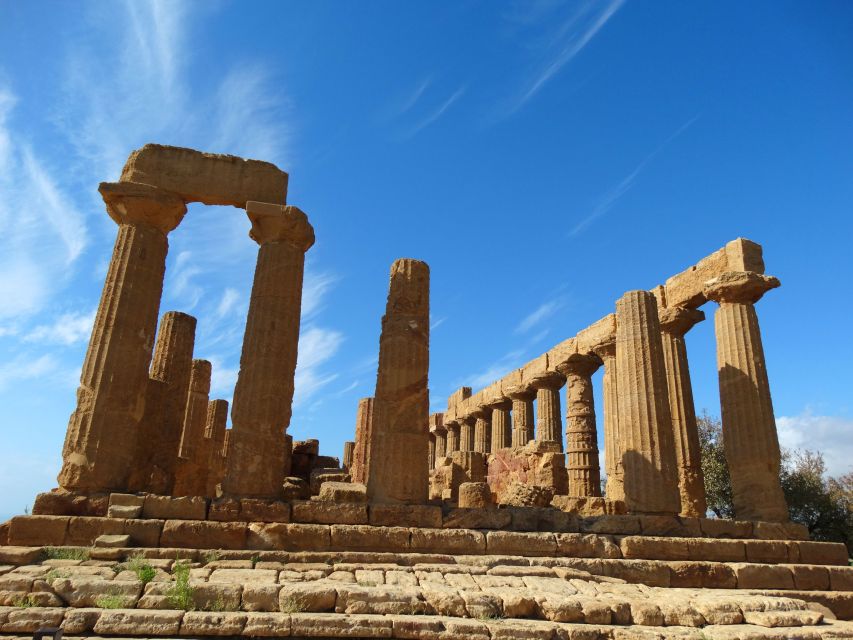
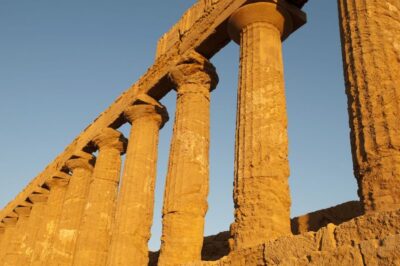
The tour starts at the meeting point near the Valley of the Temples ticket office, at the car parking by the Juno temple (the biggest one). From there, you head straight toward the first major stop, the Temple of Hera Lacinia, also called the Temple of Juno.
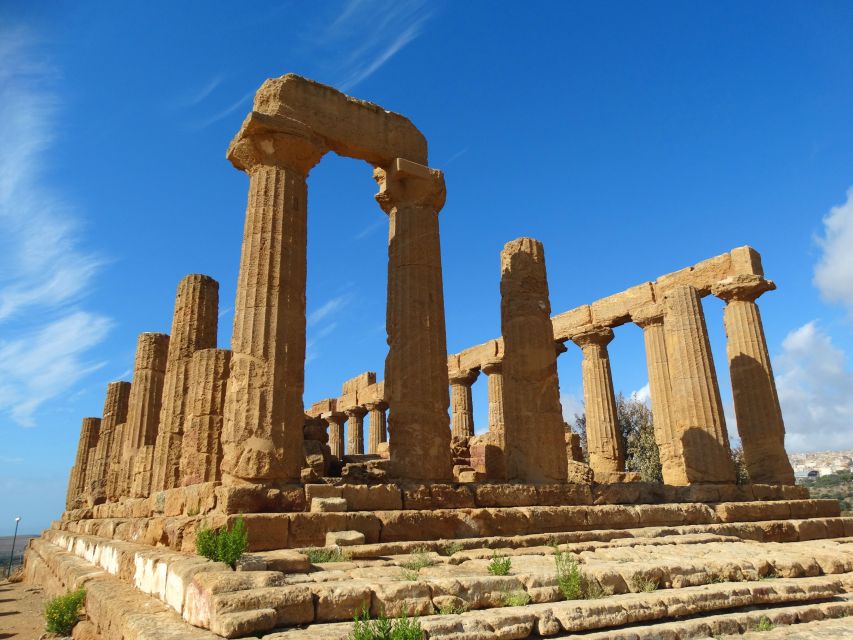
This temple is tied to a legendary mix of architecture and worship. The information you’ll hear focuses on its Doric design and its placement on the hill of Rupe Atenea. You’ll also learn how it relates to Juno because it was used for celebrations that locals associated with her—plus the detail that a painting kept inside likely depicted a goddess linked with protection of women and fertility.
If you like visual landmarks, this is a great first stop because the scale grabs you fast. Those Doric columns are the kind of thing your eyes understand even before your brain finishes processing dates and names. Starting here also sets the tone for the rest of the valley: these aren’t small monuments. They were meant to impress.
Practical note: since this is all outdoors and mostly walking between monuments, wear shoes you trust on uneven ground. The tour timing is tight, so comfort matters.
Temple of Concordia: why it survived so well and how Icarus fits in
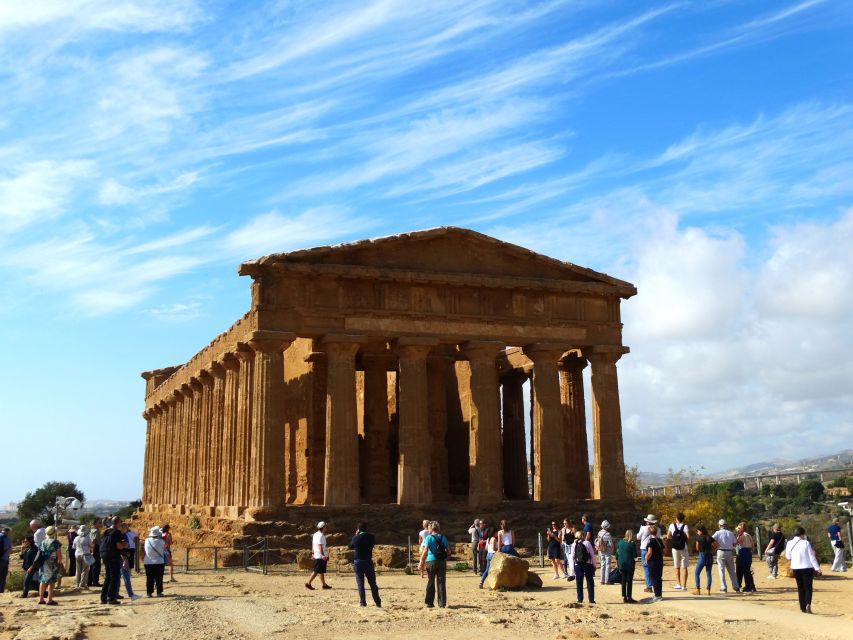
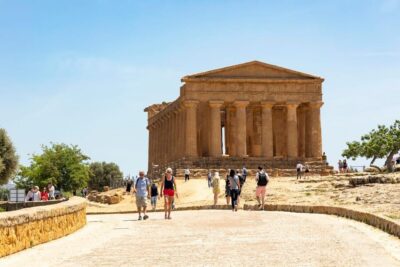
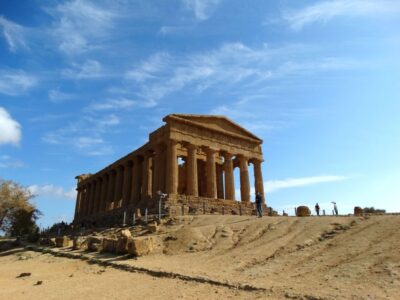
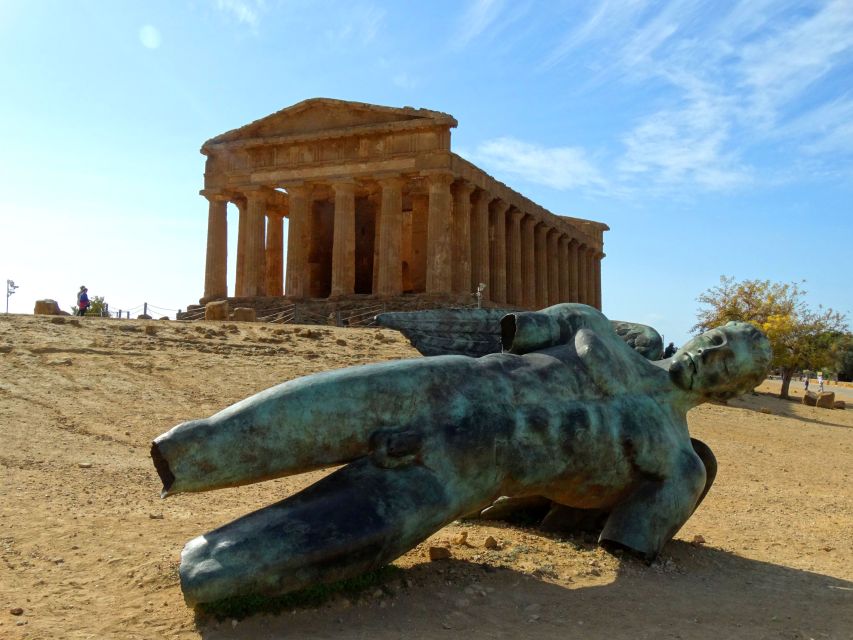
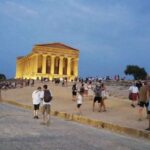
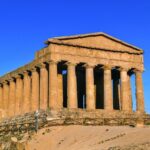
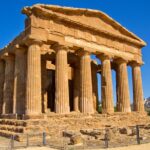
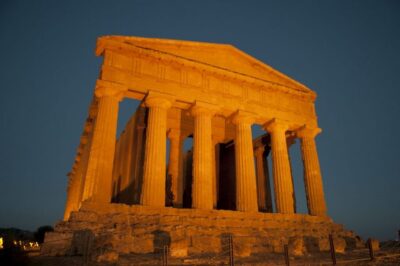
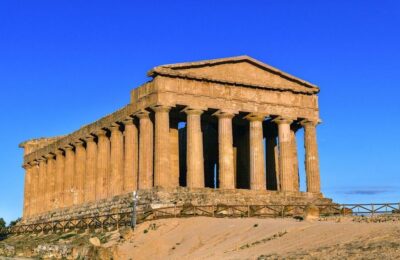
Next comes the Temple of Concordia, the one you’ll hear described as the second best preserved temple in the world after the Parthenon in Athens. Dating back to 430 BC, it’s the kind of site where preservation changes your whole viewing experience. You can see form and intent more clearly than you can at many excavated ruins.
Here’s the story that makes Concordia special: the temple’s survival is strongly connected to its transformation into a Christian church. That later use helped protect the structure over time, and it’s why so many people are happy they chose Agrigento instead of only Athens or Rome.
In front, you’ll also spot the bronze statue of Icarus, donated by the Polish sculptor Igor Mitoraj. The statue represents the fall of Icarus—linked to the moment when he disobeys his father and flies too close to the sun, melting the wax and ending the flight into the Mediterranean. Even if you know the myth already, seeing it anchored to a temple space helps the story feel less like a classroom anecdote and more like part of the site’s ongoing conversation with meaning.
One small consideration: because Concordia is such a highlight, crowds can build at peak times. A private guide won’t remove crowds, but they can help you time your viewing so you actually see details.
Hercules on site, plus prickly pear paths and panoramic views
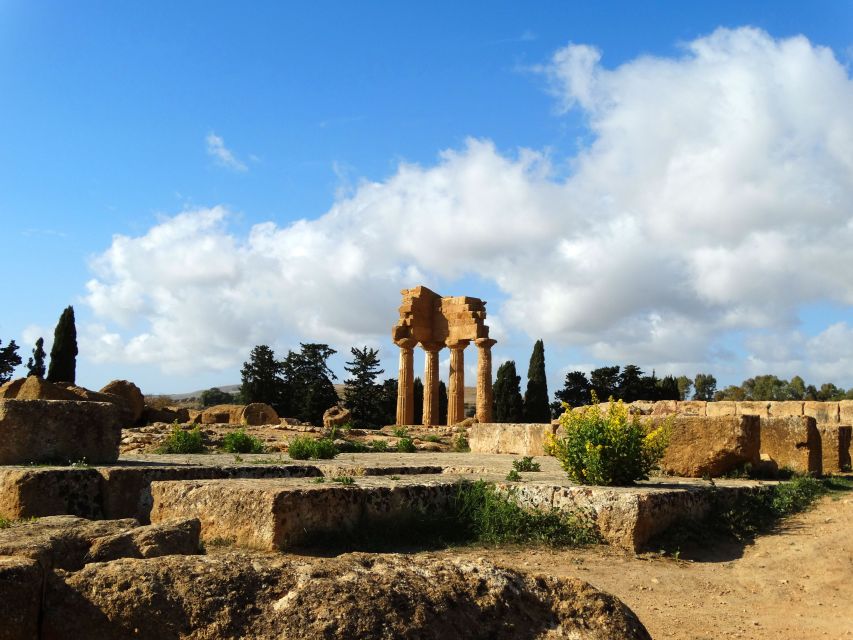
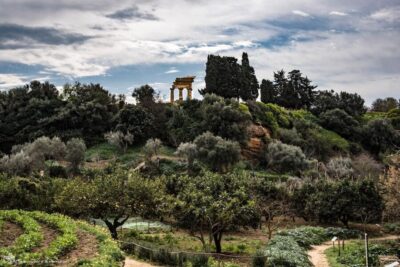
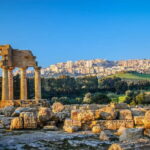
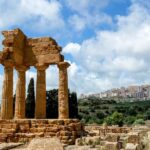
The tour continues to the Temple of Hercules (Heracles for the Greeks). This stop is often less about sheer intactness and more about understanding the original religious focus and how later changes affected what you notice today.
You’ll hear how the temple’s name is tied to a bronze statue of Hercules associated with the site. The guide helps connect the idea of the strongest and most valiant of the gods to what you’re standing in front of, which makes the temple feel more purposeful than just another Doric shell.
Between monuments, you’ll also get the calmer part: strolling along the valley paths. You’ll pass prickly pear trees and you’ll have moments for panoramic views over the valley. This is where the tour earns its 2-hour format. It doesn’t just rush temple-to-temple; it breaks the experience so you can absorb what you’re looking at.
If you’re the type who enjoys small environmental details, this portion is a win. Prickly pear plants are part of the place now, and seeing them in the same valley as ancient stones makes the modern setting feel connected instead of separate.
A few we would gladly point a friend toward in Agrigento
Jupiter (Zeus): earthquakes, a quarry past, and Telamons over 7 meters
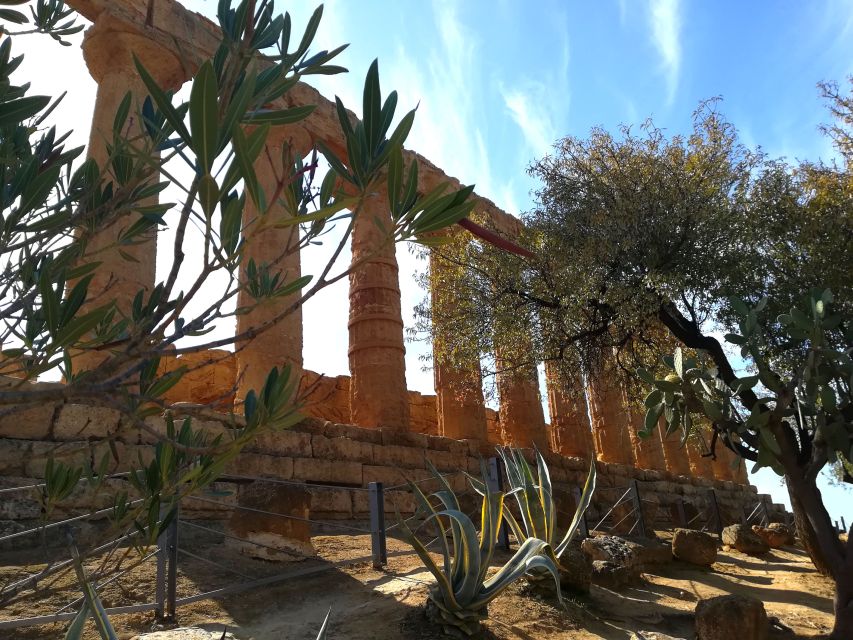
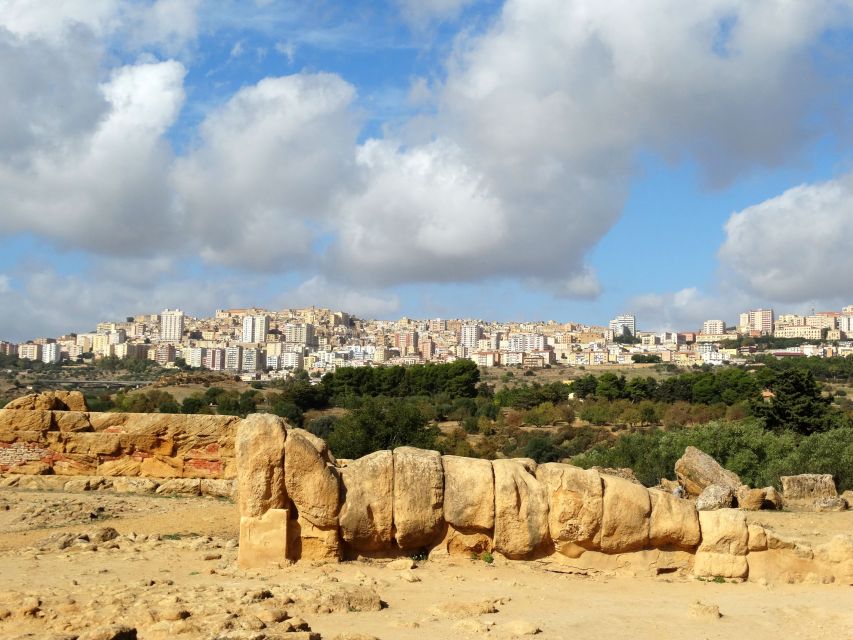
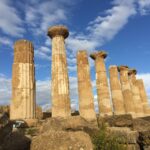
Then you reach the Temple of Jupiter (Zeus), originally one of the largest temples of classical antiquity. The key word in what you’ll learn here is damage. Over time, the temple suffered due to earthquakes, and it was later used as a quarry for building the Porto Empedocle pier.
That history matters because it explains the ruins you see. You’re not only looking at the result of time. You’re also looking at the result of people reusing stone, which changes how ruins read on the ground.
Among the ruins, you’ll see a reconstruction of one of the Telamons—stone figures over 7 meters high—plus the idea of giants placed outside the temple to protect the divinity. These details help you picture the temple as it once was, when the scale and the sculpted guardians were part of the worship experience.
This stop is also a great reality check: the Valley of the Temples doesn’t preserve everything equally. Some parts survive in a strong, readable way. Other parts are fragments, but the guide connects those fragments to what they used to represent.
How the 2-hour private format actually plays out
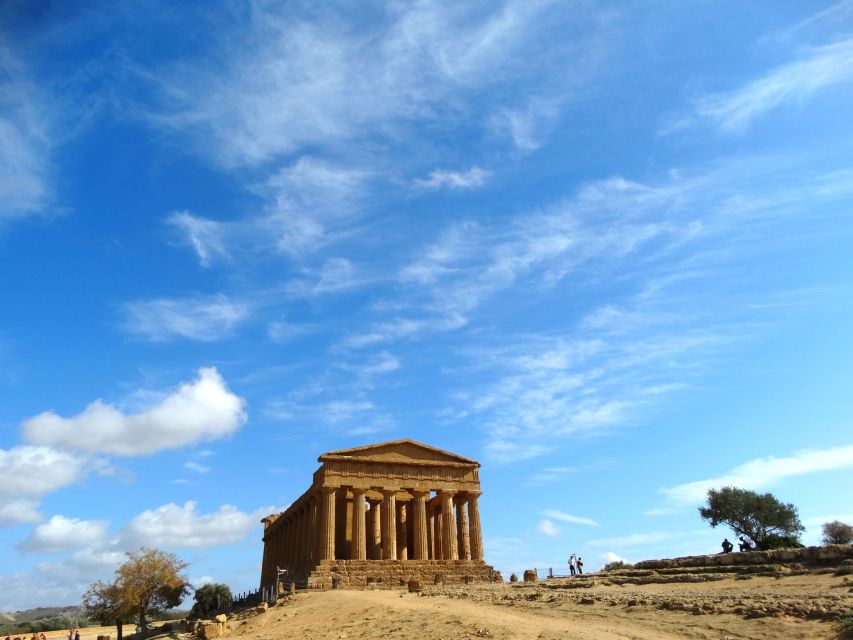
This is a 2-hour guided tour that covers the oldest and most characteristic area of Agrigento. The goal is clear: hit the main temples and connect their meaning fast, without sending you on a long, exhausting hike across the entire site.
Because it’s private, you don’t have to worry about getting swept into a too-fast group schedule. You can still expect walking on outdoor paths, and you’ll want to pace yourself so you can enjoy the view stops rather than just endure the distance.
Also pay attention to what’s included and what’s not. The tour includes a licensed tour guide, but entry tickets are not included. The plan is for you to buy them at the tickets office on site.
That leads to the biggest timing tip: build in a little buffer for ticket purchase. If you arrive right at the last second, you’ll spend your tour time negotiating with lines instead of looking at columns.
Tickets and on-site museum rules: avoid the common confusion
The meeting point is outside the ticket office area near the car parking by the Juno temple (the biggest). The guide wears a visible license badge around the neck, so you can confirm you’ve found the right person before you walk away.
On your checklist:
- Bring your plan for entry tickets, since the tour does not include them.
- Museum visit is not included, so don’t expect extra indoor stops inside this time window.
- Expect to start with the main temple area right away, so don’t plan a long detour before meeting.
If you’re using navigation, double-check the meeting point label. Some map pins can be off by enough time to make you late. The fix is simple: show up early, find the guide badge, and you’ll be fine.
Value check: what you’re paying for at $326.26 per group (up to 25)
The price is listed as $326.26 per group up to 25 people. That’s how this tour can feel like a bargain—or like an expensive splurge—depending entirely on your group size.
Here’s the practical math:
- If you fill the group (25 people), the effective cost is about $13 per person.
- If it’s 10 people, it’s about $32.60 per person.
- If it’s just 2 people, it’s about $163 per person.
So the value isn’t about the number alone. It’s about what you’re buying: guided interpretation across four major temples, plus a private pace and a licensed guide in your chosen language.
If you’re traveling as a family or a small group and you can split the cost, this can be one of the smarter ways to see the Valley of the Temples without losing your time to uncertainty. If you’re solo or a couple, it can still be worth it if you strongly value having someone explain what you’re seeing at Concordia, Hercules, and Zeus.
Guide quality is the difference: Rossana Valenti and Daniel as examples
Two guide names came up strongly: Rossana Valenti and Daniel. If you get Rossana, you can expect friendliness plus a careful, detailed explanation of Agrigento—temple history, mythology, and even plant details. If you get Daniel, you can expect a sharp focus on architecture, politics, history, customs, mythology, and plants.
Why this matters: Valley of the Temples has a lot going on, even when you’re only covering the big four. A good guide helps you connect Doric design with worship purpose, and later historical changes with what you see today.
And if you’re trying to avoid small stress, Rossana’s style is a reminder that these tours can handle hiccups. When meeting points or navigation cause delays, a good guide keeps the tour flowing so you don’t feel like you lost everything.
Who this private tour suits best
This tour is a strong fit if:
- You want the main Valley of the Temples highlights (Juno, Concordia, Hercules, Zeus) without turning it into a long day
- You care about interpretation—what the statues mean, why certain structures survived, and how earthquakes and later rebuilding changed the site
- You’re traveling with people who benefit from a clear plan and a single meeting point
It might be less ideal if:
- You want extra time for museums or more obscure corners of the park. This one focuses on the best-known core in a short window.
- You plan to wander slowly and linger at every detail without a schedule. Two hours can feel quick if you’re determined to take in every carving at leisure.
Should you book this Agrigento Valley of the Temples private tour?
I’d book it if you want a straightforward, high-impact temple day with a guide who can connect the dots fast. The biggest wins are the Temple of Concordia (preserved form plus the Icarus moment) and the Temple of Jupiter (Zeus) (the giant Telamons and the quarry-and-earthquake backstory).
One last decision filter: how many people are in your group. If you can split the cost, this becomes excellent value for a private, guided highlights route. If you’re traveling as a couple and you’re mainly interested in the broad visuals, you might decide you’re happier renting time on your own. But if you want meaning with your monuments, the private guide is the feature you’re really paying for.
FAQ
What temples are included on this private Valley of the Temples tour?
You’ll visit the Temple of Juno (Hera Lacinia), the Temple of Concordia, the Temple of Hercules, and the Temple of Jupiter (Zeus).
How long is the tour?
The tour duration is listed as 2 hours. Starting times depend on availability.
Are entry tickets included in the price?
No. Entry tickets are not included, but you can buy them on the spot at the tickets office.
Is a museum visit included?
No, a museum visit is not included.
Where do I meet the guide?
Meet the licensed tour guide outside the ticket office at the Valley of the Temples, at the car parking by the Juno temple (the biggest). The guide will have a visible license badge.
What languages are the guided tours offered in?
The guide is available in Italian, English, Spanish, German, and French.
Is this tour truly private?
Yes. It’s a private group tour.
How much does it cost?
It’s priced at $326.26 per group up to 25 people.
What’s the cancellation policy?
Free cancellation is available up to 24 hours in advance for a full refund.
More Tours in Agrigento
More Tour Reviews in Agrigento
More at the Valley of the Temples
Just added: the newest Agrigento tours in our notebook
- Scala dei Turchi: Aperitif on a boat at sunset★ 4.3 · 3 reviews
- From Agrigento to Siracusa: Valley of Temples & Roman Villa★ 5.0 · 3 reviews
- Private Tour : Agrigento & Scala dei Turchi★ 5.0 · 3 reviews
- Wine tasting under the Stars in the vineyards of Agrigento★ 5.0 · 3 reviews
- Private tour from Palermo to Agrigento and Piazza Armerina★ 4.0 · 4 reviews
- E-BIKE TOUR AGRIGENTO: Valley of the Temples & Old Town with meal included★ 5.0 · 4 reviews
Agrigento & Valley of the Temples, compared.
 ★ 4.5Agrigento: Valley of the Temples Skip-the-Line Sunset TourFrom $511,512 reviews
 ★ 4.2Palermo: Agrigento and the Valley of the Temples Day TourFrom $771,240 reviews
 ★ 4.3Agrigento: Valley of the Temples Ticket & App AudioguideFrom $191,160 reviews
 ★ 4.6Agrigento: Valley of the Temples E-Scooter TourFrom $68557 reviews
 ★ 4.1Palermo: Valley of the Temples and Scala dei Turchi Day TripFrom $79463 reviews
 ★ 5.07 hours Boat trip to Lampedusa lunch, SUP and SnorkelingFrom $86453 reviews
 ★ 4.5Catania: Valley of the Temples and Turkish Steps with SnackFrom $129346 reviews
 ★ 4.1Agrigento: Valle dei Templi Fast-Track Ticket & Smart GuideFrom $24344 reviews
Browse the lists this tour appears in