
Reviewed · AGRIGENTO & VALLEY OF THE TEMPLES
Agrigento: Valley of the Temples Private Archeological Tour
Greek ruins need a good narrator. On a private two-hour walk in Agrigento’s Valley of the Temples, you get stories that turn broken stone into something you can actually picture.
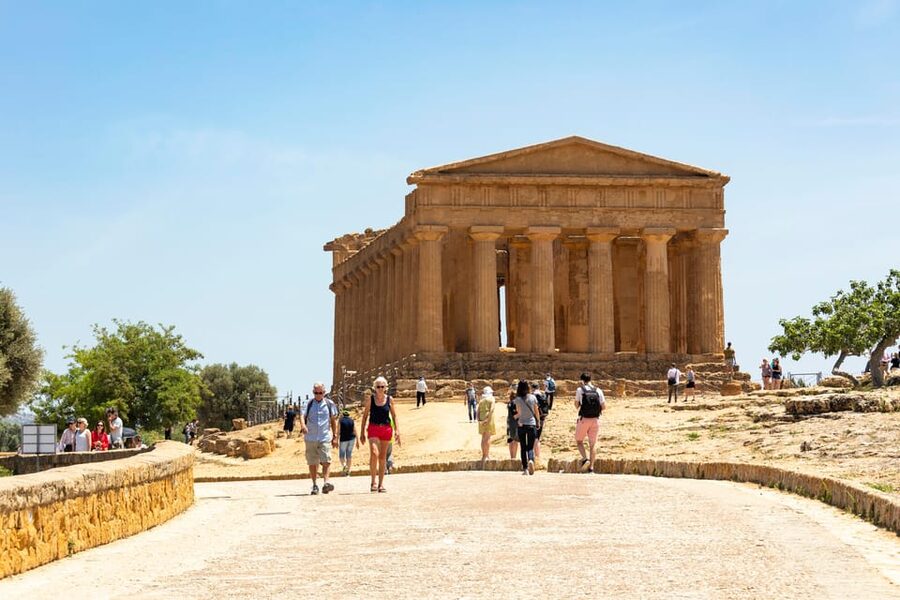
I love that the tour focuses on the biggest Doric highlights, especially the Temple of Concordia, one of the best-preserved Greek temples you’ll see. I also love the guide style—Liz and Sara both shine at making the structures feel lived-in, not like a pile of slabs.
The only catch is time: in 2 hours you won’t roam the entire 1,300-hectare park, so plan for a tight, highlight-first route.
In This Review
- Key things to love about this Agrigento private temple tour
- Valley of the Temples, explained for humans: why a private guide helps
- Meeting at Tempio di Giunone: start, pace, and what to bring
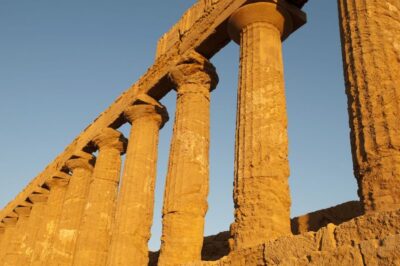
- Stop 1: Temple of Hera Lacinia and the sacred ridge vibe
- Temple of Concordia: the Doric star you can’t miss
- Temple of Herakles: myths that explain how people thought
- Olympian Zeus remains: learning to see fragments as a whole
- Sanctuary of the Chthonic Deities: underworld worship, explained simply
- What the guide adds: where the best stories come from
- Price and value: is $164.26 per person worth it?
- Logistics to know before you go (so the day stays easy)
- Who this private tour is best for
- Should you book this Agrigento Valley of the Temples private tour?
- FAQ
- How long is the Agrigento Valley of the Temples private tour?
- Where do we meet the guide?
- Is this a private tour?
- What’s included in the price?
- What isn’t included?
- What languages are available for the live guide?
- Is the tour wheelchair accessible?
- What happens if the weather is bad or I need to cancel?
Key things to love about this Agrigento private temple tour
- Temple of Concordia’s survival: You’ll see why this one is the star.
- Doric temples with real context: Craft, scale, and purpose, not just names.
- Herakles and Zeus stories: Myth connects the dots between religion and architecture.
- Chthonic rites explained: You’ll learn about underworld gods and ritual sites.
- Guides who make engineering human: The best moments are the explanations that change how you look.
- 2 hours that fits Sicily days: Short enough to do even with a packed itinerary.
Among the temples at Agrigento
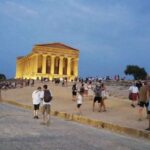
- Agrigento: Valley of the Temples Skip-the-Line Sunset Tour
★ 4.5 · 1,512 reviews - Agrigento: Valley of the Temples Ticket & App Audioguide
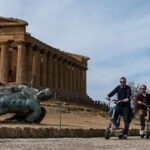
★ 4.3 · 1,160 reviews - Agrigento: Valley of the Temples E-Scooter Tour
★ 4.6 · 557 reviews - Palermo: Valley of the Temples and Scala dei Turchi Day Trip
★ 4.1 · 463 reviews
Valley of the Temples, explained for humans: why a private guide helps
Agrigento’s Valley of the Temples is the kind of place where, without help, you can end up doing the classic tourist move: walking, staring, and thinking, Great. More ancient rocks. The private guide flips that. In two hours, you get an organized route plus the story threads that make the temples make sense—politics, belief, and how people used these sites.
This area is huge in scale: a sprawling 1,300-hectare archaeological park and a UNESCO World Heritage Site. The temples sit along a sacred ridge, and the spacing can feel random if you don’t know what you’re looking for. A good guide gives you the map in your head, so each stop clicks into the next.
With a private group, you also avoid the stop-and-start feeling that can happen on larger tours. You can ask questions as you go, and the pace stays tied to what matters most in this specific walk: the Doric temples that define Akragas (the ancient city behind Agrigento).
Meeting at Tempio di Giunone: start, pace, and what to bring
You meet your guide at the ticket office area for Tempio di Giunone (that’s the Temple of Hera on-site reference point). The tour then takes you along the ridge to the main temple clusters, and it ends back at the meeting point, so you’re not stranded halfway across the park.
The format is simple: 2 hours, private group, and your guide will cover the major temple stops with guided narration. That short time is a plus for many people, but you should know what it means. You’re choosing depth over coverage. You’ll see the key temples, but you won’t get a slow, wandering “see everything” day.
Come prepared. Comfortable shoes matter here. Plan on walking on uneven archaeological ground and staying steady on your feet. And since this is Sicily, you’ll want water and sunscreen, even if the sky looks friendly at the start of your day.
Stop 1: Temple of Hera Lacinia and the sacred ridge vibe
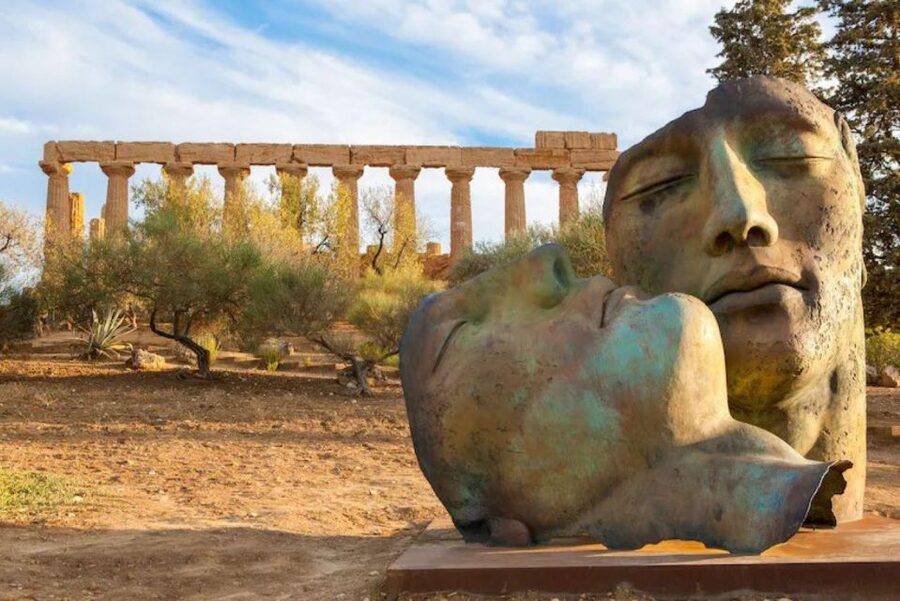
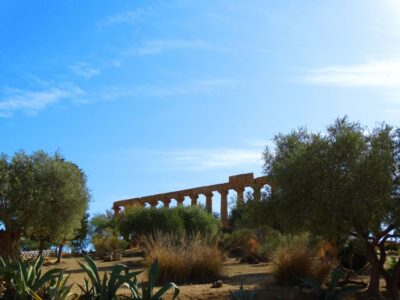
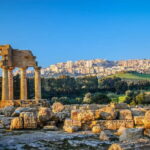
Your tour begins at the Temple of Hera Lacinia, often tied to the broader complex of worship on this ridge. From the start, the guide’s job is to help you read what you’re seeing: why this spot mattered and how the Greeks used temple architecture as more than decoration.
You’ll look at scale and craftsmanship, and you’ll also get the “why now” context. Hera was central to Greek religion, and the placement of temples along this ridge helped shape how the ancient city organized public space. When someone explains that, the building stops being a photo background and becomes a clue.
A practical note: in the early part of the visit, your eyes are still adjusting. Expect the experience to feel most clear when the guide points out what to look for—proportions, Doric features, and how fragments fit into a bigger picture.
Temple of Concordia: the Doric star you can’t miss
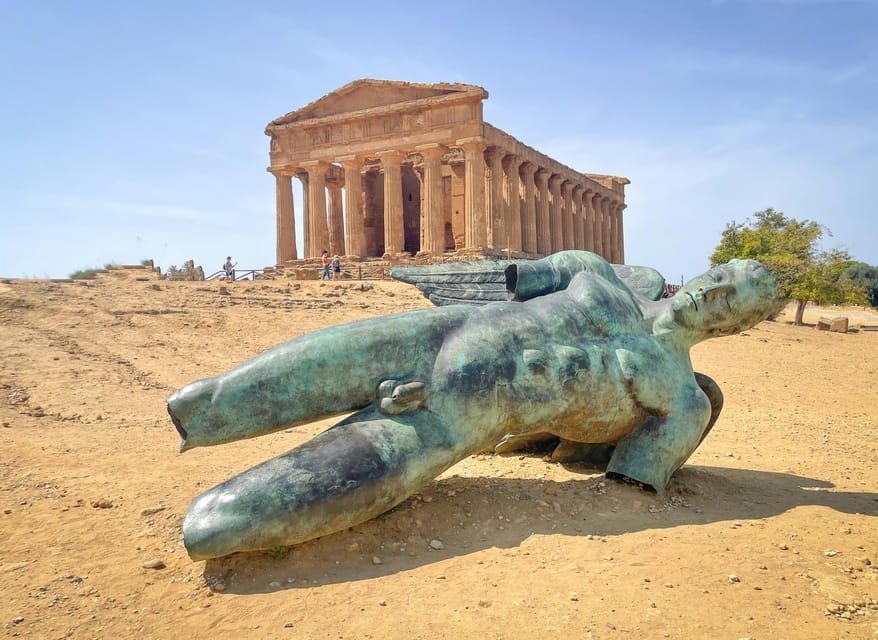
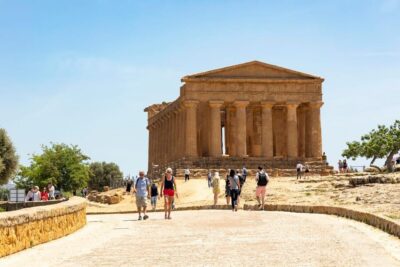
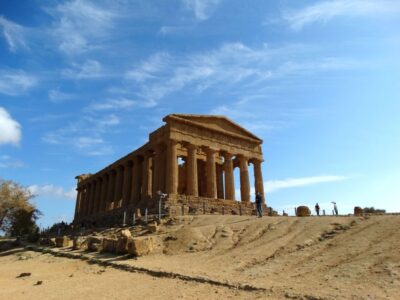
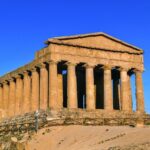
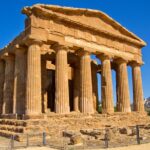
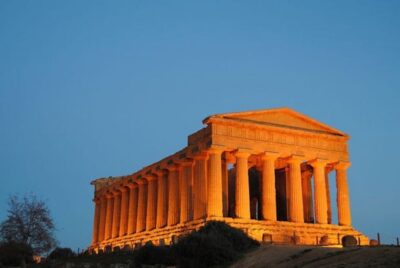
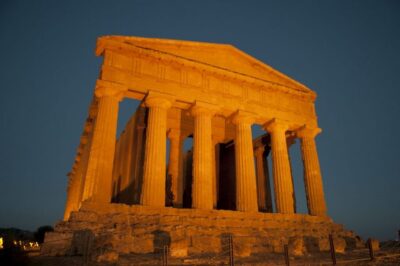
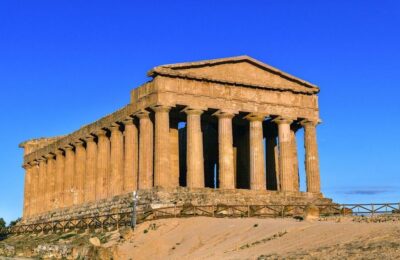
If you only have a short time in Agrigento, Temple of Concordia is the reason. It’s one of the best-preserved Greek temples in the world, and it shows. You get to see Doric lines that still read as a complete architectural idea, not just leftovers.
This stop is where the private guide really pays off. You’re not just admiring stones—you’re learning what this temple meant for the people of Akragas. The guide frames it with the religious role the temple played and how that connected to civic identity. You’ll also hear about Akragas being described as the most beautiful city of mortals, which helps explain why temples weren’t only about worship; they were also public statements.
Concordia also helps you understand why Doric architecture remains so satisfying. The proportions feel steady and intentional. Even if you’re not an architecture person, you’ll likely notice how the building holds its structure visually. When your guide points out specific elements and ties them to purpose, the temple becomes easier to “see in full,” even though you’re standing in front of something ancient that changed over time.
A few we would gladly point a friend toward in Agrigento
Temple of Herakles: myths that explain how people thought
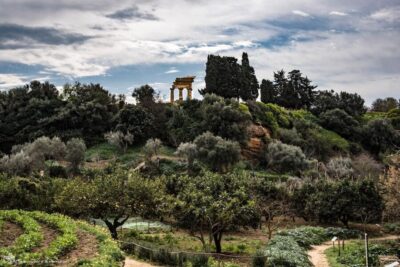
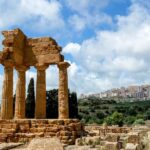
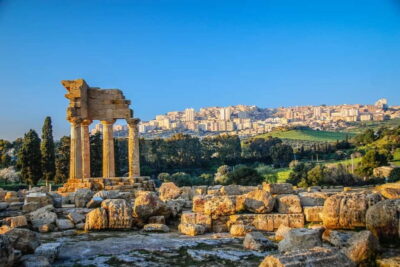
Next comes Temple of Herakles. This is the stop where the tour shifts from architecture to storytelling in a very useful way. Myth here isn’t just trivia. The guide connects Herakles—the legendary hero—to the culture and beliefs of the people who built and honored these spaces.
When you hear the stories, you start to understand why a temple’s dedication mattered. It shaped festivals, rituals, and how communities imagined the relationship between humans and the divine. In other words, the myth gives meaning to the location.
There’s also a real-world benefit to this kind of narration: it keeps you from getting tunnel vision on details. Instead of only scanning columns and steps, you’re building a mental picture of why the temple existed and how it fit into daily life. That’s the difference between walking through ruins and walking through history that had a pulse.
Olympian Zeus remains: learning to see fragments as a whole
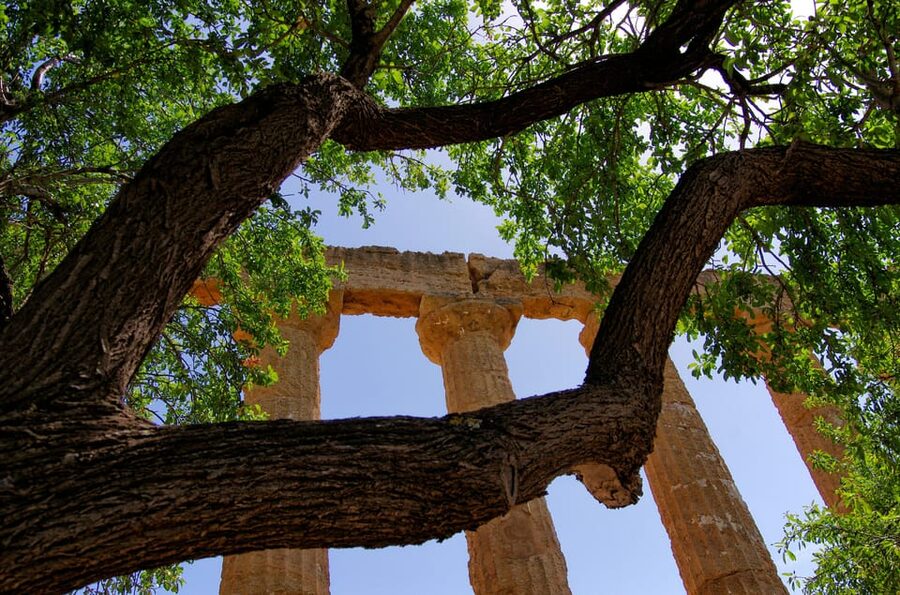
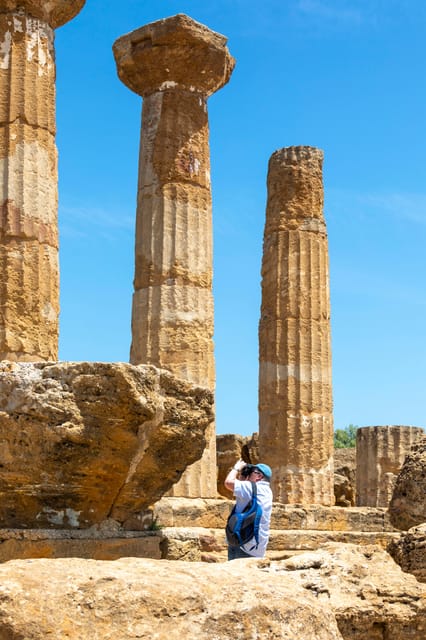
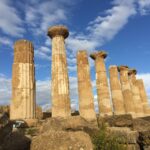
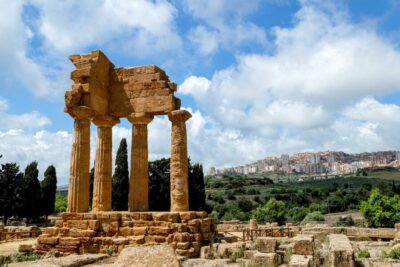
Then you reach Temple of Olympian Zeus—or rather, what’s left of it. Even in ruins, it’s a big deal. The guide’s job is crucial here because the temple’s former size is harder to picture when you’re only seeing fragments.
This is a stop where your brain wants certainty: What did it look like? How tall was it? How did it dominate the ridge? With a good explanation, the pieces start behaving like a puzzle. You begin imagining the full structure again, not just reading the ground as a scattered museum exhibit.
The value here is not that you suddenly become an ancient architect. The value is that the fragments stop feeling random. The guide helps you connect “remains” to “function”—how the grand temple would have signaled power, devotion, and status in the ancient city.
If you’re the kind of traveler who likes a before-and-after mental movie, this is a strong moment. You’ll likely find yourself looking at the same stone for longer than you expected, because now you’re trying to reconstruct the temple in your head.
Sanctuary of the Chthonic Deities: underworld worship, explained simply
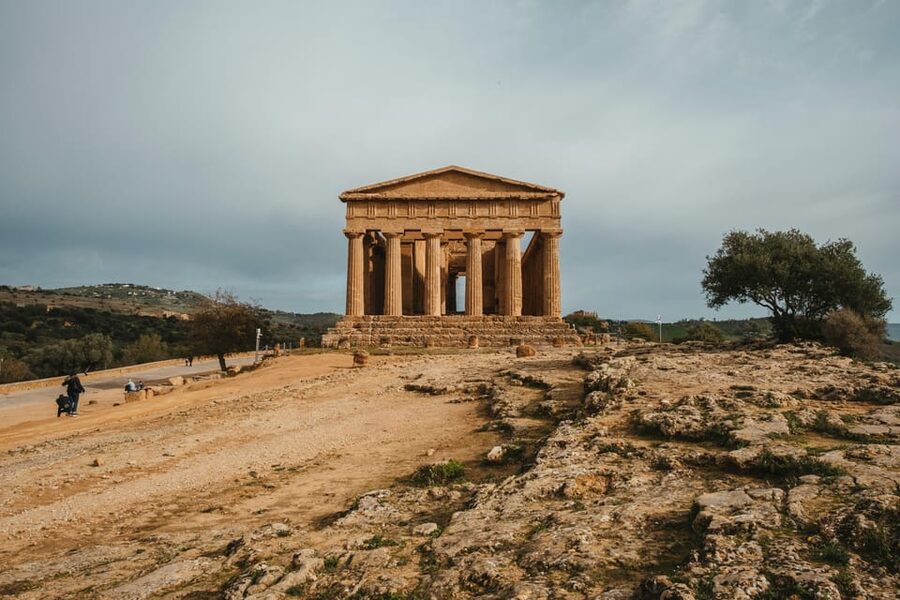
The tour also includes a look at the Sanctuary of the Chthonic Deities, tied to rites and rituals for gods connected with the underworld. This is one of the more interesting contrasts in the Valley of the Temples experience, because it reminds you that Greek religion wasn’t only sunshine-and-grand-processions.
At this point in the walk, your guide shifts tone from monumental architecture to spiritual practice. You’ll get the basics of the ancient rites tied to underworld beliefs, and you’ll see how sacred spaces weren’t only about what the city wanted to celebrate publicly. They were also about what people feared, hoped for, and explained in their worldview.
Even if your interest in the underworld is limited, this stop tends to land well because it changes how you interpret the whole ridge. You start realizing the temples aren’t a single theme park attraction. They’re part of a system of beliefs.
What the guide adds: where the best stories come from
The strongest part of this type of tour is the human element: the guide can turn “I see columns” into “I understand how it worked.” In the reviews, guides like Liz and Sara stand out for the same reason: they don’t just name structures. They make the temples feel like they belong to real people.
Liz’s style is described as charming and full of stories, which matters because myths and religion can sound distant if you only hear dates and facts. Sara’s explanations are praised for covering construction and use, and for helping visitors realize they’d otherwise be looking at stones without meaning.
One review also points to learning about ancient engineering and Greek life. That’s exactly what you should expect from a good guide here: practical understanding. How design relates to function. How city life and belief shaped what got built. How the temples were meant to be seen and experienced.
If you’re the type of visitor who likes to take photos, you’ll still take them. But you’ll also look differently at what’s in front of you, because you’ll know what you’re trying to notice.
Price and value: is $164.26 per person worth it?
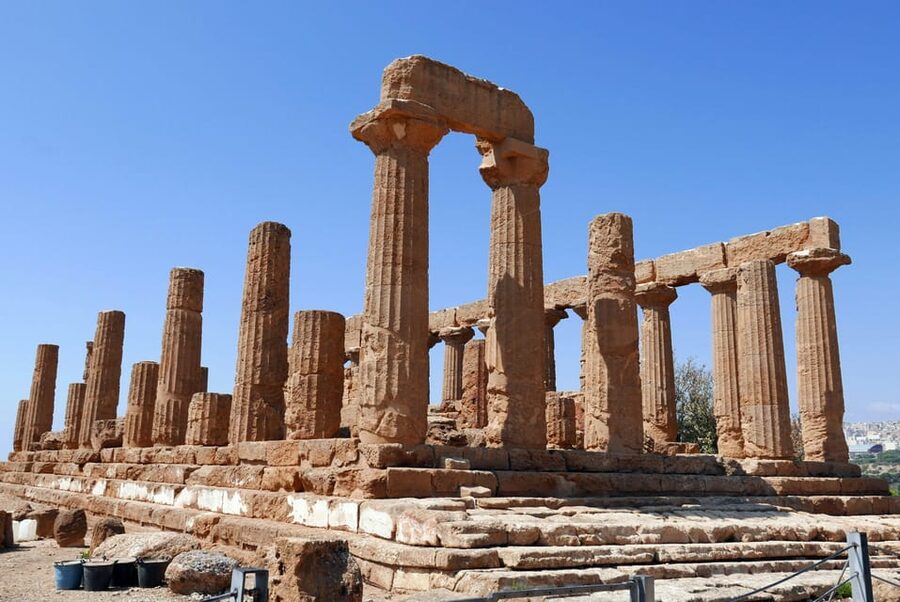
At $164.26 per person for a 2-hour private tour, the question isn’t whether you can see the temples on your own. You can. The question is what you’re buying.
You’re paying for:
- Tickets to access the Valley of the Temples
- An expert local guide who explains what each stop means
That combo matters. Self-guided visits are great for people who already know Greek temple basics. But if you’re like most of us, you’ll get more out of the site with context and storytelling. Here, the guide’s knowledge is the product.
Also, this tour saves you from decision fatigue. The Valley of the Temples is large, and with time limited, you want a plan that hits the classic temples and the key themes. This itinerary does that—Doric highlights first, then myth and ritual threads.
Where the price might not feel like a win is if you’re hoping for a long, slow tour with lots of free roaming time. You won’t get that. You’re buying focus, not wandering.
Logistics to know before you go (so the day stays easy)
Transportation to the meeting point isn’t included, so plan your own way to Via Panoramica Valle dei Templi / the Tempio di Giunone area.
Food and drinks aren’t included either. Build in a break before or after. And because this is outdoors with walking, you’ll want to treat it like a “sun and shoes” outing.
Weather matters too. If conditions are too bad to do the tour safely, the activity will be canceled and you’ll receive a full refund. So if you’re traveling in seasonally unpredictable weather, you have some protection.
Finally, it’s not suitable for wheelchair users. If mobility is a concern, plan accordingly before booking.
Who this private tour is best for
This fits well if you want:
- A short visit that still feels meaningful
- A guide who explains both architecture and mythology
- A focused route through the Valley of the Temples highlights
It’s also a good option for first-timers in Agrigento who don’t want to research Greek temple basics before arrival. The guide provides the “decoder ring,” fast.
It may not be the best choice if you:
- Want to spend half the day wandering every corner
- Need full wheelchair accessibility
- Prefer audio-only explanations and lots of solo time
Should you book this Agrigento Valley of the Temples private tour?
If you want to see the Doric temples and actually understand what they meant, I’d book it. The Valley of the Temples is famous, but fame can make ruins feel flat. This private format fixes that by pairing the best-preserved and most dramatic structures—like Temple of Concordia—with myths and ritual context that make the site click.
I’d only hesitate if 2 hours feels too short for your style. If you’re the kind of person who needs time to linger and re-linger, plan for extra time before or after this tour.
If you’re ready to walk, look, and leave with a head full of stories instead of just photos, this one is a strong pick.
FAQ
How long is the Agrigento Valley of the Temples private tour?
The tour lasts 2 hours.
Where do we meet the guide?
Your guide meets you in front of the ticket office of the Tempio di Giunone.
Is this a private tour?
Yes, it’s a private group experience.
What’s included in the price?
Tickets to access the Valley of the Temples and an expert local guide are included.
What isn’t included?
Food and drinks are not included, and transportation to the meeting point is also not included.
What languages are available for the live guide?
Live guide languages include English, Italian, French, Spanish, and German.
Is the tour wheelchair accessible?
No, it’s not suitable for wheelchair users.
What happens if the weather is bad or I need to cancel?
If weather conditions are too bad to do the tour safely, the activity will be canceled and you’ll get a full refund. Free cancellation is available up to 24 hours in advance for a full refund.
More Tours in Agrigento

More Tour Reviews in Agrigento
More at the Valley of the Temples
Just added: the newest Agrigento tours in our notebook
- Scala dei Turchi: Aperitif on a boat at sunset★ 4.3 · 3 reviews
- From Agrigento to Siracusa: Valley of Temples & Roman Villa★ 5.0 · 3 reviews
- Private Tour : Agrigento & Scala dei Turchi★ 5.0 · 3 reviews
- Wine tasting under the Stars in the vineyards of Agrigento★ 5.0 · 3 reviews
- Private tour from Palermo to Agrigento and Piazza Armerina★ 4.0 · 4 reviews
- E-BIKE TOUR AGRIGENTO: Valley of the Temples & Old Town with meal included★ 5.0 · 4 reviews
Agrigento & Valley of the Temples, compared.
 ★ 4.5Agrigento: Valley of the Temples Skip-the-Line Sunset TourFrom $511,512 reviews
 ★ 4.2Palermo: Agrigento and the Valley of the Temples Day TourFrom $771,240 reviews
 ★ 4.3Agrigento: Valley of the Temples Ticket & App AudioguideFrom $191,160 reviews
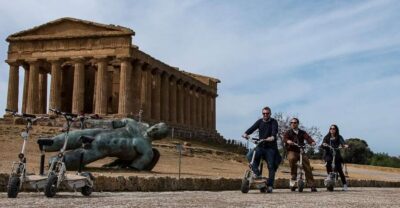 ★ 4.6Agrigento: Valley of the Temples E-Scooter TourFrom $68557 reviews
 ★ 4.1Palermo: Valley of the Temples and Scala dei Turchi Day TripFrom $79463 reviews
 ★ 5.07 hours Boat trip to Lampedusa lunch, SUP and SnorkelingFrom $86453 reviews
 ★ 4.5Catania: Valley of the Temples and Turkish Steps with SnackFrom $129346 reviews
 ★ 4.1Agrigento: Valle dei Templi Fast-Track Ticket & Smart GuideFrom $24344 reviews
Browse the lists this tour appears in