
Reviewed · SYRACUSE & ORTIGIA
4 Hours Guided Tour to the Archaeological Park of Neapolis and Ortigia
Syracuse can feel like three trips in one. This private 4-hour tour strings together the big hitters of Neapolis and the island of Ortigia, with a specialist guide in English to help it all click—Greek theater, Roman amphitheater, and Ortigia’s landmarks like the Temple of Apollo and Piazza del Duomo. I especially like the pace (90 minutes at each area) and the way the guide-style can fit your interests, whether you want architecture, stories, or just clear answers.
One thing to plan for: entrance tickets for Neapolis (and the Cathedral if you want to go in) cost extra, and transport between Neapolis and Ortigia isn’t included, so you’ll need to handle that hop yourself.
In This Review
- Key highlights if you love ruins and street-level stops
- A 4-hour Syracuse plan that actually works
- Neapolis Archaeological Park: Greek theater, Roman amphitheater, and the oddball-famous spots
- Greek theater: why the guide route helps
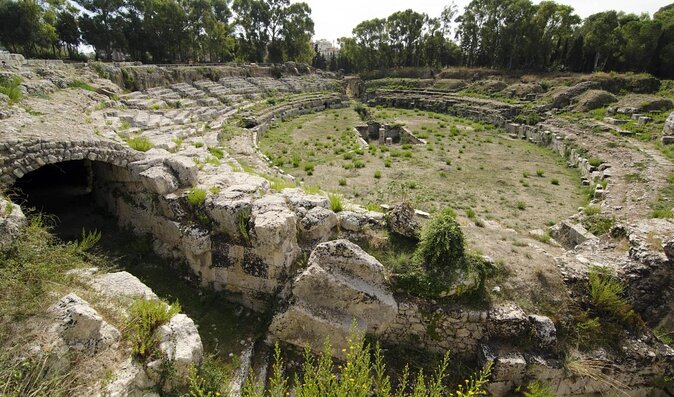
- Roman amphitheater: watch for the contrasts
- The ear of Dionysius and cave of the Cordari
- A realistic pace and what to watch for
- Ortigia’s 90-minute core: Temple of Apollo, Duomo square, and Fonte Aretusa
- Temple of Apollo and Piazza del Duomo
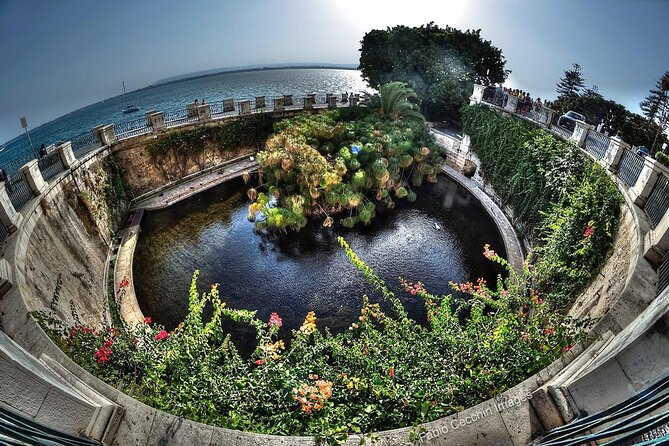
- Fonte Aretusa: a pause point
- The specialist guide: how you get more than stones
- Price and value: what $414.02 covers (and what you’ll still need to pay)
- Logistics that can make or break a good day
- The transport gap between sites
- Photo timing: when to slow down
- Who should book this private Neapolis and Ortigia tour
- Should you book 4 Hours Guided Tour to Neapolis and Ortigia?
- FAQ
- Is this tour a private group experience?
- What’s included in the price?
- Are entrance fees included?
- How long does the tour last, and what stops are covered?
- Where do we meet, and where does the tour end?
- Can I cancel and get a full refund?
Key highlights if you love ruins and street-level stops
- A private group experience up to 15 people, so you won’t be lost in a crowd.
- 90 minutes in Neapolis to move from the Greek theater to Roman remains and signature spots like the ear of Dionysius and cave of the Cordari.
- 90 minutes on Ortigia focused on major sights such as the Temple of Apollo, Piazza del Duomo, and Fonte Aretusa.
- English specialist guiding with a style that can be adjusted to your interests (you may even get a guide like Silvia, Luca, Galina, or Valentina).
- Mobile ticket included, which helps on busy days when you want less fuss.
Deeper into Ortigia and old Syracuse
- Syracuse: Tour of Ortigia Island & Caves with Local Skipper
★ 4.7 · 1,060 reviews - Tour of the island of Ortigia and exploration of sea caves with baths.
★ 5.0 · 668 reviews - Boat tour of Ortigia Island and sea caves
★ 5.0 · 407 reviews - Siracusa Boat excursion island of ortigia and sea caves
★ 5.0 · 147 reviews
A 4-hour Syracuse plan that actually works
Syracuse is one of those places where you can get stuck doing “random sightseeing.” This tour is built to prevent that. You get a structured sweep that links the archaeological side (Neapolis) to the historic heart of the city (Ortigia). In four hours, you should be able to leave with a clearer mental map of what you saw and why it matters—without spending your whole day trapped on buses or in lines.
The timing is practical: about 1 hour 30 minutes at Neapolis and about 1 hour 30 minutes on Ortigia. That’s long enough for meaningful looking, but not so long that you feel fried by heat, crowds, or stone steps. And because it’s private, you’re more likely to get your questions answered on the spot instead of waiting your turn.
The other big “why this tour” factor is the guide. A good guide here is not just reciting dates. Based on the kinds of guides this experience attracts, you can expect clear, energetic storytelling and a pace that doesn’t bulldoze your attention. If your guide is Silvia, you may notice a very clear, loud delivery plus excellent English. If it’s Luca, you might get extra energy and personality. If it’s Galina or Valentina, the vibe can tilt toward humor or architecture-and-history storytelling. Your best outcome is when the guide adapts to what you care about.
Neapolis Archaeological Park: Greek theater, Roman amphitheater, and the oddball-famous spots
Your tour starts at Parco Archeologico della Neapolis (Via Luigi Bernabò Brea, 14, 96100 Siracusa). This matters because it gets you into the archaeological zone with context right away, instead of arriving and trying to decode signage while everyone else mills around.
In Neapolis, you’ll focus on several headline areas:
- the Greek theater
- the Roman amphitheater
- the ear of Dionysius
- the cave of the Cordari
What I like about bundling these in one guided run is how it helps you compare the styles without the mental strain of constantly switching places. You can also ask better questions as you go, because you’re not bouncing between disconnected stops.
Greek theater: why the guide route helps
Even if you only have a short time, the Greek theater is the kind of place where your eye needs help. With a guide, you’re not just looking at stone seats—you’re seeing how the space is meant to be used. That turns a quick viewing into a more thoughtful moment, especially if you enjoy the “how people used these spaces” angle.
Roman amphitheater: watch for the contrasts
Right after the Greek theater, the Roman amphitheater becomes a built-in comparison. The structure of the visit encourages you to notice what changes in design and atmosphere, and it’s a good reminder that Syracuse isn’t one-layer history. It’s a stack.
A few we would gladly point a friend toward in Sicily



The ear of Dionysius and cave of the Cordari
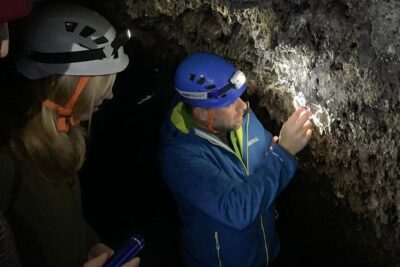
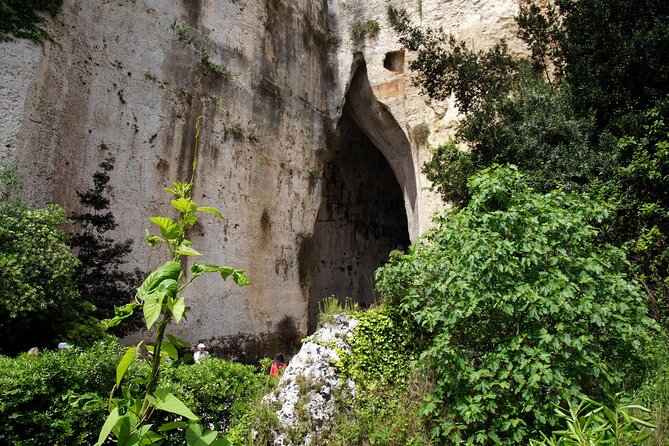
These two stops are there for a reason: they’re memorable names that make people want to linger. The guide’s job here is to keep you oriented so you don’t treat them like random “must-photos” scattered around a site. You should walk away with a better sense of how these features fit into the bigger Neapolis story, even if your time is limited.
Admission note: Neapolis Archaeological Park tickets cost €17.00 per person and are not included. Plan to have cash/credit ready or confirm how you’re expected to obtain the admission before you arrive with your group.
A realistic pace and what to watch for
This part of the day is where you’ll want good shoes. Even though the time block is generous, archaeological sites tend to involve walking on uneven ground. If you’re sensitive to steps or long stretches, bring that up at the start so your guide can shape the route.
Ortigia’s 90-minute core: Temple of Apollo, Duomo square, and Fonte Aretusa
After Neapolis, you move to Ortigia (Island of Ortigia) for another about 1 hour 30 minutes. The tour ends on the island, and you can keep exploring after the guide finishes.
Ortigia is the more “you can feel the city” half of the experience. The focus here is on major public landmarks:
- Temple of Apollo
- Piazza del Duomo
- Fonte Aretusa
- plus other key monuments in the area (depending on how the route is paced)
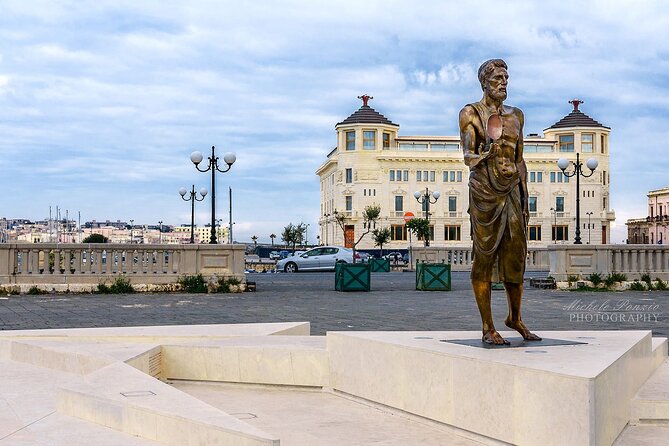
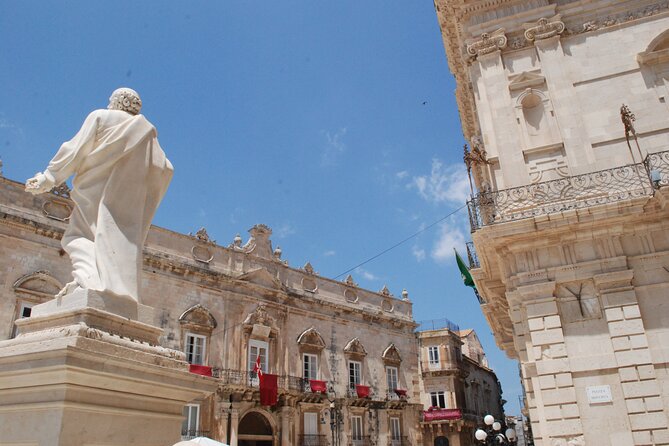
The value of this stop is that it takes the big ancient pieces you saw in Neapolis and places them in an active street setting. You can walk around and see how the historic center works today: squares where people gather, viewpoints where you naturally slow down, and a general sense that the ruins aren’t sealed off in isolation.
Temple of Apollo and Piazza del Duomo
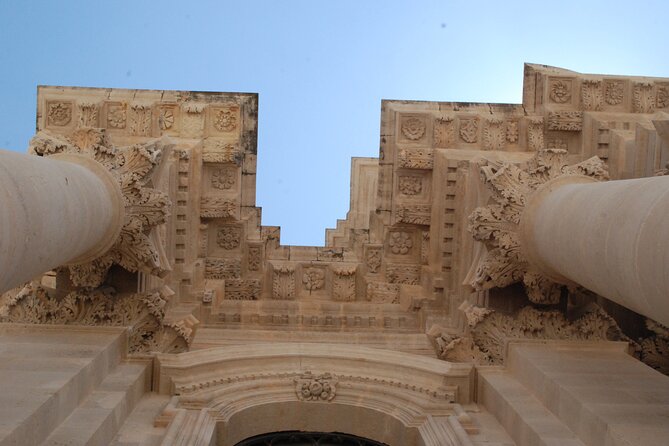
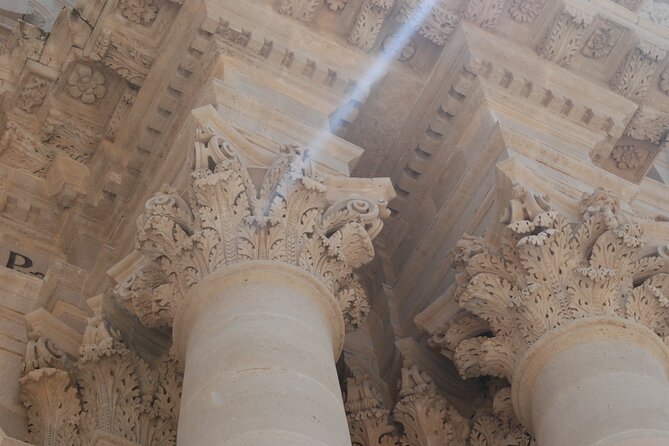
These stops give you a classic “before and after” feeling: the Neapolis stones are more about the archaeological complex, while Ortigia’s focus is about monuments in the city’s living framework. With a guide, you should be able to connect what you saw earlier to what you’re standing in front of now. If you’re the type who likes architecture and layout, this is where your questions pay off.
Fonte Aretusa: a pause point
Fonte Aretusa is the kind of stop that helps you breathe. It’s not just another photo spot. It’s a natural waypoint in Ortigia that makes the final part of your tour feel less like sprinting and more like wandering with purpose.
Admission note: For Ortigia, the monument viewing component is listed as free in the context of the tour. If you want to go inside the Cathedral, plan on the €4.00 per person ticket, which is not included.
The specialist guide: how you get more than stones
This tour is guided end-to-end, and the guide matters more than you might expect. A great guide does two things at once:
1) helps you keep your bearings, so the site doesn’t feel like a checklist
2) turns what you see into a story you can repeat to yourself later
That’s why you’ll see the tour described (in real-world terms) as comfortable and paced. Several guide styles shine here. People have highlighted guides like Silvia for clear, loud English delivery and Luca for energy and personality. Others have praised a comfortable pace with humor (Galina) and an architecture-meets-history storytelling approach (Valentina).
If you care about details, you’ll likely get them. If you just want the big picture, you’ll still get it, because the guide has to explain enough for you to feel confident moving around on your own afterward.
One practical tip: when you arrive, ask what kind of route you’ll take through Neapolis. If you have preferences—like spending more time on the theater area or focusing on the famous named features—your guide can often steer the emphasis within the fixed time block.
Price and value: what $414.02 covers (and what you’ll still need to pay)
The tour price is $414.02 per group, up to 15 people, for about 4 hours in English with a specialist guide. That structure is important: you’re not paying a per-person “ticket tour” rate for everything. You’re paying for the guided experience at the group level.
Here’s how to think about value:
- If you’re traveling as a small group (two or three people), the guide cost spreads out less efficiently, so you’ll want to be sure you’ll use the full value of the tour.
- If you’re a larger group (still within the 15-person cap), the price becomes easier to justify because the guide cost per person drops.
Then add the add-ons you should budget:
- Neapolis entrance: €17.00 per person (not included)
- Cathedral entrance: €4.00 per person (if you choose to go in)
- Transportation between Neapolis and Ortigia and back: not included
That last point is the one that can quietly change your math. If you don’t already know the best way to get between the two areas, set aside time (or budget) to solve that. The tour ends on Ortigia, so plan your day around finishing there.
If you want the simplest budgeting move, do this: estimate your group’s total guide price, then add €17 for each person for Neapolis, plus €4 for anyone who wants the Cathedral. For transport, treat it as an extra line item you’ll cover.
Logistics that can make or break a good day
You start at Neapolis Archaeological Park, and you finish on the island of Ortigia. That end point is convenient: Ortigia is the part of Syracuse where you’ll likely want to keep walking afterward.
A few practical considerations based on the details you’re given:
- You’ll receive confirmation at booking time, and you’ll have a mobile ticket.
- The tour is private, so it’s only your group.
- It’s offered in English.
- The experience is listed as allowing service animals, and it’s described as near public transportation.
- “Most travelers can participate,” which usually means it’s not overly specialized, but you should still expect typical walking on uneven ground at archaeological sites.
The transport gap between sites
The big logistical question is transport between Neapolis and Ortigia. Since it’s not included, don’t assume you’ll be whisked by van as part of the ticket price. Instead, check with the provider or plan your own method (taxi, local transit, or whatever works best for your day).
Even if you handle transport smoothly, keep buffer time. Archaeological visits can run with small timing variations, and Ortigia’s walkability means you may want a few extra minutes to find the right meeting spot for the guide handoff.
Photo timing: when to slow down
Because you’re doing two distinct areas, you can’t rely on one “golden hour” moment to make the whole day work. I like this structure because it gives you multiple opportunities: Neapolis for monumental stone views, Ortigia for street-level scenes in a living historic center. Just remember you’ll be moving on a schedule, so keep your phone charged and your water bottle handy.
Who should book this private Neapolis and Ortigia tour
This is a great fit if you want a history-and-monuments day without turning it into a full-day grind. I’d put it at the top of your list if:
- you’re on a time budget and want a guided overview of both Neapolis and Ortigia
- you enjoy the contrast between different eras and different spaces (theater and amphitheater, then city squares and landmarks)
- you like the idea of finishing Ortigia and continuing at your own pace
It’s also useful if you’re the type who asks questions. A good guide can adjust emphasis toward your interests—architecture, major landmarks, or a clear narrative that stitches the places together.
If, on the other hand, you already know Syracuse well and want total freedom with no extra cost, you might prefer self-guided exploring. But if you want confidence quickly—especially with Neapolis—it’s hard to beat having a specialist guide in your corner.
Should you book 4 Hours Guided Tour to Neapolis and Ortigia?
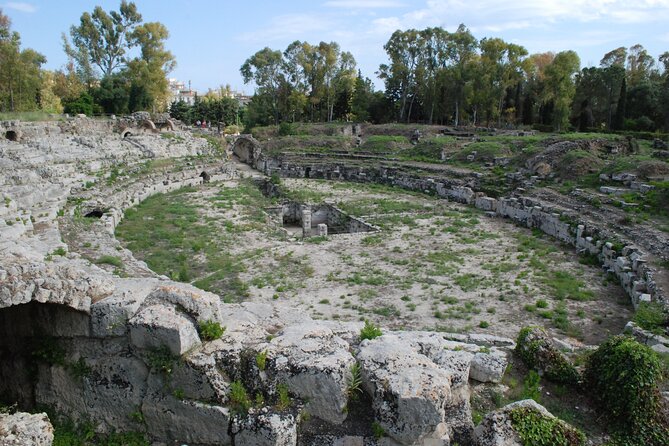
I’d book it if you want a structured, private, English-guided way to see the core of Syracuse in a half-day and still have time to wander Ortigia afterward. The two-stop format is exactly what makes it efficient: 90 minutes of Neapolis focus, then 90 minutes of Ortigia landmarks.
Before you hit confirm, do two quick checks:
- Budget for €17 Neapolis (and €4 Cathedral if you plan to enter)
- Plan for transport between Neapolis and Ortigia, since it’s not included
If those points are handled, this tour is a strong value for people who want clarity and momentum—without losing the pleasure of walking around an actual city center.
FAQ
Is this tour a private group experience?
Yes. It’s a private tour/activity, and only your group will participate.
What’s included in the price?
The tour includes a guided tour and a specialist guide.
Are entrance fees included?
No. Neapolis Archaeological Park entrance is €17.00 per person, and Cathedral entrance is €4.00 per person. The Ortigia stop is listed as free for admission in the tour context.
How long does the tour last, and what stops are covered?
The tour lasts about 4 hours, split into 1 hour 30 minutes at Neapolis and 1 hour 30 minutes on Ortigia.
Where do we meet, and where does the tour end?
You start at Neapolis Archaeological Park, Via Luigi Bernabò Brea, 14, 96100 Siracusa SR, Italy. You end on the island of Ortigia.
Can I cancel and get a full refund?
Yes. You can cancel for a full refund up to 24 hours before the experience’s start time. If the tour is canceled due to a minimum traveler requirement not being met, you’ll be offered another date/experience or a full refund.
More Tours in Sicily





More Tour Reviews in Sicily

More of Syracuse and Ortigia
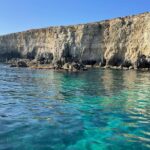

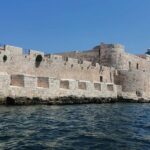
Just added: the newest Sicily tours in our notebook
- Etna / Taormina★ 5.0 · 3 reviews
- Bikes★ 5.0 · 3 reviews
- Taormina shore tour – for small group cruise passengers★ 5.0 · 3 reviews
- Vegan Cooking Class in Catania with Lunch and Dinner★ 5.0 · 3 reviews
- Make & Taste Sicilian Desserts in Palermo – Learn Cannoli & More★ 5.0 · 3 reviews
- Sicilian Villages & Ricotta Tasting – including Lunch from Cefalu★ 4.0 · 3 reviews
Syracuse & Ortigia, compared.
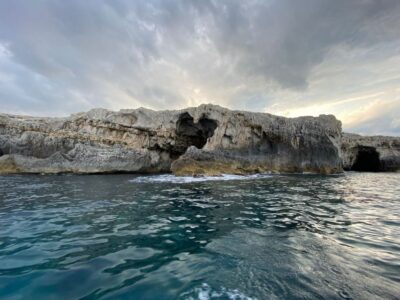 ★ 4.7Syracuse: Tour of Ortigia Island & Caves with Local SkipperFrom $231,060 reviews
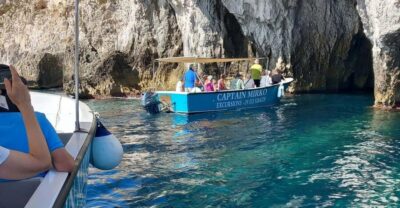 ★ 4.7Syracuse: Boat Tour with Captain Mirko, Snorkeling & CavesFrom $35746 reviews
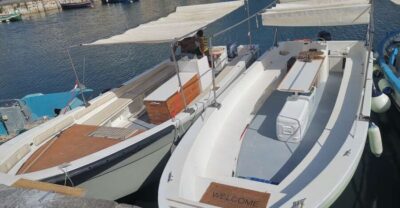 ★ 4.7Siracusa: Ortigia Boat Tour with Marine Grotto & SnorkelingFrom $47726 reviews
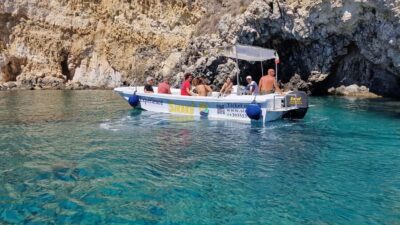 ★ 4.8Siracusa: Ortigia & Sea Caves Boat Tour w/ Prosecco & FruitFrom $35723 reviews
 ★ 5.0Tour of the island of Ortigia and exploration of sea caves with baths.From $24668 reviews
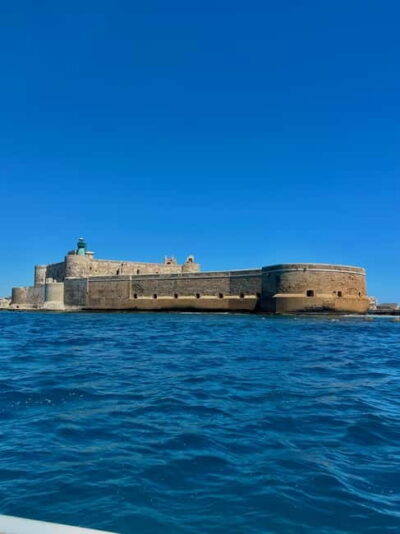 ★ 4.7Syracuse: Ortigia Island & Sea Cave Boat Tour with ProseccoFrom $23418 reviews
 ★ 5.0Boat tour of Ortigia Island and sea cavesFrom $24407 reviews
 ★ 4.6Catania: Syracuse, Ortigia, and Noto Tour with BrunchFrom $112404 reviews
Browse the lists this tour appears in