
Reviewed · MOUNT ETNA TOURS & SUMMIT
2002 Crater Excursion – Northern Etna
Etna on the north side is pure drama. I like the way this hike targets the less-visited north side of Europe’s highest active volcano, and I love having an authorized volcanological guide who explains what you’re stepping over, not just what erupted. The trade-off: you walk on rough, sometimes incoherent volcanic soil, and the route includes edges that can trigger vertigo for sensitive folks.
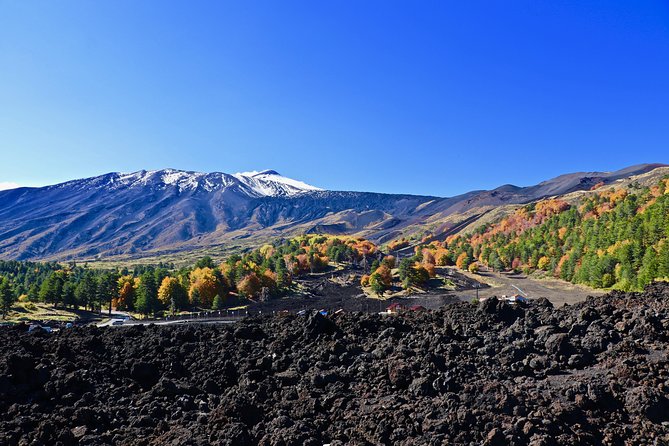
Your trek begins at Piano Provenzana, a practical base on Mount Etna’s north flank reached by fully paved roads. Expect pine forest, dramatic lava terrain left after the October 2002 eruption, and easy pre-hike pacing with cafés and shops nearby, including spots to refill water bottles.
The whole experience runs about 3 hours, capped at 20 people, so questions don’t get lost. It’s about 5 km round trip with roughly 300 m of climbing, and you get accident insurance, though you must wear adequate trekking shoes to stay covered.
In This Review
- Key highlights from the 2002 Crater Excursion on Northern Etna
- Why the north side matters on this 2002 Etna hike
- Piano Provenzana: where your Etna north hike actually starts
- The 2002 Crater route: lava flow, craters, and the eruptive fracture
- Walking the 27 Oct 2002 lava flow
- Through older flows: 1911 and 1923
- Crater edges and the chain of 1911 craters
- Climbing toward the 2002 eruptive fracture and vent
- Descending through ash channels and forest/ski sections
- Your volcanological guide: what you should look for
- Gear and the real costs: boots, water, and parking fees
- Shoes are required for coverage
- Water, layers, and gloves
- Trekking poles and what helps on lava rock
- Parking fees are extra
- How fit do you need to be for this Etna north hike?
- Weather and safety on an active volcano
- Price and value: is $43.55 worth it?
- Should you book this Northern Etna excursion?
- FAQ
- How long is the 2002 Crater Excursion on Northern Etna?
- Where is the meeting point for this Etna north tour?
- What time does the tour start?
- What is included in the price?
- Is bottled water included?
- Do I need trekking shoes?
- Are trekking poles included?
- Is parking included?
- What happens if weather isn’t good on Etna?
- How many people are in the group?
Key highlights from the 2002 Crater Excursion on Northern Etna
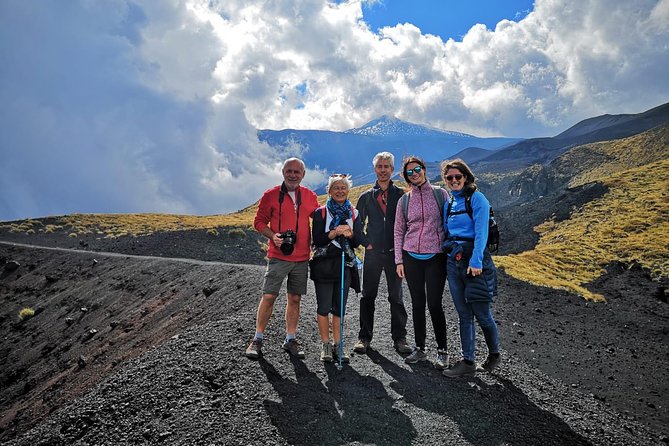
- Smaller-group Etna hiking: max 20 people, with an authorized volcanological guide
- Walk across the 27 Oct 2002 lava flow: you even pass where buildings and parking are now buried
- Crater history that you can see: 1911 and 1923 lava flows plus a chain of 1911 craters
- Vent and eruptive fracture close-up: the route reaches the area that produced the destructive flow
- Manageable hike distance: about 5 km round trip, but 300 m of ascent/descent on volcanic ground
- Safety first on active terrain: guides can adjust the route or pause the walk if conditions change
More ways up the volcano from Sicily
- Etna Morning Trip
★ 4.5 · 1,241 reviews - Mt. Etna nature and flavors half day Tour from Catania
★ 5.0 · 545 reviews - Etna excursion 3000 meters with 4×4 cable car and Trekking
★ 4.5 · 504 reviews - Mount Etna Adventurous Hiking Tour with Equipment
★ 4.5 · 439 reviews
Why the north side matters on this 2002 Etna hike
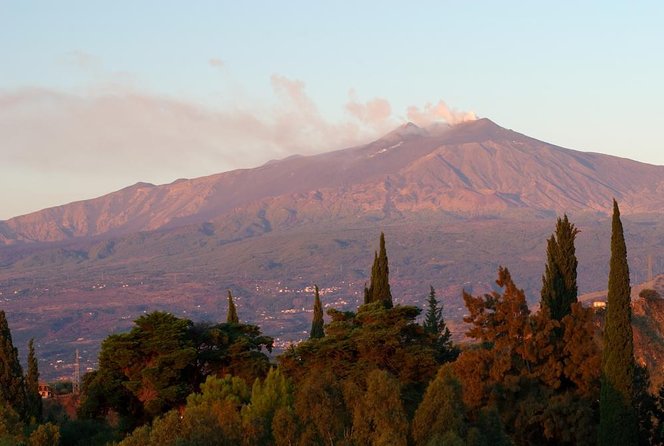
Most Etna tours focus on the most famous approaches, which can mean crowds and a shorter, simpler story. This one leans into the north side, where the terrain feels wilder and less touristy—and where you learn to read the volcano by walking it.
I especially like that the hike is built around one major event, the October 2002 eruption, instead of trying to cram in everything. You cover the long lava flow from 27 Oct 2002, then move through older flows from 1911 and 1923. That makes the geology feel logical, not random.
One practical note: the north slope also means colder conditions in shoulder seasons, depending on the day. Bring the right layers, and assume you’ll feel wind on exposed volcanic sections.
Piano Provenzana: where your Etna north hike actually starts
Piano Provenzana is the kind of meeting hub that makes tours easier. You can reach it by private or rental car on fully paved public roads, and it has the basic services you might want before a hike—cafés and bars for coffee or a quick snack, souvenir shops, and spots to refill water bottles.
After the eruption in October 2002 reshaped the area, the old facilities were wiped out. What replaced them is a stark volcanic setting with real historic interest. In other words: this is not just a starting point. It’s part of the story.
The area also runs with seasons. In winter it’s a ski resort, while in summer it becomes a launch pad for guided hikes and excursions. Even if you arrive when it’s not ski season, you’ll feel that “mountain base” vibe right away: practical, functional, and not trying too hard.
The 2002 Crater route: lava flow, craters, and the eruptive fracture
This is a true guided hike, not a drive-by. You’ll cover a route of about 5 km round trip with around 300 m of ascent and descent, usually lasting about 2.5 to 3 hours at a comfortable pace.
Walking the 27 Oct 2002 lava flow
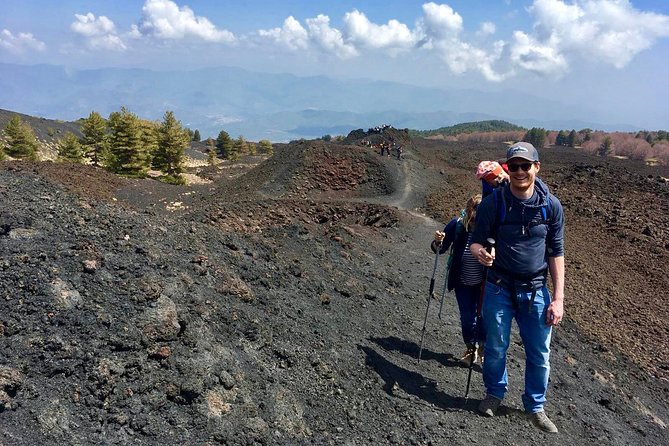
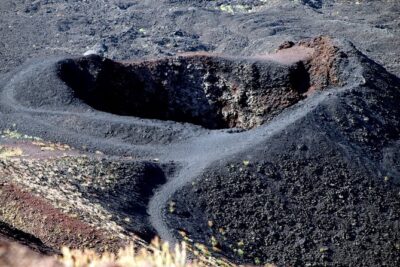
The heart of the excursion is crossing the vast 7.2 km lava flow from the 27 October 2002 eruption. Along the way, you pass places that used to be active human space—hotels, shops, restaurants, and a large car park now buried under volcanic material. Even if you’re not a geology nerd, seeing what got covered makes the scale hit home.
This section is also where you notice the texture of Etna. Volcanic soil can be incoherent and unstable, so footing matters. The ground looks solid from a distance, but it can shift under you. That’s why footwear is not an optional detail.
Through older flows: 1911 and 1923
After the 2002 section, the hike continues through forested areas and past visible lava flows from 1911 and 1923. The tour builds a timeline you can physically walk through: newer eruption material, older flows, then back toward crater features.
If you like explanations that match what you see, this part usually delivers. The guide’s job is to connect the dots between the visuals and the volcanic processes that created them.
Crater edges and the chain of 1911 craters
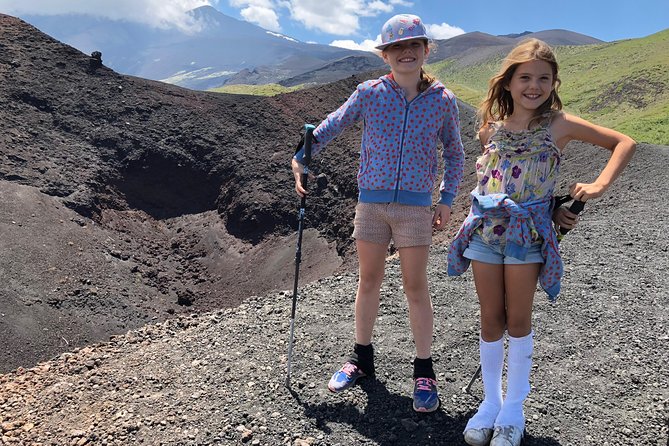
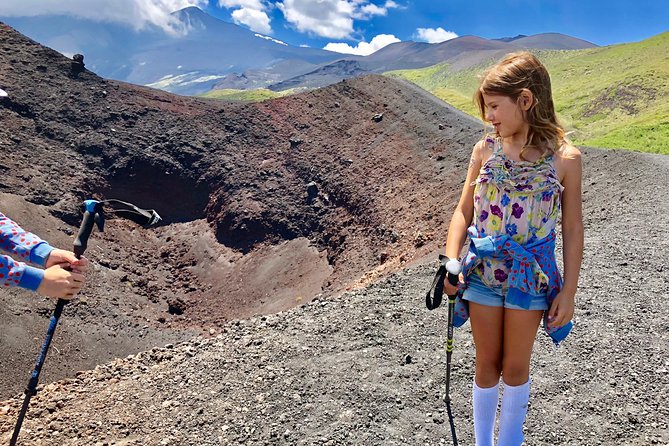
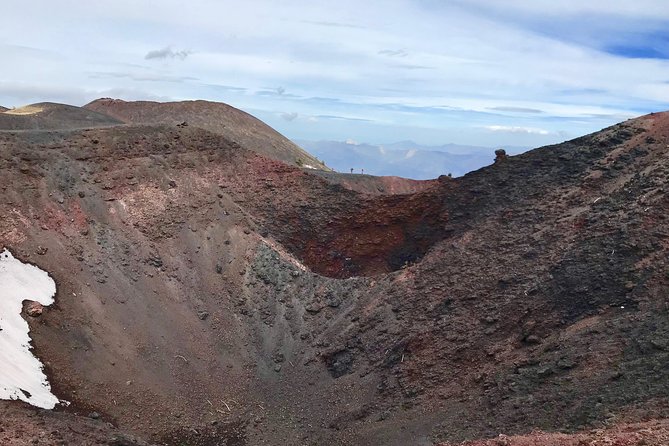
Next comes the chain of 1911 craters, including shafts estimated at 7 to 40 m deep. You’ll be near crater edges as part of the route, and that’s a key consideration for anyone with vertigo. You are close enough that your body notices the drop—even if your mind is curious.
This is where I tell friends to be honest with themselves. If walking near edges makes you uncomfortable, you can still enjoy Etna from many other angles—but this specific route does include those moments.
Climbing toward the 2002 eruptive fracture and vent
The hike then climbs to the crest of the 2002 eruptive fracture, a canyon-strewn area with volcanic bombs. You reach the vent that produced the destructive flow and you’ll also see other larger explosive mouths up to about 2,100 m.
It feels like standing at the volcano’s “cause,” not just the effects. That’s the difference between learning about eruptions and seeing where eruption energy turns into terrain.
Descending through ash channels and forest/ski sections
For the descent, you move through soft ash channels back toward the start. The route passes through beech forest and ski slopes. You’ll likely feel your legs more on the way down because volcanic ground can be loose and uneven, especially when you’re stepping from ash to rock to forest floor.
A smart tactic is to let your guide set the pace and follow their advice for downhills. One review advice that matches the terrain: taller boots can help on downhill uneven sections, and trekking poles are useful for stability across lava rock.
Your volcanological guide: what you should look for
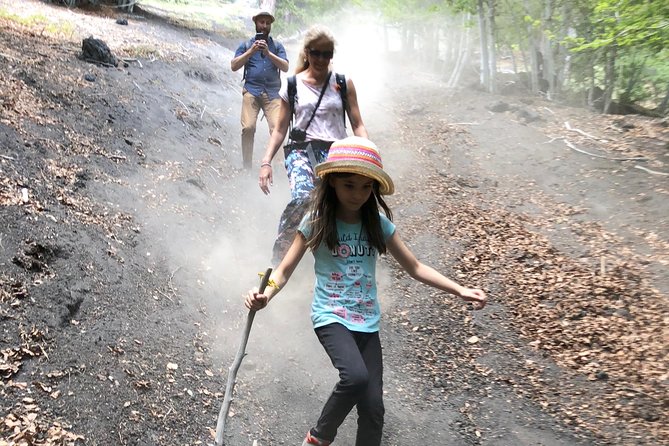
The excursion includes an authorized volcanological guide, and you’ll feel the value of that fast. You’re not just out for a walk—you’re on a structured interpretation of Etna.
I’ve seen guides like Giuseppe and Luca use humor and Q&A to keep things moving. One guide approach stood out in particular: short breaks timed so the hike still feels doable, plus clear tips for steep or tricky parts. That kind of pacing matters because it keeps the technical terrain from turning into a chore.
When you meet your guide at the starting office, you’re likely to get a quick “how the day will work” briefing. Pay attention to safety reminders, especially any guidance about treating volcanic soil carefully. That part can prevent slips and fatigue.
Gear and the real costs: boots, water, and parking fees
At $43.55 per person, you’re paying mainly for the guide and the structure. That value gets stronger because accident insurance is included. But there are a couple costs and requirements that you should plan for so you don’t end up improvising.
Shoes are required for coverage
Trekking shoes are not included, and you should know the important rule: without adequate shoes, you are not covered by accident insurance. There are authorized rentals on site for €5 per pair, but you still need to arrive ready to walk.
If you can bring your own, do. If you rent, check the fit right away. Volcanic terrain punishes loose laces and thin soles.
Water, layers, and gloves
Bottled water is not included. Good news: Piano Provenzana has spots to refill water bottles, so you’re not stuck buying everything at the last minute.
Hat and gloves are not required in every season, but they’re recommended, especially in winter, spring, and autumn. Even on clear days, Etna can feel colder and windier as you climb.
Trekking poles and what helps on lava rock
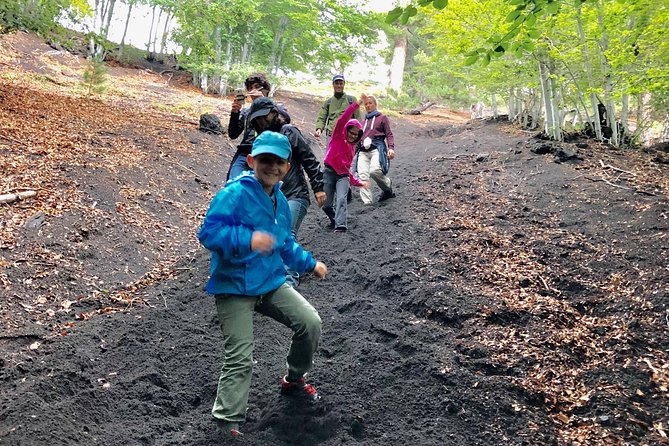
Trekking poles are not included. Based on field experience and common-sense physics, poles make descents safer on uneven volcanic surfaces. If you have them, bring them. If you don’t, consider renting or planning to use your hands carefully on rough patches.
Parking fees are extra
Parking Fees cost €5 for the entire day on weekdays and €8 on Sundays and public holidays. The tour doesn’t include this, so it’s part of the true budget.
How fit do you need to be for this Etna north hike?
This excursion is described as suitable for people in good physical health without certain medical issues like cardiovascular, respiratory problems, or hypertension. It also says trekking is not recommended if you usually do little motor activity.
That sounds strict, but the hike itself is honestly within the reach of many active travelers. You’re looking at about a 5 km round trip with roughly 300 m of ascent/descent. The distance isn’t huge, but volcanic footing and loose ground can make it feel harder than a typical trail of the same length.
The other fitness factor is mental comfort. Since the route includes passage along crater edges, vertigo-sensitive subjects may struggle. If you’re unsure, focus on your comfort near drop-offs rather than your cardio level alone.
Weather and safety on an active volcano
Etna is not a theme park, and the tour treats it that way. The excursion requires good weather, and it may be changed at the guides’ discretion or interrupted if environmental, atmospheric, or volcanic conditions change and safety could be compromised.
That’s exactly how you want it to work. Volcanic areas can shift quickly, and a responsible guide will adjust rather than push the group.
If you’re planning for early morning, note the start time: 9:15 am. Bring layers even if the coast feels warm. Mountain conditions can feel different once you’re higher and exposed.
Price and value: is $43.55 worth it?
For $43.55 per person, you’re buying three things: the volcanological guide, the structured north-slope route tied to the October 2002 eruption, and accident insurance.
What you’re not buying is the extras that often sneak into the day:
- Bottled water
- Trekking shoes (rental is available on site for €5)
- Hat and gloves (you should bring your own if you have them)
- Trekking poles
- Pickup from your accommodation
- Parking fees (€5 weekdays, €8 weekends/holidays)
- Snowshoe rental in winter (15€ paid on the spot)
So the value depends on how prepared you are. If you already have decent hiking shoes and don’t need to rent gear, the trip can feel like a smart deal for a real, guided, geology-based hike. If you must rent shoes and buy a few extras, it’s still fair—but it’s no longer a one-price bargain.
The big win is the north side angle plus the direct walk over 27 Oct 2002 lava, craters, and vent area. That combination is what makes this more than a simple stroll.
Should you book this Northern Etna excursion?
Book it if you want a guided walk that connects volcano history to physical terrain. You’ll like it if you’re comfortable with a couple hours of hiking, you can handle uneven volcanic ground, and you’re curious about how eruptions shape what you see today.
Skip or choose a different Etna option if:
- You struggle with vertigo or dislike edge-walking.
- You rarely hike and don’t feel confident on rocky, loose ground.
- You don’t have proper shoes and don’t want to rent last-minute.
If you do book, do one simple thing: show up in footwear you trust. On Etna, that’s the difference between a great day outdoors and a day spent worrying about footing instead of the volcano story.
FAQ
How long is the 2002 Crater Excursion on Northern Etna?
The tour lasts about 3 hours in total, with the hike part running roughly 2.5–3 hours. The itinerary includes time at Piano Provenzana before and after the walk.
Where is the meeting point for this Etna north tour?
You meet at Ufficio Guide Vulcanologiche Etna Nord, Via Provenzana, 35, 95015 Linguaglossa CT, Italy. The activity ends back at the meeting point.
What time does the tour start?
The start time is 9:15 am.
What is included in the price?
Included are accident insurance and an authorized volcanological guide. You also get the guided experience exploring the north side of Mount Etna.
Is bottled water included?
No. Bottled water is not included, though there are spots at Piano Provenzana to refill water bottles.
Do I need trekking shoes?
Yes. Trekking shoes are not included, and you are not covered by accident insurance without adequate shoes. Shoes can be rented on site at authorized rentals for €5 per pair.
Are trekking poles included?
No. Trekking poles are not included.
Is parking included?
No. Parking fees are extra: €5 for the entire day on weekdays and €8 on Sundays and public holidays.
What happens if weather isn’t good on Etna?
This experience requires good weather. If it’s canceled due to poor weather, you’ll be offered a different date or a full refund.
How many people are in the group?
The tour has a maximum of 20 travelers.
More Tours in Sicily



More Tour Reviews in Sicily
More Etna Summit Treks We Have Walked
Just added: the newest Sicily tours in our notebook
- Etna / Taormina★ 5.0 · 3 reviews
- Bikes★ 5.0 · 3 reviews
- Taormina shore tour – for small group cruise passengers★ 5.0 · 3 reviews
- Vegan Cooking Class in Catania with Lunch and Dinner★ 5.0 · 3 reviews
- Make & Taste Sicilian Desserts in Palermo – Learn Cannoli & More★ 5.0 · 3 reviews
- Sicilian Villages & Ricotta Tasting – including Lunch from Cefalu★ 4.0 · 3 reviews
Mount Etna Tours & Summit, compared.
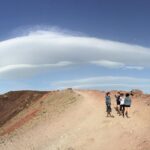
 ★ 4.8Catania: Mount Etna Morning or Sunset Day Trip with TastingFrom $704,028 reviews
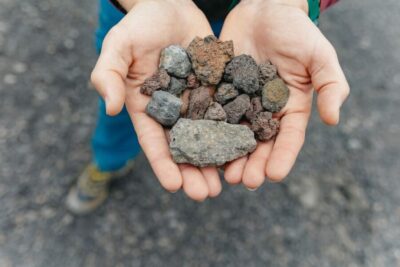
 ★ 4.8Catania: Sunset Jeep Tour of Mount Etna and Lava Flow CavesFrom $712,113 reviews
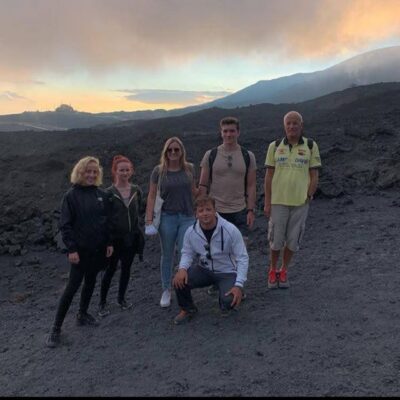
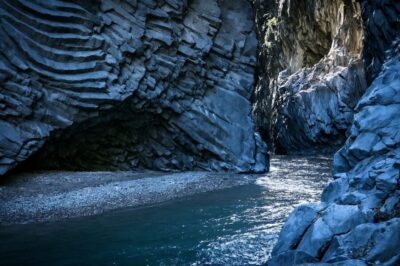 ★ 4.8Etna and Alcantara Gorges Full-Day Tour with LunchFrom $1051,766 reviews
 ★ 4.7Etna: summit craters trekking with volcano guide 3350mtFrom $771,712 reviews
 ★ 4.9Catania: Mount Etna Trekking Tour Beyond the Tourist TrailsFrom $811,596 reviews
 ★ 4.8Mount Etna: Guided Trek 3,000 Meters to the SummitFrom $1131,407 reviews
 ★ 4.8Catania: Etna Sunset Tour with Pickup and Drop-offFrom $711,348 reviews
 ★ 4.8Etna Sunset Tour: Volcano trek, Cave & tasting from CataniaFrom $701,290 reviews