
Reviewed · CATANIA TOURS
The Original Fish Market and Street Food Tour of Catania
Catania’s food starts with the market, then goes underground. I like how this tour pairs real local tastings with street-level context, from the history symbols near Piazza del Duomo to what’s actually selling that day. You’ll also get a rare break in a hidden lava tunnel, which turns a simple food walk into something you remember.
Two more reasons I think it works: you’re not just handed random samples, you’re guided to understand what locals eat and when, and the food portions are genuinely plentiful. One drawback to consider up front: it’s not suitable for vegans, vegetarians, or people with gluten intolerance, so plan around that before you book.
In This Review
- Key things that make this Catania tour worth your time
- Why Catania’s fish market is the right place to begin
- Piazza del Duomo to the market: what you learn before you eat
- The fish market tastings: seasonal, local, and actually filling
- Arancini stop: the mamma Agata payoff
- Street food that feels local, not staged
- Going underground: the hidden lava tunnel break
- History on the route: Castello Ursino and Via dei Crociferi
- Drinks and dessert: what’s included and how it adds up
- Price and value: is $81 worth a 3-hour food tour?
- Who this tour suits best (and who should skip it)
- Tips so you enjoy the full 3 hours
- Should you book this Catania fish market and street food tour?
- FAQ
- Where does the tour meet in Catania?
- How long is the tour, and is it in English?
- Is the fish market open every day?
- What food and drinks are included?
- What should I know about restrictions and rules?
- Does the tour run in bad weather?
Key things that make this Catania tour worth your time
- Fish market day-in-the-life feel with a local expert and market history
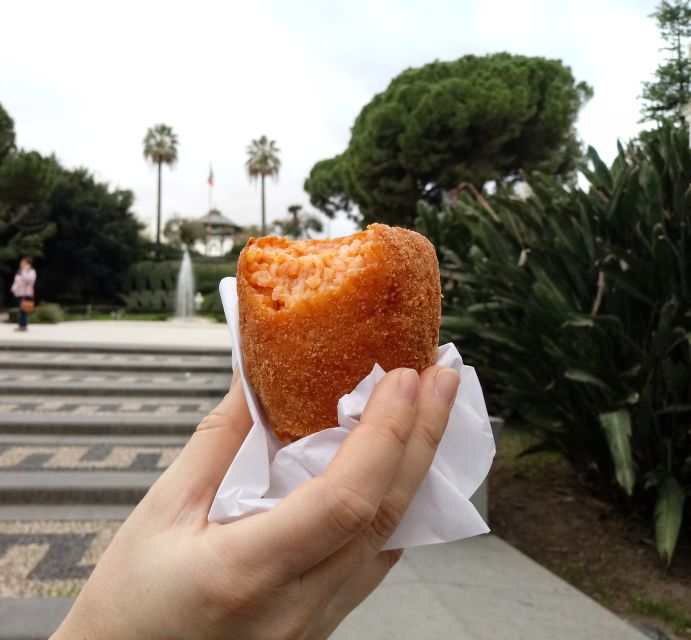
- Traditional arancini from mamma Agata as a true Catania stop
- Street food that makes a meal, not a few token bites
- A hidden lava tunnel visit under Catania, off the usual tourist path
- History mixed into food walking, including Castello Ursino and Via dei Crociferi churches
- Guides with strong delivery, including praised humor and clear city context from guides like Gisella, Davide, and Greta
What else Catania has going on
- Catania: Mount Etna Morning or Sunset Day Trip with Tasting
★ 4.8 · 4,028 reviews - Catania: Sunset Jeep Tour of Mount Etna and Lava Flow Caves
★ 4.8 · 2,113 reviews - Catania: Etna Sunset Tour with Pickup and Drop-off
★ 4.8 · 1,348 reviews - Etna Sunset Tour: Volcano trek, Cave & tasting from Catania
★ 4.8 · 1,290 reviews
Why Catania’s fish market is the right place to begin
If you want to understand Catania fast, start where locals spend their mornings. The tour kicks off at Piazza del Duomo, where you’ll see key city symbols first, then you’ll head straight into the fish market to see how the day runs and why the food matters.
This is one of those smart travel moves: you’re not learning Sicilian cuisine from a museum placard. You’re watching people choose what’s fresh, asking for what they want, and tasting what’s seasonal. That order of operations makes the rest of the experience land better, especially if this is your first visit to Sicily.
Piazza del Duomo to the market: what you learn before you eat
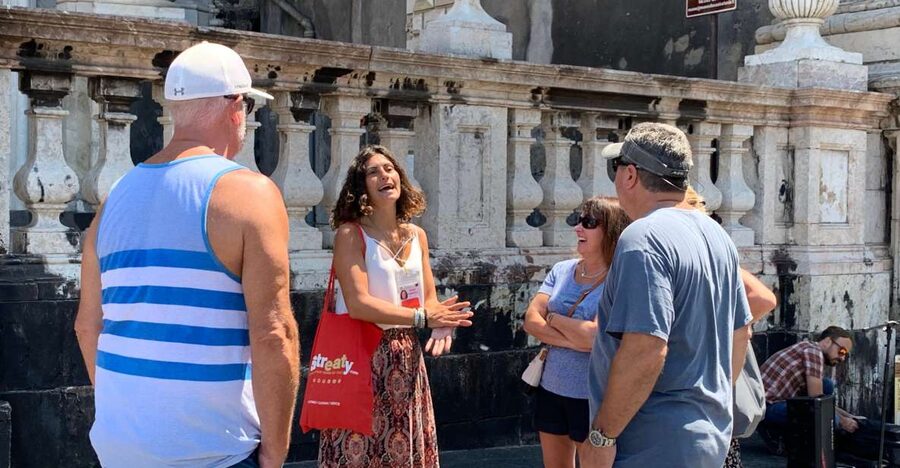
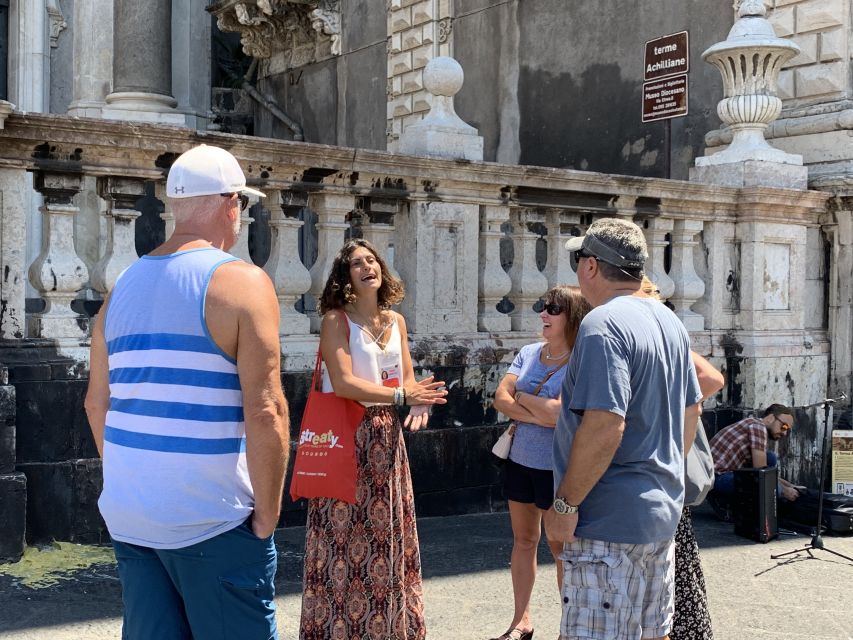
The meeting point is Piazza del Duomo 3, at the main door of Palazzo dei Chierici. Your guide carries a red bag with the Streaty logo, so it’s easy to spot the group.
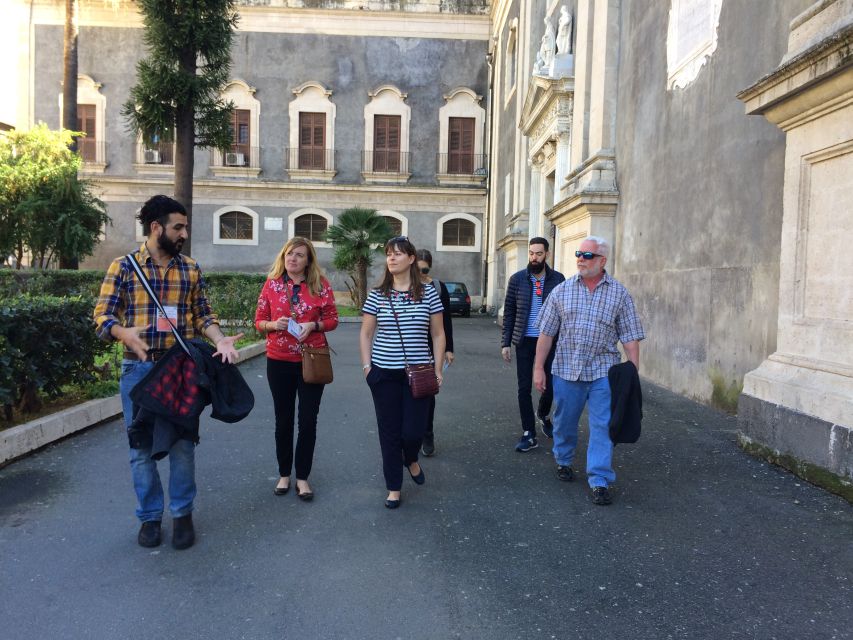
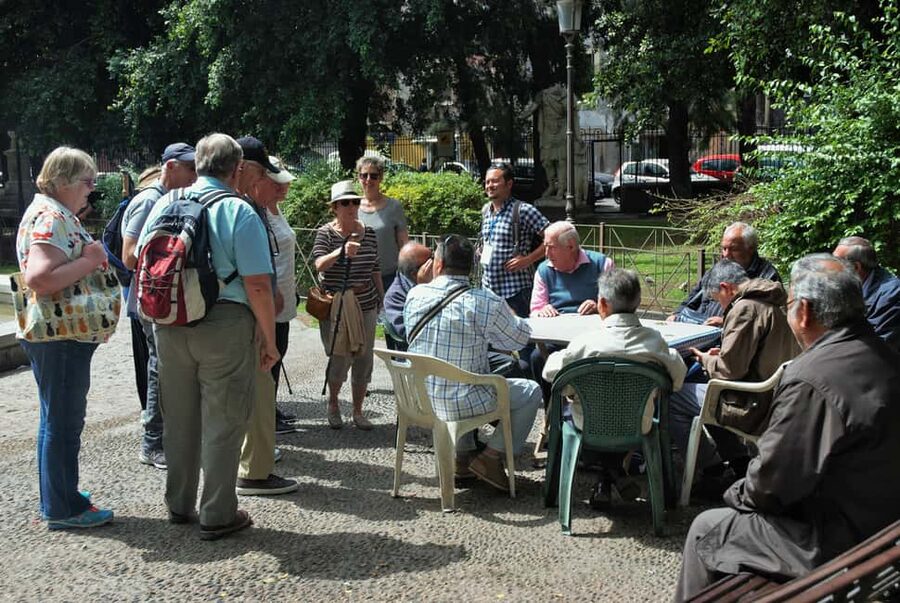
From there, the walk isn’t just “move to the next stop.” You’ll be guided through what the space means in Catania and how the city’s story shows up in everyday life. Expect your guide to connect the dots between food habits and local history as you go, so each tasting feels like part of a bigger picture.
This is also where the guide quality shows. In the feedback you can feel a pattern: guides such as Gisella, Davide, and Greta are praised for mixing city facts with personal anecdotes and humor. That matters in a market setting, because good storytelling helps you remember what you tasted, not just what it was called.
The fish market tastings: seasonal, local, and actually filling
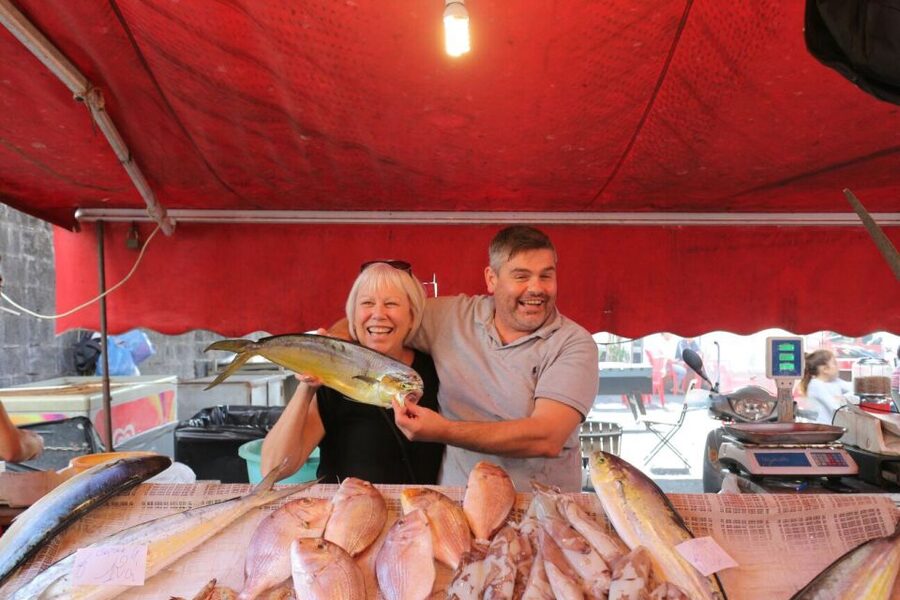
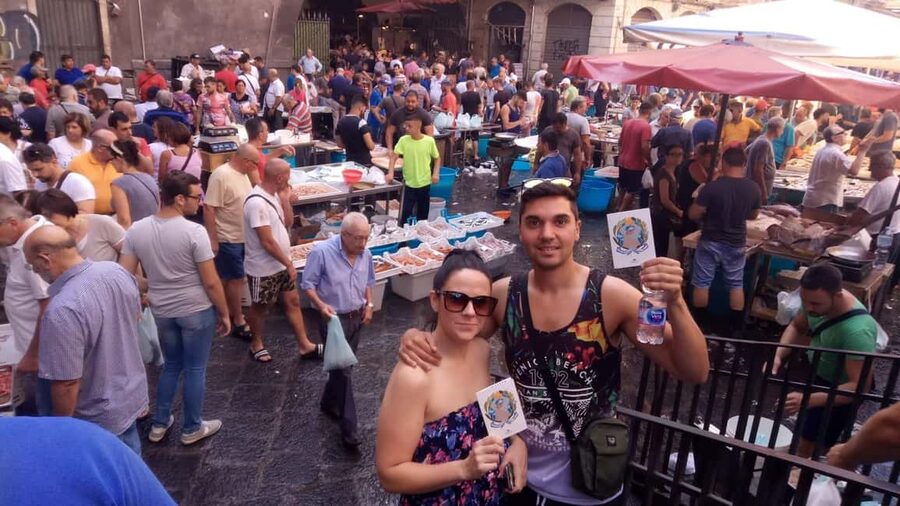
Once you reach the market, you’ll get fish bites chosen by your guide. The key point here is that it’s not a generic seafood plate. The tour is designed around what’s available that day, including seasonal fish, which is how Sicilian food stays practical and interesting rather than stuck in one “tourist menu.”
As you move through the market, you’ll learn about:
- the history of the market
- daily habits of locals
- and what to look for when it comes to fresh seafood
And yes, you’ll taste along the way. If you’re the type of traveler who loves markets but hates tours that feel rushed, this one generally works because it’s structured around small, sensible stops rather than a single long line at one counter.
Arancini stop: the mamma Agata payoff
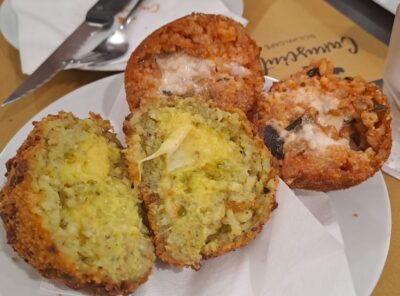
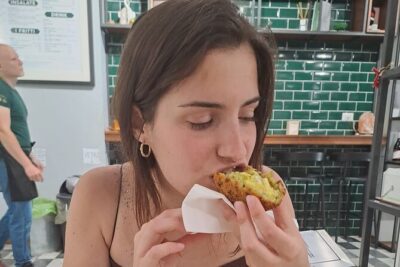
Every food trip needs one iconic bite, and for Catania that often means arancini. This tour includes homemade arancini made by mamma Agata, which is exactly the kind of detail that turns “food tour” into something specific and memorable.
The arancini part is also important for pacing. After the market seafood bites, you get something warm, filling, and classic. It gives your stomach a stable base before the rest of the street food route, where you’ll keep snacking and drinking.
If you like crunchy-on-the-outside, savory-within comfort food, you’re going to be happy here.
More street-food crawls around Catania

Street food that feels local, not staged
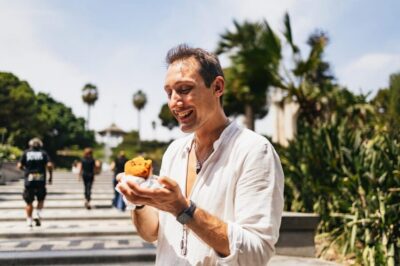
The highlight promise is street food “unknown to tourists,” and the real value is how that translates on the ground: you’ll be eating Sicilian street foods that make a meal, not just sampling a handful of items.
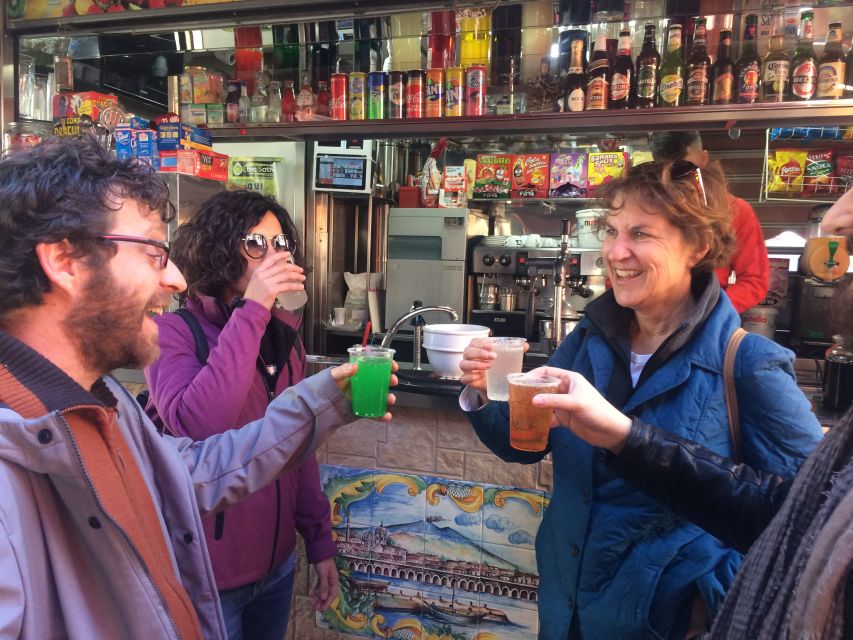
This part of the route is built to keep momentum. You’ll also get a cooling break with traditional Catanese fruit juices, plus you’ll be offered fresh seasonal fruit selected during the market segment.
That fruit stop matters more than it sounds. Markets and street food can run intense, and a cooling drink helps you keep tasting without feeling weighed down. It’s also a nice reminder that Sicilian street food isn’t only fried or cheesy. It’s seasonal, practical, and built for walking.
Going underground: the hidden lava tunnel break
One of the most distinctive parts is the visit to a hidden lava tunnel under Catania. This is the kind of stop that’s hard to fake. You’re not just eating; you’re seeing how the landscape shaped the city.
A lava tunnel visit also works as a reset. You’ll get a break from the street noise and heat, which makes the tour feel less like nonstop snacking and more like a real rhythm.
Even if you’re not a geology person, it’s still a fun way to connect Sicily’s volcanic identity to what you see above ground. And because it’s described as a place with limited tourist access, it adds a “how do people not know about this” feeling without being gimmicky.
History on the route: Castello Ursino and Via dei Crociferi
Food alone can become background noise on a short walking tour. This one keeps history woven in, so you leave with more than a stomach full of snacks.
You’ll see:
- Castello Ursino
- baroque churches of Via dei Crociferi
The way this is presented matters. Rather than turning the city into a list of monuments, the guide ties sights to everyday life in Catania. That’s why people often highlight how informative the tour feels without it becoming lecture-heavy.
If you like your history light but accurate, this blend is a good match.
Drinks and dessert: what’s included and how it adds up
The tour includes beer or wine, plus the market fruit juice break. It also includes a traditional seasonal dessert. Put together, this means you’re not hunting for snacks between tastings, and you’re not stuck drinking only water because you skipped the “last stop.”
One practical note: bottled water is not included, but you can buy it along the way. I recommend bringing your own bottle to refill where possible to reduce plastic waste, especially since market areas tend to encourage single-use buys.
Also remember the rule about smoking: smoking is not allowed during tasting sessions. If anyone in your group needs a smoke break, plan to step away between tastings rather than expecting it during food stops.
Price and value: is $81 worth a 3-hour food tour?
At $81 per person for about 3 hours, you’re paying for more than bites. You’re getting:
- a local food expert walking guide
- multiple included tastings (fish bites, arancini, street foods)
- fruit and seasonal dessert
- beer or wine
- access to the lava tunnel
- and structured walking through key city areas
So the value question is really: do you want guided tastings plus a real offbeat attraction? If yes, the price makes sense. This isn’t just “eat and go.” It’s food plus context, and it’s capped in a way that’s easy to fit into a day without losing half your afternoon.
If you’re the type who already knows the city well and plans your own market crawl, then it may feel pricey compared to DIY eating. But if you want someone to handle the selection and timing, you’re paying for convenience plus local know-how.
Who this tour suits best (and who should skip it)
This tour is a strong fit for:
- food-focused travelers who want Catania street food with local guidance
- people who enjoy markets and want the story behind them
- visitors who want both eating and a short cultural walk
It’s less suitable for:
- anyone with back problems or mobility impairments
- travelers who need vegan/vegetarian options (not suitable)
- people with gluten intolerance
- bringing pets (not allowed)
One more timing heads-up: the fish market does not operate on Sundays. However, the street food vendors included on the route are regularly open, so you won’t automatically lose the tour. If you’re planning a Sunday visit, keep your expectations flexible about the fish market portion.
Tips so you enjoy the full 3 hours
I’d plan like this:
- Eat before you arrive, but not a full meal. You’ll be sampling multiple items, including arancini, street foods, dessert, and drinks.
- Wear comfortable shoes. This is a walking route with market areas and city stops.
- Bring a refillable water bottle. Bottled water can be purchased, but bringing your own helps cut down plastic.
- Don’t plan tight connections right after. It’s a 3-hour experience, and market timing can shift a bit based on what’s available.
- Go ready for rain. The tour runs in rain or shine, though it may be canceled in extreme weather.
If you’ve got questions about what you can eat given your restrictions, check ahead. The basics here are strict for vegan/vegetarian diets and gluten intolerance, so don’t assume you’ll be able to swap items on the spot.
Should you book this Catania fish market and street food tour?
I’d book it if you want one efficient way to understand Catania through food, not through a checklist. The standout combo is the market tastings plus the hidden lava tunnel, and the way the guide connects history and local habits to what you’re eating.
Skip it if you fall into the dietary or mobility categories noted above, or if you’d rather DIY without guidance. And if you’re visiting on a Sunday, know the fish market won’t be running, even if the rest of the route still works.
If your ideal trip is: walk, taste, learn a bit, and leave with that satisfied feeling that you ate like a local, this is a solid pick.
FAQ
Where does the tour meet in Catania?
You meet in Piazza del Duomo 3, at the main door of Palazzo dei Chierici. Your guide will be carrying a red bag with the Streaty logo.
How long is the tour, and is it in English?
The tour lasts 3 hours and includes a live English-speaking guide.
Is the fish market open every day?
The fish market does not operate on Sundays. The selected street food vendors are regularly open even when the fish market is closed.
What food and drinks are included?
Included tastings cover fish bites at the market, Sicilian arancini, additional street foods, fresh fruit, a traditional seasonal dessert, and beer or wine.
What should I know about restrictions and rules?
The tour is not suitable for vegans, vegetarians, or people with gluten intolerance. Pets are not allowed, and smoking is not allowed during tasting sessions.
Does the tour run in bad weather?
It runs rain or shine, but it may be canceled in extreme weather conditions.
More Tour Reviews in Catania




More Sicilian Street-Food Crawls




Keep Exploring Catania

Just added: the newest Catania tours in our notebook
- Transfer Catania / Agrigento Airport★ 5.0 · 3 reviews
- Sicily private shore excursion – Etna and Taormina with personal driver★ 3.5 · 3 reviews
- Sunset Trekking on Mount Etna★ 5.0 · 3 reviews
- Private Transfer from Catania to Palermo or vice-versa with stop★ 5.0 · 3 reviews
- From Syracuse: Mount Etna Volcano Morning Trekking Tour★ 5.0 · 3 reviews
- Catania: Guided Street Food Tour with Tastings★ 5.0 · 3 reviews
Catania Tours, compared.
 ★ 4.8Catania: Mount Etna Morning or Sunset Day Trip with TastingFrom $704,028 reviews
 ★ 4.8Catania: Sunset Jeep Tour of Mount Etna and Lava Flow CavesFrom $712,113 reviews
 ★ 4.9Catania: Mount Etna Trekking Tour Beyond the Tourist TrailsFrom $811,596 reviews
 ★ 4.8Catania: Etna Sunset Tour with Pickup and Drop-offFrom $711,348 reviews
 ★ 4.8Etna Sunset Tour: Volcano trek, Cave & tasting from CataniaFrom $701,290 reviews
 ★ 4.8Catania: Etna Morning Excursion with Tasting and PickupFrom $711,224 reviews
 ★ 5.0Mt. Etna and Taormina village full day tour from CataniaFrom $1181,155 reviews
 ★ 4.9Catania: Amazing Etna Morning Tour with Pickup and Drop-OffFrom $81799 reviews
Browse the lists this tour appears in