
Reviewed · PALERMO CITY TOURS
Palermo: Walking Tour of Historic Markets and Monuments
Palermo’s best stories are on the street. This 3-hour walking tour strings together Palermo’s big monuments and its everyday food life, from the UNESCO-listed Palermo Cathedral to the ancient Capo market. I especially like the way the guide connects architecture and myths to what you’re seeing, and I also love the street-food stop that makes the whole walk feel like Palermo, not just sightseeing. One note to plan for: the tour is Italian only, and you’ll need modest clothing to enter the cathedral.
Guided by local professionals (names you may hear include Claudio and Fabrizio, both praised for being sharp, funny, and deeply prepared), you’ll cover a lot of ground without getting lost in facts. Expect a lively mix of monuments like the Teatro Massimo, Quattro Canti, and Fontana Pretoria, plus legends such as the Beati Paoli sect and the city’s patron saint Santa Rosalia. The main drawback is simple: it’s still a 3-hour walk, so bring comfortable shoes and be ready for some city-side pavement.
In This Review
- Key things I’d count on before you go
- Entering Palermo’s Historic Core Without Getting Lost in It
- Meeting at Feltrinelli and Spotting Your Guide (Quickly)
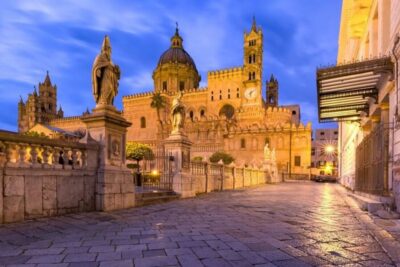
- Palermo Cathedral: Where the City’s Story Starts
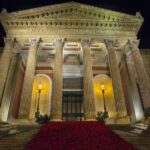
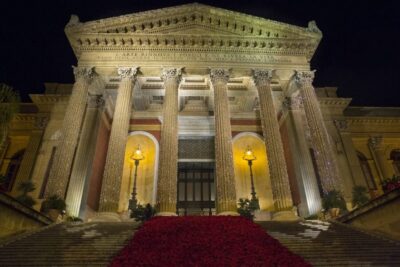
- Teatro Massimo: Italy’s Largest Theater and the Legends Attached
- Quattro Canti and Fontana Pretoria: Baroque Squares Built for Walking
- The Beati Paoli and Santa Rosalia Thread (Why Myths Fit Here)
- Capo Market: The Best Kind of Practical Excitement
- What the 3 Hours Actually Feels Like
- Guides Make or Break It, and This One Seems Strong
- Who This Tour Fits Best
- Should You Book This Palermo Market and Monuments Tour?
- FAQ
- FAQ
- Is the Palermo walking tour in English?
- How long is the tour?
- How much does the tour cost?
- What is included in the price?
- Are entry tickets included for the cathedral or other sights?
- Where do we meet the guide?
- What should I bring?
- Is there a dress code for the cathedral?
- What’s the cancellation policy?
Key things I’d count on before you go
- Capo market flavors: you’ll get to taste Sicilian street food and pastries straight from the market area
- Palermo Cathedral access: you start inside the cathedral, dating from the early 12th century, and learn how it evolved
- Teatro Massimo story stop: you’ll hear local legends tied to Italy’s largest theater and what it means in the city
- Baroque landmarks in one route: Quattro Canti and Fontana Pretoria add visual punch and easy photo stops
- Legend thread, not random trivia: Beati Paoli and Santa Rosalia stories make the walk feel connected
The rest of what Palermo puts on
- Palermo: NO Mafia Walking Tour
★ 4.8 · 2,431 reviews - Palermo: Hop-on Hop-off Bus Tour 24-hour Ticket
★ 3.9 · 2,410 reviews - Palermo Original Street Food Walking Tour by Streaty
★ 5.0 · 2,105 reviews - Segesta, Erice and Salt Pans Full-Day Excursion from Palermo
★ 4.2 · 1,791 reviews
Entering Palermo’s Historic Core Without Getting Lost in It
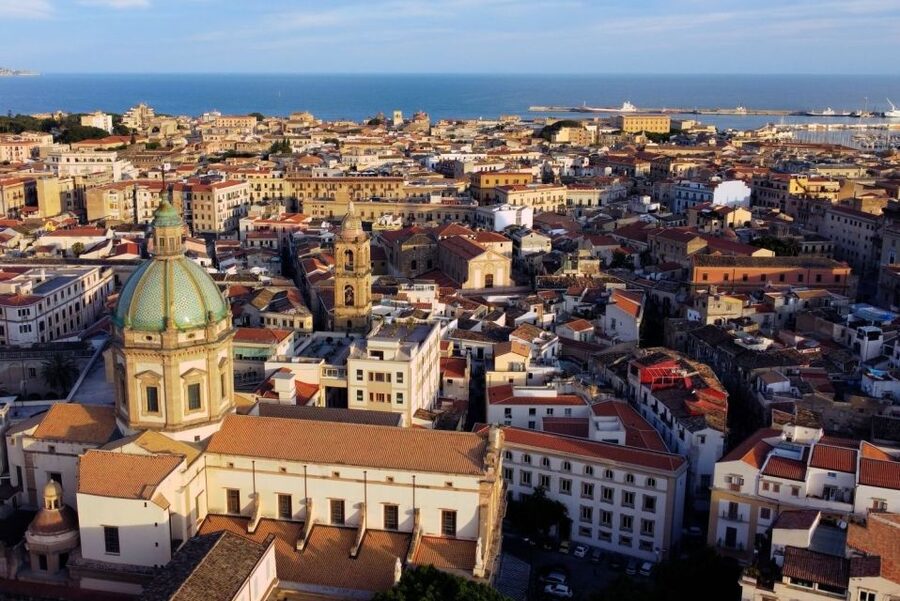
Palermo can feel like a place you either “get” fast or you don’t. This tour is designed for that first-day momentum. You start with major landmarks in the historic center, then you shift into the market area where daily life takes over. The result is a walk that makes the city readable: you see where power sat (cathedral and theater), where imagination lived (local legends), and where people ate (Capo market).
I like that the tour isn’t just a slideshow of names. You learn what to look for. At the cathedral, you’re not only told what it is; you’re guided through architectural evolution you can actually see with your eyes. Later, when you’re at the big squares and fountains, the guide helps you understand why these spots matter beyond the obvious photos.
The tone also matters. In reviews, guides like Claudio and Fabrizio show up repeatedly for being professional, enthusiastic, and easy to follow. That matters on a walking tour—good delivery turns a short time into real understanding.
Meeting at Feltrinelli and Spotting Your Guide (Quickly)
Your meeting point is in front of the library Feltrinelli, and the guide wears a red tag that says tour guide. That tiny detail sounds small, but on busy streets it saves you stress. You don’t want to spend the first 15 minutes searching for a person.
Because the tour is in Italian only, it’s smart to be comfortable with listening even if your Italian is basic. You’ll still benefit from the structure: you’ll move monument to monument, and the guide’s explanations come tied to what you’re standing next to. If you’re the kind of traveler who panics when you miss a sentence, you’ll want to lean into the visuals.
Palermo Cathedral: Where the City’s Story Starts
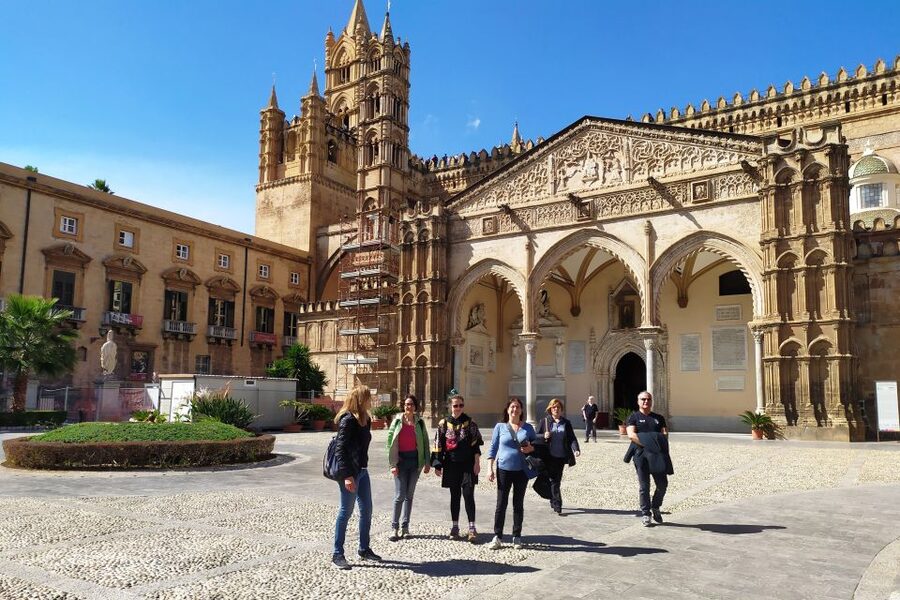
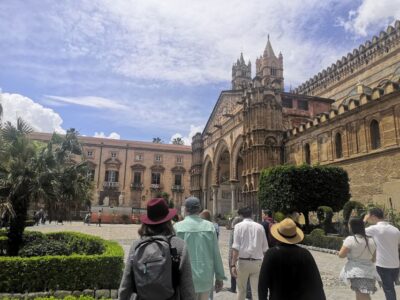
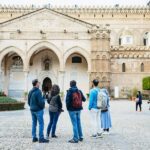
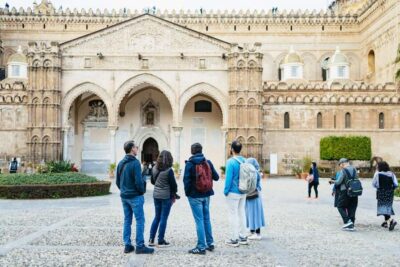
The tour begins by entering the Palermo Cathedral, a UNESCO-listed site dating to the early 12th century. Even before the guide starts explaining, the setting itself tells you you’re in the center of things. This is one of those places where you can feel layers—time shows up in details.
What I find useful is the way the guide points out the bell towers and then connects them to the cathedral’s architectural evolution. Instead of hearing a vague timeline, you’re prompted to notice changes and style shifts. That approach makes it stick. You’re not memorizing dates; you’re learning how the building became what it is.
Practical heads-up: the cathedral has a modest clothing requirement. The tour information is clear about this, so don’t assume you can wear anything and still get in. If you’re traveling in warm weather, plan lightweight coverage that still feels comfortable.
Also, entry tickets are not included. That means the tour guide will take you to the entrance experience, but you should expect to handle tickets separately. If you hate last-minute logistics, read up before you go so you’re not scrambling.
Teatro Massimo: Italy’s Largest Theater and the Legends Attached
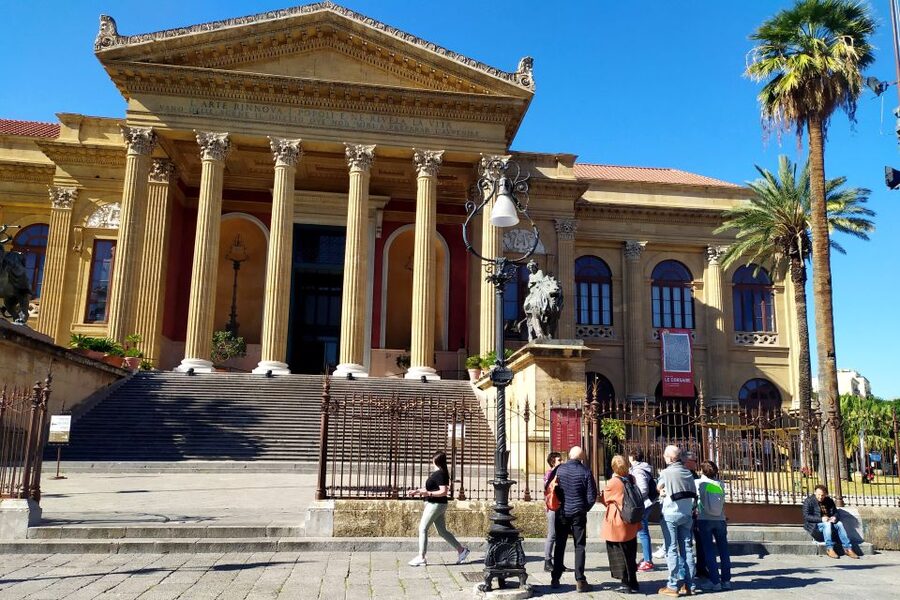
After the cathedral, you move toward another kind of landmark drama: the Teatro Massimo, described as Italy’s largest theater and a symbol of Palermo. This stop feels different from the cathedral. The cathedral is stone and time; the theater is performance and emotion.
The guide doesn’t treat it like a closed building you pass by. You’ll hear about ghostly legends tied to the theater. Those stories may sound spooky, but the value isn’t just the thrill. They help explain how Palermitans connect to places—how buildings become part of local identity, not just architecture on a map.
If you like history that has characters and conflict, this is a good moment. The tour uses the theater as a storytelling pivot point: you go from visible architecture to cultural mythology, then you carry that energy into the market streets later.
A few we would gladly point a friend toward in Palermo
Quattro Canti and Fontana Pretoria: Baroque Squares Built for Walking
Next come the big baroque hits that make Palermo look like it planned for tourists with good eyes.
At Quattro Canti, you’re in a plaza known for its baroque flair. The guide frames it so you understand what you’re looking at rather than just taking snapshots. Think of it like learning how the city’s “front door” is designed—this is where the streets feel orchestrated.
Then there’s Fontana Pretoria in the Piazza of the same name. The fountain is imposing, and your guide’s job here is to translate scale into meaning. You’ll also get the sense that Palermo’s monuments aren’t isolated. They sit inside a web of squares, streets, and daily movement.
One practical point: this is a walking tour, so plan for short stretches where you’re moving between views. It’s not marathon distance, but it’s enough that comfy shoes matter more than you think.
The Beati Paoli and Santa Rosalia Thread (Why Myths Fit Here)
Palermo has legends that feel like they belong to the city’s fabric. This tour uses two in particular: the Beati Paoli sect and the patron saint story of Santa Rosalia, sometimes referenced as La Santuzza.
Why these legends work on this specific route: they turn the city from a set of attractions into a living narrative. You’re not just hearing “myth, myth, myth.” The guide connects these stories to the way Palermo thinks about protection, fear, and identity.
If you’re the type who rolls your eyes at spooky tales, keep an open mind. Even when you don’t buy every detail, the legends tell you what people once worried about and what they celebrated. That’s cultural history you can feel while you walk.
Capo Market: The Best Kind of Practical Excitement
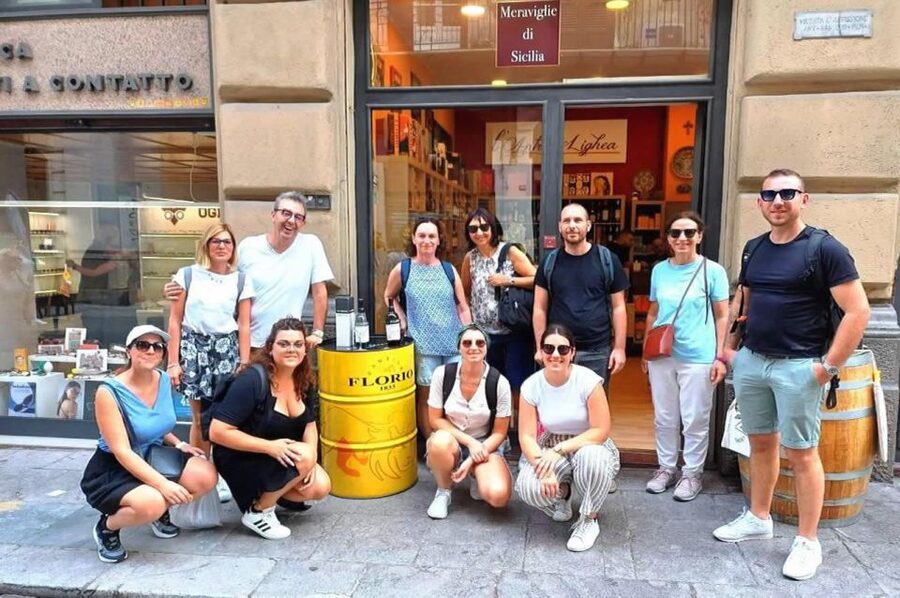
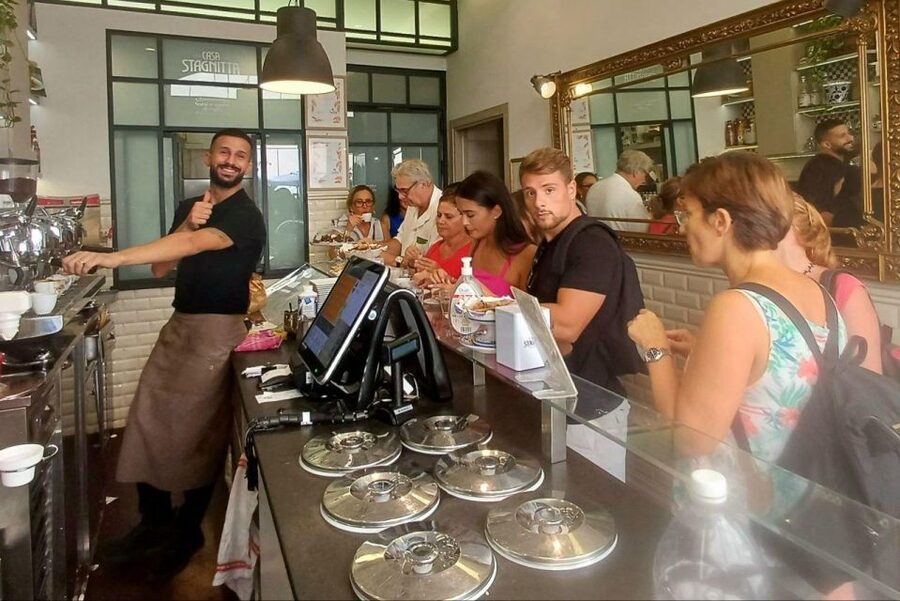
The last major act of the tour is the Capo street market area. This is where the city shifts gears from monumental sightseeing to everyday life—where you hear the sounds, see the colors, and smell the food.
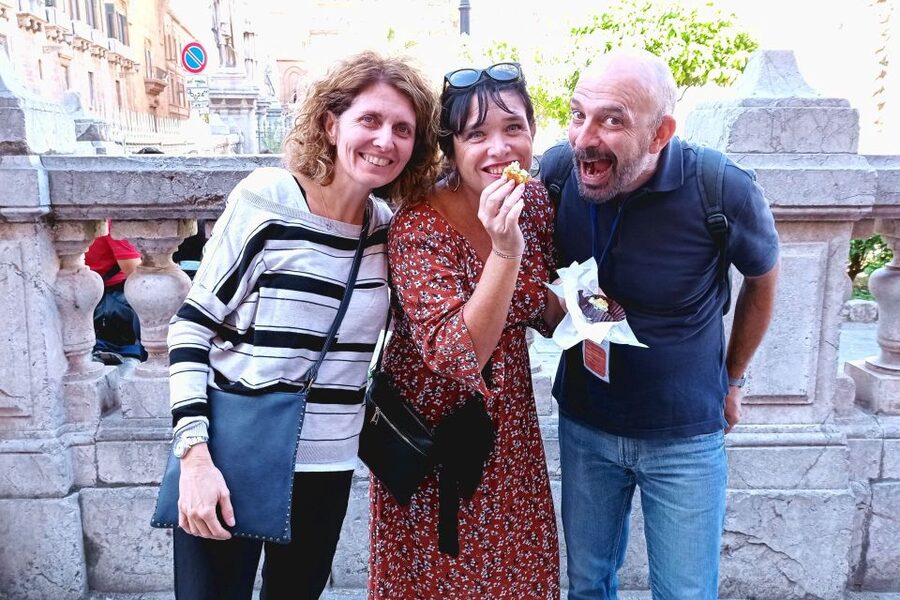
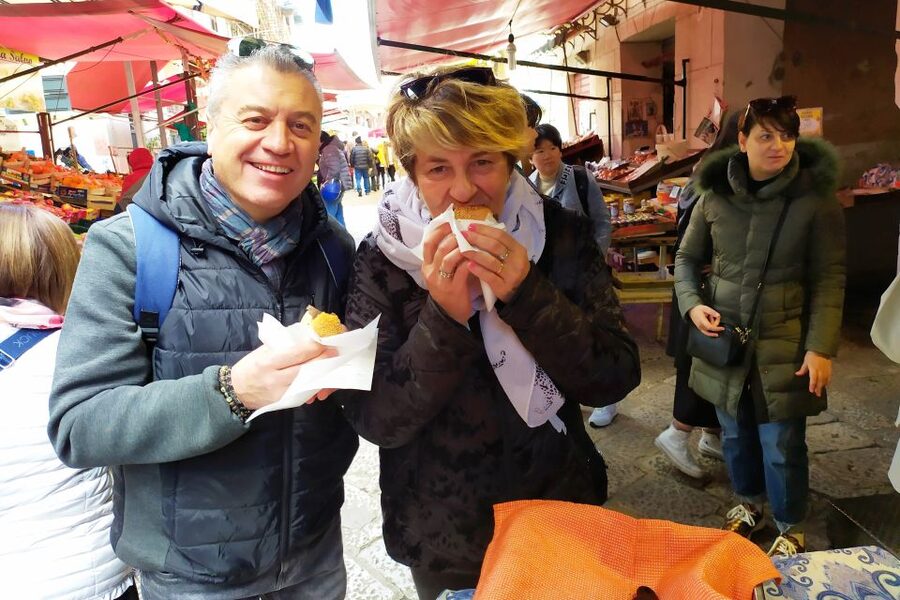
The big win here is that you’re not just shown market stalls. You get a chance to sample Sicilian street food and pastries fresh from the market setting. That turns your walk into an experience with taste attached, and it helps you remember places by flavor, not just name.
What I’d suggest you do while there: slow down and let your senses guide you. Markets can be overwhelming, especially in a crowd, but you’ll be with a guide who can steer you toward the right kinds of tastes without making it complicated.
If you have food allergies or strict dietary needs, you’ll want to speak up—tour data doesn’t list specific menu items, so the safest move is to ask what you’ll be trying as you go.
What the 3 Hours Actually Feels Like
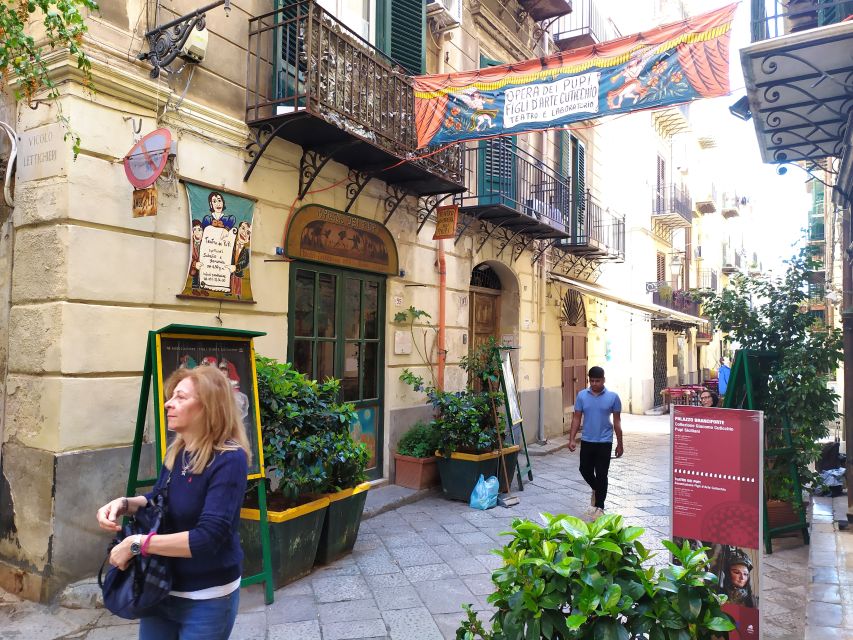
Three hours sounds neat on paper. In reality, it’s a solid half-day walk: enough time to hit major sights and still get to the market area for food. You should expect a steady pace with a few stops long enough to take in details and listen.
This timing also makes the tour a smart fit early in your trip. You’ll come away with a mental map of where Palermo’s highlights are and how they connect. Later, when you return on your own, you’ll know what you’re seeing—and you’ll likely spend more time in the areas that made an impression.
Value-wise, $35 per person for a guided route that includes multiple landmarks plus the street-food sampling can feel fair, especially if you’re the kind of traveler who learns faster with a local guide in the lead. Since entry tickets aren’t included, make sure you factor that in when you compare prices. Still, for 3 hours of structured walking and interpretation, it’s a good deal.
Guides Make or Break It, and This One Seems Strong
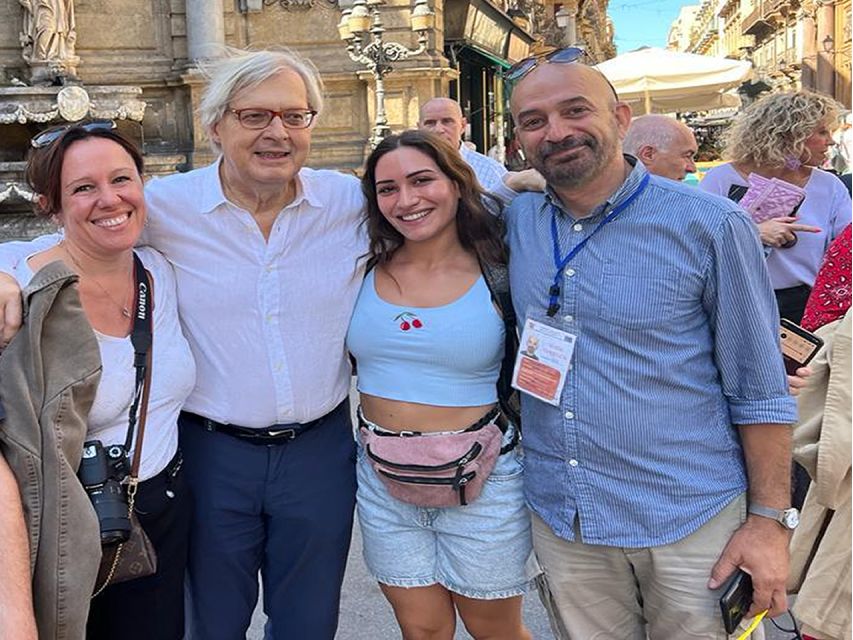
One of the most consistent praises in the reviews is the guides themselves. Names like Claudio and Fabrizio show up with comments about professionalism, preparation, and energy. People also mention that the time passes quickly—about three hours that feel like they fly by.
That’s exactly what you want from this kind of tour. When you’re moving between cathedral, theater, baroque squares, and markets, you need someone who can switch gears without losing the thread. Based on what’s said, this tour tends to deliver that.
Also, because the tour is in Italian only, a strong guide helps you follow the narrative through tone, pacing, and focus on what matters visually. Even if you don’t catch every word, you’ll still leave with the main connections: buildings, legends, and food.
Who This Tour Fits Best
I think this tour is ideal if you want a structured introduction to Palermo in a short window. You’ll enjoy it if you like:
- major monuments with actual context, not just photos
- local legends like Beati Paoli and the Santa Rosalia story
- a market stop where you can taste instead of just look
- learning from a guide who’s praised for being prepared and entertaining
It may be less ideal if:
- you want a tour in English (this one is Italian only)
- you’re visiting the cathedral and don’t want to plan for modest clothing
- you strongly dislike walking through city streets for 3 hours
Should You Book This Palermo Market and Monuments Tour?
If you want a first-or-second-day plan that blends history, legend, and food, I’d book it. The route hits the big Palermo moments—cathedral, Teatro Massimo, Quattro Canti, Fontana Pretoria—and then grounds everything in real street life at the Capo market. Add in guided storytelling from well-regarded local professionals, and the $35 price starts to make sense as value, not just cost.
Book it especially if you like guided explanations that point out what to notice. If language is the only concern, just know the tour is Italian, so you’ll get the best experience if you can listen comfortably (and focus on the visuals).
FAQ
FAQ
Is the Palermo walking tour in English?
No. The tour is in Italian only.
How long is the tour?
It lasts 3 hours.
How much does the tour cost?
It costs $35 per person.
What is included in the price?
The price includes a guided walking tour and a professional tour guide.
Are entry tickets included for the cathedral or other sights?
No. Entry tickets are not included.
Where do we meet the guide?
You meet in front of the library Feltrinelli. The guide wears a red tag that says tour guide.
What should I bring?
Comfortable shoes. The tour is a walking route through the historic center.
Is there a dress code for the cathedral?
Yes. You must wear modest clothing to enter the cathedral.
What’s the cancellation policy?
You can cancel up to 24 hours in advance for a full refund.
More Tours in Palermo
More Tour Reviews in Palermo
More Palermo, Start to Finish
Just added: the newest Palermo tours in our notebook
- Private Transfer from/to Trapani★ 5.0 · 3 reviews
- Private Tour from Palermo to Monreale, Santa Rosalia and Mondello★ 5.0 · 3 reviews
- Palermo: Cannolo & Cassata MasterClass★ 5.0 · 3 reviews
- Camporeale: Sallier de La Tour Wine Discovery Tour★ 4.6 · 3 reviews
- Sicily … A Love of a Lifetime★ 4.5 · 3 reviews
- Sicilian Cooking Class in Palermo – Private Option★ 5.0 · 3 reviews
Palermo City Tours, compared.
 ★ 4.8Palermo: NO Mafia Walking TourFrom $402,431 reviews
 ★ 5.0Palermo Original Street Food Walking Tour by StreatyFrom $832,105 reviews
 ★ 4.2Segesta, Erice and Salt Pans Full-Day Excursion from PalermoFrom $821,791 reviews
 ★ 4.5Palermo: Teatro Massimo Opera House Guided TourFrom $141,573 reviews
 ★ 4.9Palermo: Street Food and History Walking TourFrom $571,486 reviews
 ★ 4.2From Palermo: Monreale and Cefalù Half-Day TripFrom $711,354 reviews
 ★ 4.2Palermo: Agrigento and the Valley of the Temples Day TourFrom $771,240 reviews
 ★ 5.0Palermo No Mafia walking tour: discover the Anti-mafia culture in SicilyFrom $391,011 reviews
Browse the lists this tour appears in