
Reviewed · PALERMO CITY TOURS
Palermo: the city from the sea
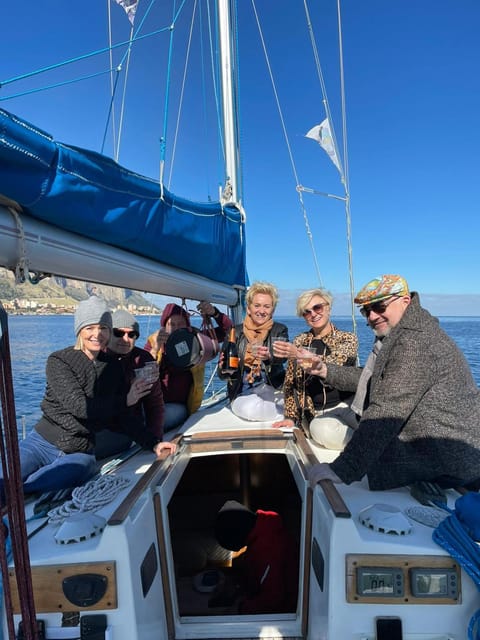
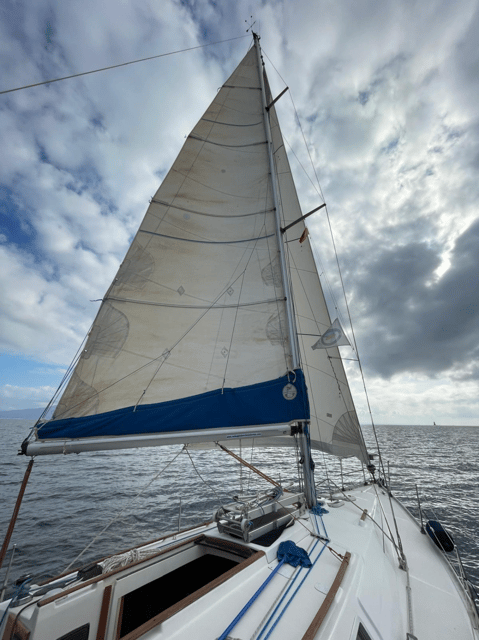
Palermo looks different when you see it from the water. This 3-hour boat tour gives you a front-row seat to the city’s “all-port” identity, with sights tied to the different peoples who shaped Palermo over centuries. I love how the captain keeps things comfortable and easy, and I love the simple, local aperitif at the end that tastes like Palermo, not a tourist stand-in.
You’ll sail past major landmarks like Castello Utveggio and Porta Felice, plus coastal stops connected to Palermo’s maritime and religious life. The one thing to keep in mind is that the chance to take a dip depends on the weather, so plan for the possibility of cooler-than-ideal sea time.
This small group also matters. Limited to just 6 people, you’re more likely to get explanations that help you connect what you’re seeing to why it matters.
In This Review
- Key Things You’ll Notice On This Palermo Sea Tour
- Why Palermo Makes Sense From the Sea
- Getting Aboard the Seica Boat at Cala Marina
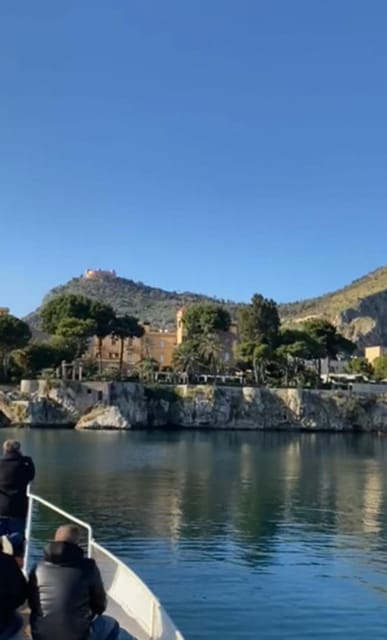
- Castello Utveggio and Porta Felice: Why These Landmarks Look Different From Coastline Views
- Monte Pellegrino and Santa Rosalia: Palermo’s Mountain Story Comes Into Focus
- Queen’s Caves: When Palermo’s Landscape Turns Spiritual
- Tonnare Florio and Bordonaro: Palermo’s Tuna-Fishing Power From the Water
- Villa Igiea and the Palazzina dei Quattro Pizzi: Coastal Grandeur With Historical Weight
- Cannolo, Almond Pastries, and Sicilian Wines: The Aperitif That Feels Like Palermo
- The 3-Hour Pace and When You Might Want to Adjust Expectations
- What This Experience Is Best For
- A Practical Note on Comfort, Captain Style, and What You Bring
- Should You Book Palermo: the City From the Sea?
- FAQ
- How long is the Palermo sea tour?
- What is the price per person?
- Where does the tour depart?
- How big is the group?
- What languages are available for the host or greeter?
- What’s included in the tour?
- Does the tour include swimming?
- What should I bring?
- Is the experience wheelchair accessible?
- Can I cancel and get a full refund?
Key Things You’ll Notice On This Palermo Sea Tour
- Comfort-first sailing: the captain style is a big part of why the experience feels relaxed.
- Landmarks at water level: Castello Utveggio and Porta Felice make more sense when you see them from the coastline.
- Palermo as Panormus: you’ll learn why the city grew as an “all-port” crossroads, then keep spotting clues as you go.
- Monte Pellegrino and Santa Rosalia: the route connects the mountain’s shrine story to Palermo’s outlook on the sea.
- Maritime heritage stops: you’ll see coastal references tied to tuna fisheries like Tonnare Florio and Bordonaro.
- A real Palermo aperitif: cannolo tasting and Sicilian wines such as Zibibbo and Malvasia.
The rest of what Palermo puts on
- Palermo: NO Mafia Walking Tour
★ 4.8 · 2,431 reviews - Palermo: Hop-on Hop-off Bus Tour 24-hour Ticket
★ 3.9 · 2,410 reviews - Palermo Original Street Food Walking Tour by Streaty
★ 5.0 · 2,105 reviews - Segesta, Erice and Salt Pans Full-Day Excursion from Palermo
★ 4.2 · 1,791 reviews
Why Palermo Makes Sense From the Sea
Palermo has always been more than a pretty city. It’s a port city, built for arrivals and departures, and that theme shows up in how it looks along the coast. Even the name matters: Palermo traces back to Panormus, often described as an all-port city. When you sail, you feel that logic fast. Streets and monuments aren’t just “things to see.” They’re answers to a coastline and a role in the Mediterranean.
What I like about this tour is that it doesn’t treat Palermo like a museum. You connect the dots between the city’s big turning points and the physical setting around it. You learn how the city was desired, contested, and reshaped by many cultures—Romans, Greeks, Byzantines, Phoenicians, Arabs, Spanish, and Normans—so the architecture and food feel like layers you can still taste and read.
And yes, you get the views people come for, but the real payoff is perspective. From the water, you’re not only looking at Palermo—you’re seeing the “why” behind it. The city’s landmarks feel less random and more like pieces of a long coastal story.
Getting Aboard the Seica Boat at Cala Marina
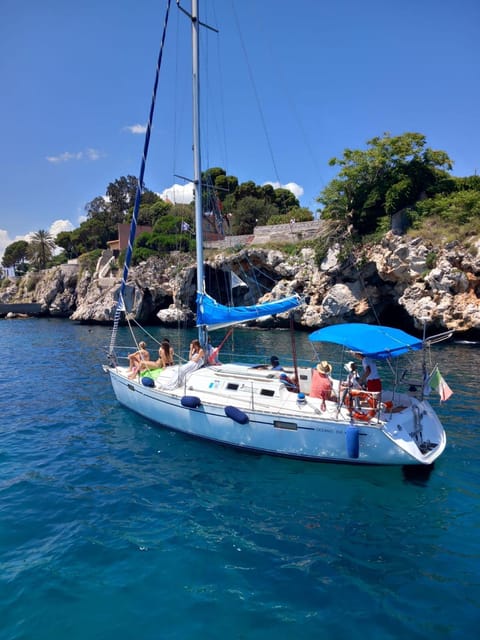
Your day starts at Cala marina, with departure from the Seica boat. The tour runs about 3 hours, which is a sweet spot. It’s long enough to get meaningful coastline views and explanations, but short enough that you won’t feel trapped on the water if the sea is choppy.
This is also a small group experience, limited to 6 participants. That number sounds small because it is. It helps keep the mood calm and gives you better chances to ask questions if something catches your eye—like the fortification look of one structure or the way a neighborhood climbs toward the mountain.
One practical thing from the start: bring a towel. Since the tour includes a possibility of taking a dip, you’ll be glad you’re prepared even if you only end up using the towel to stay warm after time on the water.
Castello Utveggio and Porta Felice: Why These Landmarks Look Different From Coastline Views
As you sail, you’ll look out for major landmarks, including Castello Utveggio and Porta Felice. These are not just “photo stops.” Seen from the sea, they become part of Palermo’s defense-and-access story.
- Castello Utveggio: from the coastline, it reads as a watch point—built for observing what came in and out. That makes sense for a port city where movement is constant and risk is real.
- Porta Felice: this kind of landmark is tied to city entrances and circulation. From the water, you’re naturally thinking, How did people approach the city? Where did routes funnel? Why here?
I like that the guide’s framing keeps you from staring at buildings without context. The sea viewpoint forces the same questions locals likely asked over time: who arrived, where they landed, and how the city protected itself while staying connected.
Monte Pellegrino and Santa Rosalia: Palermo’s Mountain Story Comes Into Focus
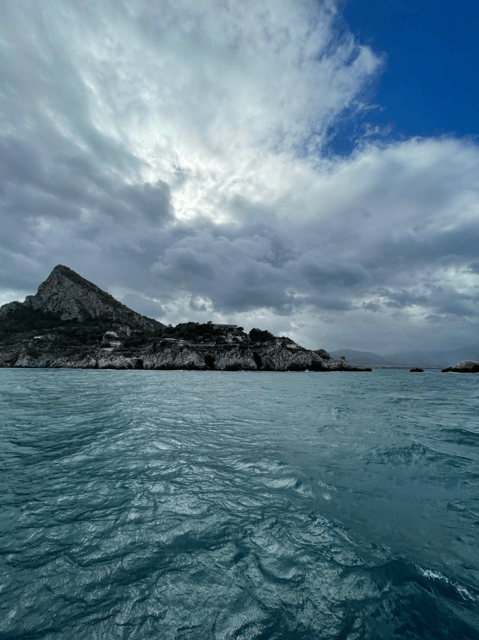
Palermo isn’t only the coast. It’s also Monte Pellegrino, where some of the earliest settlers put down roots. The mountain becomes part of the tour’s bigger theme: Palermo as a place people wanted to live in and conquer because of its strategic setting.
Monte Pellegrino is also famous for the shrine of Santa Rosalia, Palermo’s patron saint. The story centers on the shrine inside a cave at the top of the mountain. When you understand that, Palermo’s geography clicks. The sea isn’t competing with the mountain—it’s connected to it. People don’t just navigate waves. They navigate the whole shape of the region.
Even if you’ve heard the name Santa Rosalia before, seeing the city from water helps you picture how a mountain shrine becomes part of everyday identity. It’s a reminder that Palermo’s “center” isn’t only a square or a cathedral. It’s tied to a natural landmark you can’t ignore.
A few we would gladly point a friend toward in Palermo

Queen’s Caves: When Palermo’s Landscape Turns Spiritual
Another stop in the story is the Queen’s Caves (Le Grotte della Regina). The exact details of cave histories can vary from place to place in how they’re explained, but what matters here is the connection between land, belief, and the long timeline of Palermo.
You’re learning about a city where nature plays a role in culture. A cave isn’t just a geological feature. It can become tied to the way a community understands protection, refuge, and meaning.
From the sea, these kinds of landscape-linked landmarks also feel more real. You get a sense of how the coast sits beside the “inland world,” even when you’re mostly looking at water and skyline.
Tonnare Florio and Bordonaro: Palermo’s Tuna-Fishing Power From the Water
Now for the maritime side that makes Palermo feel practical, not just poetic. You’ll learn about coastal areas connected to tuna fishing, including Tonnare Florio and Bordonaro.
Why does this matter? Because it explains how the Mediterranean port economy shaped daily life. When a place relies on sea resources, the coast becomes infrastructure. It’s not only scenery; it’s work and industry and trade.
So when you see references to these tuna-fishing sites while sailing, I think you’ll read them the right way: as evidence of how Palermo built connections through the sea. That theme ties back to the idea of Panormus as an all-port city. The sea wasn’t a boundary. It was the highway.
If you care about food and markets, this section adds depth. You start understanding why Sicilian cuisine is so influenced by the sea—because the sea was a major livelihood, not just a backdrop.
Villa Igiea and the Palazzina dei Quattro Pizzi: Coastal Grandeur With Historical Weight
Palermo also has a glamorous side, and the tour includes sights like Villa Igiea and the Palazzina dei Quattro Pizzi. From the water, these buildings feel like statements—designed to be seen, to command a view, and to sit along a coastline that people treated as a stage.
This is where the tour becomes satisfying even if you’re not a hardcore architecture person. You don’t need to memorize dates to get the mood. You can see how Palermo’s coastal identity shifts from working port and defense points to a more elegant, leisure-oriented presence.
The best part is how the story stays connected. Palermo’s layers are not isolated. Maritime power, religious meaning, defense architecture, and coastal elegance all exist in the same city system. Sailing helps you keep those relationships in your head.
Cannolo, Almond Pastries, and Sicilian Wines: The Aperitif That Feels Like Palermo
After the main sightseeing, you’ll get a traditional Palermitan aperitif with local delicacies. The big highlight is cannolo tasting, along with almond pastries. You’ll also sip Sicilian wines such as Zibibbo and Malvasia.
This part is worth treating seriously, because it’s where a lot of sea tours fall flat when they switch to generic snacks. Here, the food choices are directly tied to Sicilian identity. Cannolo isn’t just a dessert. It’s a recognizable symbol of Palermo and a strong cultural “taste marker.”
I also like that the aperitif fits the tone of the day. You’ve spent three hours looking at the city as a living port, and then you close with something local you can hold in your hands. It’s the easiest way to end on a note that doesn’t feel like an afterthought.
The 3-Hour Pace and When You Might Want to Adjust Expectations
The tour runs for 3 hours, sailing out and then returning to the Seica boat. That rhythm matters. If you’re the kind of person who likes every moment to be packed, you might feel the time is short. If you prefer quality over speed, you’ll probably love it.
Because the tour includes the possibility of taking a dip, you might want to be flexible. If conditions are right, it’s a fun bonus. If conditions aren’t perfect, you still get the city views, the cultural explanations, and the aperitif.
Also, because the group is small and the tour is structured around sailing viewpoints, you’re not stuck waiting in long lines. You’re out on the water, then back, then eating. It keeps the day simple.
What This Experience Is Best For
I’d point you toward this boat tour if you want Palermo with a change of angle. It’s a great fit for:
- First-timers who want to understand Palermo’s “port city” identity quickly
- People who like history explained through what they can actually see
- Anyone who cares about Sicilian food and wants it included in a real moment, not rushed
- Travelers who appreciate small groups and a calm pace
- Visitors who want a chance to cool off, when conditions allow
It’s not ideal if you want a long day of nonstop stops on land. This is a sea-focused experience, so your payoff is on the water.
A Practical Note on Comfort, Captain Style, and What You Bring
Comfort is a standout. The captain approach is repeatedly described as a big reason people feel at ease during the sail. That matters because a boat experience can feel either smooth and easy or stressful depending on how things are handled.
In your control zone, you can make it easier on yourself:
- Bring a towel
- Wear comfortable clothing for sea air and mild movement
- If you’re sensitive to motion, plan around that reality since the tour is time on the water
And if you’re choosing this tour in your Palermo plan, it’s smart to pick it as a “big picture” day. After you see the coastline and major landmarks from sea level, the city becomes easier to navigate on foot later.
Should You Book Palermo: the City From the Sea?
If your priority is understanding Palermo’s coastal identity, I think this is a strong pick. The value isn’t only the views. It’s the way the tour ties those views to names and themes you can remember—Panormus as an all-port city, Monte Pellegrino and Santa Rosalia, maritime work tied to places like Tonnare Florio and Bordonaro, and the blend of defense and elegance along the waterfront.
At $101.96 per person for a 3-hour small-group sail that includes a local aperitif plus a possible dip, the pricing feels reasonable for the package: you’re paying for time on the water, guided storytelling from that viewpoint, and a food-and-wine ending that’s genuinely Palermo.
Book it if you like being outside, want a calmer group size, and want your history delivered with a sea breeze. Skip it if your schedule can’t handle weather-dependent plans or if you prefer land-only sightseeing.
FAQ
How long is the Palermo sea tour?
It runs for about 3 hours. Starting times depend on availability.
What is the price per person?
The price listed is $101.96 per person.
Where does the tour depart?
Departure is from Cala marina, aboard the Seica boat.
How big is the group?
It’s a small group limited to 6 participants.
What languages are available for the host or greeter?
Italian and English.
What’s included in the tour?
You’ll get the city tour from the sea and an aperitif with local products. There’s also the possibility of taking a dip.
Does the tour include swimming?
There is a chance to take a dip, but it depends on the weather.
What should I bring?
Bring a towel.
Is the experience wheelchair accessible?
Yes, it’s wheelchair accessible.
Can I cancel and get a full refund?
Free cancellation is available up to 24 hours in advance for a full refund.
If you tell me your travel month and whether you’re prone to motion discomfort, I can help you decide if this is the right time slot in your Palermo itinerary.
More City Tours in Palermo


More Tour Reviews in Palermo
More Palermo, Start to Finish
Just added: the newest Palermo tours in our notebook
- Private Transfer from/to Trapani★ 5.0 · 3 reviews
- Private Tour from Palermo to Monreale, Santa Rosalia and Mondello★ 5.0 · 3 reviews
- Palermo: Cannolo & Cassata MasterClass★ 5.0 · 3 reviews
- Camporeale: Sallier de La Tour Wine Discovery Tour★ 4.6 · 3 reviews
- Sicily … A Love of a Lifetime★ 4.5 · 3 reviews
- Sicilian Cooking Class in Palermo – Private Option★ 5.0 · 3 reviews
Palermo City Tours, compared.
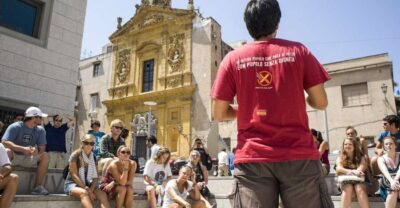 ★ 4.8Palermo: NO Mafia Walking TourFrom $402,431 reviews
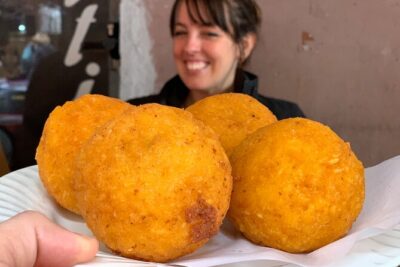 ★ 5.0Palermo Original Street Food Walking Tour by StreatyFrom $832,105 reviews
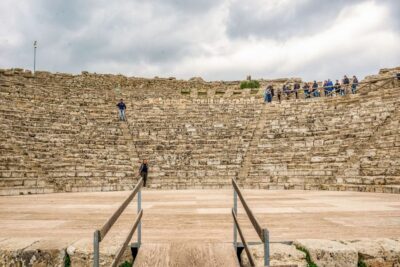 ★ 4.2Segesta, Erice and Salt Pans Full-Day Excursion from PalermoFrom $821,791 reviews
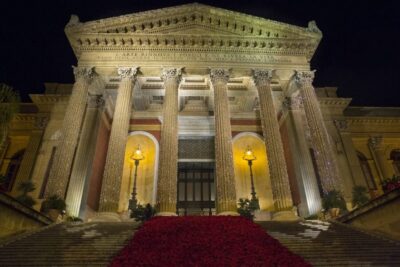 ★ 4.5Palermo: Teatro Massimo Opera House Guided TourFrom $141,573 reviews
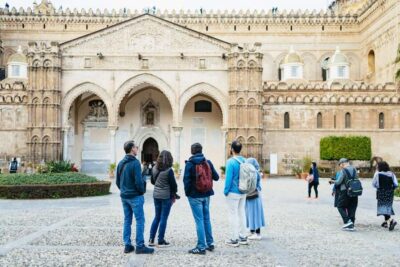 ★ 4.9Palermo: Street Food and History Walking TourFrom $571,486 reviews
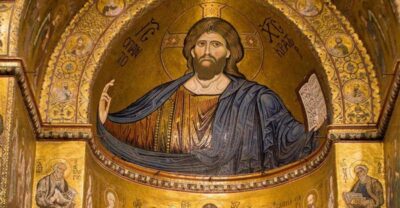 ★ 4.2From Palermo: Monreale and Cefalù Half-Day TripFrom $711,354 reviews
 ★ 4.2Palermo: Agrigento and the Valley of the Temples Day TourFrom $771,240 reviews
 ★ 5.0Palermo No Mafia walking tour: discover the Anti-mafia culture in SicilyFrom $391,011 reviews