
Reviewed · PALERMO CITY TOURS
Palermo: Norman Palace & Palatine Chapel – Small Group or Private
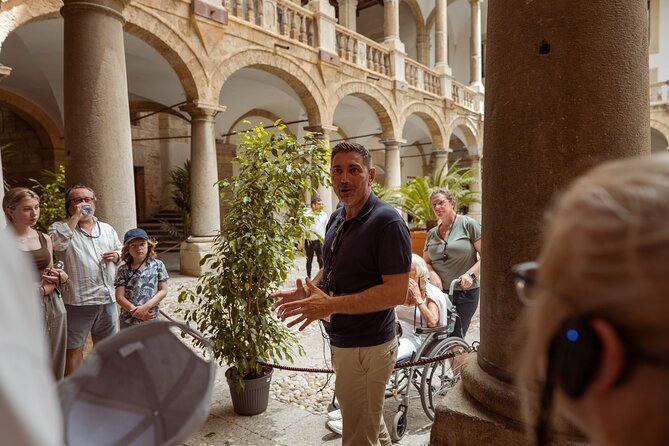
Mosaics tell Sicily’s whole story. This Palermo visit is interesting because you get the Norman Palace setting plus guided time inside the Cappella Palatina, and I love how the guide turns the details into a clear picture you would miss on your own. I also like the exclusive access that includes the palace and its gardens, so the stop feels more complete than a quick photo run.
One thing to plan for: Palazzo dei Normanni is a government venue, so official events can sometimes affect access.
In This Review
- Key highlights worth caring about
- Entering Palazzo dei Normanni: why guided beats DIY here
- Stop 1: Norman Palace and gardens (the big cultural handoff)
- Stop 2: Cappella Palatina mosaics, built for power and belief
- What makes the tour feel worth the price
- Timing, walking, and how to avoid stress
- Who should book this Norman Palace + Palatine Chapel tour
- Quick practical notes that affect your day
- Should you book it?
Key highlights worth caring about
- 90 minutes that focus on the right rooms: palace context, then straight to the chapel where the art does the talking
- Guides who explain what you’re actually looking at: expect practical prompts for the mosaics and the building’s story
- Small group size (up to 16): easier movement, more room to ask questions, less rushing
- Palazzo dei Normanni + gardens: you’re not limited to one room and out the door
- Weather-proof timing: the tour runs rain or shine, so you’ll want a light rain layer
The rest of what Palermo puts on
- Palermo: NO Mafia Walking Tour
★ 4.8 · 2,431 reviews - Palermo: Hop-on Hop-off Bus Tour 24-hour Ticket
★ 3.9 · 2,410 reviews - Palermo Original Street Food Walking Tour by Streaty
★ 5.0 · 2,105 reviews - Segesta, Erice and Salt Pans Full-Day Excursion from Palermo
★ 4.2 · 1,791 reviews
Entering Palazzo dei Normanni: why guided beats DIY here
Palermo’s Norman Palace, the Palazzo dei Normanni, isn’t just another historic building. It’s still a living site—today it also serves as home to the Sicilian Regional assembly—so the experience feels specific and real, not like a museum copy.
What makes a guided visit worth it is simple: the palace and chapel reward close attention. Guides help you connect the architecture and decoration to the cultural mix that shaped Sicily, instead of leaving you with a few pretty images and no story. In reviews, guides such as Fabio, Claudio, Debbie, Valeria, and Renata come up again and again for exactly this kind of clear interpretation.
The group size stays small (max 16), which matters when you’re dealing with crowded circulation and standing time. If you want to ask follow-up questions—about who built what, or why the mosaics look the way they do—this format is built for that.
Stop 1: Norman Palace and gardens (the big cultural handoff)
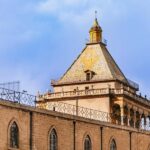
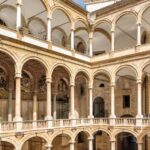
The tour starts with the Norman Palace. Construction began in the 9th century, when Sicily was under Islamic rule, and it was later renovated by the Normans in 1072 as their power expanded across Europe. That timeline isn’t trivia; it helps explain why the palace doesn’t look like one single style.
Your guided walk covers the palace and includes access to the gardens, which is a big part of the value. Gardens can sound like a soft extra, but here they’re part of the pacing. You can reset your legs after standing indoors, and you get a chance to take in the palace as a whole setting, not just as a backdrop for photos.
Inside the palace route, the story centers on the mix of traditions you see in the design language—traditional Islamic patterns alongside the later Norman influence. Even if you’ve studied Mediterranean history before, having someone frame it in a clear narrative helps the place click.
A practical note: this stop is about context and flow. You’re not going to spend hours wandering every corner. You’re there to understand the architecture’s “why,” then move on to the chapel where the art is the main event.
Stop 2: Cappella Palatina mosaics, built for power and belief
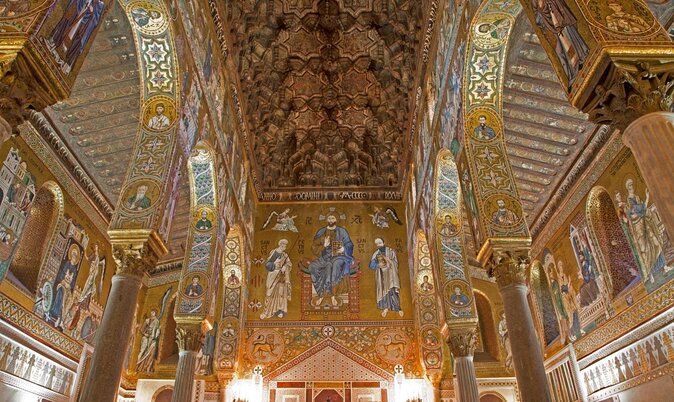
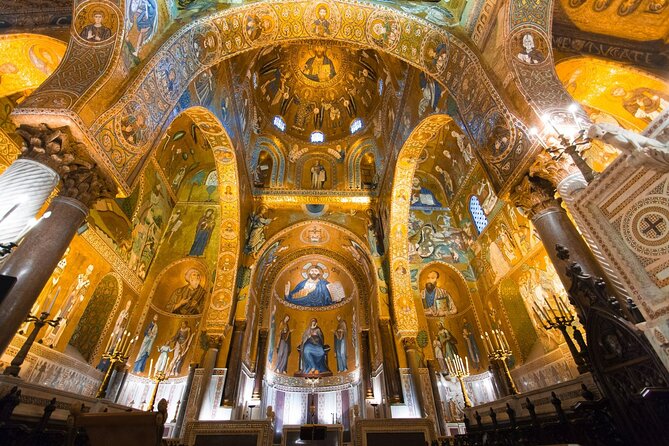
Next comes the centerpiece: the Cappella Palatina, or Palatine Chapel. It’s on the second floor of the Norman Palace, and it was built in 1140. In a short span, you’ll see one of Italy’s most striking examples of Arab-Norman-Byzantine style—an art form that grew from Sicily’s mix of Western and Middle Eastern cultural influences.
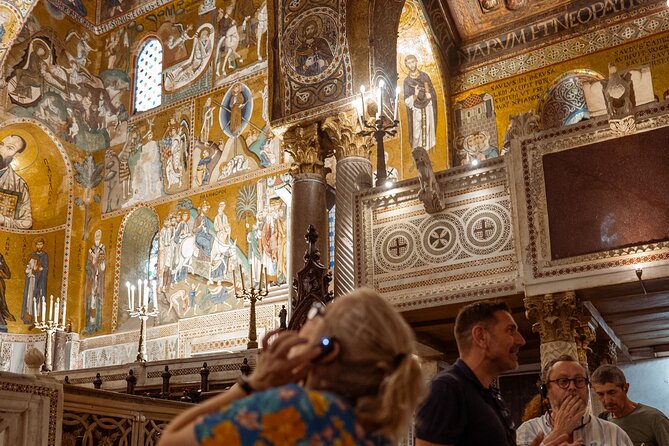
This is where the guided piece really pays off. The chapel is known for its mosaics and golden decorations, but you’ll get far more out of them when you hear the stories behind the imagery and the stylistic choices. The chapel is often described as reflecting the tricultural state of Sicily in the 12th century after Roger I and Robert Guiscard conquered the island. That political backdrop matters because it explains why the chapel is part worship space, part cultural statement.
You’ll also learn what you’re seeing at a glance:
- traditional Islamic designs,
- Byzantine mosaics, and
- the overall blending of styles that makes the chapel feel unmistakably Sicilian.
One thing I’d watch for: time in the chapel is shorter than you may want, especially if you’re a mosaic person. In reviews, people love the way the guide points out details that are easy to overlook alone. So plan to lean into the guide’s pacing. If you’re the type who wants to stare at one mosaic panel for a long time, you might wish you had more time than 30 minutes, but you’ll still come away with a much better read on what you saw.
What makes the tour feel worth the price
At about $81 per person for roughly 1.5 hours, this isn’t a bargain craft market price. But you’re paying for two things that add real value in Palermo:
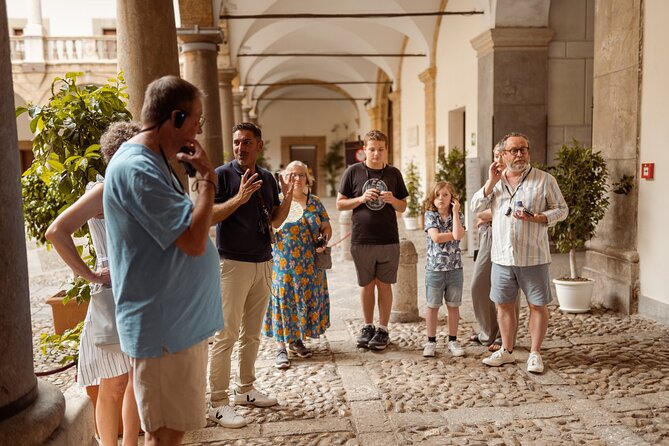
First, you’re paying for a licensed guide who can connect art, architecture, and politics into one understandable storyline. In reviews, the strongest praise is about how guides make the palace and chapel come alive with details that are hard to guess without help—especially inside the chapel.
Second, you get organized access to the sites in one block. You’re not building the day yourself or trying to match your timing to separate ticket lines and separate entry questions. Even if you’re a confident independent traveler, two major attractions in one smooth outing saves your mental energy for the things you actually want to remember.
Do keep in mind pricing can vary by booking date. One review mentioned a friend paying less on a different day. So if you’re watching the number closely, check multiple dates and book when the price looks fair to you.
Palermo's palaces and chapels, up close

Timing, walking, and how to avoid stress
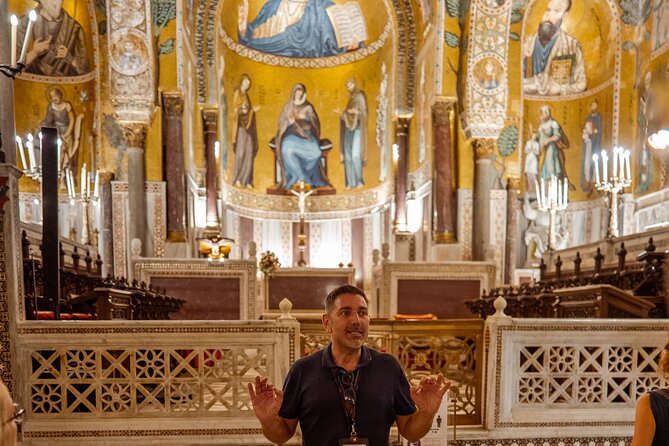
The tour begins at 1:00 pm and wraps back at the meeting point. The meeting spot is Palazzo dei Normanni, Piazza del Parlamento 1, Palermo. It’s near public transportation, which helps if you’re combining this with other sights.
This is a walking and standing type of visit. That’s normal for palace-and-chapel sightseeing, but one review specifically mentioned the guide moving a bit fast, making it harder to keep up for some people. My advice: wear comfortable shoes and don’t plan on using this as your day-after-a-long-night activity.
Also, arrive early enough to settle in. There was a serious late-arrival issue mentioned in the feedback: the tour needs you on time because the guide and the group can’t wait. Even 10 minutes matters when a site is tied to schedules.
If you’re visiting in hot weather, bring water or plan to buy it nearby. One family mentioned how the guide kept their 7-year-old interested on a hot day, which is a reminder that the group pacing is meant to hold attention—not just move bodies.
Who should book this Norman Palace + Palatine Chapel tour
Book this if you want:
- a guided plan for two top Palermo sights in one clean block,
- someone to explain why the chapel looks the way it does, not just what it is,
- a small group setup where questions don’t get swallowed.
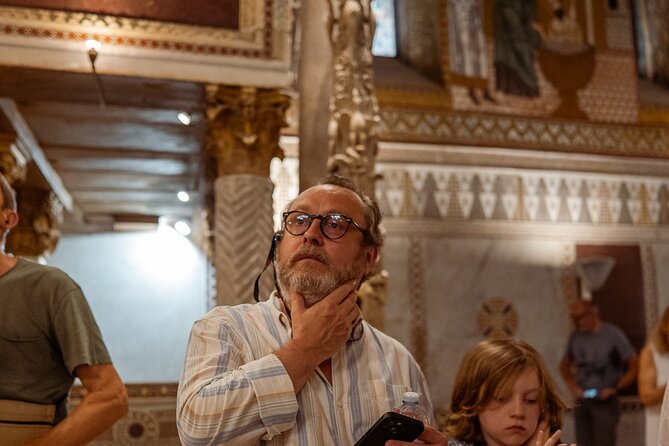
It’s also a good fit if you enjoy art history in a practical way. One of the repeated themes in the best feedback is that guides point out details you’d likely miss while looking alone. If you care about the “how” (design and symbols) as much as the “wow” factor, you’ll get more out of the mosaics.
You might think twice if:
- you want maximum freedom to roam for a long time inside the palace areas beyond the guided route, or
- you’re very sensitive to pace and standing.
The upside is that the tour is structured. The downside is that it’s not built for slow, independent browsing.
Quick practical notes that affect your day
A few details can help your planning:
- The tour runs rain or shine. Bring a light layer just in case.
- You’ll have a licensed guide in English (and Spanish may be offered).
- Tickets are provided as a mobile ticket.
- Pets are not permitted.
- Group size tops out at 16, keeping it controlled but still active.
And one more: because it’s a government venue, official events can affect access. If something changes on the day, don’t treat the schedule like a guaranteed guarantee. It’s rare, but it’s worth knowing.
Should you book it?
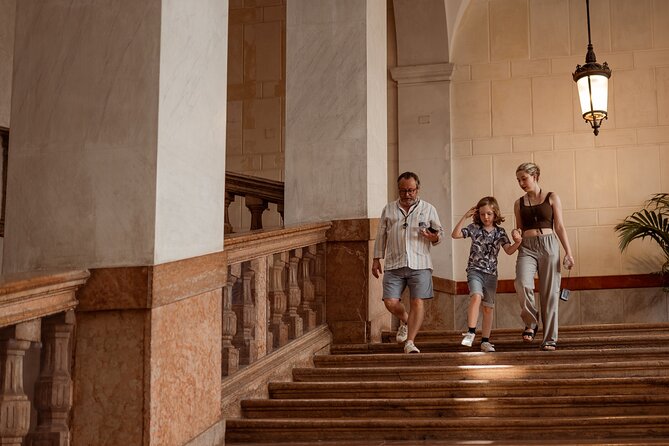
I’d book it if you want Palermo’s Norman Palace and Cappella Palatina without the guesswork. The best reason is the guiding: multiple guides—people like Lavinia, Fabio, Valeria, and Debbie—are praised for taking the time to explain the palace and chapel clearly, especially the mosaics and their mixed cultural roots. You’ll get more meaning per minute than you would walking in cold.
If you’re only chasing photos and you prefer total wandering time, you might feel this is too structured for your style. But if you want your visit to add up to a real understanding of how Sicily’s cultures collided—then this is a smart, efficient choice.
More Tour Reviews in Palermo

More Palermo Palaces and Chapels

More Palermo, Start to Finish
Just added: the newest Palermo tours in our notebook
- Private Transfer from/to Trapani★ 5.0 · 3 reviews
- Private Tour from Palermo to Monreale, Santa Rosalia and Mondello★ 5.0 · 3 reviews
- Palermo: Cannolo & Cassata MasterClass★ 5.0 · 3 reviews
- Camporeale: Sallier de La Tour Wine Discovery Tour★ 4.6 · 3 reviews
- Sicily … A Love of a Lifetime★ 4.5 · 3 reviews
- Sicilian Cooking Class in Palermo – Private Option★ 5.0 · 3 reviews
Palermo City Tours, compared.
 ★ 4.8Palermo: NO Mafia Walking TourFrom $402,431 reviews
 ★ 5.0Palermo Original Street Food Walking Tour by StreatyFrom $832,105 reviews
 ★ 4.2Segesta, Erice and Salt Pans Full-Day Excursion from PalermoFrom $821,791 reviews
 ★ 4.5Palermo: Teatro Massimo Opera House Guided TourFrom $141,573 reviews
 ★ 4.9Palermo: Street Food and History Walking TourFrom $571,486 reviews
 ★ 4.2From Palermo: Monreale and Cefalù Half-Day TripFrom $711,354 reviews
 ★ 4.2Palermo: Agrigento and the Valley of the Temples Day TourFrom $771,240 reviews
 ★ 5.0Palermo No Mafia walking tour: discover the Anti-mafia culture in SicilyFrom $391,011 reviews
Browse the lists this tour appears in