
Reviewed · SYRACUSE & ORTIGIA
Ortigia: Syracuse’s Ancient Town Center Private Walking Tour
Ortigia feels like history with feet. This private walking tour helps you stitch together Syracuse’s Greek-to-Christian layers while you’re actually moving through the town. You’ll start at the Tempio di Apollo, then wind your way through key piazzas, churches, and old streets that still shape daily life.
I love how the route is structured so you get big “aha” moments quickly: first the ancient Greek temple, then the Piazza Duomo complex, then the interior focus on the cathedral area. I also like the human part of the tour. Guides such as Eva, Ava, Valeria, and Carmine are often praised for clear English and for sharing lots of context as you walk.
My only caution is practical: the Syracuse Cathedral interior has rules. There’s a small entrance fee not included, and you’ll need covered shoulders (no shorts or sleeveless tops), plus interior access can be limited during holy mass or weddings.
In This Review
- Key highlights you’ll care about
- Why Ortigia works best on foot
- The meeting point and the pace (so you don’t feel rushed)
- Stop 1: Tempio di Apollo (the Greek start of the story)
- Stop 2: Piazza Archimede and the Diana fountain
- Via Cavour walk and the Collegio dei Gesuiti area
- Stop 3: Piazza Duomo and the landmark building cluster
- Stop 4: Syracuse Cathedral interiors (2 € fee, dress code, and timing)
- Stop 5: Chiesa di Santa Lucia alla Badia (and when it’s closed)
- Stop 6: Fonte Aretusa and the Alpheus-and-Arethusa story
- Stop 7 & 8: Ortigia old streets and the Giudecca district walk
- Value for money: what you actually get for $107.53
- Who this tour fits best (and who might want something else)
- Practical tips to make the day smoother
- Should you book this private walking tour of Ortigia?
- FAQ
- Is the Syracuse Cathedral entrance fee included?
- What dress code do I need for the cathedral?
- Can I visit the interior of Chiesa di Santa Lucia alla Badia every day?
- Where does the tour start?
- Does the tour run in bad weather?
- Is this tour private and in English?
Key highlights you’ll care about
- A smart 2-hour route that keeps you from wasting time figuring out where to go next
- Tempio di Apollo to Fonte Aretusa with mythology and local meaning built in
- Piazza Duomo focus on the surrounding landmark buildings, not just one site
- Cathedral interiors are optional but strict (dress code + 2 € fee + timing limits)
- Ortigia and the Giudecca walk through narrow lanes that connect past and present
- Private tour feel with an English-speaking guide for your group
Deeper into Ortigia and old Syracuse
- Syracuse: Tour of Ortigia Island & Caves with Local Skipper
★ 4.7 · 1,060 reviews - Tour of the island of Ortigia and exploration of sea caves with baths.
★ 5.0 · 668 reviews - Boat tour of Ortigia Island and sea caves
★ 5.0 · 407 reviews - Siracusa Boat excursion island of ortigia and sea caves
★ 5.0 · 147 reviews
Why Ortigia works best on foot
Ortigia, the old center facing Syracuse, is the kind of place where the best parts are also the hardest parts to self-navigate. Streets curve, sights overlap, and the meaning behind what you’re seeing isn’t always obvious just by looking.
That’s where a guided walk earns its keep. You’ll be able to connect the dots from the Greek foundations to later layers, instead of treating each church or square like a separate postcard. In about 2 hours, you should leave with a mental map that makes the town feel easier to explore on your own afterward.
The meeting point and the pace (so you don’t feel rushed)
You’ll meet at Via dell’Apollonion (96100 Siracusa SR). From there, the tour is built around short, timed stops—think around 10 to 25 minutes at each landmark—so you keep momentum without feeling like you’re speed-walking through history.
This format also helps if your main goal is orientation. You’ll see the big anchors first—like the Apollo temple and Piazza Duomo—then finish with the quieter maze-like streets of Ortigia and the Giudecca area. The tour ends back at the meeting point, so you’re not left improvising transport at the finish.
Stop 1: Tempio di Apollo (the Greek start of the story)
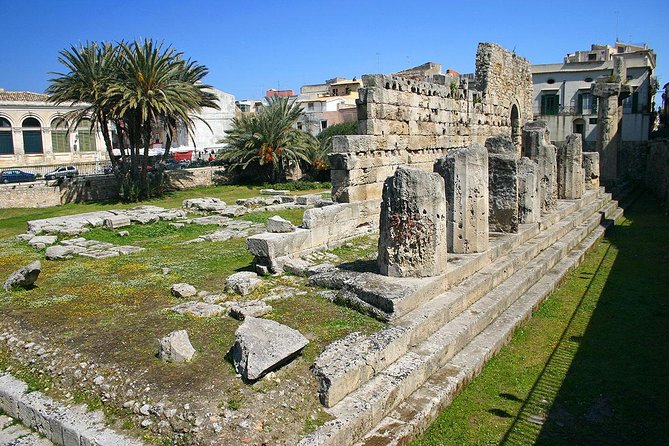
The tour begins at the Tempio di Apollo (Tempio di Apollo). This is described as the oldest stone temple built by Greeks in Sicily, which is a perfect opener because it sets the “deep time” tone right away.
The guide will meet you near the temple and explain what you’re looking at, and why this site matters in the wider Syracuse story. Since your time here is short (about 10 minutes), the point isn’t a long architectural study—it’s getting your bearings and understanding why later civilizations built on what came before.
Practical note: the stop includes an admission ticket that’s free, so this is one of the easiest “get in, look, learn” moments of the whole walk.
Stop 2: Piazza Archimede and the Diana fountain
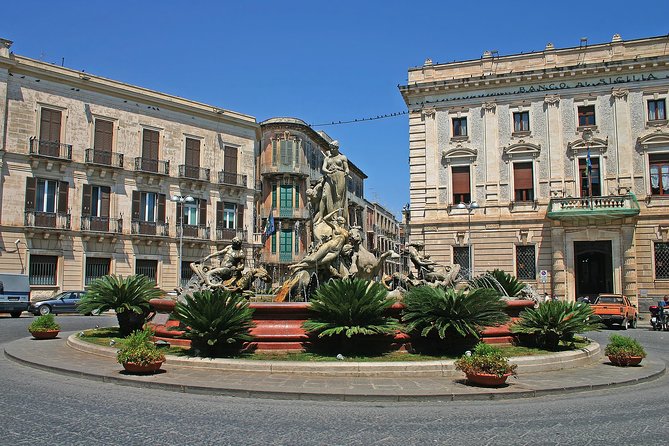
Next comes Piazza Archimede, where you’ll see the neoclassical Diana fountain and buildings with different styles around the square. Squares like this are more than scenery. They’re social rooms for the city—meeting places, photo stops, and often the place where different eras show up side by side.
You’ll get time here (around 10 minutes) to orient yourself before you move into the more street-level sections. The value of the guide at this stage is context: instead of just pointing out a fountain, you’ll learn how the square fits into Ortigia’s larger structure.
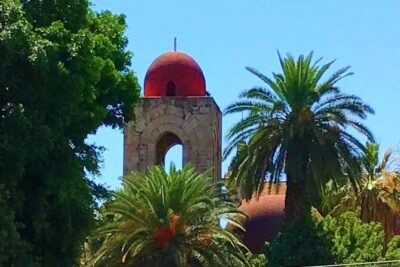
A few we would gladly point a friend toward in Sicily
Via Cavour walk and the Collegio dei Gesuiti area
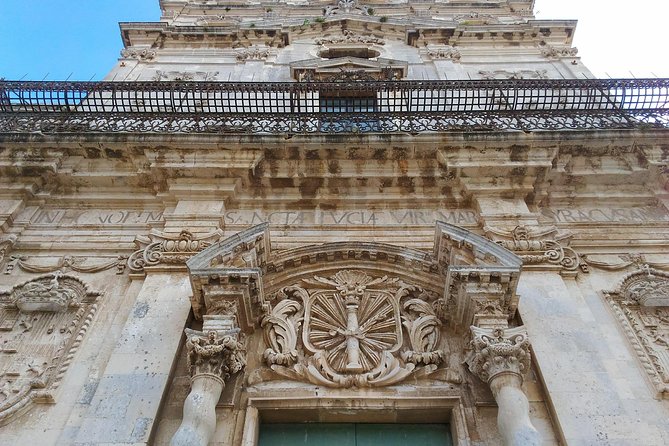
After the piazza stop, you’ll take a walk along via Cavor and pass near the Collegio dei Gesuiti. This is the kind of stretch that’s easy to walk past on your own without noticing what you’re actually seeing.
The time allocation is brief, but it’s useful. It bridges you from the big open spaces into the tighter lanes where churches, civic buildings, and everyday street life start to feel connected.
If you like architecture, pay attention to the transitions—where the street narrows, where facades line up, and how viewpoints pop out between buildings. That’s usually where a good guide’s explanations help most.
Stop 3: Piazza Duomo and the landmark building cluster
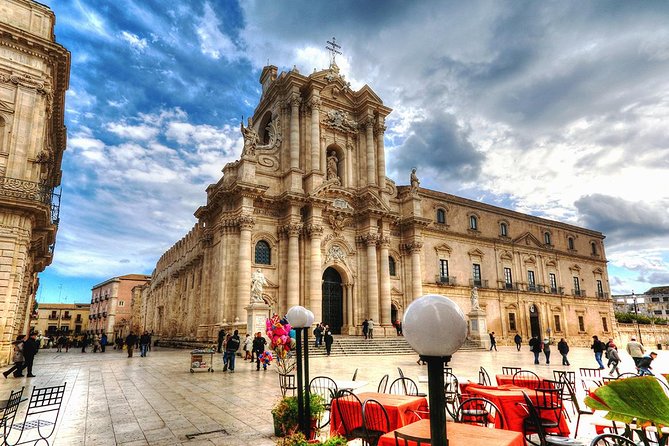
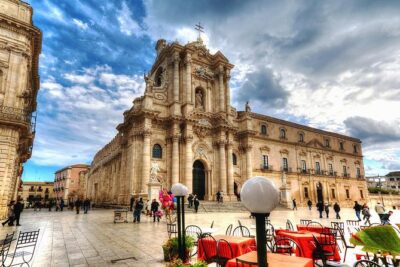
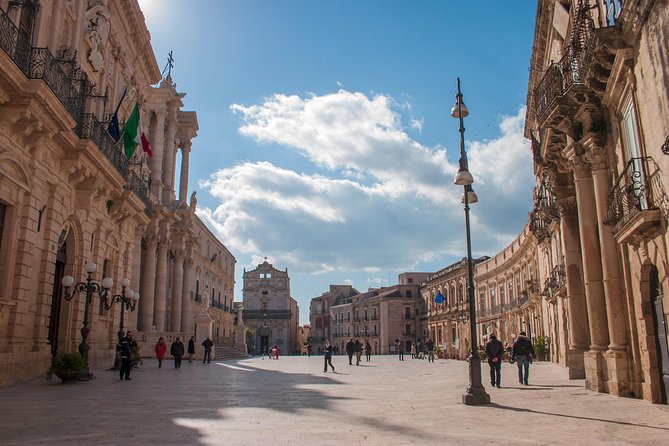
Then you hit Piazza Duomo, one of Ortigia’s key hubs. This isn’t just about the cathedral itself. You’ll learn about the cathedral square and the main buildings around it, including the cathedral, palazzo Vermexio, the arcivescovado, and palazzo Beneventano del Bosco.
You’ll get around 15 minutes here. That’s the right length for a place like Piazza Duomo because the goal is to understand how the whole complex works together. Once you know what those buildings are and why they’re grouped here, the next stop makes much more sense.
Everything at this stage is listed as free admission, so you’re not waiting for tickets. The guide’s narrative is the main investment.
Stop 4: Syracuse Cathedral interiors (2 € fee, dress code, and timing)
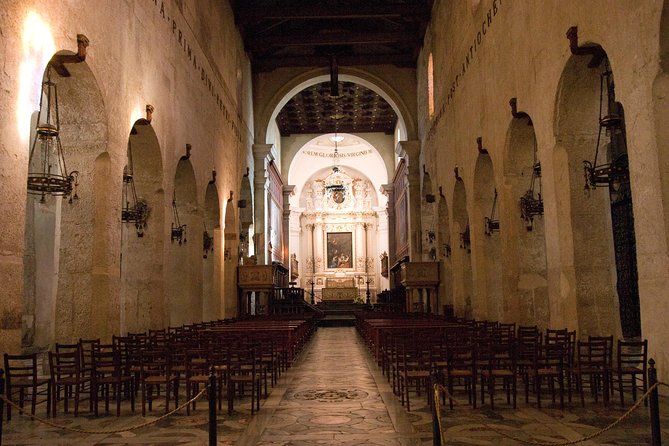
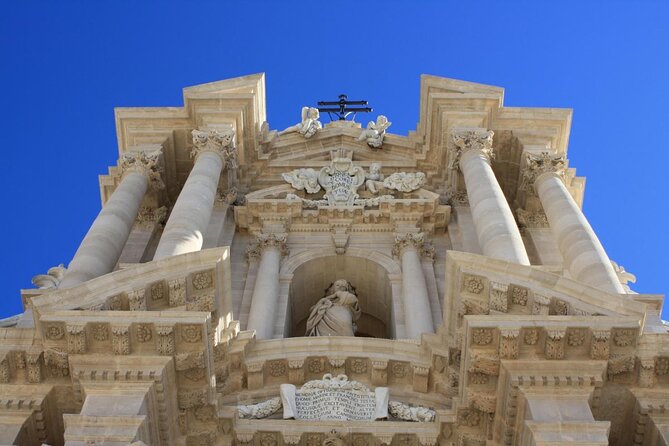
This is the biggest “make it or break it” stop: Syracuse Cathedral interiors. It’s a baroque church built on an ancient Greek temple, which is a neat theme for the day. You’re standing in layers—Greek foundation, then later styles layered over it.
Here’s the practical catch. The cathedral interior visit has a fee not included—2 € per person—and interior access isn’t possible during holy mass or marriages. If that’s the case on your day, your guide will explain the church from outside.
Dress code matters here. You’ll need shoulders covered (no shorts or sleeveless tops for both men and women). If you show up dressed casually, you may be refused entry to the interior. I’d rather you overpack one light layer than waste money or time.
Tip: if you’re traveling in hot weather, bring something easy—light long sleeves or a wrap—so you can comply without cooking.
Stop 5: Chiesa di Santa Lucia alla Badia (and when it’s closed)
Next up is Chiesa di Santa Lucia alla Badia, focused on the interiors of the church of St. Lucy. It’s a highlighted stop because St. Lucy is central to local religious life, and the chapel setting is the kind of interior that benefits from guided interpretation.
One important scheduling detail: the church is closed on Mondays, so you can’t visit the interiors on that day. The data is clear about that, so if your trip lines up with Monday, you should adjust your expectations (or plan another Syracuse church interior visit on your own).
This stop is free admission, which makes it a good value moment. It’s also a strong “contrast stop” after the cathedral area—different church feel, different atmosphere, same theme of layered Syracuse.
Stop 6: Fonte Aretusa and the Alpheus-and-Arethusa story
At Fonte Aretusa, you get Syracuse’s legendary spring and the papyrus plants that make it instantly recognizable. This isn’t just “look at the water.” Your guide will connect it to the mythology of Alpheus and Arethusa, which gives the spring a narrative identity beyond the physical view.
You’ll spend about 10 minutes here, which is just enough for the story + a few good looks. The main value of the spring stop is how it ties together landscape and legend. Even if you aren’t a mythology person, the explanation tends to make the place feel personal and specific.
If you’re the type who asks questions, this is a good spot to do it. Myth details often lead into broader themes about how locals interpret place.
Stop 7 & 8: Ortigia old streets and the Giudecca district walk
After Fonte Aretusa, you’ll move through the Island of Ortigia—narrow streets, old-town center energy, and the Giudecca district, the ancient Jewish quarter of Syracuse. This part of the tour is less about formal architecture and more about how streets hold memories.
You’ll get around 20 minutes through Ortigia’s narrow lanes, then another short stretch with a walk along Via della Giudecca to end the tour. The pacing works well here because you’re shifting from big landmarks into “slow looking” territory.
One especially memorable detail you might hear your guide mention is the presence of a mikveh ritual bath connected to the Jewish quarter. It’s the kind of thing that can be easy to miss without context, and it helps underline what the neighborhood once meant.
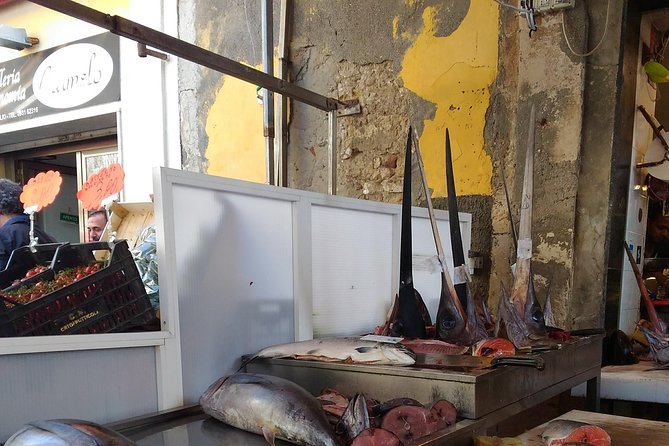
This final section is also where you’ll likely catch more of daily life. The tour is positioned to show you local market energy, and the street context makes those glimpses more meaningful than just a quick glance.
Value for money: what you actually get for $107.53
At $107.53 per person for a private walking tour, the value depends on what you want out of a short visit.
You’re paying for three things that are hard to DIY:
- Interpretation: context makes landmarks click into place, especially when a site sits on top of earlier layers.
- Time efficiency: you’re walking a route designed to cover key highlights in about 2 hours, without getting turned around.
- Language and direction: the guide handles what to notice, where to stand, and when to move on.
Also, a good chunk of the stops are free admission. The cathedral interior is the main extra cost at 2 € per person, and even that can be affected by timing and dress. So your out-of-pocket expenses beyond the tour should be minimal if you plan clothing for the cathedral.
If you’re traveling as a group, the tour notes group discounts. That can help the per-person price feel more reasonable if you have enough people to book together.
Who this tour fits best (and who might want something else)
This tour is a strong fit if you:
- want orientation for Ortigia and Syracuse in a short time
- like history explained in place, not just names and dates
- appreciate a guide who can answer questions as you walk
- care about themes like how cultures build on what’s already there
It’s also good for first-timers. The route covers the major anchors, then transitions into the older street feel so you leave knowing where to wander next.
If you want a museum-style, sit-down deep dive for hours, you might feel the stops are a bit short. But for a focused 2-hour introduction, this style works well.
Practical tips to make the day smoother
A few details make a real difference.
First, plan for the cathedral dress code. Bring a light covering that meets the rule so you can get into the interior. It’s listed clearly: no shorts, no sleeveless tops, shoulders covered.
Second, wear shoes you can walk in for about 2 hours of uneven old-street surfaces. Ortigia lanes are narrow, and you’ll be turning corners often.
Third, keep your schedule flexible for interior access. The cathedral interiors can be unavailable during holy mass or weddings, and St. Lucy’s church is closed on Mondays. If you’re visiting on those days, mentally budget for the outside explanation.
Finally, use public transport nearby if needed. The start point is stated to be near public transportation, and the tour ends back where it begins.
Should you book this private walking tour of Ortigia?
I’d book it if you want the fastest path to understanding Ortigia without wasting time on logistics. The tour’s value is in the way it links sites into a single story arc—from the Tempio di Apollo to the cathedral area to Fonte Aretusa, then into the Giudecca district streets.
Skip it only if you’re determined to handle everything alone and you don’t care much about guided interpretation. With a short visit, that context is what makes the walk feel worth the cost.
If you’re going on a day that might conflict with cathedral interior access or it’s Monday (for St. Lucy), I’d still consider booking, but be ready for exterior explanations or a reduced church interior experience.
FAQ
Is the Syracuse Cathedral entrance fee included?
No. Syracuse Cathedral interior access has a fee not included of about 2 € per person.
What dress code do I need for the cathedral?
You must cover your shoulders. No shorts or sleeveless tops are allowed for both men and women. If you don’t comply, you may be refused entry to the cathedral interior.
Can I visit the interior of Chiesa di Santa Lucia alla Badia every day?
No. The church is closed on Mondays, so interior visits aren’t possible on that day.
Where does the tour start?
The tour starts at Via dell’Apollonion, 96100 Siracusa SR, Italy, and it ends back at the meeting point.
Does the tour run in bad weather?
The experience requires good weather. If it’s canceled due to poor weather, you’ll be offered a different date or a full refund.
Is this tour private and in English?
Yes. It’s a private walking tour, meaning only your group participates, and it’s offered in English.
More Tours in Sicily





More Tour Reviews in Sicily

More of Syracuse and Ortigia

Just added: the newest Sicily tours in our notebook
- Etna / Taormina★ 5.0 · 3 reviews
- Bikes★ 5.0 · 3 reviews
- Taormina shore tour – for small group cruise passengers★ 5.0 · 3 reviews
- Vegan Cooking Class in Catania with Lunch and Dinner★ 5.0 · 3 reviews
- Make & Taste Sicilian Desserts in Palermo – Learn Cannoli & More★ 5.0 · 3 reviews
- Sicilian Villages & Ricotta Tasting – including Lunch from Cefalu★ 4.0 · 3 reviews
Syracuse & Ortigia, compared.
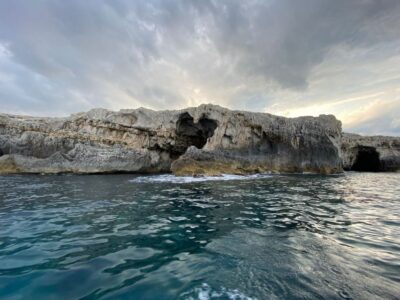 ★ 4.7Syracuse: Tour of Ortigia Island & Caves with Local SkipperFrom $231,060 reviews
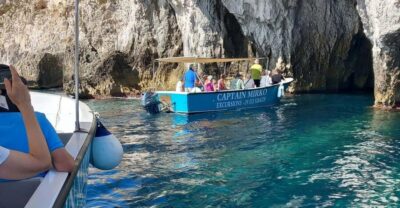 ★ 4.7Syracuse: Boat Tour with Captain Mirko, Snorkeling & CavesFrom $35746 reviews
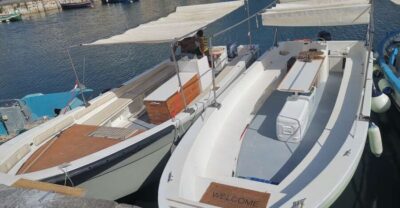 ★ 4.7Siracusa: Ortigia Boat Tour with Marine Grotto & SnorkelingFrom $47726 reviews
 ★ 4.8Siracusa: Ortigia & Sea Caves Boat Tour w/ Prosecco & FruitFrom $35723 reviews
 ★ 5.0Tour of the island of Ortigia and exploration of sea caves with baths.From $24668 reviews
 ★ 4.7Syracuse: Ortigia Island & Sea Cave Boat Tour with ProseccoFrom $23418 reviews
 ★ 5.0Boat tour of Ortigia Island and sea cavesFrom $24407 reviews
 ★ 4.6Catania: Syracuse, Ortigia, and Noto Tour with BrunchFrom $112404 reviews
Browse the lists this tour appears in