
Reviewed · MOUNT ETNA TOURS & SUMMIT
Mt. Etna Summit: Official box-office for Ascent to the Top
Etna has a way of making you pay attention. This guided Mt. Etna summit trip mixes a serious 4×4 ride with walking around ancient craters and a stop at the Pizzi Deneri volcanological observatory. I like that the ticketing is handled as official skip-the-line entry, so you spend more time on Etna and less time stuck in logistics. I also love that you get a live guide (Italian or English) with a science-focused route.
One thing to consider: you don’t come to the summit for a free-for-all crater stare. You’re guided to set viewpoints (including seeing summit craters from the observatory at a safe distance), so if you’re expecting to get right up to crater edges at every stop, plan on looking rather than climbing.
Key highlights to know before you go
- Official skip-the-line box office setup means fewer delays before the excursion starts
- 4×4 Unimog-style transportation with round-trip service from the north side meeting area
- Guided crater walking across old volcanic terrain at roughly 1,900–2,850 meters
- Pizzi Deneri observatory gives summit-crater views over the Bove Valley from a safe distance
- October 27, 2002 eruption site visit includes a circular walk along crater edges and the Bottoniera area
In This Review
- Mount Etna Summit by 4×4 Unimog: why this feels like the right kind of active
- The “official box office” setup and what it means for your time
- From the Etna Escursioni ticket office to Piano Provenzana
- The 4×4 ride: thrilling, but also part of the safety plan
- Altitude strategy: from about 1,800m to 2,850m
- The crater walk (Cratere Centrale) and the big old formations
- A practical expectation to set: you’re on a route, not free-roaming
- Pizzi Deneri observatory at 2,850m: views over Bove Valley
- The October 27, 2002 eruption site and the Bottoniera walk
- Price and value: is $81 fair for a 2.5-hour summit experience?
- What to wear and bring for crater walking at altitude
- Who should book, and who should skip this one
- Timing and comfort: how to make the day feel easy
- Weather reality: when snow shuts things down
- Should you book Mt. Etna Summit: Official box-office for Ascent to the Top?
- FAQ
- How long is the Mt. Etna summit tour?
- Where do I meet for the tour?
- Does the tour include round-trip transportation?
- How high do you go during the tour?
- What craters and viewpoints are included?
- Is there a guide?
- What languages are available for the guide?
- What should I bring?
- What items are not allowed?
- What if the weather is bad?
Mount Etna Summit by 4×4 Unimog: why this feels like the right kind of active
If your Etna plan is mostly about views, this tour still delivers—but it also gives you something practical: motion. You ride up by 4×4, then you get time on foot around large old craters at high altitude. The overall pacing fits a short holiday window because the total time is about 2.5 hours including transport.
The second reason it works is the guide format. You’re not just in a vehicle with a slideshow voice. You hike with an authorized mountain or vulcanologist guide, which matters on volcano terrain where the route and safety rules are the difference between a fun day and a frustrating one.
More ways up the volcano from Catania
- Catania: Mount Etna Morning or Sunset Day Trip with Tasting
★ 4.8 · 4,028 reviews - Catania: Sunset Jeep Tour of Mount Etna and Lava Flow Caves
★ 4.8 · 2,113 reviews - Sicily: Etna and Alcantara Gorges Full-Day Tour with Lunch
★ 4.8 · 1,766 reviews - Mount Etna: Guided Trek 3,000 Meters to the Summit
★ 4.8 · 1,407 reviews
The “official box office” setup and what it means for your time
One of the easiest ways tours lose value is time-wasting: lines, unclear ticket steps, and meeting-point confusion. Here, you get official skip-the-line ticketing through the Etna Escursioni ticket office. That’s not just convenience—it changes the whole rhythm of your day because the tour begins once you’re processed, not after you’ve waited.
In practice, it starts within 30 minutes of the scheduled time. So you’ll want to arrive early enough that you can settle your gear, use the bathroom before you board, and be ready to go when your slot is called.
From the Etna Escursioni ticket office to Piano Provenzana
The meeting point is the Etna Escursioni ticket office. From there, the day’s rhythm is built around moving from the north side of Etna toward the summit area near Piano Provenzana.
Right at the start, you get a short bus/coach segment (about 15 minutes). Then the route includes two short 30-minute stops before the main guided section. These pauses aren’t just filler. They’re part of how you manage altitude, regroup, and set up for the crater walking part of the trip.
If you’re the type who hates unclear timing, you’ll probably appreciate that the experience is structured with defined blocks: ride, stop, guide hike, then ride back.
The 4×4 ride: thrilling, but also part of the safety plan
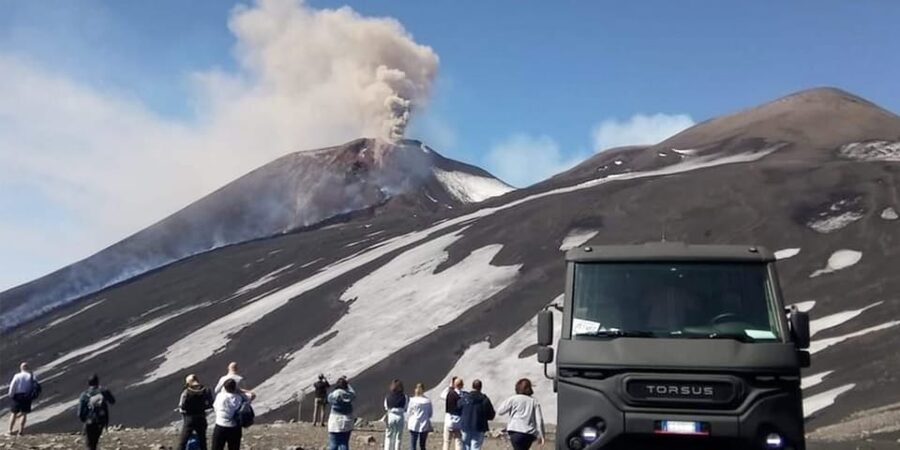
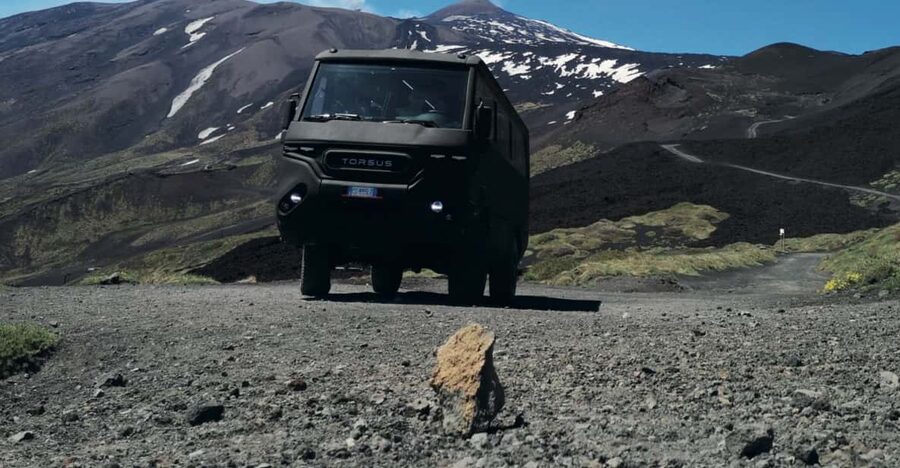
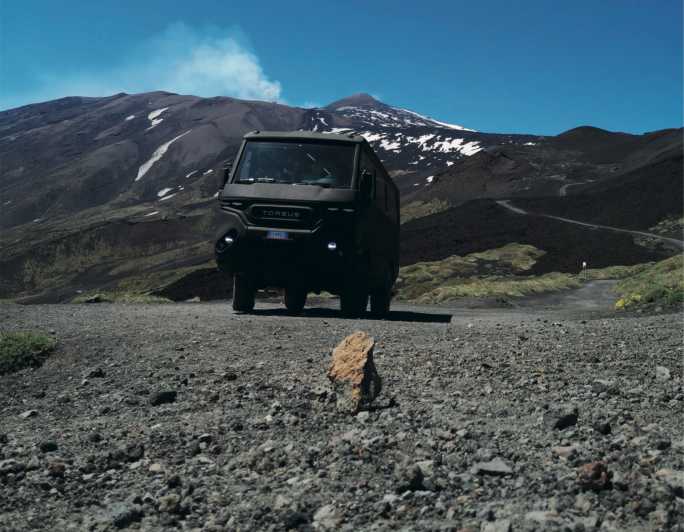
The star transportation element is the round-trip 4×4 bus service (described as a Unimog-style vehicle in the tour details). This is important for Etna because roads and terrain change with altitude, and the route is designed to get you to the hiking zone efficiently.
A comfortable vehicle matters more than people expect when you’re headed upward and the day includes active walking. One review highlighted that the bus felt comfortable and the ride was great with a top driver, which tracks with what you should look for in a summit-access tour: stable transport reduces stress before the hike begins.
Also, because this is a guided scientific route—not just a photo stop—the vehicle time is part of the day’s organization. It gets you into place so the guide can take over when you’re on foot.
Altitude strategy: from about 1,800m to 2,850m
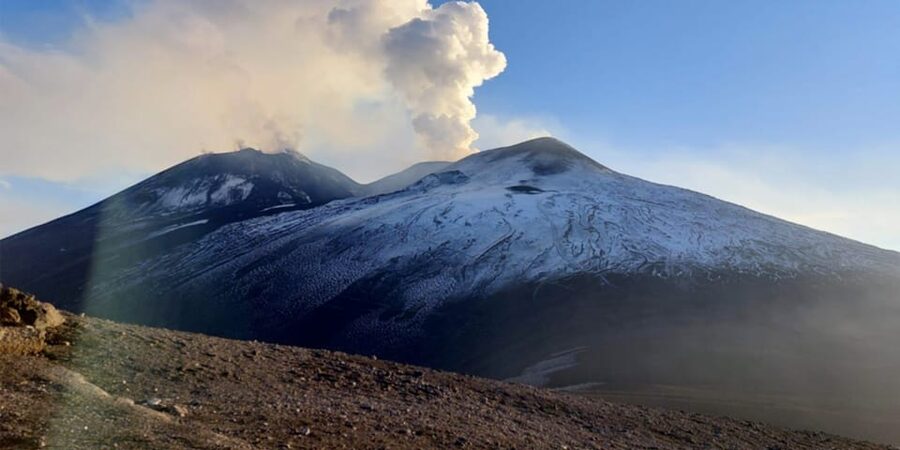
The trip starts in the summit area around 1,800 meters, climbs via a panoramic road, and aims for 2,850 meters. That altitude jump is why the tour includes a guide and why the tour isn’t suitable for everyone with certain health conditions.
Even if you’re fit, you should treat the hike portion as a steady-walk day, not a speed-walk day. The goal is to stay comfortable while you move through uneven volcanic ground.
And here’s the key detail: access up to 2,850 meters is done with the help of authorized mountain or vulcanologist guides. So you’re not just going up to a random high point—you’re following a controlled path designed for safe viewing and crater walking.
The crater walk (Cratere Centrale) and the big old formations
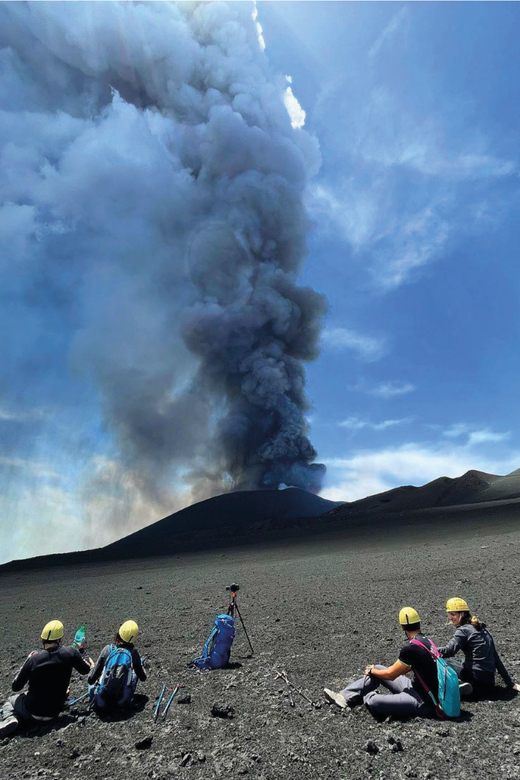
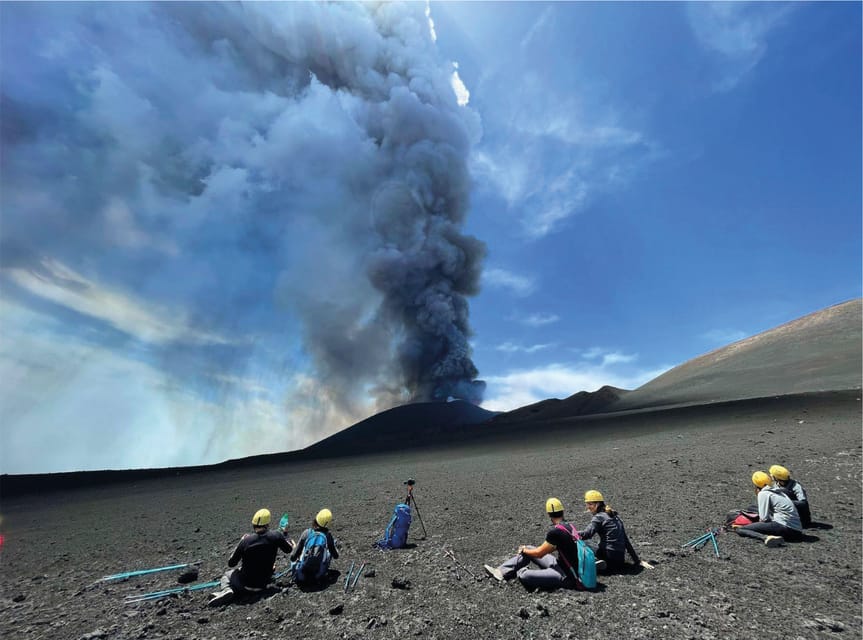
The main guided portion includes about 1.5 hours of walking with the guide. This is where you get close to Etna’s “still working” geology without needing technical climbing skills.
You’ll trek around huge, old craters including the Umberto and Margherita Craters, described at roughly 2,380 meters. These craters are massive, and the experience is intentionally built around making you understand what you’re standing on. You get the feeling of how volcanic systems build, reshape, and destroy over time—because that’s literally what you’re walking on.
You’ll also spend time around the summit crater area referred to as the Cratere Centrale dell’Etna section during the guided tour. This is the part of the day most people will remember, mainly because it’s active and it’s structured with a guide interpreting what you’re seeing.
A practical expectation to set: you’re on a route, not free-roaming
One review called out a disappointment about not seeing the crater exactly as expected. That’s a useful warning for your planning brain.
Even though you reach very high altitudes and spend time around major craters, the tour includes safe-distance viewing in key spots (especially at the observatory). So think of this as a guided way to see the summit environment clearly—not an “anyone can wander to crater edges” experience.
Pizzi Deneri observatory at 2,850m: views over Bove Valley
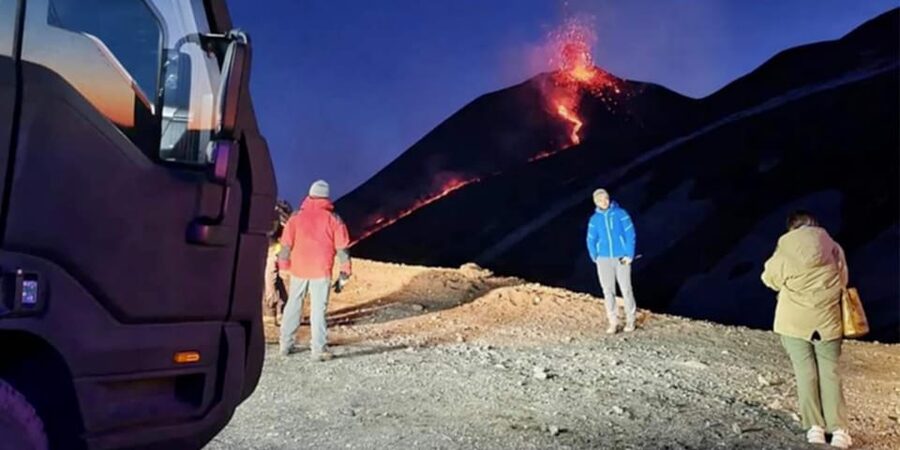
The best “wow” payoff happens at the Pizzi Deneri volcanological observatory at about 2,850 meters. From here, you get a chance to observe the summit craters that dominate the Bove Valley.
The big word in the tour description is safe distance. That means you’re set up to see the geometry of craters and valley shapes without putting yourself at risky footing or restricted access areas.
If you love science and want the day to feel more meaningful than just scenery, the observatory stop is also where your guide can connect what you see to how volcanology works. One review specifically praised the scientific point of view, and this is exactly the kind of stop that supports that style of interpretation.
And if weather is clear, this is often where your photos will improve—not because you’re chasing an Instagram angle, but because your viewing angle from the observatory area is better organized.
The October 27, 2002 eruption site and the Bottoniera walk
After the observatory viewpoint, the last stop is the eruption site from October 27, 2002. You’ll visit crater formations at roughly 1,900 meters and walk a circular path along the edges.
This is described as featuring the characteristic button-shaped craters, and the hike includes a look at the morphology called Bottoniera.
This final segment matters because it anchors the day in something more recent than the ancient crater systems you saw earlier. It’s one thing to look at old volcanic forms; it’s another to see how the landscape was shaped by a known event. You come away with a clearer sense of Etna as an active system, not just a mountain with a myth.
Price and value: is $81 fair for a 2.5-hour summit experience?
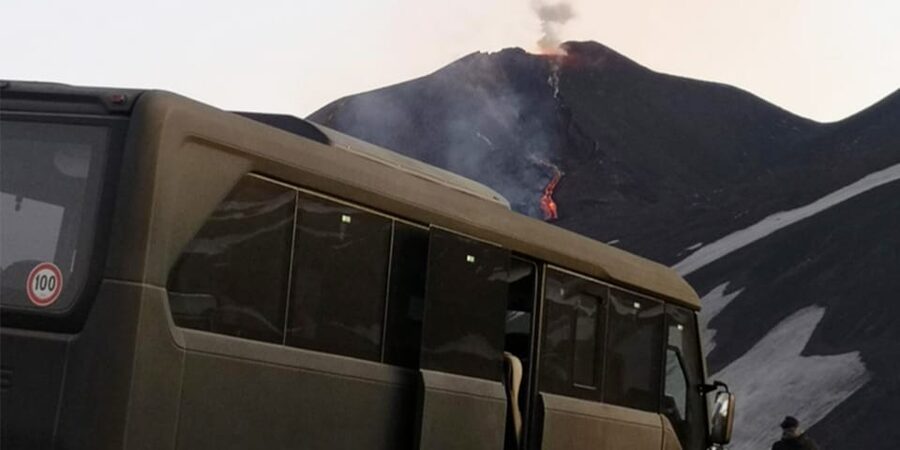
At $81 per person with a round-trip 4×4 and a guided experience, this sits in the practical midrange for Etna summit access. The value comes from three buckets:
1) Transport to high altitude without driving yourself on rough terrain
2) Guide support from an authorized mountain or volcanologist guide
3) Official ticket handling that reduces time lost before the tour starts
If you tried to cobble this together alone, you’d likely spend money plus time plus uncertainty. Here, you pay for the convenience of a planned route that already accounts for access and timing.
There is also a “type of value” factor: part of the tour is active hiking around crater edges. You’re not paying just for a bus ride.
What to wear and bring for crater walking at altitude
This tour asks for the basics, but it’s strict where it counts:
- Wear comfortable shoes with good grip
- Bring weather-appropriate clothing and outdoor layers
- Don’t bring luggage or large bags
- Avoid sandals or flip flops
- No smoking in the vehicle
- Non-folding strollers aren’t allowed
The altitude and volcanic ground make footwear a real deal. If your shoes aren’t comfortable for uneven paths, the day turns into a sore-feet compromise.
Also, the tour is short enough that you don’t want to waste time rummaging for layers. Bring what you need so you can focus on walking and listening to the guide.
Who should book, and who should skip this one
This is the kind of tour that’s thrilling and scenic, but it’s also physical and altitude-based.
Not suitable for:
- People with heart problems
- People with respiratory issues
- People with high blood pressure
If any of those apply, it’s smart to choose a lower-altitude option instead. The tour itself is built around ascending and walking on uneven terrain.
On the flip side, it’s a great fit if you:
- Want a guided Etna experience with real interpretive context
- Prefer organized crater walking over casual viewing
- Like science explanations and want the observatory stop to mean something
- Have limited time around Catania and still want summit-level access
Timing and comfort: how to make the day feel easy
Total duration is 2.5 hours, which helps you fit it into a travel schedule. Still, you’ll want to plan like this is a short hike day plus a transport segment.
A good strategy is to travel light, keep your layers accessible, and show up early enough to avoid last-minute stress at the ticket office.
If you care about language, you’ll have Italian and English guidance, which is a real plus when you want the scientific explanations to land.
Weather reality: when snow shuts things down
The tour is canceled if it snows. That’s not a minor detail on Etna. If the weather looks unstable, you’ll want flexibility in your schedule so you can adjust without losing the whole vacation day.
Should you book Mt. Etna Summit: Official box-office for Ascent to the Top?
Book it if you want an organized, high-altitude Etna experience that blends 4×4 transport, guided crater walking, and a meaningful stop at the Pizzi Deneri observatory. It’s also a solid choice if you value scientific interpretation, not just pictures.
Skip or reconsider if you need a tour without altitude stress, or if your expectation is to walk right up to crater edges at every stop. This route focuses on guided access and safe viewing angles, so your payoff is in the crater understanding and observatory perspectives—not in unrestricted crater wandering.
One more practical tip: bring the right shoes and set expectations early that you’ll be seeing and learning from designated areas. Do that, and the day tends to click as a true Etna summit experience.
FAQ
How long is the Mt. Etna summit tour?
The duration is listed as 2.5 hours.
Where do I meet for the tour?
You meet at the Etna Escursioni ticket office.
Does the tour include round-trip transportation?
Yes. It includes round-trip 4×4 bus transportation.
How high do you go during the tour?
The plan reaches about 2,850 meters, and the summit area walking is guided to that altitude level.
What craters and viewpoints are included?
You’ll visit the Umberto and Margherita craters, visit the Pizzi Deneri volcanological observatory, and see summit craters from a safe distance. The tour also includes an eruption site dated October 27, 2002 with crater morphology called Bottoniera.
Is there a guide?
Yes. The tour includes a live authorized mountain or volcanological guide.
What languages are available for the guide?
The guide is available in Italian and English.
What should I bring?
Bring comfortable shoes and weather-appropriate outdoor clothing.
What items are not allowed?
Sandals or flip flops are not allowed. Luggage or large bags are not allowed, smoking is not allowed in the vehicle, and non-folding strollers aren’t allowed.
What if the weather is bad?
The tour will be canceled if it snows. There is also free cancellation up to 24 hours in advance for a full refund, and you can reserve and pay later.
More Tour Reviews in Catania
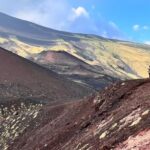

More Etna Summit Treks We Have Walked
Just added: the newest Catania tours in our notebook
- Transfer Catania / Agrigento Airport★ 5.0 · 3 reviews
- Sicily private shore excursion – Etna and Taormina with personal driver★ 3.5 · 3 reviews
- Sunset Trekking on Mount Etna★ 5.0 · 3 reviews
- Private Transfer from Catania to Palermo or vice-versa with stop★ 5.0 · 3 reviews
- From Syracuse: Mount Etna Volcano Morning Trekking Tour★ 5.0 · 3 reviews
- Catania: Guided Street Food Tour with Tastings★ 5.0 · 3 reviews
Mount Etna Tours & Summit, compared.
 ★ 4.8Catania: Mount Etna Morning or Sunset Day Trip with TastingFrom $704,028 reviews
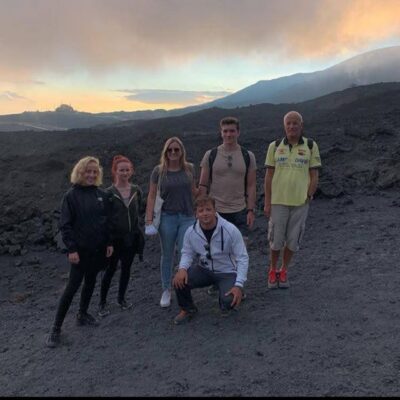 ★ 4.8Catania: Sunset Jeep Tour of Mount Etna and Lava Flow CavesFrom $712,113 reviews
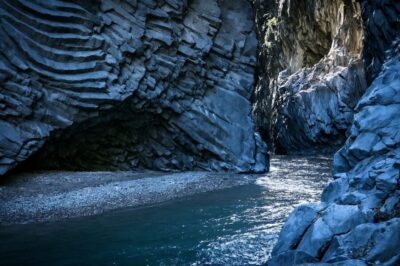 ★ 4.8Etna and Alcantara Gorges Full-Day Tour with LunchFrom $1051,766 reviews
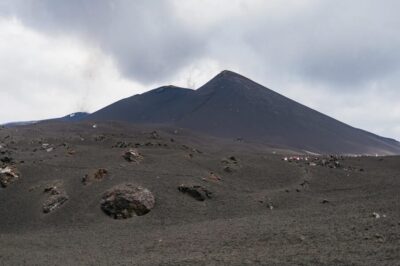 ★ 4.7Etna: summit craters trekking with volcano guide 3350mtFrom $771,712 reviews
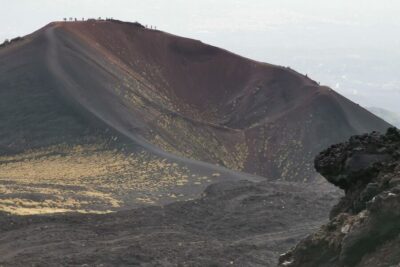 ★ 4.9Catania: Mount Etna Trekking Tour Beyond the Tourist TrailsFrom $811,596 reviews
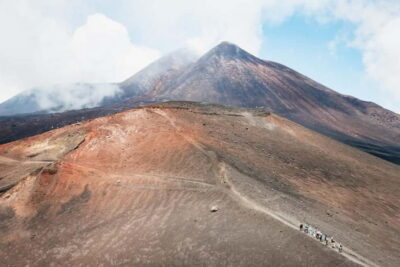 ★ 4.8Mount Etna: Guided Trek 3,000 Meters to the SummitFrom $1131,407 reviews
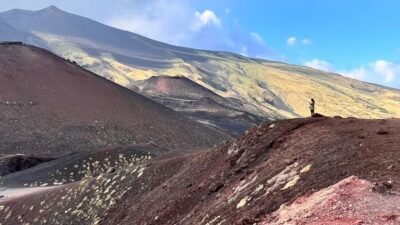 ★ 4.8Catania: Etna Sunset Tour with Pickup and Drop-offFrom $711,348 reviews
 ★ 4.8Etna Sunset Tour: Volcano trek, Cave & tasting from CataniaFrom $701,290 reviews