
Reviewed · MOUNT ETNA TOURS & SUMMIT
Mount Etna: Summit Cycling Tour
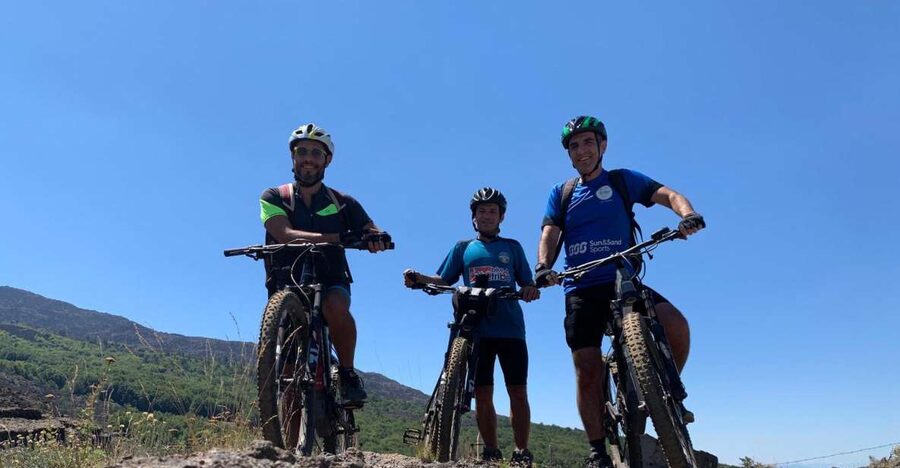
Pedal your way to Etna’s summit. What makes this tour special is the ride to the Volcanological Observatory at 2800 meters, plus the geology-heavy stops led with great energy by guide Simoni. I also love the way you get close to summit craters without the usual tourist-rush feel. One consideration: this is real mountain biking on uneven paths, so it’s not a good match for limited mobility, back problems, or pregnancy.
You start in the northern Etna area, get kitted out, then work your way up along dirt and lava-flow country. The payoff is big: crater views, the Ionian Sea, and the Valle del Bove from high above.
Expect a 2 to 6 hour outing (start times vary), in a small group capped at 15, with an English or Italian live guide. If you like bikes and want Etna to feel like a journey—not a photo stop—this fits well.
In This Review
- Key Highlights You’ll Feel Immediately
- Why Cycling to Etna’s Summit Beats a Standard Sightseeing Day
- Meeting Inside Euro Etna Tourism and Getting Your Bike Setup Right
- Stop 1: The Ride Begins at Northern Etna
- Stop 2: Barbagallo Crater and Why Guided Time Changes Everything
- Stop 3: The Viewpoint Stretch That Lets Etna Register in Your Head
- The 2800 m Payoff: Summit Craters, the Observatory, and the Ionian Sea
- How Long Is It, Really? Timing and Pacing That Fits a Day Plan
- Price and Value: What $113.29 Covers (and What It Doesn’t)
- Who This Tour Suits Best (and Who Should Skip It)
- Practical Tips Before You Go Up a Volcano on a Bike
- Should You Book the Mount Etna Summit Cycling Tour?
- FAQ
- FAQ
- How long is the Mount Etna Summit Cycling Tour?
- Where do I meet for the tour?
- Is the bike provided?
- Do I get pedals for my shoes?
- What stops are included during the tour?
- What language is the live guide?
- What should I bring, and is lunch included?
Key Highlights You’ll Feel Immediately
- Bike up dirt paths on active-volcano terrain instead of just looking from afar
- Reach the Volcanological Observatory at 2800 m for big panoramic reward
- Barbagallo Crater stop with guided time to make the geology click
- Summit crater views plus sights toward the Ionian Sea and Valle del Bove
- Small group size (15 max) for a more personal pace
- Simoni-style guiding energy that keeps the ride fun and manageable
More ways up the volcano from Catania
- Catania: Mount Etna Morning or Sunset Day Trip with Tasting
★ 4.8 · 4,028 reviews - Catania: Sunset Jeep Tour of Mount Etna and Lava Flow Caves
★ 4.8 · 2,113 reviews - Sicily: Etna and Alcantara Gorges Full-Day Tour with Lunch
★ 4.8 · 1,766 reviews - Mount Etna: Guided Trek 3,000 Meters to the Summit
★ 4.8 · 1,407 reviews
Why Cycling to Etna’s Summit Beats a Standard Sightseeing Day
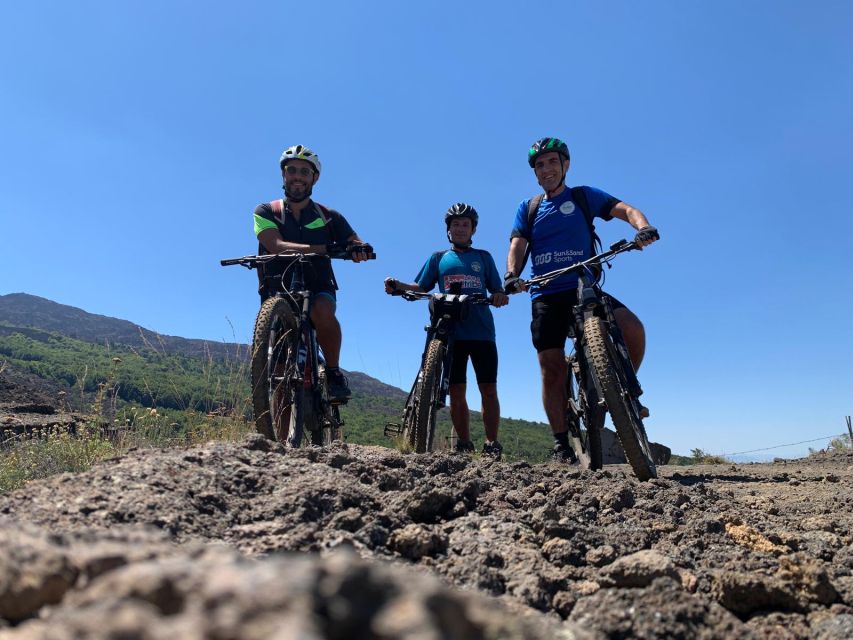
There’s something about moving under your own power that makes Mount Etna feel real. A car or bus can drop you near a viewpoint, but it doesn’t help you understand the climb—how the ground changes, how lava edges shape the path, and how the volcano’s scale shows up as you get higher.
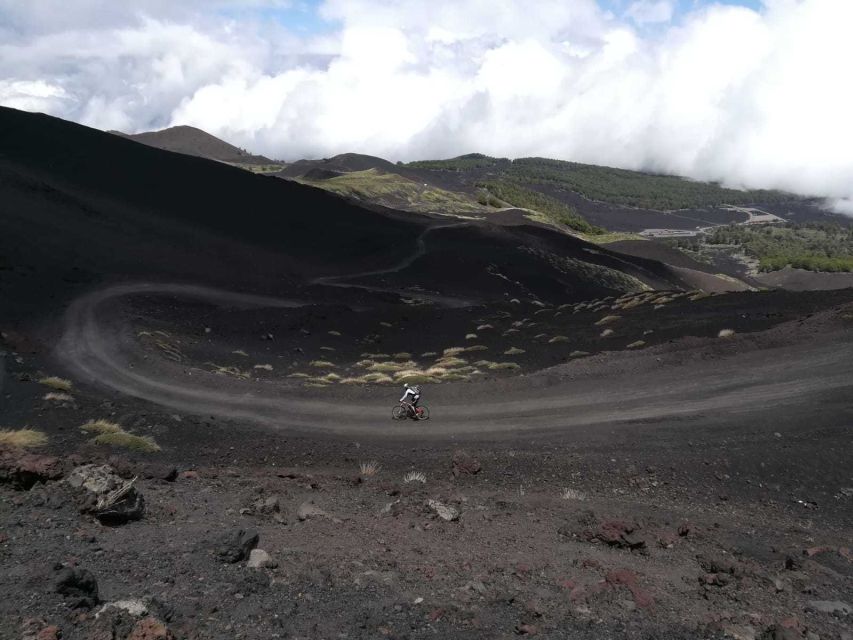
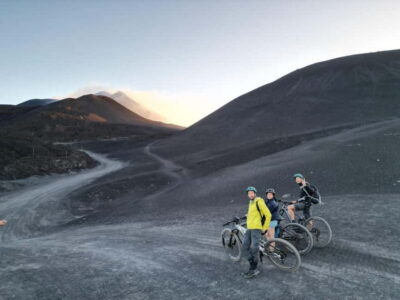
On this cycling tour, the volcano becomes a route. You ride along dirt paths that wind through older craters and lava flows, so the geology isn’t just something you hear about. It’s something you literally pass by, turn your handlebars toward, and keep pushing through.
And then you hit the moment that turns effort into awe: reaching the Volcanological Observatory at 2800 meters. From there, you’re not only standing in a dramatic spot—you’re able to connect the crater views to the wider region: toward the Ionian Sea and the Valle del Bove. It’s a full-gear kind of sightseeing day, not casual wandering.
Meeting Inside Euro Etna Tourism and Getting Your Bike Setup Right
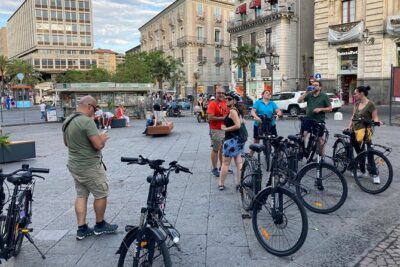
Your day starts inside the Euro Etna Tourism hut, with the tour ending back at the meeting point. There are also two start-location options, including Etna Quad, depending on the group’s schedule.
What I like about this setup is how straightforward it is. You arrive, get fitted with your rental mountain bike and equipment, and then you’re ready to go. There’s even an option for SPD pedals on request, which matters if you use clip-ins and want more control on rougher ground.
Before you go, do yourself a favor and keep your packing simple. You’re not allowed luggage or large bags, and pets and smoking are out. So think like a rider: bring what you need, keep it small, and wear footwear that can handle dirt and bike time without drama.
Also, the guide runs the show in real time (English and Italian). With a small group—15 people max—you should feel like you can ask questions without shouting over a crowd. That’s a big deal when the goal is crater country, where understanding what you’re seeing makes the whole day better.
Stop 1: The Ride Begins at Northern Etna
Once you’re kitted out, you head to the northern part of the volcano. This is where the tour’s tone gets set: you’re not starting with a flat promenade. You’re starting with a route that climbs and tests your legs.
This part matters because it shapes the entire experience. The early ride is your warm-up into Etna’s “working volcano” feel—dirt under tire, uneven ground, and that sense that the terrain has its own rules. The guide stays with you along the upward path, so you’re not guessing where to go or worrying about pacing alone.
You’ll also see the kind of textures that Etna does best: stark volcanic ground, older craters, and lava-flow features that look almost sculpted. Even before the highest point, it’s visually different enough that your brain stops treating it like a normal nature trip and starts treating it like a living system.
Stop 2: Barbagallo Crater and Why Guided Time Changes Everything
Barbagallo Crater is the tour’s guided anchor. You’ll spend about 2 hours here with your guide, and that time is what turns the ride from scenic biking into meaningful volcano viewing.
Without guided context, crater stops can feel like: yes, it’s a crater, and it’s cool. With a guide, you start noticing the details that matter—how the terrain forms, how lava-flow history reads in the ground, and why Etna is still considered active.
This is also where the group pacing becomes important. A longer guided stop gives you time to breathe, catch your breath after cycling, and refocus before the next stretch. It’s not just standing still either—you’re still connected to the ride because you’ve already come up through that volcanic country, so the crater visit feels like the next page in a story you’re already reading.
If you enjoy learning while you move, this is one of the best parts of the day. If you prefer a strictly fast and short workout, the crater time might feel like a pause—but it’s the kind of pause that pays you back later with a clearer understanding of the views.
A few we would gladly point a friend toward in Catania
Stop 3: The Viewpoint Stretch That Lets Etna Register in Your Head
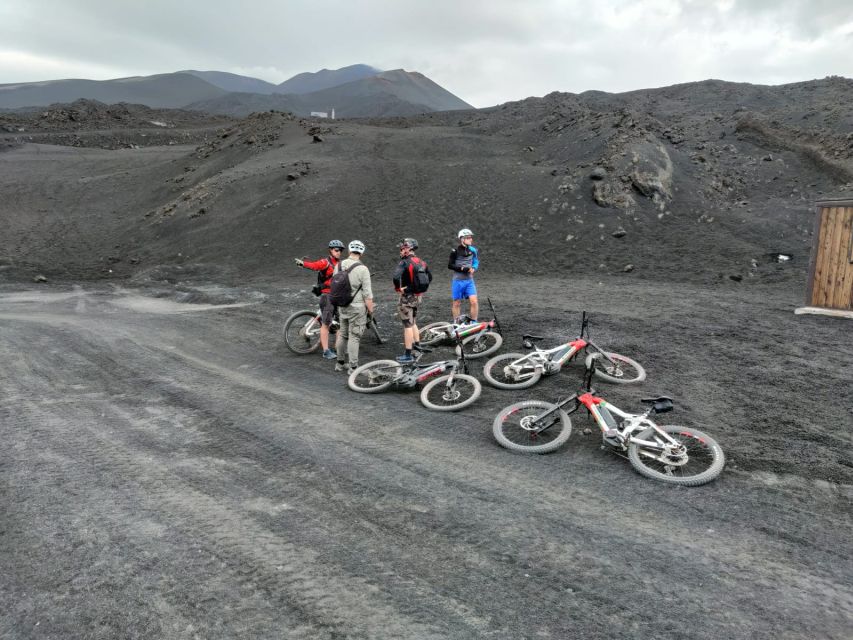
After the crater stop, you’ll have a bike tour portion of about 1 hour to reach a viewpoint. This is where the tour gives you a second taste of movement—not just the long crater session, but actual riding again.
What I like about this section is that it acts like a memory-builder. Etna is dramatic, but it’s also easy for the details to blur if you only stop briefly. The viewpoint ride time helps you stay engaged physically while your eyes do their own work—tracking the volcano’s scale and the surrounding region as the day unfolds.
At the viewpoint, you should be ready for the moment where everything clicks: crater shapes, the direction of sightlines, and the way the volcanic terrain relates to the broader area. It’s the kind of “how big is this?” realization you can’t easily get from just one stop.
And because the group stays small (15 max), the guide can keep things from turning into a slow shuffle. You’re moving with purpose, not waiting around.
The 2800 m Payoff: Summit Craters, the Observatory, and the Ionian Sea
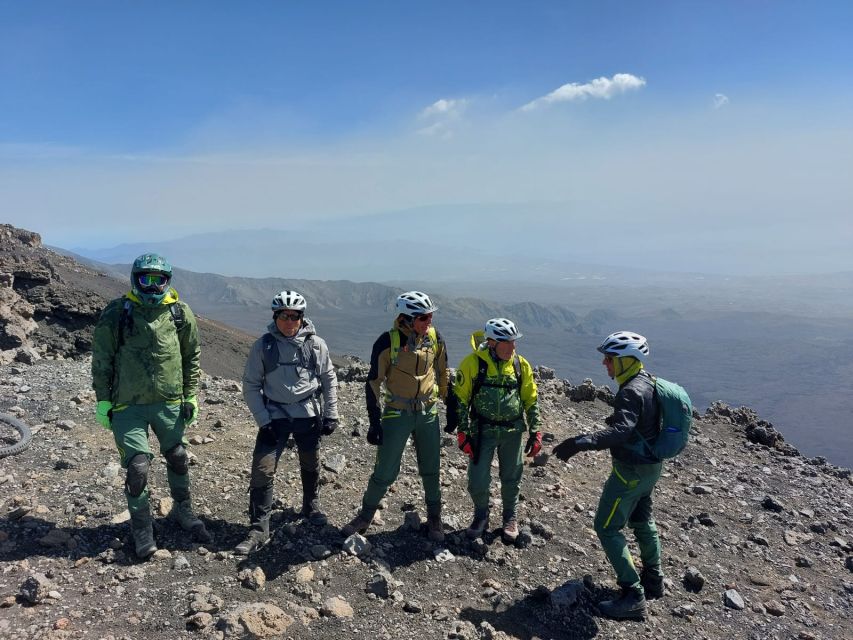
The headline of this tour is the ride up to the Volcanological Observatory at 2800 meters, where you regain strength and take in panoramic views.
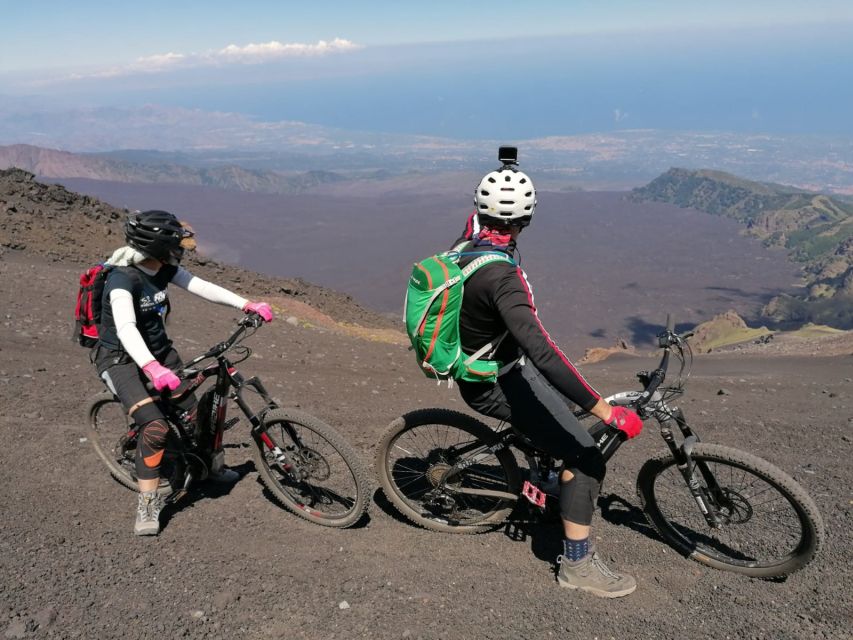
This is where you get more than a dramatic photo. You get a vantage point that lets the volcano make sense in relation to what’s around it. The views include Mount Etna summit craters, the Ionian Sea, and the Valle del Bove. That combination is powerful because it connects the immediate volcano features with the wider geography you’re looking over.
You’ll also have time to relax at altitude—back against the backdrop of that panorama—so it’s not only a workout. The guide’s role here is important: it helps you slow down, look longer, and understand what you’re seeing instead of racing to the next viewpoint.
A small but real tip: be ready to feel the day in your body. The satisfaction at the observatory is tied to what you worked through on the dirt path—so don’t rush your moment there. Take a few minutes, breathe, and let the scale sink in.
How Long Is It, Really? Timing and Pacing That Fits a Day Plan
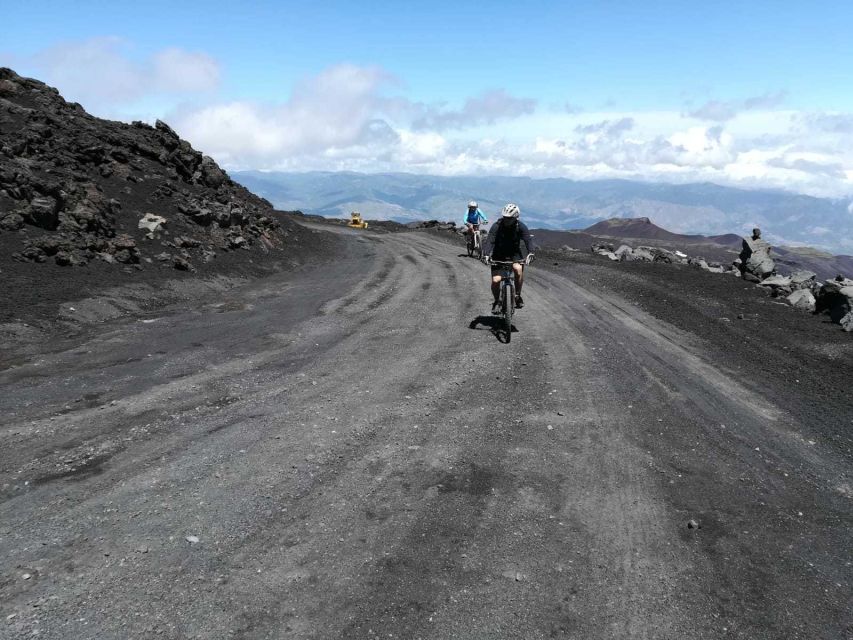
The tour runs from 2 to 6 hours depending on the starting time available. That range is normal for a volcano bike day, because the route includes multiple phases: crater time, viewpoint riding, and the higher-altitude experience.
The easiest way to plan is to treat it like a half-day to late-morning to early-afternoon slot. If you’re the type who likes a full schedule with tight connections, you’ll want to choose your start time carefully. Since it ends back at the meeting point, it’s relatively simple to plug back into your day—just don’t assume you’ll be available for something demanding right before the tour starts.
Pacing-wise, this is not a leisurely bike stroll. It’s a guided climb with dirt paths and time spent at crater and viewpoint stops. If you’re comfortable riding a mountain bike and handling uneven ground, you’ll probably enjoy it. If you want mostly flat riding, you might find the climbing less fun than expected.
Price and Value: What $113.29 Covers (and What It Doesn’t)
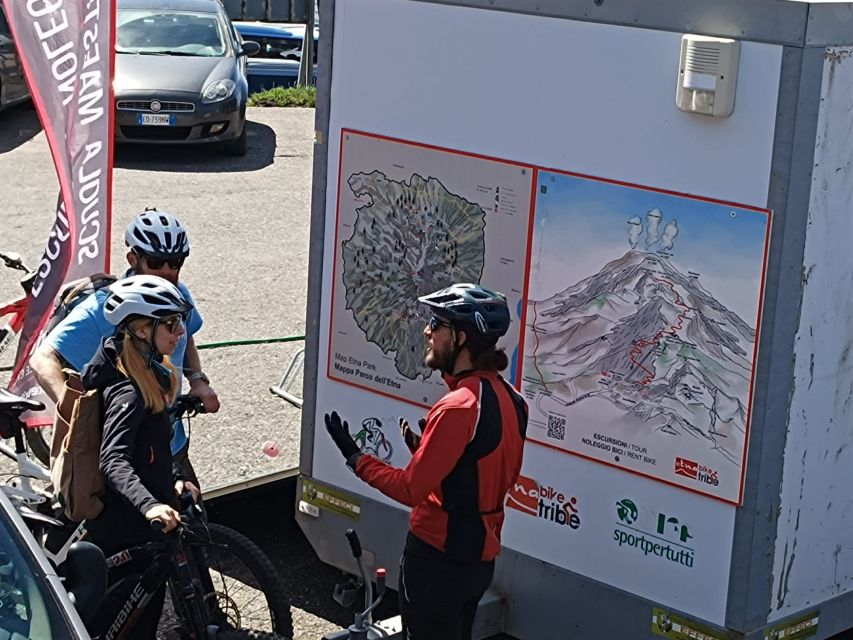
At $113.29 per person, this tour is priced as an activity with real overhead: a qualified mountain bike guide, bike and equipment rental, and the option for SPD pedals on request. That’s the kind of package where the cost makes sense because you’re not just paying for a view—you’re paying for equipment, instruction, and guided crater context.
What’s not included is lunch. So build in money and time for food afterward or plan to grab something before you meet. Also, you’ll want to budget for any personal essentials you bring along, since the tour itself is focused on the riding and the core stops.
To me, the best value signal is the small group size. Capped at 15, you’re more likely to get real guidance instead of being one more person in a long line.
If you already have mountain-bike skills and want Etna to feel hands-on, this is a reasonable way to spend time in Sicily. If you’re unsure about fitness on uneven terrain, you may decide it’s better to choose an easier option.
Who This Tour Suits Best (and Who Should Skip It)
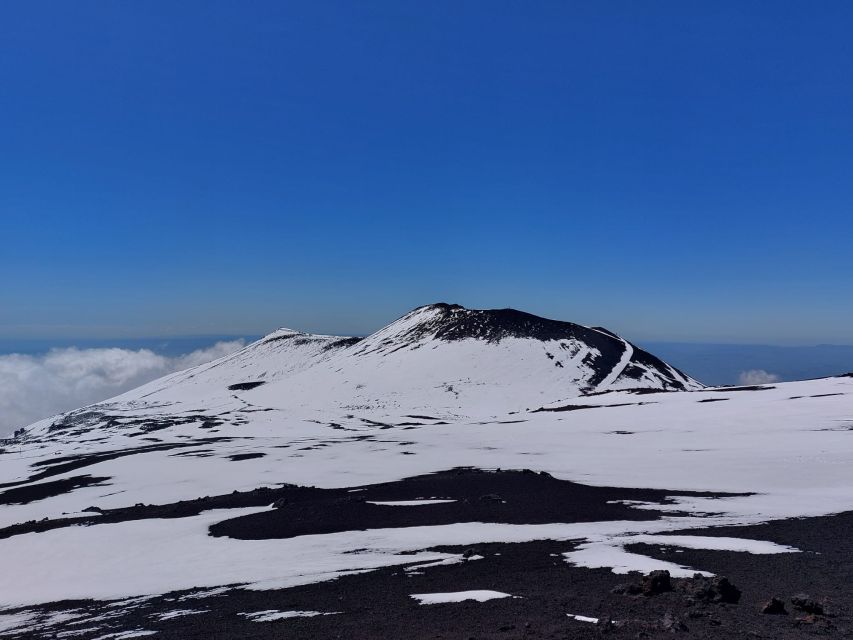
This is best for you if you:
- enjoy mountain biking and can handle dirt and uneven paths
- like guided stops where someone explains what you’re seeing
- want Etna’s summit craters and observatory views as a goal, not a bonus
- prefer a smaller group (15 max) for a more direct experience
It’s not suitable if you have certain physical constraints. The tour isn’t recommended for people with limited mobility. It’s also listed as not suitable for pregnant women, people with back problems, and people with mobility impairments.
So here’s the honest decision rule: if your body needs a low-impact day, skip this one. If you’re healthy, comfortable riding a bike in rough terrain, and you want a volcano experience built around effort and reward, this is a strong fit.
Practical Tips Before You Go Up a Volcano on a Bike
Keep it simple and rider-ready. Bring comfortable shoes and sunglasses—those are the items specifically called out. Since luggage or large bags aren’t allowed, plan to carry only what you can keep manageable.
You should also expect rules around the experience: no smoking and no pets. Nothing complicated, just a reminder that this is an outdoors, safety-minded activity.
One more planning detail: guides run in English and Italian, so if you want your questions answered fully, consider practicing a few basics like what you want to understand about the craters or the views. The guide is there for the ride and the stops, not just for the handoff at the meeting point.
And yes, check availability for starting times. The tour length shifts with when you start, and that affects how the day fits your schedule.
Should You Book the Mount Etna Summit Cycling Tour?
If you want Etna to feel like an achievement, not just a viewpoint, I’d book it. The combination of cycling to the Volcanological Observatory at 2800 meters, guided time at Barbagallo Crater, and panoramic views toward the Ionian Sea and Valle del Bove is exactly the kind of active experience that makes Sicily memorable.
Also, this is one of those days where the guide matters. The experience is strongly praised for the energy and competence of Simoni, and that kind of guiding is especially useful on a volcano route where pacing and attention can make a big difference.
Skip it if you need low-impact travel or you fall into the not-suitable categories listed (limited mobility, back problems, pregnancy, mobility impairments). This isn’t about being brave for its own sake—it’s about riding safely and comfortably.
FAQ
FAQ
How long is the Mount Etna Summit Cycling Tour?
It lasts from 2 to 6 hours, depending on the starting time available.
Where do I meet for the tour?
You meet inside the Euro Etna Tourism hut. There are also two start location options that may be used depending on the schedule.
Is the bike provided?
Yes. Bike and equipment rental are included.
Do I get pedals for my shoes?
You can request SPD pedals.
What stops are included during the tour?
You ride to the northern part of the volcano, visit Barbagallo Crater with guided time, enjoy a viewpoint bike tour, and return to one of the drop-off locations back at the meeting point area.
What language is the live guide?
The live guide speaks English and Italian.
What should I bring, and is lunch included?
Bring comfortable shoes and sunglasses. Lunch is not included.
More Tours in Catania

More Tour Reviews in Catania
More Etna Summit Treks We Have Walked
Just added: the newest Catania tours in our notebook
- Transfer Catania / Agrigento Airport★ 5.0 · 3 reviews
- Sicily private shore excursion – Etna and Taormina with personal driver★ 3.5 · 3 reviews
- Sunset Trekking on Mount Etna★ 5.0 · 3 reviews
- Private Transfer from Catania to Palermo or vice-versa with stop★ 5.0 · 3 reviews
- From Syracuse: Mount Etna Volcano Morning Trekking Tour★ 5.0 · 3 reviews
- Catania: Guided Street Food Tour with Tastings★ 5.0 · 3 reviews
Mount Etna Tours & Summit, compared.
 ★ 4.8Catania: Mount Etna Morning or Sunset Day Trip with TastingFrom $704,028 reviews
 ★ 4.8Catania: Sunset Jeep Tour of Mount Etna and Lava Flow CavesFrom $712,113 reviews
 ★ 4.8Etna and Alcantara Gorges Full-Day Tour with LunchFrom $1051,766 reviews
 ★ 4.7Etna: summit craters trekking with volcano guide 3350mtFrom $771,712 reviews
 ★ 4.9Catania: Mount Etna Trekking Tour Beyond the Tourist TrailsFrom $811,596 reviews
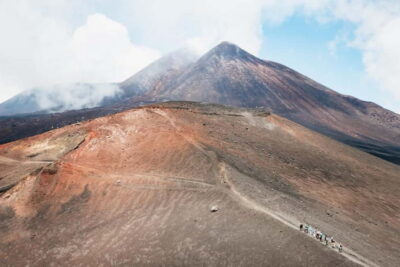 ★ 4.8Mount Etna: Guided Trek 3,000 Meters to the SummitFrom $1131,407 reviews
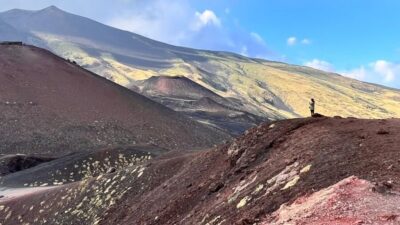 ★ 4.8Catania: Etna Sunset Tour with Pickup and Drop-offFrom $711,348 reviews
 ★ 4.8Etna Sunset Tour: Volcano trek, Cave & tasting from CataniaFrom $701,290 reviews
Browse the lists this tour appears in