
Reviewed · MOUNT ETNA TOURS & SUMMIT
Mount Etna: Special Hike on the Wild and Authentic Side
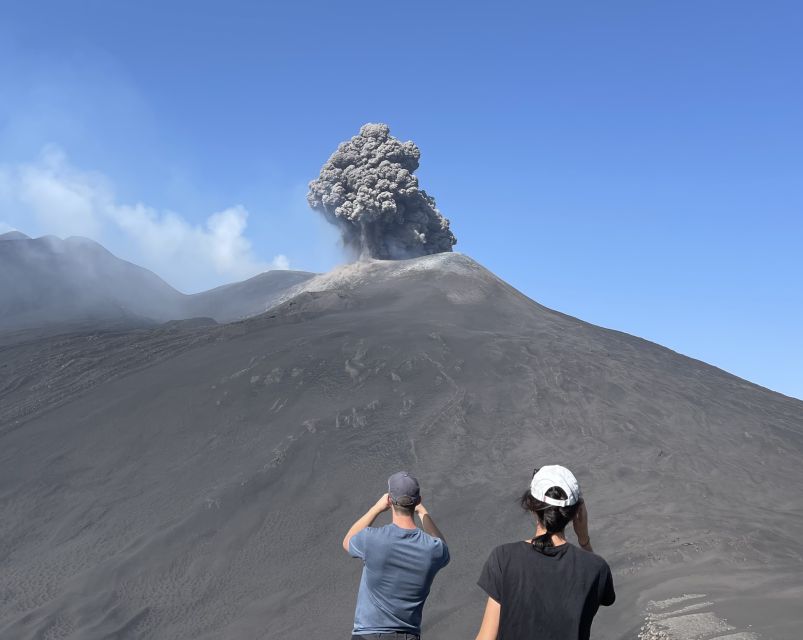
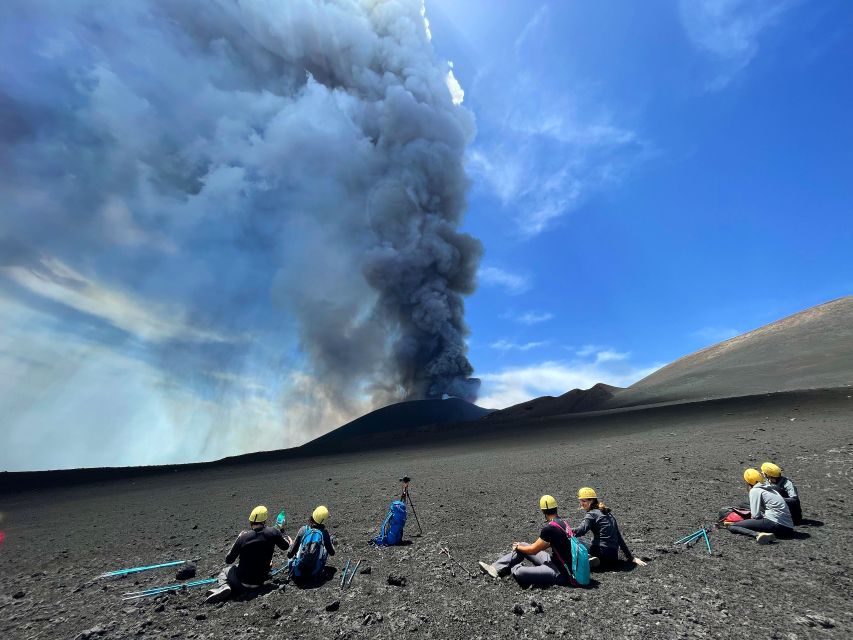
Etna does not feel like a theme park here. This 4-hour north-side trek takes you toward active geology with authorized volcanological guides and a route designed around what’s safe that day. I like that you still get big-crater walking, even when the usual summit areas close for volcanic risk, and you’re not stuck in bus-to-viewpoint mode.
Two standout things I really like: first, the day is paced around safety altitudes and real risk levels, not wishful thinking. Second, the hike is built around hands-on, on-the-ground volcanology—fractures, craters, and even helmeted time inside a volcanic cone structure tied to historic activity (the Feb 24, 1947 eruption is part of the route). The main consideration: this is high-altitude walking along crater edges, so if you’re sensitive to heights, dizziness, or claustrophobic spaces, you’ll want to think hard before booking.
If you want Etna’s “real side,” this route aims for it—less touristy terrain on the north slope, more geology per step, and guides who can explain what you’re actually looking at.
In This Review
- Key highlights worth planning for
- Why the Etna North Side Hike feels different from the usual day trips
- From 1800 to 2800 m by 4×4: safety, speed, and serious road time
- Volcanological Observatory stop and the 2900 m panoramic viewpoint
- Entering volcanic structures linked to Feb 24, 1947 (with helmets)
- Walking the north-crater edges toward Piano Provenzana
- Views to watch for: Taormina and the Aeolian Islands
- Gear, food, and the small rules that keep the day smooth
- Pace, altitude, and who should skip this tour
- Price and logistics: what you’re truly paying for
- Should you book the Mount Etna north wild hike?
- FAQ
- What’s the duration of this Mount Etna hike?
- How much does it cost?
- What does the tour include?
- Do I need to bring lunch and water?
- Where do I meet the group?
- What languages are available for the guide?
- Is the summit included?
- Who shouldn’t take this tour?
Key highlights worth planning for
- North-slope itinerary focused on rarely visited paths and fewer crowds
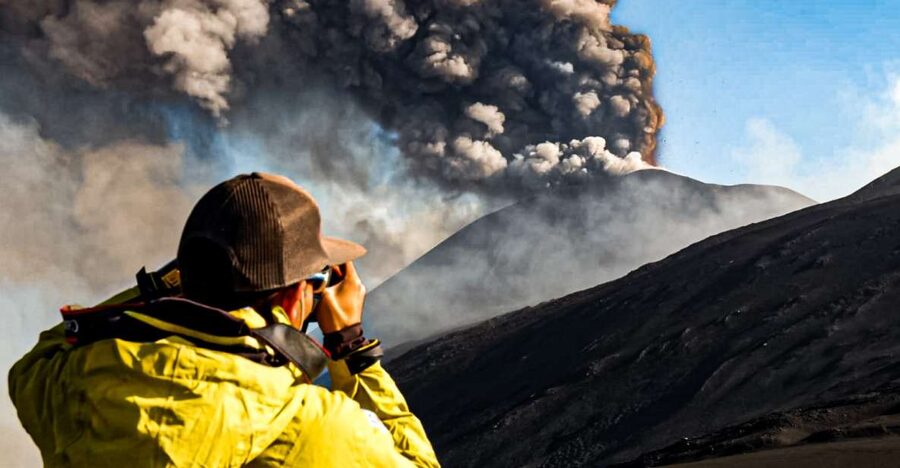
- Authorized volcanology team following Civil Protection guidance and volcanic risk levels
- Crater-edge walking on the north side, including explosive crater rims
- Helmeted access to a volcanic cone structure linked to the Feb 24, 1947 eruption
- 4×4 lift from 1,800 to 2,800 m, then hiking up to about 2,900 m
- Taormina + Aeolian Islands views when weather cooperates
More ways up the volcano from Catania
- Catania: Mount Etna Morning or Sunset Day Trip with Tasting
★ 4.8 · 4,028 reviews - Catania: Sunset Jeep Tour of Mount Etna and Lava Flow Caves
★ 4.8 · 2,113 reviews - Sicily: Etna and Alcantara Gorges Full-Day Tour with Lunch
★ 4.8 · 1,766 reviews - Mount Etna: Guided Trek 3,000 Meters to the Summit
★ 4.8 · 1,407 reviews
Why the Etna North Side Hike feels different from the usual day trips
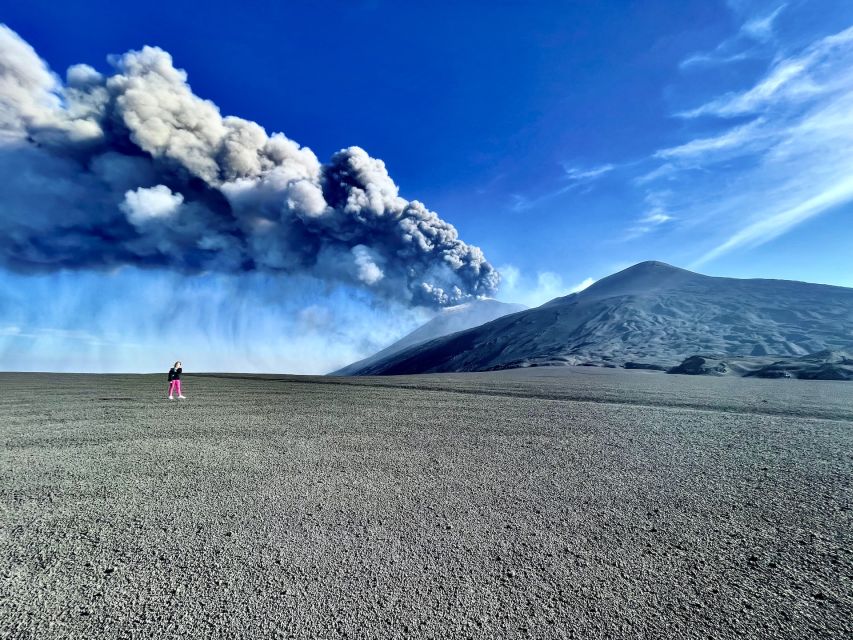
Most Etna experiences focus on the most famous angles. This one leans the other way: the wild north slope, where the terrain looks and feels less managed. You’re not chasing a postcard. You’re walking through a volcanic system—craters, fractures, slopes of volcanic ash, and scars from side eruptions.
That direction matters for how the day feels. North-side hiking tends to feel more “in the volcano” than “around the volcano.” And because the route is designed as a valid alternative when summit craters are closed, you’re not just hoping for access—you’re getting an intentionally full program that still centers crater edges and key volcanic features.
This is also the kind of tour where guide expertise changes everything. The company behind it—Guide Vulcanologiche Etna Nord—runs with volcanological experts authorized to guide on active volcanoes. In plain terms: the explanations come with the right safety logic, and the route decisions are made based on what the volcano is doing that day.
From 1800 to 2800 m by 4×4: safety, speed, and serious road time
The day starts with a big altitude shift on 4×4 vehicles. You travel from about 1,800 m to 2,800 m (about 8 km of road total), while your guide begins explaining what you’ll see and how the volcano works.
That vehicle leg isn’t filler. It’s what makes the hiking time realistic inside a 4-hour window. It also helps you reach the high-altitude volcanic observatory area where you can see the broader system before you walk along crater terrain.
Here’s the practical thing to prepare for: the road is on rough ground, and several guides are clearly used to this. The better you’re prepared for the ride, the more you’ll enjoy the walking. Bring layers that you can tolerate if you get warm on the vehicle and cold at elevation, and keep your body fueled—because once you start hiking, you’ll want steady energy.
Volcanological Observatory stop and the 2900 m panoramic viewpoint
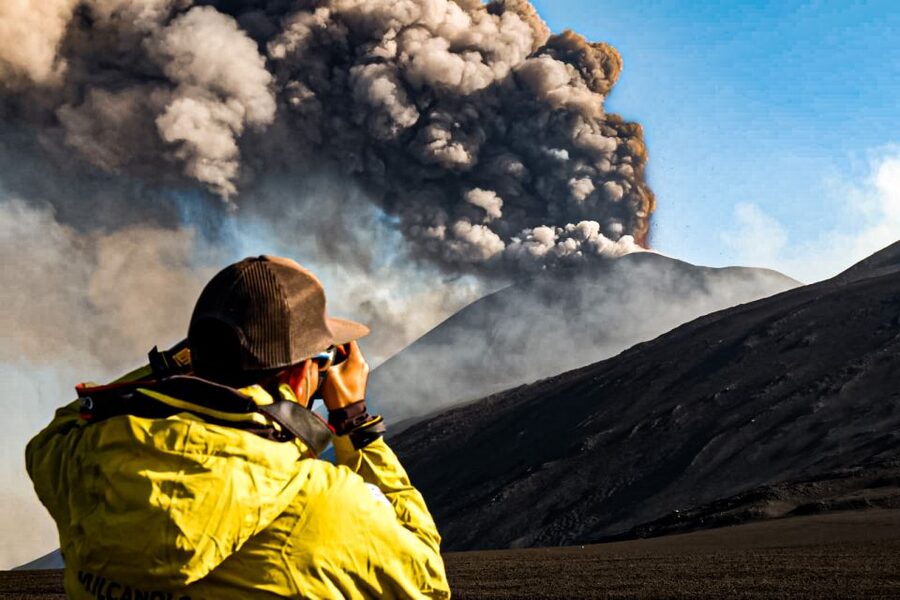
After the 4×4 lift, you’ll reach the Volcanological Observatory at high altitude. It’s basically your “stage set” moment: you arrive, get oriented, and then begin the first walking segment.
Then comes a short hike from roughly 2,800 m up to about 2,900 m. You stop at a panoramic point aimed at the summit craters, recent lava flows, and a big view across Sicily. The key word here is variable visibility. In clear weather you can spot the drama; in haze or cloud, you’ll still get the structure and explanations, just with less long-distance sight.
This is also where the day’s altitude logic helps you. You’re high enough to see how the system connects, but you’re not immediately forced into the longer crater-edge segments. If you pace yourself and keep moving consistently, this first walk is the moment that builds confidence for the longer sections.
Entering volcanic structures linked to Feb 24, 1947 (with helmets)
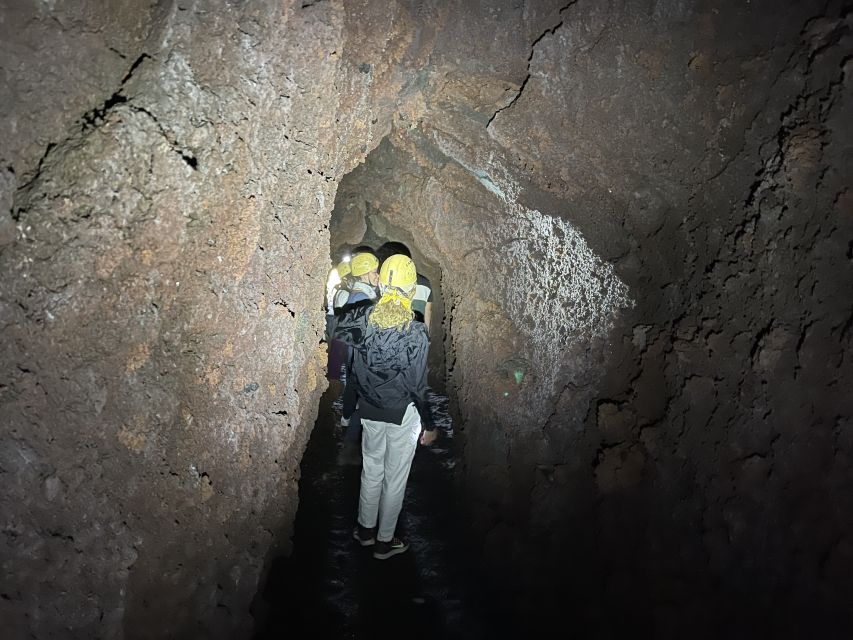
The most memorable part of this itinerary for most people is the switch from “seeing craters” to entering volcanic features up close—safely, with the right gear.
From the 2,900 m area, you return to the 4×4 and then shift toward the north side of one of Etna’s large craters, where the longest on-foot portion begins. Along the way, you visit key volcanic elements, including the Rift of the north side of Etna—a fracture zone that helps you understand how magma and eruptions reshape the ground over time.
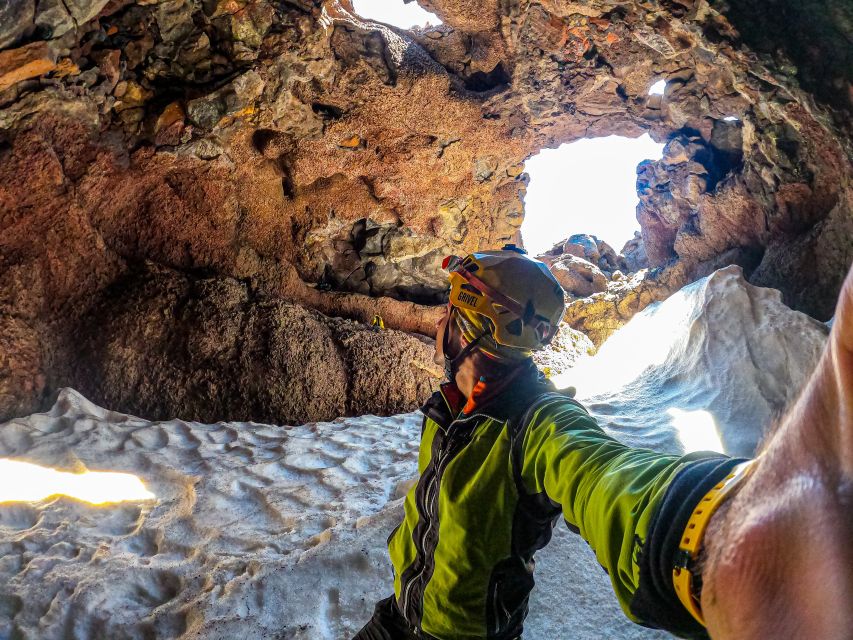
The route also includes a distinctive stop: entering the cone chimney tied to the Feb 24, 1947 eruption. You use protective helmets for this section, and you go inside a volcanic cone structure that’s described as intact. This is not a casual “photo moment.” It’s the kind of place where the guide’s explanation matters because you’re looking at eruption mechanics in physical form.
After that, you also visit areas described as mouths that produced lava flows—again, not just a generic stop, but part of a story that links fractures, channels, and eruption behavior.
Practical consideration: if you’re sensitive to tight spaces or claustrophobia, the cave/cone-style access can be a deal-breaker. The tour isn’t marketed for people with that issue, and the data is clear that claustrophobia is a no-go.
A few we would gladly point a friend toward in Catania
Walking the north-crater edges toward Piano Provenzana
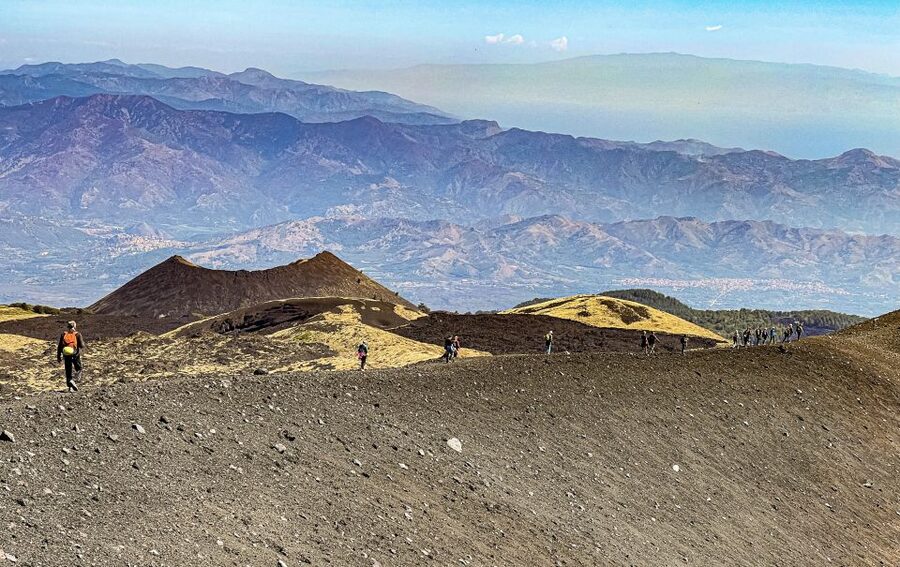
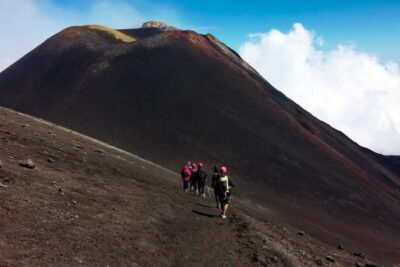
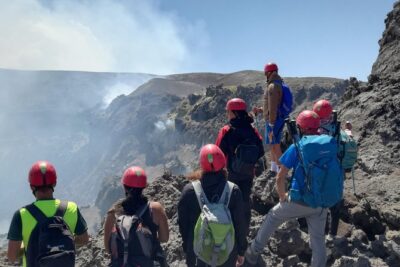
Once you start the longest walking portion, you’re in the heart of what makes this tour special: crater rims, ash slopes, and lateral eruption terrain.
This section includes:
- crater-edge walking along large explosive craters
- descents made of volcanic ash slopes
- continued walking through areas created by innumerable lateral eruptions across multiple historical periods
The route distance on foot is described as about 6 km, culminating at Piano Provenzana. That name matters because it signals you’re moving through a genuine volcanic hiking zone, not just circling the perimeter.
Why I think this is the “value” part of the day: a lot of Etna tours give you views. This one gives you the geometry—rims, slopes, breaks in the ground, and the way eruption history stacks up in layers. When your guide points out fractures and eruption generations, the landscape stops being “random rocks” and starts being a map you can read.
Drawback to factor in: crater-edge terrain can trigger dizziness for susceptible people. You’ll be close to drops, and it’s not always a flat, easy trail. If you’re even slightly unsure, you should plan to talk with the guide at the start and be realistic about your comfort level.
Views to watch for: Taormina and the Aeolian Islands
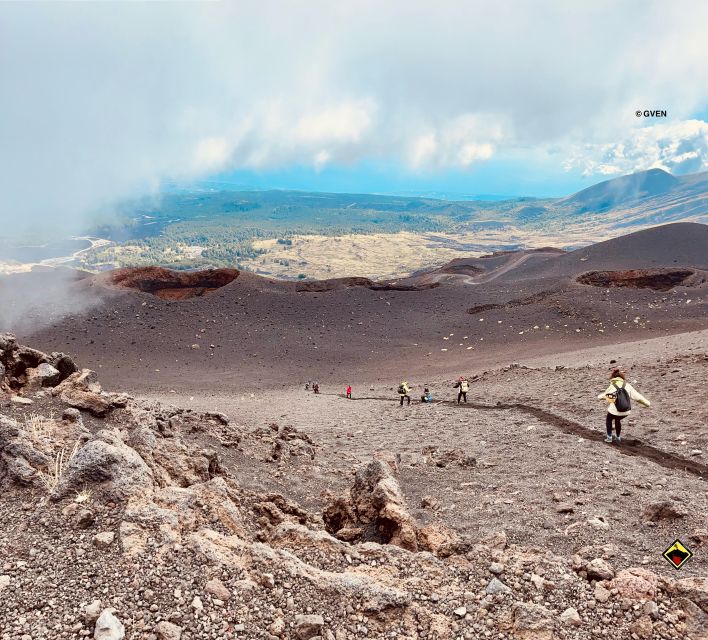
One of the listed highlights is panoramic trail viewing with Taormina and the Aeolian Islands in sight, depending on weather. That’s not guaranteed, but it’s a good reason to dress for wind and shifting conditions.
At these altitudes, you can experience quick changes: clearer air for an instant, then a veil of mist. Even when visibility drops, you still get the real point of the hike—crater structure and active geology—because those features are still there when the horizon goes soft.
If you’re a photo person, this is the kind of day where your best shots come from motion and angle. The observatory stop gives a broad perspective; the crater-edge walking gives the close-up textures. If you only want one “view moment,” you’ll want to be ready around the 2,900 m panoramic stop, because that’s the planned high-view window.
Gear, food, and the small rules that keep the day smooth
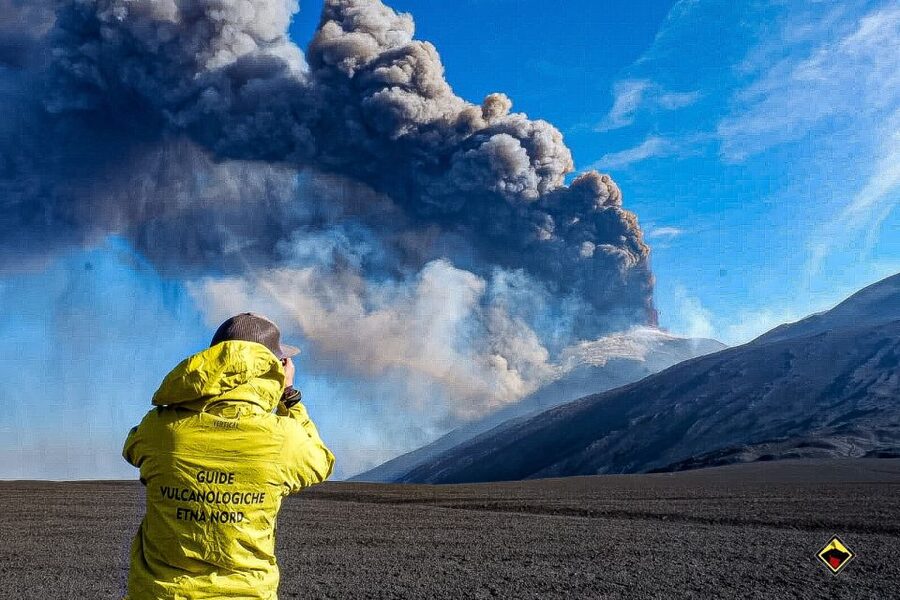
This tour is unusually specific about what you need to bring and what it’s like at altitude, which is a good sign. When a volcano hike runs well, it’s because people don’t improvise.
Included items that make a real difference:
- Authorized volcanological guide
- Trekking poles
- Protective helmets
- Accident insurance
- Trekking shoes
- Warm jackets
- Extra socks
- Backpack
What you still need to bring (this is on you):
- windbreaker
- sunglasses
- snacks and drinks
- sunscreen
- comfortable clothes and long pants
- packed lunch (the day includes climbing and crater walking)
- proper hiking shoes (the tour also notes that without adequate shoes, insurance won’t cover you)
A few rules that are easy to miss until you’re there:
- Alcohol is not allowed in the vehicle.
- Don’t show up in sandals, flip-flops, open-toed shoes, or high heels.
- Bring layers you can handle if it’s breezy near the crater edges.
Also, rain gear: you might see mention of a K-way/rain jacket not being included. So I’d treat a light rain shell or windproof layer as part of your plan, not an optional add-on.
One more practical tip: if you’re doing this from Taormina or nearby towns, you’ll likely be focused on the hike itself. Still, plan your snacks and water like you’re doing a mini trek, not a city tour. The day includes vehicle time, walking, and altitude.
Pace, altitude, and who should skip this tour
The hike is described as for moderately trained hikers, and it sits at high altitude. That means you’re not just dealing with a longer walk. You’re dealing with oxygen, wind, and the kind of footing that’s more serious than a standard trail.
The route includes ascent and walking along crater edges. The data explicitly lists people who are not suitable, including:
- mobility impairments
- back problems
- people afraid of heights
- vertigo and dizziness-prone folks
- claustrophobia
- respiratory issues
- heart problems
- epilepsy
- altitude sickness
- people without experience
- people with recent surgeries
- low level of fitness
- people over 95
If you’re borderline—say you’re okay with hiking but not great at heights—don’t assume it’ll be fine. The crater-edge sections are central to the experience. If you need reassurance, ask questions before you book and tell the guide about any health limitations so they can advise on fit for the day.
Price and logistics: what you’re truly paying for
The headline price is $65 per person for the guide service, for a 4-hour experience. But the full day cost is more than that, because the 4×4 vehicle transfers have an additional fee. The information you provided states 50 euros per person to be paid on the spot for the vehicle segments from 1,800 m to 2,800 m, and from 2,800 m to 2,500 m.
Then there’s parking. You’ll pay a parking ticket on the spot, with notes that it can be around €3 and also that weekend/weekday rates may differ. Plan for a small extra charge no matter what.
Is it worth it? For me, the value comes from three things:
- you’re paying for authorized volcanology guiding, not just a generic trek guide
- you’re getting helmeted access to a volcanic cone structure tied to historic eruption activity
- you still get a full route even when summit crater access is restricted for risk
If your main goal is summit selfies, you may feel this is less direct. If your main goal is learning how Etna’s system works while you walk on actual volcanic features, this is one of the more meaningful ways to spend a short day.
Should you book the Mount Etna north wild hike?
Book it if you want:
- the north side experience with fewer crowds and more geology per step
- an expert-led day where the route is adjusted based on volcanic risk
- a chance to walk crater edges and see fractures and eruption structures up close, including the Feb 24, 1947 cone access with helmets
Skip it if:
- heights, dizziness, vertigo, or claustrophobic spaces are big issues for you
- you’re dealing with respiratory, heart, epilepsy, or altitude-sickness concerns
- you prefer easy flat walking with no crater-edge segments
If you’re a solid hiker who likes science, photos that show textures (not just views), and you can handle altitude, I think you’ll find this one of the more authentic Etna experiences in a short time.
FAQ
What’s the duration of this Mount Etna hike?
The experience lasts about 4 hours, including the 4×4 ascent and the on-foot trekking.
How much does it cost?
The guide service price is listed as $65 per person. There is also an extra vehicle fee of 50 euros per person paid on the spot for the 4×4 transfers.
What does the tour include?
It includes an authorized volcanological guide, trekking poles, protective helmets, accident insurance, trekking shoes, warm jackets, extra socks, and a backpack.
Do I need to bring lunch and water?
Lunch and bottled water are not included. You should bring packed lunch, snacks, and drinks.
Where do I meet the group?
Meet at the Chiosco Bar Mareneve near the winter chairlift. It’s the second house of the four present in the parking lot, and it’s best to arrive a bit early.
What languages are available for the guide?
The live tour guide is available in French, Italian, and English.
Is the summit included?
This route is described as an alternative when summit craters are closed. The itinerary reaches the highest safely reachable point with guides (and includes a viewpoint toward the summit craters).
Who shouldn’t take this tour?
The tour data lists several not-suitable categories, including people afraid of heights, with vertigo, claustrophobia, mobility impairments, heart problems, respiratory issues, epilepsy, altitude sickness, and people with recent surgeries or low fitness.
More Hiking & Trekking in Catania

More Tour Reviews in Catania
More Etna Summit Treks We Have Walked
Just added: the newest Catania tours in our notebook
- Transfer Catania / Agrigento Airport★ 5.0 · 3 reviews
- Sicily private shore excursion – Etna and Taormina with personal driver★ 3.5 · 3 reviews
- Sunset Trekking on Mount Etna★ 5.0 · 3 reviews
- Private Transfer from Catania to Palermo or vice-versa with stop★ 5.0 · 3 reviews
- From Syracuse: Mount Etna Volcano Morning Trekking Tour★ 5.0 · 3 reviews
- Catania: Guided Street Food Tour with Tastings★ 5.0 · 3 reviews
Mount Etna Tours & Summit, compared.
 ★ 4.8Catania: Mount Etna Morning or Sunset Day Trip with TastingFrom $704,028 reviews
 ★ 4.8Catania: Sunset Jeep Tour of Mount Etna and Lava Flow CavesFrom $712,113 reviews
 ★ 4.8Etna and Alcantara Gorges Full-Day Tour with LunchFrom $1051,766 reviews
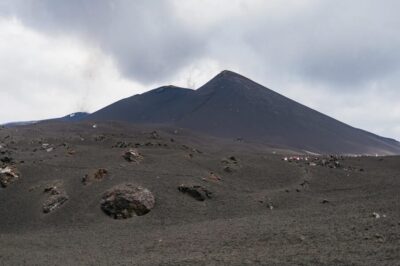 ★ 4.7Etna: summit craters trekking with volcano guide 3350mtFrom $771,712 reviews
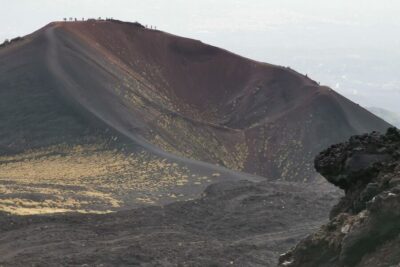 ★ 4.9Catania: Mount Etna Trekking Tour Beyond the Tourist TrailsFrom $811,596 reviews
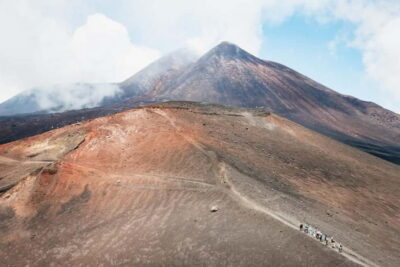 ★ 4.8Mount Etna: Guided Trek 3,000 Meters to the SummitFrom $1131,407 reviews
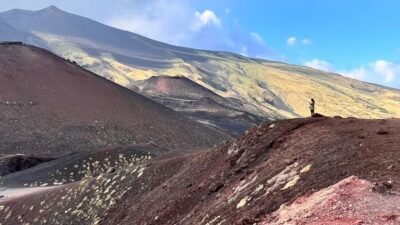 ★ 4.8Catania: Etna Sunset Tour with Pickup and Drop-offFrom $711,348 reviews
 ★ 4.8Etna Sunset Tour: Volcano trek, Cave & tasting from CataniaFrom $701,290 reviews
Browse the lists this tour appears in