
Etna has a way of making science feel real. This Catania-to-Etna guided trek takes you up from around 1,800m to 2,400m, walking through a black lava desert and stopping at volcanic formations like the Silvestri Craters and Valle del Bove. What I love most is the chance to learn the geology from a naturalist guide, and then feel the hike’s payoff with sweeping views toward Calabria and the Ionian Coast. The one thing to plan around: this is a steep, altitude-heavy hike, and it’s not for everyone.
You’ll start with pickup from Catania, hike with a small group (up to 10), and get the important gear so you’re not scrambling last minute. Jackets, hiking shoes, and poles are included, and lunch happens high up at about 2,400m—so bring your appetite and your sunscreen. If you’re prone to vertigo, altitude issues, or breathing problems, you’ll want to think twice before signing up.
In This Review
- Key Points You’ll Remember on This Etna Hike
- Why This Mount Etna Trek Feels Like More Than a View From the Bus
- Getting From Catania to the Etna Slopes: The Pickup Part Matters
- The Hike Itself: Lava Desert, Summit Craters, and a Real Working Volcano
- Stop by Stop: What Each Part of the Day Gives You
- 1) The Etna start area near Catania
- 2) The Mount Etna guided hike (about 3.5 hours)
- 3) Lunch break at 2,400m
- 4) The downhill fun on black lava sands
- The Lava Cave Question: When You Might Get In (and When You Don’t)
- Views That Make the Steep Climb Worth It
- Guide Factor: Alessandro’s Style and Why It Works
- Gear, Clothing, and the Stuff You Actually Need
- Price and Value: Is $62.63 a Fair Deal?
- Who This Tour Suits Best (and Who Should Skip It)
- Should You Book This Mount Etna Panoramic Trek from Catania?
- FAQ
- How long is the full tour from pickup to drop-off?
- How much hiking do you do on this Mount Etna trek?
- What altitude range does the tour reach?
- Is lunch included?
- Are hiking shoes, jackets, and poles included?
- Is a cable car ride included?
- What languages are offered for the live guide?
- What size is the group?
- Can you visit the lava cave?
- Who is this tour not suitable for?
Key Points You’ll Remember on This Etna Hike
- Naturalist-led geology that makes lava formations and craters make sense on the trail
- Lunch at 2,400m with a lot more quiet than you’d expect this close to a city
- Black lava terrain + a steep 6 km loop that mixes challenge with fun downhill sections
- Silvestri Craters and Valle del Bove views from high on the volcano
- Optional lava cave time, but it can be skipped if conditions are unsafe
- Small group (10 max) means you get more attention and a better pace
More ways up the volcano from Catania
- Catania: Mount Etna Morning or Sunset Day Trip with Tasting
★ 4.8 · 4,028 reviews - Catania: Sunset Jeep Tour of Mount Etna and Lava Flow Caves
★ 4.8 · 2,113 reviews - Sicily: Etna and Alcantara Gorges Full-Day Tour with Lunch
★ 4.8 · 1,766 reviews - Mount Etna: Guided Trek 3,000 Meters to the Summit
★ 4.8 · 1,407 reviews
Why This Mount Etna Trek Feels Like More Than a View From the Bus
If you’ve ever looked at photos of Mount Etna—craters, dark lava, steam sometimes rising—this tour helps you understand the place behind the pictures. You’re not just driving to a viewpoint. You’re walking on volcanic ground, step by step, while a guide explains how the terrain was shaped.
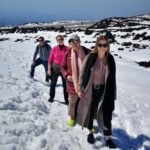
The whole format makes a difference. You get a guided hike of roughly 3.5 hours, plus the transport time that gets you from Catania to the higher slopes. With a small group limited to 10 people, you’re less likely to feel like you’re moving through a crowd. And since jacket, shoes, and poles are included, you can focus on moving well rather than packing well.
One practical note: this is outdoors time at altitude. You’ll be at a higher elevation than you might be used to, and the hike includes a steep loop section. If you’re the type who wants a casual stroll, you’ll probably feel the “basic level of physical fitness required” part quickly.
Getting From Catania to the Etna Slopes: The Pickup Part Matters
The day starts with pickup from one of two meeting points in Catania—either at the Anfiteatro Romano di Catania or at Bar Ristorante Crateri Silvestri (depending on the option you book). After the hike, you’ll return to one of those drop-off points.
This matters because Etna isn’t next door. The tour is designed so you’re not wasting the morning trying to figure out transport on your own. Instead, you spend the time on the things you came for: the walk and the viewpoints.
You’ll also want to be ready for an active day. Even though the walking portion is about 3.5 hours, the full experience runs around 7 hours once pickup, hiking, and breaks are included. That’s a good length for people who want a meaningful excursion without committing to an all-day slog of 10+ hours.
The Hike Itself: Lava Desert, Summit Craters, and a Real Working Volcano
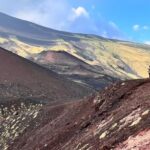
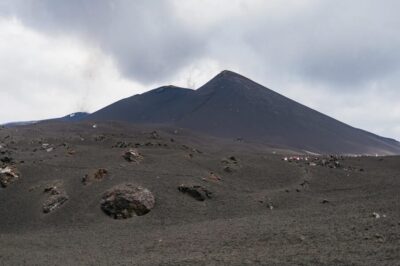
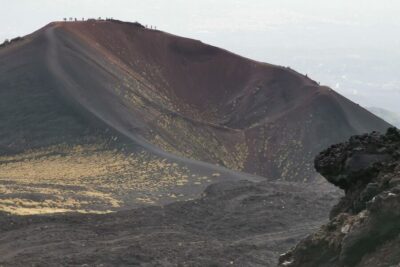
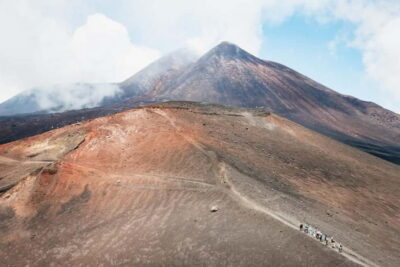
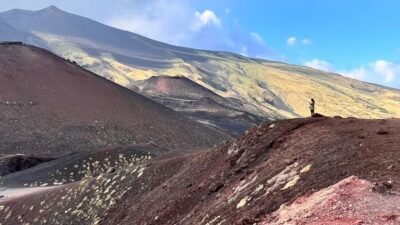
Your guided hiking section begins around 1,800m and moves up to roughly 2,400m. The route takes you across black lava ground, through areas near summit craters, and past dramatic volcanic “cauldron-like hollows.” The scenery is otherworldly, but the guide’s explanations keep it grounded.
A big reason this hike is worth it: you’re walking through terrain that looks chaotic, yet it has a logic. Volcanic eruptions build and reshape the ground, and the guide connects what you see—lava rock, craters, hollow depressions—to what that means geologically. In the best moments, it feels like the landscape is teaching class, just without a chalkboard.
The walking plan is about 6 kilometers along a loop with roughly 500 meters of steep climbing. That doesn’t mean it’s a brutal grind the entire time, but it does mean you should expect strong legs to get a workout. If you tend to hike, you’ll know the difference between “steep in short bursts” and “steep all at once.” Here, you’ll find elements of both.
Also: the tour is not for sandals or flip-flops. You’ll be on volcanic material that’s not forgiving if your footing isn’t secure. This is exactly why the included footwear and poles are a smart help.
Stop by Stop: What Each Part of the Day Gives You
What else Catania has going on
1) The Etna start area near Catania
Depending on your meeting point option, you begin your day either near the Anfiteatro Romano di Catania or at Bar Ristorante Crateri Silvestri. From there, you’ll head to the starting elevation area for the hike.
The benefit here is simple: you get a local guide managing the route and timing. Instead of “What’s next?” you’re doing “Where are we now, and why does this look like this?”
2) The Mount Etna guided hike (about 3.5 hours)
This is the main event. The guide leads you through volcanic terrain and viewpoints, with explanations about local fauna, flora, and geology—all linked to what’s happening around you.
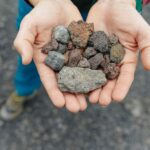
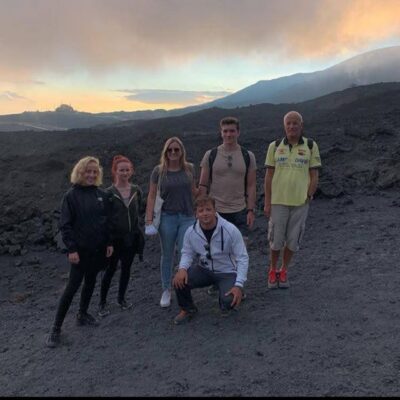
You’ll also spend time walking among black lava rocks and craters. The walking isn’t just for scenery; it’s part of understanding Etna as an active volcanic system.
Two highlights that tend to land well:
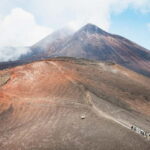
- You get up high enough to take in the Silvestri Craters and broad views including the Valle del Bove
- You learn what those features are and how they form, not just what to call them
3) Lunch break at 2,400m
At about 2,400 meters, you stop for lunch. This is one of those moments where your brain catches up. You’re high on the volcano, the air feels different, and the quiet can be surprising.
Lunch itself is not included, but sandwiches are available for sale before the hike, and the tour recommends bringing food and drinks with you. I’d treat this like a high-elevation picnic: plan to eat enough so the downhill part doesn’t feel like punishment.
4) The downhill fun on black lava sands
After lunch, you’ll enjoy the chance to run downhill on black lava sand. It’s not a running race, but the terrain and the context make it feel playful—like being a kid again, except with a serious volcano watching over you.
Still, keep your balance. Lava sand can be grippy and loose depending on conditions, and steep ground is steep ground. Poles help, and so does a calm pace when your legs start thinking you’re invincible.
The Lava Cave Question: When You Might Get In (and When You Don’t)
One of the more memorable elements is the chance to explore a small lava cave. But the tour is realistic about safety: if there are strong tremors and eruptions, the lava cave visit won’t be possible, even if activity later settles.
That’s not a “gotcha.” It’s the kind of decision you want in an active volcanic environment. If you go hoping for cave time, consider it a bonus rather than a guarantee. If you do get in, the experience adds another layer—walking into volcanic formations shaped by real underground processes. If you don’t, you still get the hike, the craters, the geology lessons, and the views.
Views That Make the Steep Climb Worth It
The itinerary is built around viewpoints that connect the volcano to the wider region. At higher elevations, you’ll take in:
- Silvestri Craters, with their colorful volcanic character
- Valle del Bove, a major volcanic valley feature
- Views toward Calabria
- The Ionian Coast in the distance
What I like about these stops is that they help you understand scale. Etna isn’t just a mountain. It’s part of a bigger system, and seeing how far the view reaches makes the terrain feel even more alive.
And since this is a guided trek, you’re not standing there with your phone trying to decode what you’re seeing. You get help connecting visual clues to the volcano’s story.
Guide Factor: Alessandro’s Style and Why It Works
The best part of many Etna days is the person explaining what you’re walking on. Here, the tour uses a live guide, and the language options include English and Italian.
From the experience perspective, I especially liked the way the guide can make the material accessible. Alessandro is singled out for being friendly and passionate, with explanations that are easy to follow even if your English is average. That matters because volcano geology can turn into jargon fast—this format keeps it practical and grounded in what you can see right in front of you.
Another subtle plus: the guide adapts the pace to the group level. On a hike with steep sections, that can mean the difference between feeling supported and feeling strung out.
Gear, Clothing, and the Stuff You Actually Need
One reason this trek feels like good value: key equipment is included. You get:
- Jackets
- Hiking shoes
- Hiking poles
- Guided hiking tour
What’s not included:
- Socks
- Food and drinks
- Cable car ride
You’ll still want to bring your own basics, especially for comfort at altitude:
- Sunglasses and sunscreen (high altitude sun is no joke)
- Sun hat
- Comfortable clothes and a daypack
- Food and drinks for lunch
Also note what’s not allowed: sandals or flip-flops, luggage or large bags, and baby strollers/carriages. If you travel light, great. If you don’t, pack smarter—this is a walking day.
Price and Value: Is $62.63 a Fair Deal?
At $62.63 per person, the price feels reasonable when you look at what’s included. You’re paying for:
- Pickup and drop-off from Catania
- A small-group guided hike (up to 10 people)
- Included trekking gear (jacket, shoes, poles)
- A naturalist-style explanation package during the hike
The cost is easier to justify because the expensive hassles are reduced. You don’t need to rent boots or figure out poles. You also don’t need to navigate the route on your own.
Where the budget can shift is food. Lunch isn’t included, and you’ll want snacks/drinks for the day. But since sandwiches are available for sale before the hike, you have options even if you forget to pack.
If you want a guided Etna experience with actual walking and geology context, this pricing sits in a sweet spot: not “cheap and basic,” not “luxury and slow.”
Who This Tour Suits Best (and Who Should Skip It)
This is a strong match if:
- You want a guided hike with real explanations, not just a photo stop
- You enjoy hiking enough to handle a steep loop section
- You like nature silence broken by volcano sounds and wind and footsteps on lava
It’s not suitable for:
- Children under 10
- Pregnant women
- People with heart problems, vertigo, respiratory issues, or altitude sickness
- People over 70
If any of those apply, don’t try to push through. The guide can’t change the fact that this is an active volcano hike at altitude with steep terrain.
Should You Book This Mount Etna Panoramic Trek from Catania?
I’d book it if your goal is a hands-on Etna day: walking on black lava, learning what craters and valleys mean, and seeing the region from high up—without needing to manage gear rentals or logistics.
Skip it if you want an easy stroll, if altitude or steep slopes are a problem for you, or if you strongly need guaranteed lava cave time. The cave depends on conditions, and Etna doesn’t do guarantees on active volcanic ground.
If you’re a fit hiker who likes guided nature and geology, this is a solid way to turn Sicily’s most famous volcano into a day you’ll actually remember.
FAQ
How long is the full tour from pickup to drop-off?
The total experience runs about 7 hours, though the guided hiking portion is about 3.5 hours.
How much hiking do you do on this Mount Etna trek?
The walk is about 6 kilometers, with a 500-meter steep loop.
What altitude range does the tour reach?
You start around 1,800 meters above sea level and hike up to about 2,400 meters, where lunch is taken.
Is lunch included?
No. Food and drinks are not included. Sandwiches may be available for sale before the hike.
Are hiking shoes, jackets, and poles included?
Yes. The tour includes jackets, hiking shoes, and hiking poles.
Is a cable car ride included?
No. The cable car ride is not included.
What languages are offered for the live guide?
The guide works in English and Italian.
What size is the group?
It’s a small group limited to 10 participants.
Can you visit the lava cave?
You might be able to, but it may not be possible if there are strong tremors and eruptions, even after activity eases.
Who is this tour not suitable for?
It’s not suitable for children under 10, pregnant women, people with heart problems, vertigo, respiratory issues, altitude sickness, or for people over 70.
More Tour Reviews in Catania

Keep Exploring Catania

More Etna Summit Treks We Have Walked
Just added: the newest Catania tours in our notebook
- Transfer Catania / Agrigento Airport★ 5.0 · 3 reviews
- Sicily private shore excursion – Etna and Taormina with personal driver★ 3.5 · 3 reviews
- Sunset Trekking on Mount Etna★ 5.0 · 3 reviews
- Private Transfer from Catania to Palermo or vice-versa with stop★ 5.0 · 3 reviews
- From Syracuse: Mount Etna Volcano Morning Trekking Tour★ 5.0 · 3 reviews
- Catania: Guided Street Food Tour with Tastings★ 5.0 · 3 reviews
Mount Etna Tours & Summit, compared.
 ★ 4.8Catania: Mount Etna Morning or Sunset Day Trip with TastingFrom $704,028 reviews
 ★ 4.8Catania: Sunset Jeep Tour of Mount Etna and Lava Flow CavesFrom $712,113 reviews
 ★ 4.8Etna and Alcantara Gorges Full-Day Tour with LunchFrom $1051,766 reviews
 ★ 4.7Etna: summit craters trekking with volcano guide 3350mtFrom $771,712 reviews
 ★ 4.9Catania: Mount Etna Trekking Tour Beyond the Tourist TrailsFrom $811,596 reviews
 ★ 4.8Mount Etna: Guided Trek 3,000 Meters to the SummitFrom $1131,407 reviews
 ★ 4.8Catania: Etna Sunset Tour with Pickup and Drop-offFrom $711,348 reviews
 ★ 4.8Etna Sunset Tour: Volcano trek, Cave & tasting from CataniaFrom $701,290 reviews
Browse the lists this tour appears in