
Reviewed · MOUNT ETNA TOURS & SUMMIT
ETNA VOLCANO: Excursion to the Craters of 2002
Etna’s 2002 eruption is written into the ground. This short hike takes you across lava flows and channels and then up to the edge of the last inactive craters of 2002, with big views over the Ionian coast. I love that the route mixes raw geology with a surprisingly beautiful Etna birch forest, so the walk never feels like one long, uniform slope.
Two things really work here: the volcanological guide’s explanations and the chance to see the eruption’s footprint up close, including the remains of an old hotel called Le Betulle. One consideration: the tour lasts about 2 hours and includes some climbing, so you’ll want to bring sturdy shoes and be ready for a physical outing rather than a casual stroll.
In This Review
- Key things to know before you go
- Where the tour starts: Piano Provenzana and Etna Nord
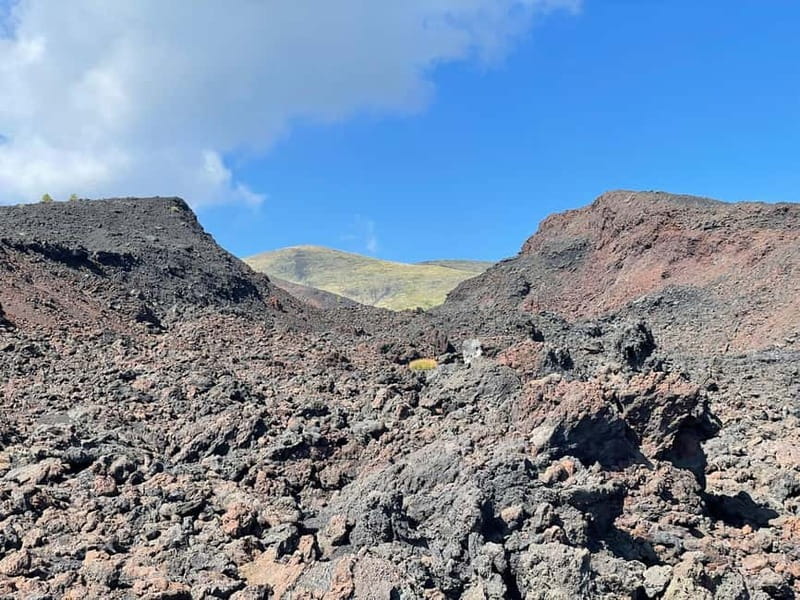
- Walking the 2002 lava flow: seeing eruption damage up close
- Etna’s birch forest: the hike’s “breather” moment
- Lava channel crossing and the climb to the craters
- Panoramic Ionian views: Giardini Naxos and Taormina
- How the 2-hour timing feels in real life
- The guide’s job: turning rocks into a story
- What to bring for Etna: your checklist for comfort
- Price and value: what $39.86 buys you on Etna
- Who this tour fits—and who should skip it
- Should you book this Craters of 2002 excursion?
- FAQ
- What is the duration of ETNA Volcani: Excursion to the Craters of 2002?
- Where does the tour start and end?
- What will we see on the walk?
- Is the tour guided?
- What kind of shoes and clothing should I bring?
- How much water should I bring?
- What should I bring for the viewpoints and breaks?
- Is this tour suitable for people with medical conditions?
Key things to know before you go
- The walk follows the 2002 lava flow that destroyed the square, so you’re reading the eruption as you go
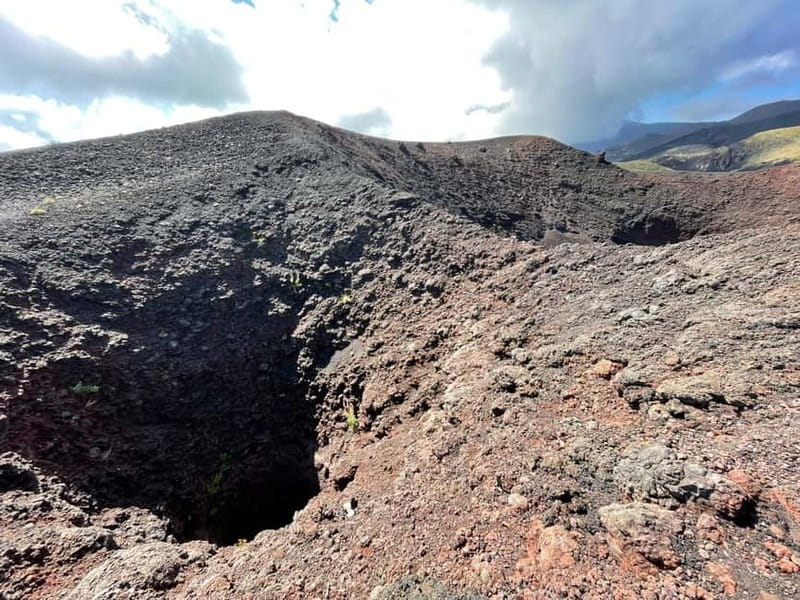
- Last four inactive craters (2002) are reached by a climb to their edge for photos and viewpoints
- A birch forest break on Etna cools the pace and gives the hike a different feel
- You cross a lava channel (wide enough to notice clearly), then keep climbing toward the craters
- Ionian coast viewpoints bring in Giardini Naxos, Taormina, and even the tip toward Calabria on clear days
- A friendly volcanology guide keeps the science practical and easy to follow in English or Italian
More ways up the volcano from Catania
- Catania: Mount Etna Morning or Sunset Day Trip with Tasting
★ 4.8 · 4,028 reviews - Catania: Sunset Jeep Tour of Mount Etna and Lava Flow Caves
★ 4.8 · 2,113 reviews - Sicily: Etna and Alcantara Gorges Full-Day Tour with Lunch
★ 4.8 · 1,766 reviews - Mount Etna: Guided Trek 3,000 Meters to the Summit
★ 4.8 · 1,407 reviews
Where the tour starts: Piano Provenzana and Etna Nord
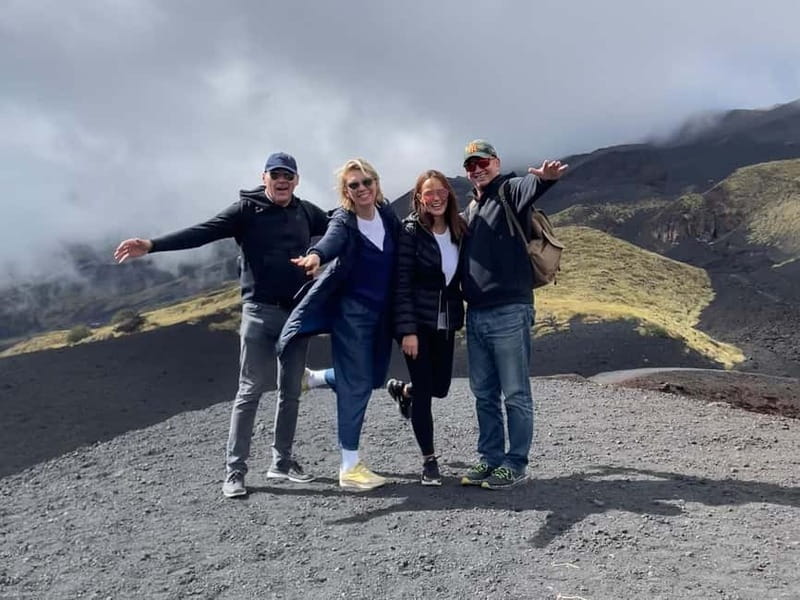
Your tour meets at the Chiosco bar Etna Nord, and from there you’ll head into the northern side of Etna. Expect a quick orientation early on—enough to set the scene, explain what you’ll see, and make sure everyone knows how the walk will work.
Because you’re going out on volcanic terrain, this “get your bearings fast” briefing matters more than on a typical city tour. It’s not just about timing. It helps you understand what you’re looking at once the lava starts showing up—so your photos capture the story, not just the scenery.
Walking the 2002 lava flow: seeing eruption damage up close
After a short transfer, you begin walking on the 2002 lava flow, the one that destroyed the square. This is the part of the experience that makes Etna feel real. Instead of hearing about an eruption as a headline, you’re moving through the results: dark rock, uneven ground, and paths that thread between the consequences of flow and channeling.
About a few hundred meters into the walk, you’ll see remnants of an old hotel called Le Betulle, also destroyed by the eruption. It’s the kind of detail that sticks with you because it turns the volcano from a scientific subject into a human one—what changed, what was lost, and how quickly daily life can be reshaped by lava.
Practical note: lava ground can be a little rough and unpredictable underfoot. You’re not doing technical hiking, but you are stepping where rock meets trail. That’s why the tour is very clear about closed-toe shoes.
Etna’s birch forest: the hike’s “breather” moment
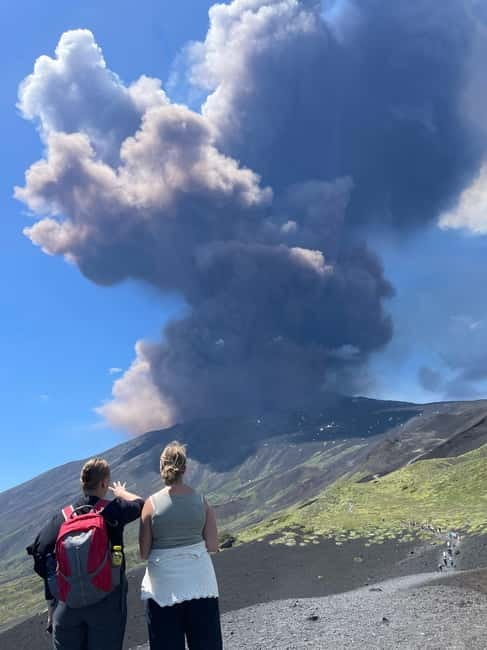
Then comes a change in mood. You’ll continue through a forest of birch trees—a noticeable contrast to the black, volcanic ground behind you. This section is more than a scenic detour. It’s a natural pacing reset that makes the climb feel more manageable.
The birch forest also helps with comfort. Shade and varied terrain can break up the effort, especially if the summit area is bright or windy. You’ll likely feel it as a short relief before the route starts gaining height again.
If you’re someone who likes your volcano tour to include both science and atmosphere, this forest section is one of the best parts. It makes the whole walk feel balanced rather than all “rock and heat.”
Lava channel crossing and the climb to the craters
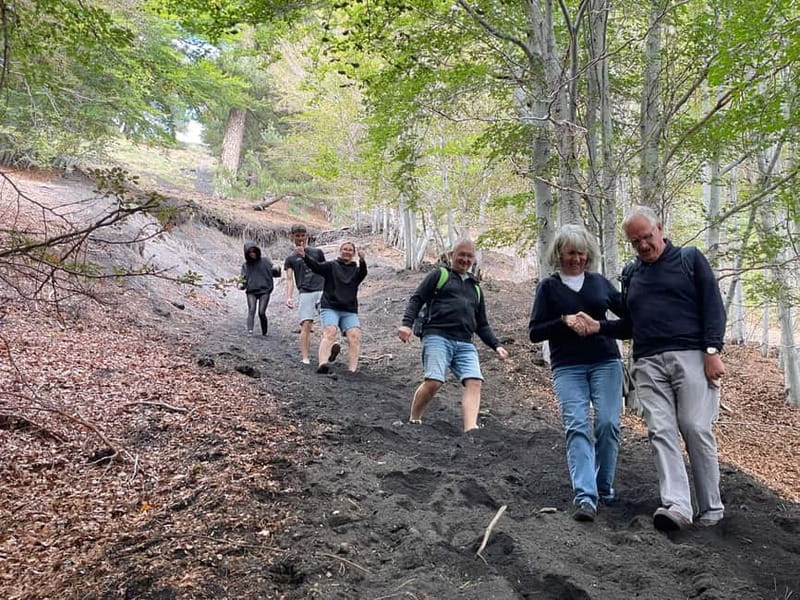
From the forest, the route continues with a climb toward a visible lava channel—reported as a few dozen meters wide. Seeing a channel like this in person helps you understand how lava doesn’t just spread like a puddle. It moves, funnels, and cuts through space. It’s a physical explanation you can walk on.
After crossing and continuing uphill, you reach the edge of the last four majestic inactive craters of 2002. This is where you’ll slow down for photos and guided observations. Even if you’re not a geology nerd, it’s the moment when the tour’s title makes sense.
Why the crater edge matters: standing near an inactive crater rim gives you a clearer sense of scale. The guide can point out the shapes created by the eruption activity, and you can compare what you see from ground level with what you may have only seen in diagrams before.
Panoramic Ionian views: Giardini Naxos and Taormina
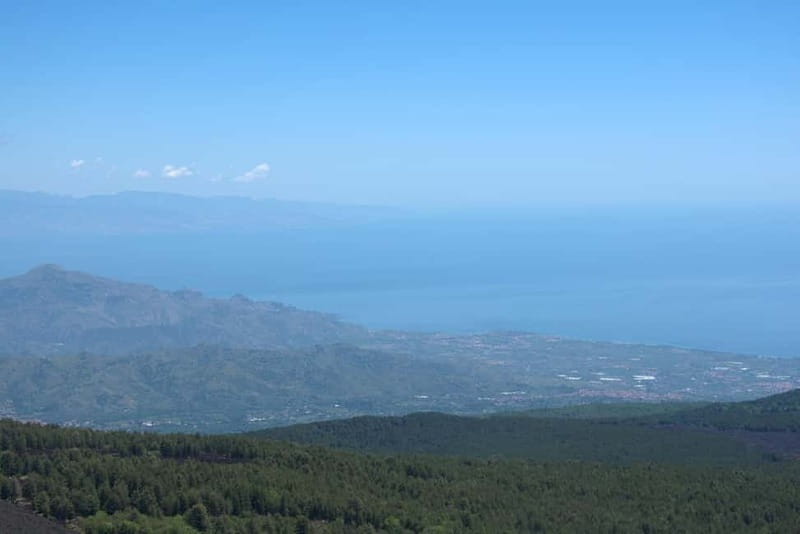
Once you’re near the viewpoints, you’ll enjoy wide looks toward the Ionian coast, including Giardini Naxos and Taormina, with the tip of Italy toward Calabria on clear days.
This part is ideal for two reasons. First, it gives you a sense of where Etna sits in the broader region—volcano plus coastline, not volcano in isolation. Second, it turns your stop time into something productive: you’re not waiting just to wait. You’re collecting views while the guide explains what you’re seeing.
Tip for photos: don’t only shoot straight-on craters. Try a few angles that include coastline. It’s a fast way to make your pictures feel like a story with scale.
How the 2-hour timing feels in real life
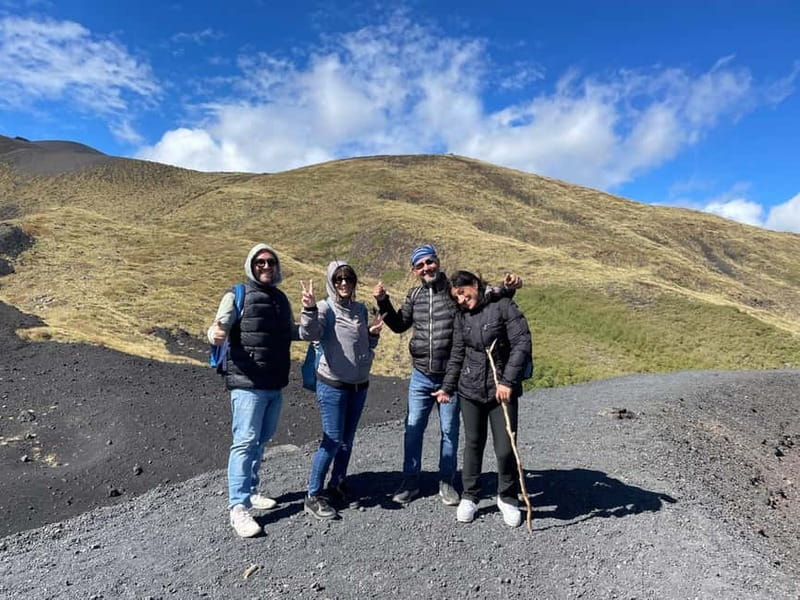
The tour runs about 2 hours, which is a big deal on Etna. It lets you do something substantial without eating your whole day.
The flow generally goes like this:
- short start and orientation at the north side meetup
- a brief transfer
- a photo/visit moment at a viewpoint
- a longer transfer segment (then more walking on the ground once positioned)
- another viewpoint stop with a break and guided walk/scenic views on the way
- return by transfer to the same meeting point
In practice, that means the group isn’t constantly hiking for 2 hours straight. You’ll have brief photo and explanation moments, plus a little break time. Still, the tour isn’t “sit and look.” You’ll want to keep your energy for the lava crossings and the climb segments.
Also keep in mind the tour requires a fair level of physical preparation. Based on how the trail is described as having a slight incline, it sounds approachable for many people, but it’s still not flat.
The guide’s job: turning rocks into a story
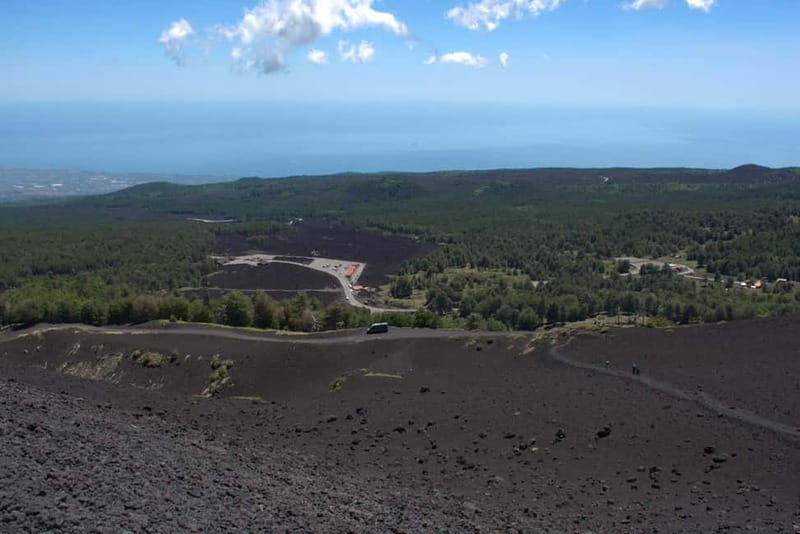
A big part of the value is the volcanological guide. The tour doesn’t just point and say that’s lava. The guide explains the nature of the volcano and the eruption’s history in a way that makes the walk feel logical.
This is where the experience becomes more than just steps on a trail. When you understand how lava flows and channels form, the terrain stops feeling random. You start noticing patterns. You also understand why you’re walking the route you’re walking—because it passes through specific features that connect to the 2002 event.
Language options are Italian and English, so you should be able to follow the explanations without strain. And judging from the emphasis on friendly guidance, you can expect a guide who keeps things clear and supportive.
What to bring for Etna: your checklist for comfort
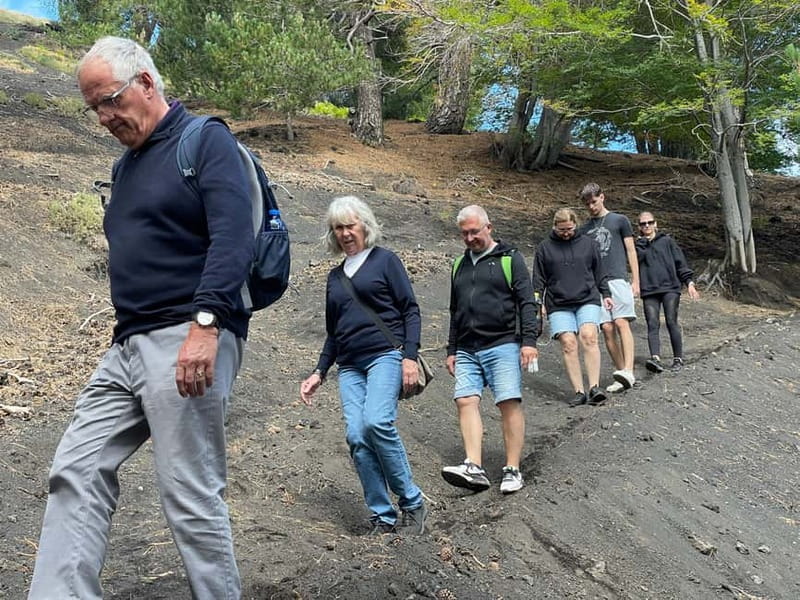
To have a good time on this crater walk, pack like you’re going out for a short, active hike in changing mountain conditions. Etna can go from bright to breezy fast, and volcanic areas don’t forgive bad footwear.
Bring:
- Closed-toe shoes you can trust on rocky ground
- At least 1 liter of water per person (plan on drinking it)
- Snacks and food and drinks
- Sunglasses and sun hat
- Sunscreen
- A jacket (weather can shift)
- Long pants are recommended
- Change of clothes (lava/ground dust happens)
- Camera for crater and coastline viewpoints
Not allowed:
- Swimwear
- Alcohol and drugs
- Shoes indoors
- Wearing a costume
One practical strategy: bring your camera and water within easy reach, not buried in a deep bag. The stops can be short, and you’ll want to capture the craters and the coastline before you move on.
Price and value: what $39.86 buys you on Etna
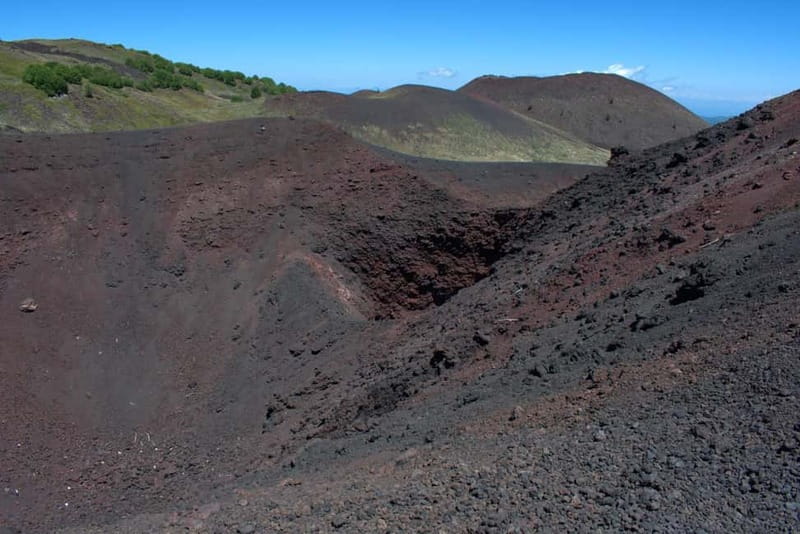
The price is $39.86 per person for a tour that lasts about 2 hours, and it includes a volcanological guide plus a walking tour. On paper, that sounds straightforward. In value terms, you’re paying for two things you can’t easily replicate on your own: guided interpretation and a structured route that takes you to specific volcanic features.
You also get something that’s hard to measure but easy to feel: momentum. The guide helps you know where to look and why, so you’re not wandering around trying to figure out what’s important.
If you like active sightseeing—views plus real-world explanation—this is the kind of price that makes sense. If you just want a quick lookout without walking or without learning, you might decide it’s more effort than you want. But for most people who sign up for a volcano walk, the value is pretty clean: time on the ground, expert context, and viewpoints built into the route.
Who this tour fits—and who should skip it
This is a good choice if you want a volcano walk with clear viewpoints and an explanation you can actually use. It also sounds like the trail is managed in a way that many people find workable because the incline is described as slight and the route is suitable for everyone in the group.
But it’s not for everyone. This activity is not suitable for:
- people with heart problems
- people with respiratory issues
- people with altitude sickness
- people with pre-existing medical conditions
- people with recent surgeries
- people over 70
- people over 287 lbs (130 kg)
If any of those apply to you, don’t try to “power through.” Instead, look for a more relaxed option that matches your needs.
Also consider weather and your own stamina. Even if it’s not technical hiking, you’re doing a short crater walk plus climbs. Bring the water, the proper shoes, and a calm pace.
Should you book this Craters of 2002 excursion?
I’d book it if you want a short Etna outing that gives you both science and spectacle: 2002 lava underfoot, the birch forest pause, and the chance to stand near inactive craters while the guide makes sense of what you’re seeing. It’s also a solid pick if you like learning with your eyes—views to Giardini Naxos and Taormina make the walking feel worth it.
Skip it if you’re looking for a purely flat, casual walk, or if you fall into any of the medical/physical limitations listed above. Etna rewards prepared travelers.
FAQ
What is the duration of ETNA Volcani: Excursion to the Craters of 2002?
It lasts about 2 hours.
Where does the tour start and end?
The tour starts in front of Chiosco bar Etna Nord and ends back at the same meeting point.
What will we see on the walk?
You’ll visit the last four inactive craters of 2002, walk on the 2002 lava flow, pass between lava flows and channels, and cross a birch forest. You’ll also see the remains of an old hotel called Le Betulle.
Is the tour guided?
Yes. It includes a volcanological guide and a walking tour, with a live guide in Italian and English.
What kind of shoes and clothing should I bring?
Closed-toe shoes are mandatory. Long pants are recommended. You should also bring a jacket and clothes that can get dirty, plus a change of clothes.
How much water should I bring?
Bring at least 1 liter of water per person.
What should I bring for the viewpoints and breaks?
Bring sunglasses, a sun hat, sunscreen, a camera, snacks, and food and drinks. A jacket can help if conditions change.
Is this tour suitable for people with medical conditions?
No. It’s not suitable for people with heart problems, respiratory issues, altitude sickness, pre-existing medical conditions, or recent surgeries. It’s also not suitable for people over 70 or over 287 lbs (130 kg).
More Tours in Catania


More Tour Reviews in Catania
More Etna Summit Treks We Have Walked
Just added: the newest Catania tours in our notebook
- Transfer Catania / Agrigento Airport★ 5.0 · 3 reviews
- Sicily private shore excursion – Etna and Taormina with personal driver★ 3.5 · 3 reviews
- Sunset Trekking on Mount Etna★ 5.0 · 3 reviews
- Private Transfer from Catania to Palermo or vice-versa with stop★ 5.0 · 3 reviews
- From Syracuse: Mount Etna Volcano Morning Trekking Tour★ 5.0 · 3 reviews
- Catania: Guided Street Food Tour with Tastings★ 5.0 · 3 reviews
Mount Etna Tours & Summit, compared.
 ★ 4.8Catania: Mount Etna Morning or Sunset Day Trip with TastingFrom $704,028 reviews
 ★ 4.8Catania: Sunset Jeep Tour of Mount Etna and Lava Flow CavesFrom $712,113 reviews
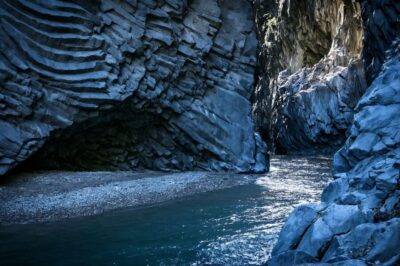 ★ 4.8Etna and Alcantara Gorges Full-Day Tour with LunchFrom $1051,766 reviews
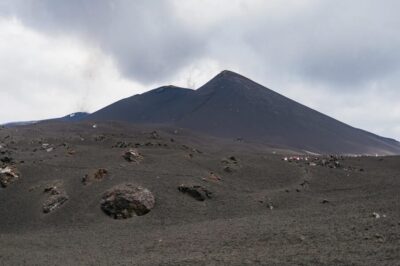 ★ 4.7Etna: summit craters trekking with volcano guide 3350mtFrom $771,712 reviews
 ★ 4.9Catania: Mount Etna Trekking Tour Beyond the Tourist TrailsFrom $811,596 reviews
 ★ 4.8Mount Etna: Guided Trek 3,000 Meters to the SummitFrom $1131,407 reviews
 ★ 4.8Catania: Etna Sunset Tour with Pickup and Drop-offFrom $711,348 reviews
 ★ 4.8Etna Sunset Tour: Volcano trek, Cave & tasting from CataniaFrom $701,290 reviews