
Reviewed · MOUNT ETNA TOURS & SUMMIT
Etna: Trekking to the summit craters at 3340 meters
Etna feels like you’ve landed on another planet, and this trek gives you the boots-on-the-ground version. I like the clear structure from Sapienza up to the 3340m summit craters, and I really like the mix of volcanic textures, from fresh black lava to pale sand. The one catch: weather can sometimes limit access to the very top, so plan for a route adjustment.
You start with cable car and minibuses, then you earn the views on foot with an expert volcanology guide. I also appreciate the practical gear package, since you’re walking on rough ground at altitude and you’ll want that helmet and poles. Just know the pacing can be brisk, so good knees and solid fitness matter.
In This Review
- Key Takeaways Before You Go
- Starting at Rifugio Sapienza: the route that gets you to real Etna fast
- Cable car to 2850m: what that transport means for your legs
- The 2-hour push to the Cratere Centrale dell’Etna (about 3340m)
- Rim walking at 3340m: the chasm and new mouth views
- Southeast crater and crater-edge descending: views with a countdown
- Lunch around 3000m: fueling for the rest of the volcanic walk
- Barbagallo craters to a lava-flow channel: the canyon part you’ll remember
- Valle del Bove viewpoint: Etna’s 9,000-year-old caldera story
- Price and value: $77 plus the onsite cable car and 4×4
- What’s included, what to bring, and the safety reality
- Pacing, group size, and what kind of hiker this suits
- Should You Book This Etna Summit Craters Trek?
- FAQ
- How long is the Etna trekking experience?
- What altitude do you start from and reach?
- What’s included in the price?
- What costs are paid on site?
- What should I bring to the hike?
- Is this tour suitable for children or people with health concerns?
Key Takeaways Before You Go
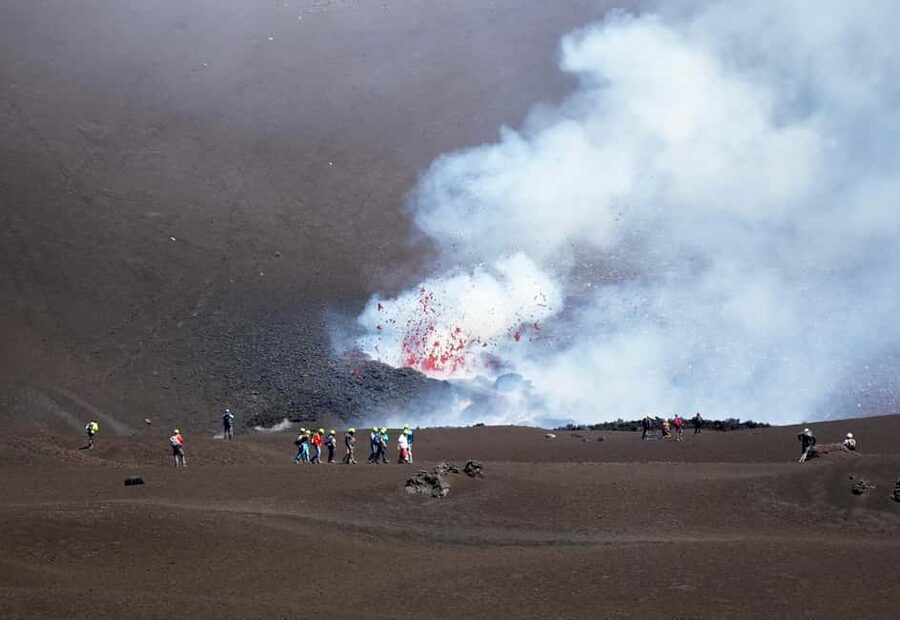
- 3340m summit crater edge: walk along the central crater rim and see key volcanic conduits up close
- Lunar-feeling terrain: very recent lava flows, volcanic lapilli, and sandy slopes make this hike feel different from most trails
- Cable car + 4×4 access: you’re not doing a marathon climb from sea level
- Lava tube and canyon walk: you’ll step into a lava-flow channel and see how Etna shapes the ground
- Valle del Bove viewpoints: you’ll look into Etna’s ancient caldera system, including areas tied to eruptions in recent decades
More ways up the volcano from Catania
- Catania: Mount Etna Morning or Sunset Day Trip with Tasting
★ 4.8 · 4,028 reviews - Catania: Sunset Jeep Tour of Mount Etna and Lava Flow Caves
★ 4.8 · 2,113 reviews - Sicily: Etna and Alcantara Gorges Full-Day Tour with Lunch
★ 4.8 · 1,766 reviews - Mount Etna: Guided Trek 3,000 Meters to the Summit
★ 4.8 · 1,407 reviews
Starting at Rifugio Sapienza: the route that gets you to real Etna fast
Most Etna hiking tours funnel you through the Sapienza area, and this one does it smartly. You meet near Rifugio Sapienza, then head to the Monte Gebel souvenir shop area as your starting point. From there, you’ll be moving upward quickly so your day focuses on the good parts: the summit area, the crater rims, and the volcanic “inside views.”
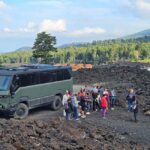
You begin around 1900m. First comes a short cable car ride to about 2500m, then you switch to 4×4 minibuses for the climb up to roughly 2850m. That split matters. It cuts down the time you’d otherwise spend just getting to the hiking zone, and it helps you arrive to the trekking portion with more energy for the uneven ground ahead.
Also, pay attention to timing and how the day flows. This is a 6-hour outing total, and the itinerary is built around moving efficiently between altitude bands. If you’re the type who likes long scenic pauses every five minutes, you’ll still enjoy the views—but you’ll get them at planned stops, not as a free-form wander.
Cable car to 2850m: what that transport means for your legs
The cable car and 4×4 legs of the trip aren’t just logistics. They’re part of how Etna hiking actually works, because the volcano’s steep terrain limits where you can safely drive. The upside for you is that you’re hiking when it counts, not burning energy inching uphill at the start.
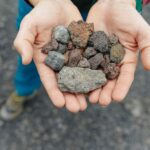
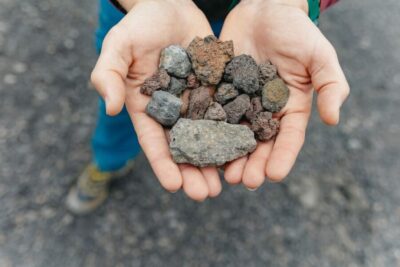
When the minibuses drop you off near 2850m, you’re ready to switch gears from “travel” to “terrain.” That transition is important because the hike soon moves into volcanic ground that doesn’t behave like normal dirt. Expect loose volcanic lapilli (gritty fragments) and stretches of sand-like footing. Even if you hike a lot at home, it takes a few minutes for your body to adjust.
The 2-hour push to the Cratere Centrale dell’Etna (about 3340m)
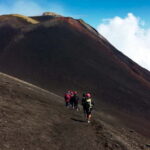
Here’s the heart of the day: the hike from the drop-off area up toward the summit craters. The trek portion is listed at about 2 hours to reach around 3340m, and it’s one of those climbs where you feel every meter. Not because it’s a straight wall, but because the ground is rough and loose in places.
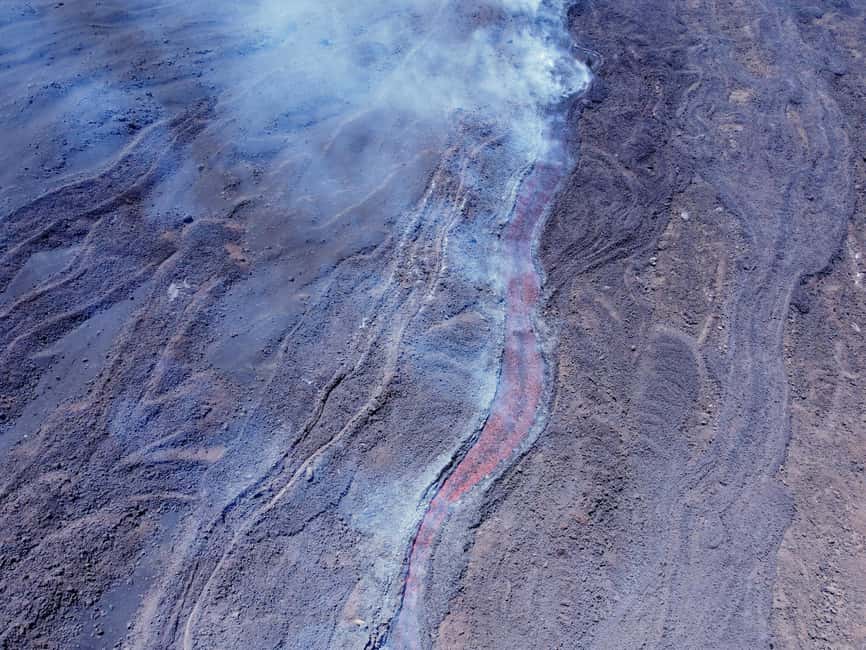
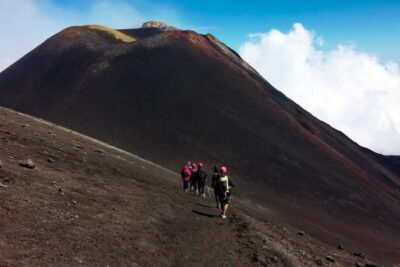
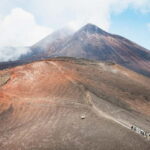
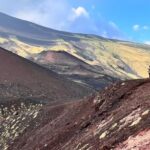
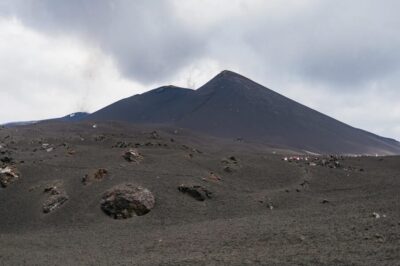
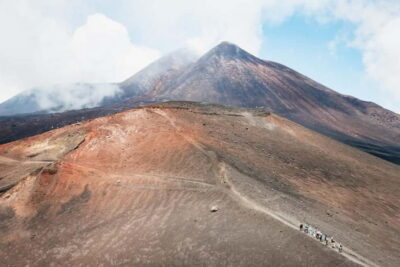
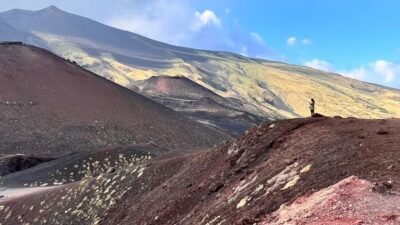
Along the way, you’ll pass through very recent lava flows and stretches of volcanic sand and lapilli. Visually, it’s the classic Etna look—sharp, pale, and dark patches where the ground has been reshaped by eruptions. Physically, it means your steps matter. You’ll likely feel the need to place your feet carefully to avoid slipping, especially as the incline eases and the ground gets more granular.
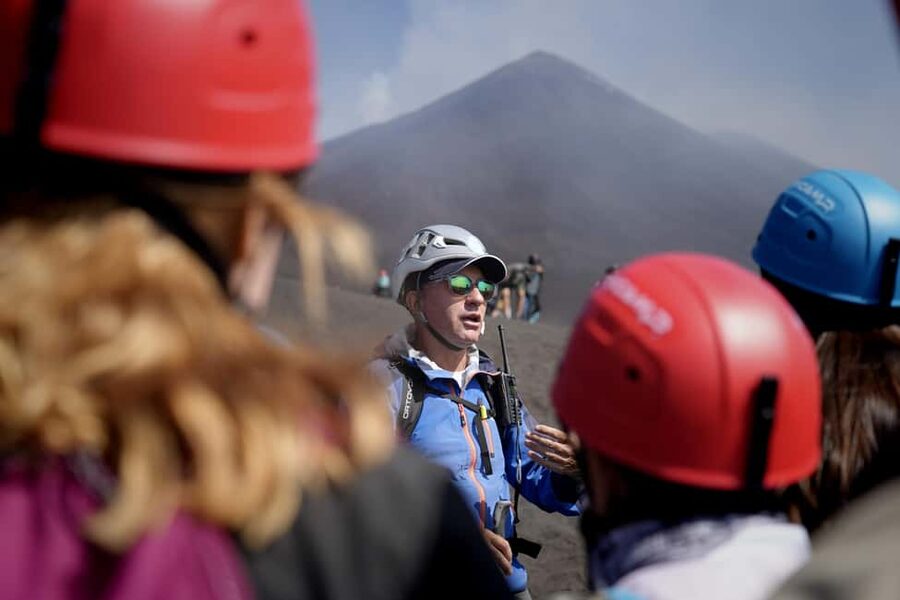
And then you reach the central crater area at roughly 3340m, where the guide helps you orient what you’re seeing. A volcanology guide changes the entire feel of the hike. Instead of just looking at a giant crater and hoping you’re interpreting it right, you get practical context for what volcanic features mean and how active systems work.
Rim walking at 3340m: the chasm and new mouth views
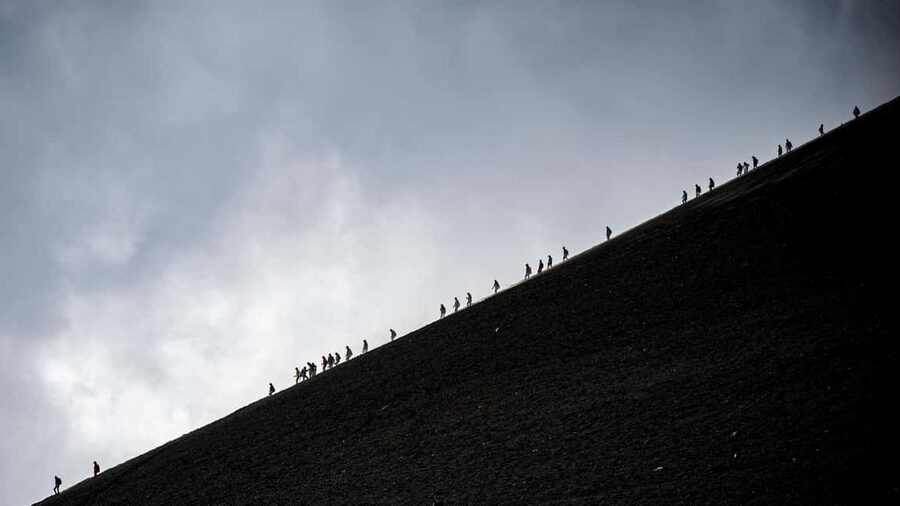
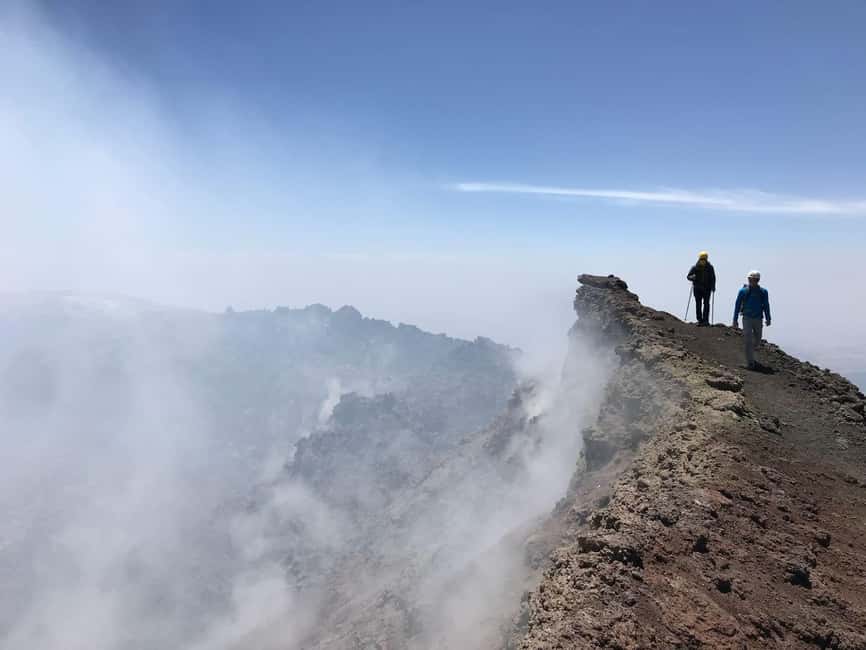
Once you’re up at the central crater zone, the experience shifts from uphill effort to close observation. You’ll walk along the edge of the central crater to admire two main conduits: the chasm and the new mouth. These names help you understand the volcanic plumbing you’re looking at—pathways where material moves during eruptions.
From the rim, the views aren’t just pretty. They help you read the volcano like a map. The angle of the slopes, the way lava patterns break apart, and the texture differences across areas all make more sense when you’re standing at altitude and able to look down into the crater system.
Photo time also becomes real here. The crater edge gives you strong lines and dramatic scale, and you’ll have a chance to take unforgettable pictures during the guided moments. If you care about photos, keep your hands free when you can—your poles and careful footing help you stay stable on uneven ground.
One practical note: if you’re prone to altitude discomfort, this is the part where you’ll notice it. The tour doesn’t advertise as suitable for altitude sickness risk, and it’s also not for people with high blood pressure or heart problems. If that applies to you, treat the “should I go?” question seriously.
A few we would gladly point a friend toward in Catania
Southeast crater and crater-edge descending: views with a countdown
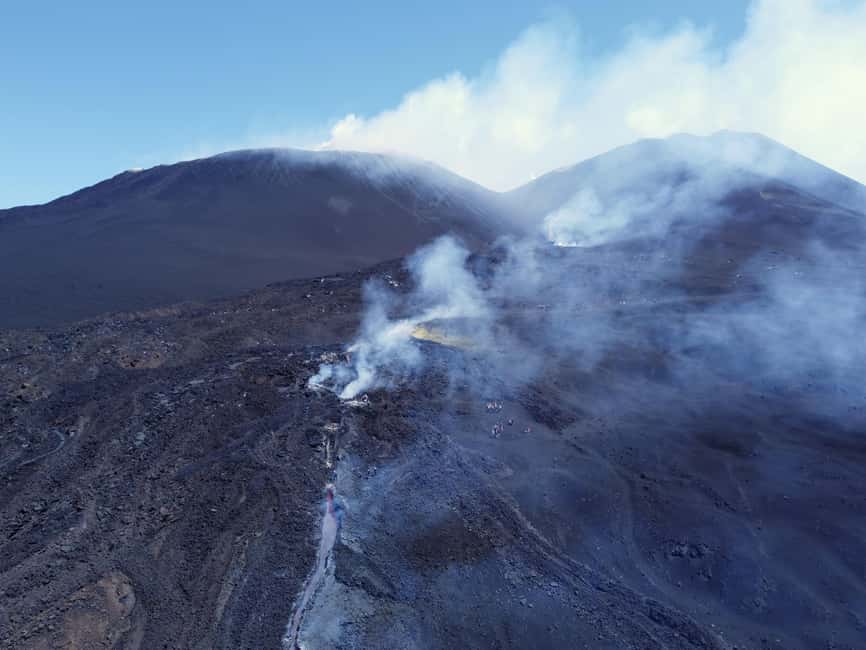
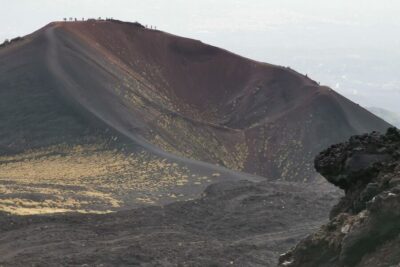
After the central crater rim experience, you continue toward the southeast crater. This area has been the source of most eruptions in recent decades, so it has a lot of “active volcano” energy without needing fireworks to make the point.
You’ll stop for views and photos, then begin your descent on a sandy slope. This is where your knees get a vote. Going down on loose ground can be as tiring as going up, and it’s also where trekking poles really earn their keep. You’re provided poles, so use them. Your body will thank you later when the rest of the day keeps moving downhill.
The descent is designed to take you back relatively quickly toward around 3000m, where you’ll have a lunch break. That pacing choice is smart. It gives you a recovery window after the most altitude-intensive part of the hike.
Lunch around 3000m: fueling for the rest of the volcanic walk
Lunch isn’t included, so you’ll plan for a meal either purchased there or carried by you (the tour description doesn’t specify what’s available at lunch). Either way, treat lunch as fuel, not a long sit-down. You’ll come back to movement right after, and you don’t want to feel heavy or sluggish while you tackle the later crater and lava-channel sections.
This mid-day pause is also when you get a chance to regroup mentally. The early part is all about climbing and looking down into the crater system. After lunch, you shift into a different volcanic geography—craters and channels formed by lateral eruptions, plus the Valle del Bove viewpoint area.
If you’re someone who likes to sip water regularly, set a habit here. The tour recommends at least 1.5 liters of water per person, and at this altitude you’ll feel dehydration more than you might expect.
Barbagallo craters to a lava-flow channel: the canyon part you’ll remember
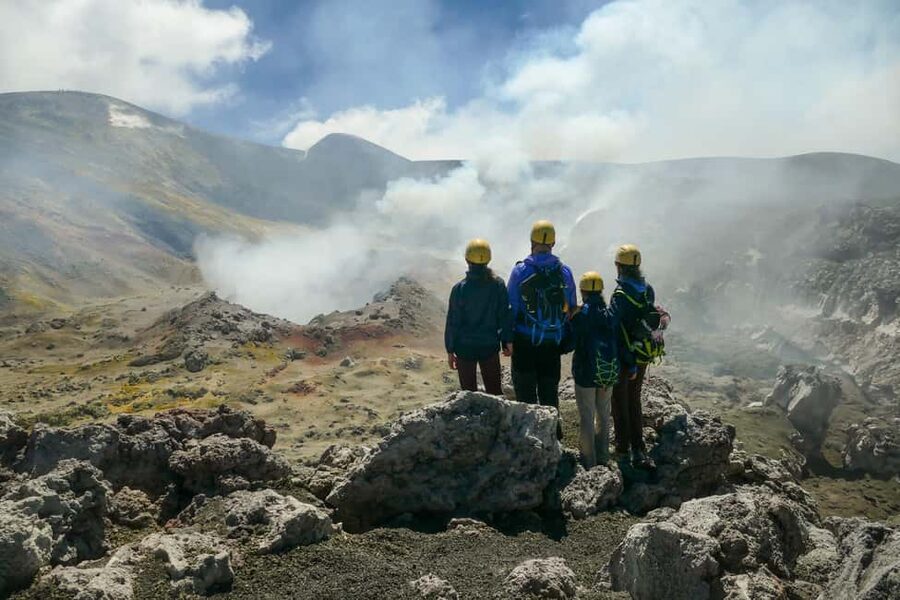
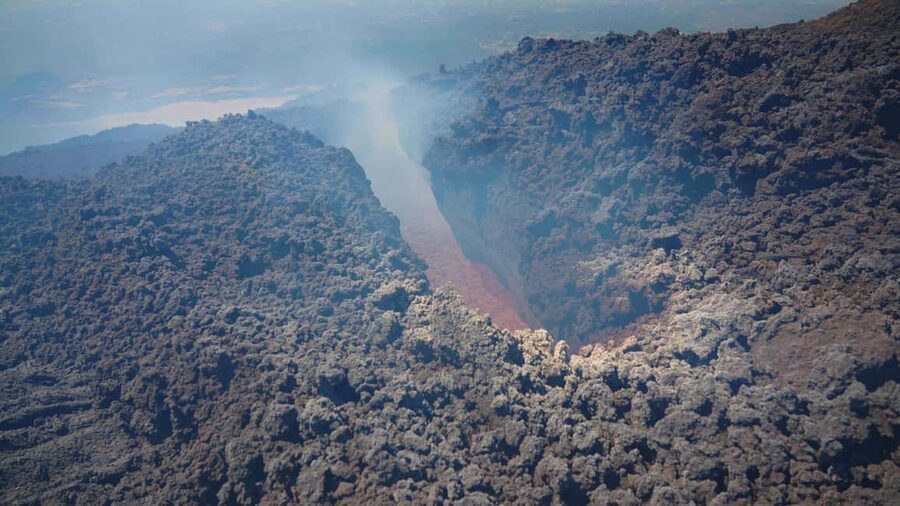
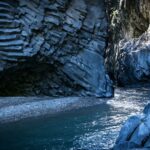
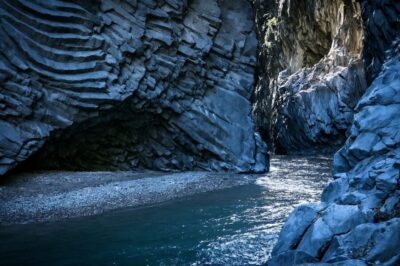
After lunch, the tour continues downhill toward the northern base of the Barbagallo craters, tied to a lateral eruption in 2002/2003. You’ll walk around the perimeter and then descend to the mouth of a lava flow channel—basically a canyon shaped by lava. Then you’ll enter it.
This is the part that often changes how people talk about Etna. The summit craters are dramatic, but the lava-channel section is physical. You’re walking through a space made by moving molten rock in the past, and the ground feels different under your feet. It’s also a cool (in temperature and vibe) change from exposure on open slopes.
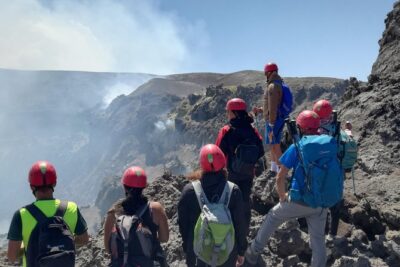
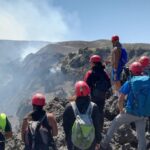
Because this segment includes going into a lava-flow channel, helmets are a big deal. You’re provided a protective helmet, and you should wear it during the sections where it’s needed. Even when you’re not in darkness, the ground can be uneven and the space can feel enclosed compared to crater rims.
Also, the tour description includes a lava tube walk in the highlights. Even if you don’t picture it clearly yet, it’s the same idea: you’re not only seeing volcanic shapes from above. You get to move through the volcanic “results.”
Valle del Bove viewpoint: Etna’s 9,000-year-old caldera story
Then comes one of Etna’s most meaningful viewing areas: the Valle del Bove viewpoint. This is an ancient caldera that originated around 9,000 years ago, linked to the collapse of older eruptive centers.
You’ll have a short stop at the viewpoint, then continue toward a lateral crater formed during the 2001 eruption. Finally, you finish your descent back toward the cable car so you can return to the starting point.
Why this stop matters: it gives you scale. Early on, you’re focused on what’s happening now—active conduits, current crater edges, recent eruption zones. At Valle del Bove, you’re seeing the long-term system that makes today’s activity possible. That perspective makes the whole trek feel more than a workout and a view.
And yes, it also helps the photos. Valle del Bove is the kind of place where your pictures look more impressive than you think they will, because the geometry of the caldera and the surrounding slopes do the heavy lifting.
Price and value: $77 plus the onsite cable car and 4×4
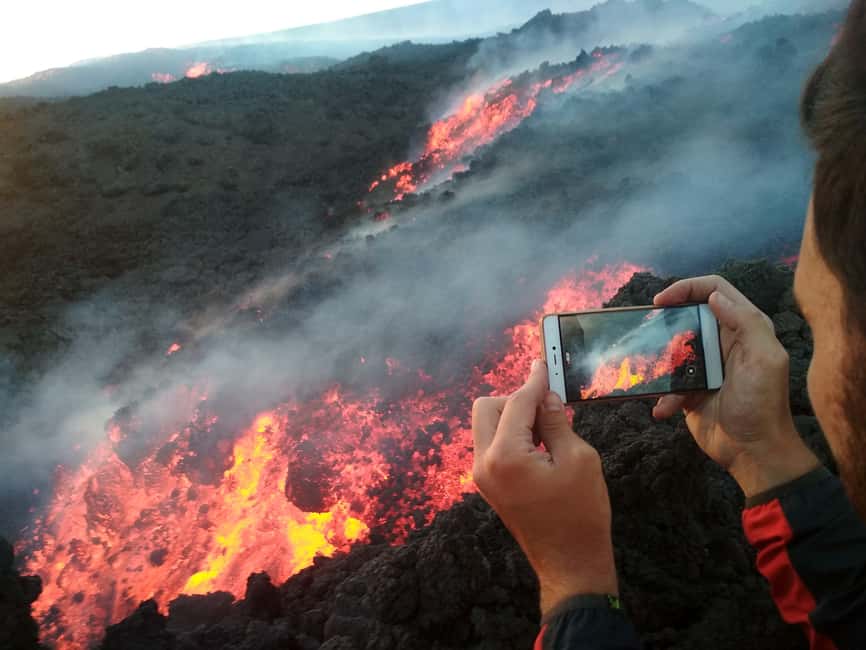
The listed price is $77 per person, for a 6-hour guided outing. That sounds like a bargain for the amount of time at high altitude and the presence of a volcanology guide—but don’t forget what’s extra.
The cable car and 4×4 vehicle tickets are not included. You’ll pay on site: €82 for adults and €51 for children up to 10 years old. Lunch is also not included.
So is it still good value? For me, yes, because you’re paying for access and expertise. The tour includes a volcanology guide plus windbreaker, trekking poles, protective helmet, and insurance. Those extras matter on Etna: rough terrain, altitude exposure, and active-volcano safety all add up.
If you’re coming without poles or with the wrong clothing, your costs can jump fast anyway. In that case, the $77 price plus the included gear package looks better than it first appears.
What’s included, what to bring, and the safety reality
Included in your tour:
- Etna hike with a volcanology guide
- Windbreaker
- Trekking poles
- Protective helmet
- Insurance
Not included:
- Cable car and 4×4 tickets (paid on site)
- Lunch
What to bring:
- Long pants
- Layered clothing is recommended
- At least 1.5 liters of water per person
A few rules to note:
- No alcohol and drugs
- Don’t go if you fall into listed “not suitable” categories: children under 9, pregnant women, people with heart problems, people with altitude sickness, people with high blood pressure, and people over 95.
I like that the operator spells this out clearly. It keeps the experience safer and helps you avoid turning your day into a medical gamble at altitude.
Also, wear the long pants even if it’s warm at the start. The crater zones and lava terrain can be abrasive, and it’s easier to stay comfortable with proper leg coverage than to “tough it out.”
Pacing, group size, and what kind of hiker this suits
This is a real hike. The day totals around 6 hours, with at least a 2-hour climb to 3340m plus additional hiking on crater edges and descents. There’s also walking around the perimeter of the Barbagallo craters and time at Valle del Bove.
The tour can run as private or small groups, which is helpful if you like quieter travel and a bit more attention from your guide. Still, the itinerary is built around keeping the flow moving. You might find that breaks are shorter than your usual hiking style, especially on the way up and down.
So who should book it?
- You hike regularly and trust your knees on uneven ground
- You want an Etna experience that mixes summit views with volcanic “walk-through” sections
- You like guided interpretation, not just sightseeing
Who might want to skip?
- You’re uncomfortable with altitude or have conditions listed as not suitable
- You prefer slow hikes with lots of pause time
- You want a gentle stroll rather than a climb-plus-descend day
Should You Book This Etna Summit Craters Trek?
Book it if you want the full Etna flavor: the 3340m crater edge, the guided look at the chasm and new mouth conduits, and the memorable move into a lava-flow channel. It’s good value when you factor in the gear and the guide, and it’s efficient thanks to the cable car and 4×4 access.
Consider skipping or choosing a gentler option if you’re sensitive to altitude, have knee issues you can’t manage on descents, or you’re hoping for a relaxed pace with lots of leisurely breaks. And keep your expectations flexible for weather—active volcano days can change access.
If you’re a capable hiker who wants a real connection to how Etna works, this one is worth putting on your Sicily shortlist.
FAQ
How long is the Etna trekking experience?
The tour lasts about 6 hours total, including cable car and vehicle transfers, plus hiking time to the summit craters and through the later crater areas.
What altitude do you start from and reach?
You start around 1900m at Rifugio Sapienza, take transport up to about 2500m and 2850m, then hike to the summit craters at about 3340m.
What’s included in the price?
The tour includes an Etna hike with a volcanology guide, windbreaker, trekking poles, protective helmet, and insurance. Lunch is not included.
What costs are paid on site?
You’ll pay on site for the round-trip cable car and 4×4 vehicle tickets: €82 for adults and €51 for children up to 10 years old.
What should I bring to the hike?
Bring long pants and plan for layered clothing. The tour recommends at least 1.5 liters of water per person.
Is this tour suitable for children or people with health concerns?
It’s not suitable for children under 9, pregnant women, people with heart problems, people with altitude sickness, people with high blood pressure, and people over 95.
More Hiking & Trekking in Catania

More Tour Reviews in Catania
More Etna Summit Treks We Have Walked
Just added: the newest Catania tours in our notebook
- Transfer Catania / Agrigento Airport★ 5.0 · 3 reviews
- Sicily private shore excursion – Etna and Taormina with personal driver★ 3.5 · 3 reviews
- Sunset Trekking on Mount Etna★ 5.0 · 3 reviews
- Private Transfer from Catania to Palermo or vice-versa with stop★ 5.0 · 3 reviews
- From Syracuse: Mount Etna Volcano Morning Trekking Tour★ 5.0 · 3 reviews
- Catania: Guided Street Food Tour with Tastings★ 5.0 · 3 reviews
Mount Etna Tours & Summit, compared.
 ★ 4.8Catania: Mount Etna Morning or Sunset Day Trip with TastingFrom $704,028 reviews
 ★ 4.8Catania: Sunset Jeep Tour of Mount Etna and Lava Flow CavesFrom $712,113 reviews
 ★ 4.8Etna and Alcantara Gorges Full-Day Tour with LunchFrom $1051,766 reviews
 ★ 4.7Etna: summit craters trekking with volcano guide 3350mtFrom $771,712 reviews
 ★ 4.9Catania: Mount Etna Trekking Tour Beyond the Tourist TrailsFrom $811,596 reviews
 ★ 4.8Mount Etna: Guided Trek 3,000 Meters to the SummitFrom $1131,407 reviews
 ★ 4.8Catania: Etna Sunset Tour with Pickup and Drop-offFrom $711,348 reviews
 ★ 4.8Etna Sunset Tour: Volcano trek, Cave & tasting from CataniaFrom $701,290 reviews
Browse the lists this tour appears in