
Reviewed · MOUNT ETNA TOURS & SUMMIT
Etna Morning Tour from Catania
Five hours on Etna feels unreal. In the morning, you get a smart hit of volcanic terrain without signing up for an all-day ordeal, starting from Catania and ending back at your meeting point. You’ll ride up in an air-conditioned vehicle, then walk an easy route around the crater zone and down into a lava flow cave with safety gear provided.
Two things I’d put at the top of your list: first, the small group size (max 8), which keeps the pace human and makes it easier to handle the lava cave stop. Second, the mix of geology you can actually touch—Silvestri craters, a lava tube/cave visit with helmets and torches, and viewpoints over the Valle del Bove area.
One consideration: it can be windy and cold up at the craters, even when Catania feels pleasant. Pack for weather that changes fast at altitude, and you’ll be happy you did.
In This Review
- Key Highlights You’ll Feel Immediately
- Etna in One Morning: Why This Tour Works
- Pickup, Vehicle Comfort, and the Reality of Getting There
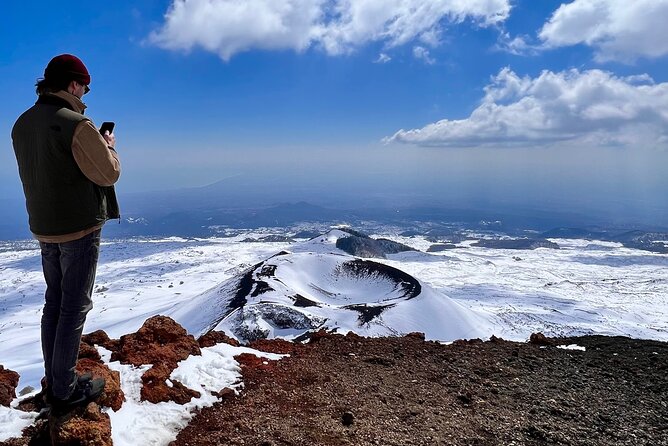
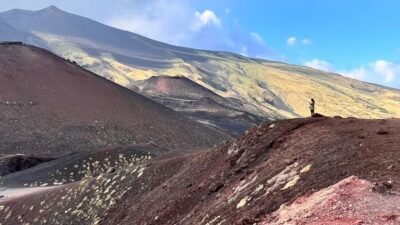
- Silvestri Craters (Around 2000 Meters): Views, Wind, and a Manageable Walk
- The Lava Flow Cave: Helmets, Torches, and Feeling the Scale
- Valle del Bove and the 1991/93 Lava Flow: Seeing Etna’s Punch
- Zafferana Etnea Tasting: Local Food Without the Tourist Shuffle
- English-Speaking Guides and the Small-Group Advantage
- What’s Included (and What You Should Plan Around)
- Packing Tips That Actually Matter for Etna
- Price and Value: Does $72.56 Make Sense?
- Who This Tour Suits Best
- Should You Book the Etna Morning Tour from Catania?
Key Highlights You’ll Feel Immediately
- Small group (up to 8 people): more attention at each stop, and a better chance to visit the lava cave.
- Silvestri craters around 2000 meters: big views on an easy walking plan.
- Lava flow cave with helmets and torches: the experience turns from watching to doing.
- Valle del Bove plus the 1991/93 lava flow: you’ll see how Etna reshapes itself, not just how it looks.
- Zafferana Etnea tasting stop: a real taste of local producers, not just a quick snack.
- Pickup and drop-off convenience: start near Porto di Catania and end back at the meeting point.
More ways up the volcano from Catania
- Catania: Mount Etna Morning or Sunset Day Trip with Tasting
★ 4.8 · 4,028 reviews - Catania: Sunset Jeep Tour of Mount Etna and Lava Flow Caves
★ 4.8 · 2,113 reviews - Sicily: Etna and Alcantara Gorges Full-Day Tour with Lunch
★ 4.8 · 1,766 reviews - Mount Etna: Guided Trek 3,000 Meters to the Summit
★ 4.8 · 1,407 reviews
Etna in One Morning: Why This Tour Works
Etna has a way of making you feel like you’re in the middle of a living system. This morning tour is built for that feeling, but in a way that stays realistic for a vacation schedule. You’re looking at about 5 hours, in an easy format that doesn’t require serious hiking training.
What you get is a sequence of places that each tells a different part of the Etna story. You start higher up at the Silvestri craters area, then shift into a darker, tighter world underground with a lava flow cave. After that, you move through classic Etna terrain like Valle del Bove and end with a view of lava from 1991/93.
The tone is practical: short walks, time to look and ask questions, and a chance to see more than the usual quick photo stops. If you’re basing yourself in Catania and want Etna without taking a full day off, this is the kind of plan that fits.
Pickup, Vehicle Comfort, and the Reality of Getting There
The meeting point is Porto di Catania (95100 Catania), and the tour ends back at the meeting point. Pickup is offered, and drop-off can be at your accommodation or the meeting point, which helps if you don’t want to juggle buses before sunrise.
The vehicle includes air conditioning, which matters on hot Sicilian mornings even if you’re headed toward cooler air up high. And because the group cap is 8, the ride stays calmer than the big-coach version, where you spend half the tour looking for your seat again.
If you like getting your bearings fast, this type of organized morning start helps. You don’t have to figure out the route, parking, and timing of multiple stops. You show up, get gear, and the mountain does the rest.
Silvestri Craters (Around 2000 Meters): Views, Wind, and a Manageable Walk
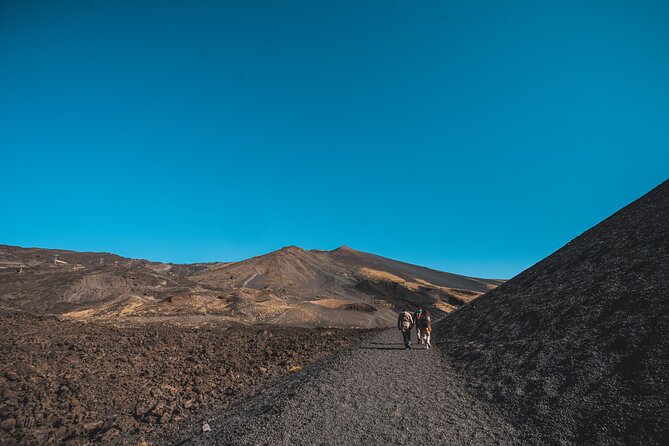
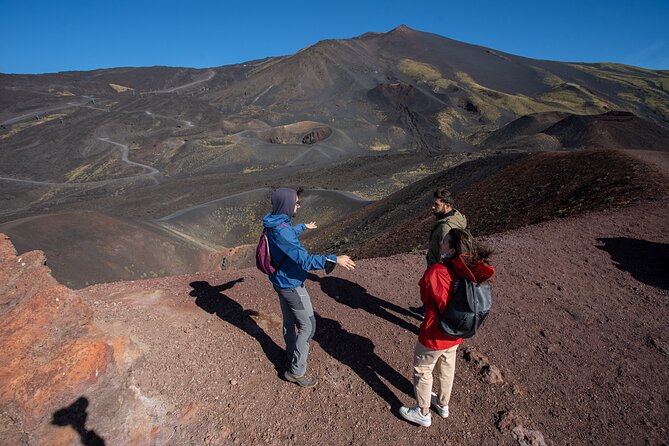
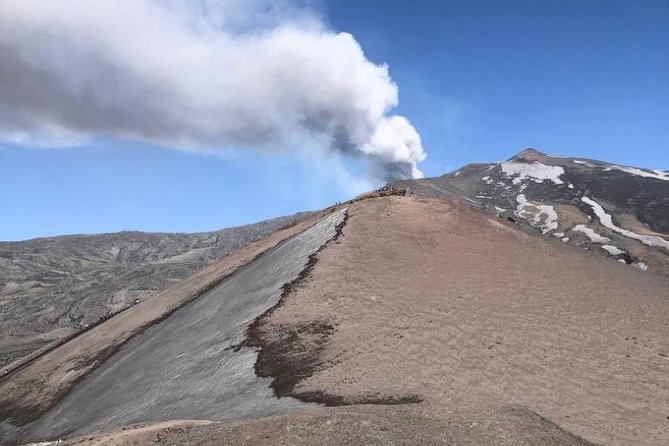
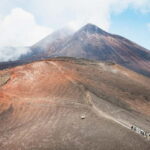
This is the part people remember: walking near the Silvestri craters at around 2000 meters while Etna’s surfaces look almost moon-like up close.
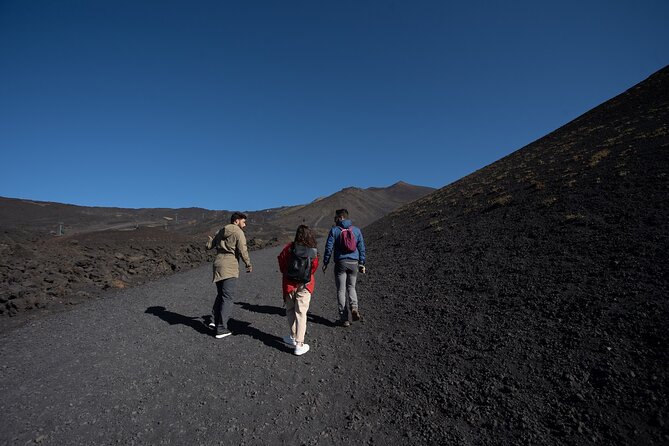
The walk is designed to be easy level suitable for everyone, and the pace is generally comfortable. You’re not signing up for a summit push. Instead, you’re getting close to the crater zone so you can see textures, slopes, and the aftermath of volcanic activity from a perspective most visitors miss.
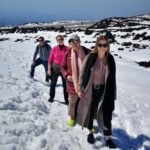
Now the part you shouldn’t ignore: at altitude, conditions can change fast. Even when the day feels mild down in Catania, the crater area can bring wind and cold. People talk about that repeatedly, and it makes sense. Bring layers, and don’t treat windbreakers as optional.
Practical tip: wear shoes you trust on rocky, sometimes dusty ground. Etna can be slippery, especially near ash and loose stones.
The Lava Flow Cave: Helmets, Torches, and Feeling the Scale
A major reason this tour gets strong marks is the lava flow cave visit. This is where you swap outdoor views for something hands-on—inside a volcanic tunnel-like space.
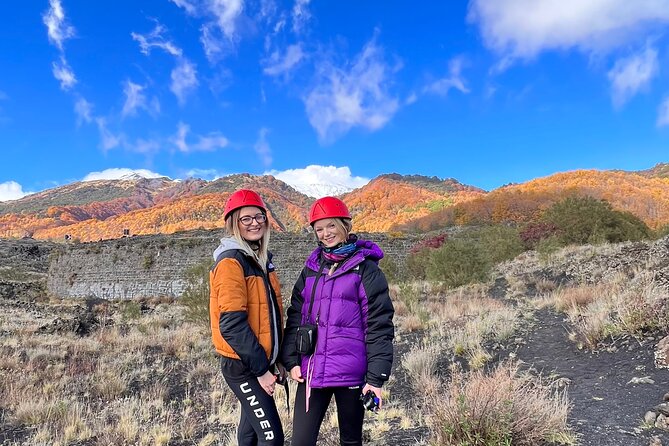
You’ll have helmets and torches provided. That’s huge for comfort and safety. It also changes the vibe: you’re not just looking at geology, you’re experiencing how it feels to move through volcanic pathways.
Because it’s typically hard to manage in large groups, the tour’s small group size matters here. It tends to make the cave stop run smoothly and gives the guide room to keep everyone together.
What to expect inside? You’ll likely spend time walking and stopping while the guide explains what you’re seeing. It’s one of those moments where the science makes more sense because you can physically understand the shape of the space.
What else Catania has going on
Valle del Bove and the 1991/93 Lava Flow: Seeing Etna’s Punch
After the crater area and the cave, the tour shifts to the kind of scenery that makes Etna feel dramatic even when you’re not trying to be impressed.
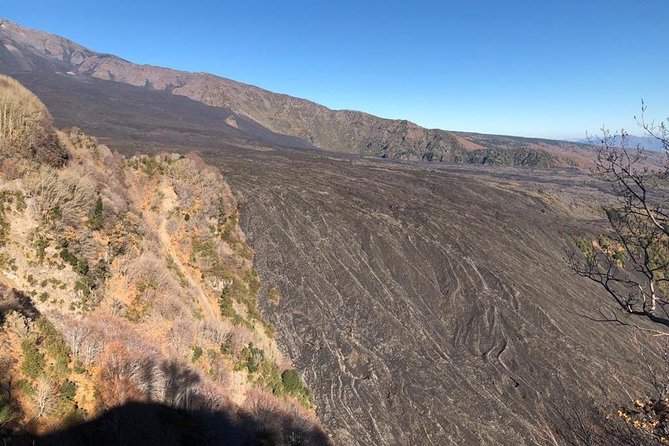
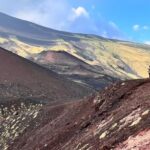
Valle del Bove is a classic Etna feature, and the tour includes a visit there. You’ll get a broader sense of the volcano’s structure—how large formations and valleys relate to each other. This is also a good stage for photos, because you’re not confined to one tight location.
Then comes the lava flow from 1991/93. Seeing a more recent flow helps you connect “volcano as history” with volcano as ongoing process. You’re not just looking at ancient remnants; you’re seeing evidence of activity that’s within living memory for many people.
The key value here is contrast. The crater area gives you height and attitude. The cave makes it tactile. Valle del Bove and the 1991/93 flow put everything together, so you understand Etna as a system, not a single point.
Zafferana Etnea Tasting: Local Food Without the Tourist Shuffle
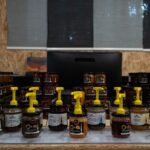
You’ll finish with a food stop in Zafferana Etnea, where the tour includes a tasting of typical products at a local company.
The best tasting stops don’t feel like a sales pitch. This one tends to land better because it’s tied to the surrounding region, not a random warehouse stop. People specifically mention tasting items like wine, olives, pesto, and olives. That’s exactly the kind of mix that makes sense for the area’s agriculture and traditions.
A smart way to use this part: ask questions about what you’re tasting. Even if you’re not an expert, you’ll learn how locals think about ingredients and seasons. If you’re a foodie, this segment can be the most “Sicily” part of the morning, even though you’re still standing in volcano country.
English-Speaking Guides and the Small-Group Advantage
The tour is offered in English, and it’s clear from the range of named guides that the guides put energy into explaining what you’re seeing. People mention guides like Ali, Simone, Giovanni, Constanza, Zelia, Laura, and Emila, and the comments line up with the same pattern: the explanation helps, and the guides adjust to the group.
That small-group size is more than a number. With max 8, you can actually ask a question, hear the answer, and keep moving without feeling like you’re interrupting a machine.
There’s also a safety-and-comfort side to smaller groups. A lava cave stop works better when everyone stays together, and guides can handle that without turning it into a stressful bottleneck.
What’s Included (and What You Should Plan Around)
Included:
- Helmets and torches for the lava cave
- Air-conditioned vehicle
- Pickup offered and drop-off back to accommodation or the meeting point
- Guide service in English
- Mobile ticket
Not included:
- Lunch
That last point is important. Since this is a morning half-day tour, you’ll likely want to plan a lunch option right after. If you’re sensitive to hunger, consider grabbing a light breakfast before pickup so you’re not thinking about food while you’re trying to enjoy the crater and cave stops.
Also remember: the terrain can be cold and windy up high. Even if you pack for summer heat in Catania, bring a warmer layer for the crater altitude.
Packing Tips That Actually Matter for Etna
Here’s what I’d take with you, based on what people consistently report from the crater zone:
- A coat or warm layer: wind can make temperatures feel much colder at the top area.
- A windbreaker: even if the air temperature is not freezing, wind is what cuts.
- Hiking shoes: the ground can be rocky and the ash can make footing less secure.
- Comfort layers, not bulky ones: you’ll be moving, and you’ll be wearing gear for the cave.
If you travel with kids, this tour can still work because it uses an easy pace and builds in breaks. Just expect that volcano weather doesn’t care how old your legs are.
Price and Value: Does $72.56 Make Sense?
The price is listed at $72.56 per person for about 5 hours. On paper, that can look pricey until you match it with what’s included and what you’re getting.
You’re paying for:
- a guided experience that moves between multiple Etna zones (not just one viewpoint),
- transport via an air-conditioned vehicle,
- safety gear (helmets and torches) for the lava cave,
- and a small group cap that helps the itinerary flow.
You’re not paying for lunch, so you’ll have to budget that separately. But the rest of the value is pretty direct. Many “cheap” volcano tours save money by cutting stops, using large crowds, or skipping the cave element altogether. This plan keeps the stops and adds the kind of guided context that makes the terrain easier to understand.
If you want Etna without wasting a whole day, this price often feels fair.
Who This Tour Suits Best
This is a strong fit if you:
- want a half-day Etna experience from Catania,
- prefer a calmer small group rather than a huge coach crowd,
- enjoy active sightseeing that stays easy level,
- and want both outdoor views and the inside-of-a-lava-cave moment.
It may be less ideal if you:
- don’t handle cold wind well (bring layers),
- need a very flat, fully accessible route (the tour is easy, but you’ll still be on uneven volcanic ground),
- or you dislike tours that include a tasting stop (though it’s short and optional-feeling, it’s part of the program).
If you’re traveling as a family, the experience is set up to be manageable, and guides can adapt with breaks and support.
Should You Book the Etna Morning Tour from Catania?
If your goal is to see real Etna in one morning—craters, cave, Valle del Bove, and a lava flow—this tour is worth booking. The small group size, the helmets and torches cave stop, and the Zafferana Etnea tasting give you variety in a tight time window.
The only real caution is weather. If you pack a warm layer and sturdy shoes, the rest is straightforward. You’ll come away with a clearer sense of how Etna works, not just a few photos.
Go for it if you want an efficient, well-run morning that feels like you’re getting closer to the mountain, not just passing by it.
More Tour Reviews in Catania

Keep Exploring Catania
More Etna Summit Treks We Have Walked
Just added: the newest Catania tours in our notebook
- Transfer Catania / Agrigento Airport★ 5.0 · 3 reviews
- Sicily private shore excursion – Etna and Taormina with personal driver★ 3.5 · 3 reviews
- Sunset Trekking on Mount Etna★ 5.0 · 3 reviews
- Private Transfer from Catania to Palermo or vice-versa with stop★ 5.0 · 3 reviews
- From Syracuse: Mount Etna Volcano Morning Trekking Tour★ 5.0 · 3 reviews
- Catania: Guided Street Food Tour with Tastings★ 5.0 · 3 reviews
Mount Etna Tours & Summit, compared.
 ★ 4.8Catania: Mount Etna Morning or Sunset Day Trip with TastingFrom $704,028 reviews
 ★ 4.8Catania: Sunset Jeep Tour of Mount Etna and Lava Flow CavesFrom $712,113 reviews
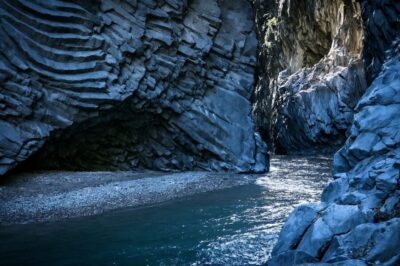 ★ 4.8Etna and Alcantara Gorges Full-Day Tour with LunchFrom $1051,766 reviews
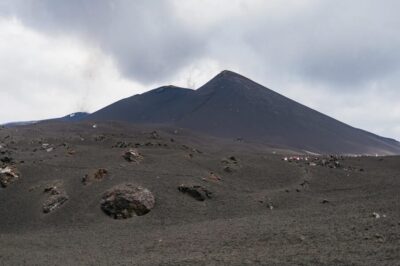 ★ 4.7Etna: summit craters trekking with volcano guide 3350mtFrom $771,712 reviews
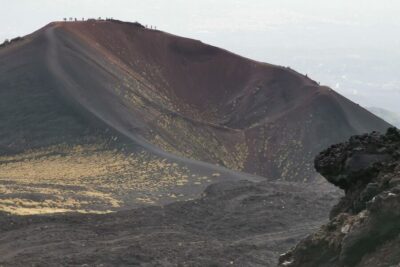 ★ 4.9Catania: Mount Etna Trekking Tour Beyond the Tourist TrailsFrom $811,596 reviews
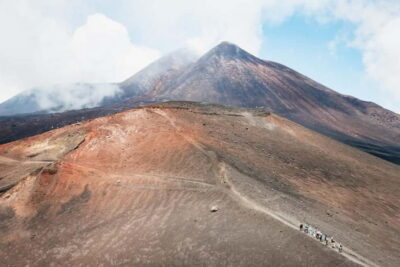 ★ 4.8Mount Etna: Guided Trek 3,000 Meters to the SummitFrom $1131,407 reviews
 ★ 4.8Catania: Etna Sunset Tour with Pickup and Drop-offFrom $711,348 reviews
 ★ 4.8Etna Sunset Tour: Volcano trek, Cave & tasting from CataniaFrom $701,290 reviews