
Reviewed · MOUNT ETNA TOURS & SUMMIT
Etna Morning Tour 2000 mt.
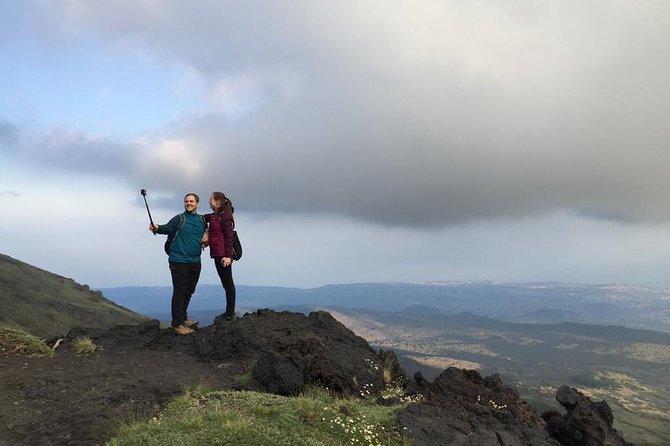
Etna feels like another planet at dawn. This morning tour strings together craters, Valle del Bove, and a lava-cave visit so you can see Etna from above and below, with geology explained in plain terms. I also like that you get the gear you need—helmet and torch—so you’re not stuck waiting on equipment or guessing what to do.
My other favorite part is the variety: lunar-black Silvestri Craters, an arid caldera at Valle del Bove, then a stop at Oro d’Etna in Zafferana Etnea for a taste of Etna’s land and people (honey, wines, and olive oil). One consideration: this isn’t a long, grueling hike. Plan on short, well-timed walks and viewpoints rather than a major trail day.
In This Review
- Key Things to Know Before You Go
- A Half-Day Circuit That Shows Etna in Two Worlds
- Pickup, Start Time, and What the 4 to 6 Hours Really Means
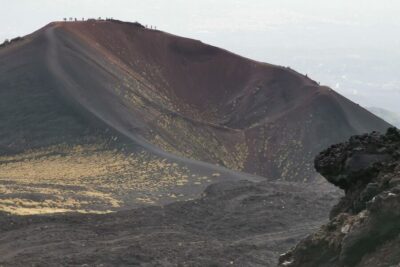
- Silvestri Craters: Lunar Black Dunes at 2000 Meters
- Valle del Bove Caldera: Desert-Like Volcanic Silence
- Down in a Lava Cave: Helmet, Head Caps, and Torch Time
- Colata Lavica 1992: Reading Lava Flows Close Up
- Zafferana Etnea at Oro d’Etna: Honey, Wines, and Olive Oil
- What’s Included, What’s Not, and What to Bring
- Price and Value: Is $114.89 Worth It?
- Guide Styles That Matter on Etna
- Who This Tour Fits Best (and Who Might Want Something Else)
- Should You Book the Etna Morning Tour?
- FAQ
- How long is the Etna Morning Tour?
- What time does the tour start?
- Is pickup available from Catania?
- Will I be able to explore the lava cave without bringing equipment?
- Is food included in the price?
- Does the tour run in bad weather?
- Can I get a full refund if my plans change?
Key Things to Know Before You Go
- Small-group feel (max 10 travelers) for a more hands-on guide experience
- Helmet, head caps, and torches provided for the lava cave part
- Silvestri Craters views at 2000 mt with scientific, on-the-spot explanations
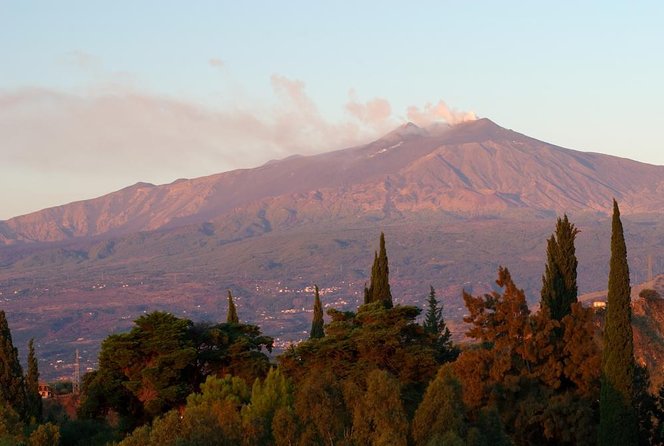
- Valle del Bove caldera stop for that desert-like volcanic emptiness
- Oro d’Etna farm tasting focused on Etna products like honey, wines, and olive oil
- No food or drinks included, so plan a snack strategy
More ways up the volcano from Catania
- Catania: Mount Etna Morning or Sunset Day Trip with Tasting
★ 4.8 · 4,028 reviews - Catania: Sunset Jeep Tour of Mount Etna and Lava Flow Caves
★ 4.8 · 2,113 reviews - Sicily: Etna and Alcantara Gorges Full-Day Tour with Lunch
★ 4.8 · 1,766 reviews - Mount Etna: Guided Trek 3,000 Meters to the Summit
★ 4.8 · 1,407 reviews
A Half-Day Circuit That Shows Etna in Two Worlds
The big reason to do this tour in the morning is simple: you pack in the visuals that most people only ever read about. You start with classic crater terrain, then you get the rare switch to the underground side of Etna with a lava cave visit.
You’ll also get help translating what you’re seeing. At stops like Silvestri Craters, the guide talks about the volcanological forces that shaped the black dunes and solidified lava you’re standing on. It’s the kind of info that makes the scenery click fast.
And because you’re going with a guide, you’re not just taking photos. You’re learning how Etna changes over time and what the landform clues are telling you—without needing a geology degree.
Pickup, Start Time, and What the 4 to 6 Hours Really Means
This tour starts at 8:00 am from designated meeting points in Catania, with pickup and drop-off offered. The advertised time is about 4 to 6 hours, and the schedule is built around several short stops, not all-day wandering.
That matters for your planning. If you’re the type who wants one long uninterrupted trek, you might feel a bit constrained by the frequent timing checks. But if you want a structured route that hits the main Etna highlights without eating your whole day, the pacing works.
You’ll also want to dress like you’re going to altitude and changing conditions. The tour runs in all weather, so bring layers you can adjust. Lava country can feel exposed, and you’ll appreciate a jacket even when the sky looks fine.
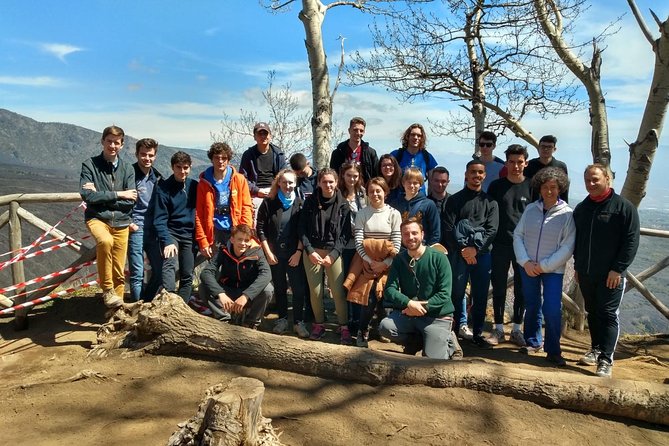
One practical note: the group size is capped at 10 travelers, which should keep things organized. Still, I’d ask the operator at booking whether small parties are ever split, especially if you’re traveling as a tight family group and you want to stay together the whole time.
Silvestri Craters: Lunar Black Dunes at 2000 Meters
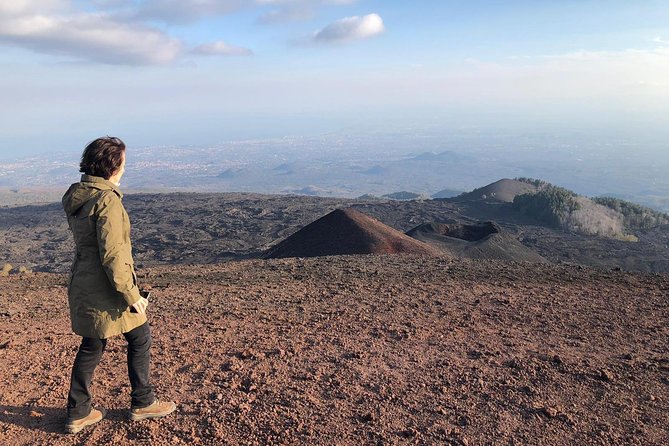
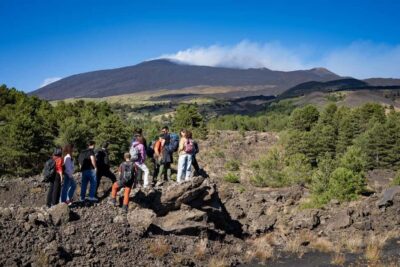
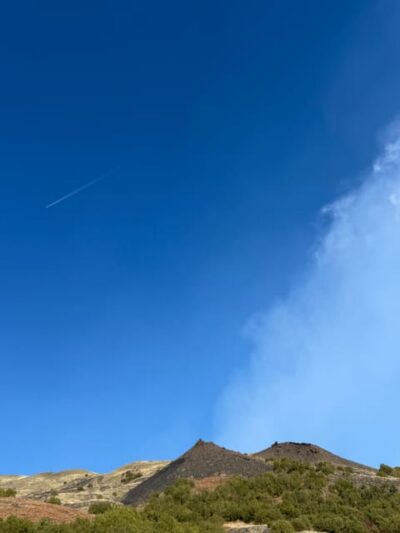
Your first major stop is the Silvestri Craters area, positioned around Mount Etna at roughly 2000 mt. This is the part people describe as lunar for a reason: the terrain looks like black dunes with expanses of solidified lava.
What I like here is the balance between wonder and explanation. You’re not just standing there guessing. The guide gives scientific context on the volcanological phenomena that created what you’re seeing. Even if you’re not into details, it helps you read the terrain instead of just admiring it.
You’ll have about 45 minutes at this stop, which is enough time for photos, short pauses, and letting the view sink in. If visibility is good, this is when the “Etna is real” moment tends to hit.
Practical tip: wear shoes with solid grip. Volcanic ground can be uneven, and you’ll be more comfortable if you’re sure-footed right away.
Valle del Bove Caldera: Desert-Like Volcanic Silence
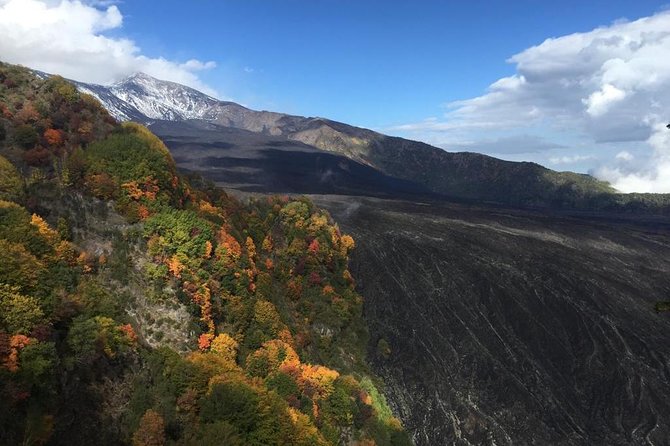
Next comes Valle del Bove, also called the Valley of the Ox. Expect an arid, desert-like depression with very little vegetation—so the focus becomes shape, scale, and absence.
The stop is shorter, about 20 minutes, but it’s visually strong. With the caldera spread out, you get a sense of how Etna’s eruptions and collapse events sculpt the ground. It’s one of those places where your eyes keep trying to find patterns, even if you don’t know the names yet.
This is also the part where your comfort matters. There may not be much shade, and the terrain can feel stark. Bring a hat or sunglasses if you run hot, and consider a light scarf for wind.
A few we would gladly point a friend toward in Catania
Down in a Lava Cave: Helmet, Head Caps, and Torch Time
Then you shift from daylight science to the underground version of Etna.
You visit a lava cave, and the tour provides the equipment: helmet, head caps, and torches. That equipment changes everything. Without it, you’d be stuck turning back fast. With it, you get to see Etna’s underground world with a guide keeping you oriented.
The cave stop is around 20 minutes. That’s long enough to feel the temperature difference and see how the walls, shapes, and cooled surfaces hold the story of past flows. It’s also short enough that most people can handle it without getting exhausted.
In terms of what to expect physically: think “walk and look,” not “technical climbing.” Still, be ready for uneven surfaces and low light. The guide helps you move through safely, especially if conditions inside the cave make footing less predictable.
If you have any mobility limits, this is worth flagging with the operator when you book, because the route inside caves can vary in how much walking is involved.
Colata Lavica 1992: Reading Lava Flows Close Up
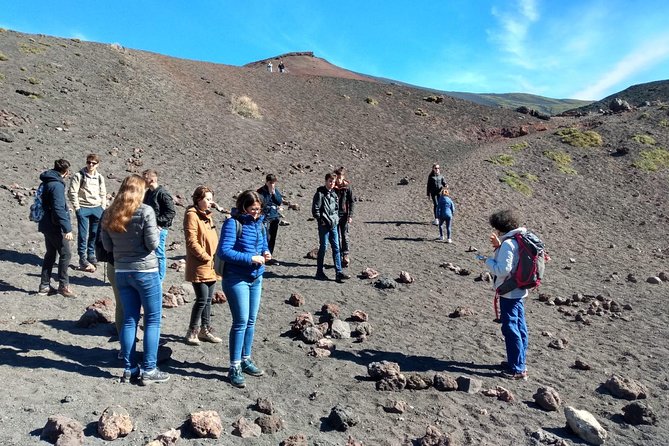
On the way, you get a stop to observe lava flows, including the Colata Lavica 1992 area. This segment also connects to a larger story: the tour points out a flow generated by the serious eruption period of 1991–93, described as the longest in recent Etna history.
This stop is about 20 minutes, and it works as a “now you get it” moment. After the craters and the caldera, you’ve already trained your eyes. Seeing the lava flows again—this time in a more specific way—helps you understand how eruptions leave layered clues.
Even if you just take a few steps and look carefully, you’ll likely notice how the cooled paths and edges tell on themselves. That’s the value of having a guide here: they’re not only pointing, they’re translating what you’re seeing into process.
Zafferana Etnea at Oro d’Etna: Honey, Wines, and Olive Oil
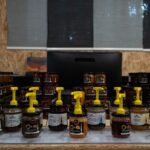
The final “Etna is a living culture” stop is at Zafferana Etnea, with a certified farm tasting experience called Oro d’Etna. You’ll spend about 30 minutes here.
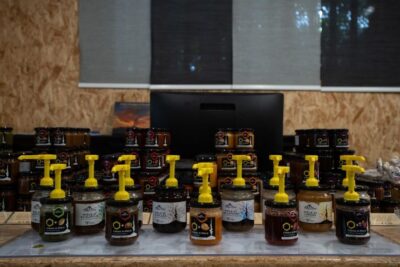
The tasting centers on volcanic-grown and local products. The tour description highlights honeys and fine wines, and the highlights section adds olive oils—which fits right into how Etna’s slopes support agriculture.
This is not a long winery tour. It’s a short, friendly taste with a focus on what the region makes. If you like food travel that’s connected to place, this part gives you a different kind of souvenir than photos.
One smart move: plan to drink water before you start tasting. You’re at altitude, moving around earlier, and you’ll likely want your energy for the drive back.
What’s Included, What’s Not, and What to Bring
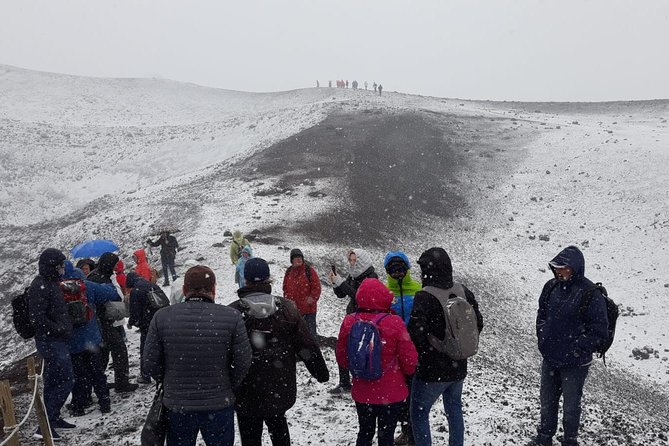
Included in the price is a driver/guide plus a professional naturalistic guide, plus pickup and drop-off from meeting points in Catania. You also get helmet, head caps, and torches for the cave portion.
What’s not included: food and drinks. So bring your own water, or plan a pre-tour snack. If you’re prone to getting shaky before noon, don’t wait on the farm tasting to fix it.
What I’d bring:
- Comfortable grip shoes (volcanic terrain can be uneven)
- Layers (the tour runs in all weather)
- Sunglasses/hat if the sky is clear
- A small snack if you get hungry between stops
Price and Value: Is $114.89 Worth It?
At $114.89 per person, this tour isn’t cheap, but it’s not random pricing either. You’re paying for four real components that are costly or complicated to DIY:
- Guided geology storytelling at multiple Etna landmarks
- Cave gear (helmet, head caps, torches) supplied by the operator
- Transport with Catania pickup and drop-off
- A farm tasting of Etna products as part of the experience
If you tried to piece this together yourself, you’d spend time on transportation, arranging cave access, and figuring out where to stand for the best views. The tour keeps the whole flow efficient.
Also, the tour is small (max 10 travelers), and the overall ratings are strong: 4.8 out of 5 based on 114 reviews, with 98% recommended. That suggests the guides and basic experience are consistently landing well.
If you’re the type who values comfort and clarity—someone to tell you what to look at and when—you’ll likely feel good about the price.
Guide Styles That Matter on Etna
One thing I really appreciate about this style of tour is how much the guide can shape your understanding. Names you might meet include Florinda, Simone, Aristides, Daniela, Leonardo, and Marilena—and across the guide experiences, the common theme is enthusiasm mixed with practical pacing.
For families, this is especially important. One private tour experience described guides who were patient and supportive with a 7-year-old and a disabled traveler, which is exactly the kind of attitude that makes a half-day plan work for mixed groups.
If you want a lively guide, Florinda is described as fun and knowledgeable. If you prefer an easy, passionate educator vibe, Simone and Leonardo show up in the record that way. If you’re hoping for clear explanations and plenty of conversation time, Marilena stands out.
Bottom line: on Etna, you’ll see a lot in a short window. A good guide helps you notice more, understand faster, and feel less rushed.
Who This Tour Fits Best (and Who Might Want Something Else)
This tour fits best if you want:
- A structured morning that hits multiple famous Etna stops
- A real lava cave experience with equipment provided
- Enough time for photos without feeling like you’re sprinting all day
- An added farm tasting as a final payoff
You might want to consider a different option if you’re looking for:
- A long, hiking-heavy day with lots of trail time
- A totally hands-off experience where you just wander with no guidance
Also, if you’re sensitive to vehicle comfort, ask about the transport van size. One experience mentioned a tight squeeze in the vehicle, so it’s worth checking if you’re tall or share space stress easily.
Should You Book the Etna Morning Tour?
Yes—if you want a smart, efficient introduction to Mt. Etna with both surface sights and an underground stop. The combination of Silvestri Craters, Valle del Bove, and a lava cave with helmet and torch gear is exactly what makes this route feel worth your travel time.
Book it especially if you like guided learning that doesn’t require effort. You’ll get the “why” behind the scenery, not just the “what.”
I’d think twice if you know you want long hikes and lots of walking time. This is a half-day circuit built around viewpoints and short segments, so keep expectations aligned.
If you can, pick this tour as your first Etna morning in Sicily. After this, you’ll have a much easier time picking what else to explore.
FAQ
How long is the Etna Morning Tour?
It runs about 4 to 6 hours.
What time does the tour start?
The start time is 8:00 am.
Is pickup available from Catania?
Yes. Pickup and drop-off are offered from designated meeting points in Catania.
Will I be able to explore the lava cave without bringing equipment?
Yes. Helmets, head caps, and torches are provided.
Is food included in the price?
No. Food and drinks are not included.
Does the tour run in bad weather?
Yes, it operates in all weather conditions, so dress appropriately.
Can I get a full refund if my plans change?
Yes. You can cancel up to 24 hours in advance for a full refund.
More Tours in Catania

More Tour Reviews in Catania
More Etna Summit Treks We Have Walked
Just added: the newest Catania tours in our notebook
- Transfer Catania / Agrigento Airport★ 5.0 · 3 reviews
- Sicily private shore excursion – Etna and Taormina with personal driver★ 3.5 · 3 reviews
- Sunset Trekking on Mount Etna★ 5.0 · 3 reviews
- Private Transfer from Catania to Palermo or vice-versa with stop★ 5.0 · 3 reviews
- From Syracuse: Mount Etna Volcano Morning Trekking Tour★ 5.0 · 3 reviews
- Catania: Guided Street Food Tour with Tastings★ 5.0 · 3 reviews
Mount Etna Tours & Summit, compared.
 ★ 4.8Catania: Mount Etna Morning or Sunset Day Trip with TastingFrom $704,028 reviews
 ★ 4.8Catania: Sunset Jeep Tour of Mount Etna and Lava Flow CavesFrom $712,113 reviews
 ★ 4.8Etna and Alcantara Gorges Full-Day Tour with LunchFrom $1051,766 reviews
 ★ 4.7Etna: summit craters trekking with volcano guide 3350mtFrom $771,712 reviews
 ★ 4.9Catania: Mount Etna Trekking Tour Beyond the Tourist TrailsFrom $811,596 reviews
 ★ 4.8Mount Etna: Guided Trek 3,000 Meters to the SummitFrom $1131,407 reviews
 ★ 4.8Catania: Etna Sunset Tour with Pickup and Drop-offFrom $711,348 reviews
 ★ 4.8Etna Sunset Tour: Volcano trek, Cave & tasting from CataniaFrom $701,290 reviews