
Reviewed · MOUNT ETNA TOURS & SUMMIT
Etna 3000m
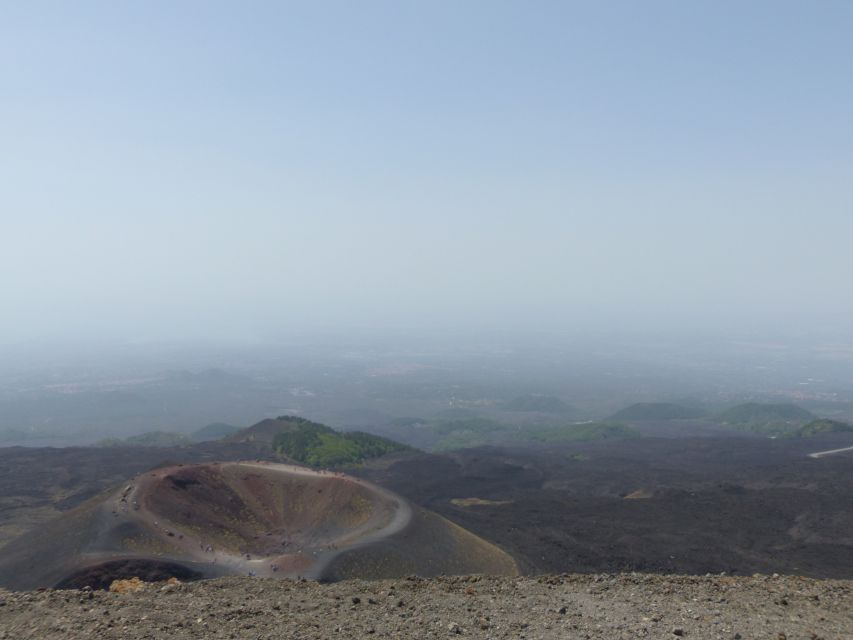
Etna feels like another planet. On this Etna 3000m style trip you’ll go high enough to see active summit craters with steam, degassing, and the occasional small explosion, all with certified guides who keep the science readable (and the mood light). I also like the convenience of pickup from your accommodation in the Catania area, which cuts out the stress of getting yourself up the mountain. One consideration: the advertised 3000 m is more of a headline, and for safety the tour reaches a max of 2750 m, with the cable car ticket not included.
You’ll be on the go for about 5 hours, starting at 08:30, mixing cable car segments, a bus transfer, and short on-foot time. It’s a great pick if you want a serious volcano experience without burning an entire day—just be realistic about weather and visibility on Etna.
In This Review
- Key things to know before you go
- From Catania pickup to mountain transfers: how the timing really works
- Cable car to Sapienza and the real max height: 2750 m
- Chasing steam and small explosions near the active craters
- The accessible 2000 m trek: where good shoes pay off
- Lava cave visit: worth it if you like underground geology
- Typical products tasting: a quick Sicilian reset
- Guides and drivers: why the human touch matters on Etna
- Price and value: $79 is only part of the cost
- Weather, clouds, and the reality of crater visibility
- Who should book Etna 3000m from Catania (and who shouldn’t)
- The practical checklist: what to bring and what to confirm
- Should you book this Etna 3000m tour?
- FAQ
- Do I get picked up from my accommodation in Catania?
- Is the cable car ticket included in the $79 price?
- What is the maximum altitude you can reach on this tour?
- How long is the Etna tour?
- What activities are included besides the volcano viewpoint?
- What languages are the guides available in?
- Is the tour suitable for people with altitude sickness?
- What should I wear or bring?
Key things to know before you go
- Certified guidance: guides and drivers are certified, and the trip is explained in French, English, Italian, or Spanish.
- Active craters, not just viewpoints: you’re aiming for summit-area areas where you may see steam, degassing, and small bursts.
- The 3000m headline vs reality: safety limits put the maximum reachable height at 2750 m.
- Cable car ticket is extra: you’ll pay separately for the cable car portion (ticket details below).
- Short trek + cave time: there’s an accessible walk around 2000 m plus a lava cave visit.
- Weather can change everything: fog and low cloud can reduce or even eliminate summit visibility.
More ways up the volcano from Catania
- Catania: Mount Etna Morning or Sunset Day Trip with Tasting
★ 4.8 · 4,028 reviews - Catania: Sunset Jeep Tour of Mount Etna and Lava Flow Caves
★ 4.8 · 2,113 reviews - Sicily: Etna and Alcantara Gorges Full-Day Tour with Lunch
★ 4.8 · 1,766 reviews - Mount Etna: Guided Trek 3,000 Meters to the Summit
★ 4.8 · 1,407 reviews
From Catania pickup to mountain transfers: how the timing really works
This is built for people staying in and around Catania. Pickup is included at your accommodation in areas reachable by the tour’s vans, and your pickup time is listed as roughly 09:00–09:15. The tour start is shown as 08:30, so the practical move is to treat those times as guidance and then rely on your confirmation from the operator for the exact pickup window. If you’re trying to catch a train later that day, leave a buffer. Etna days have enough variables without adding your own.
Once you’re picked up, the plan is a mix of road transfer and high-altitude transport: cable car up, then a bus/minibus segment at higher elevations. The upside of this structure is that you spend your energy seeing and learning—not hiking uphill for hours.
The group setup is also where the certified drivers matter. You want someone comfortable with the mountain roads and the switching between transport modes, especially because the tour’s height is capped for safety and the day can involve waiting depending on how the mountain access runs.
Cable car to Sapienza and the real max height: 2750 m
Let’s clear up the biggest expectation gap right away. The tour is marketed as Etna 3000m, but the maximum height you can reach is 2750 m for safety reasons. The route works like this:
- You’ll go up via cable car, but the cable car portion leaves you at 2500 m.
- After that, you continue using the Etna bus to reach 2750 m.
- The cable car ticket is not included in the tour price. You get the cable car ticket once you arrive at the Sapienza refuge.
Why does this matter to you? Because your day has two layers of cost and two layers of control. The tour includes pickup and transfer service, but the cable car ticket includes its own components (cable car, off-road bus, and a volcanological guide). If you’re budgeting tightly, factor that in before you decide.
Also note the big one for health: this tour is not suitable for people with altitude sickness. If altitude already hits you on day trips, don’t push it here. Etna’s elevation jump happens fast.
Chasing steam and small explosions near the active craters
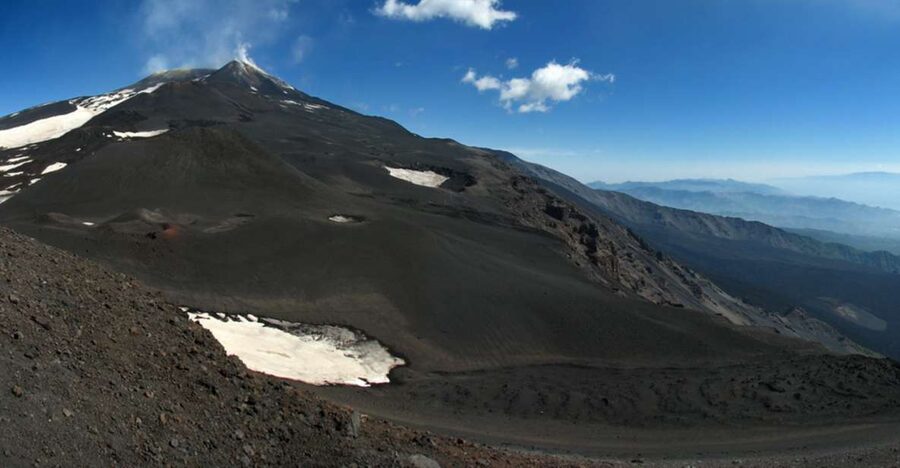
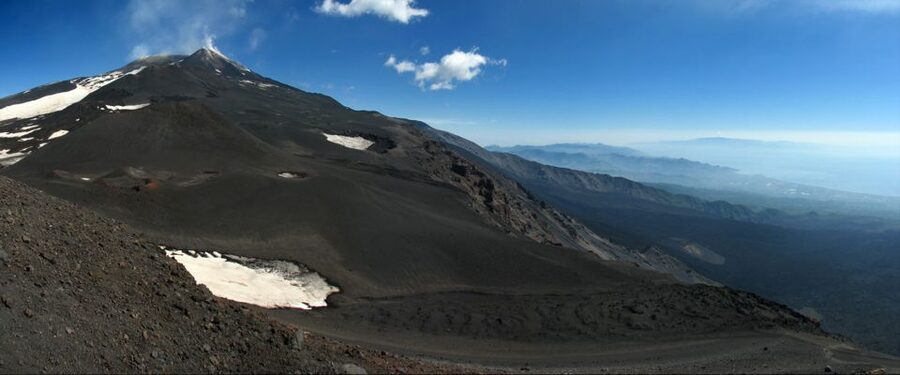
This is the heart of the experience. The goal at altitude isn’t just a photo at a distance—it’s being close enough to observe the active summit behavior: steam, degassing, and potentially small explosions. That’s what gives Etna its mythic reputation, but it’s also what makes the trip feel special even if you’ve seen volcanic images before.
In the real world, though, Etna is not a theme park. Conditions change. When visibility is poor—like low cloud—your ability to see the summit can drop quickly. One of the most common frustrations with volcano tours is not the organization, but the day’s atmosphere. If the mountain is shrouded, you might get less crater time than you hoped, even with a solid guide doing their best.
So I’d plan for this mentally: you’re buying access to a high-altitude experience with a strong chance of crater activity, not a guarantee of a clear, textbook view.
The accessible 2000 m trek: where good shoes pay off
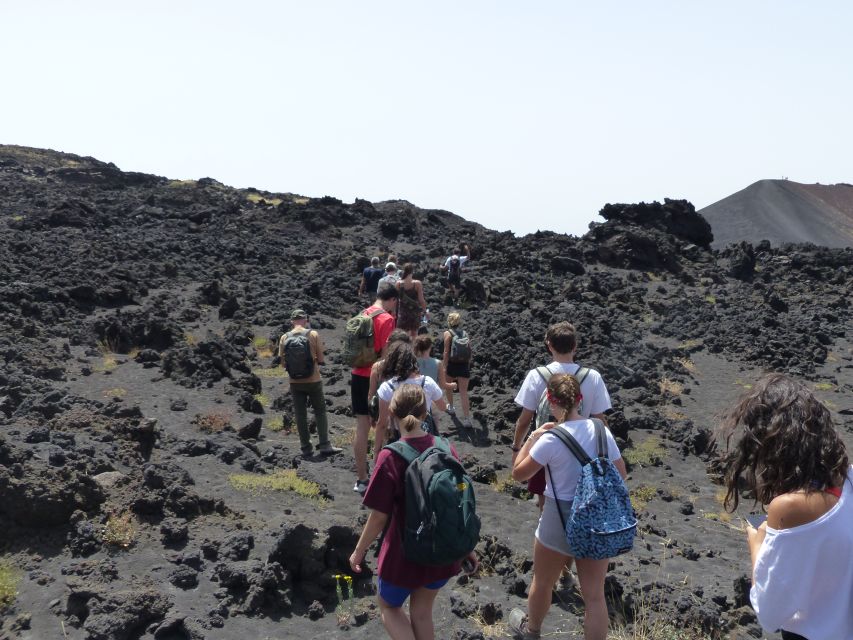
The tour includes trekking that’s described as accessible to all for 2000 m. Translation: you get some on-foot time so you’re not only sitting in vehicles. It also helps you understand what you’re looking at. Volcanic terrain reads differently when you can walk it—even briefly.
This part is also where closed-toe shoes matter. Etna can be rocky and uneven, and you don’t want to gamble with sneakers that slip or shoes that aren’t made for cold, dust, or grit.
One more practical point: because the day is time-pressured (about 5 hours total), the trek is likely short and efficient. That can be a plus if you prefer movement without a long hike. If you’re the type who wants deep wandering and lots of pauses, you may find the schedule a bit tight.
Lava cave visit: worth it if you like underground geology
A lava cave visit is part of the highlights, and it adds a different side of Etna’s story: the volcano isn’t only about what’s erupting now. It’s also about what used to flow, cool, and harden beneath the surface.
Here’s the balanced take: the cave experience can feel limited in scale. Some people think it’s small and doesn’t offer a lot of wow factor. Others still find the change in setting—moving from open summit air to the controlled underground world—interesting.
For your decision-making, treat this as a bonus stop rather than the main event. If your top priority is eruptive action and summit views, you’ll still get that focus. If you love geology details and are happy with a shorter cave visit, you’ll likely enjoy it more than someone expecting a long guided spelunking session.
Typical products tasting: a quick Sicilian reset
The tour also includes a taste of typical products. This matters because Etna is in Sicily, and the mountain experience works best when it’s tied back to daily life down in town—cheese, local flavors, and simple snacks that make the day feel grounded.
I like tastings like this because they break the long-distance feeling of the day. After vehicles, altitude, and volcanic talk, you get something small and human to focus on. Also, it’s low-effort. You’re not hunting for lunch in a time crunch; you’re sampling local items with the group.
Just keep expectations realistic: this is a tasting, not a full meal. The tour data also says food and drinks are not included, so plan for what you’ll eat elsewhere if you need a proper lunch.
Guides and drivers: why the human touch matters on Etna
The biggest differences between volcano tours usually aren’t the vehicles. They’re the people explaining what you’re seeing—and managing the day when access or visibility shifts.
This operator includes certified guides and drivers, and the names showing up in the experience include guides like Enrico, Marco, and Sylvia. The consistent theme is professionalism plus genuine enthusiasm. Enrico is described as professional, knowledgeable, and passionate, with a touch of humor that makes the science easier to follow. Marco is noted for knowing the area well, watching the group, and even adding small local curiosity stops. Sylvia’s energy also stands out when the group is moving through multiple transport segments.
There’s also a practical skill here: flexibility. Some days don’t go straight up to the highest points, especially when the cable car segment doesn’t allow the full height you hoped for. In those moments, a guide who can shift focus—like spending time on the cave stop and keeping explanations flowing—helps the day still feel full.
If you care about getting context for what’s happening on the mountain (instead of just staring at smoke), you’ll likely get value from the guide-led approach.
Price and value: $79 is only part of the cost
The headline price is $79 per person, and that’s a good start—but it’s not the entire budget if you want to ride the cable car. The tour explicitly does not include the cable car ticket.
The cable car ticket costs €86 for adults and €50 for children up to 10 years, and it includes the cable car, off-road bus, and a volcanological guide. Meanwhile, the tour price mainly covers pickup and transfer service plus the additional included parts like the lava cave visit and the typical products tasting.
So what does that mean for value?
- If you already planned to figure out your own transport and didn’t mind extra coordination, you might think this price is steep.
- If you want one coordinated setup from Catania with certified staff handling the transfers, $79 can feel reasonable, especially because you’re not just paying for transport—you’re also paying for the guided experience elements outside the cable car ticket.
A simple way to budget: think of it as “$79 for the tour package + the cable car ticket you pay separately.” The all-in cost won’t be tiny, but it buys convenience and a structured way to reach summit heights safely.
Weather, clouds, and the reality of crater visibility
Etna is famous for dramatic conditions. Sometimes that drama is visible; sometimes it’s a wall of cloud. Low cloud is one of the main reasons people end up disappointed, because it can block views and also affect what’s possible on the cable car and timing.
The key point is this: the company can’t manufacture visibility. But a strong guide can help you make the most of what you can actually see that day. When conditions are tough, you can still get value from the explanations and the non-summit stops like the lava cave and local tastings.
If you’re a “clear view or nothing” person, you might want to schedule this with flexibility in mind. The good news is there’s a free cancellation window listed: cancel up to 24 hours in advance for a full refund. That’s useful if you can watch the forecast and decide closer to departure.
Who should book Etna 3000m from Catania (and who shouldn’t)
This tour fits best if you:
- want a 5-hour volcano day (not a full-day marathon),
- like structured guidance with certified staff and multiple stops,
- want a mix of summit-area activity plus a lava cave and a tasting,
- are staying in Catania city or nearby areas reachable by van pickup.
It’s not a fit if you:
- have altitude sickness issues (explicitly not suitable),
- need a guarantee of clear summit views (conditions can reduce visibility),
- dislike compact itineraries and tight timing (there are notes about scheduling feeling tight).
Also, bring a realistic mindset: the summit area is the main draw, but the route is designed around safety limits and transport schedules, so the day is more about “best possible access” than perfect certainty.
The practical checklist: what to bring and what to confirm
You only get one specific clothing requirement listed: closed-toe shoes. Bring those, and choose shoes that can handle rough surfaces.
Then confirm two details before you go:
- Your exact pickup time from your accommodation (pickup is listed roughly 09:00–09:15, while departure is listed as 08:30).
- Your cable car ticket plan, since it’s not included in the tour price and is provided at Sapienza refuge.
Finally, if you’re traveling from elsewhere in Catania province, a transfer service is said to be available through the local partner, but it’s not included in the tour price—so check your total logistics early.
Should you book this Etna 3000m tour?
Book it if you want a well-paced Etna hit from Catania with certified guides, a shot at summit-area activity, and enough variety to keep the day interesting: crater observations, a short trek, a lava cave, and local tastings.
Skip it (or plan differently) if your main priority is a guaranteed summit view on a clear day, or if altitude affects you. Also, if you hate paying add-ons, remember the cable car ticket is a separate cost.
If you can stay flexible and you’re excited by the idea of seeing an active volcano at high elevation—even when weather might soften the visuals—this is a strong value way to experience Etna without spending the whole day in transit.
FAQ
Do I get picked up from my accommodation in Catania?
Yes. Pickup is included at your accommodation in Catania city and surrounding areas reachable by the tour vans. Pickup time is approximately 09:00–09:15, and you should be ready at your accommodation at the scheduled pickup time.
Is the cable car ticket included in the $79 price?
No. The cable car ticket is not included. You’ll get the ticket once you arrive at Sapienza refuge. The ticket price is listed as €86 for adults and €50 for children up to 10 years.
What is the maximum altitude you can reach on this tour?
For safety reasons, the maximum height you can reach is 2750 meters. The cable car takes you up to 2500 meters, then the Etna bus goes from there to 2750 meters.
How long is the Etna tour?
The duration is about 5 hours. The tour start time is shown as departure at 08:30, with pickup time approximately 09:00–09:15.
What activities are included besides the volcano viewpoint?
The tour includes a lava cave visit and a tasting of typical products. It also includes trekking that is described as accessible for 2000 meters.
What languages are the guides available in?
The live tour guide is available in French, English, Italian, and Spanish.
Is the tour suitable for people with altitude sickness?
No. It is not suitable for people with altitude sickness.
What should I wear or bring?
Wear closed-toe shoes.
More Tour Reviews in Catania


More Etna Summit Treks We Have Walked
Just added: the newest Catania tours in our notebook
- Transfer Catania / Agrigento Airport★ 5.0 · 3 reviews
- Sicily private shore excursion – Etna and Taormina with personal driver★ 3.5 · 3 reviews
- Sunset Trekking on Mount Etna★ 5.0 · 3 reviews
- Private Transfer from Catania to Palermo or vice-versa with stop★ 5.0 · 3 reviews
- From Syracuse: Mount Etna Volcano Morning Trekking Tour★ 5.0 · 3 reviews
- Catania: Guided Street Food Tour with Tastings★ 5.0 · 3 reviews
Mount Etna Tours & Summit, compared.
 ★ 4.8Catania: Mount Etna Morning or Sunset Day Trip with TastingFrom $704,028 reviews
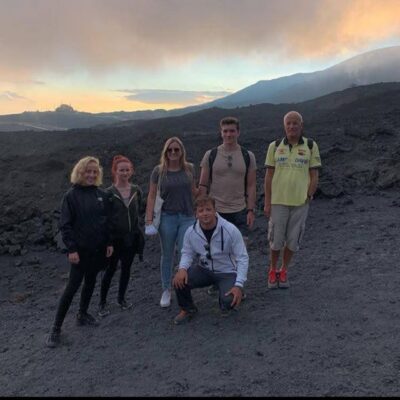 ★ 4.8Catania: Sunset Jeep Tour of Mount Etna and Lava Flow CavesFrom $712,113 reviews
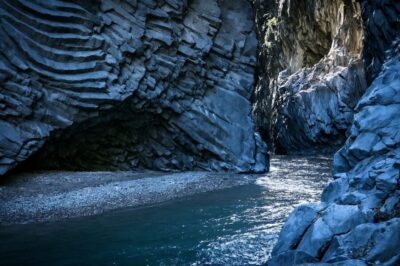 ★ 4.8Etna and Alcantara Gorges Full-Day Tour with LunchFrom $1051,766 reviews
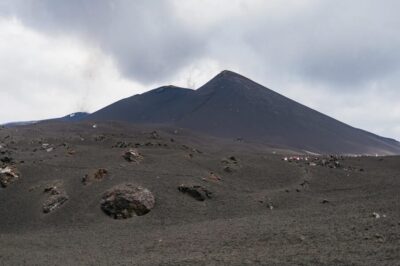 ★ 4.7Etna: summit craters trekking with volcano guide 3350mtFrom $771,712 reviews
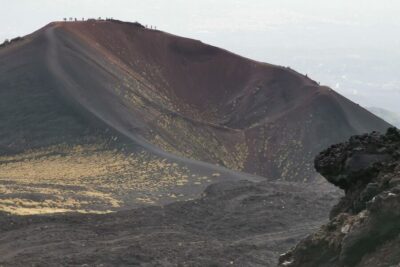 ★ 4.9Catania: Mount Etna Trekking Tour Beyond the Tourist TrailsFrom $811,596 reviews
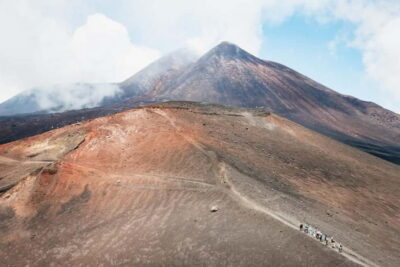 ★ 4.8Mount Etna: Guided Trek 3,000 Meters to the SummitFrom $1131,407 reviews
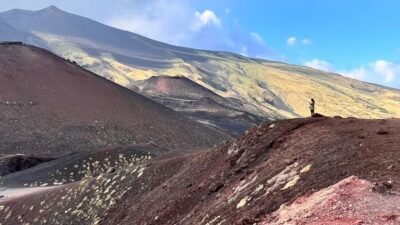 ★ 4.8Catania: Etna Sunset Tour with Pickup and Drop-offFrom $711,348 reviews
 ★ 4.8Etna Sunset Tour: Volcano trek, Cave & tasting from CataniaFrom $701,290 reviews