
Reviewed · PALERMO CITY TOURS
Discover Palermo
Palermo can feel like a whole history book outdoors. This walking tour strings together the city’s baroque sights, Norman-era stories, and a market stop so you get real context fast, without burning the day. I like that it stays small (max 10) and that the guide focus is on how the city works—architecture, faith, and food—rather than just names on stone. One thing to consider: a few key stops involve optional paid entries, so your final spend depends on how many churches or the opera stop you choose.
The route is built for first-time orientation: you start at Piazza Pretoria and finish near Teatro Massimo at Piazza Giuseppe Verdi. You’ll move through the historic center at a comfortable pace over 2 to 3 hours, with English guidance. In rainy weather, you’ll still walk, but you may find it harder to hear your guide if conditions are loud or visibility is low.
The payoff is practical and enjoyable. You’ll stand in major squares like Quattro Canti, step inside meaningful religious spaces (when access allows), and end with the sights and smells of Capo Street Market. If you’re traveling with teens, guides like Barbara, Manuela, and Lara are repeatedly praised for keeping everyone engaged.
In This Review
- Key Takeaways Before You Go
- Walking Palermo With a Small Group (and Why It Matters)
- Piazza Pretoria: Fountain of Shame and Palermo’s Baroque Stage
- Quattro Canti to Santa Caterina Cloister: Squares, Faith, and Real-Life Convent Life
- La Martorana (When Open) and the Church-Route Backup Plan
- Giudecca Steps and Chiesa del Gesù’s Marble Impact
- Cattedrale di Palermo: Norman Tombs and Santa Rosalia’s Silver Chapel
- Capo Street Market and Teatro Massimo: Food and Power at the Same Time
- Price and What You’re Really Paying For
- Who This Tour Fits Best (and Who Might Feel Chafed)
- Should You Book Discover Palermo?
- FAQ
- How long is the Discover Palermo walking tour?
- What is the price per person?
- Is the tour in English?
- Where do I meet the guide?
- Where does the tour end?
- Is La Martorana always included?
- Are church and opera entries included?
- Is there a limit on group size?
- Is the tour suitable for most people?
- Can I cancel for free?
Key Takeaways Before You Go
- Small group size (up to 10) means more time for questions and less waiting around.
- Baroque “wow” points are spread out—Piazza Pretoria, Quattro Canti, and marble-heavy churches.
- Market time at Capo Street Market helps you turn sightseeing into actual local food instincts.
- La Martorana is not guaranteed for visits; if it’s closed, the tour offers an alternative route.
- Plan for optional entrance fees at several stops (churches and Teatro Massimo).
- A guide makes the difference—many guests highlight names like Barbara, Manuela, Margarita, Lara, and Stefani.
The rest of what Palermo puts on
- Palermo: NO Mafia Walking Tour
★ 4.8 · 2,431 reviews - Palermo: Hop-on Hop-off Bus Tour 24-hour Ticket
★ 3.9 · 2,410 reviews - Palermo Original Street Food Walking Tour by Streaty
★ 5.0 · 2,105 reviews - Segesta, Erice and Salt Pans Full-Day Excursion from Palermo
★ 4.2 · 1,791 reviews
Walking Palermo With a Small Group (and Why It Matters)
This is a guided walking tour built around speed with substance. You’re looking at roughly 2 to 3 hours, so it’s ideal when you want big highlights without turning your vacation into a full-day march. With a maximum group size of 10, it’s easier to stay together in tight streets and easier for the guide to keep the flow.
You’ll meet at Piazza Pretoria and finish at Piazza Giuseppe Verdi, near Teatro Massimo. That means you start in the middle of the most photogenic historic core and you end where you can keep wandering on your own. The tour uses English, and you get a mobile ticket, which is a small thing that still saves time.
One practical note: because it’s a city-center walk, good shoes matter more than fancy shoes. And because some stops require paid entry, it helps to decide early how many interiors you want to pay for, especially if you’re traveling with a group.
Piazza Pretoria: Fountain of Shame and Palermo’s Baroque Stage
Piazza Pretoria is one of those places where the photos don’t fully explain it. You’ll see the famous fountain in white Carrara marble—the so-called fountain of shame—and you’ll also get the larger square context: government buildings nearby and the baroque church presence that shapes what you see here.
What I like about this stop is how it teaches you how Palermo puts on a show in public space. You don’t just see pretty facades; you get clues about power, wealth, and the city’s taste for dramatic architecture. It’s also a quick, low-stress first landing spot, so you can orient yourself before the streets narrow and the route builds momentum.
Expect the stop to be about 20 minutes. It’s enough time to look around, snap a few solid pictures, and understand why the square matters—without turning it into a long sit-down history lecture.
Quattro Canti to Santa Caterina Cloister: Squares, Faith, and Real-Life Convent Life
Next comes Quattro Canti, the center of the historic core and a classic seventeenth-century Baroque square. This is one of those “you can’t miss it” corners where the design helps you understand the street grid and how different parts of the city used to connect. It’s short—about 15 minutes—but it’s a strong visual anchor for the rest of the walk.
From there, you move to the Church and Monastery of Santa Caterina d’Alessandria. This stop stands out because it’s not only about church walls. You get the cloister experience, and the monastery includes a spot for monastic confectionery inside. That means you can connect architecture to daily life—how faith spaces also handled hospitality and food culture.
A possible add-on is a visit to the baroque church itself, but that’s not included and would be paid by you if available. The cloister is the main event, and it’s the part that gives you the “slow down and look” feeling. Expect around 20 minutes here.
Tip: if the paid church option is offered while you’re there, decide quickly. If you’re on a tight schedule, focus on what’s included and keep your energy for later stops.
La Martorana (When Open) and the Church-Route Backup Plan
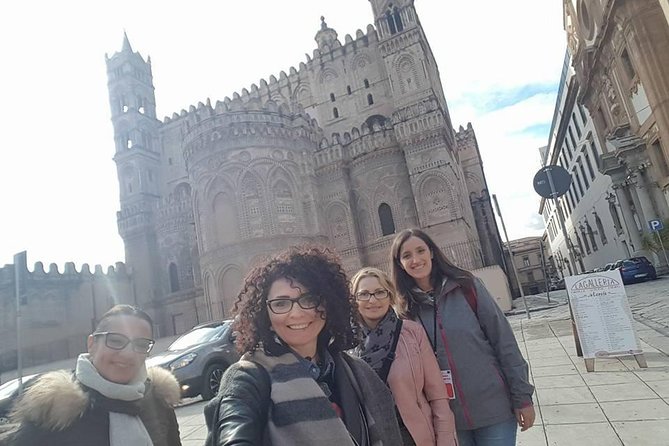
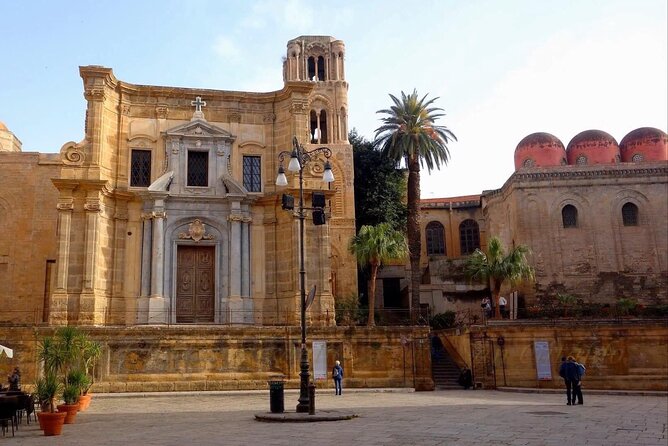
Santa Maria dell’Ammiraglio—often called La Martorana—is a star stop on paper. It’s known as a rare mix of Norman and Baroque art, and it’s one of Palermo’s standout churches. But here’s the key practical detail: visits depend on whether the site is available for public access.
If La Martorana isn’t open, the tour offers an alternative or adds another church route (the listing mentions Church of Jesus as the backup option). That’s good to know because it prevents the tour from feeling like it’s stuck in limbo. You’ll still keep moving through important religious architecture, but the exact interior can shift.
The duration for this segment is about 20 minutes, and entrance is not included for this church stop. So if churches are your top priority, you’ll likely want to budget for at least one paid interior as you go.
I also like that this stop is designed to teach you what you’re looking at: not just art for art’s sake, but how cultures layered over time in Palermo.
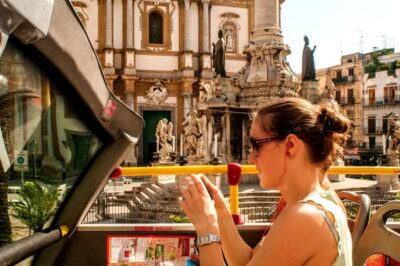
Giudecca Steps and Chiesa del Gesù’s Marble Impact
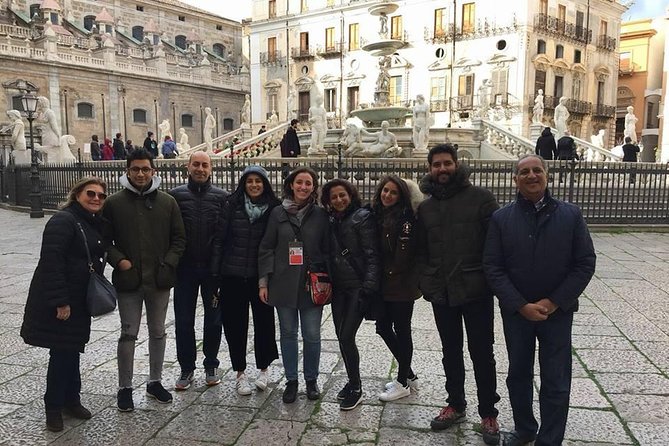
You’ll then walk into the Giudecca, part of the Meschita neighborhood, tied to Palermo’s Jewish community history. The tour highlights that Jewish residents lived here until their expulsion in 1493. This is a meaningful change of pace: the architecture stays dramatic, but the story turns more serious and grounded.
It’s short—about 15 minutes—but it matters because it shows Palermo wasn’t one culture at a time. It was many communities stacked over centuries, sometimes peacefully, sometimes brutally.
After that comes Chiesa del Gesù, a church described as an astonishing example of Palermo Baroque. The headline feature is the rich marble decorations, the kind of interior that makes you slow down even if you’re not usually a museum person. Entrance is not included here either, so you decide whether you want to pay for the interior based on time and interest.
Expect around 25 minutes for this segment. This is also a stop where a good guide helps a lot—what looks like decoration from outside becomes a guided lesson once you’re inside.
Cattedrale di Palermo: Norman Tombs and Santa Rosalia’s Silver Chapel
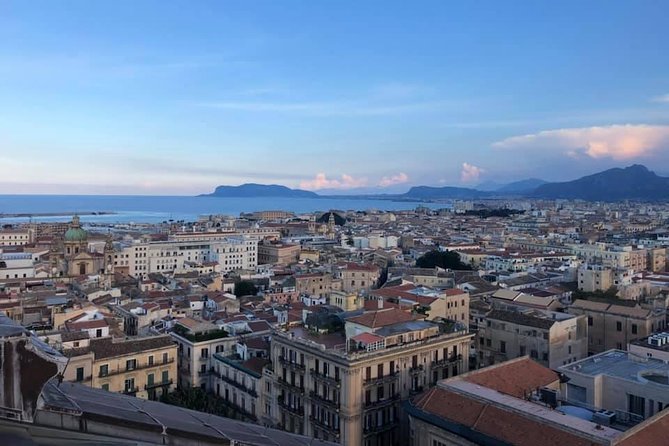
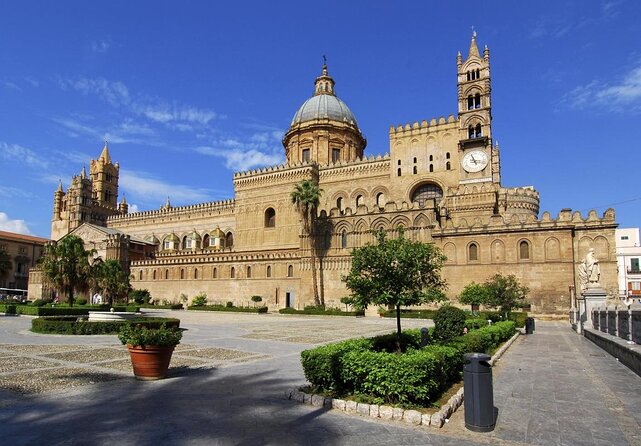
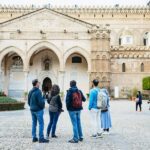
When you reach Cattedrale di Palermo, you’re stepping into the city’s big religious hub. The listing describes it as a palace of different styles and cultures, and the reason is right there inside: it’s the most important church in the city for the tombs of the Norman kings and the silver chapel of Santa Rosalia.
This is the kind of stop that rewards attention. If you like stories with physical landmarks—dynasties, faith, art in stone—this church gives you both scale and specificity. And unlike some other churches on the route, the cathedral itself is noted as free admission.
Plan for about 20 minutes. That’s enough time to get the main sights and connect the Norman-era influence to what you’ve already been seeing in the Baroque spaces. You’ll also get momentum back into your feet afterward, because the walk keeps going toward the market.
Capo Street Market and Teatro Massimo: Food and Power at the Same Time
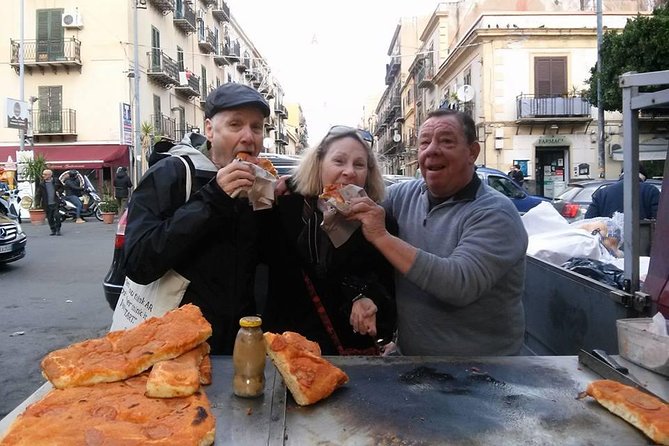
Palermo’s best “how do people actually live here?” moment often comes from food. You’ll hit Capo Street Market, described as a historical food market with fruit, vegetables, fish, and spices—the everyday pulse of the city.
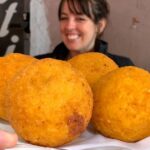
This stop is about 20 minutes, and it’s the right length: enough time to see the stalls, understand the vibe, and (if the guide recommends it) pick up a snack. In the feedback you’ll often see guests call out that the guides help them navigate the market for favorites like arancini. That’s not just helpful—it can prevent you from guessing wrong when you’re hungry.
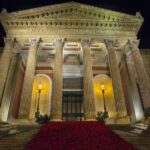
Then you finish near Teatro Massimo, the opera theater that the listing calls the most beautiful in Sicily, the largest in Italy, and the third largest in Europe, in a neoclassical style. This is a “big final look” stop around 15 minutes, and entrance is not included.
This ending is smart for two reasons. First, you don’t get stuck inside if you’re not buying tickets. Second, you can carry the dramatic mood of a major opera house into your next wandering hour.
Price and What You’re Really Paying For
The tour costs $54.42 per person, and that price makes sense if you think of it as a mix of guide time plus curated route design. You’re not paying for a full museum pass; you’re paying for a human who connects the dots between squares, churches, and a market area.
A major value point is that several stops are free, including Piazza Pretoria, Quattro Canti, Giudecca, and the cathedral. The trade-off is that some interior visits are not included, such as the church options at Santa Caterina (if you want the baroque church), La Martorana (when visited), Chiesa del Gesù, and Teatro Massimo.
So here’s how to estimate your total spend without guessing prices you don’t know: plan to potentially add entrance fees for at least one or two paid churches, plus Teatro Massimo if you want to go inside. If you’re the type who prefers photos from the outside and saves money on interiors, this tour can still feel worth it because it gives you strong exterior architecture and key stories.
Also, because the group is capped at 10, you get better odds of hearing your guide clearly compared to bigger tours—though in rain or crowds, sound can still get tricky.
Who This Tour Fits Best (and Who Might Feel Chafed)
This is a great pick if you want your first introduction to Palermo to feel organized but not stiff. It works especially well for people who care about architecture, faith history, and local daily life—because the route links those themes instead of treating them as separate “attractions.”
It also fits families. Several reviews mention guides keeping teens engaged, with stand-out names like Barbara, Manuela, and Lara showing up again and again for making the walk fun and readable for younger listeners.
If you’re someone who hates walking—this is still a city-center walk over a couple hours. And if you dislike paying additional entrance fees on the spot, you may feel the cost creeping upward, especially if multiple churches are offered and accessible.
Rain is the one variable you can’t control. If weather is wet, I’d bring a hooded layer and be ready for a less pleasant scramble through slippery steps. Some guests also noted hearing issues when conditions made it harder to catch the guide clearly, so if you’re sensitive to noise, arrive mentally prepared and stay close to the guide.
Should You Book Discover Palermo?
If you want a fast, high-impact way to understand Palermo’s look and story, I’d book it. This tour’s biggest win is how it ties together Baroque squares, meaningful church stops, and a real market moment into one smooth loop.
I’d especially consider it if:
- you’re only in Palermo for a short time and want the essentials done well
- you love cities where food is part of the culture lesson, not an afterthought
- you’ll appreciate a guide who can tailor the pace for a mixed group (including teens)
Skip it (or rethink it) if you mainly want fully-ticketed attractions with no extra fees, or if you can’t handle a couple hours of walking through the historic center.
Overall, this one is priced like a smart intro: not cheap enough to be careless, not expensive enough to feel like a gamble. And when the guide is firing on all cylinders—as many of the praised names suggest—you end the walk with Palermo feeling less random and more readable.
FAQ
How long is the Discover Palermo walking tour?
It runs about 2 to 3 hours.
What is the price per person?
The price is $54.42 per person.
Is the tour in English?
Yes, it is offered in English.
Where do I meet the guide?
The start point is Piazza Pretoria, 90133 Palermo PA, Italy.
Where does the tour end?
The tour ends at Piazza Giuseppe Verdi (near Teatro Massimo), in Palermo.
Is La Martorana always included?
La Martorana is visit-dependent. If it isn’t available for visits, the tour proposes an alternative or additional route (the listing mentions Church of Jesus).
Are church and opera entries included?
Some stops are free, while several interiors are not included. Church and Teatro Massimo entrances are paid by customers when visited.
Is there a limit on group size?
Yes. The tour has a maximum of 10 travelers.
Is the tour suitable for most people?
The listing says most travelers can participate.
Can I cancel for free?
Yes. You can cancel up to 24 hours in advance for a full refund, and the experience requires good weather; if canceled due to poor weather you’ll be offered a different date or a full refund.
More Tour Reviews in Palermo
More Palermo, Start to Finish
Just added: the newest Palermo tours in our notebook
- Private Transfer from/to Trapani★ 5.0 · 3 reviews
- Private Tour from Palermo to Monreale, Santa Rosalia and Mondello★ 5.0 · 3 reviews
- Palermo: Cannolo & Cassata MasterClass★ 5.0 · 3 reviews
- Camporeale: Sallier de La Tour Wine Discovery Tour★ 4.6 · 3 reviews
- Sicily … A Love of a Lifetime★ 4.5 · 3 reviews
- Sicilian Cooking Class in Palermo – Private Option★ 5.0 · 3 reviews
Palermo City Tours, compared.
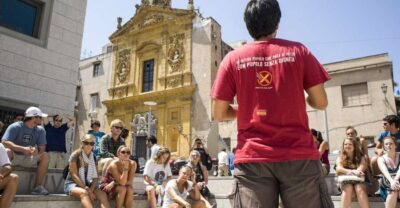 ★ 4.8Palermo: NO Mafia Walking TourFrom $402,431 reviews
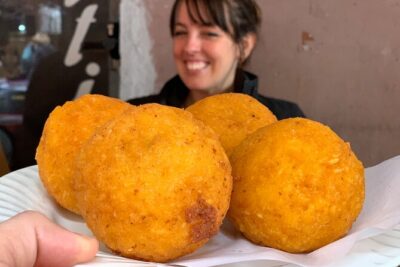 ★ 5.0Palermo Original Street Food Walking Tour by StreatyFrom $832,105 reviews
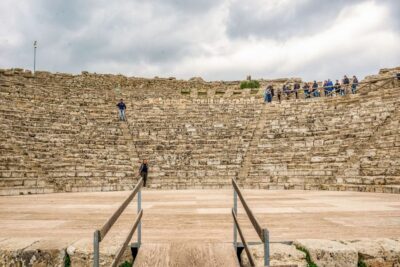 ★ 4.2Segesta, Erice and Salt Pans Full-Day Excursion from PalermoFrom $821,791 reviews
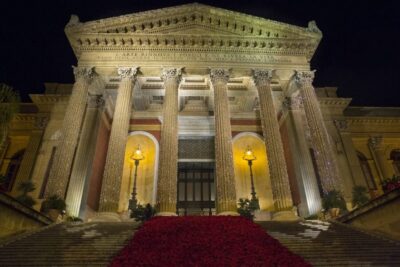 ★ 4.5Palermo: Teatro Massimo Opera House Guided TourFrom $141,573 reviews
 ★ 4.9Palermo: Street Food and History Walking TourFrom $571,486 reviews
 ★ 4.2From Palermo: Monreale and Cefalù Half-Day TripFrom $711,354 reviews
 ★ 4.2Palermo: Agrigento and the Valley of the Temples Day TourFrom $771,240 reviews
 ★ 5.0Palermo No Mafia walking tour: discover the Anti-mafia culture in SicilyFrom $391,011 reviews