
Reviewed · MESSINA TOURS
Cesarine: Small group Pasta and Tiramisu class in Messina
Your apron starts in a real home. In Messina, a Cesarine host teaches you by doing, from handmaking fresh pasta to finishing with tiramisù. I love the hands-on lesson style, and I love that the host welcomes you like part of the family, not like a distant customer.
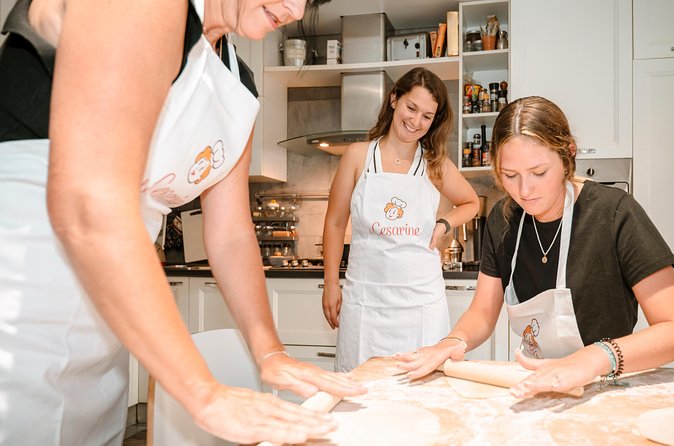
You’ll spend about 3 hours in a carefully selected local home, in a small group (up to 12). Expect instruction in English, plus coffee and/or prosecco while you cook and taste what you made.
One heads-up: this is a cooking-focused experience, not a sightseeing tour. If you want a long walk-around or lots of structured stops, you may find it’s simply too home-kitchen heavy for your day.
In This Review
- Key highlights worth planning around
- Cesarine in Messina: why this cooking class feels personal
- The start: meeting in Messina and getting set up fast
- Pasta workshop: learning the shapes, not just the ingredients
- Tiramisu workshop: the coffee-and-cream dessert that rewards precision
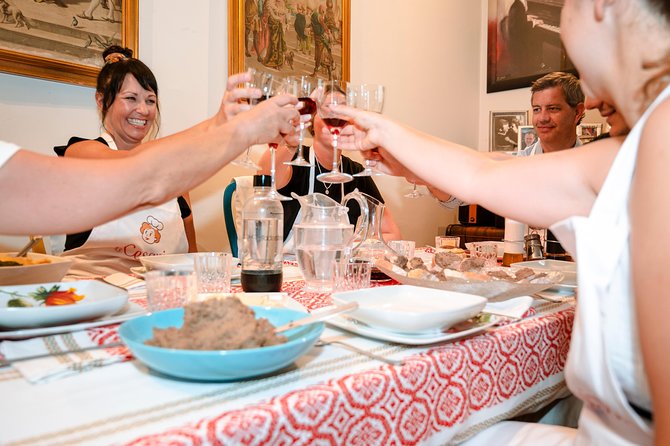
- What you actually eat: two pasta dishes plus tiramisù, served in the home’s rhythm
- Drinks during class: coffee and/or prosecco without losing focus
- Language and comfort: what English instruction really means in practice
- Price and value: does $162.19 make sense for 3 hours in Messina?
- Timing and how to fit it into your Messina day
- Who should book this class (and who might skip it)
- Should you book this Cesarine pasta and tiramisù class in Messina?
- FAQ
- How long is the Cesarine pasta and tiramisù class in Messina?
- What’s the group size limit?
- Is the class taught in English?
- What will I cook and eat during the class?
- Where does the class start and end?
- Is cancellation free?
Key highlights worth planning around
- Hands-on pasta + tiramisù taught in a home kitchen, not a studio
- Small group size (maximum 12) keeps the class interactive
- English instruction with clear step-by-step coaching from your host
- Coffee and/or prosecco shows up during the class, as you settle in
- You’ll taste two pasta dishes and tiramisù at the end of the session
A few more outings out of Messina
- The Godfather and Taormina Tour from Messina
★ 4.5 · 174 reviews - Etna and Taormina Tour from Messina
★ 4.5 · 152 reviews - Taormina and Castelmola from Messina Shared Group Tour
★ 4.5 · 141 reviews - Sicilian Street food tour: eat local in Messina
★ 5.0 · 119 reviews
Cesarine in Messina: why this cooking class feels personal
This Cesarine class in Messina is built around the idea that the best Italian food lessons happen at a real table. Cesarine is an old, trusted network of home cooks, so the teaching style tends to be practical: you learn the movements, you learn the timing, and you learn what to watch for while dough and fillings change texture.
What makes it click for me is the mix of skills. You’re not just learning one dish. You’ll make pasta by hand and then move straight into tiramisu, the dessert that lives or dies by technique (and patience). That combo gives you a full “how to cook” takeaway, not just a food souvenir.
And because it’s hosted in a local home, the experience naturally comes with warmth. You’ll likely feel the difference between a class that talks at you and one that guides your hands. Messina is also small enough that your evening meal afterwards feels connected to what you learned, instead of like you ate in a bubble.
The start: meeting in Messina and getting set up fast
The class begins in Messina, with the activity ending back at the meeting point. It’s near public transportation, so you can usually build it into your day without needing a complicated plan.
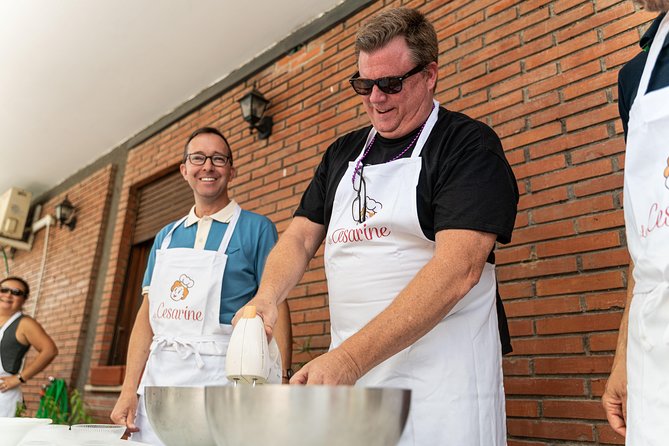
Once you arrive, the vibe shifts quickly from travel mode to cooking mode. You’ll get welcomed by your Cesarine host and brought into the kitchen flow. Based on previous experiences with Cesarine-style hosts (and how this is commonly run), you should expect a friendly “everyone participates” approach rather than a passive demonstration.
You also get coffee and/or prosecco as part of the experience. That matters more than it sounds. It helps you slow down, settle in, and keep your energy steady while you’re rolling dough, waiting on a component, and assembling dessert layers.
Pasta workshop: learning the shapes, not just the ingredients
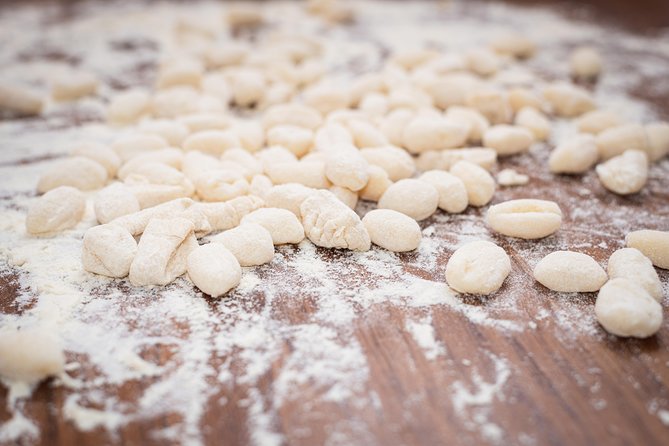
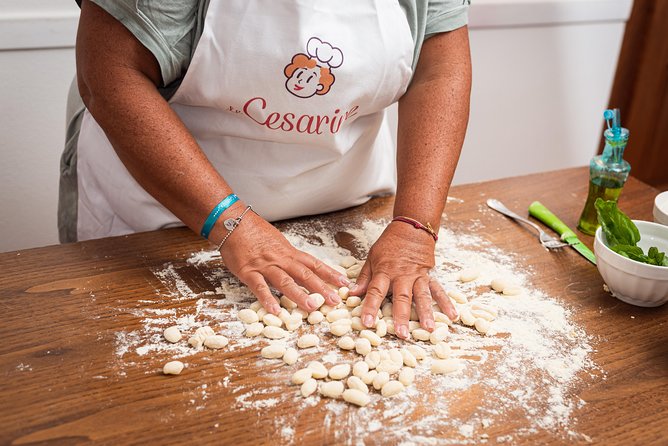
The main part of the class is the pasta lesson. You’ll learn to make pasta by hand, which is where the real value lives. Restaurant pasta is usually about buying time. Here, you buy understanding instead.
Even if you’re not a confident cook, you’ll be coached through each stage: preparing the dough, working it until it behaves correctly, and forming it into the pasta shape you’re learning. The goal isn’t perfection on a first try. It’s building the feel for what the dough should look like and how it should respond when you press, fold, and cut.
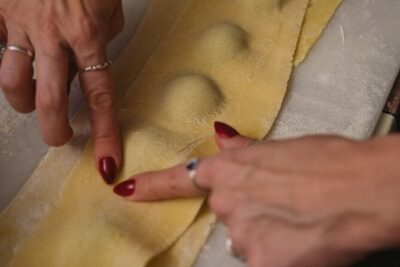
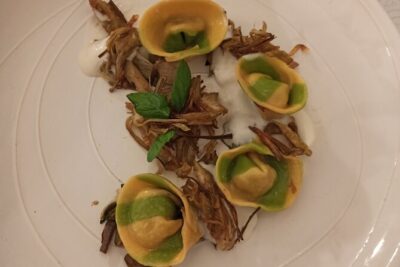
You’ll end up tasting two iconic pasta dishes made during the session. Some classes like this often include different styles such as egg-based pasta and filled pasta forms, with sauces that keep things distinctly Italian. You might see combinations like tomato-based sauce with a fresh pasta shape, and a filled pasta option with a creamy filling. The exact menu can vary, but you can count on variety: you’ll learn more than one way to shape and serve.
Practical tip: wear sleeves you can roll up without fuss. Your hands will be working dough, flour will happen, and it’s better to be comfortable than careful and stiff.
Tiramisu workshop: the coffee-and-cream dessert that rewards precision
After pasta, you move to dessert: tiramisù. This is the moment where the class becomes more than technique. It turns into a kitchen workout for your attention span—because tiramisu is about structure. The cream needs the right consistency, and the layers need to stay layered.
You’ll learn how to assemble it by hand, step-by-step, from building the base to creating clean layers. If you’ve ever had tiramisù that tasted good but collapsed into a soggy mess, this is exactly the skill you’re trying to fix: getting the balance so it’s sliceable and not watery.
Coffee shows up in a very practical way. Whether it’s part of the flavor plan or served alongside, the class keeps the coffee theme close, so you understand the dessert as a system, not as a set of ingredients thrown together at the end.
Dessert is also where you’ll start to appreciate the pacing. You don’t rush the final step. You assemble, taste, adjust, and then eat. That’s how you build repeatable confidence for making tiramisù at home later.
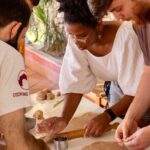
Hands in the flour, Sicily style
What you actually eat: two pasta dishes plus tiramisù, served in the home’s rhythm
This isn’t a snack class. You’ll taste two pasta dishes and tiramisù at the end. And because it’s a home-cooking setting, the pacing tends to be forgiving—you can eat at the rhythm of the kitchen, not the rhythm of a restaurant ticket system.
From an enjoyment standpoint, the best part is that you eat what you make. That sounds obvious, but it’s the difference between learning and performing. When you taste your own pasta, you immediately connect technique to outcome. When you taste the tiramisù you assembled, you learn how your cream and layering choices affect texture.
Portion size can surprise people in small classes like this. You’re making multiple items, and you’re not leaving hungry. If you’re the type who likes to graze all day, plan to adjust dinner plans. This session can easily cover your main meal plus dessert.
Drinks during class: coffee and/or prosecco without losing focus
Coffee and/or prosecco are included while you learn. For many people, that’s the sweet spot: a little something to make the experience feel like a real meal, not a chore.
The practical angle is that you’re not expected to be a wine expert. You’re expected to keep cooking, keep tasting, and keep learning. If you want non-alcohol options, you can still enjoy the process with coffee as the anchor.
If you do drink prosecco, treat it like a meal companion, not a party starter. You’ll be working with ingredients and tools, and cooking is easier when you stay steady.
Language and comfort: what English instruction really means in practice
This class is offered in English, and that’s a huge help. Still, cooking has a vocabulary all its own: flour vs. dough feel, dough thickness, filling consistency, and assembly steps.
A smart approach is to go in with a simple mindset: follow the demonstrations, ask one clear question at a time, and use translation tools if you need them. In situations like this, an audio translation app can help bridge quick moments without turning the class into a silent guessing game.
You don’t need to be fluent to succeed. You need to be willing to participate, even if your first attempt looks more like a warm experiment than a perfect plate.
Price and value: does $162.19 make sense for 3 hours in Messina?
At about $162.19 per person for roughly 3 hours, this sits in the “you’re paying for instruction and ingredients” category. In other words, you’re not just buying food—you’re buying time with a real home cook and learning two skill sets: pasta and tiramisù.
For value, look at what’s included:
- Hands-on teaching
- A small group (max 12)
- Two pasta dishes plus tiramisù to taste
- Coffee and/or prosecco
- The fact it’s taught in local homes through the Cesarine network
If you compare it to a typical paid cooking class in a kitchen outside your travel style, the home setting and the small group cap are part of what you’re paying for. Also, since it ends back at the meeting point and runs about 3 hours, it’s easy to plan around without a big time cost.
The main reason it might not feel like a deal is if you only want one dish or you’re not into hands-on cooking. For people who enjoy learning and eating what they make, it’s a good match for the price.
Timing and how to fit it into your Messina day
This is about a 3-hour block. That’s long enough to learn real skills, short enough to still enjoy an evening walk after.
Because it starts in Messina and ends back at the meeting point, you can plan it as the centerpiece of a half-day. I like doing this earlier rather than later, so your mind is fresh for techniques and your appetite is ready for the meal.
Also note the booking pattern: on average it’s booked around 44 days in advance. That’s a sign it fills up, especially in popular seasons. If your trip dates are firm, booking earlier gives you more choice.
Practical sanity check: bring a good attitude and plan to get a little flour on you. Your success won’t depend on being a food influencer; it’ll depend on showing up ready to cook.
Who should book this class (and who might skip it)
Book this Cesarine pasta and tiramisù class if you want:
- A hands-on Messina cooking experience with real technique
- A small group atmosphere (max 12)
- A full tasting that covers two pastas plus dessert
- English instruction with a warm, family-style host approach
It may not be ideal if:
- You want a pure sightseeing day with lots of locations
- You dislike cooking tasks and prefer watching from the sidelines
- Your schedule is so tight that a 3-hour block feels risky
Also, if you’re traveling with teenagers or a mixed-age group, this type of class can be a rare activity that keeps everyone engaged: you’re making, tasting, and laughing at the inevitable little dough mistakes.
Should you book this Cesarine pasta and tiramisù class in Messina?
I’d book it if your idea of a great Sicily day includes a real home experience and you want practical skills you can repeat. The pasta-and-tiramisu combination is the sweet spot: you learn two iconic dishes and you eat them in the same sitting, so the lesson turns into a meal you actually remember.
One last thought: treat it like a meal you’re cooking with someone, not a ticketed performance. If you show up curious, follow the steps, and accept that your first pasta attempt might be a little imperfect, you’ll walk out with confidence—and with dinner taken care of.
FAQ
How long is the Cesarine pasta and tiramisù class in Messina?
It runs for about 3 hours.
What’s the group size limit?
The class has a maximum of 12 travelers.
Is the class taught in English?
Yes. The experience is offered in English.
What will I cook and eat during the class?
You’ll make pasta and tiramisù by hand, and you’ll taste two pasta dishes plus tiramisù at the end.
Where does the class start and end?
It starts in Messina, and it ends back at the meeting point.
Is cancellation free?
Yes, you can cancel for a full refund up to 24 hours in advance of the experience start time.
More Tour Reviews in Sicily






More Cooking Classes to Book
More Out of Messina






Just added: the newest Sicily tours in our notebook
- Etna / Taormina★ 5.0 · 3 reviews
- Bikes★ 5.0 · 3 reviews
- Taormina shore tour – for small group cruise passengers★ 5.0 · 3 reviews
- Vegan Cooking Class in Catania with Lunch and Dinner★ 5.0 · 3 reviews
- Make & Taste Sicilian Desserts in Palermo – Learn Cannoli & More★ 5.0 · 3 reviews
- Sicilian Villages & Ricotta Tasting – including Lunch from Cefalu★ 4.0 · 3 reviews
Messina Tours, compared.
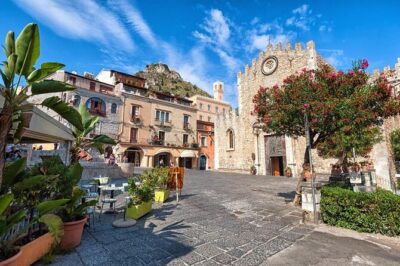 ★ 5.0Taormina and Castelmola Tour from MessinaFrom $114645 reviews
 ★ 4.52,5-Hour Messina Walking TourFrom $50291 reviews
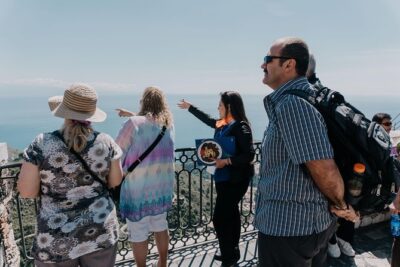 ★ 4.5Full Day Taormina and Castelmola Tour with Messina Shore ExcursionFrom $145237 reviews
 ★ 5.0From Messina : Taormina-Castelmola, dreamlike views!From $193204 reviews
 ★ 4.5The Godfather and Taormina Tour from MessinaFrom $120174 reviews
 ★ 4.5Etna and Taormina Tour from MessinaFrom $145152 reviews
 ★ 4.5Taormina and Isola Bella Day Tour with Boat Trip from MessinaFrom $145146 reviews
 ★ 4.5Taormina and Castelmola from Messina Shared Group TourFrom $145141 reviews
Browse the lists this tour appears in