
Reviewed · CEFALU TOURS
Cefalù: Cooking Class at a Local’s Home
In This Review
- Three Sicilian recipes, one family table.
- Key points I’d circle before you book
- Cooking at Rosamaria’s Cefalù home: what the experience feels like
- The 3 recipes you’ll cook: antipasti, fresh pasta, and tiramisu
- Your workstation setup: how the lesson stays hands-on
- Eating what you made: the table tasting with local wines
- Timing in Cefalù: 3 hours, typical start times, and how to plan your day
- Price and value: what $164.26 buys you (and why it can be worth it)
- Dietary needs and language support: you can make this work for most diets
- Who should book this Cefalù cooking class?
- Tips to get the most from your 3-hour Sicilian meal
- Should you book this Cefalù cooking class at a local home?
- FAQ
- How long is the Cefalù cooking class?
- What times does it usually start?
- What will I cook and taste?
- Are drinks included?
- Can the class accommodate dietary restrictions?
- Where is the meeting point?
Three Sicilian recipes, one family table.
What makes this experience fun is the pace and the setting: you cook in a local home with certified home cooks, then you eat what you made family-style with local wines. I especially like the hands-on teaching (you’re not just watching), and I also like that the lesson ends around the table with a real tasting. One thing to plan for: you’ll only get the exact address after booking, so give yourself a little time to find the meeting point.
This is also one of those rare food experiences where the chef’s personality matters as much as the cooking. The host I’m basing this on, Rosamaria, is known for being patient and warm, including when you’re struggling to make pasta look like hers.
More hours to spend in Cefalu
- Boat Excursions in Cefalù with Snorkeling & Aperitif
★ 4.8 · 457 reviews - Cefalù: History and Legends Guided Walking Tour
★ 4.8 · 132 reviews - Cefalù: Tandem Paragliding Flight and GoPro13 Video
★ 4.9 · 131 reviews - Cefalù: boat ride with swimming and aperitif and snorkeling
★ 4.8 · 100 reviews
Key points I’d circle before you book
- Hands-on cooking: you’re working at your own station with utensils and ingredients
- Three-course structure: starter, pasta, and dessert, all tasted at the table
- A real Sicilian home setting: including an outdoor kitchen experience in good weather
- Wine included with dinner: local wines plus water and coffee
- Dietary needs handled by request: vegetarian, vegan, gluten-free, and more
Cooking at Rosamaria’s Cefalù home: what the experience feels like
Cefalù can be very pretty and very touristy in parts, but this class brings you to the quieter, everyday side of Sicily—someone’s actual home kitchen and table. You don’t meet in a big group room. You meet in a real place, with a real rhythm: cook, taste, talk, repeat.
Rosamaria’s hosting style comes through clearly. People describe feeling like they were at an aunt’s place—coffee first, then cooking, then sitting down together. If you like experiences where you can ask questions and get honest answers, this kind of lesson usually works better than a scripted, classroom-only format.
There’s also a strong chance you’ll be cooking outside. In one review, the outdoor kitchen in the yard was part of what made the day special, and the meal continued afterward on her outdoor patio. If your visit is during cooler months or weather is unpredictable, you might find the kitchen setup adjusts—so it’s smart to dress for sitting and cooking outdoors (or plan for shade and layers).
The 3 recipes you’ll cook: antipasti, fresh pasta, and tiramisu
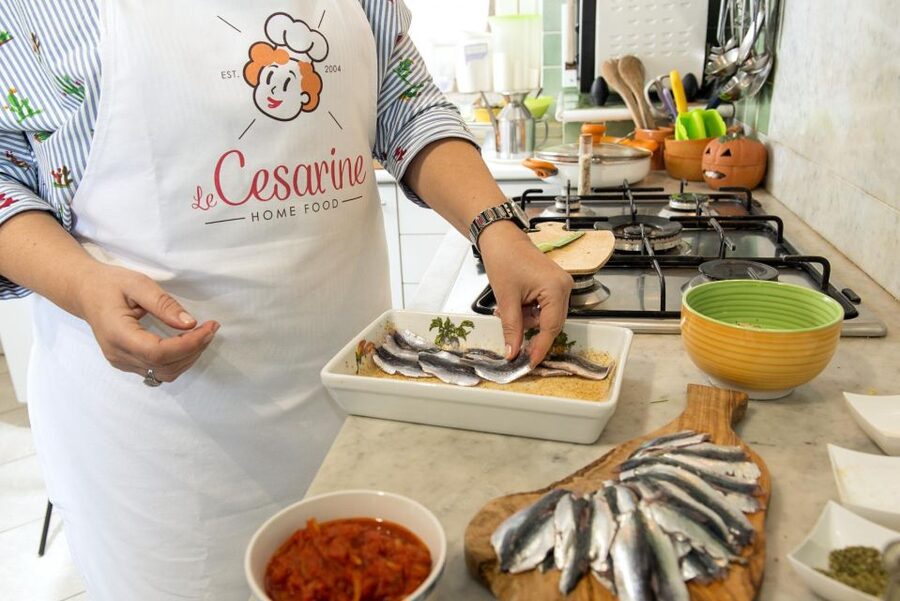
The class is built around three local recipes, grouped like a Sicilian meal. You start with a starter (often Sicilian antipasti), then move into fresh pasta, and finish with a dessert (tiramisu is specifically mentioned in reviews).
The starter portion matters because it’s where you learn how Sicilians think about flavor. Antipasti usually aren’t about fancy techniques; they’re about balancing ingredients, seasoning well, and using the right textures. You get practice that pays off later, especially once you’re eating at the table.
Then comes pasta. Fresh pasta sounds simple in theory—until you’re rolling, cutting, shaping, and trying to match the final look. In one review, the host was patient while someone struggled to make pasta resemble hers. That patience is a big deal. If you’ve never made pasta dough before, the class is still designed to help you get there.
Finally, dessert. Tiramisu is a crowd-pleaser, but the value here is not just eating it—it’s learning the technique that makes it taste like it should. People call out this tiramisu as the best they had on their trip, which suggests the dessert part is taught with real care, not rushed at the end.
Your workstation setup: how the lesson stays hands-on
This isn’t a “stand in the corner and watch” kind of class. You’ll have a workstation equipped with utensils and all the ingredients you need. That means you’re spending your time cooking, not figuring out what’s missing.
The biggest practical advantage is that you can learn by doing in small steps. You mix, shape, cook, and adjust. If your dough feels off, you can ask. If your pasta isn’t taking the form you expect, you can get guidance right away. And because you’re tasting what you make, you get instant feedback on what improved and what still needs tweaks.
Another plus: the instructor is English and Italian. That helps you follow the steps clearly, even if your Italian is limited. Reviews also mention the host speaking English and German, which is a nice bonus when you want to ask follow-up questions without feeling stuck.
Hands in the flour, Cefalu style
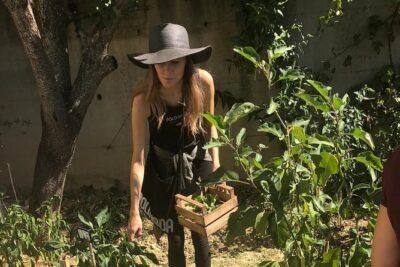
Eating what you made: the table tasting with local wines
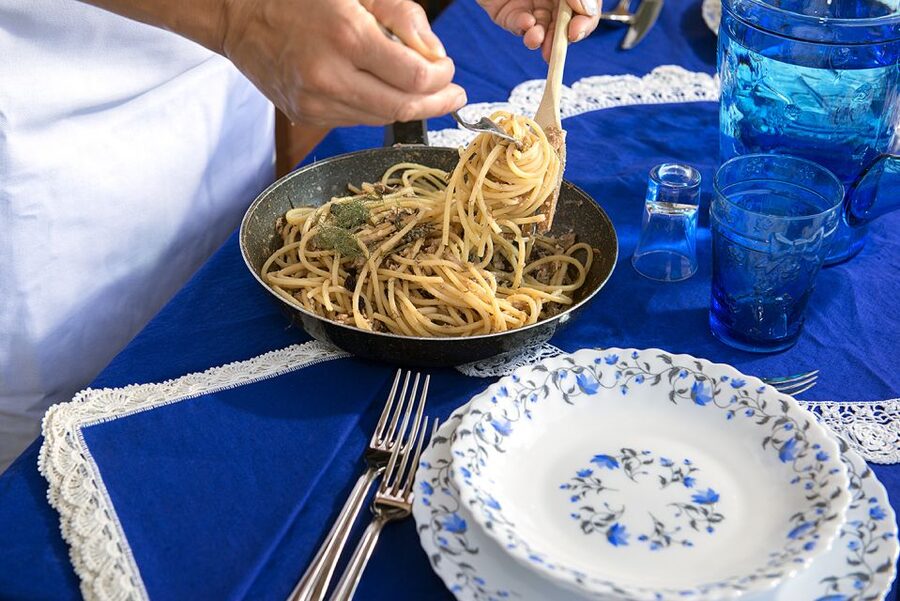
Most cooking classes include a meal. This one leans into the dining part in a way that makes the whole event feel complete. You’ll taste everything you prepared—starter, pasta, and dessert—around the table.
You’ll also have beverages: water, wines, and coffee. That pairing is part of the experience here. Wine helps you slow down and notice flavors. Coffee gives you the finish that makes the afternoon or evening feel like a proper meal, not a quick demo.
In reviews, the food is described as a “small feast” after the cooking, and people mention enjoying conversation while cooking and eating. That’s what you want if your goal is more than recipes—you want connection. Even if you come in solo, the shared table usually makes it easier to talk without forcing it.
Practical note: since you eat everything you make, you’ll want an appetite. If you’re not used to multi-course meals, plan a light day before the class so you enjoy the tasting instead of rushing through it.
Timing in Cefalù: 3 hours, typical start times, and how to plan your day
The class runs about 3 hours. In many cases, it starts at 10:00 AM or 5:00 PM, though it can be flexible depending on your travel needs if you contact the supplier in advance.
That matters for how you build your day. A morning start works well if you want a big lunch afterward or if you’re doing a half-day sightseeing plan. A late afternoon start can turn into a full evening meal, especially since the cooking and tasting wrap together.
Because the class happens in a private home, it’s also not the kind of activity you can easily “fit in anywhere.” You’ll want to plan transportation and give yourself some breathing room around arrival time. You’ll receive the full address after booking for privacy, so write it down when you get it and double-check your route the day of.
Price and value: what $164.26 buys you (and why it can be worth it)
At $164.26 per person, this isn’t the cheapest thing on a food list. But it is priced like an intimate, private, all-in experience—and the included elements are what justify the cost.
Here’s what’s included:
- the cooking class itself
- tasting of three local dishes
- beverages: water, wines, and coffee
What you’re really paying for is time and instruction in a home kitchen, plus ingredients and a full meal experience tied to what you cook. Instead of paying for dinner at a restaurant and leaving with only memories, you leave with practical skills—how to make fresh pasta, how to assemble Sicilian-style antipasti, and how to put together tiramisu.
Another value point: the class is a private group. Private doesn’t automatically mean tiny, but it usually means you get more attention and less waiting around. If you care about hands-on guidance, that’s where private pricing often becomes a smart trade.
Is it a drawback? If you’re only looking for a quick bite or you’re not interested in learning technique, then it may feel pricey. But if you want to cook, ask questions, and then eat everything you made, the math tends to feel fair.
Dietary needs and language support: you can make this work for most diets
One reassuring detail: the class can cater to all dietary requirements upon request, including vegetarian, vegan, and gluten-free. If you have restrictions, send them in early. That gives the host time to adjust recipes and ingredient choices.
Language support is also built in. The instructor speaks English and Italian. Reviews note additional language ability from the host (English and German), which can make explanations feel even easier, especially when you’re learning something technical like pasta dough and shaping.
If you’re planning for a very specific diet, you’ll feel safest when you communicate clearly about what you can and can’t eat before you arrive.
Who should book this Cefalù cooking class?
This class is a great fit if you like your food experiences to be active and personal. If you want to learn actual techniques—especially around pasta—this kind of lesson is often more satisfying than a tasting tour where you just observe.
It’s also a good choice if you value conversation. Reviews highlight that people talk about Sicilian food, Sicily, and family life while cooking and eating. That part can turn a practical cooking session into a genuine memory.
It might not be ideal if:
- you hate getting your hands in dough and assembling dishes
- you only want a short stop and not a full meal at the end
- you have very tight timing for getting in and out of your destination area
Tips to get the most from your 3-hour Sicilian meal
You’ll learn faster when you come in curious, not perfectionist. Pasta is humbling. That’s normal. If your first shapes look less than perfect, you’re still getting the real lesson: how to fix, adjust, and understand dough.
A second tip: ask about what you’re eating while you cook. Since you’ll taste everything you make, it’s easier to connect technique to outcome. You’ll remember the lesson because you’ll associate steps with flavor.
Finally, plan your day around eating. Because you’ll enjoy starter, pasta, and dessert plus wine and coffee, it helps to avoid stacking other heavy meals right before. You’ll enjoy everything more if you’re not fighting fullness.
Should you book this Cefalù cooking class at a local home?
I’d book it if your idea of a great Sicily trip includes three things: hands-on cooking, a real home-table meal, and local wine with what you made. The strong point here is the combination—learning techniques and then enjoying them right away, with a patient host and a friendly pace.
Skip it if you’re aiming for a quick, low-effort food stop or you’re not interested in cooking beyond sampling. At its best, this experience is about learning skills you can actually repeat later.
FAQ
How long is the Cefalù cooking class?
The class lasts about 3 hours.
What times does it usually start?
It typically starts at 10:00 AM or 5:00 PM, but it can be flexible based on your travel requirements if you contact the supplier in advance.
What will I cook and taste?
You’ll learn three local recipes and taste them all: a starter, pasta, and dessert.
Are drinks included?
Yes. You’ll have water, wines, and coffee with the tasting.
Can the class accommodate dietary restrictions?
Yes. It can cater to dietary requirements upon request, including vegetarian, vegan, and gluten-free options.
Where is the meeting point?
The experience is held in a local family’s home. For privacy reasons, you receive the full address after booking, and you meet back at the meeting point at the end.
More Tour Reviews in Cefalu






More Cooking Classes to Book


More Hours in Cefalu
Just added: the newest Cefalu tours in our notebook
- Boat trip to Cefalù★ 5.0 · 3 reviews
- I Briganti by night by jeep★ 5.0 · 4 reviews
- Capo D’Orlando: Salina, Panarea, Stromboli Tour with Boat★ 4.5 · 4 reviews
- Private boat excursion along the coast of Cefalù★ 5.0 · 4 reviews
- Cefalú: La Rocca Archaeological Park Guided Hiking Tour★ 5.0 · 4 reviews
- Private Transfer from Palermo Airport to Your Hotel in Cefalu★ 5.0 · 5 reviews
Cefalu Tours, compared.
 ★ 4.2From Palermo: Monreale and Cefalù Half-Day TripFrom $711,354 reviews
 ★ 4.8Boat Excursions in Cefalù with Snorkeling & AperitifFrom $53457 reviews
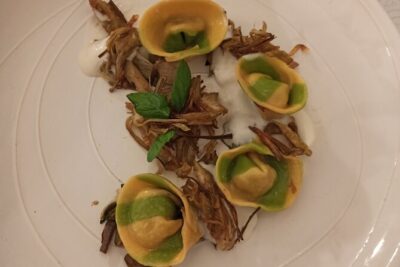 ★ 5.0In the province of Palermo Sicilian Cooking Class near CefaluFrom $120203 reviews
 ★ 5.0Boat excursion along the coast of CefalùFrom $48148 reviews
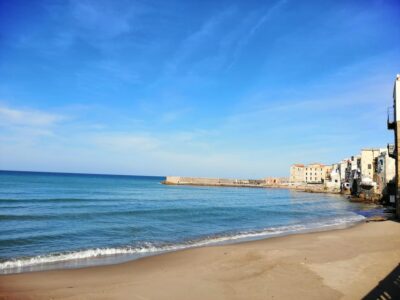 ★ 4.8Cefalù: History and Legends Guided Walking TourFrom $37132 reviews
 ★ 4.9Cefalù: Tandem Paragliding Flight and GoPro13 VideoFrom $169131 reviews
 ★ 5.0Tandem Paragliding Flight in CefalùFrom $181121 reviews
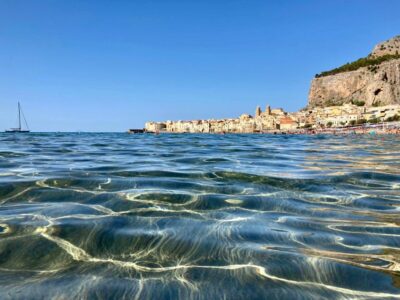 ★ 4.3From Palermo: Visit Cefalù UNESCO SiteFrom $100109 reviews
Browse the lists this tour appears in