
Reviewed · CATANIA TOURS
Catania: City Highlights Tour with Guide
Catania has a lava-rock personality. This 2-hour guided walk threads together Piazza Duomo with the Elephant Statue, the Pescheria historic fish market, and the churches of Via Crociferi, so the city feels way more readable than it does on your own. I especially like how the guide makes the stonework matter, and how you get real pacing through lively streets instead of wandering and hoping you picked the right alleys.
One consideration: the market stop is the tour’s main sensory moment, and it can come with a lot of explanation around stalls and nearby food spots. If you prefer fast photo time and less talk, plan to steer your attention back to the sights; also, the fish shop is closed on Sundays, so that part may feel different.
In This Review
- Key things to know before you go
- Getting your bearings: the Elephant Statue start and the meeting corner
- Piazza del Duomo and the cathedral dome in real context
- Pescheria fish market: smells, color, and what to watch for
- Via Crociferi: the Baroque church stretch that rewards slow walking
- Lava stone influence: why Catania looks the way it does
- Via Etnea and Piazza dell’Università: a smart finish for your next move
- Food choices at the end: arancino and cannoli without the pressure
- What the 2-hour timing really buys you (and what it doesn’t)
- Who this tour suits best
- Should you book Catania City Highlights Tour with Guide?
- FAQ
- FAQ
- Where do I meet the guide?
- How long is the Catania highlights tour?
- What language is the live guide available in?
- What are the main stops on the route?
- Is food included in the tour price?
- Are entrance fees to monuments or museums included?
- Are hotel transfers included?
- Is the fish market open every day?
- What should I bring for the walk?
Key things to know before you go
- Elephant Statue to Piazza del Duomo: your starting anchor is Catania’s symbol, not a random street corner.
- Pescheria fish market focus: you’ll spend a full chunk of the tour here, watching daily life and learning the context.
- Crociferi’s Baroque churches: you’ll walk past San Benedetto and San Giuliano for ornate architecture on a single street.
- Lava rock isn’t a detail: the guide connects the black stone look to how the city was shaped.
- Etnea finish: you end near ruins, historical buildings, and shopping, which is handy for continuing your own plans.
What else Catania has going on
- Catania: Mount Etna Morning or Sunset Day Trip with Tasting
★ 4.8 · 4,028 reviews - Catania: Sunset Jeep Tour of Mount Etna and Lava Flow Caves
★ 4.8 · 2,113 reviews - Catania: Etna Sunset Tour with Pickup and Drop-off
★ 4.8 · 1,348 reviews - Etna Sunset Tour: Volcano trek, Cave & tasting from Catania
★ 4.8 · 1,290 reviews
Getting your bearings: the Elephant Statue start and the meeting corner
This tour is built for orientation. You meet at the corner between Via Erasmo Merletta and Via Vittorio Emanuele II, and then the guide gets you moving through central Catania toward the symbolic heart of the city. The key idea is simple: Catania can look chaotic at street level, but with the right “anchors” (big squares, major streets, and standout monuments) it starts to click.
As you walk, you’re not just collecting postcards. You’re learning why certain streets feel important—why Catania’s famous buildings sit where they do, and how the city’s materials shaped the look of everything around them. The route also gives you a steady rhythm: a first guided stretch, a concentrated market stop, then a long architectural street walk, and finally a practical finish on Via Etnea near more sights and shopping.
If you get a guide like Ester, you’ll likely feel the story at a human pace rather than a lecture. If you get Tatiana, pacing is a highlighted strength, which matters because the tour stays only about two hours total—you want your time doing something, not waiting.
Piazza del Duomo and the cathedral dome in real context
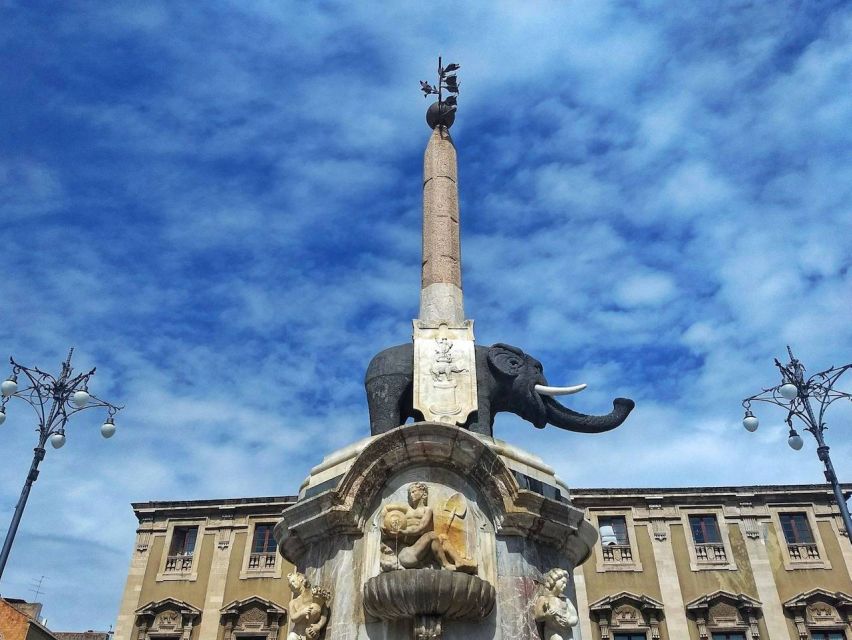
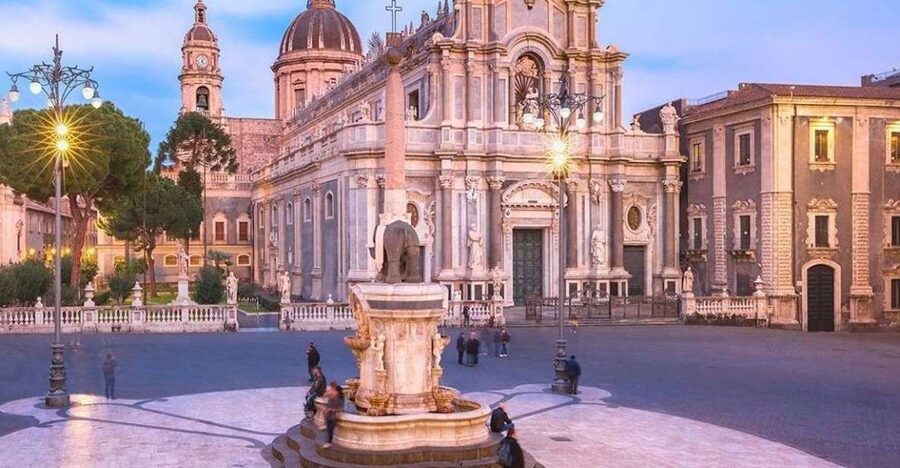
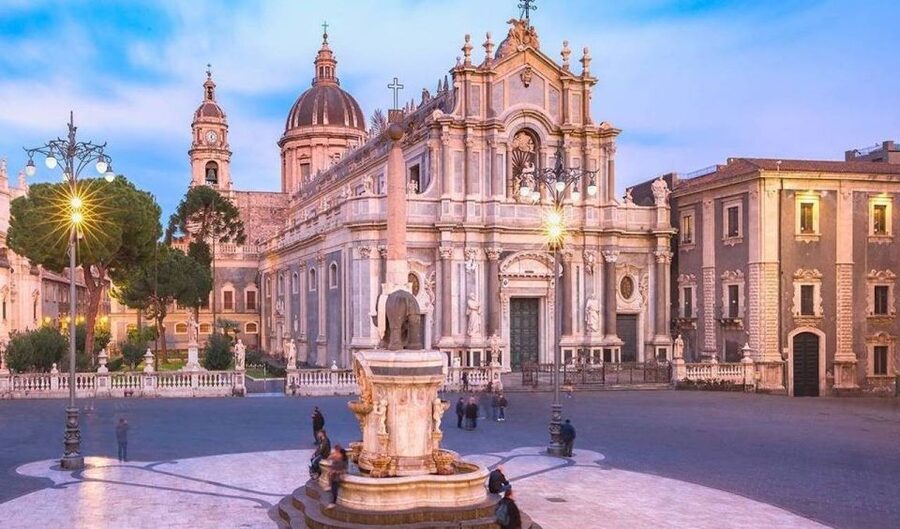
One of the first big “wow” moments comes at Piazza del Duomo, where you’ll meet at the Elephant Statue, the city’s symbol. It’s a smart starting point because it’s easy to find the tour visually and also easy to remember where you are once you’ve anchored yourself to something unmistakable.
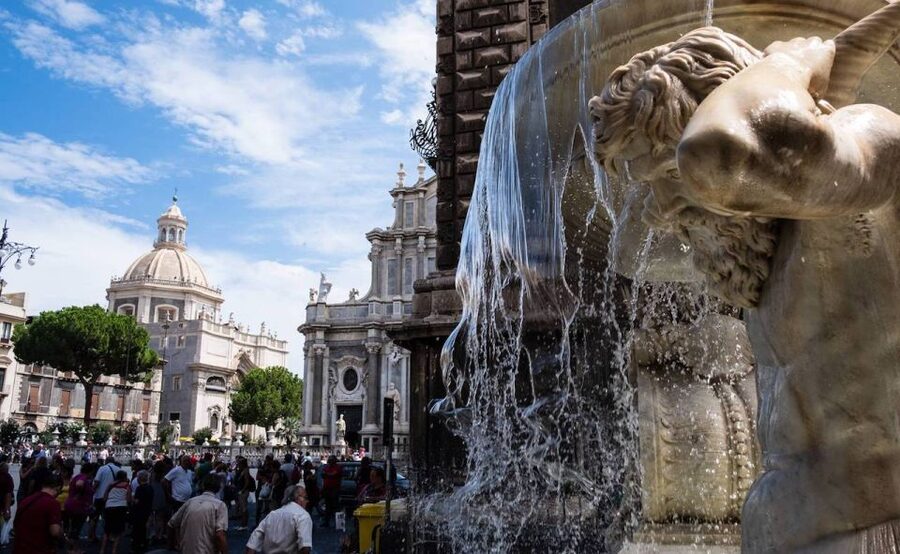
From there, you’ll take in the main square and the stunning dome of the cathedral. The guide’s job is to make the architecture more than a pretty roofline. Expect explanations about how Catania’s look ties back to its material reality—especially lava stone, which the tour highlights as a defining influence on churches and late Baroque palaces.
Practical tip: if you’re the type who takes photos while walking, slow down here. The cathedral dome and square offer strong angles, but you’ll get better results if you pause rather than rushing from one shot to the next.
Pescheria fish market: smells, color, and what to watch for
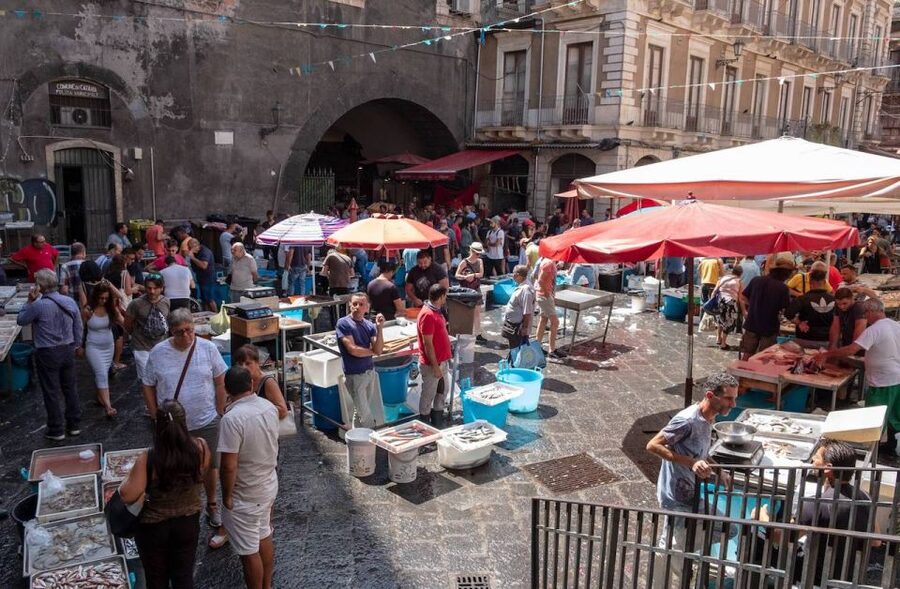
The Pescheria historic fish market is the tour’s most sensory stop. Plan on time for looking, not just passing through. You’ll learn about the lively atmosphere and the role the market plays in daily life. Even if you don’t buy anything, this is where Catania feels most like a working city rather than a sightseeing stage.
This is also the part with the biggest range in how people experience the tour. Some guides clearly go deep into the food stalls and the surrounding spots, and that can be helpful if you want to understand what you’re seeing. But if you’re hoping for a quick walk-through and mostly photography, be aware that the guide may spend time explaining multiple eating options and the market layout—sometimes it can feel like you’re being steered toward choices.
What you can do: treat the market like a visual scavenger hunt. Watch the rhythm of sellers and buyers. Look at the display patterns and how people move through the space. That way, the talking becomes background to something you’re actively observing.
Also, keep one planning note in mind: the fish shop is listed as closed on Sundays, though the exact reason isn’t provided. If you’re visiting on a Sunday, go with the attitude that you’ll still see the market area, but the experience may not have the same “open for business” feel.
Via Crociferi: the Baroque church stretch that rewards slow walking
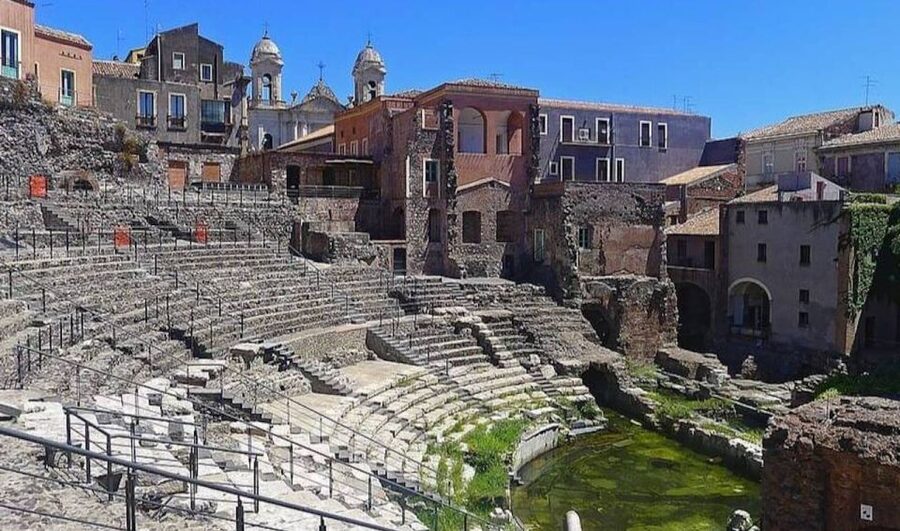
After the market, the tour settles into its “architecture walk” mode along Via Crociferi. This street is where the late Baroque side of Catania shows up in a concentrated way, and the guide uses the churches as story markers.
You’ll pass by the ornate church of San Benedetto and then see San Giuliano, described as a stunning example of Catania Baroque. The practical value here is that the tour keeps you moving through a single corridor of big visual details, instead of spreading major highlights across far-flung neighborhoods. You get a clear sense of style progression: what makes Catania Baroque feel distinct, and how lava rock and decorative design work together in the real built environment.
Time-wise, the tour spends a shorter segment here and then continues the street walk further, so you’ll likely get both quick highlight points and then more extended commentary as you go. If your feet are tired, Via Crociferi is still worth it because you can “read” the ornamentation as you walk—pause when something catches your eye, and then keep going before you lose the flow.
A few we would gladly point a friend toward in Catania
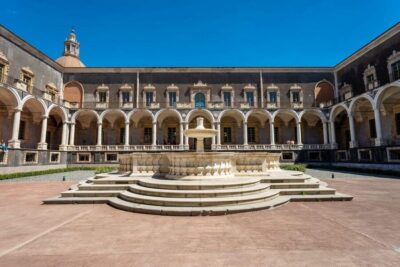
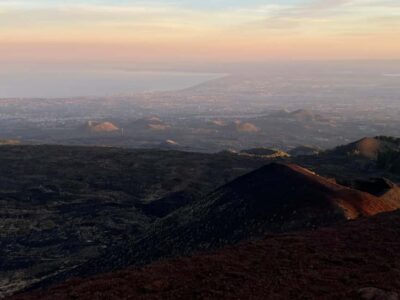
Lava stone influence: why Catania looks the way it does
One of the tour’s best strengths is how it handles materials. You’re not just told that the city has black stone buildings; you’ll see how the lava rock look shows up in churches and late Baroque palaces, and you’ll get an explanation for why this matters visually.
This is more than trivia. When you understand the material, you start noticing things you’d otherwise miss: the texture of the stone, the way the color contrasts with lighter details, and how the city’s tone stays consistent even when the styles vary from square to square.
If you like architecture but don’t want a museum experience, this is a nice middle ground. You get street-level context plus real-time sightlines. And since the tour is only two hours, you won’t feel stuck in “endless explanations” for long stretches—though again, the market stop is where talk time can spike.
Via Etnea and Piazza dell’Università: a smart finish for your next move
The ending phase is at Via Etnea, where the tour points out ruins, historical buildings, and the practical side of travel: shops and onward wandering. This finish is helpful because it gives you options. You can keep exploring immediately without needing to refactor your whole day or figure out how to get from a distant monument back into the everyday streets.
You’ll spend about 30 minutes on Via Etnea as part of the guided portion. Then you wrap up at Piazza dell’Università with another guided segment (about 20 minutes) before returning to Via Erasmo Merletta, 3.
I like this kind of finish for one reason: it’s easy to continue on your own. You’ll still be in central Catania, and you’ll have already learned the “grammar” of the streets—so your later walking feels less like guessing and more like following a map you actually understand.
Food choices at the end: arancino and cannoli without the pressure
The tour gives you an easy food signal for the finish. You’ll have the option of purchasing an arancino, a Sicilian cannoli, or another delicacy. The key is that this isn’t an all-included meal stop; it’s more of a convenient moment to try something local without forcing the entire tour to revolve around one restaurant.
A small reality check: because the tour isn’t an all-you-can-eat arrangement, you’ll likely want to treat the food options like add-ons. If you’re hungry, this is a great time. If you’re not, you can still enjoy the walk and come back later for tastings on your own schedule.
Also, if you’re the type who enjoys laughing at travel life, there’s something comforting in the feedback that the tour can still be enjoyable even when you’re not at your freshest. The pace is structured enough to keep you moving, and the stops are meaningful enough that you stay interested even if the day started messy.
What the 2-hour timing really buys you (and what it doesn’t)
At two hours, this tour is compact. It’s enough time to hit the major anchors: Duomo square and the Elephant Statue, the Pescheria market, and the Crociferi churches, then finish near Etnea and Piazza dell’Università. That’s the advantage—you’ll cover distance and highlights without losing the whole day to sightseeing.
But it also means the tour is selective. You’re not being asked to master Catania’s entire historical timeline, and you’re not visiting museums with long entry lines. If you want deep interior access or extended time in a single monument, you’ll need additional plans beyond this walk.
For most first-timers, though, that’s a good thing. The tour gives you a strong first draft of the city: symbols, architecture, and the working-market feel.
Who this tour suits best
I’d point you toward this tour if:
- You want an efficient introduction to Catania’s center without building your own route.
- You care about the meaning behind architecture, especially Catania Baroque and lava-rock influence.
- You like markets as cultural stops, not just food stops.
I’d think twice if:
- You dislike guided talk during busy market areas.
- You’re visiting on a Sunday, when the fish shop is listed as closed (which can change the feel of that segment).
Should you book Catania City Highlights Tour with Guide?
Yes, I’d book it if you want a straightforward way to understand Catania in a short time. The best part is that the highlights connect into a theme: a symbolic start at the Elephant Statue, a “real life” market experience at Pescheria, then a focused walk on the Baroque street of Via Crociferi, and finally a practical finish on Via Etnea.
Book it with clear expectations: the market stop is the most talk-heavy and visually intense moment, and food purchases are optional rather than included. If you’re okay with that, you’ll leave with a much better sense of how Catania works—what to notice next on your own.
Also, with free cancellation up to 24 hours in advance and the option to reserve and pay later, it’s easy to keep your schedule flexible while you’re planning Sicily.
FAQ
FAQ
Where do I meet the guide?
Meet at the corner between Via Erasmo Merletta and Via Vittorio Emanuele II.
How long is the Catania highlights tour?
The tour lasts about 2 hours.
What language is the live guide available in?
The guide is available in English and Italian.
What are the main stops on the route?
You’ll see Piazza del Duomo (including the Elephant Statue and cathedral dome), the historic fish market (Pescheria), Via Crociferi (including San Benedetto and San Giuliano), Via Etnea, and Piazza dell’Università.
Is food included in the tour price?
Food isn’t listed as included. You’ll have the option to purchase items like arancino or Sicilian cannoli during the tour.
Are entrance fees to monuments or museums included?
No. Entrance fees are not included.
Are hotel transfers included?
No. Transfers from the hotel are not included.
Is the fish market open every day?
The fish shop is closed on Sundays, so that stop may be different on Sunday visits.
What should I bring for the walk?
Bring comfortable shoes, a camera, water, comfortable clothes, and weather-appropriate clothing.
More Tours in Catania




More Tour Reviews in Catania


Keep Exploring Catania
Just added: the newest Catania tours in our notebook
- Transfer Catania / Agrigento Airport★ 5.0 · 3 reviews
- Sicily private shore excursion – Etna and Taormina with personal driver★ 3.5 · 3 reviews
- Sunset Trekking on Mount Etna★ 5.0 · 3 reviews
- Private Transfer from Catania to Palermo or vice-versa with stop★ 5.0 · 3 reviews
- From Syracuse: Mount Etna Volcano Morning Trekking Tour★ 5.0 · 3 reviews
- Catania: Guided Street Food Tour with Tastings★ 5.0 · 3 reviews
Catania Tours, compared.
 ★ 4.8Catania: Mount Etna Morning or Sunset Day Trip with TastingFrom $704,028 reviews
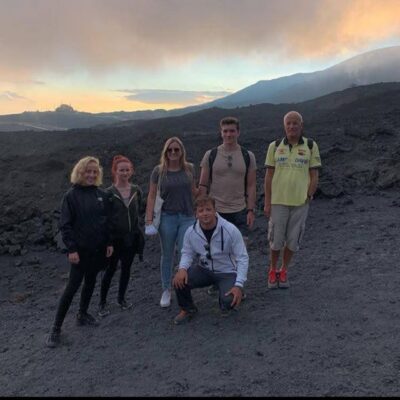 ★ 4.8Catania: Sunset Jeep Tour of Mount Etna and Lava Flow CavesFrom $712,113 reviews
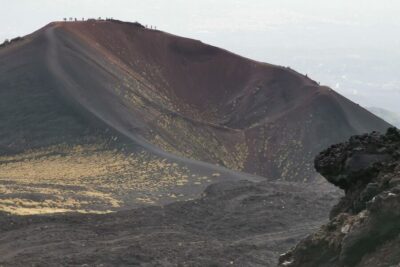 ★ 4.9Catania: Mount Etna Trekking Tour Beyond the Tourist TrailsFrom $811,596 reviews
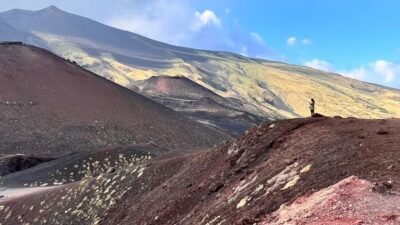 ★ 4.8Catania: Etna Sunset Tour with Pickup and Drop-offFrom $711,348 reviews
 ★ 4.8Etna Sunset Tour: Volcano trek, Cave & tasting from CataniaFrom $701,290 reviews
 ★ 4.8Catania: Etna Morning Excursion with Tasting and PickupFrom $711,224 reviews
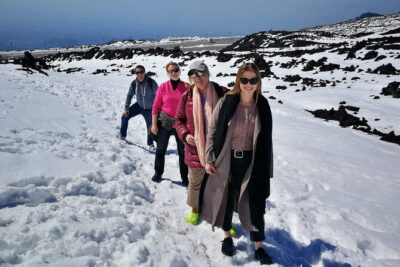 ★ 5.0Mt. Etna and Taormina village full day tour from CataniaFrom $1181,155 reviews
 ★ 4.9Catania: Amazing Etna Morning Tour with Pickup and Drop-OffFrom $81799 reviews