
Reviewed · CATANIA TOURS
Authentic Sicilian Street Food: Fried Pizza Catania Cooking Class
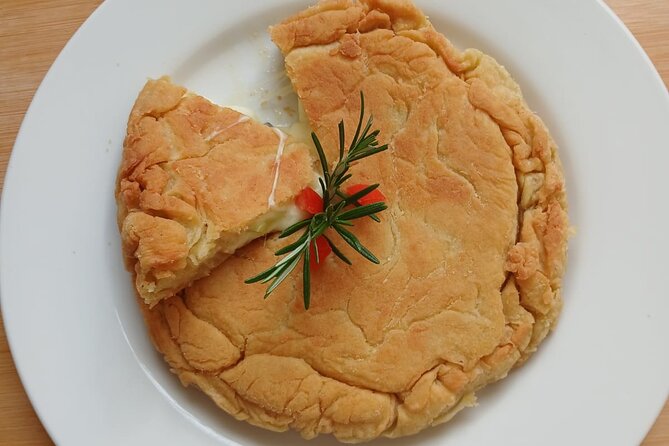
Frying pizza in olive oil is Sicily’s sweet spot. In this hands-on pizza fritta cooking class in Catania, you learn the technique behind the much-loved fried street-food style, then eat what you make while sipping local wine. I especially like the “two-disc” method—rolling one base and one cover—and the way the filling stays front and center, from primo sale to other Sicilian variations. One drawback to note: the menu can shift depending on your dietary needs, so if you are expecting a specific filling, tell the team what you want (or avoid).
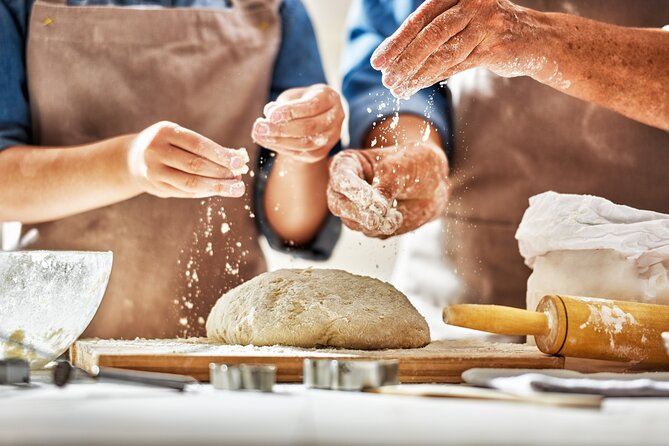
I also like how the lesson is structured for real life. You start with an explanation of the long-leavening dough process using organic durum wheat flour, but the dough is ready so you can actually practice during the class instead of waiting around. And because it’s a small group (max 6), you can get help while you’re shaping and sealing your pizza fritta.
If you’re short on time, you might think 3 hours will fly. It will, but the class is not only eat-and-go. You’ll do real prep work—rolling, stuffing, sealing, and frying—so come hungry, but also ready to get your hands floury.
In This Review
- Key things that make this Catania fried pizza class worth your time
- Fried Pizza in Catania: what you’re really learning
- Where you meet and how the 3-hour flow works
- The dough lesson: long-leavening basics, organic durum, real practice
- The two-disc method: rolling the base and the cover
- Filling your pizza fritta: primo sale, anchovies, olives, and pepper
- Sealing technique: keeping the filling inside (and not in the oil)
- Frying in authentic EVO: why it tastes different
- What’s on the plate after you cook: wine, dessert, and 2 courses
- Price and value: is $93.45 fair for pizza fritta in Catania?
- Small-group energy (max 6) and what kind of host attention you should expect
- A quick reality check: when your expectations might clash with the menu
- Should you book the Fried Pizza Catania cooking class?
- FAQ
- How long is the fried pizza cooking class in Catania?
- What time does the class start, and where do we meet?
- Is the class offered in English?
- Is there a vegetarian option?
- What’s included in the price?
- What is the group size?
- If I have allergies or dietary needs, what should I do?
- Should I plan for long-leavening dough, or is it already ready to work with?
Key things that make this Catania fried pizza class worth your time
- You roll two discs per pizza to get that proper seal and filling control.
- Stuffing is generous and taught step-by-step, not guessed at.
- Frying happens in authentic EVO for crunch and flavor that only works when the oil is treated right.
- You’ll get classic and seasonal options, including vegetarian paths like broccoli and endive.
- Small-group format (up to 6) means more attention while you cook.
- You finish by eating your own creations with local wine (or soft drink) and dessert.
What else Catania has going on
- Mt. Etna nature and flavors half day Tour from Catania
★ 5.0 · 545 reviews - From Catania: Mt. Etna, Wine and Alcantara Tour
★ 4.8 · 370 reviews - Etna Morning Tour (starting from Catania)
★ 5.0 · 362 reviews - Underground Catania
★ 5.0 · 302 reviews
Fried Pizza in Catania: what you’re really learning
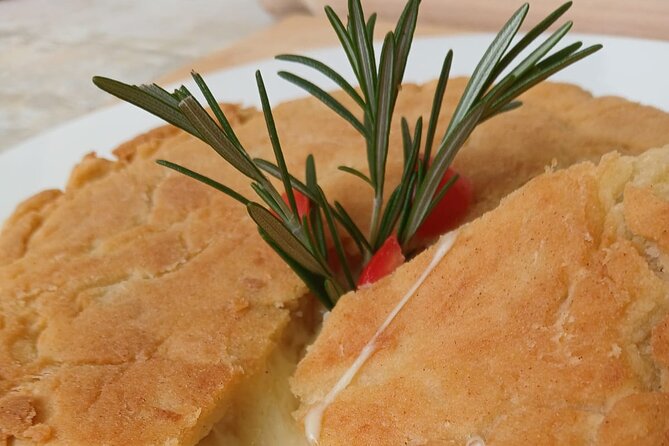
Pizza fritta is the kind of Sicilian food that feels like a shortcut to comfort. But the truth is, it’s not just “fried dough.” The magic comes from how you build it.
In this class, you learn a method designed to keep a thick, flavorful filling inside during frying. That means your job isn’t just to cook dough. It’s to shape, roll, seal, and fry in a way that respects the ingredients and the texture you’re after. When it goes right, you get a crisp exterior and a filling that tastes like it was made on purpose.
And here’s the practical part: once you understand the two-disc technique and the sealing logic, you can adapt the filling at home without losing the structure. That’s why I think this type of cooking class is more valuable than a pure tasting. You take home a method.
Where you meet and how the 3-hour flow works
You start at Via E. A. Pantano, 112, 95129 Catania CT, Italy, at 10:30 am. The activity runs about 3 hours, and it ends back at the meeting point. The location is near public transportation, which matters in Catania where streets can be easier than you expect, until you’re walking with flour on your hands.
The pacing is built around one main idea: you’ll learn the long-leavening dough concept, but you won’t waste your class time waiting for dough to happen. That’s the sweet spot. You get the why, then you get the hands-on practice.
Expect a rhythm like this:
- A clear kickoff on dough and rolling
- Active prep at your station (division, discs, stuffing, sealing)
- Frying and tasting what you made
If you like cooking classes where you can actually repeat the process later, this format fits.
The dough lesson: long-leavening basics, organic durum, real practice
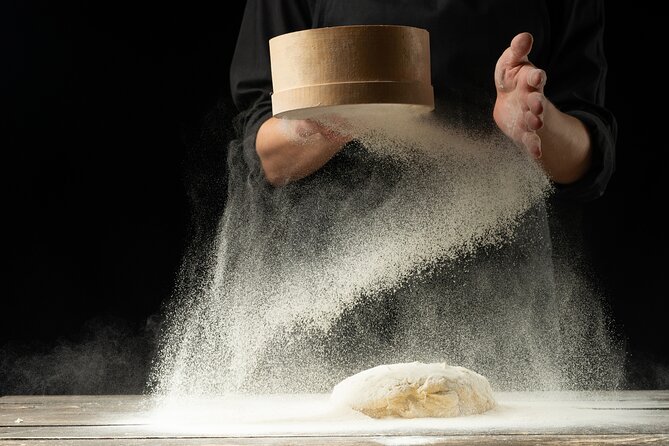
The class begins with an explanation of the long-leavening process and the role of Sicilian organic durum wheat flour. Even though the dough is ready for immediate working, you’ll still learn what makes the difference between dough that tastes “fine” and dough that tastes like Sicily.
Why this matters: long-leavened dough isn’t only about tradition. It affects texture and flavor. It also helps the dough handle rolling without tearing, which becomes important when you’re working with two discs and a heavy filling.
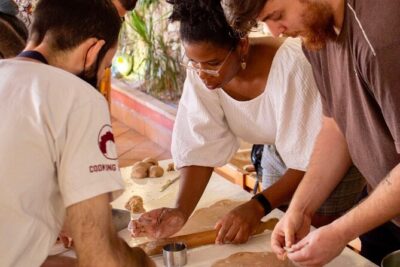
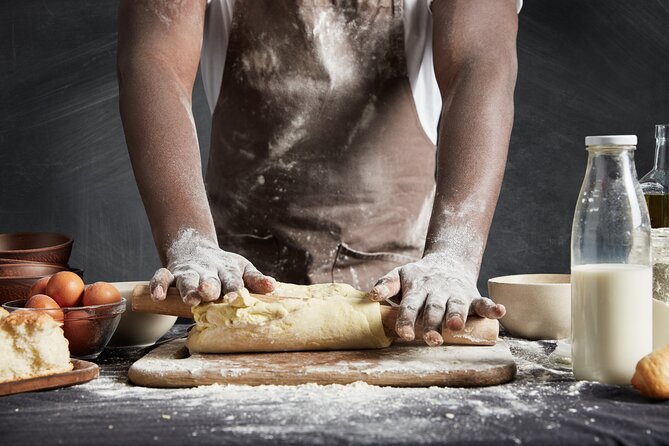
Then comes the part you’ll feel in your hands. You’ll divide the leavened dough into balls. After that, rolling takes center stage: you’ll learn how to roll discs so they are thin enough to fry up crisp, but not so thin they turn fragile.
You won’t just watch. You’ll practice. And when you practice the rolling, you get a feel for thickness and elasticity that’s hard to learn from a written recipe.
The two-disc method: rolling the base and the cover
This class has one detail that changes everything: you roll two discs for each pizza. One is the base. One is the cover.
Most people think of stuffed pizza as a single sheet with filling. Here, you learn a more controlled build. The base disc gives you a foundation. The cover disc seals in the filling. That second disc is what makes your pizza fritta more than a mess of dough and ingredients.
Rolling two discs also teaches you something useful for home cooking:
- how to match sizes so the seal works
- how to handle dough so it doesn’t crack
- how to leave room for sealing without losing the edges
And yes, you’ll get coaching. The goal is a disc that fries correctly and a seal that holds during frying.
More street-food crawls around Sicily


Filling your pizza fritta: primo sale, anchovies, olives, and pepper
Once the discs are rolled, the class shifts to stuffing. This is where Sicily really shows up—because your filling isn’t shy.
The classic version includes:
- fresh Pecorino cheese (primo sale)
- anchovies
- olives
- black pepper
You’ll learn how to stuff generously, which is important. Too little filling makes the pizza seem dough-forward. Too much and the seal struggles. Your instructor will guide the balance.
Then you also get variations. If you want a change, or if you prefer vegetarian, you can choose from options like:
- broccoli
- stewed onions
- endive
The big takeaway is that you aren’t just following one recipe. You’re learning a framework. You’ll understand how fillings behave when fried—how moisture and salt can change the result—so you can adjust later.
Sealing technique: keeping the filling inside (and not in the oil)
Sealing is the make-or-break step. If the edges don’t seal well, you’ll lose filling during frying. If you seal too aggressively, you can crush the pizza and ruin the texture.
In this class, you learn the technique for sealing the two discs so the rich filling stays inside. That means paying attention to the edges—where dough meets dough—and working the seal in a way that holds when the pizza puffs and fries.
This is one of those skills that seems small until you see it in action. And once you do it, you’ll understand why good pizza fritta has that satisfying, enclosed bite rather than a filling spill.
Frying in authentic EVO: why it tastes different
Now for the part most people came for: frying.
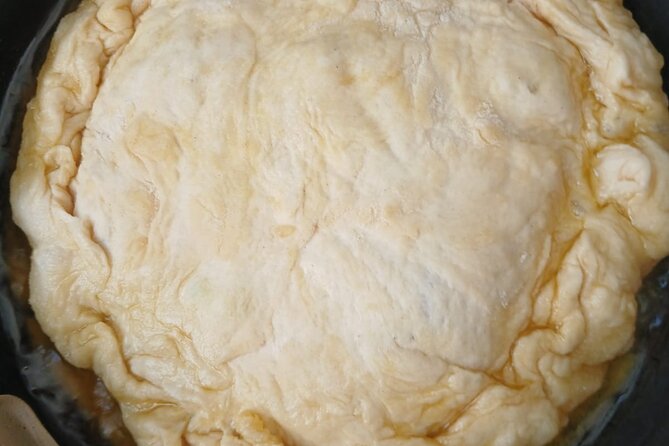
Your pizza fritta is fried on both sides in authentic Extra Virgin Olive Oil (EVO). That matters. Olive oil isn’t just a cooking medium here; it’s part of the flavor system. It contributes to aroma, and it also changes the way the crust browns.
Because it’s fried on both sides, the oil handling and timing make a difference in crispness. You’ll see how the surface goes from doughy to crisp as it fries.
When it’s done, your fried pizza is served hot and crispy. In other words: you won’t be tasting something lukewarm while your stomach plots a rebellion.
What’s on the plate after you cook: wine, dessert, and 2 courses
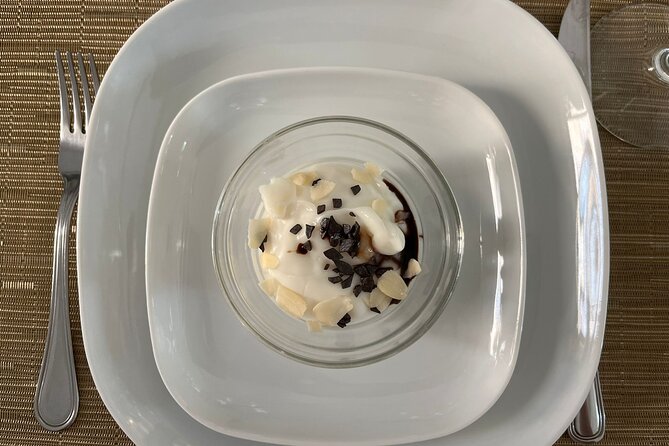
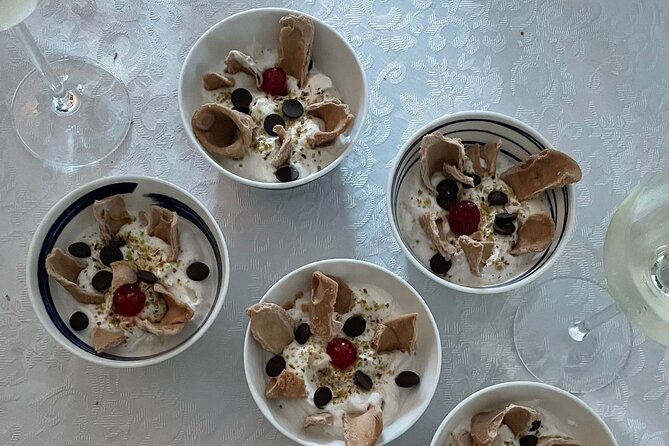
Your meal is built around the experience, not just a snack. You’ll enjoy what’s described as Sicilian street food with a main course named Pantesca Fried Pizza. For dessert, you’ll have a Sicilian dessert.
Along the way, you’ll have water and a glass of local wine or soft drink. That pairing isn’t random. The fried pizza is salty and savory, so a cold drink and wine help you keep eating without feeling like you’re stuck in one flavor mode.
The course structure is two courses total. So yes, you’ll leave full, and you won’t need to hunt for another meal right after.
Price and value: is $93.45 fair for pizza fritta in Catania?
At $93.45 per person, this class sits in the “worth it if you’ll use the skills” category.
Here’s what you’re getting that justifies the price:
- A hands-on lesson with you shaping and frying your own pizza fritta
- Instruction focused on technique, not just eating
- A small-group setup (max 6), which helps you get personal coaching
- Included water plus local wine or soft drink
- A 2-course meal with dessert
If you were paying for only food, the price could feel steep. But this is not only a meal. You’re buying time with a teacher, plus a repeatable method you can bring home. That makes the value easier to justify, especially if you enjoy cooking and want more than a photo.
Small-group energy (max 6) and what kind of host attention you should expect
The group size caps at 6 travelers. That sounds like a small number because it is. In practice, it means:
- less waiting for a turn
- easier feedback while rolling and sealing
- a more relaxed classroom vibe
This also affects comfort. Pizza fritta is a hands-on activity with heat, oil, and timing. When the group is small, you spend less time watching and more time doing.
In past versions of this type of home-food experience run by Curioseety SRLS, hosts like Francesco have been praised for bringing local know-how and conversation into the day. Another named example from a related home-kitchen experience is Anne, who was described as having impressive knowledge during a market-based part of a similar outing. The common thread is personal attention—just be clear about what your specific menu will include.
A quick reality check: when your expectations might clash with the menu
One possible snag is expectations around what’s inside the food.
The classic pizza fritta filling includes anchovies, so if you love seafood flavors, you might be in the right place. But the class also says a vegetarian option is always available, and you can ask the team to tailor for allergies or dietary needs. In other words: your pizza may not match the classic menu if you choose an alternative.
Also, ask yourself what you want from the experience:
- If you want a cooking lesson plus a meal you control, this works well.
- If you only want one specific ingredient or you expect a market purchase component, check your plan before you arrive.
A little homework saves frustration—and it helps you enjoy the part you actually came for: cooking and eating.
Should you book the Fried Pizza Catania cooking class?
I’d book it if you:
- want a hands-on Sicilian street food experience with technique you can repeat
- like cooking classes where you shape, fill, seal, and fry (not just taste)
- care about small-group attention (max 6)
I’d pause if:
- you don’t want to get hands-on and would rather only eat
- you have very strict expectations about specific ingredients, and you’re not planning to confirm your dietary needs in advance
For most people, the decision is simple: if you can enjoy learning the two-disc method and frying in EVO, you’ll get real value. You’ll leave with a full stomach, and more importantly, a skill that turns Sicilian flavors into something you can cook at home.
FAQ
How long is the fried pizza cooking class in Catania?
It lasts about 3 hours.
What time does the class start, and where do we meet?
The start time is 10:30 am. The meeting point is Via E. A. Pantano, 112, 95129 Catania CT, Italy.
Is the class offered in English?
Yes, it is offered in English.
Is there a vegetarian option?
Yes. A vegetarian option is always available, and you should specify it when booking.
What’s included in the price?
The class includes the hands-on cooking lesson, water plus a glass of local wine or soft drink, and a 2-course meal.
What is the group size?
The class has a maximum of 6 travelers.
If I have allergies or dietary needs, what should I do?
Let the team know when booking so they can tailor the experience for your dietary needs.
Should I plan for long-leavening dough, or is it already ready to work with?
The instructor explains the long-leavening process, and while the dough is ready for immediate working to optimize time, you still learn how it’s prepared at home.
More Cooking Classes to Book

More Sicilian Street-Food Crawls



Keep Exploring Catania






Just added: the newest Sicily tours in our notebook
- Etna / Taormina★ 5.0 · 3 reviews
- Bikes★ 5.0 · 3 reviews
- Taormina shore tour – for small group cruise passengers★ 5.0 · 3 reviews
- Vegan Cooking Class in Catania with Lunch and Dinner★ 5.0 · 3 reviews
- Make & Taste Sicilian Desserts in Palermo – Learn Cannoli & More★ 5.0 · 3 reviews
- Sicilian Villages & Ricotta Tasting – including Lunch from Cefalu★ 4.0 · 3 reviews
Catania Tours, compared.
 ★ 4.8Catania: Mount Etna Morning or Sunset Day Trip with TastingFrom $704,028 reviews
 ★ 4.8Catania: Sunset Jeep Tour of Mount Etna and Lava Flow CavesFrom $712,113 reviews
 ★ 4.9Catania: Mount Etna Trekking Tour Beyond the Tourist TrailsFrom $811,596 reviews
 ★ 4.8Catania: Etna Sunset Tour with Pickup and Drop-offFrom $711,348 reviews
 ★ 4.8Etna Sunset Tour: Volcano trek, Cave & tasting from CataniaFrom $701,290 reviews
 ★ 4.8Catania: Etna Morning Excursion with Tasting and PickupFrom $711,224 reviews
 ★ 5.0Mt. Etna and Taormina village full day tour from CataniaFrom $1181,155 reviews
 ★ 4.9Catania: Amazing Etna Morning Tour with Pickup and Drop-OffFrom $81799 reviews
Browse the lists this tour appears in