
Reviewed · WALKING TOURS
Anti-Mafia Heroes (Cool Hours) Morning Walking Tour
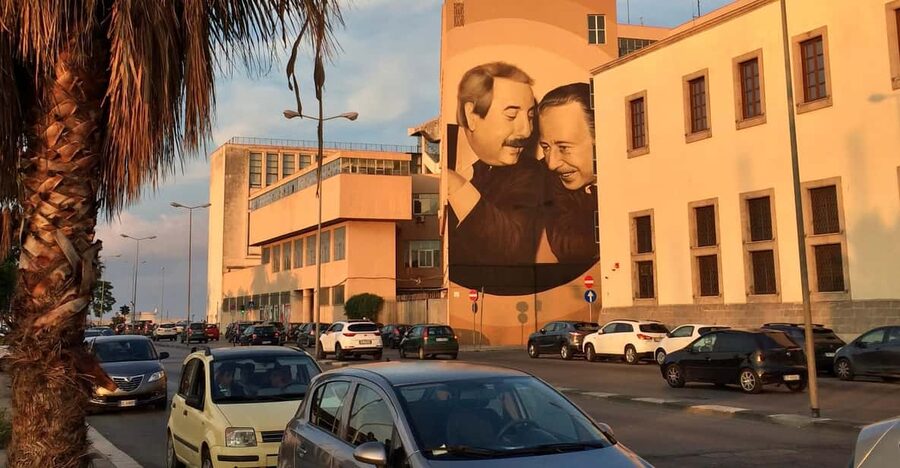
Palermo tells its anti-mafia story on foot. This 2.5-hour morning walking tour in La Kalsa connects Falcone and Borsellino to the actual streets and buildings tied to organized crime, then shows how Sicily fought back. I especially like the storytelling that makes real people and real consequences feel close, not distant.
My second big win is the pace and Q&A—one guide experience (Angela) is noted for personalizing the tour and explaining both sides of the struggle. The only real drawback to plan around: the morning route is not shaded, so you’ll be walking about 1 mile in direct sun.
In This Review
- Key highlights you’ll care about
- Why this La Kalsa walk hits harder than a normal history tour
- The best and worst part: 1 mile, 2.5 hours, and morning sun
- Meeting point in Palermo: find the Falcone plaque and follow the guide
- The story engine: how the tour turns buildings into evidence
- Stop-by-stop: from Falcone’s origins to Piazza della Kalsa
- Stop 1: Ruderi della casa natale del giudice Falcone
- Stop 2: Piazza Magione (guided tour)
- Stop 3: Antica Focacceria San Francesco (guided tour)
- Stop 4: Punto Pizzo Free (guided tour)
- Stop 5: Cagliostro Bakery (break time)
- Stop 6: Giardino Garibaldi (guided tour)
- Finish: Piazza della Kalsa
- The three major crime sites: what you’ll actually be walking past
- Small-group energy and why Q&A makes a difference
- Price and value: what $39.86 buys in real terms
- What to expect from the vibe: serious, but not joyless
- Who should book this tour (and who should think twice)
- Quick FAQ about Anti-Mafia Heroes (Cool Hours) Morning Walking Tour
- FAQ
- How long is the Anti-Mafia Heroes morning walking tour?
- How far do you walk during the morning tour?
- Is the morning tour shaded?
- What language is the tour guide speaking?
- Where does the tour start?
- Where does the tour end?
- Are refreshments included?
- How many sites does the tour include?
- Are bathrooms available during the tour?
- Is the tour suitable for wheelchair users?
- Should you book this tour?
Key highlights you’ll care about
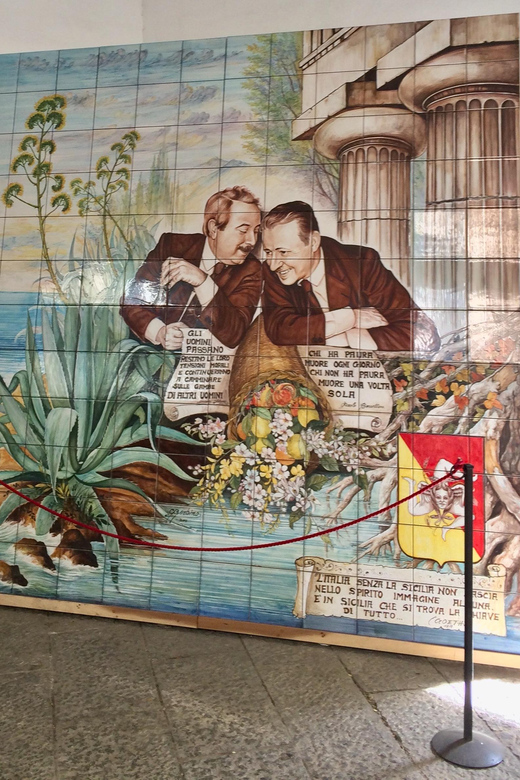
- 10 important sites, including three major crime sites, tied to Sicily’s anti-mafia fight
- Real stops in La Kalsa, where Falcone and Borsellino were born and raised
- A guided flow that balances serious history with everyday Palermo street life
- Midway cafe time for optional refreshments and a needed reset
- English live guide with time for questions about ongoing anti-organized-crime efforts
- About 1 mile of walking; bring a hat for the morning sun
A few we would gladly point a friend toward in Palermo
- Palermo: NO Mafia Walking Tour
★ 4.8 · 2,431 reviews - Palermo Original Street Food Walking Tour by Streaty
★ 5.0 · 2,105 reviews - Palermo: Street Food and History Walking Tour
★ 4.9 · 1,486 reviews - Palermo No Mafia walking tour: discover the Anti-mafia culture in Sicily
★ 5.0 · 1,011 reviews
Why this La Kalsa walk hits harder than a normal history tour
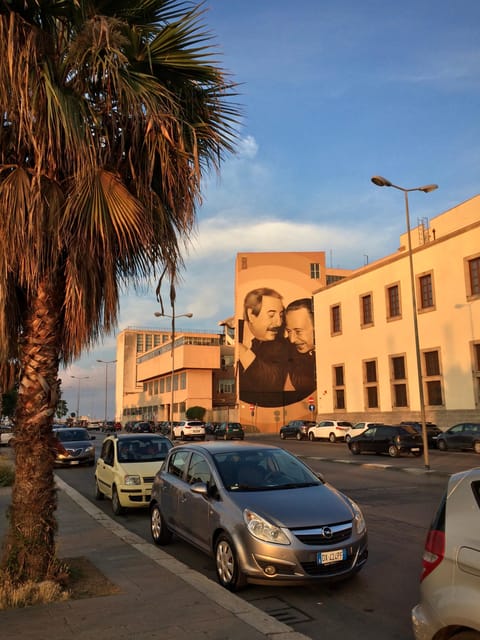
If you’ve ever done a sightseeing tour where the guide points at plaques and you take a few photos, this experience is different. Here, the story is built around the places tied to the anti-mafia campaign—Falcone and Borsellino’s world, Cosa Nostra’s violence, and the public pushback that followed.
What I like is that the tour doesn’t treat the mafia as a distant legend. It frames Cosa Nostra as an aberration with shallow roots in real history, then contrasts that with the myths that surround it. That shift matters. It nudges you from fear-of-the-unknown to understanding how ordinary Sicilians and institutions kept pressure on the system.
And you get a strong sense of Palermo as a living neighborhood, not a museum set. You’re walking the Kalsa area where daily life mixes with heavy history—markets, bakeries, squares, and small pauses that keep the experience human.
The best and worst part: 1 mile, 2.5 hours, and morning sun
Let’s talk practicals up front, because this tour is weather-dependent. The morning route is about 1.6 km / 1 mile and runs roughly 2.5 hours. It’s not shaded during the morning tour, while the same tour in the evening is shaded—so the morning choice is for people who handle sun well.
Bring:
- Sun hat and sunscreen
- Closed-toe shoes (you’ll be on city pavement)
- A small day bag only—no luggage or large bags
One small mercy: there’s a bathroom available halfway through. Also, there’s a cafe stop midway for optional refreshments (gelato is mentioned at around €3), which helps break up the walk.
If you’re sensitive to heat, the morning may feel like a lot. In that case, the evening shaded version may fit better.
Meeting point in Palermo: find the Falcone plaque and follow the guide
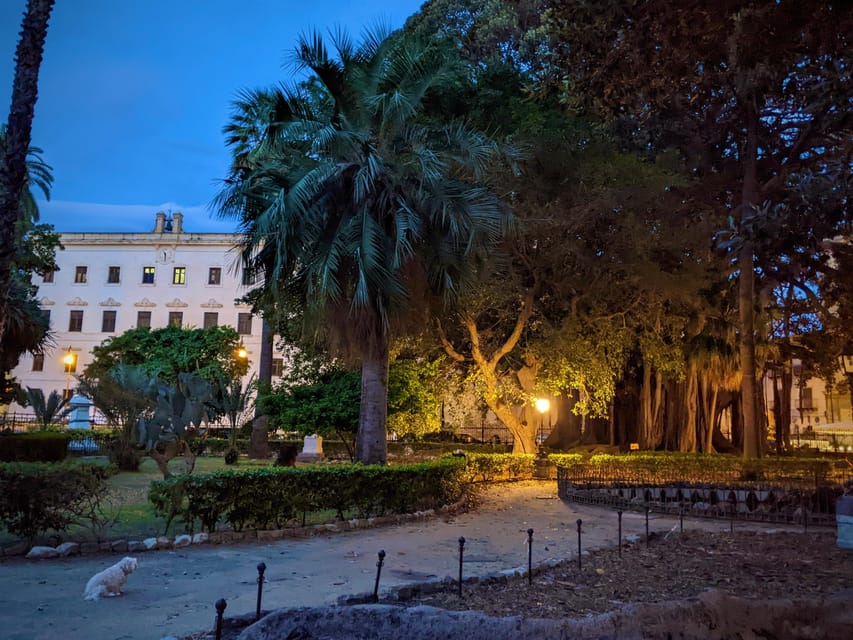
You meet at Ruderi della casa natale del giudice Falcone, Via Castrofilippo, 4, 90133 Palermo. The instructions are very specific: meet in front of the restaurant Ciccio Passami l’Olio. Across from it, in the park, you’ll find a plaque marking Falcone’s birthplace.
Your guide waits by that plaque. This kind of meeting point is actually a gift: it cuts down that awkward early-tour moment where everyone’s wandering around trying to find each other.
A quick tip: arrive a few minutes early so you can settle in before the tour starts. In a neighborhood like Kalsa, you don’t want to waste the first minutes checking your phone.
The story engine: how the tour turns buildings into evidence
What you’re really paying for here isn’t just a walk through pretty streets. The value is in how the guide uses the sites to explain cause and effect—how events happened, how people responded, and how the anti-mafia movement reclaimed space over time.
The tour includes restored locations tied to Palermo’s anti-mafia urban recuperation and renewal. That means you’re looking at places where history isn’t only remembered—it’s been worked with, repaired, and turned into part of civic life again.
You’ll also get an explicit comparison between:
- the actual origins of Cosa Nostra, and
- the myths that grow around it.
That contrast is a big reason this feels educational in a grounded way, not just dramatic or moralizing.
Stop-by-stop: from Falcone’s origins to Piazza della Kalsa
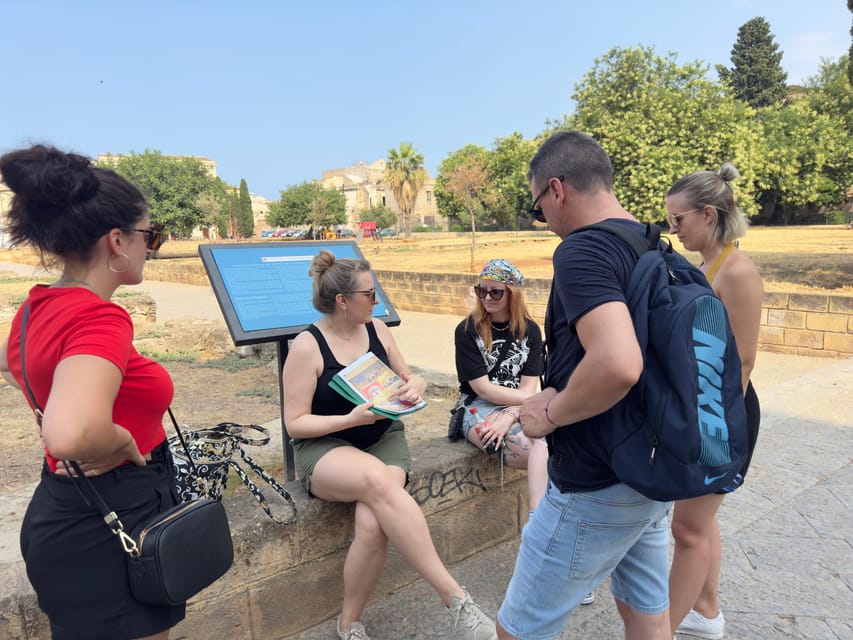
The itinerary is structured as a sequence of meaningful places. Even when the stops are short, the guide uses them like chapters. Here’s what each part contributes, and what to watch for.
Stop 1: Ruderi della casa natale del giudice Falcone
The tour starts at the remnants of the house associated with judge Giovanni Falcone. Since the meeting point is directly connected to a Falcone birthplace plaque, this opening lands fast. You’re not beginning with theory—you’re beginning with context.
Why it works: starting here frames Falcone and the anti-mafia struggle as rooted in real neighborhood life, not just politics from above.
Potential drawback: because it’s the first stop, you’ll want to be fully awake and ready to listen right away.
Stop 2: Piazza Magione (guided tour)
Next is Piazza Magione, where you get a guided explanation. Piazza spaces are ideal for this kind of storytelling: they give you clear sight lines and a sense of how people would have moved through the area.
What to enjoy: your guide can connect the broader narrative to the shape of the neighborhood—who gathered where, and how public life intersects with violent events.
Stop 3: Antica Focacceria San Francesco (guided tour)
At Antica Focacceria San Francesco, you’ll pause in a more everyday setting. A focacceria is the kind of place where you’d naturally expect food and chatter, and that’s part of the point.
This stop helps keep the tour from becoming only heavy facts. Food places in Palermo aren’t accessories—they’re part of how the neighborhood breathes. Even the guided context feels more grounded because it’s happening inside normal life.
Watch for: the way the guide links ordinary culture to extraordinary events.
Stop 4: Punto Pizzo Free (guided tour)
Punto Pizzo Free is another guided stop. This is where you start to appreciate how the tour uses a mix of well-known and less-highlighted locations. The story isn’t only set at famous landmarks.
Why it matters: it reinforces that organized crime wasn’t an abstract force. It touched different kinds of spaces—social, commercial, and civic.
Stop 5: Cagliostro Bakery (break time)
Here’s your reset: Cagliostro Bakery is the designated break time. Gelato is mentioned (around €3), but the key detail is that refreshments are optional and not included in your ticket price.
This is a good point to:
- rehydrate,
- cool down a bit,
- and ask yourself what you’ve learned so far before you move on.
If you’re in strong sun, this break can feel like the tour’s pressure valve.
Stop 6: Giardino Garibaldi (guided tour)
Next comes Giardino Garibaldi, adding a green pause to the hard-edged story. Gardens and public green spaces tend to offer a different kind of reflection point. The guide can connect the theme of renewal to a place that feels calmer than the street.
What you’ll likely appreciate: how the anti-mafia message can show up as public space and daily use—not only as investigation and trial.
Finish: Piazza della Kalsa
You end at Piazza della Kalsa, returning to the heart of the Kalsa story. By now, you’ve walked through the neighborhood with names, dates, and location-specific meaning. Ending here gives the tour a sense of closure in the same area where the story began.
If you want to keep the momentum going, this is also a smart spot to wander afterward—because you’ll have a mental map of what you’re seeing.
The three major crime sites: what you’ll actually be walking past
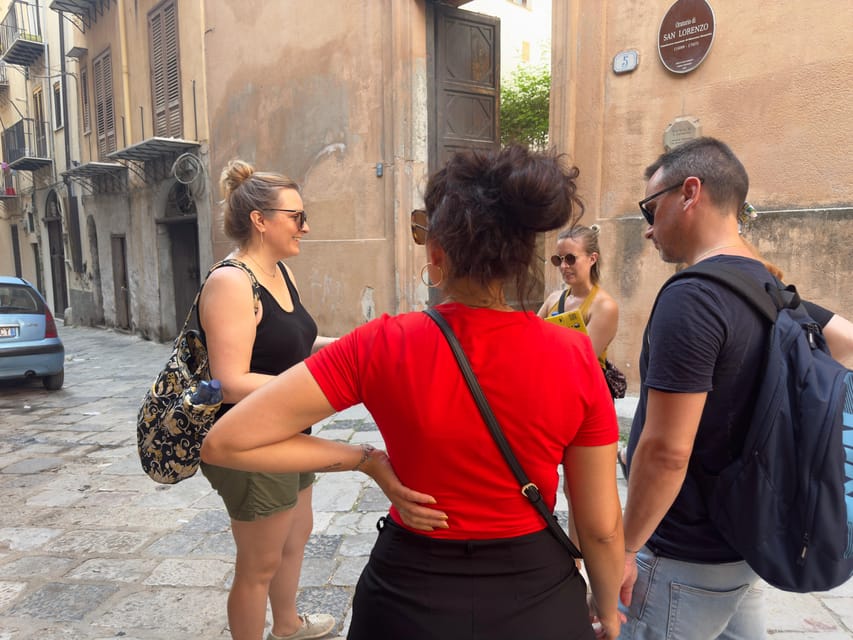
The tour description calls out that you’ll visit the sites of 3 major crimes, as part of 10 important sites total. The stops list several points, but the deeper lesson is how the guide frames these sites in the broader anti-mafia struggle.
So what should you expect at these crime-related locations?
- A clear explanation of what happened there and why it mattered
- How Falcone and Borsellino’s work connected to the broader battle against organized crime
- A look at the “before” and “after,” including restoration and renewal
Be prepared for the topic. This is not a fluffy history walk. It deals with violence and the effort to dismantle a system.
Small-group energy and why Q&A makes a difference
One review highlights that the group was small and that the guide—Angela—personalized the tour and spent extra time with the group. The same account points out that she explained personalities on both sides, including police and the mafia conflict as the battle played out in Palermo.
Even if you’re not on an Angela-led version, the format matters. When a tour allows questions, you get to clarify details that matter to you—like why certain events reshaped public action, or what’s meant by ongoing efforts in Sicily’s fight against organized crime.
That Q&A time is more than a perk. It turns the tour from one-way lecturing into a conversation about place, memory, and justice.
Price and value: what $39.86 buys in real terms
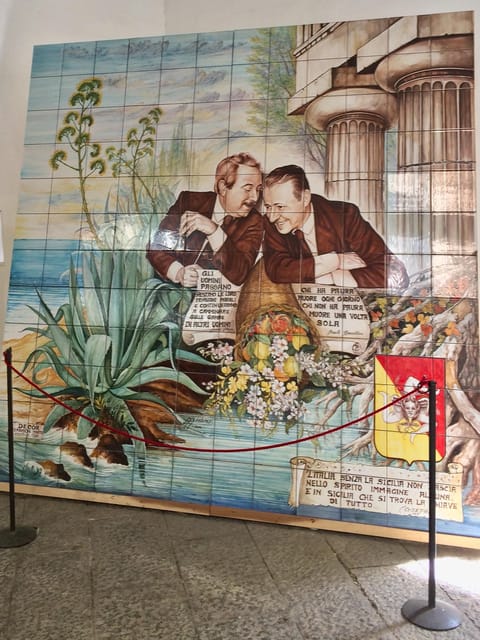
At $39.86 per person, you’re paying for:
- about 2.5 hours of live English guiding
- around 1 mile of walking with multiple stops
- 10 important sites, including three major crime sites
- structured storytelling about Cosa Nostra’s real origins vs myths
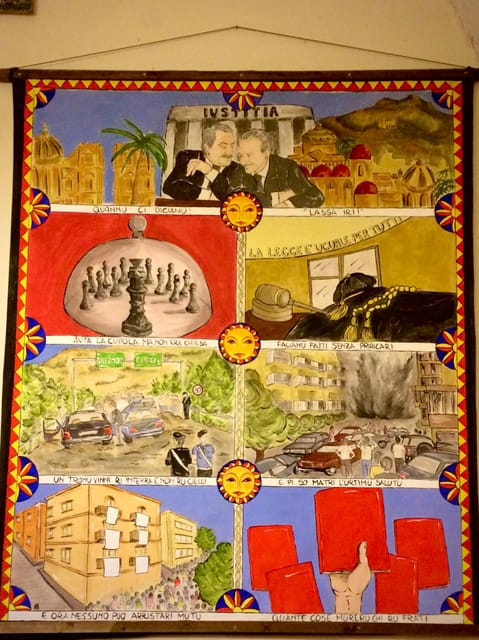
- and a book and movie recommendation list (included)
Is it expensive? For Sicily, it’s not bargain-basement pricing. But when you consider the number of guided locations and the fact that this is focused on interpretation—not just sightseeing—the value starts to make sense.
You’re also paying for someone to connect context to cornerstones of the neighborhood. Without that guidance, you’d walk right past many places and miss why they matter.
My rule of thumb: if you want history you can locate on a map, this price is easier to justify than if you only want general background.
What to expect from the vibe: serious, but not joyless
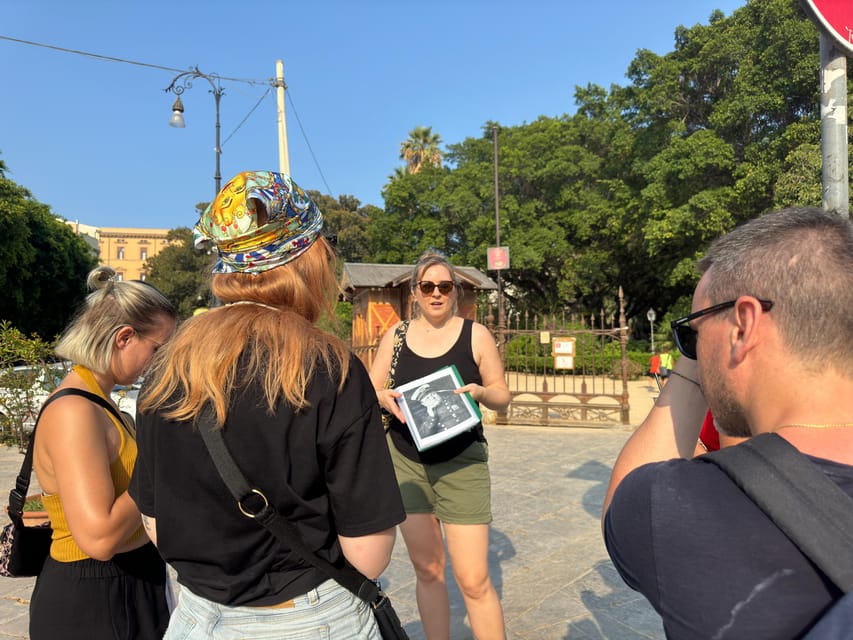
This isn’t a “stay quiet and learn facts” tour. It’s built around the neighborhood: sounds, streets, smells, and the mix of restored sites with normal daily life.
At the same time, don’t expect jokes to erase the subject matter. You’re learning about a moving struggle—ordinary Sicilians against Cosa Nostra—and the courage required to keep resisting.
The garden stop and the cafe break are there for a reason. They prevent the tour from turning into a nonstop lecture. They give you moments to process.
Who should book this tour (and who should think twice)
You’ll probably love this if:
- you care about Palermo’s La Kalsa area beyond postcards
- you want anti-mafia history connected to real locations tied to Falcone and Borsellino
- you like tours where you can ask questions, not just listen
- you’re comfortable walking about 1 mile in the morning sun
You might think twice if:
- you don’t handle heat well (morning route is not shaded)
- you need wheelchair access (it isn’t suitable for wheelchair users)
- you want lots of downtime—this is a guided walking experience with a defined flow
Also, pack light. Luggage or large bags aren’t allowed.
Quick FAQ about Anti-Mafia Heroes (Cool Hours) Morning Walking Tour
FAQ
How long is the Anti-Mafia Heroes morning walking tour?
The tour duration is about 2.5 hours.
How far do you walk during the morning tour?
It’s about 1.6 km (1 mile).
Is the morning tour shaded?
No. The morning tour is not shaded. The evening version is shaded.
What language is the tour guide speaking?
The live guide offers the tour in English.
Where does the tour start?
It starts at Ruderi della casa natale del giudice Falcone, at the meeting spot in front of Ciccio Passami l’Olio, across from the park plaque marking Falcone’s birthplace.
Where does the tour end?
The tour ends back at the meeting point area.
Are refreshments included?
Optional refreshments aren’t included in the ticket price. A cafe break is built into the schedule, and gelato is mentioned at about €3.
How many sites does the tour include?
The tour includes visits to 10 important sites, including three major crime sites.
Are bathrooms available during the tour?
Yes, a bathroom is available halfway through.
Is the tour suitable for wheelchair users?
No, it’s not suitable for wheelchair users.
Should you book this tour?
If you want Palermo with meaning—street-level history you can point to—this is a strong choice. The guiding is designed to explain how the anti-mafia movement worked in real life, not just as an idea, and the mix of restored sites with everyday neighborhood stops keeps it grounded.
Book the morning tour if you can handle sun and you’ll wear a hat. Skip the morning version and look at the shaded evening option if heat is an issue for you.
And if you’re the type who asks questions when something matters, this format fits you well. The subject is heavy, but the goal is practical: understanding how a system was fought, and why Sicily’s courage has a real geographic footprint.
More Walking Tours in Palermo


More Tours in Palermo
More Tour Reviews in Palermo
Just added: the newest Palermo tours in our notebook
- Private Transfer from/to Trapani★ 5.0 · 3 reviews
- Private Tour from Palermo to Monreale, Santa Rosalia and Mondello★ 5.0 · 3 reviews
- Palermo: Cannolo & Cassata MasterClass★ 5.0 · 3 reviews
- Camporeale: Sallier de La Tour Wine Discovery Tour★ 4.6 · 3 reviews
- Sicily … A Love of a Lifetime★ 4.5 · 3 reviews
- Sicilian Cooking Class in Palermo – Private Option★ 5.0 · 3 reviews
Walking Tours, compared.
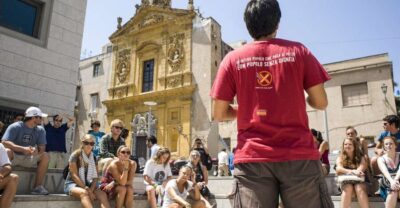 ★ 4.8Palermo: NO Mafia Walking TourFrom $402,431 reviews
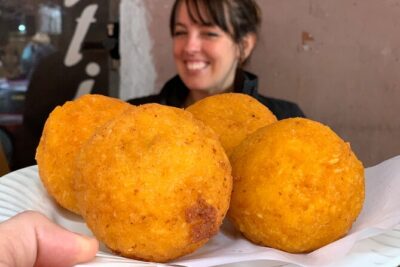 ★ 5.0Palermo Original Street Food Walking Tour by StreatyFrom $832,105 reviews
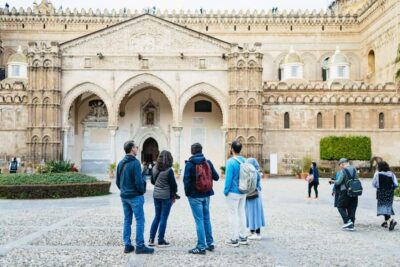 ★ 4.9Palermo: Street Food and History Walking TourFrom $571,486 reviews
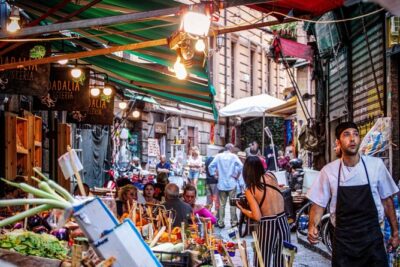 ★ 5.0Palermo No Mafia walking tour: discover the Anti-mafia culture in SicilyFrom $391,011 reviews
 ★ 4.6Catania: Heart of the City Guided Walking TourFrom $23708 reviews
 ★ 4.7Catania: City Highlights Walking TourFrom $14666 reviews
 ★ 4.7Palermo: Private Custom Walking Tour with Local GuideFrom $53661 reviews
 ★ 4.9Palermo: Street Food Walking Tour with Local Guide & TastingFrom $52632 reviews
Browse the lists this tour appears in