
Reviewed · AGRIGENTO & VALLEY OF THE TEMPLES
Agrigento – Valley of the Temples – audio guide
A walk through Agrigento makes more sense when the story follows you. This smart geo-referenced audio guide turns the Valley of the Temples into a self-paced route with 11 built-in stops and native-language recordings.
What I like most is the way it helps you find the right place as you walk, using your phone’s location. The audio itself is built around the big ideas here: ancient Greek temples, plus the deities and rites tied to them.
One drawback to consider: the stops are fairly short. If you want a deep lecture at every monument (or you already plan to read lots of on-site information), you may feel it gives you only the essentials.
In This Review
- Key points at a glance
- Why a geolocated audio guide fits the Valley of the Temples so well
- Setting up ITGUIDES with your purchase code (and avoiding dead zones)
- What the audio covers: temples, deities, and rites (not just dates)
- Walking the 11 stops: how the route keeps you oriented
- Practical tips for your phone, your feet, and the Sicilian sun
- Languages and recordings: choosing the right voice for better listening
- Price and value: why $4.70 can be smart, if you use it right
- Who this is best for (and who may want a different approach)
- Should you book this Valley of the Temples audio guide?
- FAQ
- Is there a meeting point for this audio guide?
- Does the audio guide include entry to the park?
- How do I redeem the audio guide on my smartphone?
- What languages are available?
- Does the audio guide expire?
- Will it work with limited internet or wifi?
- Can I cancel for a refund?
Key points at a glance
- Geo located points of interest keep you oriented as you move around the park
- Works fully on your smartphone with an easy setup using a purchase code
- Intro + 11 stop descriptions cover temples, deities, and rites in plain language
- Mother tongue recordings in English, Italian, French, Spanish, and German
- Audio doesn’t expire: 365 days to use it on your timing
Among the temples at Agrigento
- Agrigento: Valley of the Temples Skip-the-Line Sunset Tour
★ 4.5 · 1,512 reviews - Agrigento: Valley of the Temples Ticket & App Audioguide
★ 4.3 · 1,160 reviews - Agrigento: Valley of the Temples E-Scooter Tour
★ 4.6 · 557 reviews - Palermo: Valley of the Temples and Scala dei Turchi Day Trip
★ 4.1 · 463 reviews
Why a geolocated audio guide fits the Valley of the Temples so well

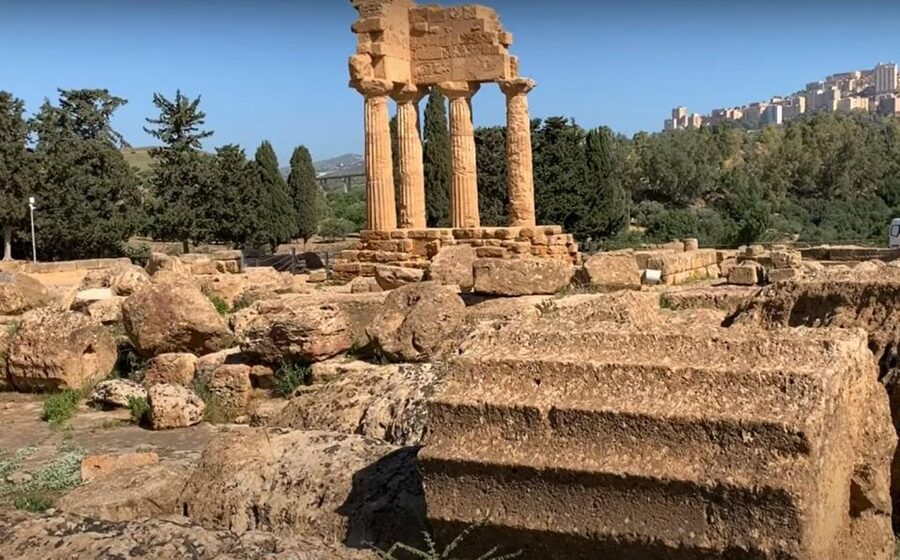
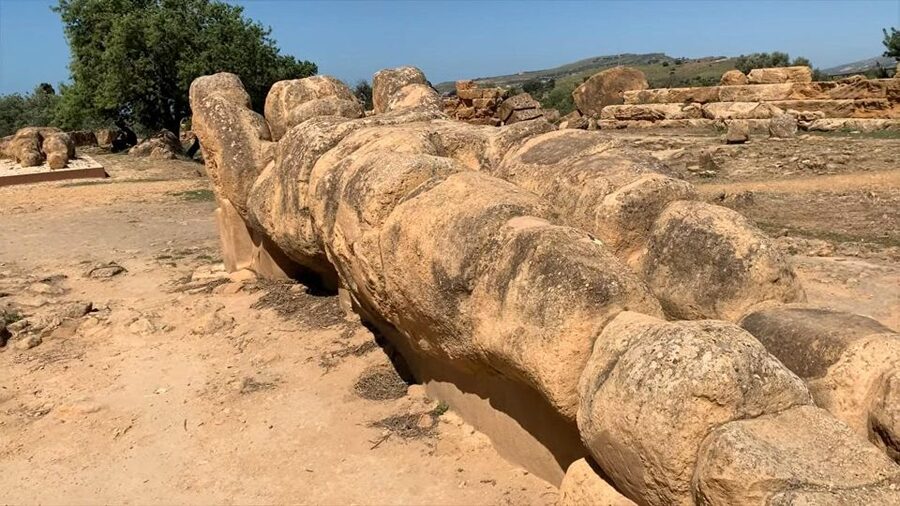
Agrigento’s Valley of the Temples is the kind of place where you keep looking at stone and thinking, I know this mattered, but what exactly am I seeing right now? That’s where this guide earns its keep. It’s designed as a self-guided experience with geo-referenced audio, so the content is meant to line up with what you’re standing in front of.
Instead of reading the park like a textbook, you get a quick story at each stop. The guide includes an introduction to the area’s history, then it guides you through 11 descriptions of points of interest along your journey. That format works well when you’re walking for hours and you don’t want to stop and start like it’s a quiz.
Also, the audio comes with photos and illustrations. Even if you’re standing in the middle of ruins, those visuals help you “translate” what’s left. It’s a small thing, but it can turn a confusing stretch of columns into something you understand as you go.
One more practical thing: there’s no meeting point. You just start when you’re ready, with the guide already programmed to follow you.
Setting up ITGUIDES with your purchase code (and avoiding dead zones)
This experience lives inside the ITGUIDES app. After you purchase, you get a code that you enter in the app to redeem the audio guide. The process is described as simple, and the practical advantage is that you’re not dealing with rental devices, paper vouchers, or complicated sign-ups on arrival.
You can also start before you get to the park. That matters because the Valley of the Temples has its own rhythm. When you know what themes the audio will cover (temples, deities, rites), your visit feels less like random wandering and more like a connected route.
The big on-the-ground tip is the one that can make or break any smartphone audio guide: plan for connectivity. The guidance recommends downloading contents if you don’t have reliable data coverage or wifi on-site. If you’re likely to lose signal, I’d treat the “download ahead” step as non-negotiable—otherwise you could end up with gaps just when you’re at a key point.
When a guide is geolocated, your phone’s GPS needs to work too. Keep your battery in good shape, and don’t count on your phone to survive the visit if you’re using it for maps, photos, and audio all at once.
What the audio covers: temples, deities, and rites (not just dates)

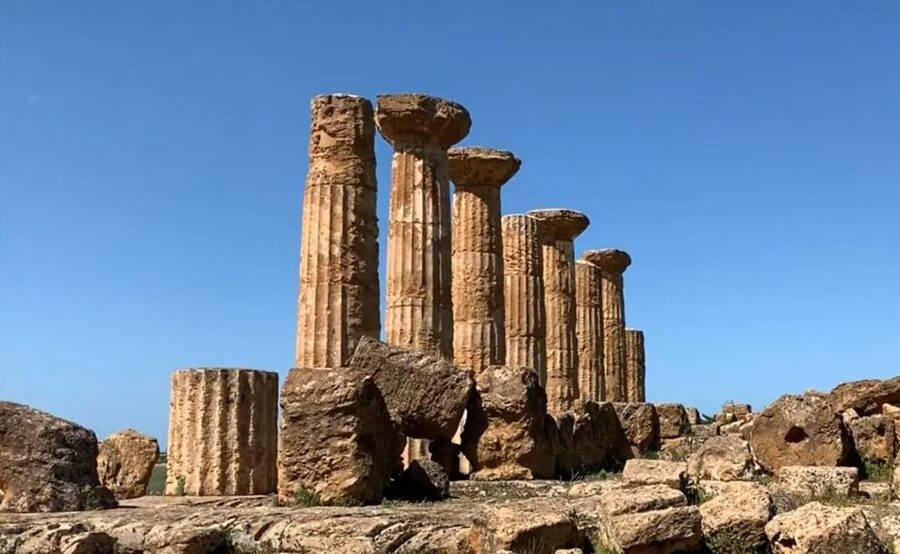
The guide is built around the Valley of the Temples’ core themes: the ancient Greek temples, the deities, and the rites connected to them. That’s a good focus because ruins become more meaningful when you understand what people believed and why they built what they built.
You get:
- An introduction to the history of this famous archaeological area
- 11 point-of-interest descriptions along your route
- Mother tongue audio in Italian, English, French, Spanish, and German
- Photos and illustrations to support what you’re seeing
Also, the guide’s descriptions are designed to be easy to listen to while walking. That’s part of its strength. You’re not stuck reading footnotes, and you don’t have to stop for long periods just to understand context.
The trade-off is in pacing. Some monuments here deserve a lot of attention, and if you’re expecting long, lecture-style narration at every single stop, you might find the individual segments a bit too brief for your taste. But for a well-structured overview that keeps you moving, shorter segments can be a feature, not a flaw.
Walking the 11 stops: how the route keeps you oriented
Because the guide is geolocated, the experience is less about following a fixed itinerary written on paper and more about following cues from your phone. In practical terms, you’ll likely feel that the audio is “meeting you” at each location—one section leading naturally to the next.
Here’s how to think about the route design:
Stop-by-stop rhythm
- Each of the 11 points of interest is treated as its own mini-chapter.
- You’ll get enough context to recognize what you’re looking at and why it matters.
- The visuals (photos/illustrations) help connect the ruins to what they were meant to represent.
What each chapter is meant to do
- The guide introduction sets the big picture: history of the area and why the Valley is so famous.
- Then the chapters focus on specific monuments or viewpoint areas, linking them to Greek religious life—deities and rites.
- The content aims for clarity rather than overwhelming detail.
A real-world benefit
When you’re walking around stones that don’t come with modern labels, it’s easy to drift out of sequence. The geolocation makes it harder to get lost in the story. Even when you pause for photos, the guide is designed to keep your narration relevant to where you are.
A drawback to watch for
If your ideal audio guide is long-form and ultra-specific, you may feel that some stops move fast. Short segments can leave you wanting more, especially if you’re the type who loves reading every explanation panel on your own.
A few we would gladly point a friend toward in Agrigento

Practical tips for your phone, your feet, and the Sicilian sun
This is an outdoor archaeological park. Even the best audio guide can’t fix comfort issues. One of the clearest practical suggestions is to come prepared for sun and walking.
For your visit, I’d plan for:
- Light shoes (you’ll cover distance on uneven ground)
- A hat if it’s bright, especially midday
Since this guide relies on your smartphone, treat your phone like a tour companion, not an afterthought:
- Keep battery topped up before you start.
- If you’ll be taking lots of photos, consider turning off power-hungry settings.
- If you’re not sure about connectivity, download the guide contents ahead of time so you’re not stuck waiting for the audio to load.
And here’s a small mindset trick: if you tend to look at each ruin for 30 seconds and then move on, slow down just enough to let each audio segment finish. That’s where the guide earns its value.
Languages and recordings: choosing the right voice for better listening
The guide offers English, Italian, French, Spanish, and German, including mother tongue recordings. That matters more than it sounds. At archaeological sites, you’re already doing a lot of translation in your head—symbols, architecture, missing pieces. Listening in your first or most comfortable language keeps the flow smooth.
I also like that you’re not locked into one option forever. If you’re traveling as a pair or group with different languages, each person can use the same guide in their own language.
If you’re a strong reader but not as strong at listening in a second language, this setup is a practical win. You’ll absorb the deities and rites faster when the tone matches what your brain expects.
Price and value: why $4.70 can be smart, if you use it right
At about $4.70 per person, this isn’t priced like a tour guide with live interpretation. It’s priced like a tool—an inexpensive way to add context to a self-guided visit.
That value depends on your goals:
- If you want help turning ruins into a story, the guide can be a great deal.
- If you plan to already study a lot on your own, you might find the audio stays at the “helpful basics” level rather than adding brand-new information.
- If you want maximum depth at each monument, you may feel the audio segments are too short to fully satisfy your curiosity.
Also, important: the audio guide doesn’t include the entry ticket. In other words, this is the interpretation layer, not park admission. Make sure you’ve got your ticket sorted separately so you’re not trying to solve two problems at once.
Where it really feels like good value is in the convenience: no meeting point, no rental hardware, and a route that’s supported by geolocation. Those are the parts that save your time and reduce “Where am I?” moments.
Who this is best for (and who may want a different approach)
This guide is a solid fit if you:
- Prefer self-guided travel
- Want clear context while walking
- Like the convenience of geolocation instead of constant map checking
- Appreciate listening in Italian/English/French/Spanish/German without effort
It may be less satisfying if you:
- Expect long, monument-by-monument lectures
- Want detailed explanations that go far beyond what you could find by reading signage and basic guides
- Don’t want to rely on a phone at all (because you’ll lose value if your signal/battery fails)
If you’re the type who loves absorbing everything slowly, you can still use this guide successfully—just treat it as the “minimum narrative” while you add your own reading or observations.
Should you book this Valley of the Temples audio guide?
If you want an easy, low-cost way to understand what you’re seeing in the Valley of the Temples, yes, book it. The combination of an introduction, 11 geo-referenced stops, and mother tongue narration is exactly what many people need to make the visit feel connected instead of random.
I’d say go for it especially if you like the idea of starting before you arrive and having the story follow your feet. And don’t overlook the practical side: download when possible, protect your battery, and wear shoes that handle walking.
Skip (or pair with other sources) if you’re chasing deep detail at every monument. This guide is designed to keep you moving and oriented, not to replace longer research.
If you’re planning a sunset walk, a short listening segment can be a great match for the pace of the evening light. Just plan your tech so the audio keeps working when you need it most.
FAQ
Is there a meeting point for this audio guide?
No. It’s a self-guided tour with no meeting point.
Does the audio guide include entry to the park?
No. The entry ticket is not included.
How do I redeem the audio guide on my smartphone?
You open the ITGUIDES app and enter the code provided at the time of purchase.
What languages are available?
The audio guide is available in Italian, English, French, Spanish, and German.
Does the audio guide expire?
No. It doesn’t expire, and it’s valid for 365 days.
Will it work with limited internet or wifi?
You can start using it before you go, but it’s recommended to download all the contents with good data coverage or wifi signal so it works smoothly.
Can I cancel for a refund?
Yes. You can cancel up to 24 hours in advance for a full refund.
More Guided in Agrigento



More Tour Reviews in Agrigento




More at the Valley of the Temples
Just added: the newest Agrigento tours in our notebook
- Scala dei Turchi: Aperitif on a boat at sunset★ 4.3 · 3 reviews
- From Agrigento to Siracusa: Valley of Temples & Roman Villa★ 5.0 · 3 reviews
- Private Tour : Agrigento & Scala dei Turchi★ 5.0 · 3 reviews
- Wine tasting under the Stars in the vineyards of Agrigento★ 5.0 · 3 reviews
- Private tour from Palermo to Agrigento and Piazza Armerina★ 4.0 · 4 reviews
- E-BIKE TOUR AGRIGENTO: Valley of the Temples & Old Town with meal included★ 5.0 · 4 reviews
Agrigento & Valley of the Temples, compared.
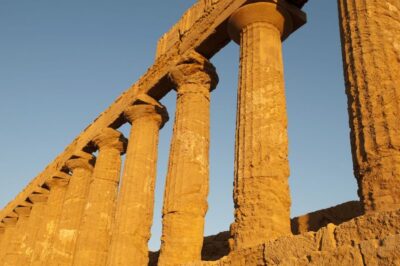 ★ 4.5Agrigento: Valley of the Temples Skip-the-Line Sunset TourFrom $511,512 reviews
 ★ 4.2Palermo: Agrigento and the Valley of the Temples Day TourFrom $771,240 reviews
 ★ 4.3Agrigento: Valley of the Temples Ticket & App AudioguideFrom $191,160 reviews
 ★ 4.6Agrigento: Valley of the Temples E-Scooter TourFrom $68557 reviews
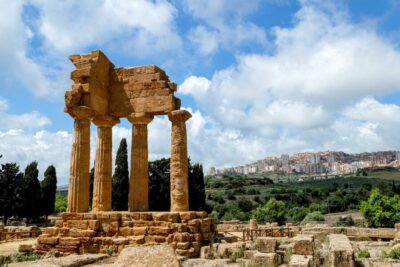 ★ 4.1Palermo: Valley of the Temples and Scala dei Turchi Day TripFrom $79463 reviews
 ★ 5.07 hours Boat trip to Lampedusa lunch, SUP and SnorkelingFrom $86453 reviews
 ★ 4.5Catania: Valley of the Temples and Turkish Steps with SnackFrom $129346 reviews
 ★ 4.1Agrigento: Valle dei Templi Fast-Track Ticket & Smart GuideFrom $24344 reviews
Browse the lists this tour appears in