
Reviewed · WINE & VINEYARD TOURS
Wine tour with wine tasting
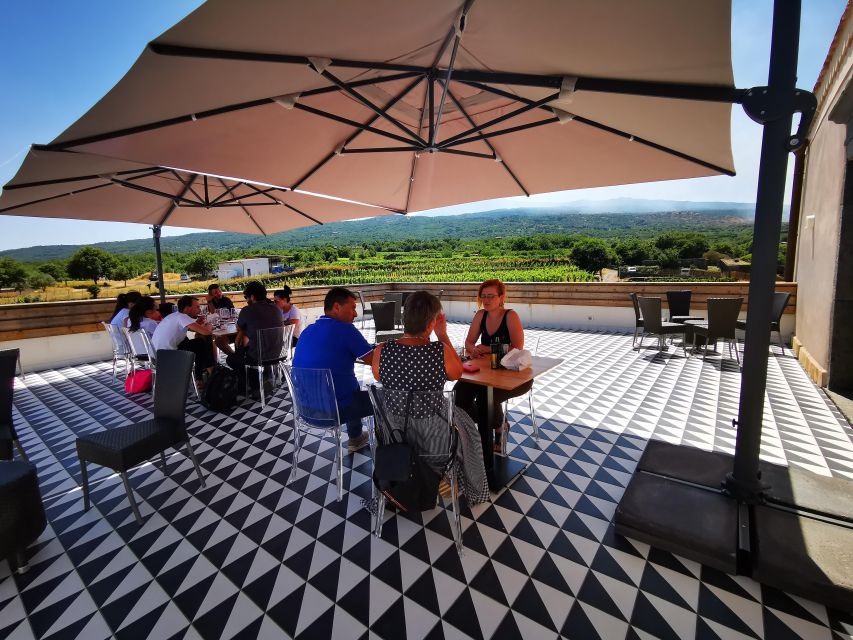
Etna wine starts on volcanic ground. This walking-and-tasting tour pairs a guided vineyard walk with an in-depth, technical wine tasting back at an old Palmento, plus bread and Etna olive oil. You’ll get out among the vines at the foot of Europe’s highest active volcano, then come in for a structured tasting led by a sommelier.
I especially like the focus on how Etna wine is made, not just what it tastes like, including the farm approach and fermentation approach explained in plain terms. I also like that the stop isn’t just drinking: the visit to the old Palmento gives you context for why these producers insist on tradition.
One thing to consider is that the full experience runs about 100 minutes, so it moves quickly. If you want a long, leisurely meal with lots of food options, you may want to plan that separately.
In This Review
- Key highlights to zero in on
- Etna Vineyard Walk: Ad alberello vines and plastic-free habits
- The 11:30 and 15:45 schedule: how timing really works
- Back to an Ancient Palmento: why this stop is more than scenery
- Technical Etna wine tasting: four wines, bread, and olive oil
- What makes the wines here distinct: sulfite-free style and spontaneous yeasts
- Price and value: $34 for 100 minutes of context
- Who should book, and who should skip it
- Should you book this Etna wine tour?
- FAQ
- How long is the wine tour?
- What’s included in the tasting?
- Where does the tour start?
- What time does the tour run?
- What languages are the guides available in?
- Is it wheelchair accessible?
Key highlights to zero in on
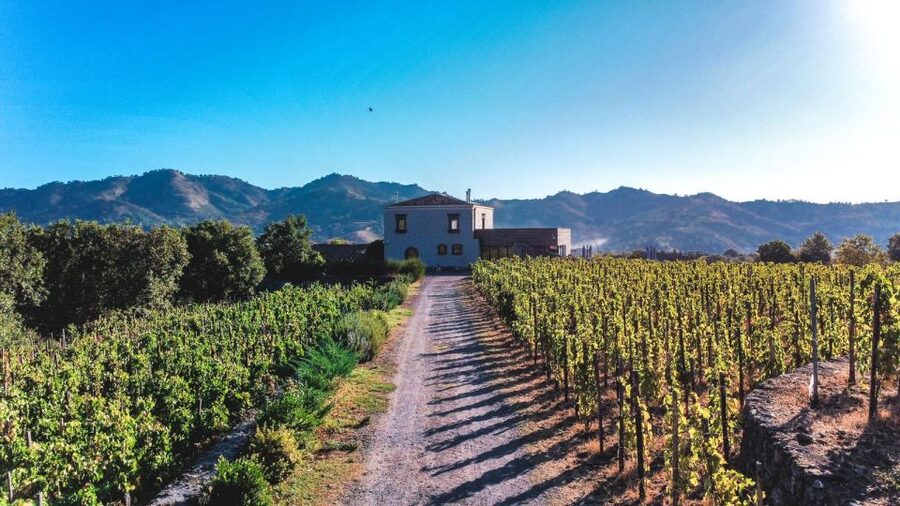
- Etna ad alberello vines you can see up close: the sapling vine system is part of the story, and you can even touch the vines.
- Old Palmento visit: you’ll walk back to an ancient production space before tasting.
- Technical tasting of four wines: a sommelier leads a structured tasting with explanations.
- Bread and Etna olive oil included: you’re not tasting wines completely dry.
- Organic, traditional, and spontaneous-fermentation approach: sulfite-free style is presented as a result of the cultivation and fermentation method.
- Two daily start times: the tour runs at 11:30 and 15:45, and you can still join the tasting part if you miss the start.
More cellars and vines near Catania
- Etna, Wine and Alcantara Tour – From Taormina
★ 5.0 · 464 reviews - Tour Etna & Wine Tasting
★ 5.0 · 317 reviews - Mt Etna and Wine tasting tour from Catania
★ 5.0 · 282 reviews - Private tour of Etna and Winery Visit with Food and Wine Tasting from Taormina
★ 5.0 · 221 reviews
Etna Vineyard Walk: Ad alberello vines and plastic-free habits
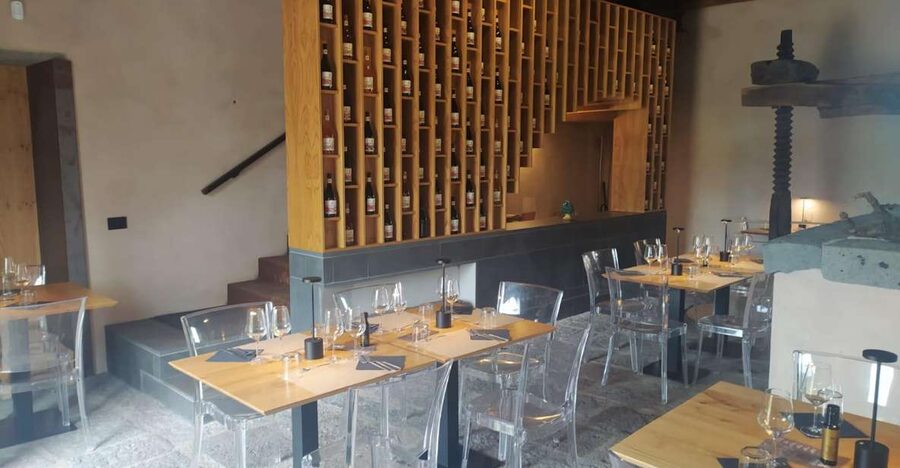
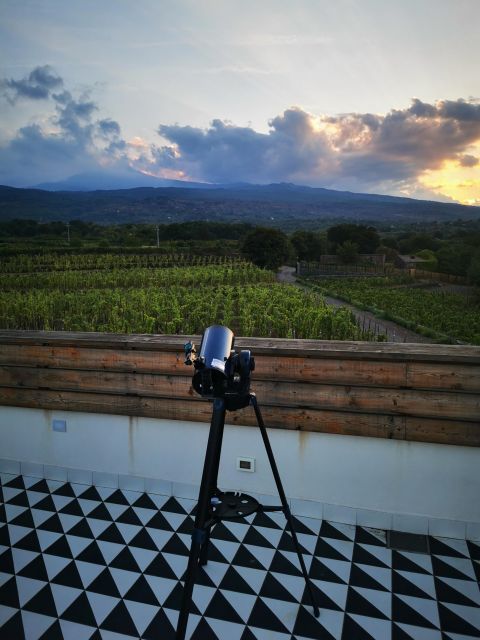
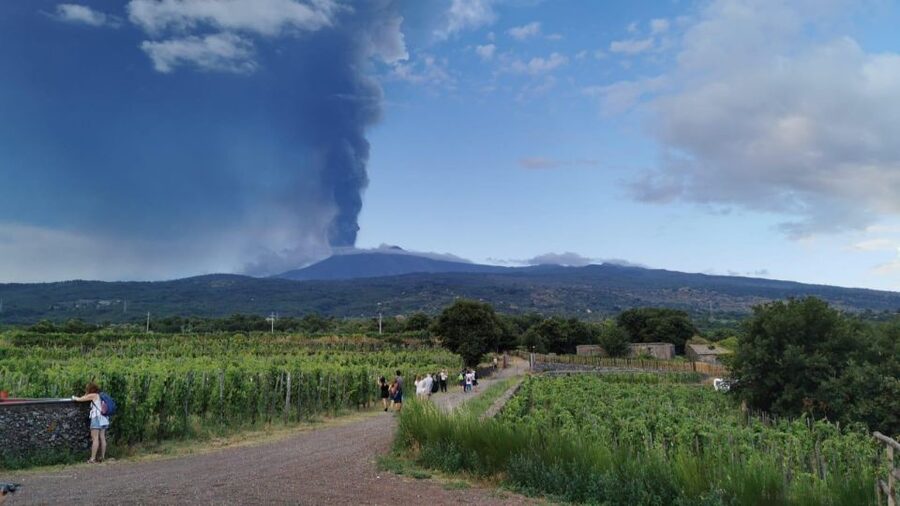
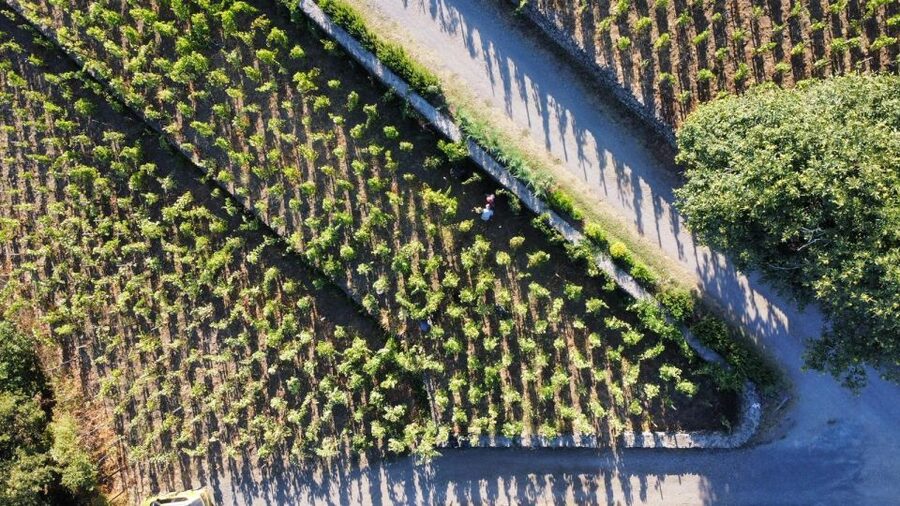
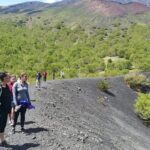
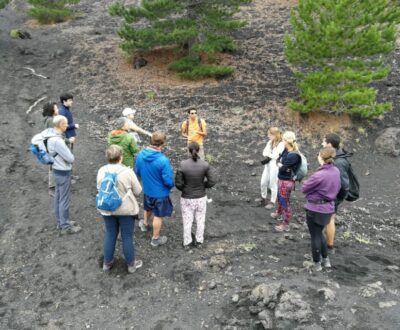
The first portion is a guided walk through the vineyard, paced for real looking, not just marching to the next stop. You’ll be at the foot of Etna, working along the rows of grapevines while your guide explains how the cultivation matches the volcano’s conditions and the producer’s values.
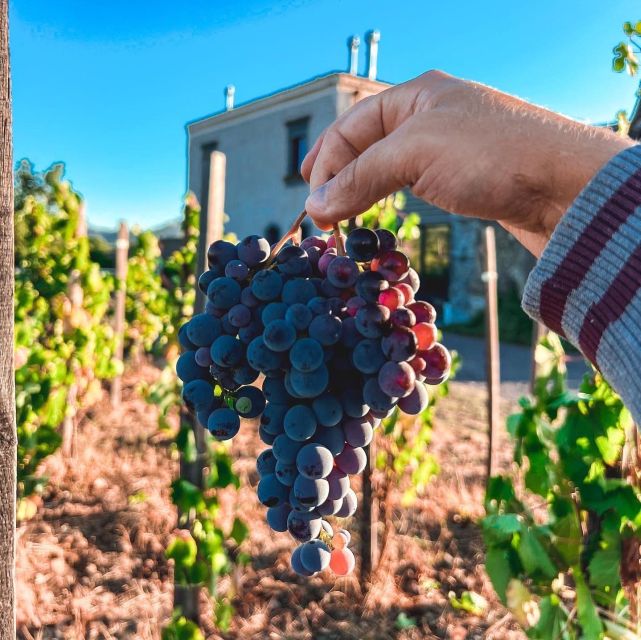
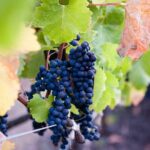
What makes this walk practical is that it’s tied to what you’ll taste later. The “Etnean production” isn’t treated like marketing language—it’s shown with the vine training system. You’ll hear about ad alberello, the sapling vine system used in Etna vineyards, and you’ll be able to see and touch it. That physical experience helps the wine tasting make sense, because you’re connecting the shape of the vines to the way grapes are grown.
The tour also emphasizes a “conscious production” model: sustainable and plastic-free, built around organic and traditional cultivation. Even if you’re not a sustainability nerd, this matters because it signals what kind of decisions the winery is making every day—what they do in the vineyard affects how the wine behaves in the glass.
The 11:30 and 15:45 schedule: how timing really works
This experience runs for about 100 minutes, starting at 11:30 or 15:45. That’s a sweet spot for a half-day add-on: you’ll still have time to keep exploring Sicily the same day, whether you’re basing yourself in the Etna area or just doing a day trip.
The start times matter because the walk is outdoors. If you’re sensitive to heat, the late afternoon 15:45 option can feel more comfortable than the morning—though the tour is designed to be accessible and paced for walking.
And here’s a genuinely helpful detail: if you miss the tour start, you can still join the tasting portion. That reduces stress if you’re traveling with a bit of uncertainty—like if you’re coordinating trains, buses, or getting around the Etna roads.
Back to an Ancient Palmento: why this stop is more than scenery
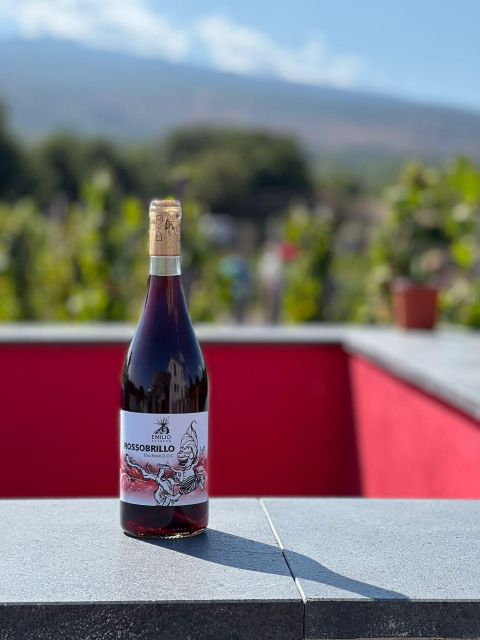
After the vineyard walk, you head back to an old Palmento, an ancient production space tied to how Etna grapes have been processed over time. The tour doesn’t treat this like a quick photo break. It frames the Palmento as part of the production logic—how old techniques and the farm’s approach connect to the wine you’ll taste next.
This is where the experience turns from “pretty vineyard walk” into “understanding.” You’re seeing a place designed for crushing and pressing traditions, then being guided into a tasting that’s meant to connect back to those choices.
The value here is especially clear if you’ve tasted Sicilian wine before without context. With this stop, you’re less likely to remember only the flavors. You’re more likely to remember the why: how production spaces and cultivation style can influence the character of the wine.
Technical Etna wine tasting: four wines, bread, and olive oil
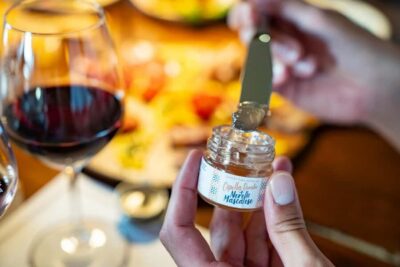
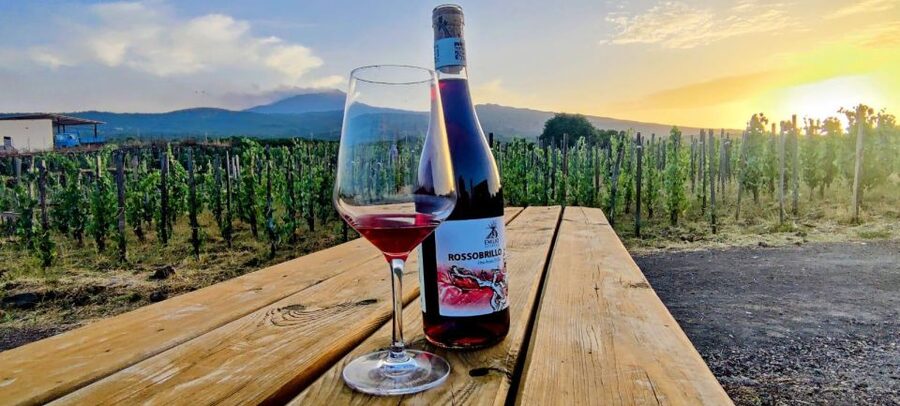
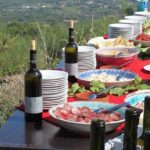
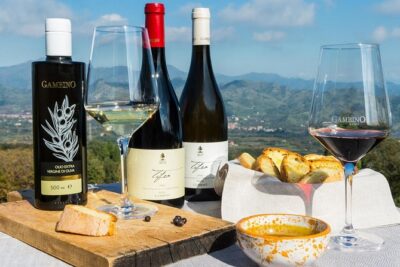
The tasting is led by a sommelier and includes four wines paired with local bread and Etna olive oil. This pairing setup is practical: bread and oil help you reset your palate between pours, so you can actually notice differences rather than just chase intensity.
You’ll sample wines that include:
- Giallomiccio Biancopiglio
- Rossobrillo
- Neromagno
The tour description says there are four wines total, but it only lists three by name in the provided information—so expect the fourth wine to be part of your tasting lineup when you arrive.
The tasting is described as technical, which is important for what you’re paying for. At this price point, it would be easy for a tasting to turn into a generic sip-and-smile. Here, the experience is structured around explanations about the wines and what’s happening in the production. The goal is understanding the connection between vineyard practice and fermentation choices.
One extra practical tip: if you can add extra food on-site, it can improve the experience. A guide-led tasting plus bread and olive oil is a good start, but pairing wine with an actual meal can make it even more satisfying—especially if you tend to get hungry on tasting tours.
A few we would gladly point a friend toward in Catania

What makes the wines here distinct: sulfite-free style and spontaneous yeasts
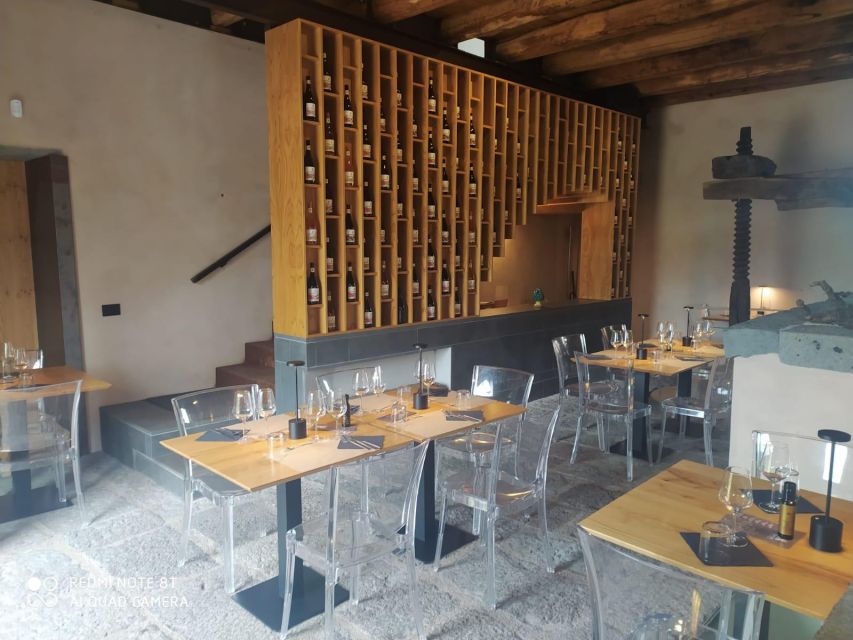
One of the most interesting parts of this experience is how the producer frames the wine style. The tour explicitly highlights naturally sulfite-free wines as the result of:
- organic cultivation in line with tradition
- fermentation by spontaneous yeasts
That pairing of ideas is the heart of why Etna wines can feel different from what you might expect. Organic farming and traditional methods are described as shaping the grapes, while spontaneous fermentation suggests a different kind of natural process—one that relies more on the grapes and the environment than on added yeast cultures.
For you, this matters because it changes what you should look for when tasting. Instead of chasing only sweetness, oak flavor, or obvious fruit notes, you’ll get encouraged to pay attention to texture, aroma changes across pours, and how each wine carries itself.
This also means expectations should be set if you have a specific wine style in mind. One review notes there are no fortified wines made here, which is a helpful reminder: if you’re expecting sweet or fortified-style options, you should adjust your expectations and focus on the style being offered.
Price and value: $34 for 100 minutes of context
At about $34 per person for a 100-minute experience, you’re paying for three things that often get separated elsewhere: a vineyard walk, a Palmento visit, and a guided tasting.
If you’ve ever done tastings where you pay for pours but get little context, this tour tends to feel like better value because the explanations are built into the sequence. You’re not just drinking four wines—you’re getting a technical guide to how the wines connect to vineyard training and fermentation choices, plus simple food pairings.
Could it cost more elsewhere? Sure. Does it feel short? Some people think the timing is tight, and that’s fair: the whole thing is compressed into about 100 minutes. But that compression is also part of the value—this is designed to fit into a day without turning into a full afternoon event.
My advice: if your goal is tasting with real production context, this price makes sense. If your goal is a long, sit-down meal experience with lots of extra courses, you may want to treat this as a tasting-focused stop and add dinner later.
Who should book, and who should skip it
This tour is a good match if you want to understand Etna wine in a structured way—vineyard first, Palmento second, tasting third. It also works well if you like learning through doing, not just listening. Seeing ad alberello vines and connecting them to what you sip helps the tasting stick.
It’s also practical that the tour is wheelchair accessible, with a live guide in Italian, English, and Spanish.
One clear “don’t book” flag in the provided info: it’s not suitable for pregnant women.
Should you book this Etna wine tour?
Book this if you want a compact but meaningful Etna experience: vineyard walk with tangible vine details, a visit to an old Palmento, and a technical tasting of four wines with bread and Etna olive oil for about $34 and roughly 100 minutes.
Skip (or at least pair with a plan) if you need a longer food experience or you’re hoping for fortified wines. And because the tour is fairly time-boxed, it helps to arrive ready to walk and stay engaged through the tasting—this one gives you the most value when you treat it like a short course, not just a drink stop.
FAQ
How long is the wine tour?
The duration is 100 minutes.
What’s included in the tasting?
You’ll taste four different wines, with bread and Etna olive oil included.
Where does the tour start?
You should start at Via San Giuseppe, and meeting is guided by signs for Emilio Sciacca Etna Wine.
What time does the tour run?
It starts at 11:30 am and 3:45 pm.
What languages are the guides available in?
The live tour guide is available in Italian, English, and Spanish.
Is it wheelchair accessible?
Yes, the tour is wheelchair accessible.
More Tours in Catania

More Tour Reviews in Catania
More Sicilian Wine and Vineyards


Just added: the newest Catania tours in our notebook
- Transfer Catania / Agrigento Airport★ 5.0 · 3 reviews
- Sicily private shore excursion – Etna and Taormina with personal driver★ 3.5 · 3 reviews
- Sunset Trekking on Mount Etna★ 5.0 · 3 reviews
- Private Transfer from Catania to Palermo or vice-versa with stop★ 5.0 · 3 reviews
- From Syracuse: Mount Etna Volcano Morning Trekking Tour★ 5.0 · 3 reviews
- Catania: Guided Street Food Tour with Tastings★ 5.0 · 3 reviews
Wine & Vineyard Tours, compared.
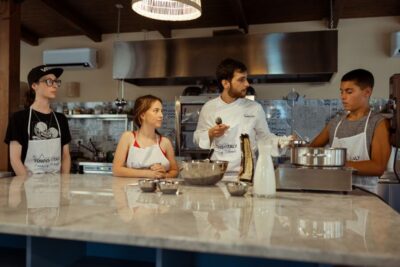 ★ 4.9Palermo: Pizza and Gelato Cooking Class with Dinner and WineFrom $71951 reviews
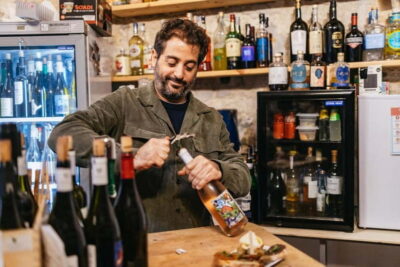 ★ 4.8Palermo: Wine Tasting with Snacks at Bottega MonteleoneFrom $52722 reviews
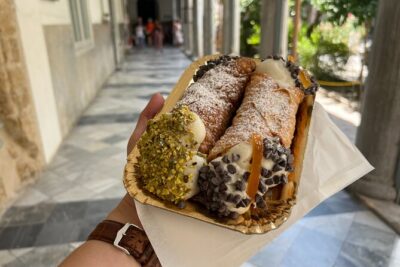 ★ 5.0Palermo Food Tour: 10+ Tastings of Arancini, Cannoli, Wine & MoreFrom $91521 reviews
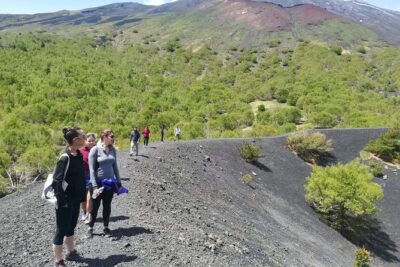 ★ 5.0Etna, Wine and Alcantara Tour – From TaorminaFrom $139464 reviews
 ★ 4.7Taormina: Guided Etna Wine Tasting Half-Day TourFrom $68444 reviews
 ★ 5.0Private 6-Hour Tour of Three Etna Wineries with food&wine tastingFrom $375417 reviews
Palermo: Pasta & Tiramisu Cooking Class with Flowing WineFrom $56405 reviews
★ 5.0Private 6-Hour Tour of Three Etna Wineries with food&wine tastingFrom $375417 reviews
Palermo: Pasta & Tiramisu Cooking Class with Flowing WineFrom $56405 reviews
 ★ 4.9From Taormina: Full-Day Etna, Wine & Alcantara Canyons TourFrom $116390 reviews
Browse the lists this tour appears in