
Reviewed · SICILY
Underwater Archaeology Course
History gets real—underwater. This Sicily program turns archaeology into something you can actually practice, starting with search and measuring techniques on land and then moving into hands-on in-water training. It’s a small-group course (max 15) that mixes local underwater heritage with the kind of documentation you’d use in real fieldwork.
I especially like the way the day pushes you to think like a researcher, not just a visitor. You build fieldnotes and drawings during the shore debrief, and you also get free underwater pictures and video to take home.
One thing to consider: it’s weather-dependent, and you’ll also need to plan for the PADI license fee (around €65) since that part isn’t included.
In This Review
- Key things I’d circle before you book
- From Sicily classrooms to fieldnotes: how the course flows
- The classroom part: history plus the tools of research
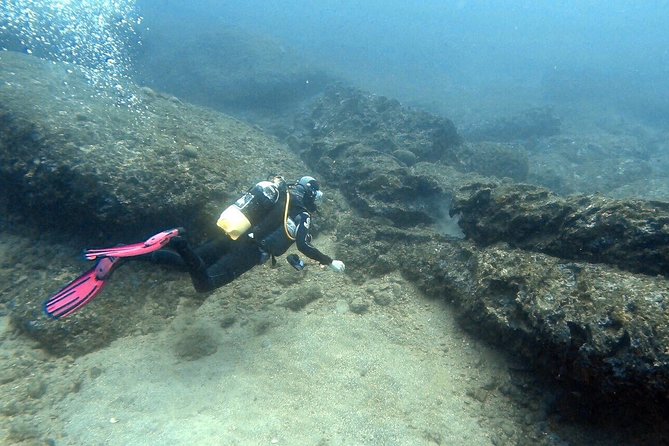
- Two in-water practice sessions in Giardini-Naxos
- The shore debrief: turning what you did into fieldnotes and drawings
- Equipment, manual, and included museum entry: what you’re really paying for
- Small group energy: max 15 and solo-friendly vibes
- Where you’ll start and how the day ends
- Value check: who this course is best for (and who should skip it)
- Should you book the Sicily underwater archaeology course?
- FAQ
- How long is the Underwater Archaeology course in Sicily?
- Where does the course start and end?
- What’s included in the price?
- Is a PADI certification card included?
- What fee is not included?
- How many underwater practice sessions are included?
- What happens if the weather is poor?
Key things I’d circle before you book
- Start on land with standard search and measuring techniques so you’re not guessing underwater
- Two in-water practice sessions tied to what you learned in class
- A focused underwater heritage look, not just generic training
- Shore debrief with fieldnotes and drawings for real documentation practice
- Value-packed inclusions: full equipment rental, digital manual, museum entry, and underwater photos/video
- Small group coaching with a maximum of 15 participants
Still weighing it up? These Sicily tours pull the biggest crowds for a reason.
- Etna Morning Trip
★ 4.5 · 1,241 reviews - Syracuse: Tour of Ortigia Island & Caves with Local Skipper
★ 4.7 · 1,060 reviews - Tour of the island of Ortigia and exploration of sea caves with baths.
★ 5.0 · 668 reviews - Pub Crawl Palermo
★ 5.0 · 595 reviews
From Sicily classrooms to fieldnotes: how the course flows
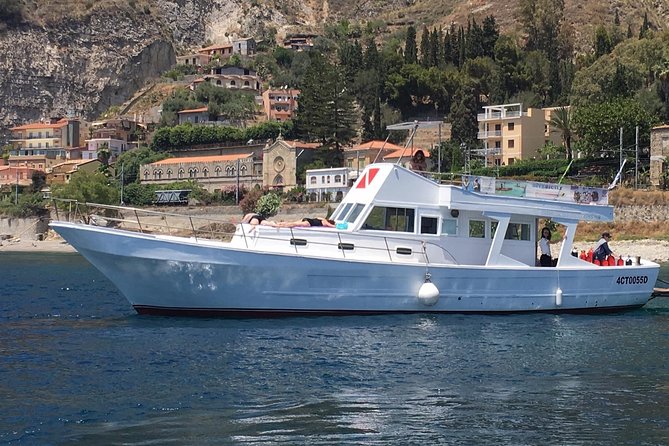
This is a 5-hour course that runs from Dive Sicily – Naxos & Taormina at Porto di, Giardini-Naxos to back at the same meeting point. The schedule is built for one goal: take the basic ideas of underwater archaeology and help you apply them while you’re still thinking clearly.
What makes the structure work is the rhythm. You start with a short history of underwater archaeology and where the field came from, then you practice the core “how” on land. Only after that do you go in the water to practice what you learned. Back on shore, you don’t just wrap up—you document what you did.
The biggest win here is that you leave with a sense of method. You’re not only reacting to what you see; you’re learning how researchers search, measure, and record so the information means something later.
The classroom part: history plus the tools of research
Before anything happens underwater, you get a classroom session that covers the history of underwater archaeology and its origin. That matters more than it sounds. Once you understand why the field exists—protecting sites, recording evidence carefully—it’s easier to take the technical parts seriously.
Then you move into the basics of research technique. The course description is clear that you’ll practice standard search and measuring techniques used in underwater archaeological work. In plain terms, you’re learning how to systematically look for and document things instead of drifting around and hoping for the best.
You’ll also receive the digital underwater archaeology manual, plus use of special underwater archaeology instruments and equipment during the training. Even if you’re new to the topic, the manual helps you connect what you do in the moment to what you’ll need to write and draw later.
If you’re the type who likes understanding the why behind the how, this classroom start is a good match. It turns the later shore debrief from an admin task into a way to prove to yourself that you understand what you recorded and why.
Two in-water practice sessions in Giardini-Naxos
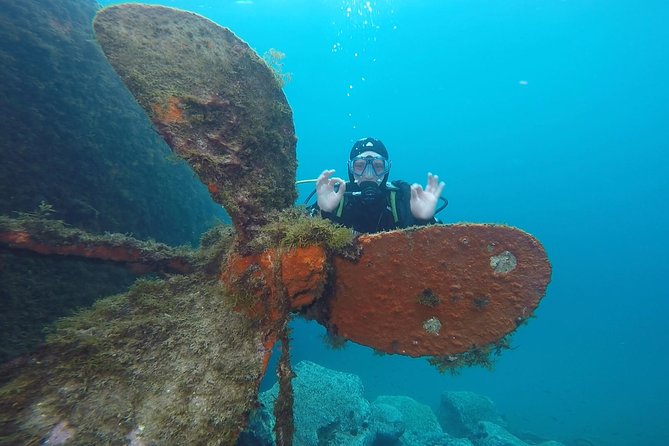
The underwater portion is designed as practice. The course includes two in-water sessions where you apply what you learned about searching and measuring underwater. This is not presented as a “watch someone else” experience—your time below the surface is meant for doing.
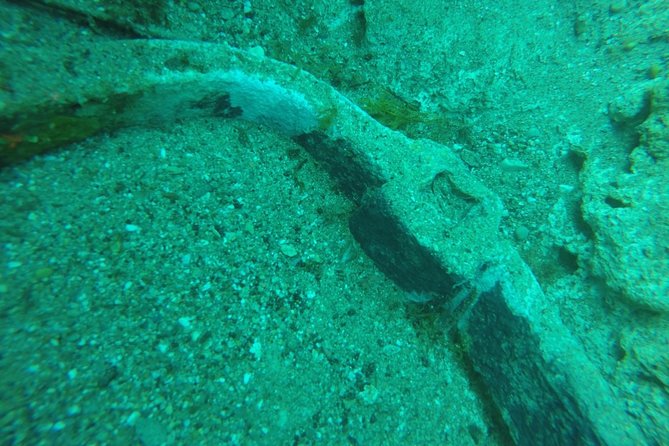
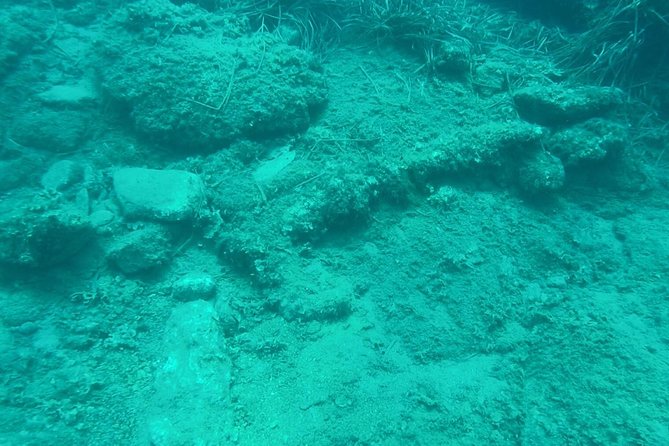
There’s also an added element: you get a wonderful look at underwater heritage as part of the experience. The wording makes it clear the training is connected to real context, not just drills in open water. That’s a big reason this course feels more satisfying than a basic lesson.
Because this is run by Dive Sicily, you’re training under scuba-focused procedures while staying anchored to archaeology skills—recording, measuring, and thinking like a field researcher. That blend is the core of the value here: you get both the water-time experience and the archaeological mindset.
One practical note: this activity requires good weather. If conditions aren’t right, it can be canceled and you’ll be offered a different date or a full refund. So if you’re planning a tight schedule around Naxos and Taormina, keep some flexibility.
The shore debrief: turning what you did into fieldnotes and drawings
After the in-water sessions, you return for a detailed debriefing. This is where the course becomes more than a fun day out. You prepare fieldnotes and drawings to document your fieldwork.
That documentation step is the difference between “I saw something” and “I can describe it in a usable way.” You’re learning how underwater archaeology work gets communicated and preserved, not just how it looks in photos.
Even if you’re not aiming for a career in archaeology, the exercise trains your attention. You practice remembering key details and translating what you observed into something structured. That’s great if you’re the kind of traveler who wants to come home with more than souvenirs.
The debrief also includes museum time. The tour includes an archaeological museum fee entrance, which gives you a chance to connect what you practiced with what you can learn on land afterward.
Equipment, manual, and included museum entry: what you’re really paying for
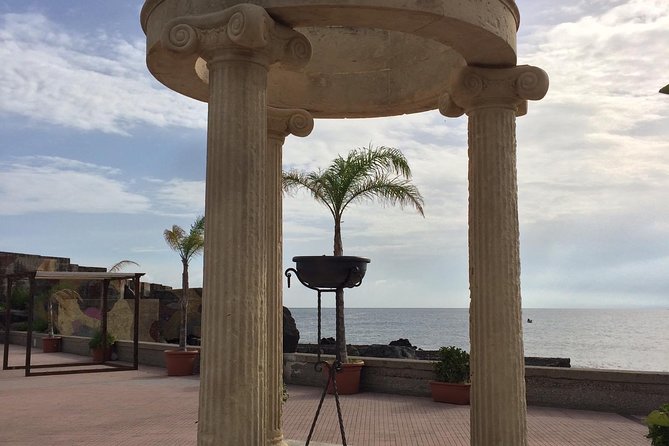
At $270.39 per person for about 5 hours, the key question is what’s included. Here, the list is unusually practical:
- Full equipment rental
- Digital Underwater Archaeology Manual
- Use of special underwater archaeology instruments and equipment
- Archaeological museum entrance fee
- Free underwater pictures and video
- Pick-up and drive back from your hotel
That’s a lot of “stuff” that many tours either charge extra for or make you manage yourself. Paying for equipment, museum entry, and media separately can quietly inflate the total cost on other experiences. Here, the price feels more like an all-in day of instruction plus documentation.
The only part you should plan for is the PADI license fee, noted as around €65 and not included. Also note that the course includes a PADI certification card upon completion. That means your training day can turn into something official—just remember the licensing fee is separate.
Small group energy: max 15 and solo-friendly vibes
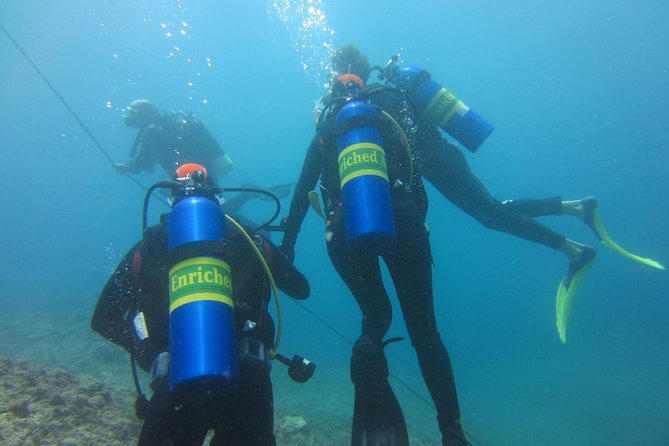
The group size is capped at 15 travelers. That matters for two reasons. First, it makes it easier to get attention during technique practice. Second, it reduces the sense of being one of many people in a group lesson.
The reviews emphasize that this works well even as a solo trip idea, and that tracks with the small-group setup. You won’t be stuck in a huge crowd. You’ll have time to ask questions and to work through the steps without feeling rushed.
If you prefer guided instruction over DIY learning, this format is a good fit. If you hate waiting around, the “classroom first, underwater practice second, shore debrief third” structure keeps the day moving with purpose.
Where you’ll start and how the day ends
You meet at Dive Sicily – Naxos & Taormina, Porto di, 98035 Giardini-Naxos ME, Italy. It’s near public transportation, and the activity ends back at the meeting point.
They also provide pick-up and drive back from your hotel, which removes one of the annoying parts of booking short tours in this area. With a roughly 5-hour duration, easy transfers help you use your limited time well.
You’ll receive confirmation at booking, and the tour uses a mobile ticket. That’s the kind of small operational detail that makes arrival smoother—especially if you’re juggling multiple days between Naxos and Taormina.
Value check: who this course is best for (and who should skip it)
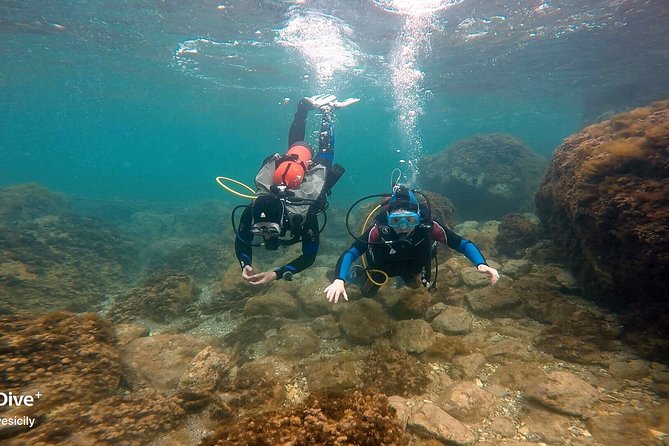
This Underwater Archaeology course is a strong choice if you:
- want a hands-on way to learn about underwater heritage
- like having a clear method (search, measuring, documentation), not just sightseeing
- enjoy short training plus a structured debrief
- want a day that feels good as a solo trip thanks to the small group size
- care about leaving with media (free underwater pictures and video)
It may not be the best fit if you:
- don’t like time in the water or prefer purely on-shore activities
- want a long, open-ended sightseeing day with no structure
- have no flexibility for weather changes, since good weather is required
Also, if you already have strong scuba credentials and just want archaeology context, you’ll still get value from the method training and the fieldnotes/drawing portion. If you’re brand-new to underwater experiences, you’ll want to follow all course guidance and be ready for the progression from classroom to in-water practice.
Should you book the Sicily underwater archaeology course?
I think it’s a smart booking if you want something that goes beyond a typical coastal outing. The combination of practical archaeology technique, guided coaching, and the “show your work” debrief with fieldnotes and drawings is the hook. Add in the included equipment rental, museum entry, and the free underwater photos/video, and the day starts to look like real value rather than just a pricey tour tag.
Book it if you’re curious about underwater heritage and you like learning through doing. Skip it if you’re mainly after a relaxed day on the water without technique, because this course is designed to train your attention and your process.
FAQ
How long is the Underwater Archaeology course in Sicily?
It lasts about 5 hours.
Where does the course start and end?
You start at Dive Sicily – Naxos & Taormina at Porto di, Giardini-Naxos, and it ends back at the same meeting point.
What’s included in the price?
The price includes full equipment rental, a digital Underwater Archaeology Manual, use of special underwater archaeology instruments and equipment, an archaeological museum fee entrance, free underwater pictures and video, and pick-up plus the drive back from your hotel.
Is a PADI certification card included?
Yes. A PADI certification card is issued upon completion of the course.
What fee is not included?
The PADI license fee is not included and is listed as around €65.
How many underwater practice sessions are included?
The program includes two in-water practice sessions to apply what you learned in the classroom.
What happens if the weather is poor?
The activity requires good weather. If it’s canceled due to poor weather, you’ll be offered a different date or a full refund.
More Tour Reviews in Sicily





Just added: the newest Sicily tours in our notebook
- Etna / Taormina★ 5.0 · 3 reviews
- Bikes★ 5.0 · 3 reviews
- Taormina shore tour – for small group cruise passengers★ 5.0 · 3 reviews
- Vegan Cooking Class in Catania with Lunch and Dinner★ 5.0 · 3 reviews
- Make & Taste Sicilian Desserts in Palermo – Learn Cannoli & More★ 5.0 · 3 reviews
- Sicilian Villages & Ricotta Tasting – including Lunch from Cefalu★ 4.0 · 3 reviews