
Reviewed · SYRACUSE & ORTIGIA
Tour in bike history Island Ortigia and archeological park Neapolis
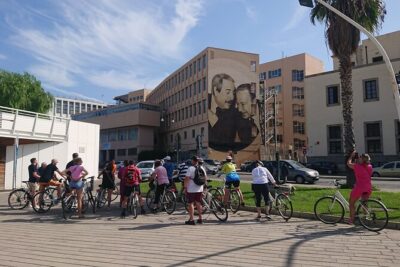
Ortigia by bike is one of the smartest ways to see Siracusa. You get a guided route plus your choice of bike to glide between sights without doing it the hard way on foot. I like that the tour includes everything you need for the ride, and I especially like how the stops are tight and meaningful, not random. One thing to factor in: the Neapolis archaeological park ticket is not included, so you’ll pay that on top.
This is a private 4-hour outing that starts and ends in the same spot near Ortigia. At the helm is Joe, a guide who keeps the pace easy and the explanations clear, and you’ll feel how much easier Siracusa is when you’re not negotiating every cobblestone moment on foot. The tour also runs with roadside assistance, which matters in a bike-heavy day.
In This Review
- Key highlights you’ll care about
- Why a bike tour works so well in Ortigia and Neapolis
- Your ride: Atala, Lombardo, and Bianchi Ducati with practical add-ons
- Meeting point near Ortigia: a 9:00 am start that keeps the day smooth
- Ortigia on two wheels: Apollo and Athena temples in one connected loop
- Tempel Apollo
- Tempel Athena
- Fontana Diana
- Piazza Duomo
- Fonte Aretusa
- Transition to Neapolis: switching gears from island streets to park ruins
- Neapolis highlights you’ll actually remember
- Greek theater
- Ara di Ierone
- Ear of Dionesys
- Roman amphitheater
- How the 4 hours usually play out (and what to bring)
- Price and value: $144.49 with bikes, guide, and only one extra ticket
- Guide Joe: the difference between seeing and understanding
- Who should book this bike history tour
- When this tour might not be your best fit
- Should you book it?
- FAQ
- FAQ
- Where does the bike tour start and end?
- What time does the tour begin?
- How long is the tour?
- Is a bicycle included?
- What bike features are included?
- Do I need to pay for Neapolis park entry?
- Is lunch included?
- Can I cancel for a full refund?
- Is this a group tour or private?
Key highlights you’ll care about
- Bike choice (e-bike, city bike, or mountain bike) makes the day match your comfort level
- Included helmet and lock mean you can focus on sightseeing, not gear hunting
- Ortigia stops in a smart order: Apollo, Athena, Diana Fountain, Piazza Duomo, Fonte Aretusa
- Neapolis must-pay ticket: you only handle the park entry, not the guiding or bikes
- Phone holder and baskets on the bike keep practical stuff within reach
- Roadside assistance included, so small problems don’t turn into a big day
Deeper into Ortigia and old Syracuse
- Syracuse: Tour of Ortigia Island & Caves with Local Skipper
★ 4.7 · 1,060 reviews - Tour of the island of Ortigia and exploration of sea caves with baths.
★ 5.0 · 668 reviews - Boat tour of Ortigia Island and sea caves
★ 5.0 · 407 reviews - Siracusa Boat excursion island of ortigia and sea caves
★ 5.0 · 147 reviews
Why a bike tour works so well in Ortigia and Neapolis
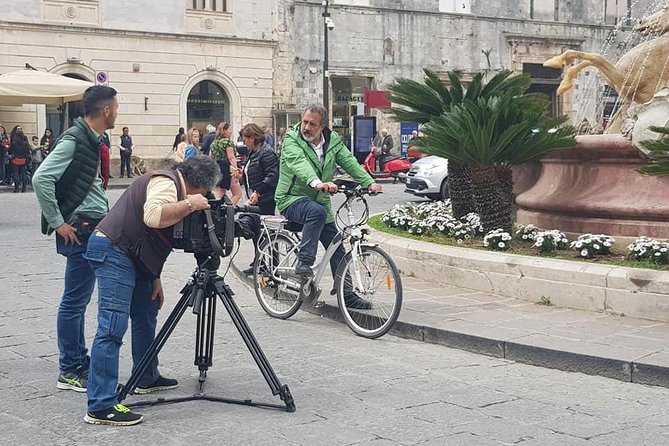
Siracusa’s best views are spread out, but you still want the day to feel connected. A bike tour does that. Instead of bouncing between isolated photo spots, you roll from one landmark to the next and the whole historic area starts to make sense as one story.
The route also helps you avoid the common problem in old town sightseeing: getting tired before you finish. With a guide and a bike that can be an e-bike if you want, you’re more likely to actually enjoy the details instead of just trying to survive the distance.
Your ride: Atala, Lombardo, and Bianchi Ducati with practical add-ons
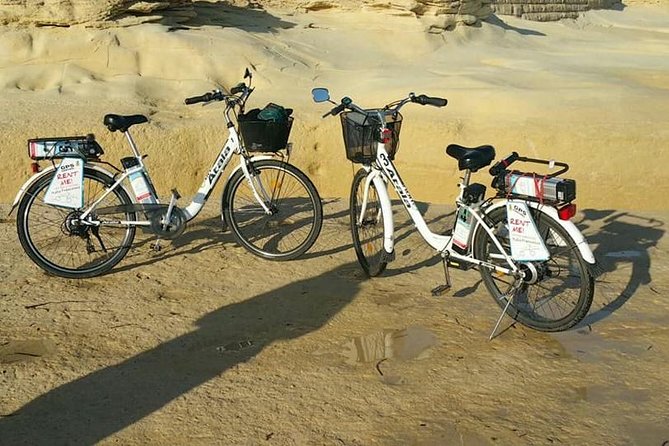
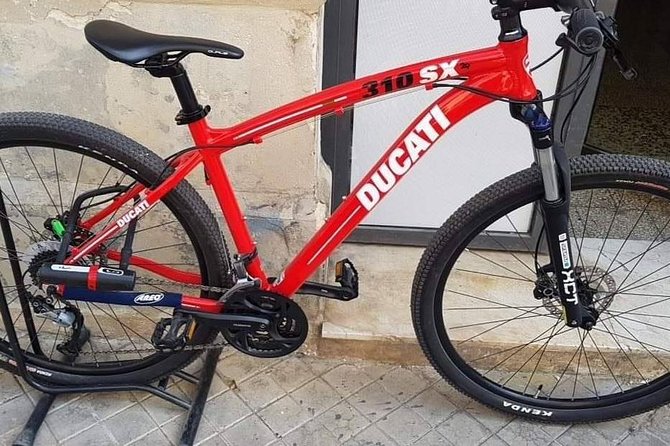
This tour gives you the bike. The bikes are Atala, Lombardo, and Bianchi Ducati, all made in Italy. That’s not just branding talk. You can count on a solid setup built for real roads and real city riding.
You can choose the style that fits you best:
- e-bike for easier cruising and less leg fatigue
- normal city bike for a classic ride
- mountain bike if you prefer a sturdier feel
The extras are genuinely useful for a sightseeing day. Your bike comes with a cell phone holder, plus a basket and a parcel holder so you can keep small items off your hands. There’s also a silicone seat cover, which is one of those details that makes a multi-stop ride more comfortable than you expect.
And yes, you get safety gear. Helmets are included, and the bikes come with a lock so you can park for short stops without stress.
Meeting point near Ortigia: a 9:00 am start that keeps the day smooth
You meet at Via della Dogana n. 15, 96100 Siracusa (near Ortigia). The tour starts at 9:00 am and runs about 4 hours, then you ride back to the same meeting point.
Starting in the morning matters here. Ortigia is scenic, but it’s also the kind of place where crowds can build quickly, and morning gives you more breathing room to enjoy the route. A bike day works best when you’re not stuck waiting around, and this timing helps.
The tour is private, so it’s just your group. Also, there’s a minimum of 4 people per booking, which can affect availability, but once you’re scheduled, you ride as a group with your guide.
Ortigia on two wheels: Apollo and Athena temples in one connected loop
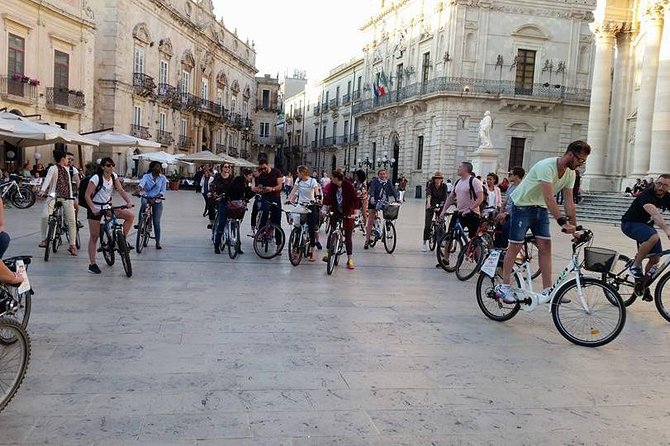
Ortigia is the historic heart you want to see, but it’s also a maze if you’re doing it alone. On this bike tour, the guide keeps you moving in a logical order, so each stop adds meaning.
A few we would gladly point a friend toward in Sicily
Tempel Apollo
You start your sightseeing with Tempel Apollo. What makes this stop special is that it sets the tone: you’re not just looking at ruins or architecture, you’re starting with the anchor landmark that helps you orient yourself in Ortigia.
On a bike, you can get close to the monuments and then keep moving without losing time. That means you see more than one or two major points before your energy runs low.
Tempel Athena
Next is Tempel Athena. Pairing Apollo and Athena back-to-back is smart because you can compare what you’re seeing right away. The way the guide points out features makes it easier to understand why these sites mattered in the first place.
A drawback to consider: you’ll still be looking at stone details and reading cues from the guide, so it helps if you’re comfortable pausing briefly and then remounting quickly.
Fontana Diana
Then you ride to fontana Diana. This is where the day gets softer and more street-level. A fountain stop is a nice reset between heavier landmark moments, and you can use it to regroup, snap photos, and take in the square atmosphere.
If you pick an e-bike or city bike, you’ll likely feel less wiped out by this point, which makes the fountain stop more enjoyable instead of just a break.
Piazza Duomo
Piazza Duomo is a centerpiece moment. Even if you’ve seen photos, being here in person gives you scale, and the guide’s route helps you understand why this area draws people.
Since the tour includes guided interpretation, you’re not left guessing what matters most. You know what to look for while still having time to take in the feel of the place.
Fonte Aretusa
You finish the Ortigia highlights at fonte Aretusa. This is a great way to end the first stretch because it’s both scenic and iconic. By this point, you’ve already hit the temples and the major civic square, so Aretusa feels like a natural closing chapter.
Also, because you’re biking, you avoid the common trap of doing Ortigia in a long foot slog. You keep the day moving and still get meaningful time at each stop.
Transition to Neapolis: switching gears from island streets to park ruins
After Ortigia, the vibe shifts. Neapolis is a bigger-ticket archaeological setting, and it rewards slower, more attentive looking than pure urban wandering.
This is the part where you’ll want to remember one key rule for your budget: the archaeological park ticket is not included. The guiding and biking are included, but you still need to pay the entry ticket for the park itself.
Neapolis highlights you’ll actually remember
The Neapolis archaeological park is where Siracusa gets dramatic. The tour covers the major stops, and the route keeps you from jumping around inefficiently.
Greek theater
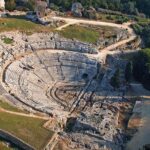
First up is the Greek theater. Seeing a theater like this in a park setting helps you understand how performance shaped ancient life. From a practical point of view, theaters also offer natural viewpoints. Even if you’re not a big theater buff, you can spot the layout and relate it to how crowds might have gathered.
Ara di Ierone
Then you reach Ara di Ierone. This site is the kind of place where the guide’s explanation helps you “read” the structure instead of just passing by it. It’s one of those stops that becomes clearer when someone tells you what to look for.
On a bike day, that matters. You’ve had a few active segments already, so you want the guide to make each pause worth your time. This stop is built for that.
Ear of Dionesys
Next is the ear of Dionesys. The name alone makes people curious, and this is the stop where you’ll likely pay more attention to how the space is designed. It’s a classic curiosity tied to acoustics, and even if you don’t test anything, the visual cues are striking once you know what you’re looking for.
For comfort, do yourself a favor: plan to spend a little time here without rushing. That’s where the “wow” often lands.
Roman amphitheater
Finally, you ride through to the Roman anfitheater (Roman amphitheater). This closes the loop from earlier Greek influence to later Roman use. The comparison is the payoff. You see how the style shifts while the purpose stays rooted in large public gatherings.
Ending here gives you a strong finish because it’s both a landmark and a conclusion. You can feel the story of the park ending in a big, recognizable final sight.
How the 4 hours usually play out (and what to bring)
This tour runs about 4 hours. It’s long enough to feel like a real sightseeing day, but short enough that you’re not stuck for half a day in one place.
You’ll get bottled water, so you don’t have to scramble for it mid-route. You also get helmet and a lock, so your gear list can stay light.
That said, bring the basics that always help on a bike day:
- closed-toe shoes that work on uneven ground
- sun protection if you’ll be out in the open
- a small layer if the morning feels cool
Also, use the bike’s phone holder. It keeps you from digging through bags every time you want a map check or a photo plan.
Price and value: $144.49 with bikes, guide, and only one extra ticket
At $144.49 per person, you’re paying for the full guided experience plus the bike. For a Sicily bike day, the value comes from what’s included rather than the headline number.
Included in the core price:
- guided tour
- use of the bicycle
- helmet and lock
- bottled water
- private group experience
- roadside assistance
What’s not included:
- lunch
- the ticket for the Neapolis archaeological park
That last point is the big financial detail. You’ll want to plan for the park entry ticket so you don’t hit a surprise at the gate. But since everything else—guide, bike, and key stops—is covered, this still tends to be a clean setup for value.
If you were to hire a guide separately or book bike rental on its own, costs often stack up. Here, you’re bundling the working parts of the day: transportation, narration, and route planning.
Guide Joe: the difference between seeing and understanding
The tour is led by Joe. The practical advantage of a guide like Joe is that you get context while you ride, not after you’ve already moved on.
Joe’s approach matters because you’ll be moving between very different kinds of stops—temples, fountains, a major square, then into the archaeological park. Without guidance, it’s easy to end up with a photo set and no clear meaning. With guidance, you can actually connect the dots while you’re still in the right place.
And because the ride is bike-based, the guide’s job isn’t just talking. It’s pacing. Joe helps keep the pace comfortable enough that the bike stays fun instead of turning into work.
Who should book this bike history tour
This tour is ideal if you:
- want to see Ortigia + Neapolis in one connected morning
- like biking and want your legs to do less heavy lifting (e-bike is a real option)
- prefer a private tour setup where your group can go at a comfortable rhythm
- care about the story behind landmarks like Greek theater and the Ear of Dionesys, not just the view
It’s also a solid choice if you’re visiting first time and want an orientation pass. You’ll learn where the major Ortigia landmarks sit in relation to each other, and you’ll get a clean transition into the larger park area.
When this tour might not be your best fit
If you don’t want to ride a bike at all, skip it. This experience is built around bike movement, even though you pause often.
Also, if you’re very budget-sensitive, remember you still have to pay the archaeological park ticket. And lunch isn’t included, so plan your meal separately unless you’re bringing your own food plan before or after the 4-hour window.
Should you book it?
I think you should book this tour if you want a smart, efficient way to see Siracusa’s main historic zones without turning your day into a walking marathon. The combo of bikes included, a private guide, and a route that hits Ortigia’s standout sites plus Neapolis’s major ruins makes the morning feel worthwhile.
I’d book it especially if you’re curious about the specific Neapolis stops like the Greek theater and the ear of Dionesys, because a guided bike format helps you stay on track and actually understand what you’re seeing.
FAQ
FAQ
Where does the bike tour start and end?
The tour starts and ends at Via della Dogana n. 15, 96100 Siracusa (near Ortigia).
What time does the tour begin?
The start time is 9:00 am.
How long is the tour?
The duration is about 4 hours.
Is a bicycle included?
Yes. The tour includes the use of a bicycle, and it can be e-bike, normal city bike, or mountain bike.
What bike features are included?
Bikes include a cell phone holder, basket, parcel holder, and a silicone seat cover, plus a helmet and lock.
Do I need to pay for Neapolis park entry?
Yes. The Neapolis archaeological park ticket is not included and must be paid separately.
Is lunch included?
No. Lunch is not included.
Can I cancel for a full refund?
Yes, you can cancel for a full refund up to 24 hours before the experience start time.
Is this a group tour or private?
This is a private tour/activity, meaning only your group participates.
More Tours in Sicily


More Tour Reviews in Sicily
More of Syracuse and Ortigia
Just added: the newest Sicily tours in our notebook
- Etna / Taormina★ 5.0 · 3 reviews
- Bikes★ 5.0 · 3 reviews
- Taormina shore tour – for small group cruise passengers★ 5.0 · 3 reviews
- Vegan Cooking Class in Catania with Lunch and Dinner★ 5.0 · 3 reviews
- Make & Taste Sicilian Desserts in Palermo – Learn Cannoli & More★ 5.0 · 3 reviews
- Sicilian Villages & Ricotta Tasting – including Lunch from Cefalu★ 4.0 · 3 reviews
Syracuse & Ortigia, compared.
 ★ 4.7Syracuse: Tour of Ortigia Island & Caves with Local SkipperFrom $231,060 reviews
 ★ 4.7Syracuse: Boat Tour with Captain Mirko, Snorkeling & CavesFrom $35746 reviews
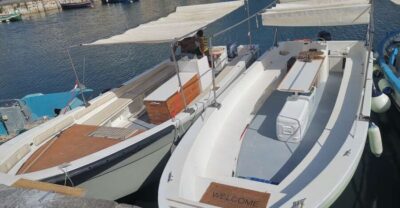 ★ 4.7Siracusa: Ortigia Boat Tour with Marine Grotto & SnorkelingFrom $47726 reviews
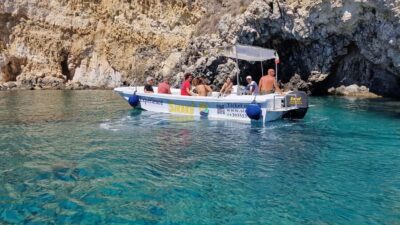 ★ 4.8Siracusa: Ortigia & Sea Caves Boat Tour w/ Prosecco & FruitFrom $35723 reviews
 ★ 5.0Tour of the island of Ortigia and exploration of sea caves with baths.From $24668 reviews
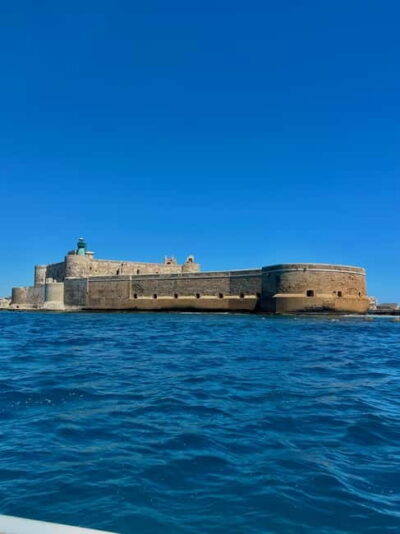 ★ 4.7Syracuse: Ortigia Island & Sea Cave Boat Tour with ProseccoFrom $23418 reviews
 ★ 5.0Boat tour of Ortigia Island and sea cavesFrom $24407 reviews
 ★ 4.6Catania: Syracuse, Ortigia, and Noto Tour with BrunchFrom $112404 reviews
Browse the lists this tour appears in