
Reviewed · PALERMO LANDMARKS & MONUMENTS
Tour Cappella Palatina e palazzo Reale: patrimonio Unesco
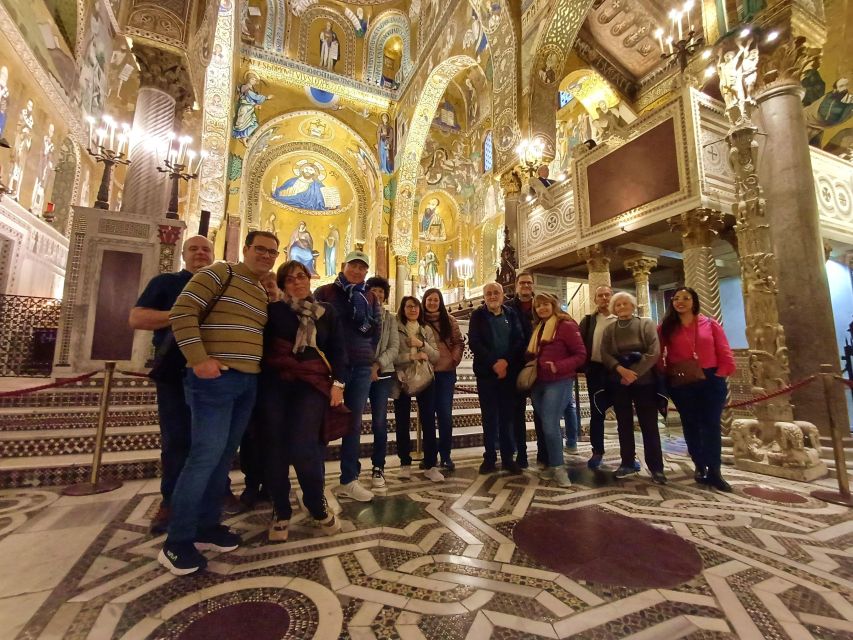
Sicily saves a lot of its magic for Palermo. This 1-day visit takes you to the Royal Palace of Palermo and the Palatine Chapel (UNESCO), where you’ll look closely at golden mosaics and feel how power changed hands over centuries. I like the way the guide connects the big political story to what you’re actually seeing, and I love that you’ll focus on the palace’s signature rooms like the Chinese-style queen chamber. One thing to consider: the tour is Italian-only, and entry to the palace and chapel requires a separate ticket you must buy.
Meeting up is easy, and the tour stays tightly focused on the palace’s most important “must-see” spaces. You’ll also need to plan for practical limits inside: one review notes that there are very few places to sit, so it helps to be comfortable standing for a while. If you’re visiting on a day when you’re sensitive to crowds or standing time, go in with realistic expectations.
In This Review
- Key highlights worth planning for
- Royal Palace and Palatine Chapel: what you’re really paying for
- Meeting at the chiosco by the ticket office
- Step into 2,700 years of Palermo’s royal center
- The Palatine Chapel: golden mosaics, mixed worlds, one room
- The Chinese-style queen chamber: a surprise inside the palace
- Frederick II’s Palace section: history you can feel
- Guides make the difference: Fabrizio, Claudio, and good pacing
- Tickets and dress code: the two practical gotchas
- Timing and what “1 day” feels like on the ground
- Who this tour suits best (and who should think twice)
- Value check: is $14 worth it?
- Should you book the Palermo Royal Palace and Palatine Chapel tour?
- FAQ
- Do I need an entrance ticket to visit the Royal Palace and Palatine Chapel?
- What language is the tour guide service?
- Where do I meet the group?
- Is the entrance ticket included in the $14 price?
- What should I wear since there’s a dress code?
- How long is the tour?
- Can I cancel for a refund?
- Can I reserve and pay later?
- Is the tour suitable for wheelchair users?
Key highlights worth planning for
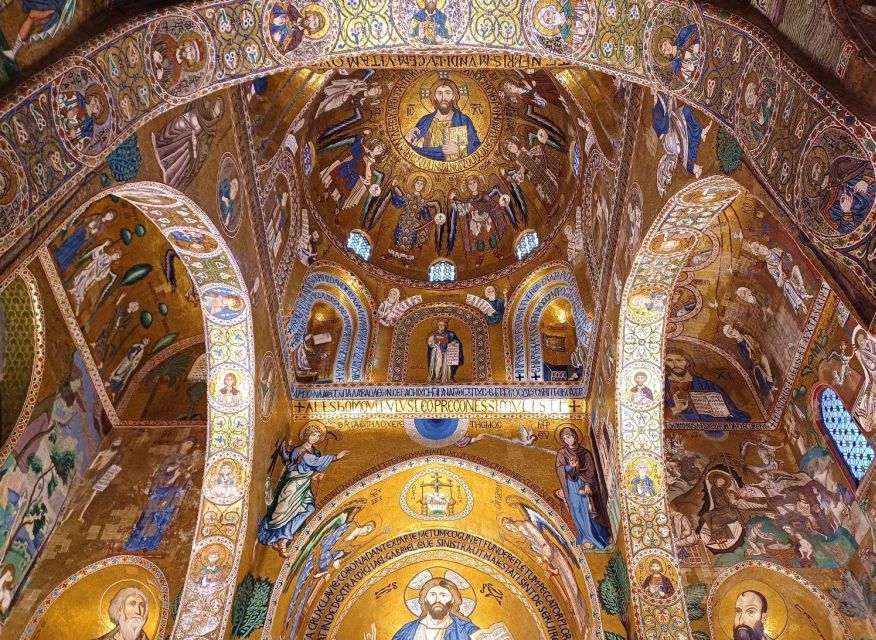
- UNESCO Palatine Chapel: walls of Byzantine mosaics and a ceiling with Islamic muqarnas
- Royal Palace of Palermo: one of Europe’s oldest royal residences, with Norman renovations
- Frederick II connection: the palace ties into the Sicilian Poetic School and more dramatic turns
- Chinese-style queen chamber: a surprising room you won’t get from basic guidebooks
- Dress code check at the door: shorts, short skirts, and sleeveless shirts aren’t allowed
- Italian-only storytelling: guides like Fabrizio and Claudio are praised for keeping it engaging
Palermo's palaces and chapels, up close
- Palermo: Teatro Massimo Opera House Guided Tour
★ 4.5 · 1,573 reviews - From Palermo: Monreale and Cefalù Half-Day Trip
★ 4.2 · 1,354 reviews - Palermo: Mondello, Capo Gallo Reserve Boat Tour, and Snack
★ 4.9 · 694 reviews - Palermo: Norman Palace and Palatine Chapel Tour with Tickets
★ 4.7 · 298 reviews
Royal Palace and Palatine Chapel: what you’re really paying for
At $14 per person for a 1-day guided experience, the headline price is the guide service—not the entry. That matters, because the entrance ticket is not included, and you’ll need to buy it at the Royal Palace ticket office or online. Think of this as buying your way into an explanation: what you see will make more sense when someone walks you through the palace’s layers instead of you trying to decode them alone.
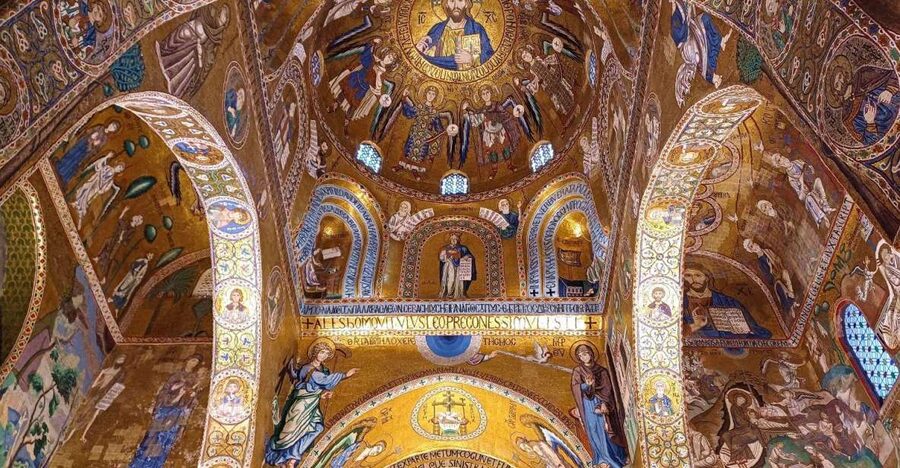
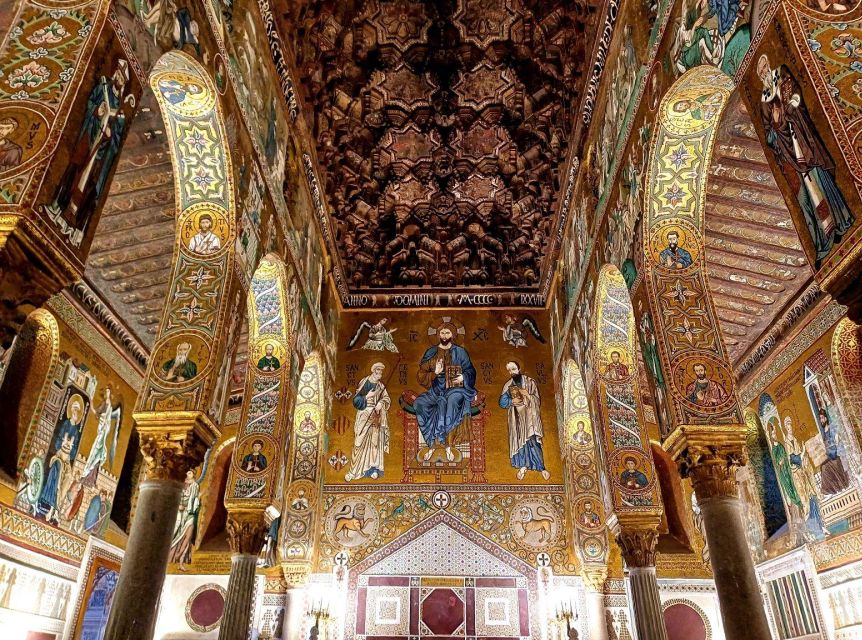
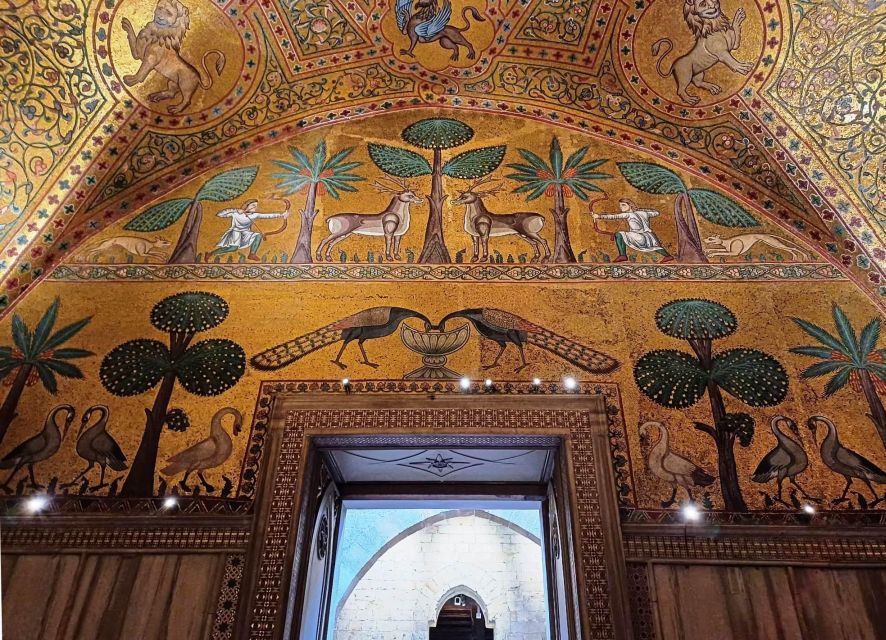
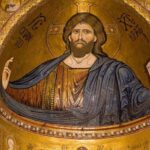
The Palatine Chapel is the star. It’s the kind of place that makes you slow down without needing to be told to. The mix is the whole point: Byzantine mosaics on the walls, an Islamic muqarnas ceiling, and a marble floor with inlays tied to the Romanesque tradition. That blend isn’t random decoration—it’s the visual language of an island kingdom that was never one single culture.
The second thing you’re paying for is context. The palace you’ll enter wasn’t just a pretty setting for kings; it was a working power center. It served as the seat of Sicilian rulers, a court, treasury, and even space connected to royal factories. Once you know that, you don’t just stare—you understand why these rooms were built and rebuilt.
Meeting at the chiosco by the ticket office
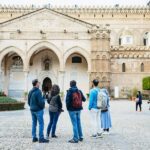
You’ll meet in front of the ticket office kiosk—Davanti alla Biglietteria—which is about 100 meters from the palace entrance. The location helps because it gets you close to where you’ll deal with tickets, especially since you must enter the Palazzo dei Normanni and the Palatine Chapel with your own entrance ticket.
If you’re arriving a bit early, use that time to settle in and make sure your ticket situation is ready before the group moves. Since the tour is in Italian, you’ll also want to be mentally ready to follow along at a steady pace. This isn’t the kind of tour where you can tune out and still get the full value.
Step into 2,700 years of Palermo’s royal center
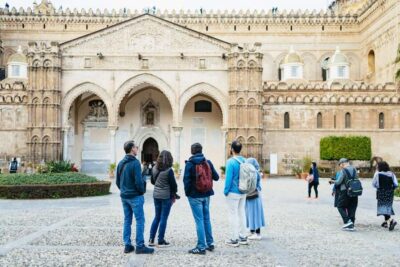
The Royal Palace of Palermo (also called Palazzo dei Normanni) is old in a way that’s hard to fake in photos. The core idea is simple: the site has more than 2,700 years of history. It began as a fortified structure, then got profoundly renovated and expanded once the Norman kings of Sicily chose it as their main residence.
What I like about this stop is that it doesn’t stay in the distant past. The palace keeps changing roles as rulers and institutions shift. Under Frederick II, it hosted the Sicilian Poetic School, so this wasn’t only a fortress and administrative hub—it was tied to intellectual life too.
Later, for a shorter period, it even served as the Court of the Inquisition, and then it became the seat of the Viceroy and the Sicilian Parliament. When your guide connects those changes to what you see inside, the building becomes a timeline you can walk through.
The Palatine Chapel: golden mosaics, mixed worlds, one room
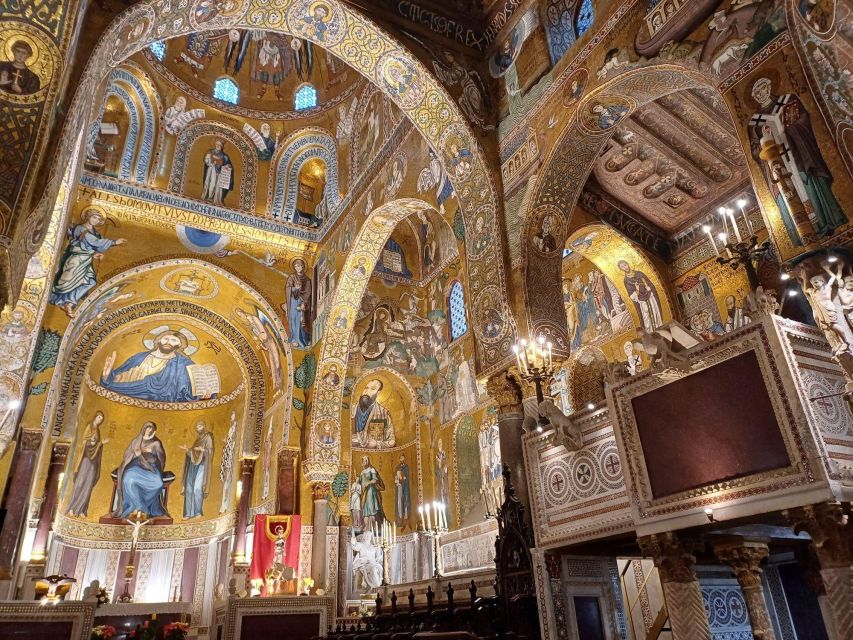
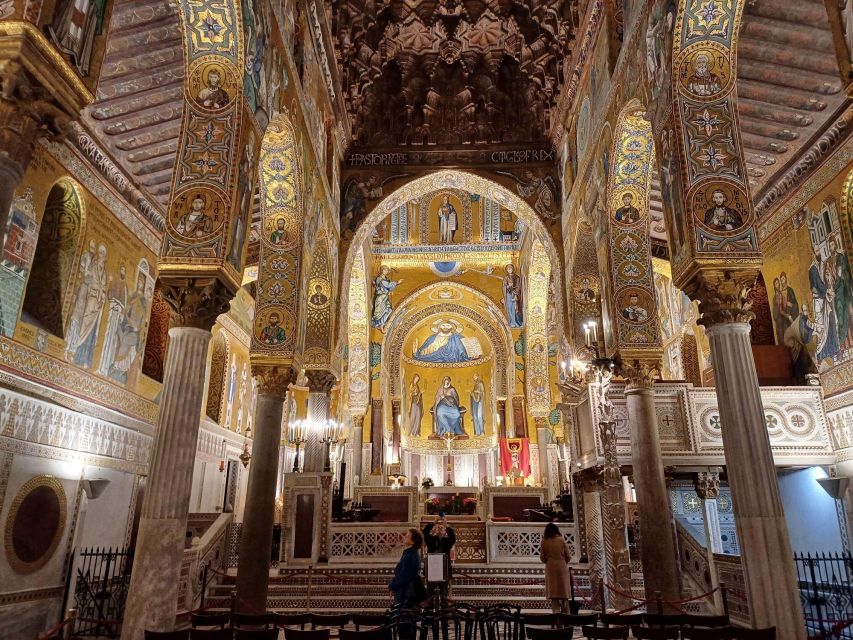
This is the part that people remember, and for good reason. The Palatine Chapel was built in 1140 by Roger of Hauteville, and the goal was power with a visual punch. Guy de Maupassant famously described it as the most beautiful church in the world, and the reason that line gets repeated is because it fits what the chapel does to your eyes.
Here’s what you’ll actually notice when the guide points things out:
- Byzantine mosaics on the walls: the figures and patterns feel intensely crafted, almost like light made solid.
- Islamic muqarnas ceiling: those decorative “honeycomb” forms create a sense of depth without needing a single statue to tell the story.
- Marble floor with inlays: it nods to the Romanesque tradition and keeps the chapel grounded under the glitter.
The best value move here is to slow down for the details your guide highlights. If you rush, you’ll miss the logic of the design. If you take a breath and let your eyes travel—walls to ceiling to floor—it all starts clicking as a deliberate blend, not a random mix of styles.
The Chinese-style queen chamber: a surprise inside the palace
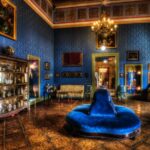
One of the tour highlights is the Chinese style queen chamber. That title alone gets attention, but the real reason it’s worth including is that it breaks the “same old palace rooms” pattern.
Even if you’ve seen plenty of European royal interiors, this one adds a twist: the palace doesn’t just look backward into medieval Europe. It carries the feeling of a court drawing influence and imagination from far beyond the island’s borders. In a building shaped by Norman rule and later shifts in governance, these kinds of details signal the bigger story: Sicily sat at a crossroads, and its power liked borrowing ideas.
If you’re the type who enjoys small, unexpected rooms more than grand halls, you’ll probably appreciate this stop a lot. It gives your visit a moment of wonder without needing a dramatic scenic view outside.
Frederick II’s Palace section: history you can feel
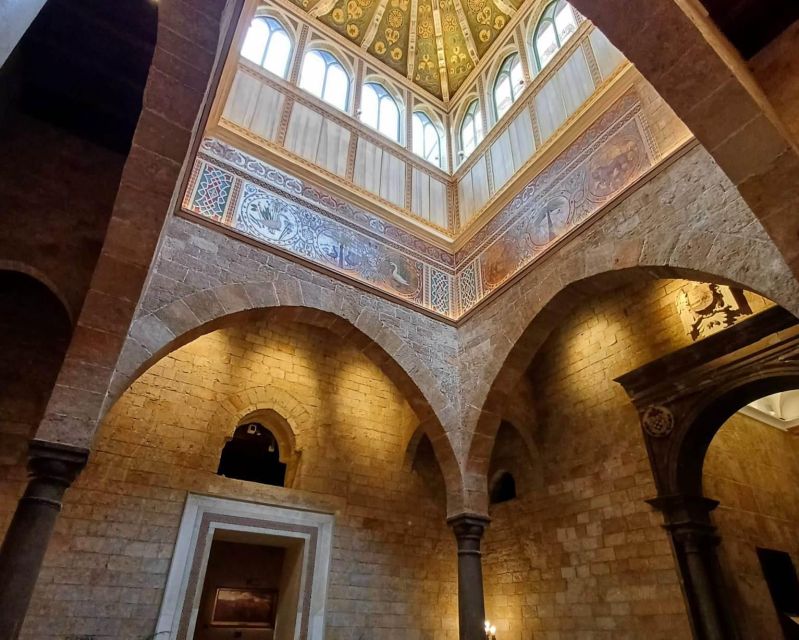
The tour also includes the Palace of Frederick II, the king and emperor who amazed the world. You’ll connect Frederick II not just to a name in a textbook, but to the palace’s role during his time.
Since the palace hosted the Sicilian Poetic School under Frederick II, the message is bigger than court politics. This was an environment where language and culture could thrive alongside power. That’s a useful shift for you as a visitor: you’re not only looking at art. You’re seeing how rulers built places that reflected the kind of identity they wanted to project.
And because the palace didn’t stop with one era—its purpose later shifted again—you’ll end up understanding why certain spaces feel both ceremonial and practical. They were meant for ruling, performing authority, and managing the state.
Guides make the difference: Fabrizio, Claudio, and good pacing
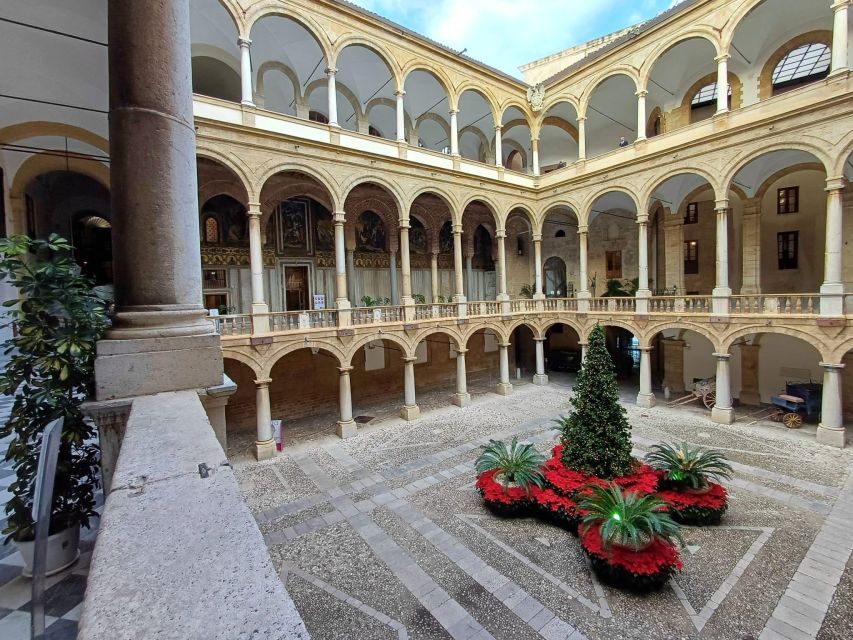
This tour’s quality isn’t only about the monuments. It’s about how the guide turns a complicated building into something you can follow. People consistently praise guides such as Fabrizio, describing him as prepared and engaging, and Claudio, noted as involved and not slowing down.
That matters for you because the palace and chapel can feel overwhelming on your own. The Palatine Chapel especially is visually intense. A good guide helps you know what to look at first, what’s symbolic, and what detail connects to the broader story of Roger of Hauteville, Norman Sicily, and the later layers under Frederick II.
If you’re doing this in Italian, you’ll get the most out of it by listening actively. I’d treat it like an audio tour with a human brain behind it: ask yourself what the guide is pointing to, then look for the matching visual clue.
Tickets and dress code: the two practical gotchas
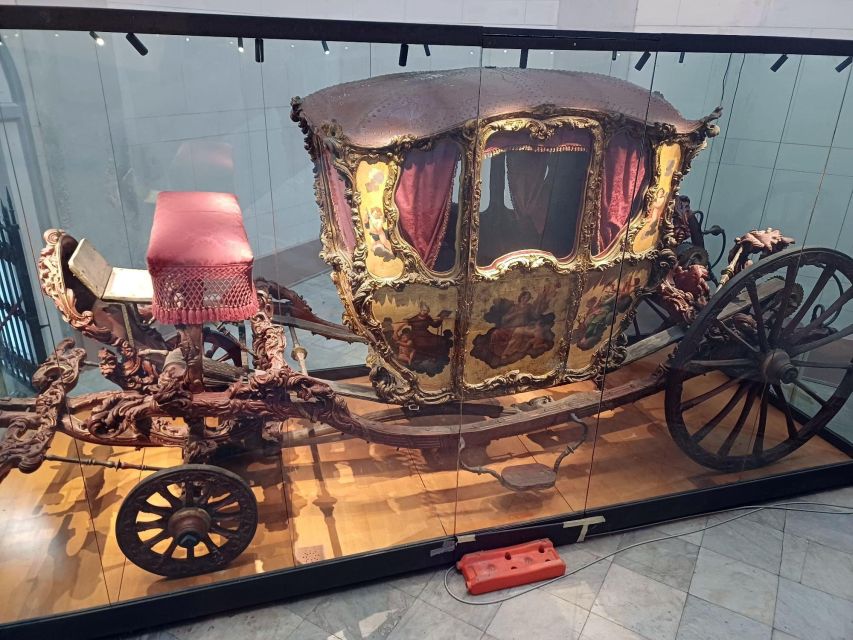
Let’s knock out the two issues that most often cause stress.
First, entrance tickets are not included. The tour includes the guide service, but you still need to buy entry tickets for the Royal Palace and the Palatine Chapel. You can purchase them at the ticket office or online. If you show up without a ticket, you’ll lose time and risk missing the flow of the group.
Second, there are dress restrictions: shorts, short skirts, and sleeveless shirts aren’t allowed. This isn’t about fashion. It’s about entry rules. So wear something you’d be comfortable in for a standing tour, and keep it modest enough to avoid getting turned away.
A tip that saves time: if your clothing barely qualifies, it’s safer to change before you reach the entrance. The rules are clear, and the consequences are real.
Timing and what “1 day” feels like on the ground
The experience is listed as 1 day. That usually means you’ll cover the palace and chapel in one concentrated chunk, not a slow, spread-out day of wandering. That’s good value if you’re on a tighter schedule in Palermo, and it also means you should plan your other activities around it.
Because you’ll likely spend a fair bit of time on your feet, consider pairing it with a lighter evening afterward. One of the notes from an experience is that there are few places to sit, so build in recovery time if you know you tire easily.
If you’re the kind of visitor who likes to take photos, remember: this place rewards looking, not just photographing. Your best shots might happen when you pause to see what the guide is explaining.
Who this tour suits best (and who should think twice)
This tour is a strong fit if you:
- want a focused visit to the Royal Palace of Palermo and Palatine Chapel with a guide
- speak or read enough Italian to follow a live Italian explanation
- enjoy understanding how art connects to politics and religion, not just admiring it
It’s also a good pick for first-time visitors to Palermo who want a single “big ticket” cultural hit without bouncing between too many sites in one day.
Think twice if you:
- can’t do well with Italian-only guidance
- have trouble standing for longer stretches due to limited seating inside
- may have trouble meeting the dress requirements like sleeveless tops or short shorts
One more note: the activity says wheelchair accessible, yet it also lists as not suitable for wheelchair users. I’d treat that as a signal to check in directly before you commit, especially if mobility is a concern. Don’t guess based on assumptions.
Value check: is $14 worth it?
For $14 per person, you’re getting the professional guide service and the structure to make the palace’s history understandable. In a city like Palermo, where many top sites can feel confusing without help, a guided approach can be a smarter use of your time than wandering solo and hoping you guess right.
The key catch is the extra cost of entry. Since tickets aren’t included, your true total will be guide price plus entrance tickets. That’s normal for tours, but it changes the math.
Still, if you’re the kind of visitor who wants meaning, not just sightseeing, this price feels fair. You’re paying for someone to help you read the palace like a document: Norman power, Frederick II’s intellectual moment, and the chapel as a symbolic masterpiece.
Should you book the Palermo Royal Palace and Palatine Chapel tour?
I’d book it if you want the most important Palermo royal spaces in one day and you’re comfortable with Italian-only guidance. The Palatine Chapel experience is the main reason, and the guide adds value by helping you notice the building’s cross-cultural layers: Byzantine mosaics, Islamic ceiling work, and Romanesque marble inlays.
Pass, or at least verify details first, if you need seating time built into your plan or you’re worried about the dress code. Also double-check ticket timing so you don’t lose momentum before you even step inside.
If you get those pieces right, this tour is a very efficient way to spend a day in Palermo—and leave with images you can explain, not just images you’ve seen.
FAQ
Do I need an entrance ticket to visit the Royal Palace and Palatine Chapel?
Yes. The entrance ticket is not included in the guided tour. You need to buy tickets separately at the Royal Palace ticket office or online on the official website.
What language is the tour guide service?
The tour takes place only in Italian. The guide service is in Italian as well.
Where do I meet the group?
Meet in front of the ticket office kiosk (Davanti alla Biglietteria), about 100 meters from the palace entrance.
Is the entrance ticket included in the $14 price?
No. The $14 price covers the tourist guide service, while the entrance ticket must be purchased separately.
What should I wear since there’s a dress code?
Shorts, short skirts, and sleeveless shirts are not allowed. Plan to dress modestly enough to meet the rules before you arrive at the entrance.
How long is the tour?
It’s listed as a 1-day experience.
Can I cancel for a refund?
Yes. Free cancellation is available up to 24 hours in advance for a full refund.
Can I reserve and pay later?
Yes. The booking offers a reserve now & pay later option.
Is the tour suitable for wheelchair users?
The information provided includes a wheelchair accessibility note, but it also lists not suitable for wheelchair users. If mobility is a concern, you should confirm before booking.
More Tours in Palermo

More Tour Reviews in Palermo
More Palermo Palaces and Chapels

Just added: the newest Palermo tours in our notebook
- Private Transfer from/to Trapani★ 5.0 · 3 reviews
- Private Tour from Palermo to Monreale, Santa Rosalia and Mondello★ 5.0 · 3 reviews
- Palermo: Cannolo & Cassata MasterClass★ 5.0 · 3 reviews
- Camporeale: Sallier de La Tour Wine Discovery Tour★ 4.6 · 3 reviews
- Sicily … A Love of a Lifetime★ 4.5 · 3 reviews
- Sicilian Cooking Class in Palermo – Private Option★ 5.0 · 3 reviews
Palermo Landmarks & Monuments, compared.
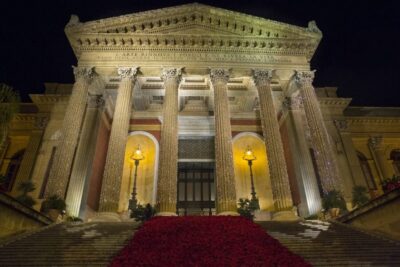 ★ 4.5Palermo: Teatro Massimo Opera House Guided TourFrom $141,573 reviews
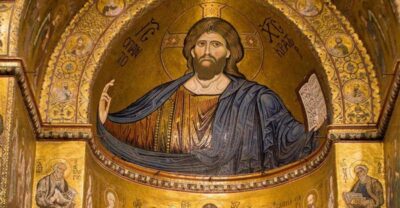 ★ 4.2From Palermo: Monreale and Cefalù Half-Day TripFrom $711,354 reviews
 ★ 4.9Palermo: Mondello, Capo Gallo Reserve Boat Tour, and SnackFrom $106694 reviews
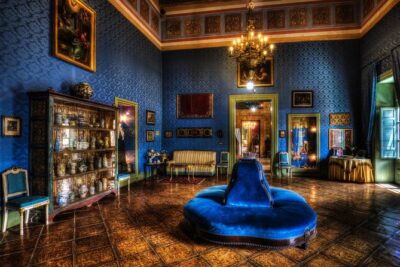 ★ 5.0Palazzo Conte FedericoFrom $18650 reviews
 ★ 4.7Palermo: Norman Palace and Palatine Chapel Tour with TicketsFrom $82298 reviews
 ★ 4.8Palermo: Cappella Palatina and Palazzo dei Normanni TourFrom $45214 reviews
 ★ 5.0In the province of Palermo Sicilian Cooking Class near CefaluFrom $120203 reviews
 ★ 5.0Capuchin Catacombs of PalermoFrom $33138 reviews
Browse the lists this tour appears in