
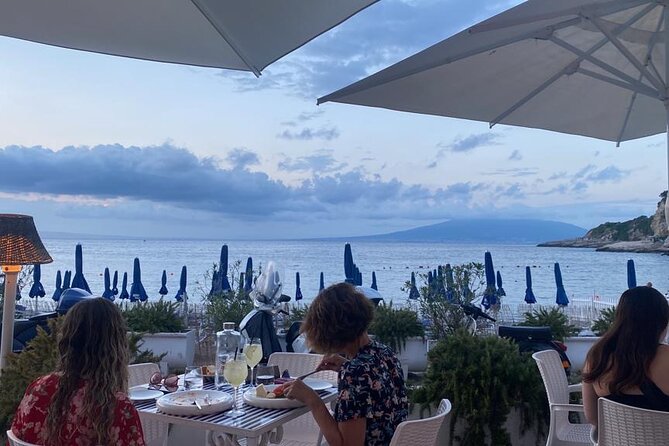
Reviewed · SICILY
The Best Of Sicily and Sorrento & Culinary Experiences, Deluxe
Sun, temples, and boat rides in one sweep. This tour links Sicily and the Sorrento Coast with a tight, scenic route from Palermo down through wine country and ancient ruins, then across to the Bay of Naples. I really like the small-group feel (max 28) because it keeps the day-to-day moments—guides, meals, and free time—more personal.
The food program is a big reason this trip works so well. You get welcome bites and wine, winery tastings and dinner in Marsala, a hands-on cooking class, plus a night with famed Sicilian chef Christian Foti in Taormina. One practical heads-up: this is a fast-paced “see a lot” itinerary, with multiple long travel days and several boat or ferry segments, so it suits you best if you enjoy staying in motion.
In This Review
- Key things I’d plan around
- Start in Cefalù: your beach reset before the big sights
- Palermo + Monreale: cathedrals, mosaics, and street-level history
- Erice, Trapani, and Marsala: salt flats views to wine cellar nights
- Segesta by day, cooking class by night in Marsala
- Agrigento’s Valley of the Temples: the UNESCO stop that anchors the south
- Caltagirone ceramics then Taormina on the beach
- Taormina’s funicular, amphitheater views, and the everyday magic
- Mount Etna: the active volcano day with arancini learning
- A chef dinner night in Taormina (plus optional Siracusa)
- Ferry to Sorrento: shifting from Sicily to the Bay of Naples
- Capri by boat: views, shopping, and time to roam
- Amalfi Coast and Positano: UNESCO time plus the Ultima Cena dinner
- Final day back to Palermo airport
- Price and what makes it feel worth it
- Who this tour suits best
- Should you book it?
- FAQ
- FAQ
- How long is the tour?
- Where does the tour start and where does it end?
- Is pickup or airport transfer included?
- How big is the group?
- What are the main stops?
- Are there meals included?
- Is Mount Etna included?
- Is there a cooking class?
- What is the cancellation window?
Key things I’d plan around
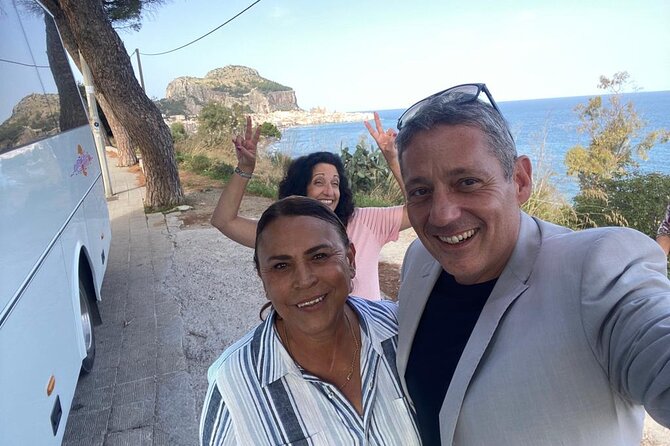
- Max 28 people: easier conversation with your guide and more manageable group timing.
- Cefalù to Taormina to Sorrento: you sleep in beach towns instead of constantly changing base hotels.
- Palermo plus Monreale Cathedral: Norman-era architecture with over two tons of gold mosaics.
- Wine-and-cooking days in Marsala: cellar visit, tastings, and a class that ends with what you made.
- Etna day trip: an active volcano stop with food stops built in (including arancini learning).
- Amalfi Coast add-on with Capri: UNESCO Amalfi time, plus a separate Capri boat day.
Still weighing it up? These Palermo tours pull the biggest crowds for a reason.
- Palermo: NO Mafia Walking Tour
★ 4.8 · 2,431 reviews - Palermo: Hop-on Hop-off Bus Tour 24-hour Ticket
★ 3.9 · 2,410 reviews - Palermo Original Street Food Walking Tour by Streaty
★ 5.0 · 2,105 reviews - Segesta, Erice and Salt Pans Full-Day Excursion from Palermo
★ 4.2 · 1,791 reviews
Start in Cefalù: your beach reset before the big sights
Your trip kicks off in Cefalù, a resort town that gives you an easy landing after flying into Palermo. The tour includes a private transfer from Palermo airport to your hotel in Cefalù for scheduled arrivals, which matters on day one. It’s one less headache—no figuring out trains or juggling bags—so you can check in, then decide how you want to spend the rest of the day: pool time, beach time, or just a low-key room reset.
Cefalù also sets the tone for the whole itinerary. After that, the trip keeps moving, but you get built-in downtime between major days. On day one you get a welcome reception with traditional appetizers and wine, followed by an included hotel dinner with local cuisine and regional wines. That blend—welcome food plus real rest—helps you handle the packed schedule that follows.
If you hate rushing, you’ll still probably manage, because Cefalù gives you the first breath. If you love planning every hour, you might find “relax and enjoy” afternoons too flexible. Either way, it’s a smart base.
Palermo + Monreale: cathedrals, mosaics, and street-level history
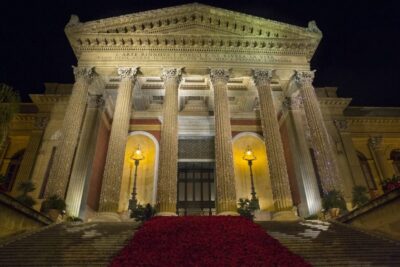
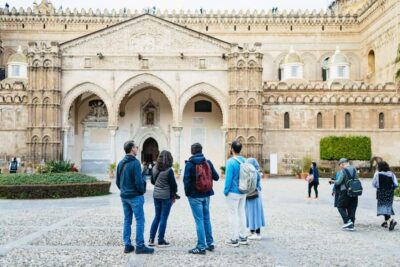
Palermo is Sicily’s capital, and the tour puts you right where you need to be: ancient buildings, cathedrals, gardens, and stops that go beyond the obvious headline sites. A guided Palermo tour is included, with time built in for Monreale Cathedral afterward.
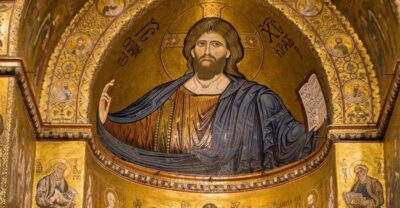
Monreale is the big emotional anchor. This is where Norman architecture shows off in a dramatic way, with over two tons of gold mosaics. Even if you’re not a “mosaics person,” it’s the sort of place that changes how you see the Middle Ages—light hits the walls differently, and the whole effect feels like it’s made for slow looking.
Then comes the balance: after the guided portion, you have free time back in Cefalù and dinner on your own. That matters because Palermo can overwhelm your senses if you go all day, every day. Here, you get your main guided dose, then a chance to regroup.
A practical tip: wear shoes you don’t mind walking in. Palermo days are meant for getting around on foot and using your eyes more than your feet.
Erice, Trapani, and Marsala: salt flats views to wine cellar nights
After breakfast, you head along the northern coastline by luxury coach. This is one of those travel days that sounds like “just driving” until you remember the itinerary stops are built in.
First up is Erice, a mountaintop town with views that look over the coast. Then you reach Trapani, known for salt flats and the Cathedral of San Lorenzo. You’re not just passing through—you get a sense of what makes this corner of Sicily distinct from Palermo city energy.
From Trapani you continue to Marsala, home to a restored 19th-century baglio (Donna Franca), which is where you’ll spend the next part of the program. On the first Marsala day, the highlight is a winery tour and tasting with dinner at the hotel restaurant. It’s a classic format, but it’s the right kind: the tasting isn’t a random add-on. It’s tied to the evening meal, so you can actually connect what you learned to what you’re drinking.
If wine is a low priority for you, Marsala still works. You’re seeing a specific working part of Sicily—salt, coastal geography, and an estate culture—so it doesn’t feel like “another place for pictures.”
Segesta by day, cooking class by night in Marsala
The second Marsala day keeps the theme but adds a hands-on twist. You go to Segesta, home to one of the best-preserved Greek Sicilian temples. It’s the kind of sight that rewards patience: clean lines, a strong sense of what you’re looking at, and the feeling of being transported to a different era.
Back at Donna Franca, you tour the wine cellar, taste appetizers, and sample their specialty wines. Then you shift from tasting to making. The cooking class is the standout “active” moment in this area: you learn how to cook, and dinner follows with the foods you prepared earlier.
This is one of those days that turns Sicily into a memory you can rehearse. Even if you don’t become a kitchen hero, you’ll leave with a clearer sense of regional flavors, and you’ll have a story tied to the table—not just another photo.
Agrigento’s Valley of the Temples: the UNESCO stop that anchors the south
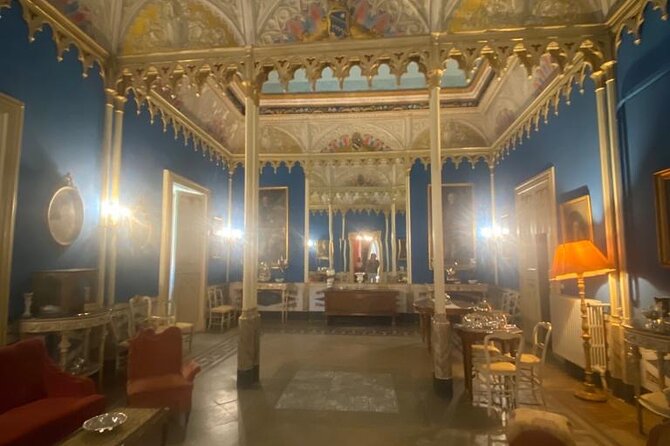
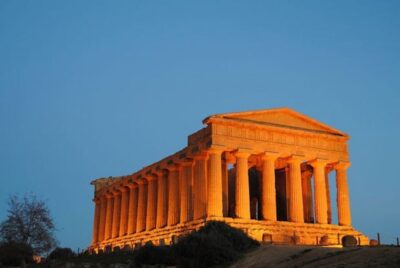
On day five you travel from Marsala to Agrigento on the southern coast. The Valley of the Temples is the star, and it’s listed as a UNESCO World Heritage site. The tour is led by a local expert who highlights the important ancient treasures across the archaeological area.
This stop matters because it gives you scale. Palermo and the cathedral mosaics show craft and power in religious settings. Agrigento shows a whole civilization expressing itself through monumental architecture. It’s not a quick stop where you “check the box.” It’s a long enough visit that you can start noticing patterns—how temples are laid out and how the site feels when you’re actually standing there.
One consideration: it’s a big outdoor day. If you’re sensitive to sun or want a super slow pace, plan to use the breaks your guide builds in and keep water on your radar.
Caltagirone ceramics then Taormina on the beach
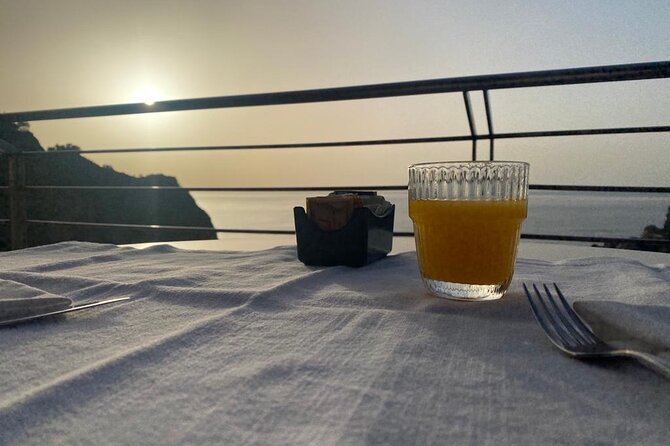
When you head toward Taormina, you make an intentional detour to Caltagirone, famous for Baroque-style ceramics. This isn’t the typical “store stop.” The tour includes a visit to the private home of the Nobel family Pace Gravina, hosted by Giacomo, the owner. You tour the palace and learn about Sicilian nobility, then enjoy a buffet lunch in the ball room.
That’s an interesting swap: instead of only seeing grand public monuments, you also see private space and learn how a family lived and displayed art and status. It makes the Baroque ceramics feel like part of a broader culture, not just a craft souvenir.
Then you arrive in Taormina, staying four nights at a luxury seaside resort hotel right on the beach. This is where the itinerary shifts from “historic stops” to “slow down and enjoy the setting.” You get to use the location: sea air, pool or beach time, and evenings without constant bus schedules.
From a value perspective, this is smart. After several busy cultural days, you’re suddenly in a place designed for hanging out.
Taormina’s funicular, amphitheater views, and the everyday magic
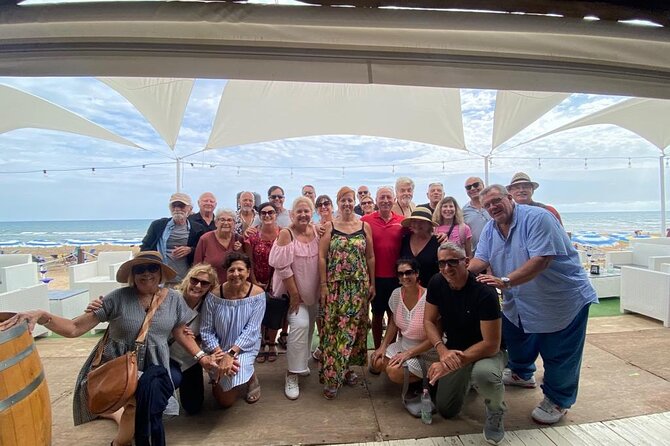
Taormina days are split into structured sightseeing and real free time.
You start with the funicular to the village area. Then you get a guided tour that includes the Greek Roman Amphitheater, plus time to wander the colorful streets and shops looking over the Mediterranean east coast. The amphitheater stop is the classic Taormina reason people come, but the rest of the village time is what makes it livable. You can browse, pause for coffee, and decide what you want to spend time on.
Evenings are more flexible. One night includes dinner at leisure, and another gives you leisure time after the Etna day and food activities. That rhythm is part of what makes Taormina work in a packed itinerary.
Mount Etna: the active volcano day with arancini learning
Etna is the big highlight here, and it’s included on day eight. Etna is the tallest active volcano in Europe, and the tour includes views from above that you’ll remember long after the trip ends.
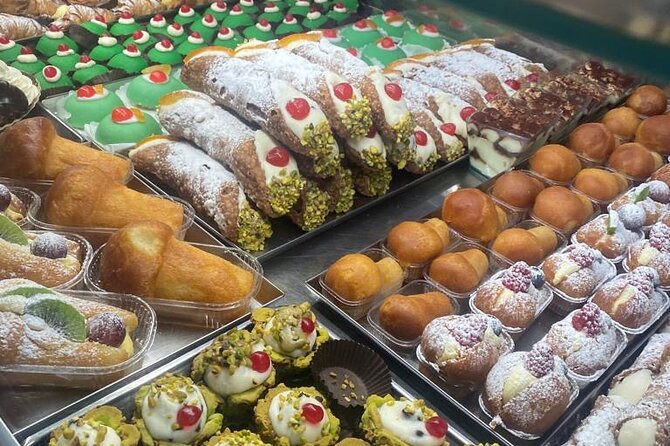
What I like is how the day doesn’t turn into only geology lectures. You stop in Zafferana and visit a local rosticceria, where you learn how to make the famous arancini rice balls. The day also includes cannoli and other local foods and wines, then you return to your Taormina beachfront hotel for more relaxed time.
That structure turns a demanding day into something you can interact with. You get the drama of the volcano, then you get back to food and local habits—hands-on learning plus tasting.
A chef dinner night in Taormina (plus optional Siracusa)
Another Taormina evening is designed to feel special. On day nine, you can choose beach or pool time, or explore and shop on your own. Then dinner is prepared by a very famous Sicilian chef, Christian Foti, with plenty of wine and local singers. The result is a party-like night, the kind of dinner that feels more like an event than a meal.
If you want even more culture, your tour leader offers an optional day trip to Siracusa. It’s described as an all-day experience introducing you to one of Sicily’s most multi-cultural cities. If that’s your thing, it’s a good add-on because it complements the earlier ancient sites without repeating the exact same type of monument.
Ferry to Sorrento: shifting from Sicily to the Bay of Naples
On day ten, you leave Sicily and head to Sorrento. The transfer includes a ferry boat cruise across the Straits of Messina. Then there’s a stop in Calabria for a relaxing lunch, before continuing to Sorrento.
Once you reach Sorrento, you get dinner with music, dancing, and wine. That’s a nice reset after big days. It also helps you transition emotionally: Sicily is intense and rugged; Sorrento is coastal, postcard-friendly, and built for lingering.
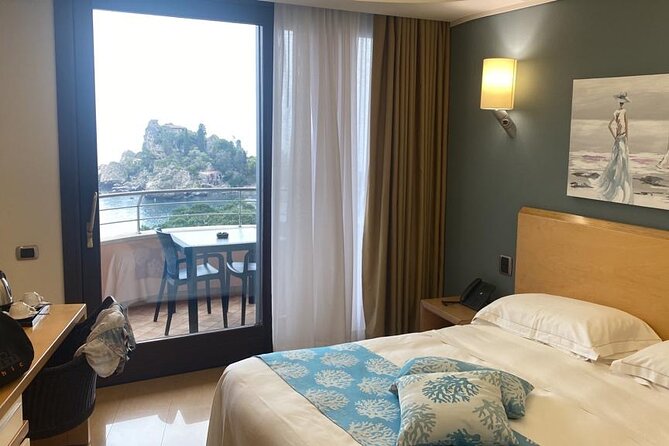
This is also where one real stand-out from the experience shows up. The Villa Giovanna in Sorrento is specifically mentioned as having breathtaking views. That kind of setting matters on tours like this, because when you’re tired, your room and balcony still need to deliver.
Capri by boat: views, shopping, and time to roam
Capri is day eleven, and it’s a full boat transfer day. You go by boat to the island and return later, with time built in to shop and explore, plus views from above. You also get guidance at the hotel before your transfer, through a Wherever Tours representative, so you can plan how to spend your day on arrival.
Capri is mostly a personal pace destination. One person will shop, another will chase viewpoints, another will simply enjoy the sea and the mood. The tour gives you the structure of getting there and back and then gives you freedom once you’re on the island.
A simple strategy: pick one must-do view, one shopping window, and keep extra time for wandering. Capri rewards aimless walking more than rigid schedules.
Amalfi Coast and Positano: UNESCO time plus the Ultima Cena dinner
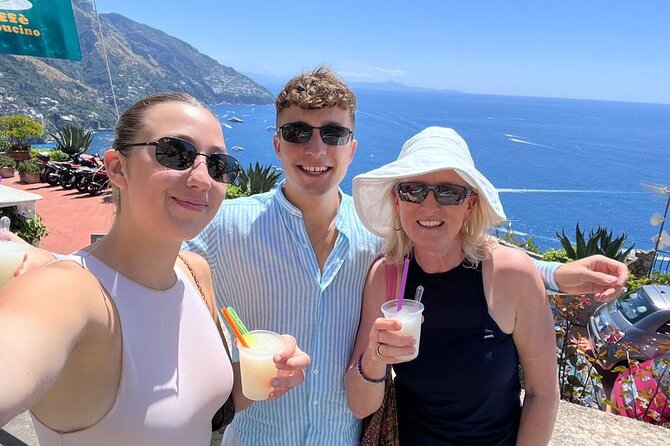
On day twelve, you head to the Amalfi Coast, a UNESCO World Heritage Site. Positano is the star stop, with free time to shop and explore in town. This is the part of the trip that feels most “vacation mode.” You’re not just looking at monuments; you’re living coastal Italy for a day.
Then, back in Sorrento, you get the Ultima Cena (Last Supper). It’s described as a special night with great food plus music, song, and dance. After the last day of sightseeing, this dinner works as a closing ceremony. It turns the end of the journey into something memorable, not just a final meal.
If you love a mix of sightseeing and celebration, this night is one of the best values in the entire trip. It bundles atmosphere, performance, and dinner into one package.
Final day back to Palermo airport
On day thirteen, you say arrivederci to Sicily and Sorrento. After breakfast, you transfer from the hotel to Palermo airport for your onward journey.
If you have the flexibility, staying a couple extra nights in Sorrento can be a smart move. This tour is strong at getting you from place to place, but Sorrento itself is the sort of town where the extra time helps you enjoy slower mornings and a second swim cycle.
Price and what makes it feel worth it
At $5,399 per person, this isn’t a bargain tour. But the price starts to make sense when you look at how much is included and how many “effort costs” the itinerary handles for you.
You’re paying for:
- Private transfers around key travel days (Palermo airport to Cefalù; hotel to Palermo airport at the end).
- A luxury coach for intercity legs and day trips.
- Multiple included meals and wine moments: welcome reception, hotel dinners, winery dinner with tastings, a cooking class ending in dinner, chef Christian Foti dinner with wine and singers, and Sorrento evenings with music, dancing, and wine.
- Several high-effort, high-demand stops: Monreale Cathedral with gold mosaics, Segesta’s temple site, UNESCO Valley of the Temples, Etna, and the boat days for Capri and the ferry to the mainland.
Also, the small-group cap (max 28) is a real value lever. It usually means better pacing and less “herding cats” energy, and the experience clearly leans on the guide relationship—like Enzo as the driver and Riccardo as the tour guide—so the group size matters.
Who this tour suits best
This is a great fit if:
- You want a Sicily to Sorrento itinerary without spending your time planning logistics.
- You like guided art and architecture, but you also want hands-on fun (like the Marsala cooking class).
- You’re excited by wine nights and chef-led meals.
- You don’t mind that there are travel days and you’ll spend part of each day in transit.
It might be less ideal if:
- You want lots of solitary wandering with zero structure.
- You get grumpy with packed days and multiple locations within one week.
Should you book it?
I’d book this tour if you want a single package that hits the big Sicily highlights (Palermo, Monreale, Marsala, Agrigento, Taormina, Etna) and then keeps going to the Amalfi Coast with Capri and Sorrento. The strongest reasons are the mix of included food and wine, the chef night with Christian Foti, and the fact that you sleep in scenic bases like Cefalù, Taormina, and Sorrento instead of constantly relocating.
If you love slow travel, plan your own extra time in Sorrento. If you love efficient sightseeing with celebration meals, this is the kind of trip that delivers.
FAQ
FAQ
How long is the tour?
It runs for about 13 days.
Where does the tour start and where does it end?
The trip begins in Palermo, with transfers to your hotel in Cefalù. It ends with a transfer from your hotel in Sorrento back to Palermo airport.
Is pickup or airport transfer included?
Yes. A private transfer is available from Palermo airport to your resort hotel in Cefalù for scheduled arrivals, and there is also a transfer back to Palermo airport on the final day.
How big is the group?
The tour has a maximum of 28 people.
What are the main stops?
You’ll visit Palermo, Erice, Trapani, Marsala, Segesta, Agrigento and the Valley of the Temples, Taormina and Mount Etna, plus Sorrento with excursions to Capri and Positano on the Amalfi Coast.
Are there meals included?
Yes. The itinerary includes several dinners, including welcome appetizers and wine, winery dinner with tastings, a cooking-class dinner, chef Christian Foti dinner, and Sorrento dinners with music, dancing, and wine.
Is Mount Etna included?
Yes. There is a day visit to Mount Etna.
Is there a cooking class?
Yes. In Marsala, you take a cooking class and then have dinner featuring what you prepared.
What is the cancellation window?
You can cancel up to 6 days in advance for a full refund. Cancel 2–6 days in advance for a 50% refund. Cancel less than 2 days in advance and the amount paid is not refunded.
More Tour Reviews in Palermo
Just added: the newest Palermo tours in our notebook
- Private Transfer from/to Trapani★ 5.0 · 3 reviews
- Private Tour from Palermo to Monreale, Santa Rosalia and Mondello★ 5.0 · 3 reviews
- Palermo: Cannolo & Cassata MasterClass★ 5.0 · 3 reviews
- Camporeale: Sallier de La Tour Wine Discovery Tour★ 4.6 · 3 reviews
- Sicily … A Love of a Lifetime★ 4.5 · 3 reviews
- Sicilian Cooking Class in Palermo – Private Option★ 5.0 · 3 reviews