
Reviewed · SYRACUSE & ORTIGIA
Syracuse: tour of the Neapolis Archaeological Park (max 6 guests)
Caves and theaters, explained like a story. This small-group tour in Syracuse’s Neapolis Archaeological Park is led by Dr. Enrica De Melio, PhD, bringing the Greek and Roman ruins to life in English.
I especially like how the visit stays focused on the big-name monuments, but with a real archaeologist behind the explanations.
I also like the pace. With a maximum of 6 guests, you’re not stuck listening from the back, and you get time to ask questions as you walk.
One thing to plan for: the main entrance ticket isn’t included. You’ll need to budget €14.00 per person for the Area Monumentale della Neapolis di Siracusa.
In This Review
- Key things you’ll notice on this Neapolis tour
- Private Neapolis walks with Dr. Enrica De Melio
- 90 minutes, four monuments, and time for your questions
- Stop 1: Ear of Dionysius, the cave you remember
- Stop 2: Teatro Greco, the third-largest Greek theater
- Stop 3: Ara di Ierone, a Zeus altar from the 3rd century BC
- Stop 4: Roman amphitheater, built for spectacle
- What makes the guide the main attraction
- Getting there, walking comfort, and what to bring
- Price and value: what the $249.68 really covers
- For even more Neapolis: add time beyond the 90-minute highlights
- Should you book the Neapolis Archaeological Park private tour?
- FAQ
- How long is the Neapolis Archaeological Park tour in Syracuse?
- What is included in the price?
- What entrance fee should I budget for Neapolis?
- How big is the group for this tour?
- Is the tour offered in English, and do I get a mobile ticket?
- What happens if weather is poor or I need to cancel?
Key things you’ll notice on this Neapolis tour
- Dr. Enrica De Melio (PhD archaeologist) guides the walk
- Four headline stops: Ear of Dionysius, Teatro Greco, Ara di Ierone, and the Roman amphitheater
- Max 6 travelers means a more personal experience and room for questions
- English tour with a mobile ticket (easy to access on the spot)
- Limited signage becomes a non-issue when a guide explains what you’re actually seeing
- Short and efficient route works well if you want the highlights without a half-day time sink
Deeper into Ortigia and old Syracuse
- Syracuse: Tour of Ortigia Island & Caves with Local Skipper
★ 4.7 · 1,060 reviews - Tour of the island of Ortigia and exploration of sea caves with baths.
★ 5.0 · 668 reviews - Boat tour of Ortigia Island and sea caves
★ 5.0 · 407 reviews - Siracusa Boat excursion island of ortigia and sea caves
★ 5.0 · 147 reviews
Private Neapolis walks with Dr. Enrica De Melio
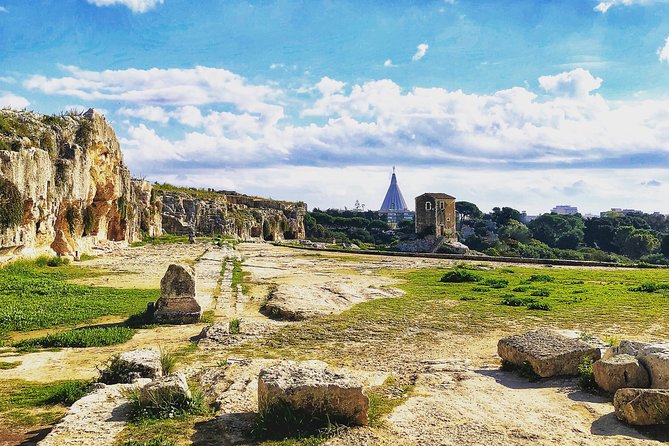
Syracuse can feel like two cities in one: Greek-era Sicily on one side, Roman-era power on the other. Neapolis Archaeological Park is where that clash (and overlap) becomes visible in stone. The smart move here is getting a guide who can translate the ruins into meaning.
That’s where Dr. Enrica De Melio, PhD, matters. You’re not just hearing general facts; you’re getting archaeological framing that helps you understand why these structures were built, what they were for, and how stories about gods and kings show up in everyday architecture. The guides’ approach is also very practical for visitors: she uses pictures and diagrams to help you picture what you’re seeing in context, especially when parts are worn down or hard to read.
And the format fits real travel life. The tour runs about 1 hour 30 minutes, so you get a guided hit of the most important pieces without turning the day into a marathon.
90 minutes, four monuments, and time for your questions
This is a walking tour through the heart of Neapolis, designed to hit the landmarks people come for. Since the group stays small (up to 6), you can keep your attention on the guide instead of fighting your way through foot traffic.
What you should expect from the structure:
- Stops are short, but not rushed.
- You can ask questions while you’re there, not after you’ve walked away.
- The tour ends back at the meeting point, which makes it easier to plan your next move in Syracuse.
If you’re the type who likes to know the story behind what you’re looking at, this format works well. There are enough layers—Greek theatre culture, religious symbolism, and Roman spectacle—that you’ll likely leave with clearer mental connections, not just a list of names.
If you’re visiting with limited time, this is also a good “highlights first” strategy. If you fall hard for the site, you can always add more time afterward on your own.
Stop 1: Ear of Dionysius, the cave you remember
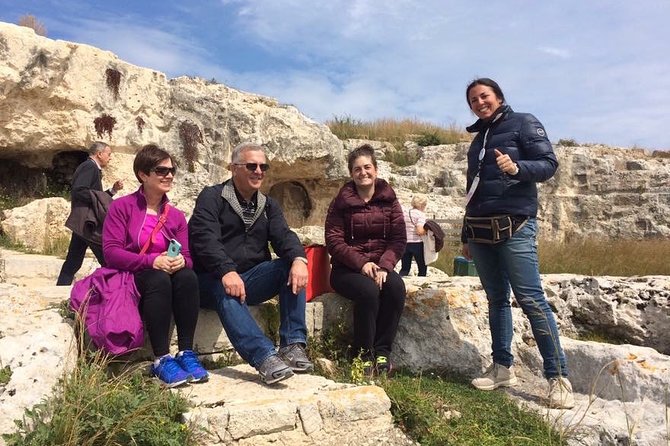
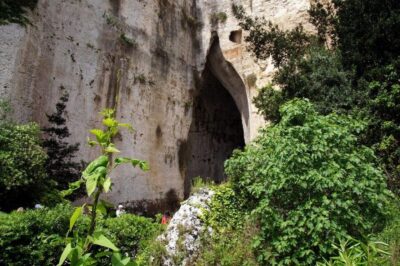
The first stop is the Ear of Dionysius—a cave described as unique in the world. Even if you’ve heard the name before, being there with a guide changes the experience. You’ll get context for why this cave is famous and how it fits into the larger Neapolis story.
This is the kind of stop that works even for people who usually skip small details. It’s not a long stop (around 30 minutes), so you can focus on what makes it special without losing momentum. And it sets the tone: this park isn’t just buildings—it’s engineering, legend, and setting.
Practical note: caves and enclosed spaces can feel cooler than open sun, so you might want a light layer. Also, because it’s a walking route, comfy shoes matter more than fashion. The surfaces can be uneven.
Stop 2: Teatro Greco, the third-largest Greek theater
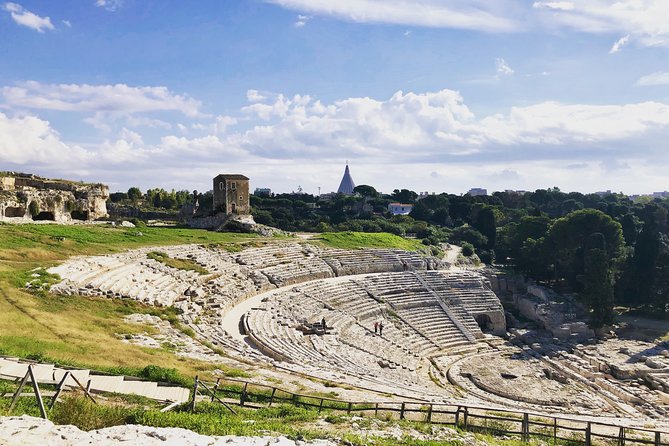
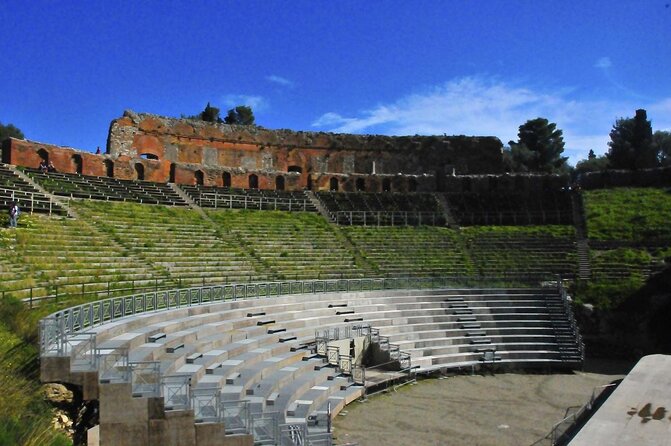
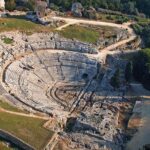
Next up is the Teatro Greco. You’ll spend about 15 minutes there, and the scale is a big part of why. This is the third-largest Greek theater in the world.
Here’s where a guide does real work for you. Many visitors can see that it’s a theatre, but you might miss how specific elements connect to performances, seating, and the broader Greek tradition. With Dr. De Melio, you’ll get explanations that help the structure make sense in your mind—not just as ruins, but as a functioning venue in its time.
One especially useful thing: the guide can point out details you’d otherwise overlook. For example, you may get help noticing inscriptions in the Greek theater area, and you’ll be shown what to look for even when the stone is worn and letters are difficult to read.
If you’re into architecture, this is one of the most satisfying stops because it’s easy to appreciate form and intention once someone explains it. Even a short visit can feel meaningful here because the guide anchors it.

Stop 3: Ara di Ierone, a Zeus altar from the 3rd century BC
Ara di Ierone is shorter—about 5 minutes—but it’s the stop that gives the walk its spiritual anchor. This Greek altar from the 3rd century BC was dedicated to Zeus.
This is a quick hit of sacred history. You’ll get the meaning behind the altar and how it connects to the Greek world that shaped Syracuse. It’s the kind of moment where names matter: when you know what it was for, the stone stops being just stone.
Because time is limited, don’t expect a long lecture-style stop. Instead, treat this like a guided “spotlight”: you see the monument, learn what it represents, and then move on with a better sense of what you’re walking through.
Stop 4: Roman amphitheater, built for spectacle
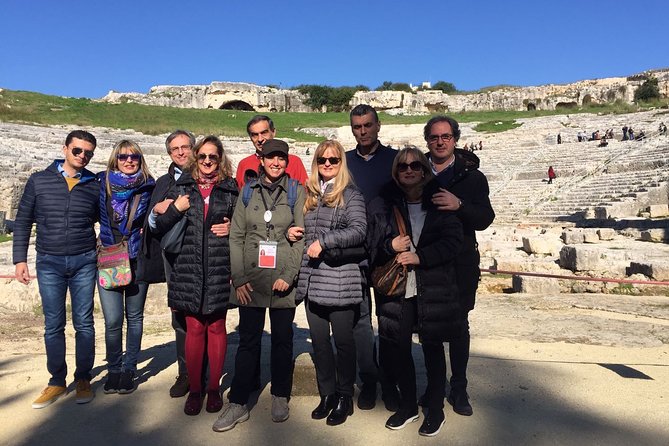
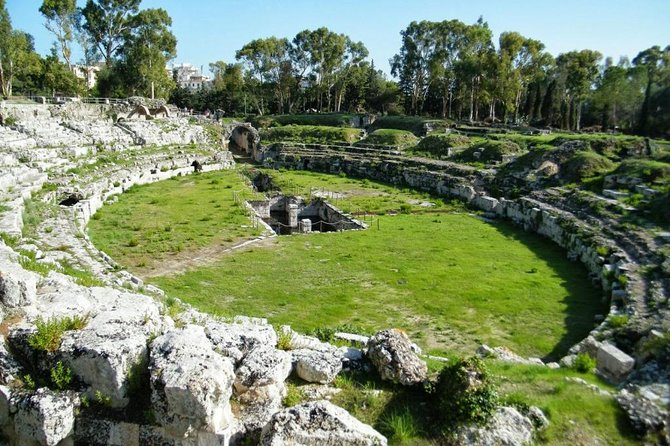
The final stop is the Anfiteatro Romano di Siracusa, about 10 minutes. This amphitheater is described as the fourth-largest in the world.
Roman Syracuse leaned hard into public spectacle, and the amphitheater is where that attitude becomes physical. A guided explanation helps you understand what kind of gatherings this space was built to host and why the architecture looks the way it does.
There’s also often artwork around the park experience that can change how you perceive the ruins. Some visitors note that Mitoraj sculptures complement the Roman and Greek monuments in a way that makes the whole area feel more like a living cultural space rather than a sealed museum.
Even if you don’t come for art, this stop tends to land because it’s visual and dramatic. You don’t need to read a ton to feel the scale, but you do benefit from the guide’s context.
What makes the guide the main attraction
The highest praise here is very consistent: Dr. Enrica De Melio’s combination of academic depth and an engaging teaching style.
You’ll likely notice three things during the walk:
- Explanations are structured so the site feels understandable, not chaotic.
- Visual aids like pictures and diagrams help you picture what the area once looked like.
- She answers questions readily, including the small “how do we know this?” type of curiosity that serious ruins inspire.
This matters because Neapolis doesn’t carry the same amount of on-site interpretive signage as some other major archaeological sites. When the labels are limited, a great guide becomes the difference between a quick photo stop and a genuinely rewarding visit.
Also, the tone comes through: she’s friendly and enthusiastic, which keeps a short 90-minute walk from turning into a dry recitation. You’ll feel like you’re having a conversation with someone who knows the ground—and the scholarship behind it.
Getting there, walking comfort, and what to bring
The meeting point is Neapolis Archaeological Park, Via Luigi Bernabò Brea, 14, 96100 Siracusa SR, Italy. The tour starts there and ends back at the same point.
The tour is near public transportation, which helps if you’re arriving from Ortigia or other parts of Syracuse. It’s also listed for people with a moderate physical fitness level, so expect some walking and time on outdoor paths that may not be perfectly smooth.
My practical checklist:
- Solid walking shoes
- Sun protection (summer in Sicily can be bright)
- Water in your day bag
- A phone/camera with a charged battery
If you’re traveling with a service animal, the tour allows service animals.
Price and value: what the $249.68 really covers
The tour price is $249.68 per person for about 1 hour 30 minutes. That price covers the guided experience by Dr. Enrica De Melio.
The entrance fee is separate: €14.00 per person for the Biglietto d’ingresso all’Area Monumentale della Neapolis di Siracusa. So, your real total is the tour price plus the site ticket.
How to think about value:
- If you want a private-feeling experience (max 6) with an archaeologist guide, this pricing can feel fair.
- If you’re only interested in a single monument, you might question paying for a full guided route.
- If you care about meaning, not just photos, you’re paying for context and the ability to ask questions—not just the walking.
One more point: this tour is booked on average about 46 days in advance. That’s a good sign of demand. If your dates are firm, it’s smart to reserve early rather than hoping something opens up last minute.
For even more Neapolis: add time beyond the 90-minute highlights
Even though this tour is built for efficiency, it’s not the whole Neapolis story. People often recommend giving the park longer time, especially if you want to wander at your own pace and see additional areas.
For example, one visitor specifically points out that the UNESCO area and the broader surroundings can take a half day or more, and mentions places like the Paradise quarry. That quarry isn’t part of this 90-minute route, but it’s a useful idea if you want to turn your day trip into something longer.
If you love ruins that reward slow walking, consider pairing this tour with extra independent time afterward. You’ll get the best of both worlds: guided clarity up front, then freedom to explore what caught your eye.
Should you book the Neapolis Archaeological Park private tour?
I’d book this if you want the Neapolis highlights explained by a serious archaeologist, in English, at a comfortable group size. The max 6 setup plus Dr. Enrica De Melio’s teaching style makes it feel personal, not like you’re standing in a crowd listening to a headset.
Skip it (or think twice) if:
- you have only a couple of hours total and don’t want to pay for a guided walk, or
- you’re not interested in historical context and mostly just want quick photos.
If you do book, plan on paying the €14 entrance ticket separately and wear shoes made for uneven outdoor walking. Do those two things, and you’ll get a strong, memorable tour of Syracuse’s Greek-Roman world without wasting your limited time.
FAQ
How long is the Neapolis Archaeological Park tour in Syracuse?
The tour lasts about 1 hour 30 minutes.
What is included in the price?
Your tour includes Dr. Enrica De Melio, PhD as the archaeologist guide.
What entrance fee should I budget for Neapolis?
The entrance fee to the Area Monumentale della Neapolis di Siracusa is €14.00 per person, and it is not included in the tour price.
How big is the group for this tour?
The tour has a maximum of 6 travelers.
Is the tour offered in English, and do I get a mobile ticket?
Yes. The tour is offered in English and you receive a mobile ticket.
What happens if weather is poor or I need to cancel?
The experience requires good weather. If it’s canceled due to poor weather, you’ll be offered a different date or a full refund. Free cancellation is available up to 24 hours in advance for a full refund.
More Tours in Sicily





More Tour Reviews in Sicily

More of Syracuse and Ortigia

Just added: the newest Sicily tours in our notebook
- Etna / Taormina★ 5.0 · 3 reviews
- Bikes★ 5.0 · 3 reviews
- Taormina shore tour – for small group cruise passengers★ 5.0 · 3 reviews
- Vegan Cooking Class in Catania with Lunch and Dinner★ 5.0 · 3 reviews
- Make & Taste Sicilian Desserts in Palermo – Learn Cannoli & More★ 5.0 · 3 reviews
- Sicilian Villages & Ricotta Tasting – including Lunch from Cefalu★ 4.0 · 3 reviews
Syracuse & Ortigia, compared.
 ★ 4.7Syracuse: Tour of Ortigia Island & Caves with Local SkipperFrom $231,060 reviews
 ★ 4.7Syracuse: Boat Tour with Captain Mirko, Snorkeling & CavesFrom $35746 reviews
 ★ 4.7Siracusa: Ortigia Boat Tour with Marine Grotto & SnorkelingFrom $47726 reviews
 ★ 4.8Siracusa: Ortigia & Sea Caves Boat Tour w/ Prosecco & FruitFrom $35723 reviews
 ★ 5.0Tour of the island of Ortigia and exploration of sea caves with baths.From $24668 reviews
 ★ 4.7Syracuse: Ortigia Island & Sea Cave Boat Tour with ProseccoFrom $23418 reviews
 ★ 5.0Boat tour of Ortigia Island and sea cavesFrom $24407 reviews
 ★ 4.6Catania: Syracuse, Ortigia, and Noto Tour with BrunchFrom $112404 reviews
Browse the lists this tour appears in